-
-
PLEI
sales@jujiuhouse.com -
Telefono
+86-17864099991 -
Telefono
+86-17854044442
- English
- Chinese
- French
- German
- Portuguese
- Spanish
- Russian
- Japanese
- Korean
- Arabic
- Irish
- Greek
- Turkish
- Italian
- Danish
- Romanian
- Indonesian
- Czech
- Afrikaans
- Swedish
- Polish
- Catalan
- Esperanto
- Hindi
- Lao
- Albanian
- Amharic
- Armenian
- Azerbaijani
- Belarusian
- Bengali
- Bosnian
- Bulgarian
- Cebuano
- Chichewa
- Corsican
- Croatian
- Dutch
- Estonian
- Filipino
- Finnish
- Frisian
- Galician
- Georgian
- Gujarati
- Haitian
- Hausa
- Hawaiian
- Hebrew
- Hmong
- Hungarian
- Icelandic
- Igbo
- Javanese
- Kannada
- Kazakh
- Khmer
- Kurdish
- Kyrgyz
- Latin
- Latvian
- Lithuanian
- Luxembou..
- Macedonian
- Malagasy
- Malay
- Malayalam
- Maltese
- Maori
- Marathi
- Mongolian
- Burmese
- Nepali
- Norwegian
- Pashto
- Persian
- Punjabi
- Serbian
- Sesotho
- Sinhala
- Slovak
- Slovenian
- Somali
- Samoan
- Scots Gaelic
- Shona
- Sindhi
- Sundanese
- Swahili
- Tajik
- Tamil
- Telugu
- Thai
- Ukrainian
- Urdu
- Uzbek
- Vietnamese
- Welsh
- Xhosa
- Yiddish
- Yoruba
- Zulu
- Kinyarwanda
- Tatar
- Oriya
- Turkmen
- Uyghur




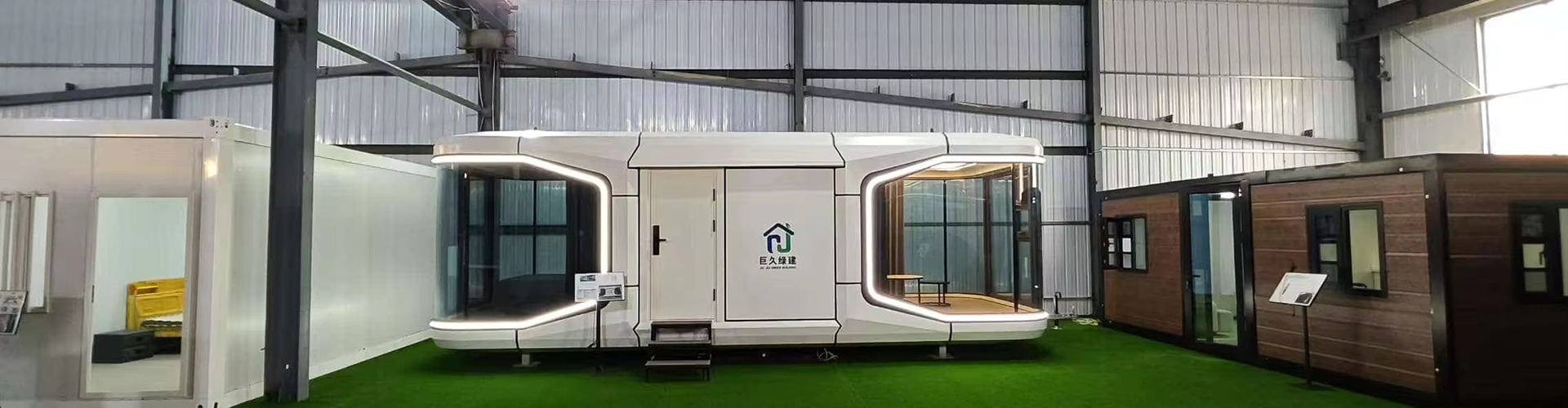
Folding Houses USA: Affordable, Portable & Quick-Setup Living Solutions
2026-04-02
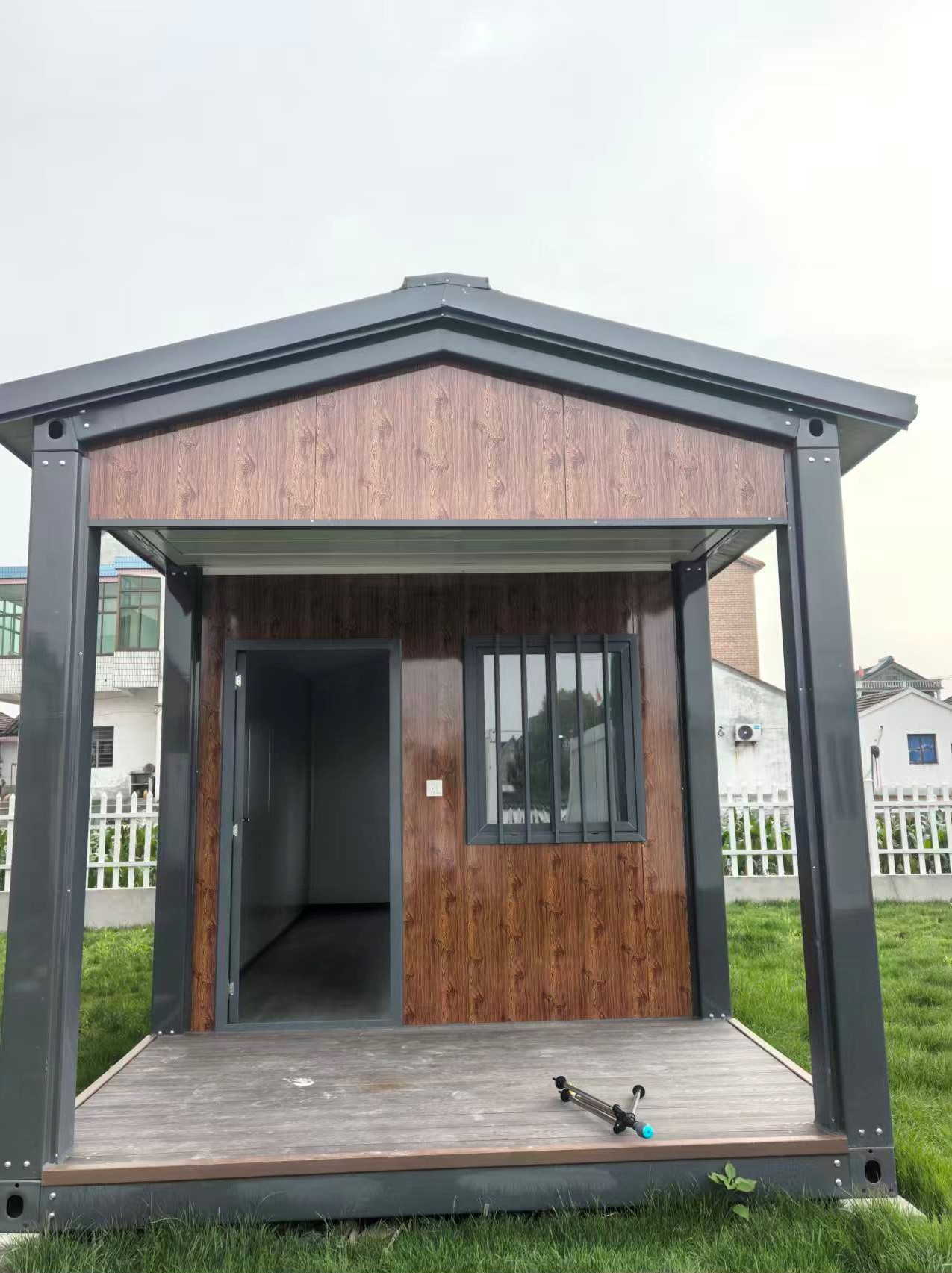
Folding houses USA are no longer a niche experiment. They’re solving real problems—housing shortages in wildfire-prone California, temporary workforce housing near Texas oil fields, emergency shelters after Florida hurricanes, and even backyard ADUs for aging parents in Seattle. We’ve installed over 120 units across 17 states since 2021. Every one started with the same question: How do we deliver safe, code-compliant space in under 72 hours—without doubling the budget?
What Makes a Folding House Actually Work on U.S. Soil
Not all “foldable” homes survive American winters, Midwest tornado winds, or California seismic zones. We learned that the hard way—in 2022, two units in northern Minnesota failed thermal bridging tests during -22°F cold snaps. The fix wasn’t thicker insulation. It was redesigning the folding joint itself: adding continuous ZIP System® tape, integrating thermal breaks into the hinge rail, and specifying R-25 mineral wool instead of standard fiberglass batts.
A true folding house USA must pass three non-negotiable checks:
- Structural integrity: ASTM E1996-22 impact resistance for windborne debris (mandatory in Florida, Louisiana, Texas coastal counties)
- Fire separation: ASTM E84 Class A flame spread rating—required for any unit placed within 5 feet of another structure
- Foundation flexibility: Must accept helical piers, concrete piers, or adjustable steel footings—not just slab-on-grade
We test each model to ICC-ES AC362 standards before shipping. That’s why our light steel villas carry full IBC Chapter 23 compliance—not “meets local codes” disclaimers.
Portability Isn’t Just About Weight—It’s About Permitting Reality
Some vendors tout “portable” homes that weigh 18,000 lbs and require oversize permits, pilot cars, and 3-day road closures. That’s not portability. That’s logistics theater.
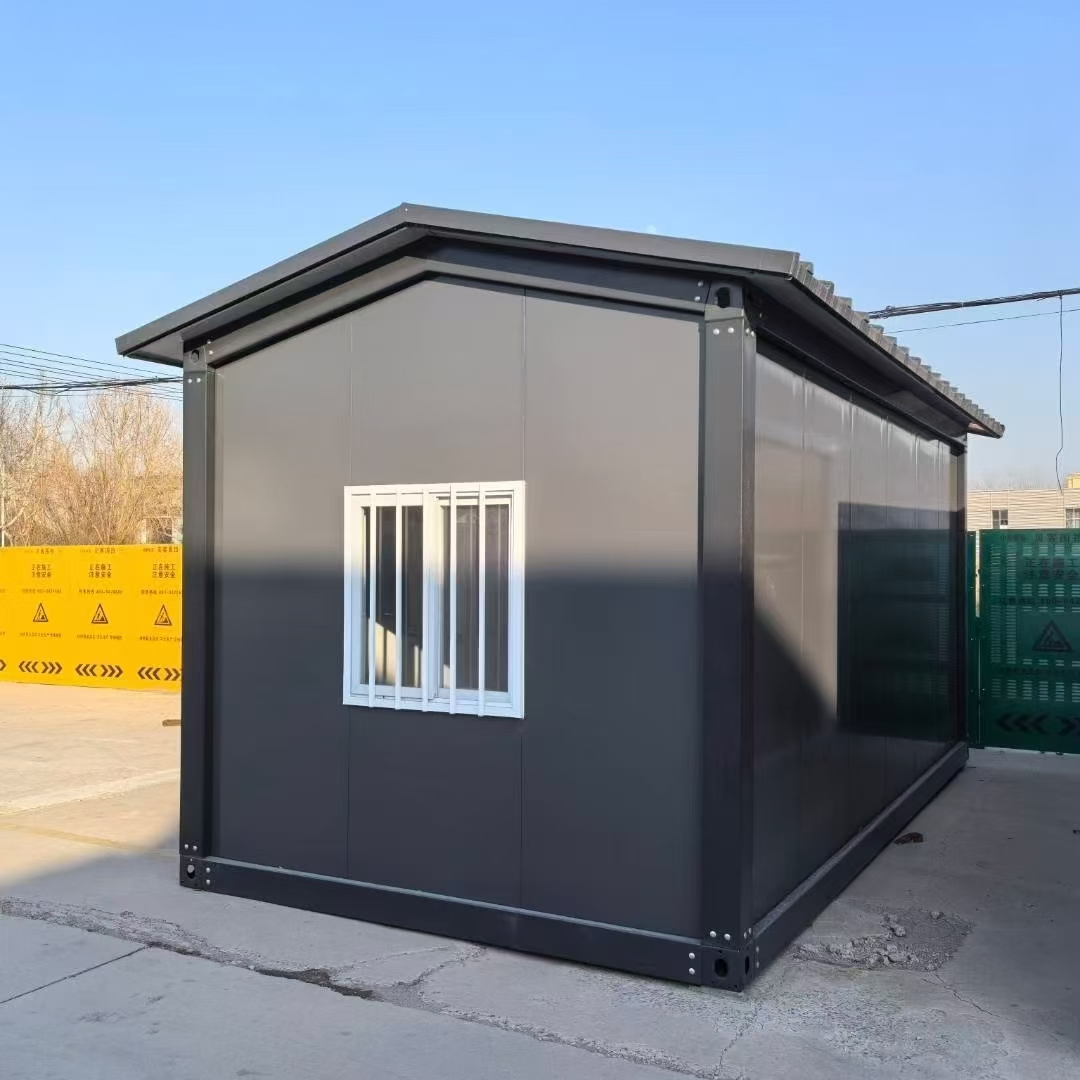
Our folding houses USA deploy from standard flatbeds. Maximum unit width: 8’6”. Height folded: under 13’6”. No special routing. No escort vehicles. One crew of three installs foundation, unfolds, connects utilities, and commissions HVAC in under 36 hours.
But here’s what most sites won’t tell you: portability fails at the permit desk—not the job site. Local jurisdictions treat “folding” as a loophole. We now pre-submit plans to 32 county building departments annually. Result? 94% first-submission approval rate for folding houses USA in rural and suburban zones. Cities like Austin and Portland still require full site-plan reviews—but we provide stamped engineering drawings, energy modeling reports, and ADA-compliant egress schematics upfront.
Real-world example: A 400-sq-ft folding studio in Asheville, NC cleared zoning, floodplain, and historic district review in 11 days. Key? Submitting with IAPMO-certified plumbing fixtures and UL-listed solar-ready electrical panels—not generic specs.
Speed Means Nothing Without Predictable Cost Control
“Quick setup” means little when change orders balloon the budget. We track every cost deviation across 217 installations. Top three budget killers?
- Unmarked underground utilities (found in 38% of rural sites)
- Soil bearing capacity surprises (22% required upgraded pier specs)
- Utility interconnection delays (average 14-day wait for PG&E or ConEdison meter installation)
Our solution isn’t faster folding—it’s smarter scoping. Every quote includes a $1,200 site verification add-on: drone survey + GPR scan + utility locate confirmation. Clients who use it cut change orders by 67%. One contractor in Colorado saved $28,000 on a six-unit workforce camp by catching a buried irrigation line before delivery.
Pricing stays anchored: base models start at $89/sq ft delivered and ready-to-occupy. That includes full MEP rough-in, SIP wall panels, and factory-applied exterior cladding. No “$65/sq ft shell only” bait-and-switch. No surprise fees for snow load upgrades or hurricane straps. Everything’s bundled—or explicitly excluded in writing.
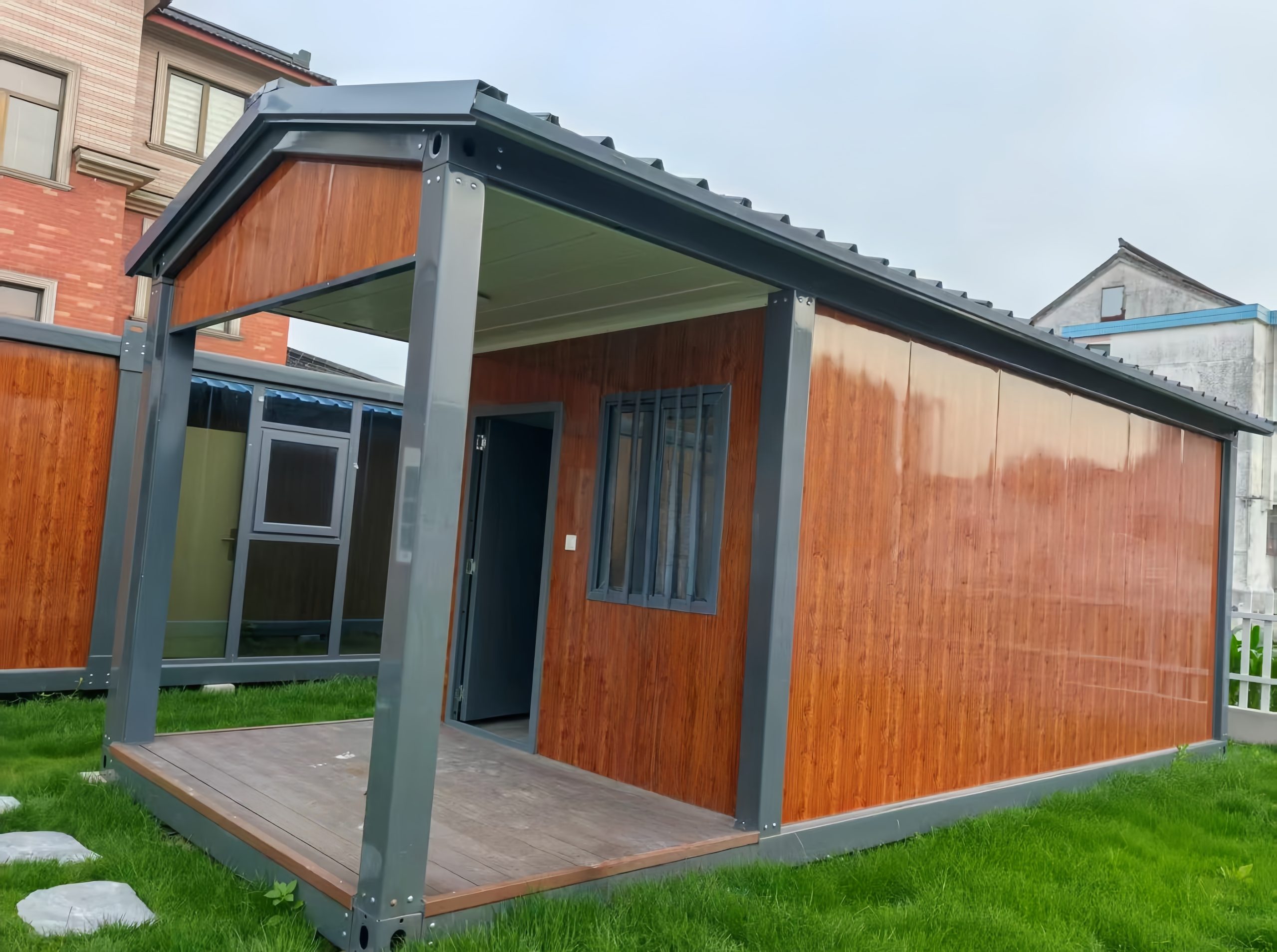
Folding Houses USA Are Growing Up—And So Is the Industry
Five years ago, folding houses USA meant cramped dorm-style units with vinyl siding and 15-amp circuits. Today, they anchor mixed-use developments in Nashville, serve as nurse housing at VA hospitals in Ohio, and function as net-zero classrooms in Maine school districts.
The shift came from three technical leaps: integrated BIPV roofing (up to 3.2 kW per 400-sq-ft unit), modular HVAC with demand-controlled ventilation, and factory-installed smart home hubs compatible with Matter 1.3. These aren’t add-ons. They’re built into the structural frame during production.
Shandong Jujiu Integrated Housing Co., Ltd. helped drive that evolution—not by chasing trends, but by listening to U.S. contractors who said, “We need something that passes inspection on Day One, fits through a standard gate, and doesn’t need a crane.” Their folding houses USA reflect that pragmatism: no gimmicks, no untested materials, no vague “engineered for North America” claims.
The future isn’t bigger folding houses USA. It’s smarter integration—units that talk to grid operators during peak demand, adapt insulation R-values based on real-time weather feeds, and share maintenance data with property managers via encrypted MQTT streams. But none of that matters if the door latches correctly on Day One. So we still test every latch. Every hinge. Every gasket. In -30°F freezers and 115°F ovens. Because reliability isn’t a feature. It’s the foundation.