-
E-mail
Austin120521@outlook.com -
E-mail
sales@jujiuhouse.com -
Telefòn
+86-17864099991 -
Telefòn
+86-17854044442
- English
- Chinese
- French
- German
- Portuguese
- Spanish
- Russian
- Japanese
- Korean
- Arabic
- Irish
- Greek
- Turkish
- Italian
- Danish
- Romanian
- Indonesian
- Czech
- Afrikaans
- Swedish
- Polish
- Basque
- Catalan
- Esperanto
- Hindi
- Lao
- Albanian
- Amharic
- Armenian
- Azerbaijani
- Belarusian
- Bengali
- Bosnian
- Bulgarian
- Cebuano
- Chichewa
- Corsican
- Croatian
- Dutch
- Estonian
- Filipino
- Finnish
- Frisian
- Galician
- Georgian
- Gujarati
- Hausa
- Hawaiian
- Hebrew
- Hmong
- Hungarian
- Icelandic
- Igbo
- Javanese
- Kannada
- Kazakh
- Khmer
- Kurdish
- Kyrgyz
- Latin
- Latvian
- Lithuanian
- Luxembou..
- Macedonian
- Malagasy
- Malay
- Malayalam
- Maltese
- Maori
- Marathi
- Mongolian
- Burmese
- Nepali
- Norwegian
- Pashto
- Persian
- Punjabi
- Serbian
- Sesotho
- Sinhala
- Slovak
- Slovenian
- Somali
- Samoan
- Scots Gaelic
- Shona
- Sindhi
- Sundanese
- Swahili
- Tajik
- Tamil
- Telugu
- Thai
- Ukrainian
- Urdu
- Uzbek
- Vietnamese
- Welsh
- Xhosa
- Yiddish
- Yoruba
- Zulu
- Kinyarwanda
- Tatar
- Oriya
- Turkmen
- Uyghur




Where to buy portable folding houses?
2026-04-01
Look, if you’re typing that into a search bar right now, you’re probably already past the what is it stage and hitting the real wall: figuring out who actually sells these things beyond the glossy renders and vague promises. The biggest misconception? That portable folding house is one single, standard product. It’s not. You’re entering a spectrum that runs from glorified garden sheds to near-permanent modular dwellings, and where you buy depends entirely on which end you need. I’ve seen people waste months talking to the wrong suppliers because they didn’t nail that down first.

Defining Your Portable – It’s Not Just Size
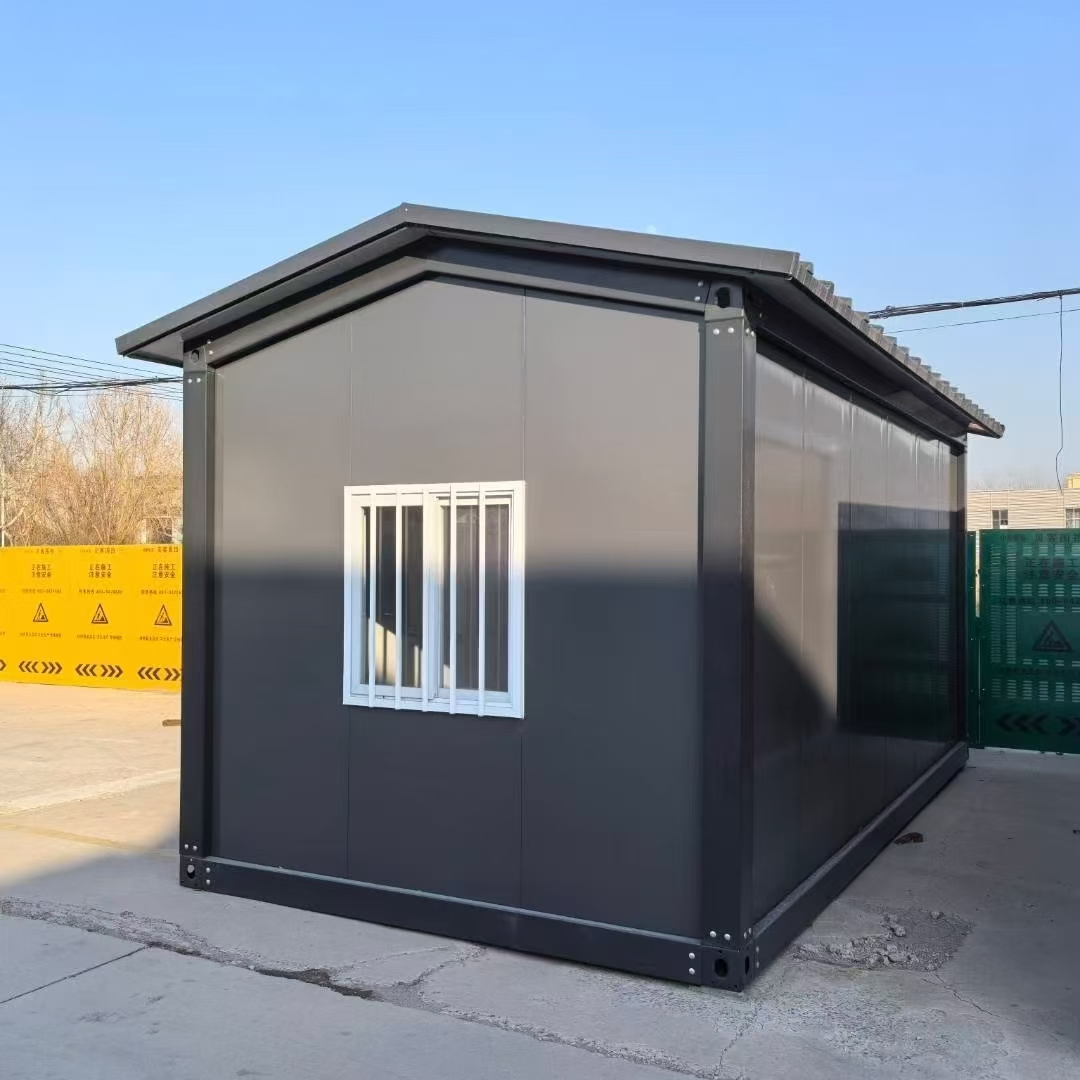
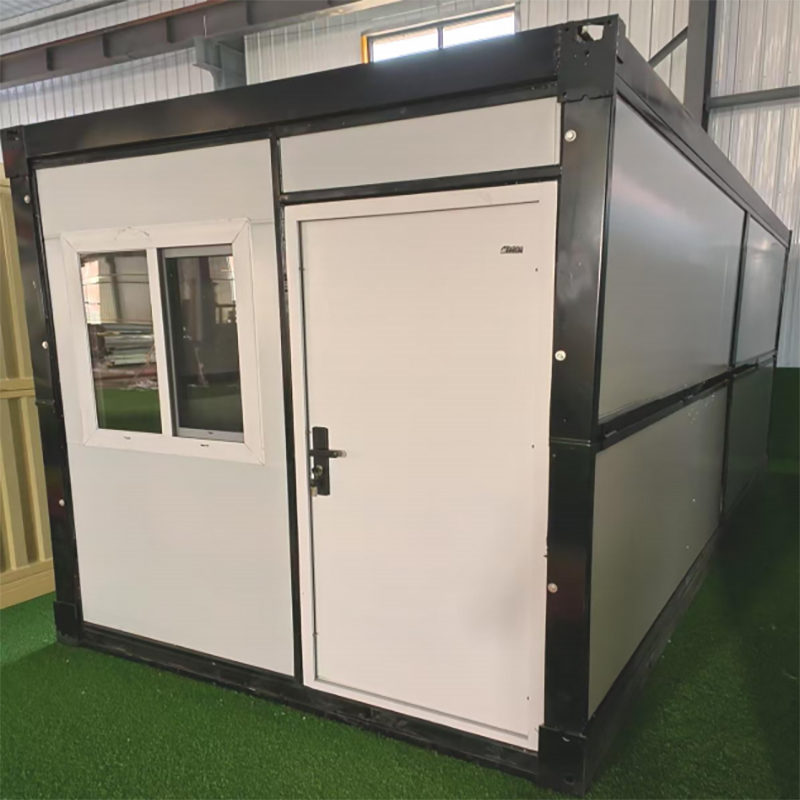
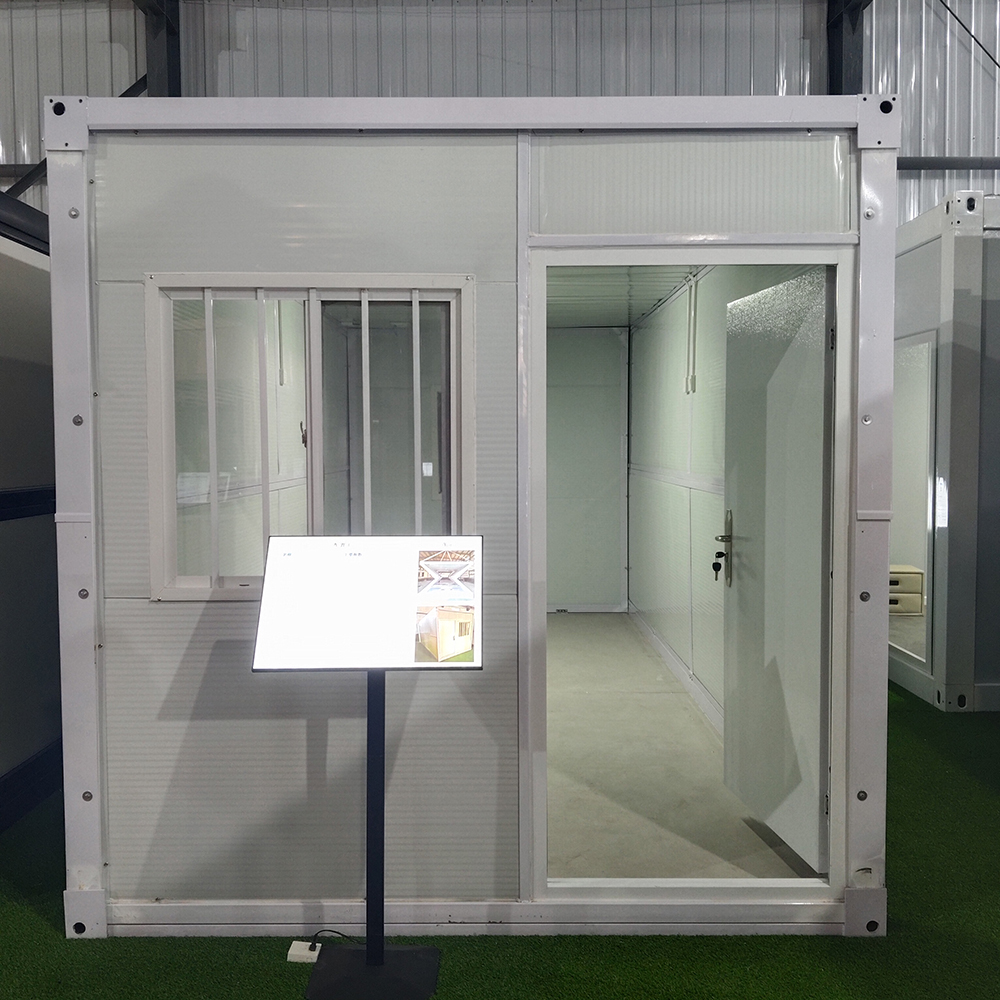
Before you even start looking, ask: what’s the core need? Is this for a seasonal site office that needs to be moved every few months? A disaster relief unit that must deploy in hours? Or a backyard studio that’ll likely stay put for years? The term folding itself is tricky. Some units literally fold like an accordion on a trailer. Others are panelized—walls and roof pack flat and bolt together on-site. The former gives you speed; the latter often offers better insulation and structural integrity. I leaned toward panelized systems for most client projects because the thermal performance is easier to control, crucial if you’re not in a perfect climate.
I remember a project for a forestry outpost. The client was fixated on a true foldable container house for its rapid setup. Made sense on paper. But the reality of transporting that 40-foot folded unit down miles of unpaved, narrow logging roads? A logistical nightmare and cost overrun we hadn’t fully priced in. We switched to a panelized system from a different supplier, shipped flat on pallets, and assembled it with a small crew on-site. Took two days instead of six hours, but it actually got there and fit the budget. The where to buy question changed completely once we defined the logistical constraints.
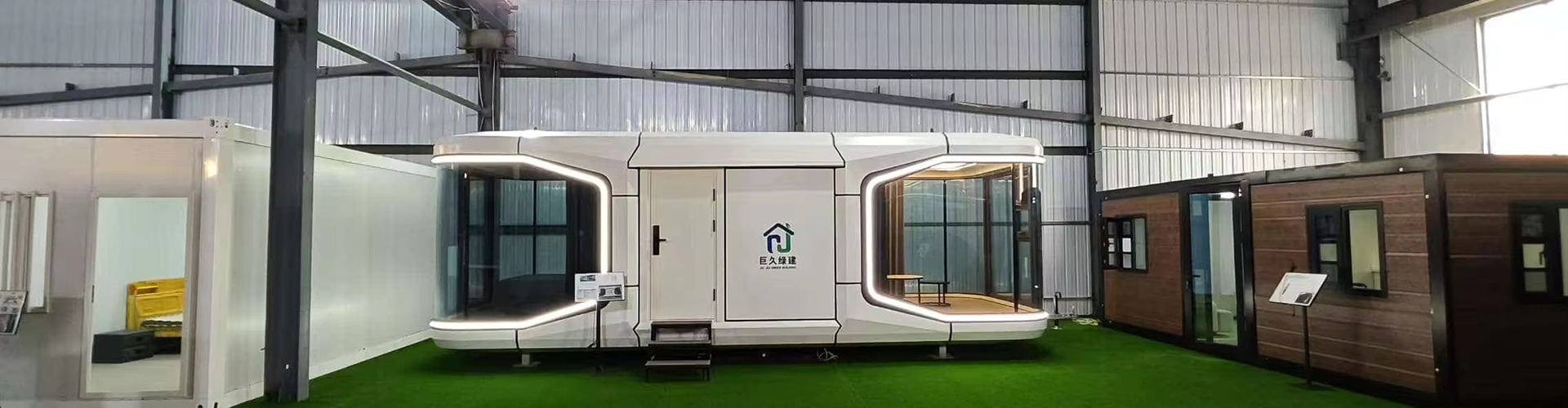
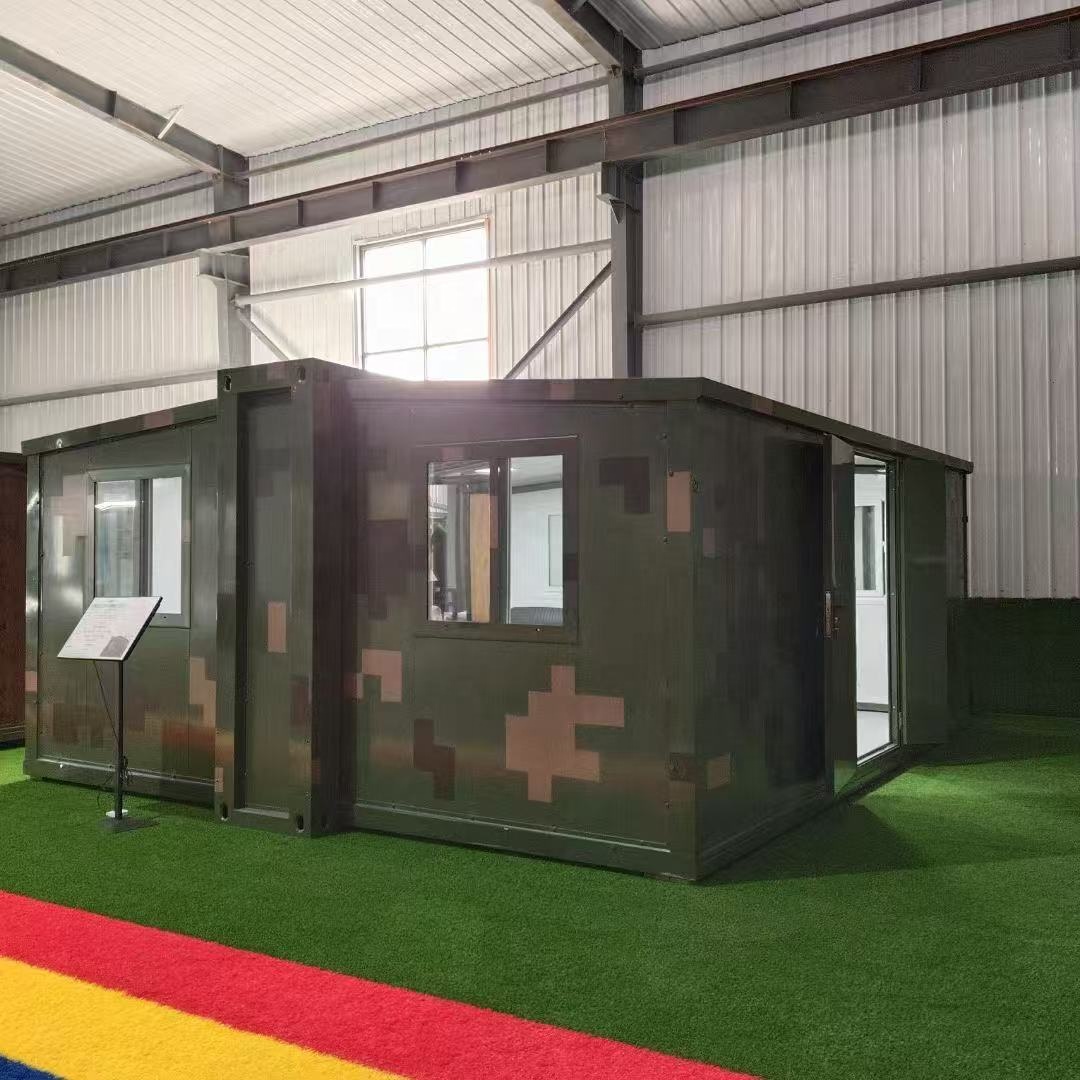
This is where you filter your search. Suppliers often specialize. Some focus on the ultra-portable, rapid-deployment end (think mining camps, event medical stations). Others, like Shandong Jujiu entegre lojman co, Ltd., position themselves more in the integrated housing space. Checking their scope at jujiuhouse.com, you see they handle packing box rooms (that’s the folding/container style), movable board rooms, but also light steel villas and steel structures. That tells you they’re probably geared toward more semi-permanent applications, where the portable aspect might mean relocatable every few years, not every few weeks. Their integrated approach from R&D to installation is a plus for turnkey needs, but maybe overkill for a one-off, simple shed.
The Supplier Landscape: Factories, Traders, and Local Assemblers
Your main channels are direct factory sources, trading companies that represent multiple factories, and local dealers/assemblers who might import the kits. Going direct to a factory in China or Eastern Europe can save 20-30%, but it’s a high-trust, high-risk game. You need to be specific in your RFQ (Request for Quotation). Don’t just ask for a 20ft folding house. Specify: wall/roof panel thickness and core material (EPS, rockwool, PU?), floor frame type, window and door specs, electrical pre-wiring standards, and crucially, the packing method for shipping. The quote is meaningless without these details.
Trading companies are easier to communicate with and can handle more complex logistics. They can also mix products from different specialized factories. But you pay a margin for that service. I’ve used both. For a standard, repeatable unit, I now go direct if I have a verified factory contact. For a custom project with lots of tweaks, a good trader who understands engineering is worth their fee. Always, always ask for project references—photos or videos of completed units, ideally in your region. A supplier who can’t provide that is a red flag.
Local assemblers or dealers are the safest but most expensive route. They handle all import duties, customs clearance, and local code compliance (a huge issue—more on that next). They buy in bulk from factories and stock some models. The upside is you can often see a physical model. The downside is less customization and a significant markup. For a first-time buyer doing a single unit, this might be the least stressful path, even if not the cheapest.
The Hidden Hurdle: Codes, Logistics, and Site Prep
Here’s where most first-timers get burned. You’ve found a supplier, gotten a quote for a beautiful pòtab kay plisman, and you’re ready to go. Stop. Where is it going to sit? Permanently? You likely need a building permit. Is it on wheels? Maybe it’s classified as a temporary structure or an RV, with different rules. I’ve had projects delayed for months because the local planning department had no precedent for a folding steel-framed dwelling. You must do this homework before ordering.
Logistics. The quoted FOB (Free On Board) price is just the start. You need to budget for sea freight, insurance, port charges, trucking from the port to your site, and a crane or forklift for offloading. The supplier should provide the gross packed dimensions and weight. A standard 40ft high-cube container can usually hold one fully folded 40ft unit or multiple panelized kits. But if your site has access restrictions, you might need to break it down into smaller trucks. This cost can easily match 50% of the unit price itself.
Site preparation is another silent cost. These units often need a level, compacted gravel base or concrete piers. They’re not magic boxes you plop on mud. Factor in utility connections—water, sewer (or a septic system), electrical hookup. The supplier might pre-wire and plumb, but connecting to mains is your local contractor’s job. Failing to budget for this foundation and connection work is the most common financial surprise.
Evaluating a Supplier: Beyond the Brochure
When you’re looking at a company’s website, like the Shandong Jujiu site, look for engineering details. Do they show cross-section drawings of their wall panels? List the steel gauge for the frame? Specify the type of lock on the folding mechanism? The more technical data openly available, the more confident you can be. A site with only pretty 3D animations and stock photos is a warning sign.
Communication is a test. Send a detailed inquiry. See how they respond. Do they ask clarifying questions about your use case and site conditions? Or do they just fire back a generic price list? A good supplier acts like a consultant in the early stages. Ask for a video call and request a live video walkthrough of their factory floor or a completed unit. Most reputable ones will do this. It shows they have a real operation.
Check their company profile holistically. Jujiu’s description as an industrial enterprise integrating R&D… sales and installation is a strong signal. It suggests they can handle the entire process, which reduces finger-pointing if something goes wrong. For a complex project, that integration is valuable. For a simple storage box, it might be unnecessary. Also, see what other products they make. If they also do steel structure engineering and curtain walls, their structural knowledge for larger portable houses is probably solid.
Making the Decision: A Practical Framework
So, where do you actually buy? Start by writing a one-page spec sheet: Dimensions, intended use, climate, required insulation value (R-value), budget all-in (including shipping and site work), and timeline. That sheet is your filter.
Then, source 3-5 potential suppliers across the types: one direct factory, one trading company, one local assembler. Get detailed quotes from each based on YOUR spec sheet, so they’re comparable. The quote must include: EXW/FOB price, packing details, estimated shipping volume/weight, lead time, payment terms (30% deposit is standard, never pay 100% upfront), and warranty terms.
Finally, weigh the intangibles. Who communicated most clearly? Who seemed most knowledgeable about the challenges in your region? Who provided the most verifiable evidence of past work? Sometimes the middle-priced quote from the most responsive and thorough supplier is the real cheapest option when you factor in risk. Buying a pòtab kay plisman isn’t like buying a product off a shelf. You’re buying a process—manufacturing, logistics, installation support. The supplier is a partner for that 3-6 month journey. Choose the partner, not just the prettiest picture.