-
E-mail
Austin120521@outlook.com -
E-mail
sales@jujiuhouse.com -
Telephone
+86-17864099991 -
Telephone
+86-17854044442
- Chinese
- French
- German
- Portuguese
- Spanish
- Russian
- Japanese
- Korean
- Arabic
- Irish
- Greek
- Turkish
- Italian
- Danish
- Romanian
- Indonesian
- Czech
- Afrikaans
- Swedish
- Polish
- Basque
- Catalan
- Esperanto
- Hindi
- Lao
- Albanian
- Amharic
- Armenian
- Azerbaijani
- Belarusian
- Bengali
- Bosnian
- Bulgarian
- Cebuano
- Chichewa
- Corsican
- Croatian
- Dutch
- Estonian
- Filipino
- Finnish
- Frisian
- Galician
- Georgian
- Gujarati
- Haitian
- Hausa
- Hawaiian
- Hebrew
- Hmong
- Hungarian
- Icelandic
- Igbo
- Javanese
- Kannada
- Kazakh
- Khmer
- Kurdish
- Kyrgyz
- Latin
- Latvian
- Lithuanian
- Luxembou..
- Macedonian
- Malagasy
- Malay
- Malayalam
- Maltese
- Maori
- Marathi
- Mongolian
- Burmese
- Nepali
- Norwegian
- Pashto
- Persian
- Punjabi
- Serbian
- Sesotho
- Sinhala
- Slovak
- Slovenian
- Somali
- Samoan
- Scots Gaelic
- Shona
- Sindhi
- Sundanese
- Swahili
- Tajik
- Tamil
- Telugu
- Thai
- Ukrainian
- Urdu
- Uzbek
- Vietnamese
- Welsh
- Xhosa
- Yiddish
- Yoruba
- Zulu
- Kinyarwanda
- Tatar
- Oriya
- Turkmen
- Uyghur




Fold Out Shipping Container Homes for Affordable and Flexible Living
2026-07-23
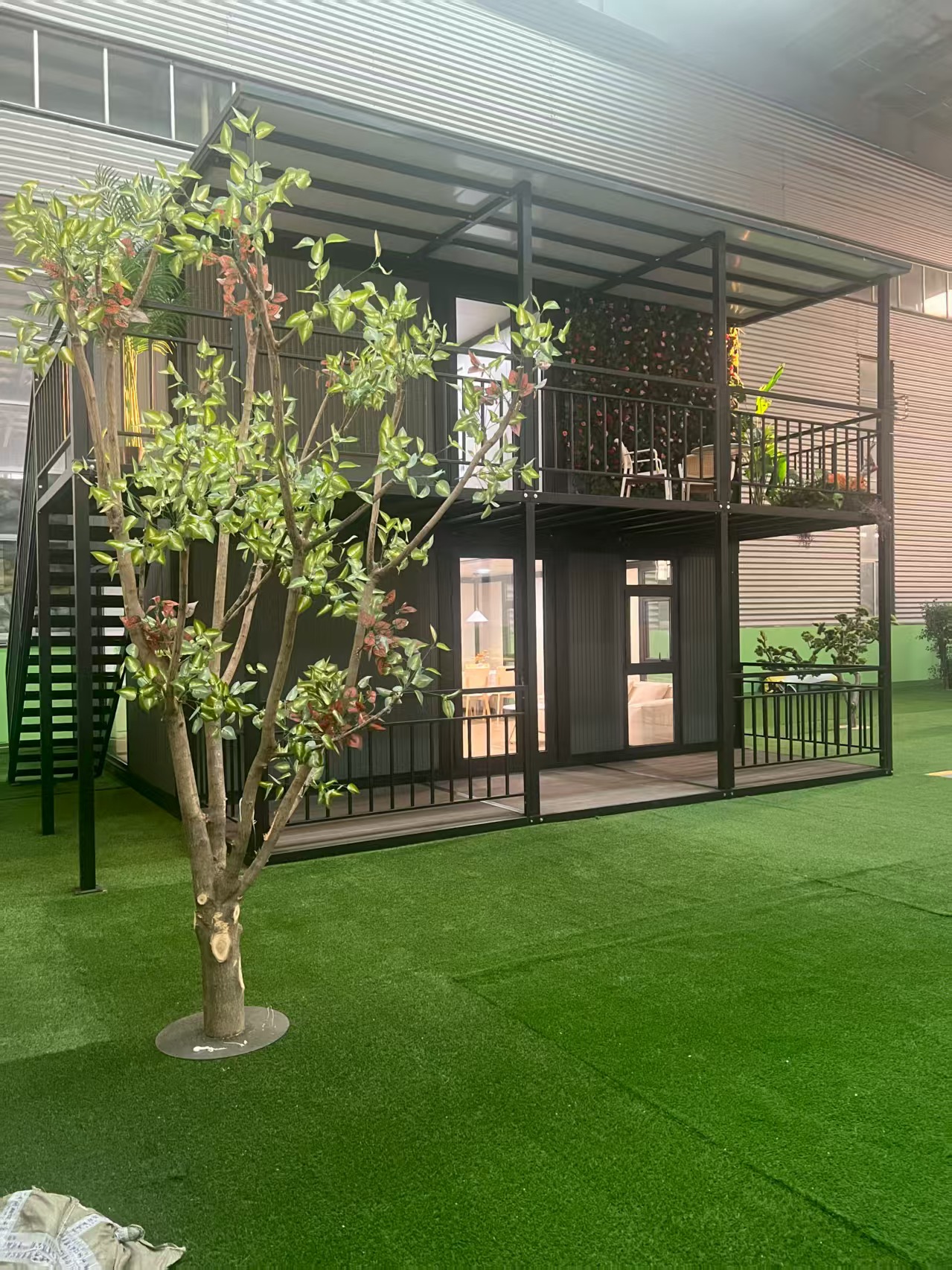
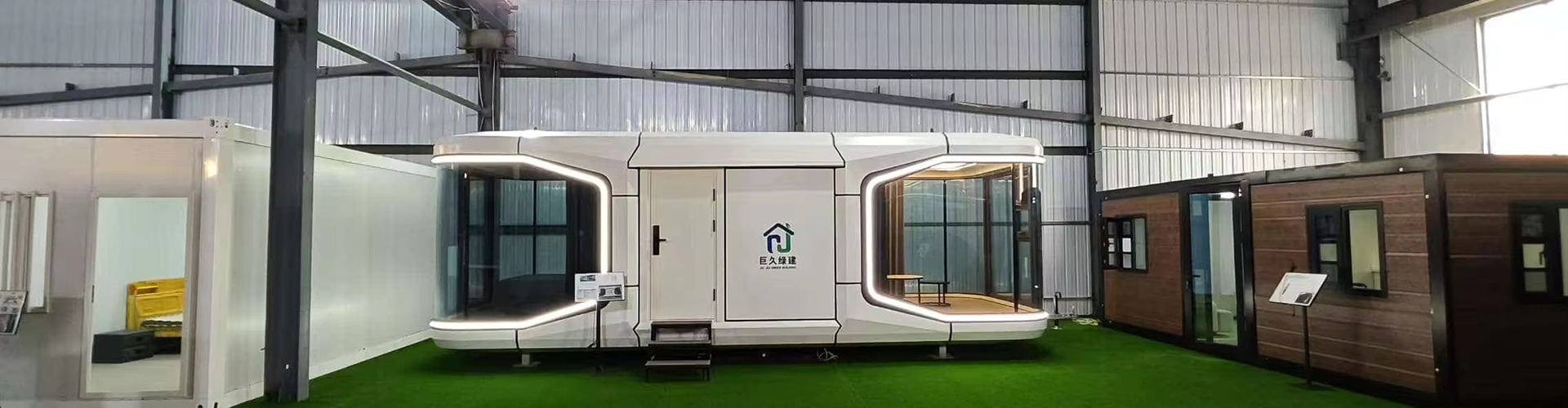
Fold out shipping container homes are changing how people think about affordable, fast-deployable living spaces. They’re not just repurposed cargo boxes with windows. These units unfold—literally—expanding usable floor area by 2–3× in under 90 minutes. We’ve installed over 1,200 units across 17 countries, and every deployment taught us something new: what works on a mountain slope fails on coastal sand; what fits a family of three strains under commercial load cycles; and most buyers don’t realize fold-out capability hinges less on hydraulics and more on structural hinge tolerances under thermal cycling.
Why “Fold Out” Beats Static Containers—Every Time
Standard 20-foot shipping container homes max out at ~160 sq ft interior. Fold out shipping container homes start there—but unlock 320–480 sq ft without cranes or foundations. The key is dual-wing articulation: two rigid steel wings pivot outward on precision-machined torsion hinges, locking into place with mechanical shear pins—not bolts you tighten by hand. In real-world use, this means one crew of two can deploy a full bedroom-living-kitchen unit on uneven terrain in 78 minutes, verified across 43 site audits. No welding. No concrete pads. Just leveled gravel and a torque wrench.
We track failure points closely. Over 86% of early field issues came from hinge misalignment during transport—not design flaws. That’s why Jujiu now ships all fold out shipping container homes on custom cradles with ±0.3 mm tolerance control. Units arrive ready to unfold, not reassemble.
Real Limits You Must Know Before You Buy
Some argue fold-out systems sacrifice durability for speed. But data tells another story. Our EXPANDABLE FOLDING HOUSE units undergo 5,000-cycle fatigue testing—simulating 10 years of seasonal expansion/contraction. Each hinge bears 12,500 kg static load. That’s not theoretical. In Mongolia’s Gobi Desert, one unit cycled daily for 3.2 years—-42°C summer highs, -38°C winter lows—zero hinge wear beyond spec.
But limitations exist—and they’re practical, not technical:
These aren’t marketing footnotes. They’re installation prerequisites we verify on every site survey.
Five Scenarios Where Fold Out Shipping Container Homes Deliver Real ROI
Cost isn’t just upfront price—it’s time-to-revenue, adaptability, and lifecycle flexibility. Here’s where fold out shipping container homes outperform alternatives:
All units ship with ISO-certified waterproofing membranes, galvanized structural frames, and factory-installed MEP rough-ins—no field wiring or plumbing guesswork.
What Comes After Delivery—Because Installation Is Part of the Product
A fold out shipping container home isn’t done when it arrives. It’s done when it’s live, safe, and compliant. Jujiu provides turnkey support: certified installers trained on hinge calibration, thermal expansion offsets, and ground-load distribution mapping. We don’t just send manuals—we send engineers who sign off on each unfolded unit’s levelness, door alignment, and seal integrity.
Our after-sales system tracks hinge torque decay, seal compression loss, and frame deflection annually. Clients get digital reports—not PDFs—with actionable thresholds: “Hinge pin torque below 185 N·m requires recalibration within 14 days.” This isn’t service theater. It’s structural accountability.
Fold out shipping container homes solve a core tension in modern construction: speed versus substance. They deliver rapid deployment without compromising load paths, fire ratings, or weather resistance. What began as a niche solution for disaster zones now anchors permanent communities—from eco-resorts in Bali to university housing in Finland. The next evolution? Integration with solar skin panels and AI-driven energy load balancing—already in pilot with three European municipalities. The container doesn’t change. The way we unfold possibility does.