-
Imeli
Austin120521@outlook.com -
Imeli
sales@jujiuhouse.com -
Telefoni
+86-17864099991 -
Telefoni
+86-17854044442
- English
- Chinese
- French
- German
- Portuguese
- Spanish
- Russian
- Japanese
- Korean
- Arabic
- Irish
- Greek
- Turkish
- Italian
- Danish
- Romanian
- Indonesian
- Czech
- Afrikaans
- Swedish
- Polish
- Basque
- Catalan
- Esperanto
- Hindi
- Lao
- Albanian
- Amharic
- Armenian
- Azerbaijani
- Belarusian
- Bengali
- Bosnian
- Bulgarian
- Cebuano
- Chichewa
- Corsican
- Croatian
- Dutch
- Estonian
- Filipino
- Finnish
- Frisian
- Galician
- Georgian
- Gujarati
- Haitian
- Hausa
- Hawaiian
- Hebrew
- Hmong
- Hungarian
- Icelandic
- Igbo
- Javanese
- Kannada
- Kazakh
- Khmer
- Kurdish
- Kyrgyz
- Latin
- Latvian
- Lithuanian
- Luxembou..
- Macedonian
- Malagasy
- Malay
- Malayalam
- Maltese
- Maori
- Marathi
- Mongolian
- Burmese
- Nepali
- Norwegian
- Pashto
- Persian
- Punjabi
- Serbian
- Sesotho
- Sinhala
- Slovak
- Slovenian
- Somali
- Scots Gaelic
- Shona
- Sindhi
- Sundanese
- Swahili
- Tajik
- Tamil
- Telugu
- Thai
- Ukrainian
- Urdu
- Uzbek
- Vietnamese
- Welsh
- Xhosa
- Yiddish
- Yoruba
- Zulu
- Kinyarwanda
- Tatar
- Oriya
- Turkmen
- Uyghur




40ft Expandable Container House USA: Complete 2026 Guide
2026-05-09
- What Defines a 40ft Expandable Container House in the US Market?
- Why Choose Expandable Containers Over Traditional Modular Homes?
- Technical Specifications and Performance Standards
- Step-by-Step Installation Guide
- Applications and Use Cases Across America
- Pros and Cons: A Balanced View
- Navigating Regulations and Zoning in the USA
- Industry Leader Spotlight: Shandong Jujiu Integrated Housing
- Maintenance and Long-Term Care
- Frequently Asked Questions (FAQ)
- Future Trends in Expandable Housing Technology
- Conclusion: Is an Expandable Container House Right for You?
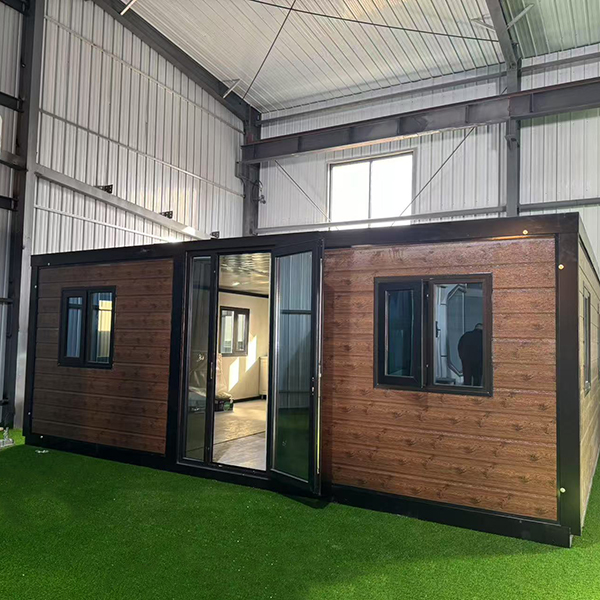
A 40ft Exprended Camber House USA is a prefabricated, mobile living unit that expands to triple its original footprint upon deployment. Designed for rapid installation, these structures offer approximately 1,000 square feet of interior space while maintaining compliance with US transportation regulations. They serve as an ideal solution for temporary housing, construction site offices, and emergency disaster relief, combining the durability of steel shipping containers with the spaciousness of traditional modular homes.
What Defines a 40ft Expandable Container House in the US Market?
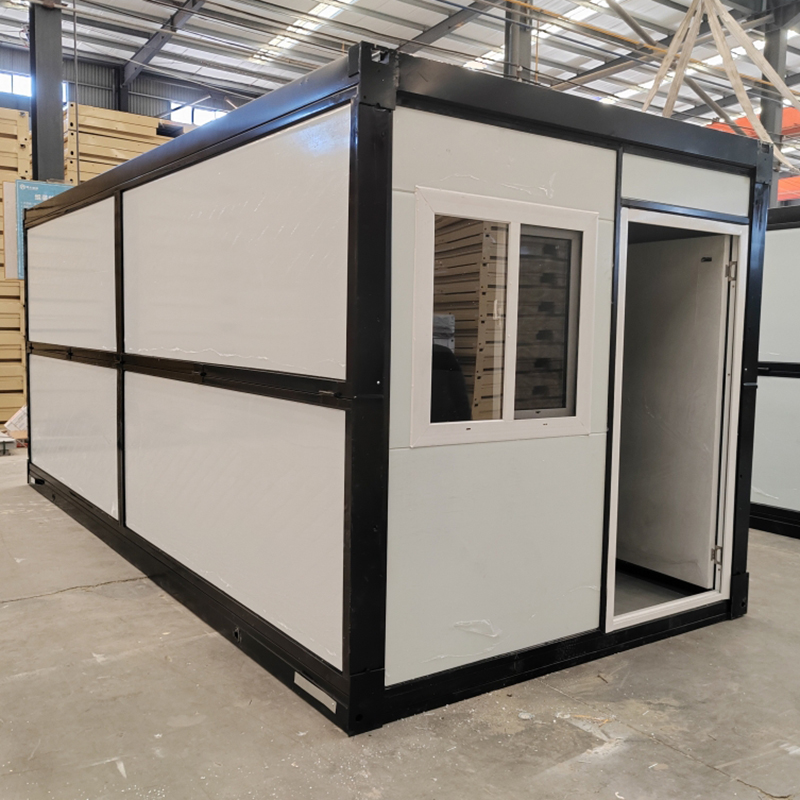
The concept of expandable housing has revolutionized the prefabricated industry by solving the critical conflict between transport efficiency and living space. A standard 40-foot shipping container offers limited internal width, typically around 7.5 feet. However, an expandable model utilizes a sophisticated folding mechanism to extend the width significantly once it reaches the destination.
In the United States, where zoning laws and transportation codes are strict, these units are engineered to fit within standard road limits during transit. Once unfolded, they provide a comfortable, multi-room environment. The core structure relies on galvanized steel frames, ensuring resistance against harsh weather conditions ranging from heavy snow loads in the north to hurricane-force winds in coastal regions.
Industry experts recognize this technology as a mainstream solution for scalable housing. Unlike traditional stick-built homes that require months of on-site construction, these units arrive nearly complete. The integration of pre-installed electrical wiring, plumbing rough-ins, and insulation panels makes them a turnkey product for developers and individual homeowners alike.
Key Structural Components
Understanding the anatomy of these homes is crucial for potential buyers. The structural integrity depends on several high-grade components:
- Main Frame: Constructed from hot-dip galvanized steel to prevent rust and corrosion over decades of use.
- Expansion Mechanism: Hydraulic or manual folding walls that slide out to create additional rooms, secured by heavy-duty locking bolts.
- Wall Panels: Sandwich panels featuring rock wool or polyurethane foam cores for superior thermal insulation and fire resistance.
- Flooring System: Multi-layer flooring often comprising marine-grade plywood topped with vinyl, laminate, or tile finishes.
- Roofing: Sloped or flat designs with waterproof membranes to ensure effective drainage and leak prevention.
Why Choose Expandable Containers Over Traditional Modular Homes?
The decision to invest in a 40ft Exprended Camber House USA often stems from the need for speed and flexibility. Traditional modular homes require large trucks for each section and extensive crane work on-site. In contrast, expandable units maximize the utility of a single truckload.
Transportation costs in the US can be prohibitive for wide-load modules requiring special permits. Expandable containers circumvent this by adhering to standard width restrictions during transit. This logistical advantage translates directly into cost savings for the end-user. Furthermore, the deployment time is drastically reduced; a team of four can typically unfold and secure a unit in less than two hours.
From an investment perspective, these structures offer remarkable versatility. They retain value well due to their mobility. If a business needs to relocate a site office or a homeowner wishes to move, the unit can be folded back and transported to a new location with minimal effort. This mobility is a distinct advantage over fixed foundation homes.
Cost-Efficiency Analysis
While upfront costs vary based on customization, the total cost of ownership is often lower than conventional building methods. Savings are realized through reduced labor hours, minimized material waste, and lower foundation requirements. Many users opt for pier foundations or simple concrete slabs, avoiding the expense of full basements or complex footings.
The energy efficiency of modern expandable homes also contributes to long-term savings. Advanced insulation materials ensure that heating and cooling systems operate efficiently, reducing monthly utility bills. In regions with extreme temperatures, this feature is not just a luxury but a necessity for comfortable living.
Technical Specifications and Performance Standards
When evaluating a 40ft Exprended Camber House USA, technical specifications dictate performance and longevity. Manufacturers adhere to rigorous standards to ensure safety and habitability. The following metrics represent current industry benchmarks for high-quality units.
| Specification Category | Standard Metric | Performance Benefit |
|---|---|---|
| Dimensions (Folded) | 40ft x 8ft x 8.5ft | Compliant with US highway transport limits without special permits. |
| Dimensions (Expanded) | Approx. 40ft x 20-22ft | Provides roughly 1,000 sq. ft. of usable living space. |
| Wind Resistance | Up to 120 mph (Category 3 Hurricane) | Ensures safety in coastal and storm-prone areas. |
| Snow Load Capacity | Up to 30 psf (varies by design) | Suitable for northern climates with heavy winter accumulation. |
| Insulation R-Value | R-15 to R-25 (Wall/ Roof) | Maintains indoor comfort and reduces HVAC energy consumption. |
| Fire Rating | Class A Fire Retardant | Enhances occupant safety and meets strict building codes. |
| Lifespan | 20+ Years | Durable steel construction resists decay and pest infestation. |
These specifications highlight the robustness of the design. The ability to withstand high wind speeds makes these units particularly attractive for disaster relief housing in hurricane zones. Similarly, the adjustable insulation options allow manufacturers to tailor units for specific climate zones across the vast American landscape.
Material Quality and Durability
The longevity of an expandable home relies heavily on material selection. High-grade steel frames are treated with anti-corrosion coatings to withstand humidity and salt air. The sandwich panels used for walls are not only insulating but also structurally contributory, adding rigidity to the expanded form.
Windows and doors are typically double-glazed with aluminum or UPVC frames, providing thermal breaks that prevent heat transfer. Flooring systems are designed to handle significant weight loads, accommodating heavy furniture and appliances without sagging. These details collectively ensure that the temporary nature of the installation does not compromise the quality of the living experience.
Step-by-Step Installation Guide
One of the primary selling points of the 40ft Exprended Camber House USA is the simplicity of installation. Unlike traditional construction, which involves multiple trades and weeks of work, setting up an expandable unit is a streamlined process. Below is the standard operational procedure for deploying these units.
- Site Preparation: Ensure the ground is level and compacted. Prepare a foundation system, such as concrete piers, a gravel pad, or a full slab, according to local soil conditions.
- Delivery and Positioning: A flatbed truck delivers the folded unit. Use a crane or a specialized tilt-bed trailer to position the container precisely onto the foundation points.
- Unfolding the Structure: Remove the transport locks and braces. Using the integrated hydraulic system or manual winches, extend the side walls outward until they lock into place.
- Securing the Expansion: Install the support columns and beams provided. Tighten all connection bolts to ensure structural stability and rigidity.
- Utility Connections: Connect the pre-installed electrical, plumbing, and HVAC lines to the main site utilities. This step usually requires licensed professionals to ensure code compliance.
- Faaumaina le faaumaina: Deploy any fold-down beds, tables, or interior partitions. Perform a final inspection of seals and joints to guarantee weatherproofing.
This entire process can often be completed within a single day, allowing occupants to move in almost immediately. The reduced timeline minimizes labor costs and accelerates the return on investment for commercial projects. For remote locations where skilled labor is scarce, this ease of assembly is a decisive factor.
Foundation Requirements
Proper foundation work is critical for the stability of any structure. For expandable containers, the load is distributed differently than in traditional homes. Point loads occur at the corner castings and the extended support legs. Engineers typically recommend concrete piers spaced according to the manufacturer’s layout plan.
In flood-prone areas, elevating the unit on higher piers is a common strategy. This not only protects the structure from water damage but also facilitates airflow underneath, aiding in insulation performance. Regardless of the foundation type, ensuring a perfectly level base is essential to prevent binding in the expansion mechanism.
Applications and Use Cases Across America
The versatility of the 40ft Exprended Camber House USA allows it to serve diverse sectors. From residential living to industrial operations, the adaptability of these units addresses various spatial and temporal needs.
Residential Housing Solutions
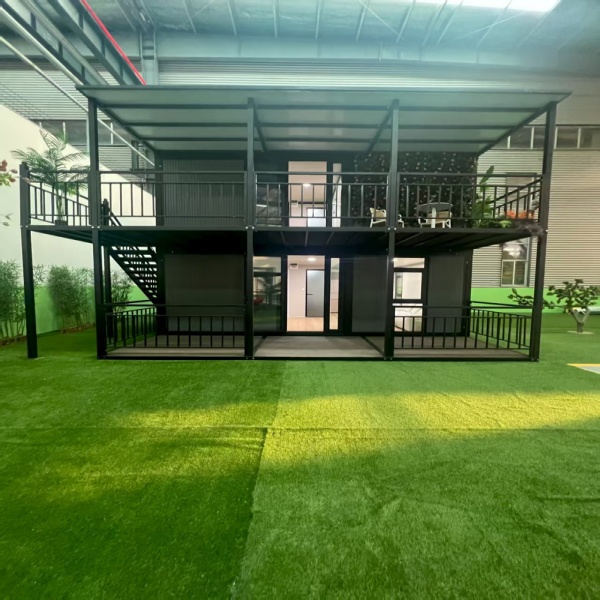
For individuals seeking affordable homeownership, these units present a viable pathway. They are increasingly used as Accessory Dwelling Units (ADUs) in backyards, providing rental income or space for extended family. The modern aesthetic and efficient layout appeal to younger generations and minimalists.
In rural areas, where building traditional homes can be logistically challenging and expensive, expandable containers offer a practical alternative. They can be transported to remote plots and set up quickly, providing immediate shelter without the need for extensive local infrastructure.
Commercial and Industrial Uses
Construction companies frequently utilize these structures as site offices and worker accommodations. The ability to relocate the office as the project progresses saves significant time and money. Similarly, mining and energy sectors deploy them in remote exploration sites where permanent buildings are impractical.
Retail businesses also leverage these units for pop-up shops and seasonal kiosks. The quick setup allows merchants to capitalize on temporary high-traffic events or test new markets with minimal risk. The sturdy construction ensures security for merchandise when the unit is closed and locked.
Emergency and Disaster Relief
In the aftermath of natural disasters, speed is critical. Expandable container houses can be mass-produced and shipped to affected areas rapidly. Their durability provides safe, dignified temporary housing for displaced families while permanent reconstruction takes place. Governments and NGOs value the scalability and reusability of these units for long-term recovery efforts.
Pros and Cons: A Balanced View
To make an informed decision, it is essential to weigh the advantages against the limitations. While the 40ft Exprended Camber House USA offers numerous benefits, it may not be suitable for every scenario.
Lelei
- Rapid Deployment: Ready for occupancy in days rather than months.
- Cost-Effective: Lower labor and material costs compared to site-built homes.
- Mobility: Can be relocated easily, preserving asset value.
- Tifagafa: Steel construction resists pests, rot, and severe weather.
- Eco-Friendly: Reduced construction waste and potential for sustainable materials.
- Scalability: Multiple units can be joined to create larger complexes.
Limitations
- Zoning Restrictions: Some municipalities have strict codes regarding temporary or non-traditional structures.
- Financing Challenges: Securing traditional mortgages can be more difficult than for standard real estate.
- Customization Limits: While flexible, the modular nature imposes some constraints on architectural freedom compared to custom builds.
- Resale Perception: Although improving, market perception of container homes still varies by region.
Understanding these factors helps buyers align their expectations with reality. For many, the pros far outweigh the cons, especially in scenarios requiring speed and flexibility. However, thorough research into local regulations is a mandatory step before purchase.
Navigating Regulations and Zoning in the USA
One of the most complex aspects of owning a 40ft Exprended Camber House USA is navigating the regulatory landscape. Building codes and zoning laws vary significantly from state to state, and even between counties.
In many jurisdictions, these units are classified as Temporary Structures or Recreational Vehicles (RVs), which affects where they can be placed and how long they can remain. Some areas permit them as permanent residences if they meet specific foundation and utility standards. It is crucial to consult with local planning departments early in the process.
Building Codes and Compliance
Reputable manufacturers design their units to comply with major US building codes, such as the International Residential Code (IRC) or HUD standards for manufactured homes. Certification documents should always be requested to verify compliance. Features like egress windows, ceiling heights, and electrical systems must meet local safety requirements.
Permitting processes generally involve submitting site plans, foundation drawings, and manufacturer specifications. Working with a local contractor who has experience with prefabricated structures can streamline this process. They can help navigate the bureaucratic hurdles and ensure that inspections are passed smoothly.
Industry Leader Spotlight: Shandong Jujiu Integrated Housing
As the demand for high-quality expandable housing grows, selecting a manufacturer with proven expertise and comprehensive capabilities is paramount. Shandong Jujiu tuʻufaʻatasia fale co., Ltd. has emerged as a rising star in the global integrated housing industry, exemplifying the kind of industrial enterprise capable of delivering reliable solutions for the US market.
With a facility spanning over 200 acres and a dedicated workforce of more than 100 professionals, Jujiu has rapidly industrialized its production and construction systems. In just four years, the company has established a robust supply chain management system, a professional logistics team, and a full-service installation network. This infrastructure allows them to offer end-to-end solutions, from initial R&D and design optimization to production, sales, and on-site assembly.
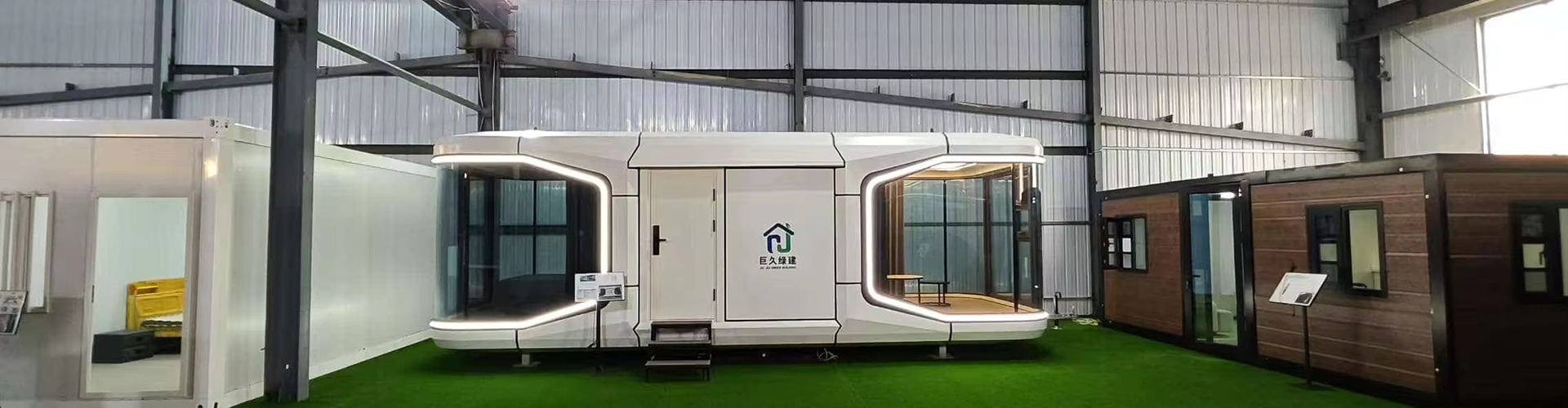
Jujiu specializes in a diverse range of integrated housing products that align perfectly with the needs discussed in this article, including double wing extension rooms, folding container houses, and innovative “apple cabin” designs. Their annual production capacity of 20,000 sets demonstrates their ability to scale quickly for large-scale projects, whether for disaster relief, commercial camps, or residential developments.
What sets Shandong Jujiu apart is their commitment to quality control that exceeds both domestic and international factory standards. Backed by a professional technical team and experienced production personnel, they ensure every unit meets rigorous durability and safety expectations. Furthermore, the company has established a comprehensive after-sales service system, providing customers with full-range technical support to protect their investment and ensure long-term satisfaction.
Maintenance and Long-Term Care
Despite their rugged construction, expandable container houses require regular maintenance to ensure longevity. The mechanical components, specifically the expansion joints and locking mechanisms, need periodic inspection.
- Seal Inspection: Check rubber gaskets and sealants around expansion seams annually to prevent water infiltration.
- Structural Checks: Inspect the steel frame for any signs of rust or corrosion, touching up paint as necessary.
- Mechanism Lubrication: Lubricate hinges and sliding tracks to ensure smooth operation for future expansions or contractions.
- Roof Maintenance: Clear debris from the roof and inspect drainage systems to prevent pooling water.
Proactive maintenance prevents minor issues from becoming major repairs. Given the steel construction, addressing rust spots immediately is vital to preserve the structural integrity. Interior maintenance mirrors that of traditional homes, focusing on HVAC filters, plumbing fixtures, and electrical systems.
Frequently Asked Questions (FAQ)
Addressing common queries helps clarify doubts and builds trust with potential buyers. Here are answers to frequent questions regarding 40ft Exprended Camber House USA Sala.
How long does it take to ship a 40ft expandable container house?
Shipping times depend on the distance and logistics provider. Generally, once ordered, production takes a few weeks, followed by transit. Domestic shipping within the US typically ranges from a few days to two weeks, depending on the route and carrier availability.
Can I customize the interior layout?
Yes, most manufacturers, including leaders like Shandong Jujiu, offer various interior configurations. You can choose the number of bedrooms, bathroom layouts, kitchen styles, and flooring options. Customization is usually finalized during the ordering phase before production begins.
Are these homes suitable for year-round living in cold climates?
Absolutely. When equipped with high-R-value insulation and double-glazed windows, these units are highly energy-efficient. Many owners successfully live in them year-round in states with harsh winters, provided the heating system is appropriately sized.
Do I need a special license to tow or move the unit?
Since the unit is transported by professional freight carriers on flatbed trucks, the buyer does not need a special license. However, if you plan to move it yourself using a specialized trailer, check local Department of Transportation (DOT) regulations regarding wide loads.
What is the warranty coverage for expandable homes?
Warranty terms vary by manufacturer but typically cover structural defects, frame integrity, and water leakage for periods ranging from one to five years. Components like appliances and windows often carry their own separate manufacturer warranties.
Future Trends in Expandable Housing Technology
The sector is evolving rapidly, driven by advancements in materials and smart home integration. Future iterations of the 40ft Exprended Camber House USA will likely feature automated expansion systems controlled via smartphone apps. Integration of solar panels and battery storage systems is becoming standard, pushing these units toward energy independence.
Sustainable materials are also gaining traction. Expect to see increased use of recycled steel, bamboo flooring, and non-toxic insulation foams. As the demand for affordable housing grows, these technological improvements will make expandable homes even more attractive to a broader demographic.
Smart Home Integration
Modern units are increasingly pre-wired for smart home ecosystems. Automated lighting, climate control, and security systems can be managed remotely. This connectivity enhances convenience and security, making the expandable home a competitive option against traditional real estate.
Conclusion: Is an Expandable Container House Right for You?
Le 40ft Exprended Camber House USA represents a paradigm shift in how we approach living and working spaces. By blending portability with spaciousness, it offers a unique solution for those valuing flexibility, speed, and cost-efficiency. Whether for a backyard ADU, a remote work camp, or a primary residence, the benefits are compelling.
This housing type is ideally suited for:
- Homeowners seeking affordable ADU options.
- Businesses needing mobile site offices or workforce housing.
- Developers looking for rapid deployment in emerging areas.
- Individuals desiring a minimalist, eco-friendly lifestyle.
If your priorities include reducing construction timelines and maintaining the option to relocate, this solution warrants serious consideration. The next step involves researching local zoning laws and contacting reputable suppliers, such as industry innovators like Shandong Jujiu Integrated Housing, to discuss specific configuration needs. With careful planning, an expandable container home can provide a durable, comfortable, and intelligent living environment for years to come.