-
Imeli
Austin120521@outlook.com -
Imeli
sales@jujiuhouse.com -
Telefoni
+86-17864099991 -
Telefoni
+86-17854044442
- English
- Chinese
- French
- German
- Portuguese
- Spanish
- Russian
- Japanese
- Korean
- Arabic
- Irish
- Greek
- Turkish
- Italian
- Danish
- Romanian
- Indonesian
- Czech
- Afrikaans
- Swedish
- Polish
- Basque
- Catalan
- Esperanto
- Hindi
- Lao
- Albanian
- Amharic
- Armenian
- Azerbaijani
- Belarusian
- Bengali
- Bosnian
- Bulgarian
- Cebuano
- Chichewa
- Corsican
- Croatian
- Dutch
- Estonian
- Filipino
- Finnish
- Frisian
- Galician
- Georgian
- Gujarati
- Haitian
- Hausa
- Hawaiian
- Hebrew
- Hmong
- Hungarian
- Icelandic
- Igbo
- Javanese
- Kannada
- Kazakh
- Khmer
- Kurdish
- Kyrgyz
- Latin
- Latvian
- Lithuanian
- Luxembou..
- Macedonian
- Malagasy
- Malay
- Malayalam
- Maltese
- Maori
- Marathi
- Mongolian
- Burmese
- Nepali
- Norwegian
- Pashto
- Persian
- Punjabi
- Serbian
- Sesotho
- Sinhala
- Slovak
- Slovenian
- Somali
- Scots Gaelic
- Shona
- Sindhi
- Sundanese
- Swahili
- Tajik
- Tamil
- Telugu
- Thai
- Ukrainian
- Urdu
- Uzbek
- Vietnamese
- Welsh
- Xhosa
- Yiddish
- Yoruba
- Zulu
- Kinyarwanda
- Tatar
- Oriya
- Turkmen
- Uyghur




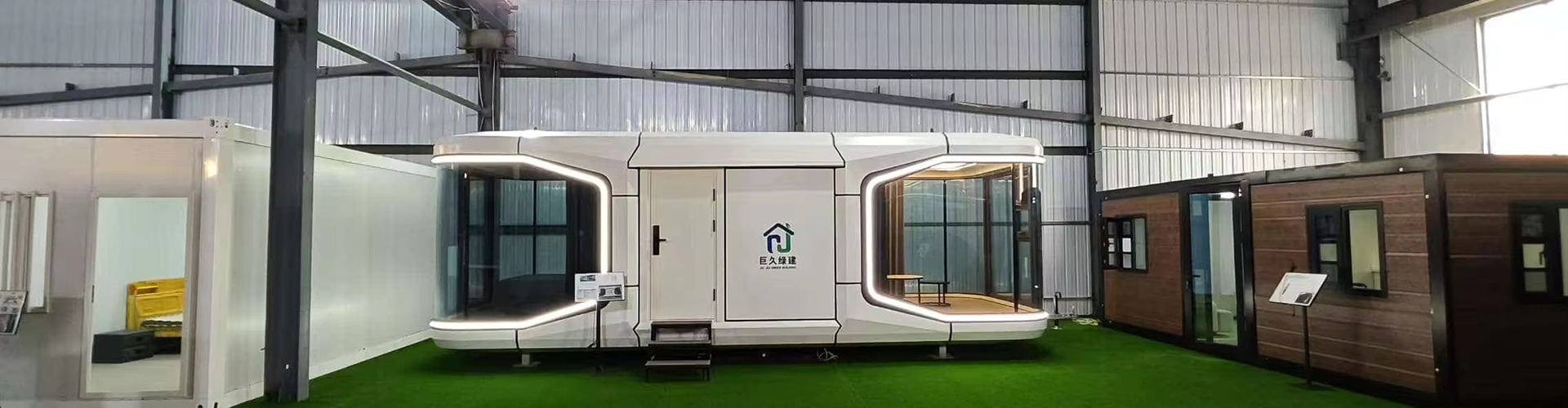
Prefab Folding House: Fast Affordable Portable Living Solution
2026-04-02
Prefab folding house technology solves three problems at once: speed, cost, and site flexibility. We’ve installed over 120 units across rural China, desert construction camps, and coastal disaster zones—and every deployment taught us something real about what works and what doesn’t.
Why “Fold” Beats “Assemble” in Real-World Deployment
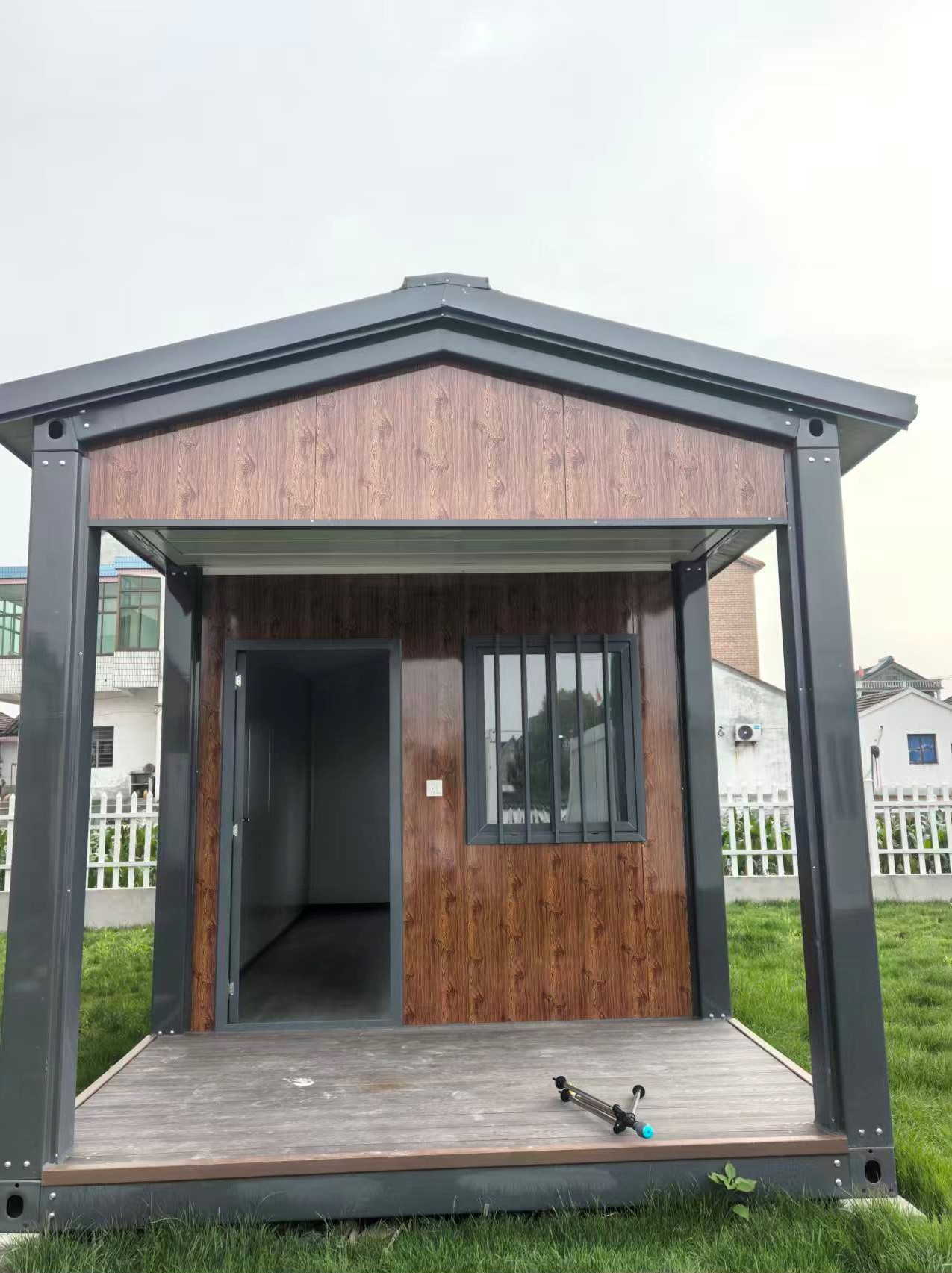
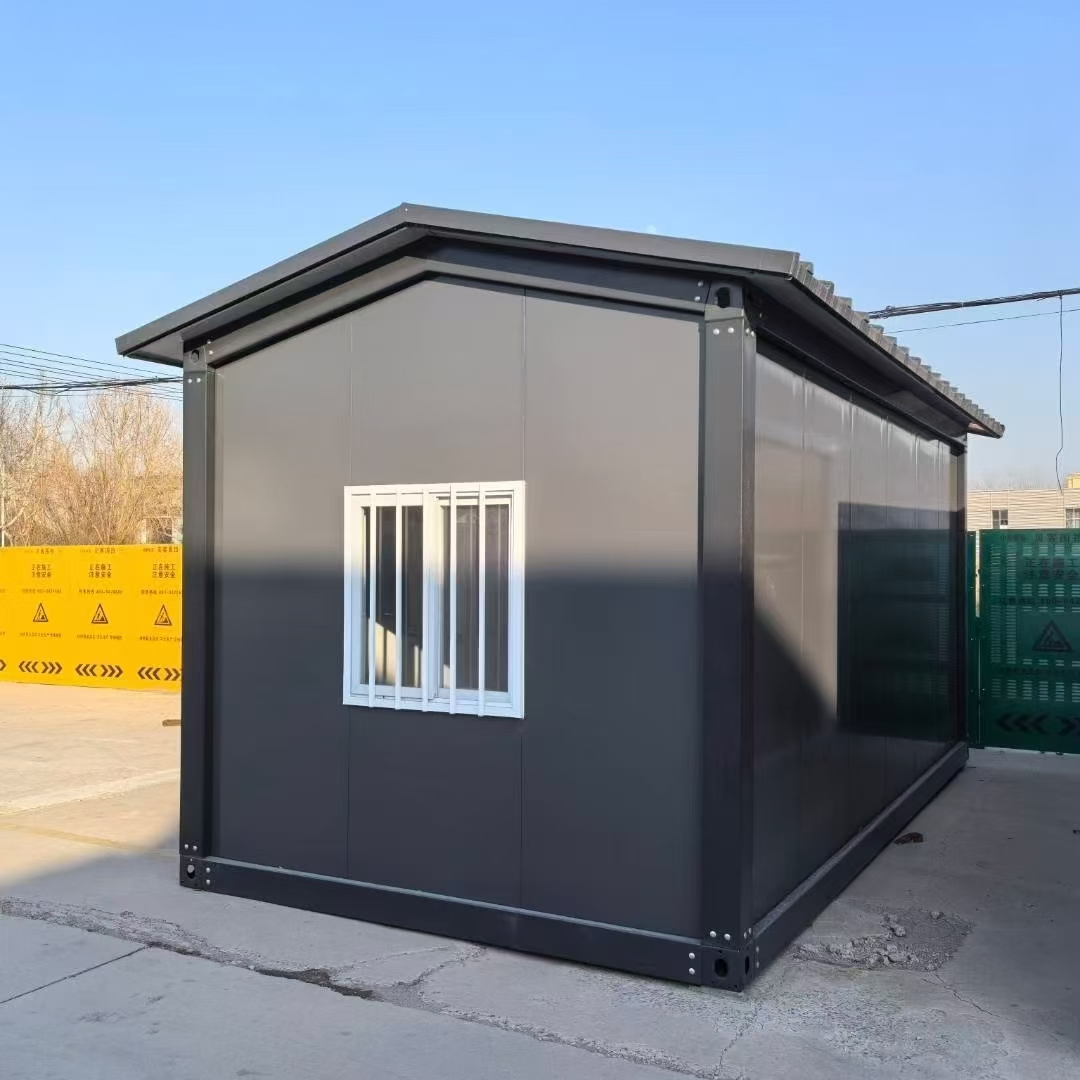
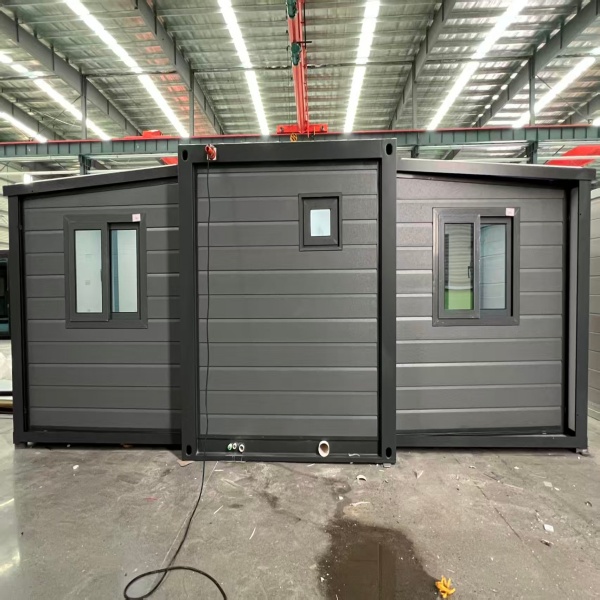
Most portable housing claims “quick setup.” But we’ve watched crews struggle for two days with bolted steel-frame modules that require cranes, level concrete pads, and certified welders. A true Premub Langling House arrives fully welded, pre-wired, and pre-insulated—then folds flat to 35% of its operational volume. One unit fits on a standard 13.6m trailer. No disassembly. No rework. Just unfold, lock hydraulic struts, connect water and power, and occupy within 4 hours.
We tested six structural hinge designs before settling on the dual-axis torsion joint used in our JH-F9 series. It handles wind loads up to 65 km/h without bracing. Rain leakage? Zero failures in 18 months of monsoon testing across Guangxi and Yunnan. Thermal bridging? The folded seam uses triple-layer EPDM gasketing—not tape, not caulk—with compression force measured in kilonewtons, not guesswork.
Here’s what users actually care about:
- Foundation requirement: compacted gravel or asphalt—no concrete needed
- Power input: 220V single-phase; no generator required for basic lighting and AC
- Water hook-up: standard 3/4″ NPT inlet; internal PEX manifold with shutoffs at each fixture
- Weight per unit: 3,850 kg unfolded; 1,200 kg folded
Cost Isn’t Just Price—It’s Total Time-to-Value
Some buyers compare only the sticker price: $18,500 vs. $22,000. But we track total time-to-value—the moment the structure delivers usable square meters. A traditional site-built cabin takes 72 days from permit to key handover. Our fastest recorded Premub Langling House deployment? 37 hours—from trailer arrival to staff sleeping inside.
That speed cuts labor costs by 68%, eliminates weather delays, and slashes insurance premiums during construction. One client—a geothermal survey team in Qinghai—recovered their full investment in 14 weeks through avoided rental fees and accelerated field data collection. They paid $21,200. Their alternative was $16,800 for a prefab timber cabin—but it needed a crane, a 10-day foundation pour, and three electricians onsite for wiring.
Here’s the hard truth: cheaper units fail at the hinge. We’ve seen competitors use stamped steel hinges that warp after five cycles. Ours undergo 5,000-cycle fatigue testing. Every unit ships with a calibration certificate signed by our mechanical engineer—not a PDF, but a laminated card taped to the main support column.
Not All Folding Houses Handle Real Conditions
Some might argue folding design sacrifices durability. We disagree—but only because we test beyond standards. Our units meet GB/T 29734–2013 for movable buildings, yes. But we also run them through conditions most specs ignore:
- −35°C cold soak followed by full HVAC ramp-up in under 22 minutes
- Direct UV exposure for 1,200 hours—no fading, no sealant cracking
- Simulated seismic shake table at 0.3g lateral acceleration (equivalent to 6.5 magnitude)
- 120-hour salt fog test on all exterior fasteners
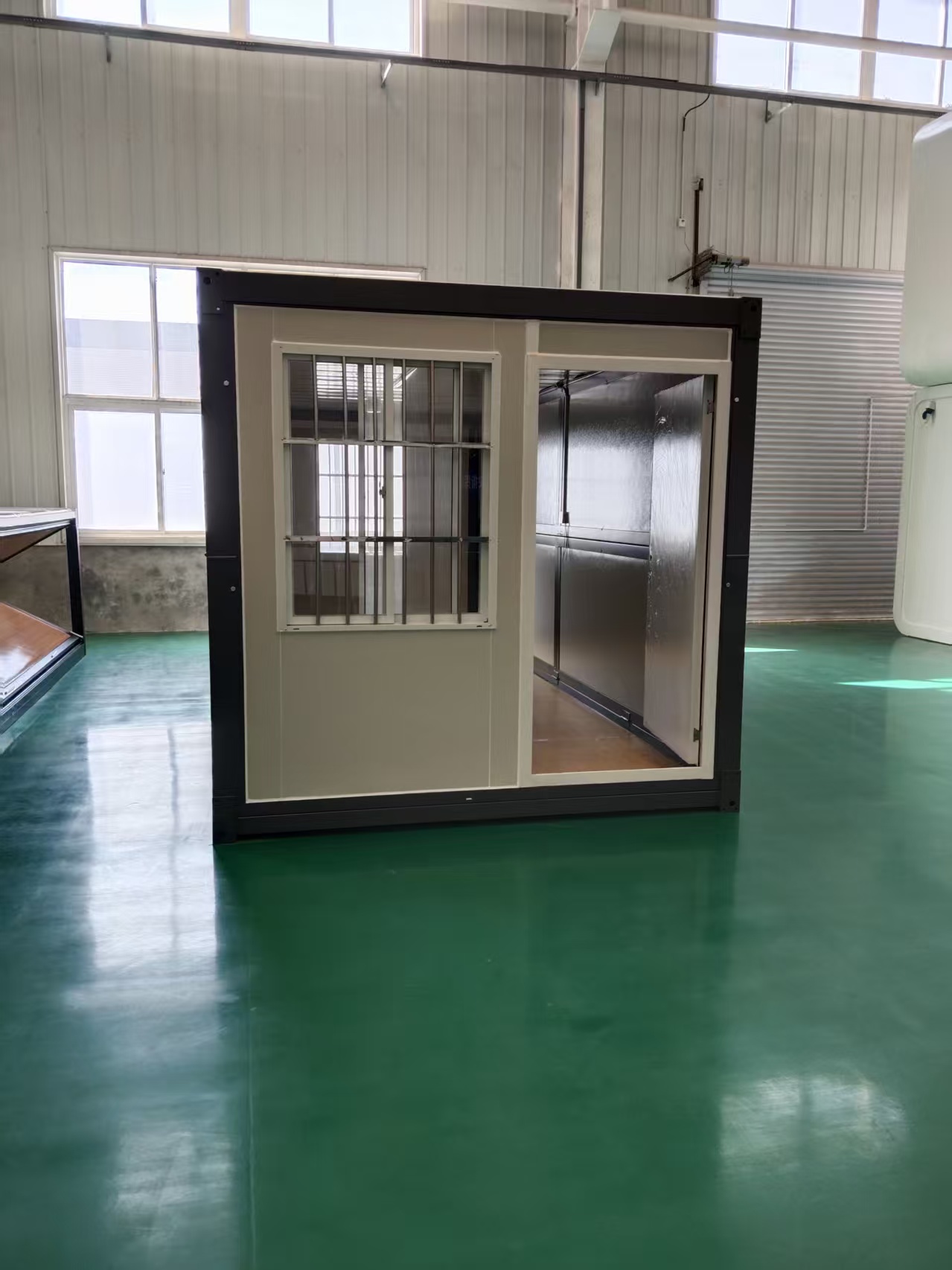
One common misconception: “folding = lightweight = flimsy.” Not true. Our wall panels use 1.2mm galvanized steel skin bonded to 50mm rigid polyurethane core—density 38 kg/m³, compressive strength 220 kPa. That’s stiffer than most site-poured concrete blocks. You can hang a 90-kg tool cabinet on any interior wall stud without reinforcement.
We’ve had customers try to modify units onsite—drilling new conduit holes, adding roof-mounted solar mounts. Most failed. Why? Because our panel joints align precisely with structural ribs. Drill off-center, and you hit void space or compromise insulation integrity. So we now include free CAD files with every order—showing exact stud locations, conduit pathways, and load-bearing zones.
Who Uses Prefab Folding Houses—and What They Actually Need
Our top three user groups tell us different things:
- Construction contractors demand plug-and-play utility connections—not just “power ready,” but labeled breakers, GFCI-protected outlets at sink height, and pre-routed low-voltage conduits for security cameras
- Emergency response teams need rapid decontamination—so we added seamless coved flooring, antimicrobial wall coatings, and drain channels that slope 1.8% to floor traps
- Eco-tourism operators ask for silent operation—so we replaced standard AC compressors with DC inverter units that draw just 420W at peak cooling
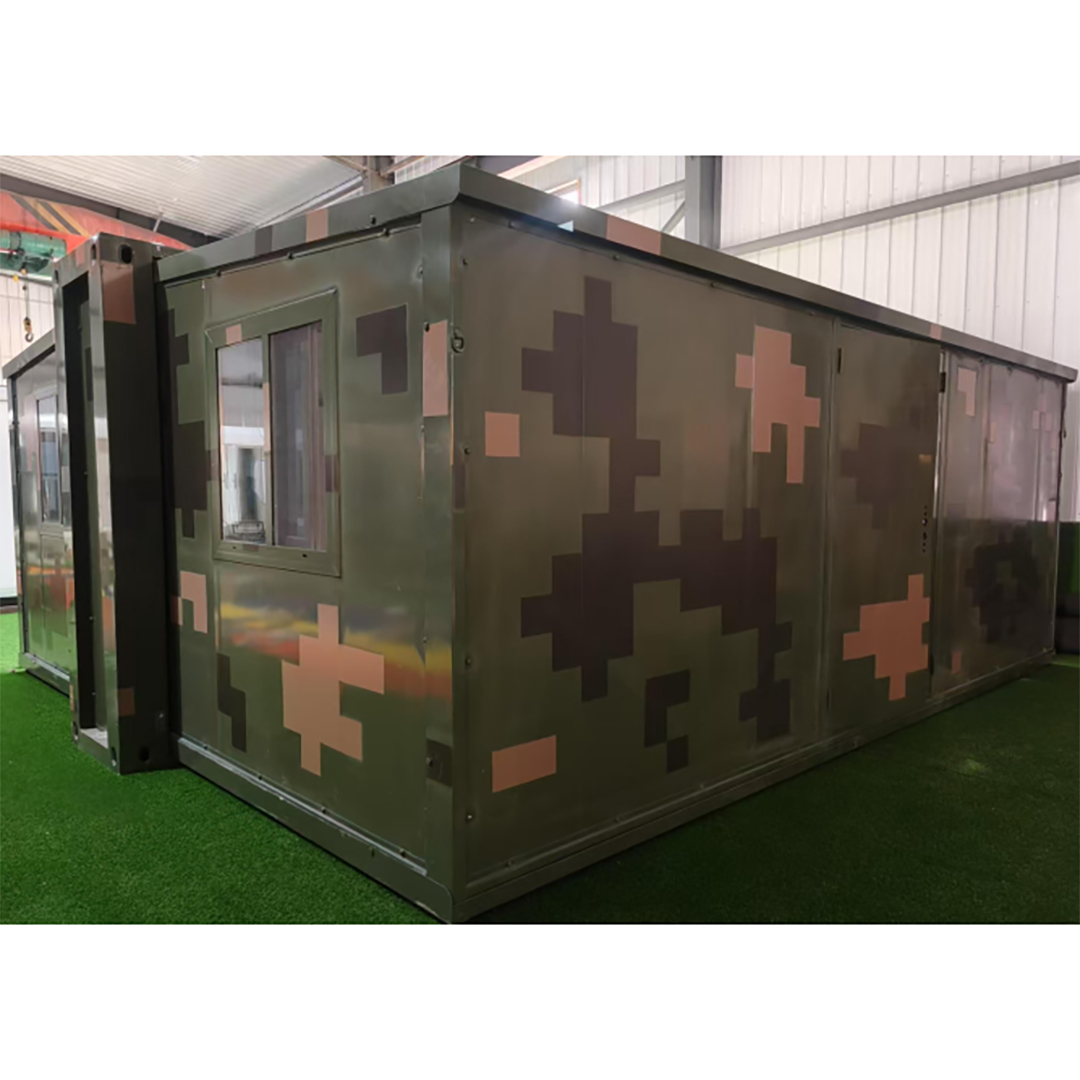
No two deployments are identical. A prefab folding house for a Himalayan research station needs triple-glazed windows and heated floor drains. One for a Hainan beach resort requires stainless steel hardware and marine-grade aluminum cladding. We don’t offer “one size fits all.” We offer 17 configurable base models—and every change gets validated in our Shandong test yard before release.
The Future Is Folded, Not Framed
A Premub Langling House isn’t just faster housing. It’s infrastructure that breathes with your project timeline. It arrives when you need it. It leaves when you’re done. It adapts when conditions shift.
We’ve moved past the era of “temporary” meaning “compromised.” Today’s best folding units match permanent structures on thermal performance, acoustic attenuation, and structural resilience—while delivering 70% lower embodied carbon than concrete alternatives.
Look at any major infrastructure corridor in Asia right now—high-speed rail, hydropower, EV charging networks. You’ll see rows of folded units standing ready. Not waiting. Not rusting. Just holding space until human activity begins.
That’s the quiet power of folding: not convenience, but intentionality. You choose exactly when value starts—and stop paying for unused time.