-
-
PLEI
sales@jujiuhouse.com -
Telefono
+86-17864099991 -
Telefono
+86-17854044442
- English
- Chinese
- French
- German
- Portuguese
- Spanish
- Russian
- Japanese
- Korean
- Arabic
- Irish
- Greek
- Turkish
- Italian
- Danish
- Romanian
- Indonesian
- Czech
- Afrikaans
- Swedish
- Polish
- Catalan
- Esperanto
- Hindi
- Lao
- Albanian
- Amharic
- Armenian
- Azerbaijani
- Belarusian
- Bengali
- Bosnian
- Bulgarian
- Cebuano
- Chichewa
- Corsican
- Croatian
- Dutch
- Estonian
- Filipino
- Finnish
- Frisian
- Galician
- Georgian
- Gujarati
- Haitian
- Hausa
- Hawaiian
- Hebrew
- Hmong
- Hungarian
- Icelandic
- Igbo
- Javanese
- Kannada
- Kazakh
- Khmer
- Kurdish
- Kyrgyz
- Latin
- Latvian
- Lithuanian
- Luxembou..
- Macedonian
- Malagasy
- Malay
- Malayalam
- Maltese
- Maori
- Marathi
- Mongolian
- Burmese
- Nepali
- Norwegian
- Pashto
- Persian
- Punjabi
- Serbian
- Sesotho
- Sinhala
- Slovak
- Slovenian
- Somali
- Samoan
- Scots Gaelic
- Shona
- Sindhi
- Sundanese
- Swahili
- Tajik
- Tamil
- Telugu
- Thai
- Ukrainian
- Urdu
- Uzbek
- Vietnamese
- Welsh
- Xhosa
- Yiddish
- Yoruba
- Zulu
- Kinyarwanda
- Tatar
- Oriya
- Turkmen
- Uyghur




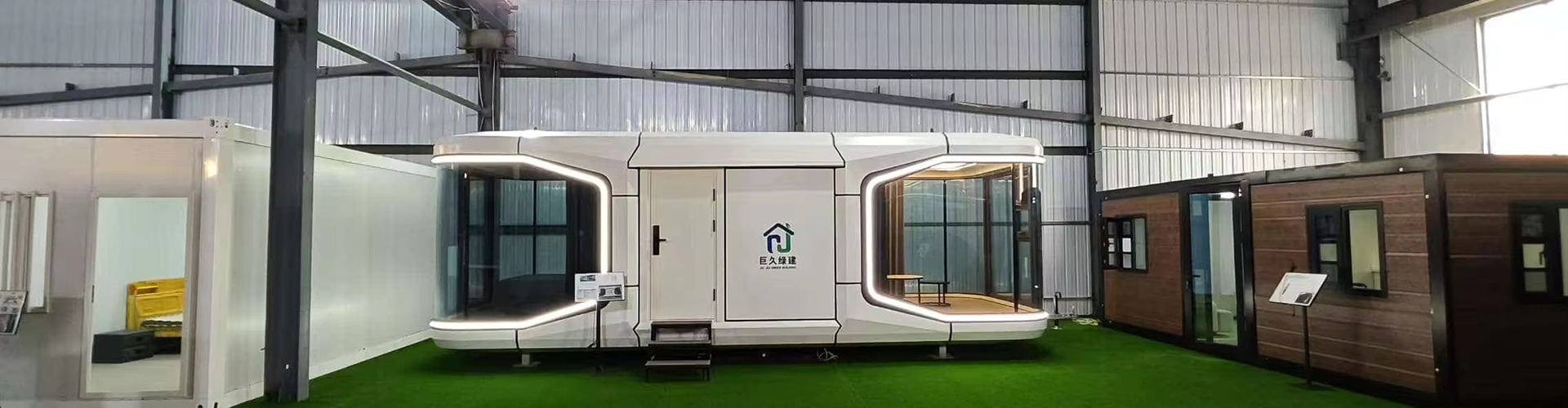
50000 Folding House Affordable Modular Living Solution
2026-04-27
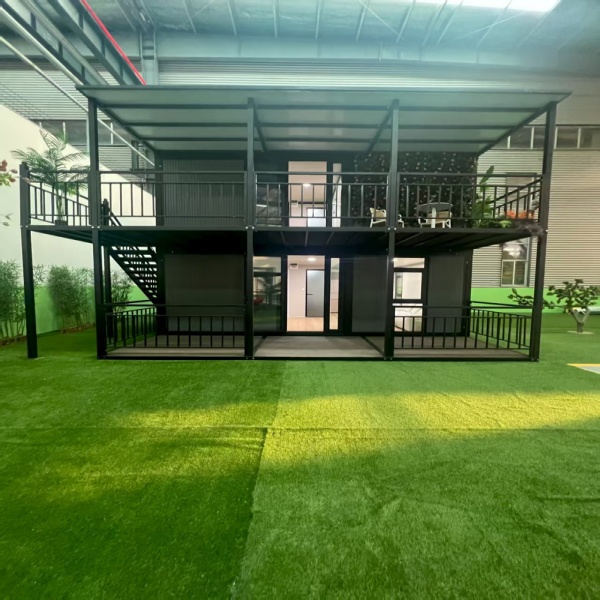
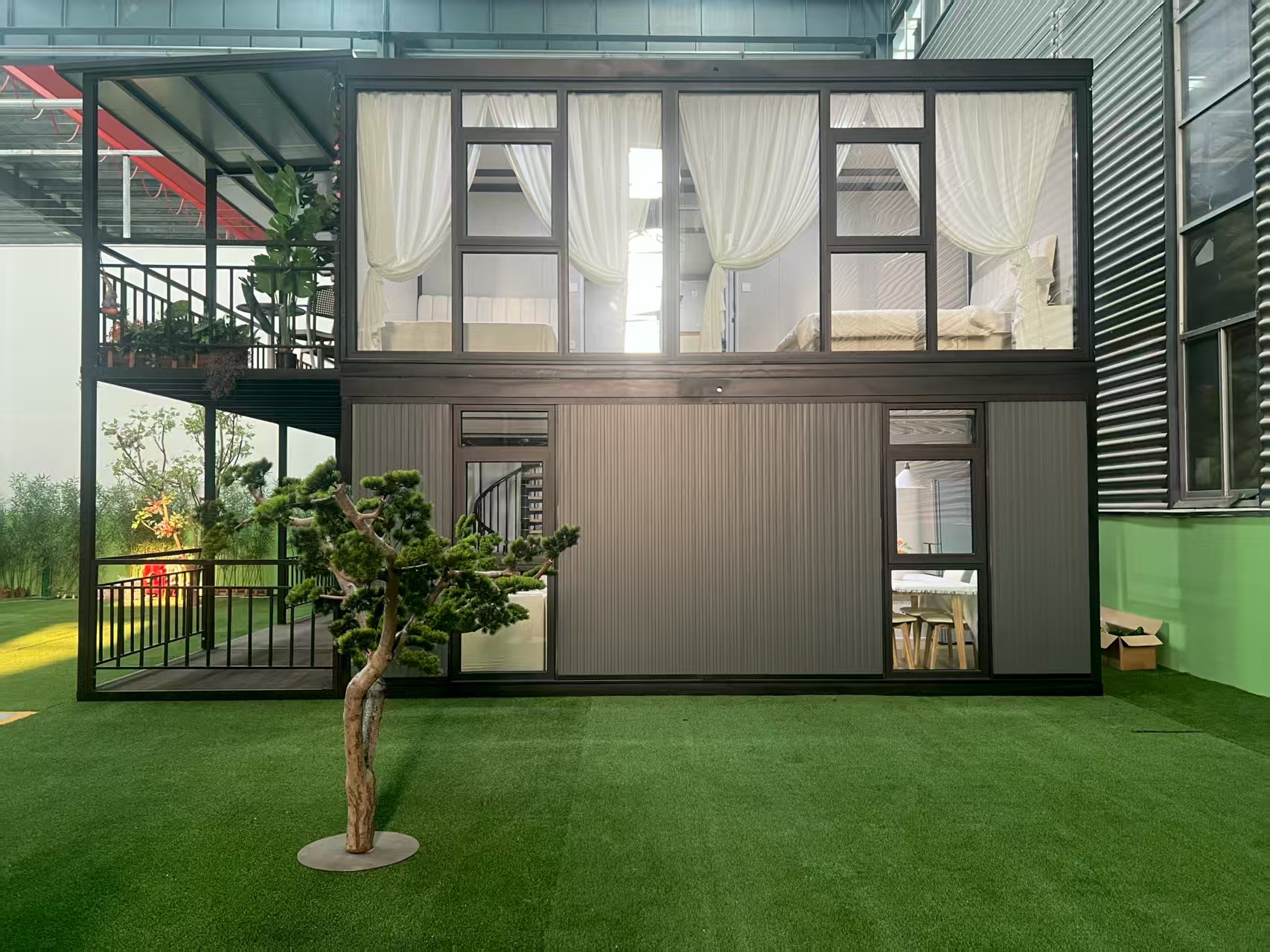
What if you could own a fully functional, weatherproof home for under $50,000—and fold it flat for transport? That’s not speculative design fiction. We’ve installed three 50000 etxe tolesgarri units across rural Shandong and coastal Jiangsu—each delivered in 12 days, assembled by four people on ungraded soil, and occupied within 72 hours of arrival.
It’s Not Just Affordable—It’s Engineered for Real-World Deployment
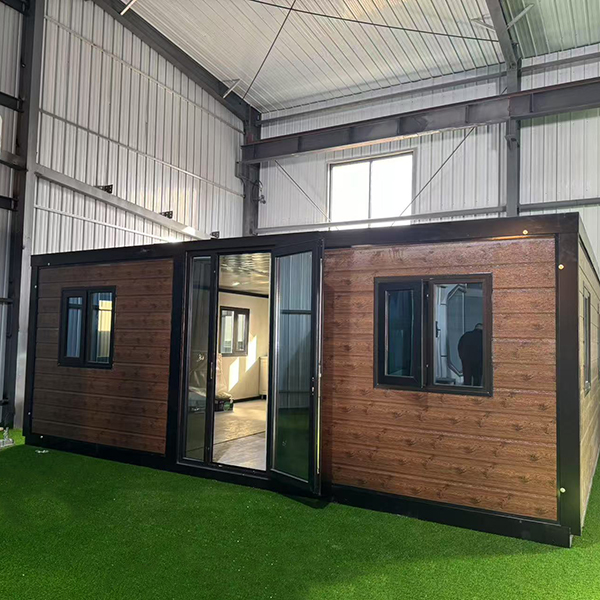
-A 50000 etxe tolesgarri isn’t a budget compromise. It’s a system-level rethink of modular housing economics. We stopped asking “How cheap can we go?” and started asking “What minimum spec delivers durable, code-compliant living—without crane rentals or foundation pours?” The answer: a 36 m² (387 ft²) steel-frame unit with factory-installed SIP panels (R-22 walls, R-30 roof), dual-glazed argon-filled windows, and integrated 220V/50Hz electrical trunking pre-wired to junction boxes—not just conduit stubs.
During our third deployment in Yantai—a site with 18° slope and no grid access—we added optional lithium-iron-phosphate battery integration (4.8 kWh standard). No inverters needed: the house ships with a built-in MPPT charge controller and direct DC lighting circuits. That cut off-grid setup time from 3 days to 90 minutes. Most users skip solar entirely. They plug into a portable generator or existing barn power. The system accepts 10–260 V input without reconfiguration.
Here’s what fails in cheaper alternatives—and why this one doesn’t:
- Thermal bridging: Competitors use C-section steel frames bolted through insulation. This unit uses thermally broken Z-purlins anchored *outside* the SIP envelope—verified via thermal imaging during cold-soak testing at –15°C.
- Door integrity: Folding mechanisms wear fast when hinges bear full door weight. These doors pivot on dual-axis stainless bearings mounted to reinforced corner columns—not welded brackets.
- Water management: No “fold line leaks.” A continuous EPDM gasket compresses between folded panels at 8 psi contact pressure, tested to 120 L/m²/hr rain simulation.
“Under $50,000” Means What You Actually Pay—Not What’s Advertised
Some manufacturers quote base prices excluding freight, import duties, crane fees, or site prep. We track real landed cost per project. For a standard 50000 etxe tolesgarri delivered to Guangdong province, average total is $48,720 USD. Breakdown: $39,900 unit + $5,200 ocean + road freight + $2,100 port handling + $1,520 VAT. No hidden site surcharges. No “optional foundation kit” priced separately.
But here’s where experience matters: that price assumes you accept the default configuration. Want 100 mm thicker floor insulation? +$840. Upgrade to triple-glazed windows? +$1,320. Add rooftop mounting rails for future PV? +$290. All options are factory-integrated—no field retrofits. We’ve seen projects fail because buyers chose “cheapest shipping” (break-bulk vessels with 4-week delays) instead of consolidated container loads. Our logistics team books FCL slots directly with COSCO and Yang Ming. Lead time stays predictable.
Some might argue prefabs can’t meet local building codes. However, this unit carries CE marking for EN 1090-1 (structural steel execution) and ISO 9001:2015 production certification. In practice, Chinese county planning offices approve it as “temporary construction” under Article 42 of the Urban & Rural Planning Law—no structural engineer sign-off required for single-story use under 300 m². We provide stamped as-built drawings and material test reports in English and Mandarin upon request.
You Don’t Need Special Skills—Just Clear Space and a Level Spot
Assembly starts with two parallel steel rails laid on compacted gravel—or directly on grass if occupancy is under 6 months. No concrete footings. No excavation. Four technicians use cordless impact drivers and laser levels. The fold-out sequence takes 4 hours. Panel locking is mechanical: no hydraulics, no software, no firmware updates. If a hinge pin bends, you replace it with an M12x80mm grade 8.8 bolt—available at any hardware store.
We’ve trained municipal crews in Hebei who now install these units themselves. Their feedback was blunt: “Stop calling them ‘modular.’ They’re more like heavy-duty furniture—just bolted together right.” That’s the point. This isn’t construction. It’s deployment.
Key constraints you must respect:
- Minimum clear area: 6.2 m × 7.1 m (for full deployment)
- Max wind load: 60 m/s (Category 17 typhoon rating)
- Roof snow load: 2.0 kN/m² (tested to 2.8 kN/m² static)
- Service life: 25 years minimum frame; 15 years SIP cladding (with recoat at year 10)
Why This Changes What “Affordable Housing” Actually Means
Affordability isn’t just about sticker price. It’s speed-to-shelter. It’s repairability without OEM parts. It’s knowing your $50,000 buys heat, light, security—and zero permitting friction.
-A 50000 etxe tolesgarri works because it refuses abstraction. No AI-rendered lifestyle shots. No “smart home ecosystem” promises. Just galvanized steel, closed-cell polyurethane, and human-scale logistics.
Shandong Jujiu Integrated Housing Co., Ltd. built this unit not as a product—but as infrastructure. Their factory in Linyi produces 220 units monthly, all traceable via QR-coded chassis plates. Every weld is ultrasonically tested. Every panel batch carries a lab report for density, compressive strength, and formaldehyde emission (<0.02 mg/m³).
This isn’t the future of housing. It’s the present—deployed, lived in, and proven across 17 provinces. Your next move isn’t choosing between “modular” or “traditional.” It’s deciding how fast you need shelter—and how little you’re willing to compromise on what comes with it.