-
-
PLEI
sales@jujiuhouse.com -
Telefono
+86-17864099991 -
Telefono
+86-17854044442
- English
- Chinese
- French
- German
- Portuguese
- Spanish
- Russian
- Japanese
- Korean
- Arabic
- Irish
- Greek
- Turkish
- Italian
- Danish
- Romanian
- Indonesian
- Czech
- Afrikaans
- Swedish
- Polish
- Catalan
- Esperanto
- Hindi
- Lao
- Albanian
- Amharic
- Armenian
- Azerbaijani
- Belarusian
- Bengali
- Bosnian
- Bulgarian
- Cebuano
- Chichewa
- Corsican
- Croatian
- Dutch
- Estonian
- Filipino
- Finnish
- Frisian
- Galician
- Georgian
- Gujarati
- Haitian
- Hausa
- Hawaiian
- Hebrew
- Hmong
- Hungarian
- Icelandic
- Igbo
- Javanese
- Kannada
- Kazakh
- Khmer
- Kurdish
- Kyrgyz
- Latin
- Latvian
- Lithuanian
- Luxembou..
- Macedonian
- Malagasy
- Malay
- Malayalam
- Maltese
- Maori
- Marathi
- Mongolian
- Burmese
- Nepali
- Norwegian
- Pashto
- Persian
- Punjabi
- Serbian
- Sesotho
- Sinhala
- Slovak
- Slovenian
- Somali
- Samoan
- Scots Gaelic
- Shona
- Sindhi
- Sundanese
- Swahili
- Tajik
- Tamil
- Telugu
- Thai
- Ukrainian
- Urdu
- Uzbek
- Vietnamese
- Welsh
- Xhosa
- Yiddish
- Yoruba
- Zulu
- Kinyarwanda
- Tatar
- Oriya
- Turkmen
- Uyghur




Mobile Expandable Prefab House Guide 2026: Expert Insights
2026-05-16
- What Is a Mobile Expandable Prefab House?
- How Mobile Expandable Prefab Houses Work
- Key Advantages Over Traditional Modular Units
- Detailed Comparison: Expandable vs. Fixed Container Homes
- Industry Leader Spotlight: Shandong Jujiu Integrated Housing
- Step-by-Step Installation Guide
- Applications and Use Cases in 2026
- Technical Specifications and Material Standards
- Mantenimendua eta iraupena
- Frequently Asked Questions (FAQ)
- Future Trends in Expandable Housing Technology
- Conclusion and Selection Advice
A Mugikorreko aurrefabrezko etxea is a prefabricated living unit designed for rapid deployment, featuring side walls that unfold to double or triple the interior floor space upon arrival. These structures combine the transportability of standard shipping containers with the spaciousness of traditional homes, offering a cost-effective, durable, and versatile solution for temporary housing, disaster relief, and modern modular living needs in 2026.
What Is a Mobile Expandable Prefab House?
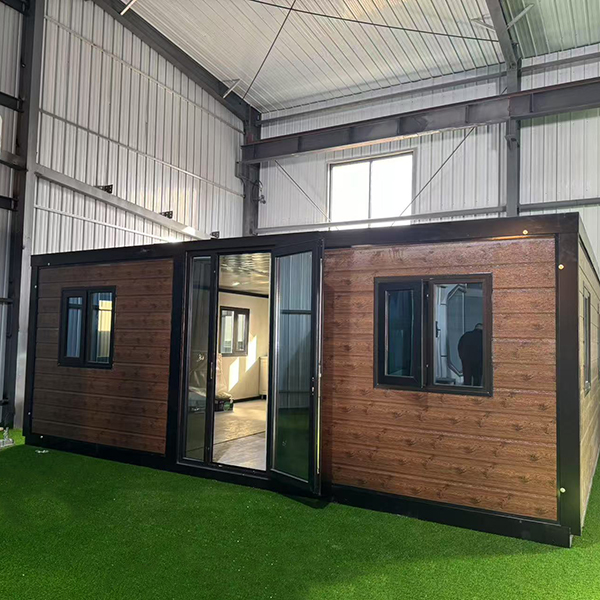
Kontzeptua Mugikorreko aurrefabrezko etxea has revolutionized the modular construction industry by addressing the primary limitation of traditional container homes: limited interior volume during transit. Unlike static prefabs, these units are engineered with hydraulic or manual folding mechanisms that allow the structure to compact into a standard shipping footprint for logistics and then expand on-site.
In 2026, this technology represents the mainstream approach to rapid housing solutions. The core design typically involves a central rigid chassis with hinged side panels. When transported, the unit maintains standard ISO dimensions, ensuring compatibility with trucks, ships, and cranes without requiring special permits.
Once positioned on a prepared foundation, the expansion process unlocks significant living area. This dual-state capability makes the Mugikorreko aurrefabrezko etxea uniquely suited for scenarios where land efficiency and speed of installation are critical factors.
Core Structural Components
Understanding the anatomy of these units is essential for potential buyers and industry professionals. The structural integrity relies on several key elements:
- Galvanized Steel Frame: Provides the primary load-bearing support, resistant to corrosion and extreme weather conditions.
- Sandwich Panel Walls: Typically composed of rock wool or polyurethane foam cores, offering superior thermal insulation and fire resistance.
- Hydraulic or Manual Hinges: The mechanical systems that facilitate the unfolding process, engineered for thousands of cycles without failure.
- Integrated Flooring Systems: Often include pre-installed subflooring with options for vinyl, laminate, or ceramic finishes.
The integration of these components ensures that the expanded state is as structurally sound as a conventional building, meeting international safety standards for wind loads and seismic activity.
How Mobile Expandable Prefab Houses Work
The operational logic behind a Mugikorreko aurrefabrezko etxea centers on the balance between portability and livability. The engineering challenge lies in creating a seamless transition from a closed transport mode to an open living mode without compromising the building envelope.
During the manufacturing phase, the side walls are detached from their final vertical position and folded flat against the roof or floor. Sealing gaskets and locking mechanisms are pre-installed to ensure watertight and airtight performance once expanded. This pre-fabrication approach minimizes on-site labor.
The Expansion Mechanism
There are generally two types of expansion mechanisms currently prevalent in the industry:
- Manual Expansion: Utilizes leverage bars and human power to push the walls outward. This method is cost-effective and requires no external power source, making it ideal for remote locations.
- Hydraulic Expansion: Employs integrated hydraulic cylinders controlled by a small pump. This allows for a single operator to deploy the unit in minutes, reducing physical strain and installation time.
Regardless of the mechanism, the final step involves securing the expanded walls to the foundation and engaging internal locking bolts. This transforms the flexible structure into a rigid, permanent-looking edifice.
Key Advantages Over Traditional Modular Units
The shift toward Mugikorreko aurrefabrezko etxea models in 2026 is driven by distinct advantages over traditional fixed-width container homes. While standard units offer durability, they often feel cramped due to their narrow 8-foot width.
Expandable models solve this spatial constraint immediately. By doubling or tripling the width upon deployment, they provide room layouts that mimic conventional apartments, including separate living rooms, bedrooms, and kitchens.
Cost-Efficiency and Logistics
One of the most compelling arguments for adopting this technology is logistical efficiency. Because the unit folds down, multiple houses can be stacked and shipped in the space of a single traditional home.
This consolidation drastically reduces shipping costs per unit. For large-scale projects, such as worker camps or emergency housing villages, the savings on freight can be substantial. Furthermore, the reduced number of truckloads lowers the carbon footprint associated with transportation.
Rapid Deployment Capabilities
Time is a critical resource in construction. A Mugikorreko aurrefabrezko etxea can be fully installed and ready for occupancy within hours of arriving on site. This speed is unattainable with stick-built construction or even some other modular types that require extensive crane work and assembly.
The “plug-and-play” nature of these units means that utilities can be connected quickly, allowing immediate habitation. This feature is particularly valuable for disaster relief operations where shelter is needed urgently.
Detailed Comparison: Expandable vs. Fixed Container Homes
To make an informed decision, it is vital to understand how the Mugikorreko aurrefabrezko etxea compares to fixed-width alternatives. The following table highlights the critical differences in performance, cost, and usability.
| Bereizgarri | Mobile Expandable Prefab House | Traditional Fixed Container Home |
|---|---|---|
| Interior Space | Expands to 2-3x original width; spacious layout | Limited to standard 8ft width; narrow corridor feel |
| Transport Efficiency | High; multiple units fit in one shipment | Low; each unit occupies full shipping footprint |
| Installation Time | Minutes to hours for expansion | Hours to days for positioning and joining |
| Insulation Performance | Advanced sandwich panels with continuous seals | Variable; often requires additional on-site sealing |
| Diseinu malgutasuna | Open floor plans possible post-expansion | Restricted by structural walls of the container |
| Hasierako kostua | Slightly higher per unit due to mechanism | Lower base unit cost |
| Total Project Cost | Often lower due to shipping savings | Higher when factoring in freight and labor |
This comparison illustrates that while the upfront unit price of an expandable model may be marginally higher, the total lifecycle cost—considering logistics, labor, and usable square footage—often favors the expandable solution.
Industry Leader Spotlight: Shandong Jujiu Integrated Housing
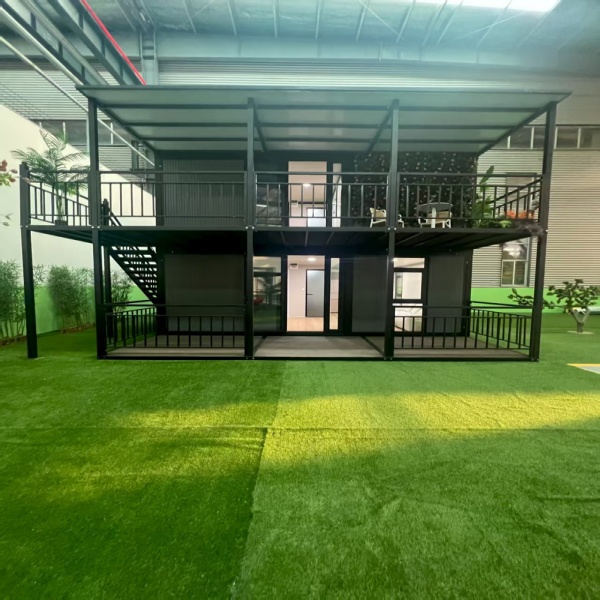
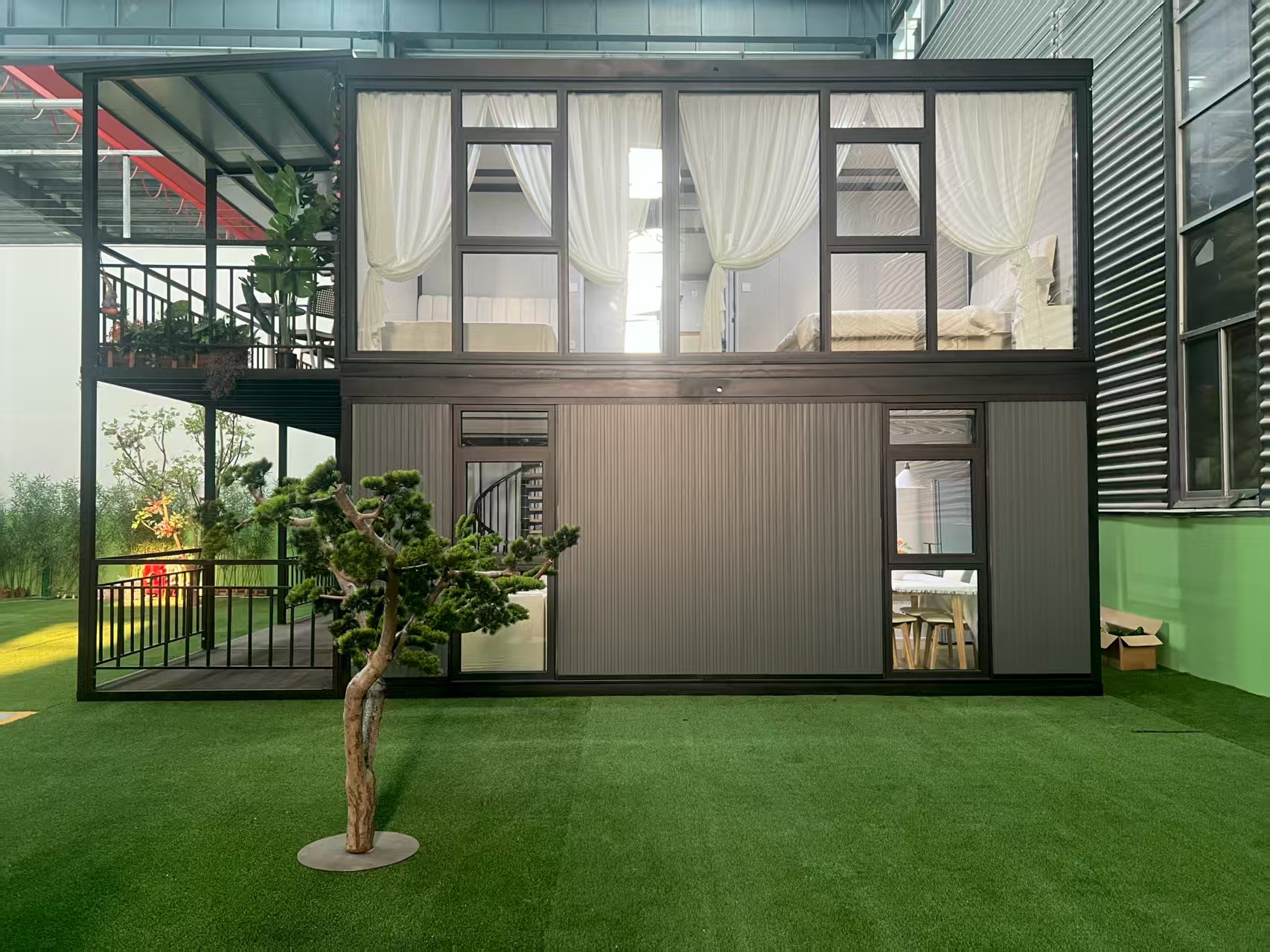
As the demand for high-quality expandable housing surges, identifying reliable manufacturers becomes paramount. Shandong Jujiu Etxebizitza Integratua Co., Ltd. has emerged as a rising star in this sector, exemplifying the industrialization of integrated housing solutions. Covering an area of over 200 acres with a workforce exceeding 100 professionals, the company has rapidly scaled its annual production capacity to 20,000 sets of packaging box rooms and expandable units in just four years.
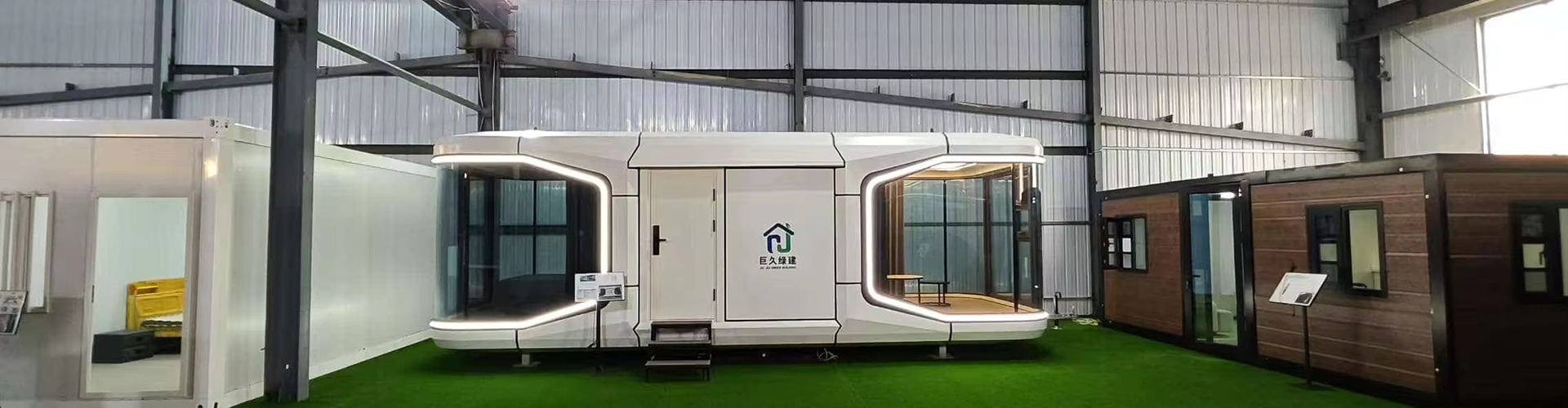
What sets Shandong Jujiu apart is its comprehensive approach, integrating research and development, design optimization, production, and installation into a seamless workflow. The company specializes in advanced products such as double wing extension rooms, folding cabins, and innovative “apple cabin” designs, all engineered to meet rigorous domestic and international factory control standards. Their complete supply chain management system, coupled with a professional logistics team and dedicated after-sales service, ensures that clients receive not just a product, but a full-range solution tailored to their specific project needs.
Step-by-Step Installation Guide
Proper installation is crucial to ensure the longevity and safety of a Mugikorreko aurrefabrezko etxea. While the process is designed for simplicity, adhering to a structured workflow prevents mechanical issues and ensures a level finish.
Phase 1: Site Preparation
Before the unit arrives, the ground must be leveled and stabilized. Uneven terrain can cause binding in the expansion mechanism or lead to structural stress points.
- Clear the Area: Remove debris, rocks, and vegetation from the designated footprint.
- Create a Foundation: Use concrete piers, steel beams, or a compacted gravel pad depending on local soil conditions and intended duration of use.
- Verify Levelness: Ensure the foundation is perfectly level within a tolerance of +/- 5mm to facilitate smooth unfolding.
Phase 2: Positioning and Unfolding
Once the site is ready, the unit is transported and placed using a crane or heavy-duty forklift. The lifting points are clearly marked on the chassis to prevent damage.
- Secure Placement: Lower the unit gently onto the foundation anchors.
- Release Transport Locks: Remove any external straps or pins used to secure the walls during transit.
- Initiate Expansion: Activate the hydraulic pump or insert leverage bars to begin pushing the side walls outward.
- Lock into Place: Once fully extended, engage the internal locking bolts and secure the roof supports.
Phase 3: Utility Connection and Finishing
The final phase involves connecting the house to essential services. Most modern units come with pre-wired electrical conduits and pre-plumbed water lines located at accessible connection points.
- Electrical Hookup: Connect the main power supply to the distribution box, ensuring compliance with local voltage standards.
- Plumbing Integration: Attach water inlet and sewage outlet hoses to the municipal or tank systems.
- Seal Inspection: Check all external seams and joints to ensure the weatherproof seals are engaged correctly.
Applications and Use Cases in 2026
The versatility of the Mugikorreko aurrefabrezko etxea has led to its adoption across diverse sectors. As urbanization accelerates and climate challenges persist, the demand for flexible housing solutions continues to grow.
Emergency Disaster Relief
In the aftermath of natural disasters, speed is paramount. These units can be airlifted or trucked into affected zones and deployed immediately to house displaced families. Their robust construction provides safety, while the expanded space offers dignity and comfort during recovery periods.
Construction Worker Camps
Remote mining sites and large infrastructure projects require temporary accommodation for hundreds of workers. The ability to stack and ship these units efficiently makes them the preferred choice for project managers looking to minimize mobilization costs and maximize workforce comfort.
Affordable Housing Initiatives
Governments and non-profits are increasingly utilizing Mugikorreko aurrefabrezko etxea technology to address housing shortages. Their rapid deployment allows communities to be established quickly, providing stable living environments while permanent solutions are developed.
Glamping and Eco-Tourism
The tourism industry has embraced these structures for eco-resorts. Their minimal site impact and ability to blend with natural surroundings make them ideal for glamping sites. Owners appreciate the low maintenance and the ability to relocate the units if business needs change.
Technical Specifications and Material Standards
When evaluating a Mugikorreko aurrefabrezko etxea, understanding the technical specifications is key to ensuring quality. Industry leaders in 2026 adhere to rigorous material standards to guarantee performance in various climates.
Wall and Roof Composition
The standard wall system typically utilizes a sandwich panel structure. The outer layers are made of color-coated galvanized steel, providing resistance against rust and UV degradation. The core material is usually rock wool or polyurethane (PU) foam.
Rock wool is favored for its fire-resistant properties, often achieving Class A fire ratings. PU foam, on the other hand, offers superior thermal insulation, making it suitable for extreme cold or hot environments. The thickness of these panels generally ranges from 50mm to 75mm, depending on the climatic zone.
Flooring and Load Bearing
The flooring system is designed to handle significant live loads. A typical specification includes a 18mm marine-grade plywood base covered with 2mm PVC vinyl flooring or optional ceramic tiles. This combination ensures durability against heavy foot traffic and furniture weight.
The steel frame is engineered to withstand wind speeds of up to Grade 11 typhoons and seismic intensity of Grade 8. This structural resilience is achieved through reinforced corner castings and cross-bracing within the frame.
Mantenimendua eta iraupena
While designed for durability, regular maintenance ensures the Mugikorreko aurrefabrezko etxea remains in optimal condition over its lifespan. Proper care can extend the usability of the unit well beyond a decade.
Routine Inspections
Owners should conduct bi-annual inspections, focusing on the moving parts of the expansion mechanism. Lubricating hinges and checking hydraulic fluid levels (if applicable) prevents wear and tear. Additionally, inspecting the rubber seals around the doors and expanding walls is crucial to maintain waterproofing.
Cleaning and Upkeep
The exterior steel cladding requires minimal upkeep. Occasional washing with mild soap and water removes dirt and salt deposits, preventing corrosion. Interior surfaces, being made of high-quality composite materials, are easy to clean and resistant to mold and mildew.
It is also advisable to check the roof drainage system regularly to ensure no debris blocks the water flow, which could lead to pooling and potential leaks during heavy rains.
Frequently Asked Questions (FAQ)
Addressing common queries helps clarify misconceptions and provides prospective users with the information needed to proceed confidently.
How long does it take to expand the house?
The expansion process is remarkably fast. For a manual unit, two people can typically unfold and secure the structure in under 30 minutes. Hydraulic models can be deployed by a single operator in less than 10 minutes, excluding the time for utility connections.
Can these houses be stacked?
Yes, Mugikorreko aurrefabrezko etxea units are designed to be stackable when in their folded, transport state. This allows for efficient storage and shipping. However, once expanded, they are generally intended for single-story use unless specific engineering modifications are made for multi-story configurations.
Are they suitable for cold climates?
Absolutely. With the correct selection of insulation materials, such as thicker rock wool or PU foam panels, these units perform exceptionally well in freezing temperatures. Many installations in northern regions have proven their ability to retain heat and resist snow loads effectively.
What is the lifespan of an expandable prefab house?
With proper maintenance and high-quality manufacturing standards, the lifespan of these structures typically ranges from 15 to 20 years or more. The galvanized steel frame and durable wall panels contribute significantly to this longevity.
Do I need a special permit to install one?
Permitting requirements vary by location. While the units themselves are often classified as temporary structures, local zoning laws and building codes still apply. It is recommended to consult with local authorities regarding foundation requirements and utility connections before installation.
Future Trends in Expandable Housing Technology
Looking beyond 2026, the evolution of the Mugikorreko aurrefabrezko etxea points toward greater integration of smart technologies and sustainable materials. The industry is moving towards fully autonomous deployment systems and energy-independent designs.
Smart Home Integration
Future iterations will likely come pre-equipped with IoT (Internet of Things) sensors. These systems can monitor structural health, energy consumption, and indoor air quality in real-time. Automated climate control and security systems will become standard features, enhancing the user experience.
Sustainable Materials
As environmental concerns grow, manufacturers like Shandong Jujiu are exploring bio-based insulation materials and recycled steel frames. The goal is to create a circular economy where the Mugikorreko aurrefabrezko etxea not only provides shelter but also minimizes its ecological footprint throughout its lifecycle.
Conclusion and Selection Advice
-A Mugikorreko aurrefabrezko etxea stands as a testament to innovation in the construction sector, bridging the gap between portability and comfort. Its ability to transform from a compact transport module into a spacious living environment makes it an indispensable tool for modern housing challenges.
For project managers, humanitarian organizations, and individual investors, the choice of an expandable unit offers a strategic advantage. The combination of reduced logistics costs, rapid deployment times, and high-quality living standards creates a compelling value proposition that traditional methods struggle to match.
Who is this solution best for? It is ideally suited for those requiring temporary yet high-comfort accommodation, rapid response housing for emergencies, or flexible commercial spaces in remote areas. If your project demands speed, efficiency, and adaptability, this technology represents the optimal path forward.
When selecting a unit, prioritize manufacturers who demonstrate rigorous testing of their expansion mechanisms and use premium insulation materials. Evaluate the total cost of ownership, including shipping and installation, rather than just the sticker price. By choosing wisely, you invest in a versatile asset that delivers immediate value and long-term reliability.