-
E-mail
Austin120521@outlook.com -
E-mail
sales@jujiuhouse.com -
Telefòn
+86-17864099991 -
Telefòn
+86-17854044442
- English
- Chinese
- French
- German
- Portuguese
- Spanish
- Russian
- Japanese
- Korean
- Arabic
- Irish
- Greek
- Turkish
- Italian
- Danish
- Romanian
- Indonesian
- Czech
- Afrikaans
- Swedish
- Polish
- Basque
- Catalan
- Esperanto
- Hindi
- Lao
- Albanian
- Amharic
- Armenian
- Azerbaijani
- Belarusian
- Bengali
- Bosnian
- Bulgarian
- Cebuano
- Chichewa
- Corsican
- Croatian
- Dutch
- Estonian
- Filipino
- Finnish
- Frisian
- Galician
- Georgian
- Gujarati
- Hausa
- Hawaiian
- Hebrew
- Hmong
- Hungarian
- Icelandic
- Igbo
- Javanese
- Kannada
- Kazakh
- Khmer
- Kurdish
- Kyrgyz
- Latin
- Latvian
- Lithuanian
- Luxembou..
- Macedonian
- Malagasy
- Malay
- Malayalam
- Maltese
- Maori
- Marathi
- Mongolian
- Burmese
- Nepali
- Norwegian
- Pashto
- Persian
- Punjabi
- Serbian
- Sesotho
- Sinhala
- Slovak
- Slovenian
- Somali
- Samoan
- Scots Gaelic
- Shona
- Sindhi
- Sundanese
- Swahili
- Tajik
- Tamil
- Telugu
- Thai
- Ukrainian
- Urdu
- Uzbek
- Vietnamese
- Welsh
- Xhosa
- Yiddish
- Yoruba
- Zulu
- Kinyarwanda
- Tatar
- Oriya
- Turkmen
- Uyghur




Alibaba Expandable Container House Guide 2026: Expert Insights
2026-06-07
- What Is an Alibaba Expandable Container House?
- Why Choose Expandable Models Over Traditional Containers?
- Step-by-Step Guide to Sourcing on Alibaba
- Technical Considerations for 2026 Models
- Application Scenarios and Market Trends
- Pros and Cons of Expandable Container Houses
- Maintenance and Longevity Insights
- Frequently Asked Questions (FAQ)
- Expert Tips for Maximizing ROI
- Conclusion and Next Steps
Searching for an Alibaba expandable container house in 2026 requires understanding the balance between rapid deployment, structural integrity, and cost-efficiency. These modular units represent a shift in temporary and semi-permanent housing, offering a foldable design that expands to triple its shipping size upon arrival. This guide provides expert insights into selecting the right configuration, navigating procurement on global B2B platforms, and ensuring compliance with international building standards for optimal investment returns.
What Is an Alibaba Expandable Container House?
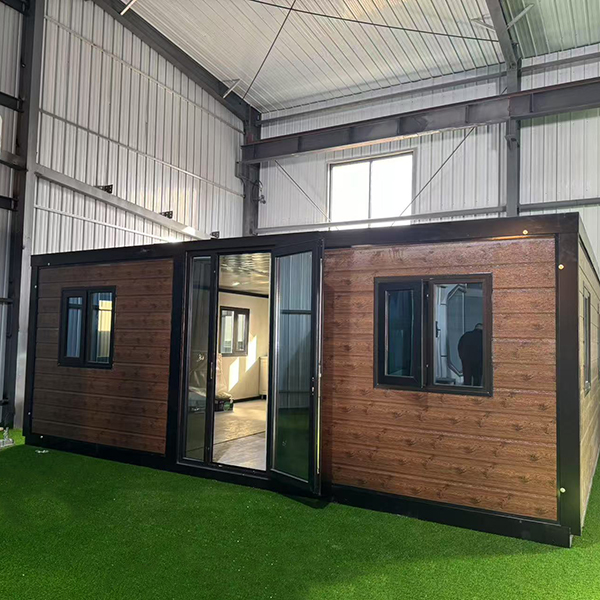
Yon Alibaba expandable container house is a prefabricated modular structure designed for maximum logistical efficiency. Unlike traditional shipping container conversions, these units feature a telescopic or folding wall mechanism. During transport, the side walls fold inward, reducing the unit’s width to standard ISO container dimensions (typically 8 feet). Once on-site, the walls unfold horizontally to create a spacious living area, often tripling the internal floor space compared to its transported footprint.
The core appeal lies in the speed of installation. While conventional prefab homes may take weeks to assemble, an expandable model can be fully deployed by a small team in under two hours using simple mechanical tools. This makes them ideal for emergency relief, remote construction camps, and rapid-scale hospitality projects. The structural framework usually consists of galvanized steel, ensuring durability against harsh environmental conditions while maintaining a lightweight profile for easier crane handling.
Key Structural Components
Understanding the anatomy of these units is crucial for buyers evaluating quality on B2B marketplaces. The primary components include:
- Main Frame: Constructed from high-tensile galvanized steel beams, providing the skeleton that supports the folding mechanism and roof load.
- Wall Panels: Typically made of sandwich panels with rock wool, EPS, or polyurethane foam cores, offering varying degrees of thermal insulation and fire resistance.
- Folding Mechanism: Heavy-duty hinges and locking pins that allow the side walls to pivot outward securely without compromising structural rigidity.
- Roof System: Often features a slight slope for water drainage and is integrated with the folding walls to ensure a watertight seal when expanded.
- Foundation Feet: Adjustable steel legs that level the unit on uneven terrain, eliminating the need for extensive concrete foundations in many scenarios.
Why Choose Expandable Models Over Traditional Containers?
The decision to invest in an expandable unit rather than a standard fixed-width container often comes down to the ratio of shipping cost to usable space. Traditional 20-foot containers offer limited interior width, requiring significant modification to become comfortable living spaces. In contrast, expandable models maximize the “cube” utilization during transit while delivering a much larger final product.
Industry experts note that the logistics savings are substantial. Because three expandable units can often fit into the space of one traditional wide-body shipment (depending on the specific folding design), freight costs per square meter of living space drop significantly. This economic advantage is particularly pronounced for international buyers importing large quantities for resort developments or worker accommodations.
Comparative Analysis: Expandable vs. Fixed Prefab
To clarify the value proposition, consider the following comparison between expandable container houses and standard fixed-width prefab units commonly found on sourcing platforms.
| Patikilarite | House veso dilatabl | Standard Fixed Prefab Unit |
|---|---|---|
| Transport Efficiency | High (Folds to 1/3 of expanded size) | Low (Ships at full size) |
| Installation Time | 1-2 Hours (Minimal labor) | 1-3 Days (Requires assembly/cranes) |
| Shipping Cost per Unit | Lower (Multiple units per container) | Higher (One unit per shipment slot) |
| Structural Complexity | Moderate (Moving parts require maintenance) | Low (Static structure) |
| Interior Space | Wide (Often 5.8m – 7m width when open) | Narrow (Limited to shipping width ~2.4m) |
| Ideal Use Case | Rapid deployment, remote sites, resorts | Permanent offices, static storage |
Step-by-Step Guide to Sourcing on Alibaba
Navigating the vast marketplace of Alibaba expandable container house suppliers requires a strategic approach to ensure product quality and transaction security. The platform hosts hundreds of manufacturers, ranging from direct factories to trading companies. Differentiating between them is the first step toward a successful procurement process.
Step 1: Verify Supplier Credentials
Before initiating contact, examine the supplier’s profile for specific indicators of reliability. Look for the “Verified Supplier” badge, which indicates that a third-party inspection agency has confirmed the company’s legal status and physical premises. Additionally, check the years of operation; suppliers with over five years of history in the modular construction sector typically have more refined production processes and better after-sales support.
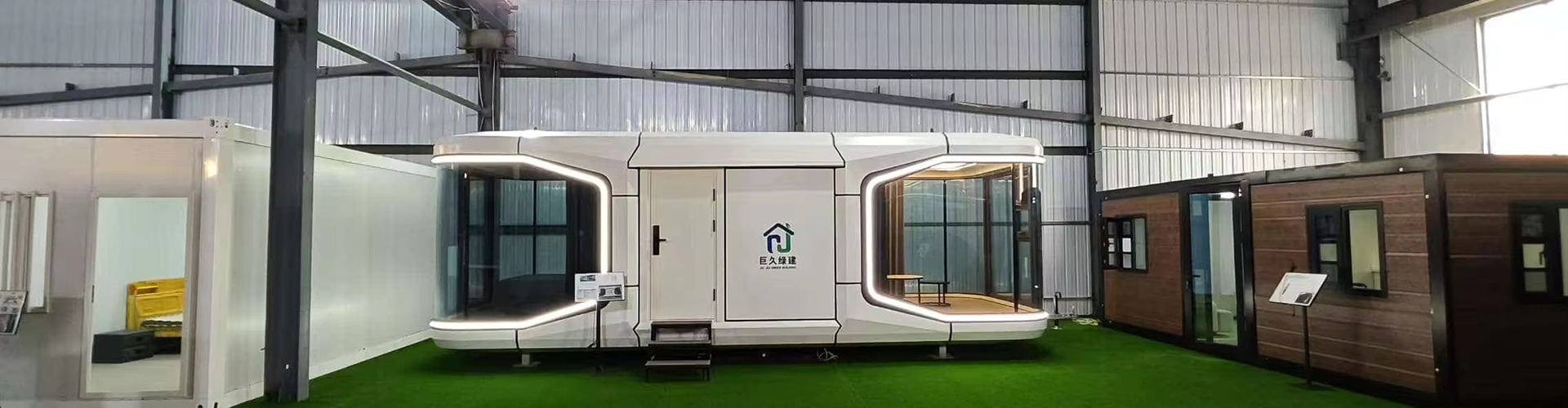
For instance, Shandong Jujiu entegre lojman co, Ltd. exemplifies the type of rising star buyer should seek. As an industrial enterprise integrating R&D, design, production, and installation, Jujiu has rapidly established a complete supply chain and professional logistics team within just four years. Covering over 200 acres with a staff of more than 100, the company boasts an annual production capacity of 20,000 packaging box rooms. Their specialization in diverse integrated housing products—from double wing extension rooms and folding beds to push-pull apple cabins—demonstrates the technical depth and manufacturing scale necessary to meet rigorous international factory control standards.
- Check Business Type: Prioritize “Manufacturer” over “Trading Company” for better price control and customization options.
- Review Certifications: Ensure the factory holds relevant ISO certifications and that their materials meet international fire and safety standards (e.g., CE, AS/NZS).
- Analyze Transaction History: Look for consistent export volumes to your target region, indicating familiarity with local shipping and customs requirements.
Step 2: Request Detailed Specifications
Avoid generic inquiries. To demonstrate expertise and receive accurate quotes, request a detailed specification sheet. Key data points should include the thickness of the steel frame, the density of the insulation material, and the brand of hardware used for the folding mechanism. Ambiguity in these areas often leads to subpar products that fail to withstand long-term use.
Ask specifically about the galvanization process. Hot-dip galvanizing offers superior corrosion resistance compared to electro-galvanizing, a critical factor for units deployed in coastal or humid environments. Furthermore, inquire about the warranty terms specifically covering the folding hinges, as these are the most mechanically stressed components of the unit.
Step 3: Negotiate Terms and Logistics
Once the technical specifications are aligned, focus on Incoterms. For heavy industrial goods like container houses, FOB (Free on Board) is common, but CIF (Cost, Insurance, and Freight) might be preferable for buyers unfamiliar with international shipping logistics. Clarify who bears the risk during loading and unloading. Always insist on using Alibaba’s Trade Assurance service to protect payments until the goods are shipped and verified against the agreed-upon contract.
Technical Considerations for 2026 Models
As we move through 2026, the technology behind Alibaba expandable container house designs has evolved. Modern iterations focus heavily on energy efficiency, smart integration, and enhanced durability. Buyers should be aware of these advancements to avoid purchasing outdated stock that may not meet current regulatory or comfort standards.
Insulation and Thermal Performance
The choice of wall panel core material dictates the habitability of the unit in extreme climates. While Expanded Polystyrene (EPS) remains a cost-effective option for temperate zones, Rock Wool ak Polyurethane (PU) sandwiches are becoming the industry standard for broader applications. Rock wool offers superior fire resistance, a non-negotiable requirement for commercial camps and multi-unit residential complexes. PU foam provides the highest R-value per inch, making it ideal for arctic or desert deployments where thermal retention is critical.
Current mainstream solutions also address thermal bridging—a common weakness in steel structures. Advanced models now incorporate thermal break strips within the frame design to prevent heat transfer through the metal skeleton, significantly improving indoor temperature stability and reducing HVAC energy consumption.
Smart Home Integration Capabilities
The 2026 market sees a rising demand for “smart-ready” expandable homes. Leading manufacturers now pre-install conduits and junction boxes compatible with IoT devices. This includes provisions for smart thermostats, automated lighting systems, and remote security monitoring. When sourcing, ask if the electrical layout supports these upgrades without requiring invasive post-delivery modifications. A well-designed unit will have a centralized distribution board that allows for easy expansion of the electrical system.
Application Scenarios and Market Trends
The versatility of the Alibaba expandable container house has led to its adoption across diverse sectors. Understanding these application scenarios helps buyers tailor their orders to specific operational needs, ensuring the selected model aligns with the intended use case.
Construction and Mining Camps
In remote resource extraction sites, time is money. The ability to fly in or truck in compact units and deploy them immediately solves the housing bottleneck for workforce mobilization. These units serve as dormitories, dining halls, and site offices. The robust steel construction withstands the rough handling often associated with remote logistics, while the modular nature allows the camp to expand or contract as project phases change.
Eco-Tourism and Glamping Resorts
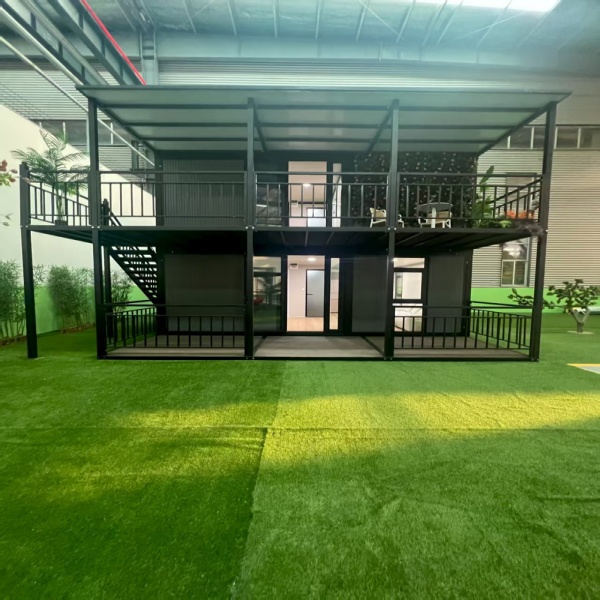
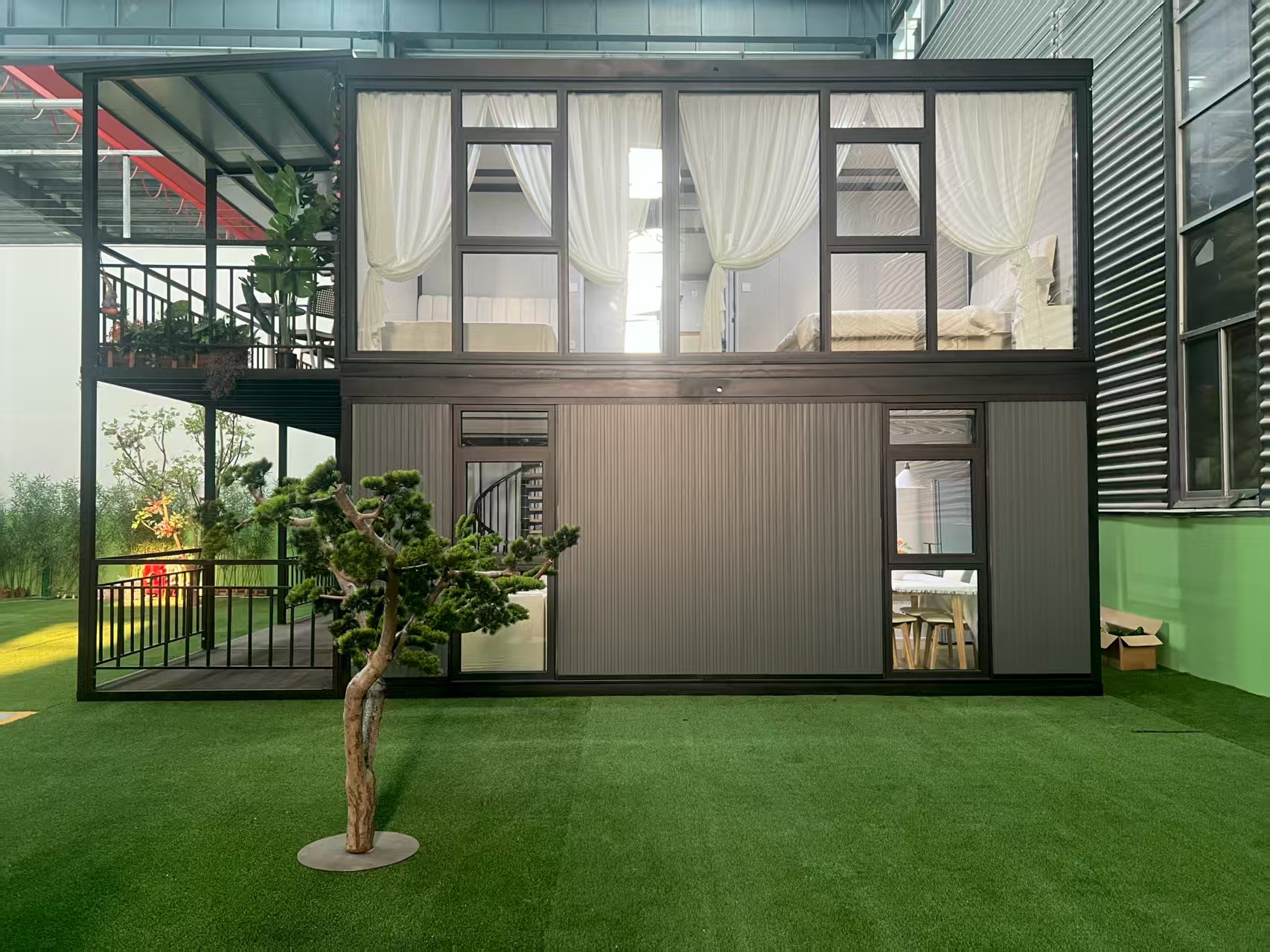
The hospitality industry increasingly favors low-impact development. Expandable container houses offer a minimal footprint during construction, preserving the natural landscape. Their modern aesthetic appeals to eco-conscious travelers. Operators often cluster these units to create boutique villages, utilizing the rapid setup time to open seasonal resorts quickly. Customization options, such as large glass sliding doors and wooden deck attachments, enhance the luxury feel required for this sector.
Disaster Relief and Emergency Housing
Government agencies and NGOs utilize these structures for rapid response housing. The compact shipping profile allows thousands of units to be stockpiled or transported efficiently to disaster zones. Upon arrival, the quick deployment capability ensures shelter is provided within hours rather than days. Durability and ease of sanitation are paramount in these scenarios, driving the demand for units with antimicrobial surface coatings and robust plumbing integrations.
Pros and Cons of Expandable Container Houses
A balanced evaluation is essential for making an informed investment. While the benefits are significant, potential buyers must also acknowledge the limitations inherent in the folding design.
Avantaj
- Logistical Efficiency: Drastically reduced shipping volumes lower freight costs and carbon emissions per unit.
- Rapid Deployment: Minimal on-site labor and tooling requirements accelerate project timelines.
- Scalability: Units can be linked horizontally or stacked vertically (with reinforcement) to create larger complexes.
- Reusability: The foldable design allows the units to be collapsed and relocated easily, offering high residual value.
- Pèrsonalizasyon: Flexible layouts allow for various window placements, door configurations, and interior finishes.
Dezavantaj
- Mechanical Complexity: The folding hinges and seals introduce potential failure points that require periodic maintenance compared to static structures.
- Sealing Risks: If not manufactured with precision, the seams where walls unfold may be prone to water leakage over time.
- Weight Limitations: The lightweight nature, while good for transport, may require additional anchoring in high-wind zones compared to heavier concrete alternatives.
- Perception: Some local zoning laws still categorize these as “temporary structures,” which may limit their use for permanent residential titles in certain jurisdictions.
Maintenance and Longevity Insights
To maximize the lifespan of an Alibaba expandable container house, a proactive maintenance regimen is necessary. The unique moving parts differentiate its care requirements from standard buildings. Regular inspection of the folding mechanism is vital. Lubricating hinges and checking locking pins every six months prevents seizing and ensures smooth operation during future relocations.
Waterproofing integrity should be monitored closely, especially after the first few expansion cycles. The rubber gaskets and sealants along the unfolding seams can settle or wear. Applying high-quality exterior sealant annually to these joints mitigates the risk of leaks. Additionally, inspecting the galvanized coating for scratches or rust spots, particularly around the base and connection points, allows for timely touch-ups that prevent structural corrosion.
Expected Lifespan
With proper maintenance, a high-quality expandable container house can last 15 to 20 years or more. The longevity largely depends on the environment and the initial quality of the steel and paintwork. Units deployed in corrosive coastal environments may require more frequent anti-corrosion treatments, while those in dry inland areas often exceed the average lifespan expectations. The replaceability of wall panels also extends the usable life of the main frame, allowing for cosmetic or insulation upgrades without replacing the entire structure.
Frequently Asked Questions (FAQ)
Addressing common queries helps clarify doubts and builds trust in the procurement process. Below are expert answers to frequent questions regarding Alibaba expandable container house purchases.
How many units can fit in a 40HQ container?
Typically, a standard 40-foot High Cube (40HQ) shipping container can hold between 8 to 12 sets of folded expandable houses, depending on the specific manufacturer’s design and packaging method. This high density is the primary driver for cost savings in international shipping.
Do I need a concrete foundation?
No, a full concrete slab is not strictly necessary. Most expandable units come with adjustable steel support legs that can be leveled on compacted gravel, pavers, or concrete blocks. However, for permanent installations or soft soil conditions, a strip foundation or concrete piers are recommended to ensure long-term stability.
Can these houses withstand hurricanes or heavy snow?
Yes, but specifications matter. Standard models are designed for normal weather conditions. For regions prone to hurricanes or heavy snow loads, buyers must request reinforced frames with thicker steel gauges and additional roof trusses. It is crucial to communicate local wind and snow load requirements to the supplier during the quoting phase.
Is plumbing and electricity pre-installed?
Most suppliers offer units with pre-installed electrical wiring and conduit pathways. Plumbing pipes are often pre-laid within the floor or wall cavities, but fixtures (toilets, sinks) may be installed partially or fully depending on the agreement. Buyers should confirm the extent of “turnkey” readiness, as some components may need final connection on-site to comply with local codes.
What is the typical lead time for production?
Production lead times vary based on order volume and customization levels. For standard models, factories typically require 15 to 25 days for manufacturing. Customized orders with specific finishes or structural reinforcements may take 30 to 45 days. Shipping time is additional and depends on the destination port.
Expert Tips for Maximizing ROI
Investing in modular housing is a strategic financial decision. To ensure the best return on investment, buyers should look beyond the initial unit price. Consider the total cost of ownership, which includes shipping, installation, maintenance, and potential relocation costs. A slightly more expensive unit with superior insulation and a robust folding mechanism often yields lower operational costs and higher resale value over time.
Engage with suppliers who offer comprehensive after-sales support. Access to spare parts, such as replacement seals or hinge components, is critical for long-term operations. Building a relationship with a reliable manufacturer on Alibaba can lead to preferential pricing on future expansions and priority support during urgent needs.
Conclusion and Next Steps
A Alibaba expandable container house market in 2026 offers a compelling solution for diverse housing challenges, blending logistical efficiency with modern living standards. By prioritizing verified manufacturers, understanding technical specifications like insulation types and frame galvanization, and planning for long-term maintenance, buyers can secure assets that deliver immediate utility and lasting value.
Who is this suitable for? This solution is ideal for construction firms needing rapid workforce housing, developers launching eco-resorts, government bodies preparing for disaster relief, and entrepreneurs seeking scalable accommodation businesses.
Next Steps: Begin by shortlisting three to five verified suppliers on Alibaba who specialize in expandable models. Request detailed spec sheets and video demonstrations of the folding mechanism. Compare their responses based on technical depth rather than just price. Finally, initiate a small trial order to verify quality before committing to large-scale deployment. This measured approach ensures a secure and profitable entry into the modular housing sector.