-
E-mail
Austin120521@outlook.com -
E-mail
sales@jujiuhouse.com -
Telefòn
+86-17864099991 -
Telefòn
+86-17854044442
- English
- Chinese
- French
- German
- Portuguese
- Spanish
- Russian
- Japanese
- Korean
- Arabic
- Irish
- Greek
- Turkish
- Italian
- Danish
- Romanian
- Indonesian
- Czech
- Afrikaans
- Swedish
- Polish
- Basque
- Catalan
- Esperanto
- Hindi
- Lao
- Albanian
- Amharic
- Armenian
- Azerbaijani
- Belarusian
- Bengali
- Bosnian
- Bulgarian
- Cebuano
- Chichewa
- Corsican
- Croatian
- Dutch
- Estonian
- Filipino
- Finnish
- Frisian
- Galician
- Georgian
- Gujarati
- Hausa
- Hawaiian
- Hebrew
- Hmong
- Hungarian
- Icelandic
- Igbo
- Javanese
- Kannada
- Kazakh
- Khmer
- Kurdish
- Kyrgyz
- Latin
- Latvian
- Lithuanian
- Luxembou..
- Macedonian
- Malagasy
- Malay
- Malayalam
- Maltese
- Maori
- Marathi
- Mongolian
- Burmese
- Nepali
- Norwegian
- Pashto
- Persian
- Punjabi
- Serbian
- Sesotho
- Sinhala
- Slovak
- Slovenian
- Somali
- Samoan
- Scots Gaelic
- Shona
- Sindhi
- Sundanese
- Swahili
- Tajik
- Tamil
- Telugu
- Thai
- Ukrainian
- Urdu
- Uzbek
- Vietnamese
- Welsh
- Xhosa
- Yiddish
- Yoruba
- Zulu
- Kinyarwanda
- Tatar
- Oriya
- Turkmen
- Uyghur




Expandable Container House for Sale: 2026 Complete Guide & Expert Insights
2026-05-13
- What Is an Expandable Container House?
- Key Advantages of Choosing Expandable Models
- Technical Specifications and Customization Options
- Expandable vs. Traditional Modular Homes: A Comparison
- Step-by-Step Installation Guide
- Ideal Applications and Use Cases
- Factors Influencing Pricing and ROI
- Choosing the Right Manufacturer: A Case Study
- Antretyen ak lonjevite
- Frequently Asked Questions (FAQ)
- Expert Insights: The Future of Expandable Housing
- Conclusion and Next Steps
Looking for an House veso dilatabl pou vann? These innovative, foldable structures offer rapid deployment, cost-efficiency, and durable living spaces ideal for temporary housing, construction sites, or emergency relief. This 2026 guide covers pricing factors, installation steps, technical specifications, and expert insights to help you choose the right unit for your specific needs without compromising on quality or compliance.
What Is an Expandable Container House?
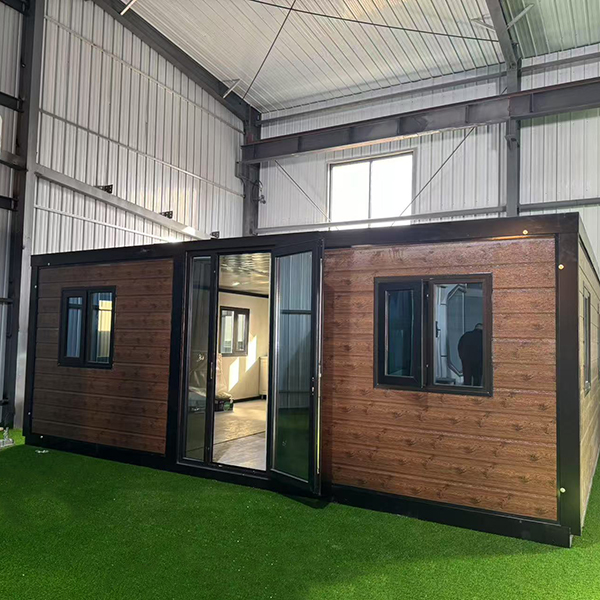
An expandable container house is a prefabricated modular structure built within a standard shipping container frame that unfolds to triple its original floor area. Unlike traditional static containers, these units utilize a hydraulic or manual folding mechanism to expand sidewalls and roof sections upon arrival at the site.
Core functionality relies on high-strength steel hinges and locking systems that ensure structural integrity once deployed. The design maximizes transport efficiency, allowing three times the living space per truckload compared to standard flat-pack or fixed modules.
Industry experts recognize this technology as a leading solution for rapid urbanization and disaster response. The “fold-and-expand” logic reduces logistics costs significantly while maintaining the durability associated with corten steel construction.
How the Expansion Mechanism Works
The transformation from a compact 20-foot shipping profile to a spacious living unit involves precise engineering. Most modern units feature a central core containing utilities like wiring and plumbing, surrounded by foldable wall panels.
- Transport Mode: The unit remains folded, measuring approximately 2.2 meters in width, fitting standard road transport regulations.
- Deployment: Using a crane or built-in hydraulic system, side walls swing outward 90 degrees.
- Locking: Heavy-duty bolts and mechanical locks secure the walls to the foundation and each other.
- Finishing: Roof extensions and floor panels are connected to create a seamless, weather-tight envelope.
This mechanism allows a single unit to provide roughly 40 to 50 square meters of usable space from a footprint that initially occupies less than 15 square meters during transit.
Key Advantages of Choosing Expandable Models
When evaluating an House veso dilatabl pou vann, buyers prioritize speed, cost, and flexibility. These units address common pain points in traditional construction and even standard modular building.
Cost-Efficiency and Logistics
The primary economic benefit lies in shipping. Since one truck can carry multiple folded units, freight costs per square meter of living space drop dramatically. Recent industry data suggests logistics savings can exceed 40% compared to shipping fully assembled modular homes.
Furthermore, reduced on-site assembly time translates to lower labor costs. A team of four workers can typically deploy a unit in under two hours, whereas traditional site-built structures take weeks.
Rapid Deployment Capabilities
Time is critical in sectors like disaster relief or remote mining operations. Expandable houses arrive ready-to-live with pre-installed insulation, flooring, and electrical conduits.
- Immediate Occupancy: Once expanded and connected to power/water, the unit is habitable.
- Minimal Site Prep: Requires only a level concrete pad or screw piles, avoiding extensive excavation.
- Scalability: Multiple units can be joined side-by-side or stacked to create larger complexes quickly.
Durability and Weather Resistance
Built from galvanized steel frames, these structures withstand harsh environments. The outer shell often uses corrosion-resistant materials similar to maritime shipping containers.
Modern iterations include advanced thermal break technologies and sandwich panel walls (EPS, Rockwool, or PU foam) that provide excellent insulation against extreme heat or cold, meeting various international energy standards.
Technical Specifications and Customization Options
Understanding the technical baseline is essential before purchasing. While dimensions vary slightly by manufacturer, most 20-foot expandable models adhere to a consistent set of parameters designed for global compatibility.
Standard Dimensions and Layouts
A typical 20ft expandable unit measures 5.9m in length. When folded, the width is restricted to roughly 2.2m to comply with road transport limits. Upon expansion, the width extends to approximately 5.8m to 6.0m.
Internal layouts are highly customizable. Common configurations include:
- Studio Style: One open-plan living area with a combined kitchenette and bathroom.
- Two-Bedroom Layout: Partitioned rooms suitable for small families or worker accommodation.
- Office Configuration: Open workspace with glass partitions and dedicated server cabling.
Ceiling heights generally range from 2.4m to 2.6m internally, providing a comfortable atmosphere without feeling cramped.
Izolasyon ak kontwòl klima
The choice of wall panel material dictates the unit’s thermal performance. For tropical climates, EPS (Expanded Polystyrene) panels offer a balance of cost and cooling efficiency.
In colder regions, Rockwool or Polyurethane (PU) foam panels are preferred due to their superior R-values and fire-resistant properties. High-end models may feature double-glazed aluminum windows and thermal-break frames to prevent condensation and heat loss.
Electrical and Plumbing Integration
Pre-wiring is a standard feature in quality units. Conduits are embedded within the wall panels during factory production, ensuring clean aesthetics and safety.
Plumbing lines for bathrooms and kitchens are pre-installed in the floor chassis. Buyers should verify if the unit includes water heaters, air conditioning mounting points, and sewage outlet adapters compatible with local infrastructure.
Expandable vs. Traditional Modular Homes: A Comparison
To make an informed decision, it is helpful to compare expandable container houses with other prevalent housing solutions. The following table highlights key differences in logistics, cost, and setup time.
| Patikilarite | House veso dilatabl | Traditional Prefab Home | Site-Built Construction |
|---|---|---|---|
| Transport Efficiency | High (1 truck carries 3-4 units) | Low (1 truck carries 0.5-1 unit) | N/A (Materials only) |
| On-Site Assembly Time | 2 – 4 Hours | 1 – 3 Days | Semèn a mwa |
| Foundation Requirements | Minimal (Level pad or piles) | Moderate (Concrete slab) | Extensive (Deep foundation) |
| Mobility | High (Can be relocated easily) | Low (Difficult to move) | None (Permanent) |
| Pri inisyal | Moderate to Low | Modere a segondè | Wo |
This comparison illustrates why the House veso dilatabl pou vann market is growing rapidly. The unique combination of high transport density and rapid assembly offers a distinct advantage for projects requiring agility.
Step-by-Step Installation Guide
Proper installation ensures the longevity and safety of the structure. While professional crews are recommended, understanding the process helps buyers prepare their sites effectively.
Phase 1: Site Preparation
Before delivery, the ground must be leveled. Uneven terrain can stress the folding mechanisms and compromise the seal between panels.
- Clearing: Remove debris, vegetation, and rocks from the designated area.
- Foundation: Pour a concrete slab or install screw piles. Ensure the surface is perfectly flat within a tolerance of ±10mm.
- Utility Access: Dig trenches for water and electricity connections leading to the placement point.
Phase 2: Unloading and Positioning
The unit arrives in its folded state. A crane or forklift with adequate lifting capacity (usually 3-4 tons) is required.
Lifting points are clearly marked on the steel frame. Care must be taken to lift evenly to prevent twisting the chassis. Once lowered onto the foundation, the unit is temporarily secured.
Phase 3: Expansion and Locking
This is the critical phase where the house takes shape. Depending on the model, this may be hydraulic or manual.
- Unlock Safety Braces: Remove transport locks that hold the walls in the folded position.
- Extend Side Walls: Activate the hydraulic pump or use manual winches to push the walls outward until they click into place.
- Secure Connections: Insert heavy-duty pins or bolts through the hinge points and lock them tightly.
- Deploy Roof/Floor: Extend any remaining overhangs and secure the floor seams.
Phase 4: Utility Connection and Finishing
Once the structure is rigid, connect the pre-installed utility lines to the external grid.
Test all electrical circuits, water flow, and drainage systems. Apply sealant to external joints if recommended by the manufacturer to ensure complete waterproofing. Finally, install interior furniture or partitions if not pre-fitted.
Ideal Applications and Use Cases
The versatility of expandable homes makes them suitable for a wide array of scenarios. Identifying the right application helps in selecting the appropriate specifications and finishes.
Construction Camps and Worker Housing
Remote construction projects often lack existing infrastructure. Expandable houses provide immediate, comfortable accommodation for workers.
Their ability to be stacked allows for high-density housing in limited spaces. As the project moves, the camps can be folded up and transported to the next site, maximizing asset utilization.
Disaster Relief and Emergency Shelters
In the aftermath of natural disasters, speed is life-saving. These units can be airlifted or trucked into affected zones and deployed within hours.
They offer better protection and dignity than tents, featuring insulated walls, secure locks, and proper sanitation facilities. Governments and NGOs increasingly stockpile these units for rapid response.
Affordable Residential Projects
With the global housing crisis intensifying, developers are turning to expandable modules for affordable housing communities.
They allow for rapid scaling of housing stock. A neighborhood of 50 units can be erected in days rather than months, providing quick relief to housing shortages while maintaining architectural quality.
Glamping and Eco-Tourism
The tourism sector utilizes these structures for eco-resorts. Their minimal footprint reduces environmental impact on sensitive landscapes.
Custom finishes, such as wood cladding or large glass facades, can transform the industrial look into a luxury retreat. The mobility allows resorts to reconfigure layouts seasonally or relocate entirely if needed.
Factors Influencing Pricing and ROI
When searching for an House veso dilatabl pou vann, price variations can be significant. Understanding the drivers behind these costs ensures you get fair value.
Material Quality and Insulation
The type of sandwich panel used is a major cost driver. Units with fire-rated Rockwool cores are more expensive than those with EPS but offer better safety and thermal performance.
Steel thickness also matters. Frames made from thicker galvanized steel command higher prices but offer longer lifespans and better resistance to corrosion in coastal areas.
Customization Levels
Standard “off-the-shelf” models are the most economical. However, custom layouts, premium flooring, high-end windows, and integrated smart home systems will increase the unit price.
Buyers should balance immediate needs with long-term usage. Investing in higher-quality insulation may yield better ROI through reduced energy bills over the unit’s lifetime.
Shipping and Import Duties
Since these units are often manufactured in specific industrial hubs, international shipping costs fluctuate based on fuel prices and container availability.
Import duties vary by country. Some nations classify them as temporary structures with lower tariffs, while others tax them as permanent buildings. Consulting with a local customs broker is advisable before finalizing a purchase.
Choosing the Right Manufacturer: A Case Study
Selecting a reputable supplier is as crucial as choosing the right model. In the rapidly evolving integrated housing sector, Shandong Jujiu entegre lojman co, Ltd. has emerged as a rising star, exemplifying the kind of comprehensive capability buyers should look for.
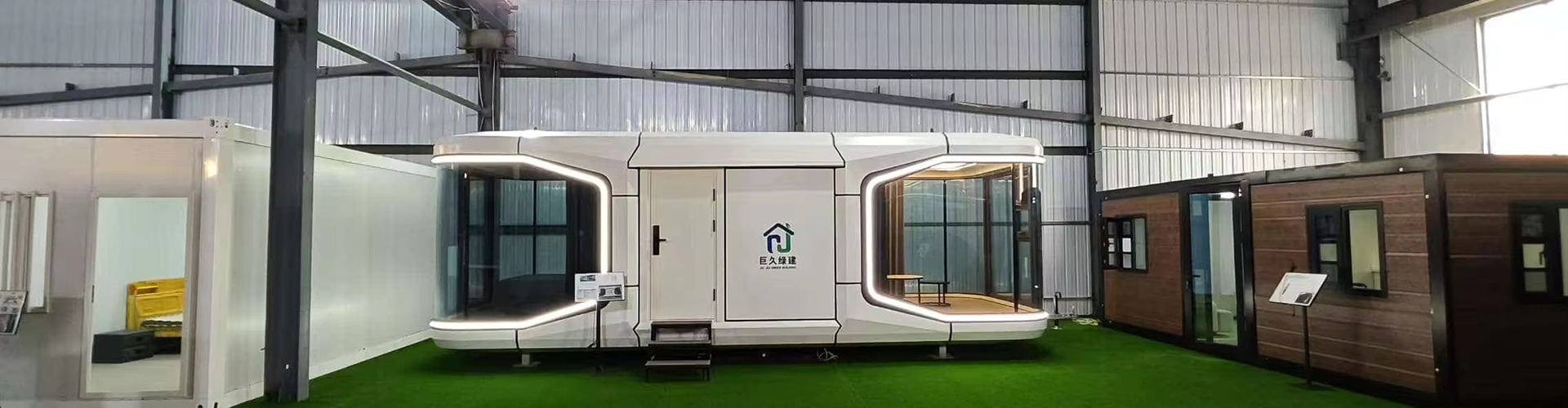
As an industrial enterprise integrating research, design, optimization, production, sales, and installation, Shandong Jujiu offers a full-range solution for clients worldwide. Specializing in packing box rooms, movable board rooms, light steel villas, and steel structure engineering, the company has successfully industrialized its production and construction systems. With a facility spanning over 200 acres and a workforce of more than 100 professionals, they boast an annual production capacity of 20,000 sets—a testament to their scalability just four years after entering the market.
What sets Shandong Jujiu apart is their commitment to diverse product innovation and rigorous quality control. Their portfolio includes advanced solutions like double wing extension rooms, folding rooms, folding beds, and the unique folding push-pull apple cabin. Backed by a professional technical team and experienced production personnel, the company adheres to factory control standards that surpass both domestic and international benchmarks. Furthermore, they have established a robust after-sales service system and a professional logistics team, ensuring that customers receive not just a product, but complete technical support and protection of their interests from factory to final installation.
Antretyen ak lonjevite
To ensure the investment lasts, regular maintenance is required. Although designed for durability, moving parts and exterior surfaces need attention.
Routine Checks
Inspect the folding mechanisms and hinges annually. Lubricate moving parts to prevent rust and ensure smooth operation for future relocations.
Check the seals around windows, doors, and panel joints. Reapply silicone sealant if cracks appear to maintain waterproofing. Clean the roof and gutters to prevent water pooling, which can lead to corrosion.
Structural Integrity
Monitor the steel frame for signs of rust, especially in humid or salty environments. Touch up paint scratches immediately to protect the galvanization.
If the unit is frequently moved, inspect the chassis and lifting points for stress fractures. Professional inspection every 3-5 years is recommended for units used in heavy-cycle applications.
Frequently Asked Questions (FAQ)
Addressing common queries helps clarify doubts and builds confidence in the purchasing decision.
How long does an expandable container house last?
With proper maintenance, these structures can last 15 to 25 years or more. The lifespan depends heavily on the environment and the quality of the steel and protective coatings used.
Can I stack these units to create two-story buildings?
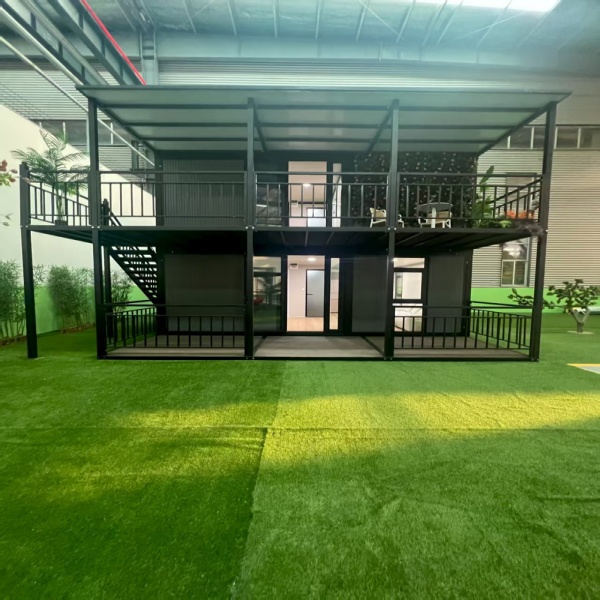
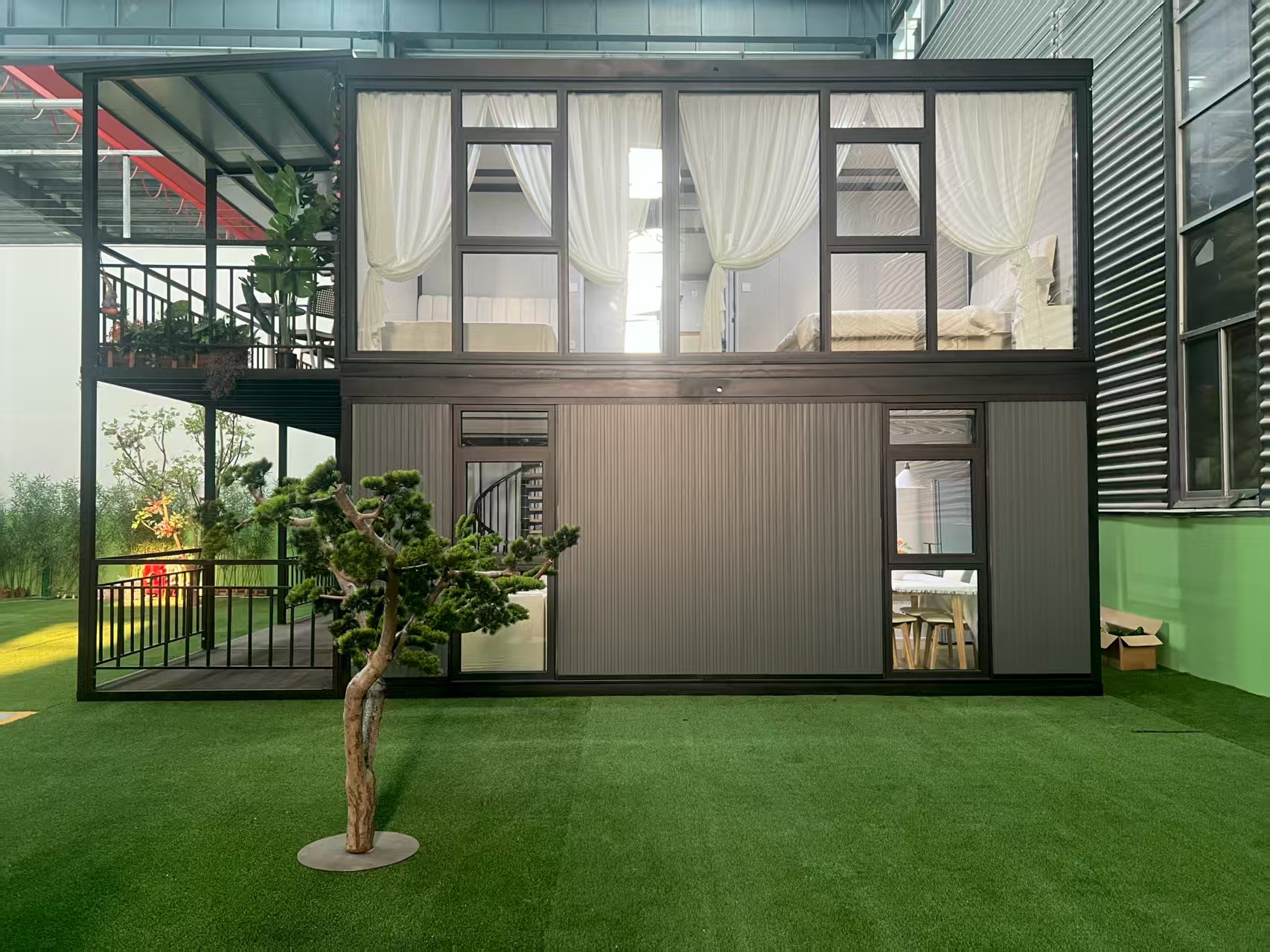
Yes, most expandable container houses are designed to be stackable up to two or three stories. Special connection kits and reinforced corners are used to ensure structural stability when stacked.
Are they suitable for cold climates?
Absolutely, provided the correct insulation is selected. Units equipped with thick Rockwool or PU foam panels and double-glazed windows perform well in sub-zero temperatures, maintaining internal comfort efficiently.
Do I need a special permit to install one?
Regulations vary by location. In many areas, because they are considered temporary or movable structures, permitting is simpler than for traditional homes. However, always check with local zoning authorities before installation.
What is the warranty period typically offered?
Reputable manufacturers usually offer warranties ranging from 1 to 5 years on the structure and mechanisms. Electrical and plumbing components may have separate warranties based on the supplier.
Expert Insights: The Future of Expandable Housing
The trajectory for expandable container homes points toward greater integration with smart technology and sustainable materials. Industry trends suggest a shift towards net-zero energy models.
Future iterations are expected to come pre-equipped with solar roofs, battery storage systems, and greywater recycling units. This evolution aligns with global sustainability goals and reduces the operational carbon footprint of temporary housing.
Moreover, aesthetic customization is improving. Architects are finding ways to clad these units in wood, metal, or composite materials, making them indistinguishable from conventional architecture once deployed.
Conclusion and Next Steps
Yon House veso dilatabl pou vann represents a smart, flexible, and cost-effective solution for modern housing challenges. From disaster relief to luxury glamping, their adaptability and rapid deployment capabilities set them apart from traditional construction methods.
Who is this best for? This solution is ideal for construction firms needing mobile worker camps, governments requiring emergency shelter stocks, real estate developers aiming for fast project turnover, and individuals seeking affordable, movable backyard offices or guest houses.
When selecting a unit, prioritize structural quality, insulation ratings, and the reputation of the manufacturer. Ensure the model complies with local building codes and suits your specific climate conditions. Partnering with established players like Shandong Jujiu Integrated Housing Co., Ltd. can provide the added assurance of a complete supply chain, professional logistics, and dedicated after-sales support.
Ready to explore options? Evaluate your site requirements, determine your budget including logistics, and request detailed specifications from certified suppliers. Taking these steps ensures you secure a high-quality unit that delivers immediate value and long-term reliability.