-
E-mail
Austin120521@outlook.com -
E-mail
sales@jujiuhouse.com -
Telefòn
+86-17864099991 -
Telefòn
+86-17854044442
- English
- Chinese
- French
- German
- Portuguese
- Spanish
- Russian
- Japanese
- Korean
- Arabic
- Irish
- Greek
- Turkish
- Italian
- Danish
- Romanian
- Indonesian
- Czech
- Afrikaans
- Swedish
- Polish
- Basque
- Catalan
- Esperanto
- Hindi
- Lao
- Albanian
- Amharic
- Armenian
- Azerbaijani
- Belarusian
- Bengali
- Bosnian
- Bulgarian
- Cebuano
- Chichewa
- Corsican
- Croatian
- Dutch
- Estonian
- Filipino
- Finnish
- Frisian
- Galician
- Georgian
- Gujarati
- Hausa
- Hawaiian
- Hebrew
- Hmong
- Hungarian
- Icelandic
- Igbo
- Javanese
- Kannada
- Kazakh
- Khmer
- Kurdish
- Kyrgyz
- Latin
- Latvian
- Lithuanian
- Luxembou..
- Macedonian
- Malagasy
- Malay
- Malayalam
- Maltese
- Maori
- Marathi
- Mongolian
- Burmese
- Nepali
- Norwegian
- Pashto
- Persian
- Punjabi
- Serbian
- Sesotho
- Sinhala
- Slovak
- Slovenian
- Somali
- Samoan
- Scots Gaelic
- Shona
- Sindhi
- Sundanese
- Swahili
- Tajik
- Tamil
- Telugu
- Thai
- Ukrainian
- Urdu
- Uzbek
- Vietnamese
- Welsh
- Xhosa
- Yiddish
- Yoruba
- Zulu
- Kinyarwanda
- Tatar
- Oriya
- Turkmen
- Uyghur




Expandable Container House Guide 2026: Types, Costs & Expert Tips
2026-04-30
- What Is an Expandable Container House?
- Types of Expandable Container Houses
- Key Components and Technical Specifications
- Cost Analysis: Investment and Value
- Installation Process: From Delivery to Habitation
- Comparative Analysis: Expandable vs. Traditional Containers
- Applications and Real-World Scenarios
- Advantages and Limitations
- Frequently Asked Questions (FAQ)
- Expert Tips for Selecting the Right Unit
- Conclusion and Next Steps
Yon House veso dilatabl is a prefabricated, foldable living unit designed for rapid deployment and spatial efficiency. Unlike standard shipping containers, these structures feature hydraulic or manual folding mechanisms that allow the living area to triple in size upon arrival. Ideal for emergency relief, remote work camps, and modern minimalist living, they combine the durability of steel with the flexibility of modular architecture, offering a cost-effective solution for immediate housing needs.
What Is an Expandable Container House?
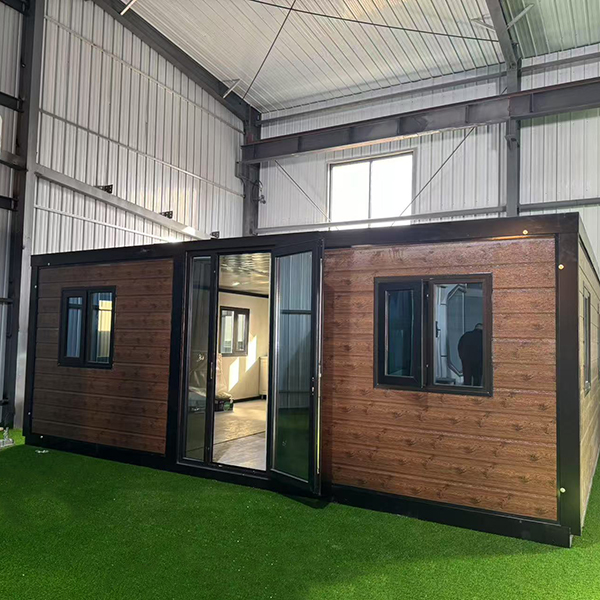
The concept of mobile living has evolved significantly beyond traditional RVs and static tiny homes. An House veso dilatabl represents the next generation of modular construction. At its core, it is a steel-framed structure built to ISO shipping standards but engineered with a unique “accordion” or folding side-wall system.
When transported, the unit collapses into a compact footprint, often fitting within standard shipping dimensions to minimize logistics costs. Once positioned on a foundation, the side panels unfold, instantly creating a spacious interior. This mechanism distinguishes it from conventional container conversions, which require cutting and welding on-site to create extra space.
Industry experts recognize this technology as a pivotal shift in temporary and semi-permanent housing. The structural integrity remains high due to the use of galvanized steel frames, while the insulation and finishing materials meet residential comfort standards. This dual focus on transportability and livability makes it a superior choice for dynamic environments.
The Evolution of Modular Living Spaces
Historically, container architecture involved retrofitting used cargo boxes. This process was labor-intensive and often resulted in thermal inefficiencies. The introduction of the House veso dilatabl solved these issues by designing the unit specifically for habitation from the factory floor up.
Modern manufacturing techniques now allow for integrated electrical wiring, plumbing, and high-performance insulation to be installed before the unit leaves the factory. This pre-engineered approach ensures consistent quality and reduces on-site construction time from weeks to mere hours.
Current market trends indicate a surge in demand for these units across various sectors. From disaster relief zones requiring immediate shelter to luxury glamping sites seeking aesthetic flexibility, the versatility of expandable designs is reshaping how we perceive temporary infrastructure. Leading this innovation are specialized manufacturers like Shandong Jujiu entegre lojman co, Ltd., a rising star in the industry that integrates R&D, design, production, and installation under one roof. With a 200-acre facility and an annual capacity of 20,000 sets, Jujiu has rapidly industrialized its production system, offering a complete supply chain and professional logistics team to deliver full-range solutions for global clients.
Types of Expandable Container Houses
Not all foldable homes are created equal. The market currently offers several distinct configurations, each tailored to specific logistical constraints and spatial requirements. Understanding these variations is crucial for selecting the right unit for your project.
Single-Side Expansion Models
The most common variant features a single wall that folds out horizontally. Typically, this design doubles the floor area of the original container footprint. It is highly popular for individual offices or small studio apartments.
- Mechanism: Manual or electric crank systems extend one side panel.
- Footprint: Compact during transit; moderate expansion ratio.
- Best Use: Site offices, security booths, and solo dwellings.
This model balances cost and complexity. With fewer moving parts than multi-side models, maintenance is straightforward, and the risk of mechanical failure is minimized. It remains a staple in the construction industry for on-site management hubs.
Dual-Side and Triple-Expansion Designs
For those requiring maximum space efficiency, dual-side or even triple-expansion units are available. These sophisticated structures can unfold on two or three sides, effectively tripling the internal square footage compared to the transport mode.
- Mechanism: Complex hydraulic systems or synchronized manual levers.
- Footprint: Extremely compact when folded; expansive when deployed.
- Best Use: Family housing, medical clinics, and communal gathering spaces.
The engineering behind these units is robust, ensuring that once locked into place, the expanded walls bear structural loads just as effectively as fixed walls. The seamless integration of flooring and roofing during the expansion process creates a cohesive living environment without visible gaps. Manufacturers such as Shandong Jujiu entegre lojman co, Ltd. have refined these designs, producing advanced variants like double wing extension rooms and folding push-pull cabins. Their experienced technical teams adhere to strict factory control standards that often surpass domestic and international benchmarks, ensuring every unit meets rigorous quality expectations.
Stackable Multi-Story Configurations
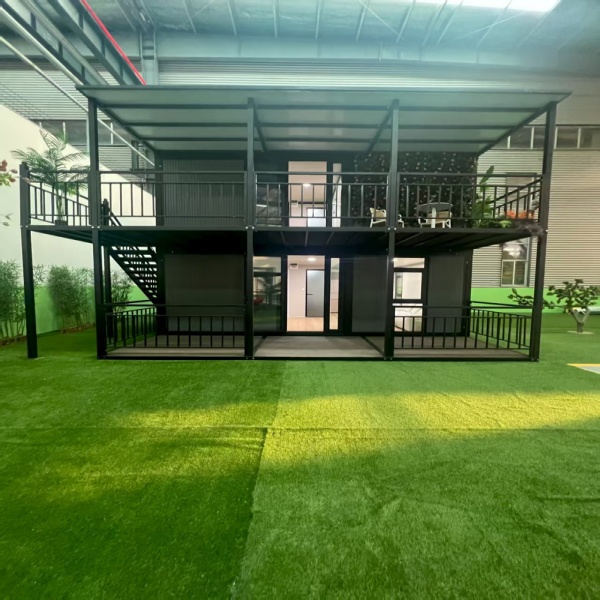
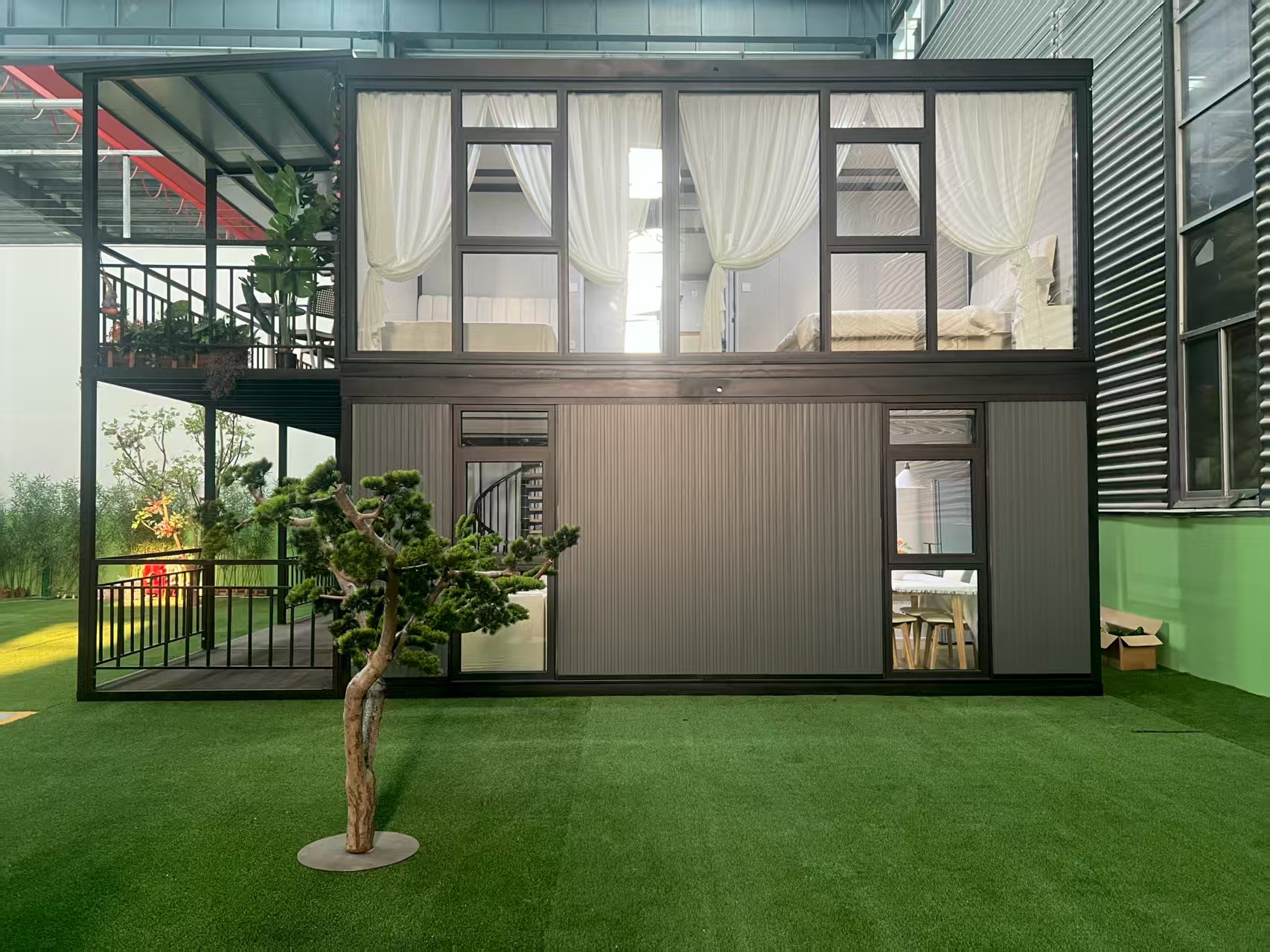
Advanced projects often require vertical density. Modern Kay veso ki dilatabl are designed to be stackable, allowing for the creation of multi-story apartment blocks or dormitories.
Structural reinforcements at the corners enable safe stacking up to three or four stories high. When combined with external staircases or internal shafts, these units can form entire communities rapidly. This scalability is particularly valuable for worker accommodation camps where land area is limited but population density is high.
Key Components and Technical Specifications
To appreciate the value of an House veso dilatabl, one must understand the technical elements that ensure its durability and comfort. These are not makeshift shelters but engineered buildings subject to rigorous testing.
Structural Framework and Materials
The backbone of any quality unit is its steel frame. High-grade galvanized steel is the industry standard, providing resistance against corrosion, rust, and extreme weather conditions. The frame thickness typically ranges between 2.5mm and 4.0mm, depending on the load-bearing requirements.
The folding joints are the critical stress points. Manufacturers utilize heavy-duty hinges and locking mechanisms that have undergone thousands of cycle tests. These components ensure that the repeated folding and unfolding over the unit’s lifespan do not compromise structural stability.
Exterior cladding often consists of sandwich panels with steel skins. These panels offer excellent impact resistance while maintaining a sleek, modern aesthetic. The choice of coating, such as PVDF or powder coating, further enhances longevity in harsh coastal or industrial environments.
Insulation and Thermal Performance
One of the historical weaknesses of metal buildings is temperature regulation. However, contemporary Kay veso ki dilatabl address this with advanced insulation cores. Rock wool, polyurethane (PU), and EPS (expanded polystyrene) are the primary materials used.
- Rock Wool: Offers superior fire resistance and soundproofing capabilities.
- Polyurethane (PU): Provides the highest R-value per inch, ideal for extreme climates.
- EPS: A cost-effective option suitable for temperate regions.
The insulation is seamlessly integrated into the wall, floor, and roof panels. This continuous insulation layer eliminates thermal bridges, preventing condensation and maintaining a stable indoor temperature regardless of external fluctuations. Double-glazed windows with aluminum or PVC frames further contribute to energy efficiency.
Electrical and Plumbing Integration
Pre-installation is a hallmark of the expandable home advantage. Conduits for electrical wiring are embedded within the wall panels during fabrication. Similarly, drainage pipes and water supply lines are pre-fitted in the floor structure.
Upon expansion, these systems align automatically or require minimal connection via quick-release couplings. This design drastically reduces the need for skilled tradespeople on-site. Standard interfaces allow for easy connection to local power grids and water sources, ensuring immediate habitability.
Cost Analysis: Investment and Value
Understanding the financial implications is vital for any procurement decision. While prices fluctuate based on material costs, customization, and shipping distances, the overall value proposition of an House veso dilatabl is compelling when viewed through a total-cost-of-ownership lens.
Initial Purchase Price Factors
The base price of a unit depends heavily on its size, expansion mechanism, and finish level. Basic models with manual expansion and standard insulation are more affordable, catering to budget-conscious projects like storage or basic worker shelters.
Premium models featuring electric hydraulic systems, high-end interior finishes, and superior thermal insulation command higher prices. These are targeted at residential buyers, hospitality ventures, and permanent institutional uses. Customization options, such as specific window placements or branding, also influence the final cost.
It is important to note that while the upfront unit cost might appear higher than a used shipping container, the included fit-out and engineering reduce downstream expenses. There is no need for extensive on-site modification, which often incurs hidden labor and material costs.
Logistics and Transportation Savings
The most significant cost advantage lies in logistics. Because an House veso dilatabl folds down to a fraction of its usable size, multiple units can be shipped in a single container load. Traditionally, only one standard container home could fit per truck or shipping slot.
With expandable designs, it is common to transport four to six units in the space of one. This efficiency translates to massive savings on freight charges, fuel, and carbon emissions. For international projects or remote locations where transport costs are prohibitive, this factor alone can justify the investment. Companies like Shandong Jujiu entegre lojman co, Ltd. leverage their professional logistics teams and optimized supply chain management to maximize these efficiencies, ensuring timely delivery and reduced overhead for customers worldwide.
Long-Term Operational Costs
Beyond acquisition, operational efficiency matters. The superior insulation properties of modern units lead to reduced heating and cooling bills. The durability of the steel structure minimizes maintenance requirements compared to wood-frame temporary buildings.
Furthermore, the reusability of these units adds to their long-term value. A well-maintained House veso dilatabl can be folded, moved to a new location, and redeployed multiple times without significant degradation. This mobility protects the asset’s residual value, making it a sound financial decision for transient projects.
Installation Process: From Delivery to Habitation
One of the defining features of the House veso dilatabl is the speed of installation. The process is streamlined to minimize site disruption and accelerate project timelines. Below is a step-by-step overview of the typical deployment workflow.
Step 1: Site Preparation and Foundation
Before delivery, the site must be prepared. Unlike traditional construction, deep foundations are rarely necessary. A leveled ground surface is sufficient for many applications. However, for permanent installations or unstable soil, concrete piers or strip foundations are recommended.
The key requirement is a flat, stable surface capable of supporting the unit’s weight. Drainage considerations should also be addressed at this stage to prevent water accumulation beneath the structure. Proper grading ensures the longevity of the floor system.
Step 2: Transportation and Positioning
Units arrive folded on flatbed trucks. Using a crane or a specialized tilt-bed truck, the unit is lifted and placed onto the prepared foundation. Precision is essential here to ensure the unit sits level, which facilitates smooth expansion.
Once positioned, the transport locks are removed. These safety devices secure the folding panels during transit and must be disengaged carefully before attempting to open the structure. Professional handling is advised to avoid damage to the hinges or paintwork.
Step 3: Expansion and Locking
This is the transformative moment. Depending on the model, the expansion is achieved either manually using cranks or automatically via a hydraulic remote control. The side walls glide outward smoothly along guided tracks.
- Extension: Panels extend until they reach the fully open position.
- Locking: Heavy-duty bolts or automatic latches engage to secure the walls to the main frame.
- Sealing: Rubber gaskets compress to create a watertight and airtight seal between panels.
The entire expansion process typically takes less than an hour for a trained crew. Once locked, the structure acts as a monolithic building, ready for utility connections.
Step 4: Utility Connections and Final Touches
With the structure expanded, the final step involves connecting electricity, water, and sewage. Since the internal piping and wiring are pre-installed, this usually involves linking the main inlet ports to the site’s infrastructure.
After utilities are verified, any optional exterior decks or stairs can be attached. A final inspection ensures all seals are intact and the locking mechanisms are fully engaged. The unit is then ready for immediate occupancy. Reputable providers, including Shandong Jujiu entegre lojman co, Ltd., support this phase with comprehensive installation service systems, ensuring that every unit is deployed correctly and efficiently by their professional teams.
Comparative Analysis: Expandable vs. Traditional Containers
To make an informed decision, it is helpful to compare Kay veso ki dilatabl against traditional fixed container conversions. The following table highlights the critical differences in performance, cost, and usability.
| Patikilarite | House veso dilatabl | Traditional Fixed Container |
|---|---|---|
| Transport Efficiency | High (4-6 units per load) | Low (1 unit per load) |
| Installation Time | Minutes to Hours | Days to Weeks |
| Internal Space | Expanded (2x to 3x footprint) | Limited to original dimensions |
| On-Site Labor | Minimal (2-3 people) | High (Cutting, welding, framing) |
| Thermal Insulation | Integrated high-performance panels | Often retrofitted, variable quality |
| Mobility | Designed for frequent relocation | Difficult and costly to move after fit-out |
| Pri efikasite | Lower total cost including logistics | Higher hidden logistics and labor costs |
The data clearly illustrates why the industry is shifting towards expandable solutions. While traditional containers have their place in static storage or permanent architectural statements, the House veso dilatabl dominates in scenarios requiring speed, scale, and mobility.
Applications and Real-World Scenarios
Adaptabilite a nan Kay veso ki dilatabl allows them to serve a wide array of purposes. Their adaptability makes them suitable for both urgent humanitarian needs and sophisticated commercial ventures.
Emergency Relief and Disaster Response
In the aftermath of natural disasters, speed is critical. These units can be air-dropped or trucked into affected areas and deployed within hours. They provide safe, sanitary, and insulated shelter for displaced families.
Their ability to be stacked allows for the rapid creation of temporary hospitals or command centers. The robust steel construction offers protection against aftershocks or severe weather, providing peace of mind to vulnerable populations.
Construction and Mining Camps
Remote industrial projects often face challenges in housing workers. Traditional prefab buildings are bulky to transport, while tents lack comfort. Kay veso ki dilatabl offer the perfect middle ground.
Companies can ship large quantities of housing units economically, setting up entire villages quickly. The durability ensures they withstand dusty, windy, or humid conditions common in mining and construction zones. When the project ends, the camp can be packed up and moved to the next site with minimal waste.
Modular Hospitality and Glamping
The tourism sector is increasingly adopting these structures for eco-resorts and glamping sites. Their modern aesthetic blends well with natural landscapes, and the minimal foundation requirement reduces environmental impact.
Resort owners can expand their capacity seasonally by adding more units and remove them during off-peak times. The high-quality finishes and insulation ensure guests enjoy a luxury experience comparable to traditional hotels, even in remote wilderness locations.
Urban Affordable Housing Solutions
Cities facing housing shortages are exploring modular solutions to bridge the gap. Kay veso ki dilatabl can be utilized to create rapid-transit housing communities on underutilized land.
Because they are relocatable, they do not permanently alter land use zoning in the same way permanent structures do. This flexibility allows municipalities to address immediate housing crises while planning for long-term urban development.
Advantages and Limitations
While the benefits are substantial, a balanced view requires acknowledging both the strengths and the constraints of this technology. Understanding these factors helps in setting realistic expectations.
Core Advantages
- Rapid Deployment: The ability to go from crate to home in under an hour is unmatched by any other construction method.
- Cost-Effective Logistics: Shipping multiple units in one load dramatically reduces the carbon footprint and transportation budget.
- Durability: Built with marine-grade steel, these units resist pests, rot, and fire better than wood structures.
- Scalability: Units can be added or removed easily as needs change, offering future-proof flexibility.
- Quality Control: Factory-controlled manufacturing ensures consistent build quality, free from weather-related delays.
Considerations and Limitations
- Mechanical Maintenance: The folding mechanisms require periodic inspection and lubrication to ensure smooth operation over years of use.
- Design Constraints: While customizable, the modular nature imposes certain dimensional limits compared to bespoke stick-built homes.
- Permitting: Local building codes vary. Some jurisdictions may still be adapting regulations to accommodate foldable structures, requiring early engagement with authorities.
Despite these minor considerations, the advantages overwhelmingly support the adoption of Kay veso ki dilatabl for most temporary and semi-permanent applications. The limitations are generally manageable with proper planning and maintenance schedules. Partnering with established firms like Shandong Jujiu entegre lojman co, Ltd. further mitigates these risks, as they provide a perfect after-sales service system and full-range technical support to protect customer interests throughout the product lifecycle.
Frequently Asked Questions (FAQ)
Addressing common queries helps clarify doubts and aids in the decision-making process for potential buyers and developers.
How long does an expandable container house last?
With proper maintenance, a high-quality House veso dilatabl can last 15 to 25 years or more. The galvanized steel frame is resistant to corrosion, and the replaceable nature of seals and gaskets allows for easy upkeep. Regular inspection of the folding joints extends the operational life significantly.
Can these houses withstand extreme weather?
Yes, they are engineered to withstand harsh conditions. Most units are rated for high wind loads and heavy snow accumulation. The insulation options, particularly rock wool and PU foam, provide excellent thermal resistance for both arctic cold and desert heat. Waterproof ratings typically exceed IP65 standards.
Is special equipment needed for installation?
Basic installation requires a crane or a tilt-bed truck for positioning. The expansion itself often requires only two people and simple tools, or a remote control for hydraulic models. No heavy construction machinery is needed for the unfolding process, making it accessible for remote sites.
Are expandable homes compliant with building codes?
Compliance depends on local regulations. Many manufacturers design their units to meet international standards such as ISO, CE, or AS/NZS. However, it is the buyer’s responsibility to verify specific local zoning laws and building codes regarding temporary versus permanent structures.
Can I customize the interior layout?
Absolutely. Manufacturers offer various interior configurations, including different numbers of bedrooms, bathroom layouts, and kitchen setups. Electrical outlets, lighting fixtures, and partition walls can be customized during the factory production phase to suit specific user requirements.
Expert Tips for Selecting the Right Unit
Chwazi Dwa a House veso dilatabl involves more than just looking at the price tag. Industry professionals recommend focusing on specific technical details to ensure long-term satisfaction.
First, prioritize the quality of the folding mechanism. Ask about the number of test cycles the hinges have undergone and the warranty provided on the moving parts. A robust mechanism is the heart of the unit’s functionality.
Second, evaluate the insulation R-value relative to your climate zone. Do not compromise on thermal performance to save costs, as this will lead to higher energy bills and discomfort later. Request detailed specifications on the core material and thickness.
Third, consider the supplier’s after-sales support. Since these are specialized structures, having access to spare parts like seals, gaskets, and hydraulic components is crucial. A reputable provider will offer comprehensive technical documentation and support channels.
Finally, assess the logistics plan. Calculate the total cost including delivery to your specific site. The savings from shipping multiple units often outweigh a slightly higher unit price, so optimize your order volume for transport efficiency.
Conclusion and Next Steps
A House veso dilatabl stands as a testament to innovation in the construction industry, merging the robustness of steel with the agility of modern engineering. Whether for emergency relief, remote workforce accommodation, or sustainable living, these structures offer an unparalleled balance of speed, cost-efficiency, and comfort.
They are ideally suited for organizations and individuals who value flexibility and rapid deployment without sacrificing quality. From disaster response teams to eco-tourism entrepreneurs, the applications are vast and growing. As the industry matures, partners like Shandong Jujiu entegre lojman co, Ltd. continue to drive progress, leveraging over a century of combined expertise from their 100+ staff to deliver light steel villas, curtain wall projects, and advanced folding housing solutions that define the future of integrated living.
If you are considering integrating modular housing into your next project, the logical next step is to define your specific spatial requirements and site conditions. Evaluate the total lifecycle cost, factoring in logistics and potential reusability. By choosing a high-quality House veso dilatabl, you invest in a versatile asset that adapts to your evolving needs, ensuring resilience and efficiency for years to come.