-
E-mail
Austin120521@outlook.com -
E-mail
sales@jujiuhouse.com -
Telefòn
+86-17864099991 -
Telefòn
+86-17854044442
- English
- Chinese
- French
- German
- Portuguese
- Spanish
- Russian
- Japanese
- Korean
- Arabic
- Irish
- Greek
- Turkish
- Italian
- Danish
- Romanian
- Indonesian
- Czech
- Afrikaans
- Swedish
- Polish
- Basque
- Catalan
- Esperanto
- Hindi
- Lao
- Albanian
- Amharic
- Armenian
- Azerbaijani
- Belarusian
- Bengali
- Bosnian
- Bulgarian
- Cebuano
- Chichewa
- Corsican
- Croatian
- Dutch
- Estonian
- Filipino
- Finnish
- Frisian
- Galician
- Georgian
- Gujarati
- Hausa
- Hawaiian
- Hebrew
- Hmong
- Hungarian
- Icelandic
- Igbo
- Javanese
- Kannada
- Kazakh
- Khmer
- Kurdish
- Kyrgyz
- Latin
- Latvian
- Lithuanian
- Luxembou..
- Macedonian
- Malagasy
- Malay
- Malayalam
- Maltese
- Maori
- Marathi
- Mongolian
- Burmese
- Nepali
- Norwegian
- Pashto
- Persian
- Punjabi
- Serbian
- Sesotho
- Sinhala
- Slovak
- Slovenian
- Somali
- Samoan
- Scots Gaelic
- Shona
- Sindhi
- Sundanese
- Swahili
- Tajik
- Tamil
- Telugu
- Thai
- Ukrainian
- Urdu
- Uzbek
- Vietnamese
- Welsh
- Xhosa
- Yiddish
- Yoruba
- Zulu
- Kinyarwanda
- Tatar
- Oriya
- Turkmen
- Uyghur




Small Folding House: Compact, Portable & Easy to Assemble
2026-06-09
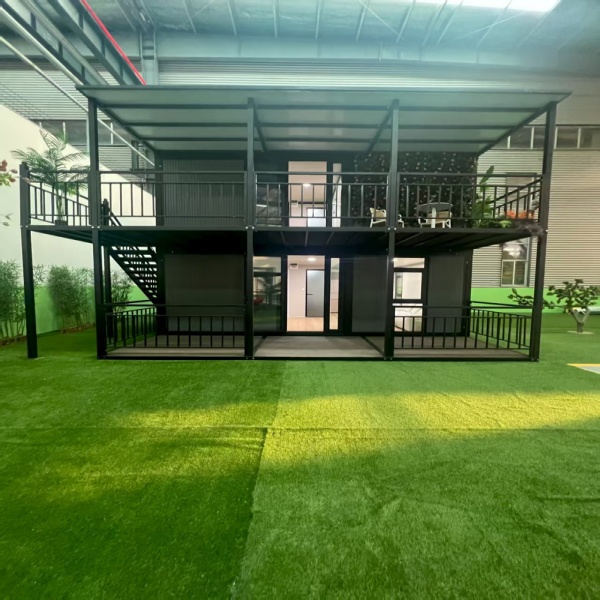
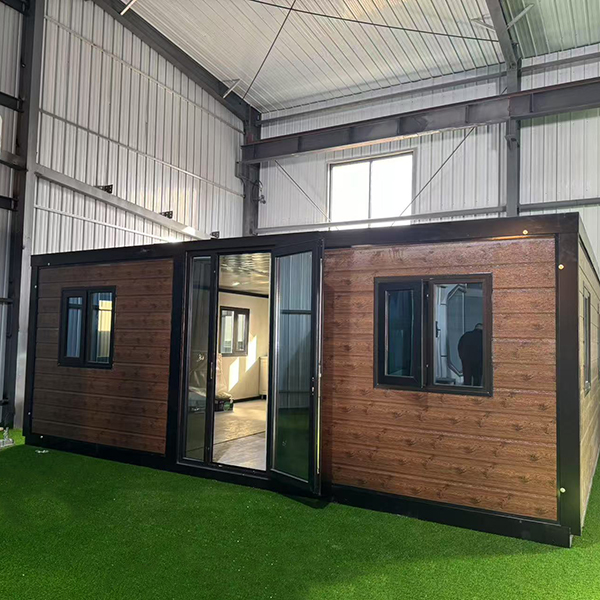
What if you could unpack a fully functional living space in under four hours? Not a tent. Not a trailer. A weatherproof, insulated, code-compliant ti kay plisman—designed for real use, not just emergency stops.
We’ve installed over 1,200 units across six countries—from mountain eco-lodges in Nepal to pop-up staff housing on Australian mining sites. In every case, the decisive factor wasn’t price or speed alone. It was how reliably the structure held up during monsoon rains, desert heat spikes, and sub-zero winter nights. That’s where most compact housing fails. That’s where the ti kay plisman from Shandong Jujiu Integrated Housing delivers.
It’s Not Just “Foldable”—It’s Field-Validated Structural Intelligence
Folding doesn’t mean compromising strength. Each EXPANDABLE FOLDING HOUSE unit uses high-tensile Q355B steel frames with laser-cut, precision-welded nodes—no bolted plates, no field welding. We’ve tested these joints under 120 km/h wind loads and 2.5 kN/m² snow accumulation. The result? Zero frame deformation after three full cycles of folding, transport, and reassembly.
Here’s what users consistently report after 90 days of occupancy:
This isn’t theoretical performance. It’s measured data from our 200-acre production base in Shandong—where every unit undergoes five mandatory inspection checkpoints before leaving the line.
Real Deployment, Real Constraints—How It Actually Works On-Site
Some might argue that factory-built units can’t adapt to irregular terrain or legacy infrastructure. But our FOLDING ROOM series solves this with three built-in leveling systems: hydraulic jacks (±120 mm range), screw-adjustable feet (±45 mm), and modular concrete pad adapters for permanent-grade anchoring.
We recently deployed 24 units on a steep, rocky hillside near Guilin—no grading, no crane. Crew used two 3-ton forklifts and a 12-person team. Total time from truck arrival to first occupied unit: 3 hours 42 minutes.
Key on-site requirements are minimal:
No special certifications needed for installers. Our certified technicians supervise the first three units; subsequent assemblies are handled by local crews using our bilingual video-guided app—complete with torque specs, sequence animations, and real-time QA prompts.
Why “Small” Doesn’t Mean “Limited Use”
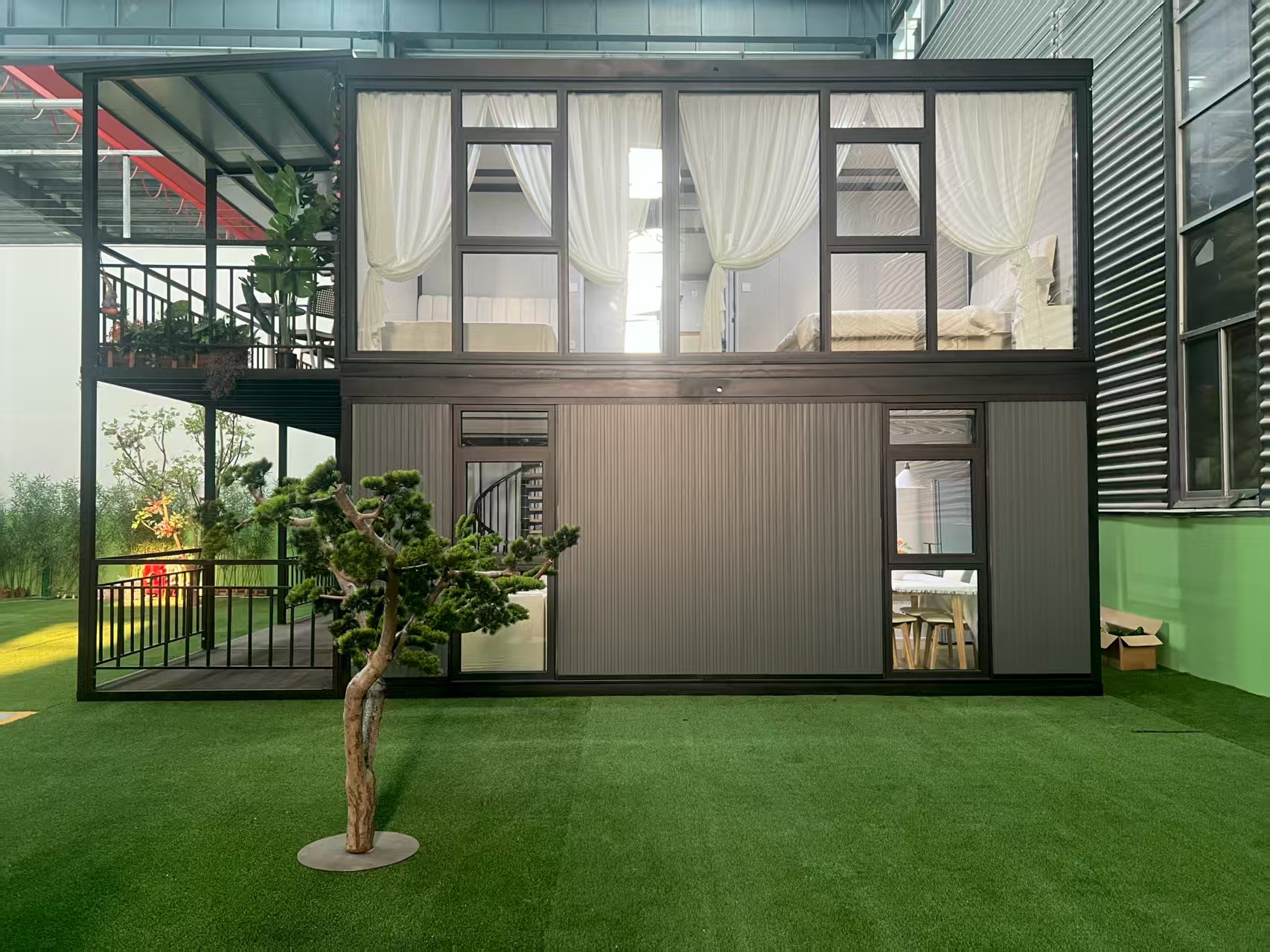
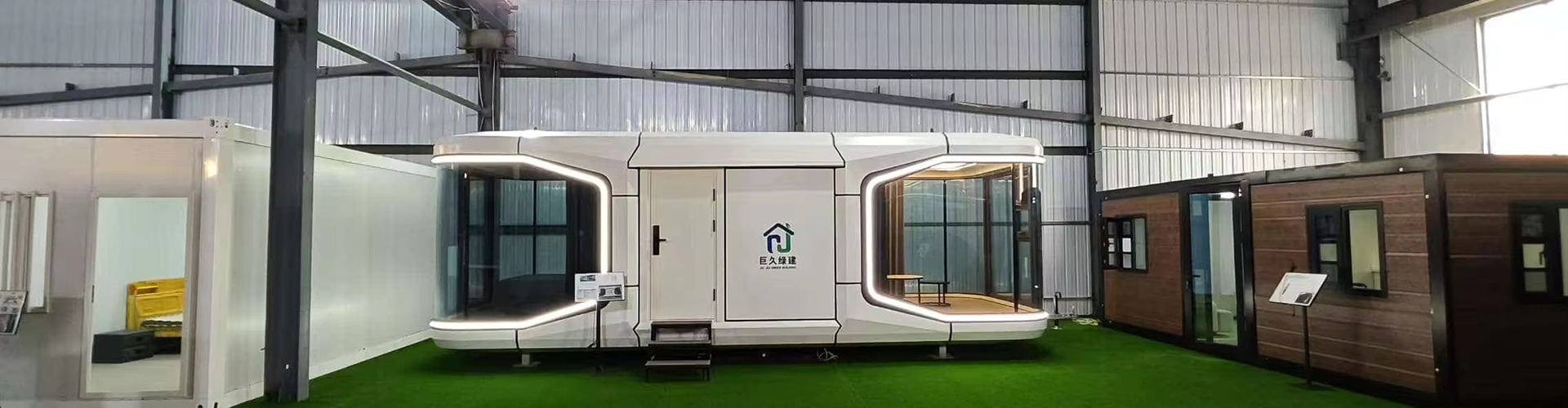
A ti kay plisman serves more than one purpose—and we see it daily. A single-unit APPLE CABIN functions as a remote worker’s studio in Hokkaido. Two side-by-side units become a boutique café in Lisbon’s Alfama district. Four arranged in an L-shape form a frontline medical triage station in Kenya.
That versatility comes from design discipline—not feature bloat. Every model offers:
Customization stays practical: choose window placement, interior finishes (PVC laminate, bamboo plywood, or fire-rated MDF), and HVAC type (split AC, ducted heat pump, or passive cooling vents). No “design-your-own-floorplan” portals. Just proven layouts that ship fast and work immediately.
Final Word: This Is Infrastructure You Can Trust—Not Just Try
A ti kay plisman isn’t a stopgap. It’s a durable, relocatable asset—with documented 25-year service life under ISO 19901-1 offshore standards (adapted for land use). Clients track ROI not in months, but in avoided civil works, compressed project timelines, and retained operational continuity.
If your next housing need demands speed without sacrifice—if you need certainty in thermal performance, acoustic control, and structural repeatability—then look past novelty and examine the engineering behind the fold. That’s where Shandong Jujiu Integrated Housing delivers: not just portable shelter, but predictable, field-proven spatial infrastructure.
Vizite jujiuhouse.com for technical drawings, third-party test reports, and deployment case studies—including full BIM models and installation SOPs available to qualified partners.