-
E-mail
Austin120521@outlook.com -
E-mail
sales@jujiuhouse.com -
Telephone
+86-17864099991 -
Telephone
+86-17854044442
- Chinese
- French
- German
- Portuguese
- Spanish
- Russian
- Japanese
- Korean
- Arabic
- Irish
- Greek
- Turkish
- Italian
- Danish
- Romanian
- Indonesian
- Czech
- Afrikaans
- Swedish
- Polish
- Basque
- Catalan
- Esperanto
- Hindi
- Lao
- Albanian
- Amharic
- Armenian
- Azerbaijani
- Belarusian
- Bengali
- Bosnian
- Bulgarian
- Cebuano
- Chichewa
- Corsican
- Croatian
- Dutch
- Estonian
- Filipino
- Finnish
- Frisian
- Galician
- Georgian
- Gujarati
- Haitian
- Hausa
- Hawaiian
- Hebrew
- Hmong
- Hungarian
- Icelandic
- Igbo
- Javanese
- Kannada
- Kazakh
- Khmer
- Kurdish
- Kyrgyz
- Latin
- Latvian
- Lithuanian
- Luxembou..
- Macedonian
- Malagasy
- Malay
- Malayalam
- Maltese
- Maori
- Marathi
- Mongolian
- Burmese
- Nepali
- Norwegian
- Pashto
- Persian
- Punjabi
- Serbian
- Sesotho
- Sinhala
- Slovak
- Slovenian
- Somali
- Samoan
- Scots Gaelic
- Shona
- Sindhi
- Sundanese
- Swahili
- Tajik
- Tamil
- Telugu
- Thai
- Ukrainian
- Urdu
- Uzbek
- Vietnamese
- Welsh
- Xhosa
- Yiddish
- Yoruba
- Zulu
- Kinyarwanda
- Tatar
- Oriya
- Turkmen
- Uyghur




Prefab Expandable Container House Guide: 2-Bedroom Specs & Costs
2026-06-18
- What Defines an Assembled Two Bedroom Home Prefab Expandable Container House?
- Detailed Specifications for 2-Bedroom Configurations
- Cost Analysis and Budgeting Considerations
- Comparison: Expandable Containers vs. Traditional Modular Homes
- Step-by-Step Installation Guide
- Applications and Suitable Scenarios
- Advantages and Limitations Analysis
- Frequently Asked Questions (FAQ)
- Conclusion and Next Steps
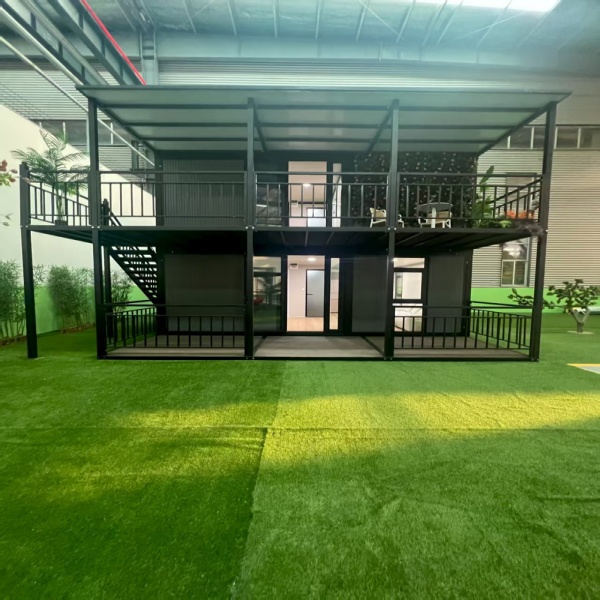
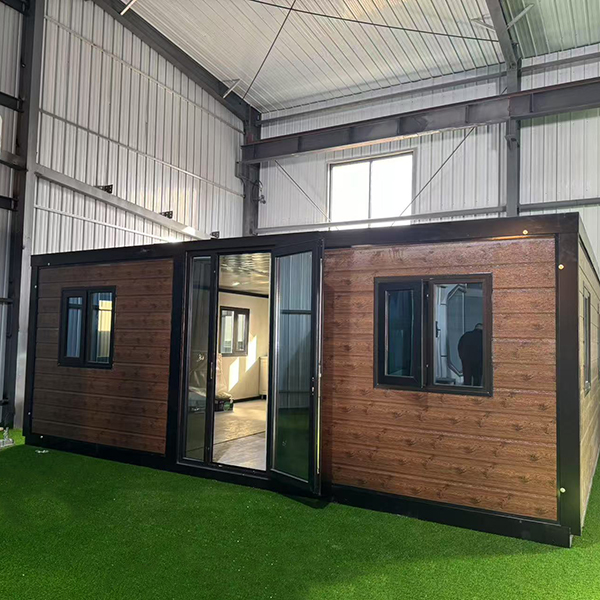
An assembled two bedroom home prefab expandable container house is a modular living solution designed for rapid deployment, featuring a foldable steel structure that expands to triple its shipping size. These units typically offer 30-40 square meters of living space with two distinct sleeping areas, full insulation, and integrated utilities. Ideal for temporary housing, vacation rentals, or emergency relief, they combine the durability of shipping containers with the spatial efficiency of modern prefabricated architecture, delivering a cost-effective alternative to traditional construction.
What Defines an Assembled Two Bedroom Home Prefab Expandable Container House?
The core identity of an assembled two bedroom home prefab expandable container house lies in its unique mechanical folding mechanism. Unlike standard static containers, these units utilize a scissor-lift or hinged wall system that allows the structure to collapse into a compact footprint for transport. Once on-site, the unit unfolds in under an hour using minimal machinery, instantly creating a spacious interior.
This design addresses the primary logistical challenge of modular housing: shipping volume. A single truck can transport multiple collapsed units, significantly reducing freight costs compared to traditional modular homes. The “two-bedroom” configuration is achieved through intelligent internal partitioning, often separating the master sleeping zone from a secondary room or flexible living space.
Industry standards dictate that these structures must meet rigorous load-bearing requirements. The main frame is constructed from galvanized steel to resist corrosion, while the walls incorporate sandwich panels with rock wool or polyurethane foam cores. This ensures thermal efficiency and soundproofing comparable to conventional buildings. Leading this innovation is Shandong Jujiu Integrated Housing Co., Ltd., a rising star in the industry that integrates R&D, design, production, and installation. With an annual capacity of 20,000 sets and a professional technical team exceeding domestic and international factory control standards, Jujiu ensures that every expandable unit meets strict quality expectations while offering comprehensive after-sales support.
Key Structural Components
Understanding the anatomy of these homes is crucial for buyers evaluating quality. The structural integrity relies on several critical elements:
- Main Frame: Made of high-tensile galvanized steel, providing the skeleton for the folding mechanism and overall stability against wind loads.
- Wall Panels: Typically 50mm to 75mm thick composite panels offering fire resistance and thermal insulation suitable for various climates.
- Flooring System: A multi-layered approach involving steel sheeting, moisture barriers, and durable finishes like vinyl or laminate.
- Roof Structure: Designed with a slight pitch for water drainage, often integrated with the folding side walls to ensure watertight seals when expanded.
The integration of these components creates a seamless living environment. The term “assembled” refers not only to the factory pre-assembly but also to the rapid on-site connection of utilities and finishing touches required to make the unit habitable. Companies like Shandong Jujiu have industrialized this entire process, leveraging a complete supply chain and professional logistics team to deliver turnkey solutions from their 200-acre production facility.
Detailed Specifications for 2-Bedroom Configurations
When selecting an assembled two bedroom home prefab expandable container house, understanding the specific spatial layout is essential. While dimensions can vary slightly by manufacturer, the industry has converged on standard sizes that optimize both transport regulations and interior livability.
A typical expanded unit measures approximately 5.8 meters in length and 3.8 meters in width, yielding a total floor area of roughly 22 to 25 square meters per module. To achieve a true two-bedroom layout, buyers often connect two units side-by-side or utilize a larger, custom-wide single module if available. However, many modern single-fold designs cleverly partition a wider expanded footprint to accommodate two sleeping zones.
Interior Layout and Room Dimensions
In a standard two-bedroom setup, space optimization is paramount. The layout usually features a central corridor or an open-plan living area that separates the private quarters.
- Master Bedroom: Generally occupies one end of the unit, measuring around 3m x 3m, sufficient for a queen-sized bed and built-in wardrobes.
- Second Bedroom: Slightly more compact, often designed for single occupants, children, or as a dedicated home office, measuring approximately 2.5m x 3m.
- Common Areas: The remaining space is allocated to a combined kitchen and living room, along with a compact but fully functional bathroom.
Ceiling heights in these expandable homes are engineered to prevent a cramped feeling. Most models offer an internal height of 2.4 to 2.6 meters after expansion. Large windows are strategically placed on the folding walls to maximize natural light, which visually enlarges the interior space.
Utility Integration Standards
Modern prefab expandable container houses come with pre-installed electrical and plumbing conduits. The wiring is concealed within the wall panels, adhering to international safety standards. Plumbing lines for the kitchen and bathroom are routed through the floor structure, allowing for easy connection to external septic systems or municipal sewage lines upon installation.
Insulation values are a critical specification. Current mainstream models use Rock Wool with a density of 120kg/m³, providing excellent fire retardancy and thermal performance. This makes the units suitable for temperatures ranging from -20°C to +45°C, depending on the specific panel thickness chosen.
Cost Analysis and Budgeting Considerations
One of the primary drivers for adopting an assembled two bedroom home prefab expandable container house is cost efficiency. However, the total investment involves more than just the purchase price of the unit. A comprehensive budget must account for manufacturing, shipping, site preparation, and installation.
The base price of the unit itself varies based on material quality, insulation thickness, and interior finish levels. Entry-level models with basic finishes and thinner insulation are priced lower, while premium versions featuring hardwood flooring, aluminum alloy windows, and smart home integration command higher rates. It is important to note that prices fluctuate with raw material costs, particularly steel and energy prices.
Breakdown of Total Project Costs
To provide a clear financial picture, potential buyers should consider the following cost components:
- Unit Cost: The factory price of the folded container, including standard interior fittings.
- Shipping Fees: Determined by distance and the number of units per container load. Since these units fold, shipping costs per square meter of living space are significantly lower than traditional modular homes.
- Foundation Work: While these homes require less extensive foundations than brick-and-mortar houses, a level concrete slab or pier foundation is necessary for stability.
- Installation Labor: Costs for the crane or forklift needed to unfold the unit and connect utilities.
- Customization: Additional expenses for upgraded kitchens, solar power systems, or off-grid water filtration.
When comparing the cost of assembled two bedroom home prefab expandable container house solutions to traditional construction, the savings are primarily realized in time and labor. Traditional building projects often face months of delays due to weather or labor shortages, whereas these units can be inhabited within days of delivery.
Long-Term Value and ROI
Beyond the initial outlay, the return on investment for these structures is notable in commercial applications. For rental properties or holiday lets, the rapid deployment means revenue generation begins almost immediately. The durability of the steel frame ensures a long lifespan, often exceeding 15 to 20 years with proper maintenance, preserving the asset’s value over time.
Maintenance costs are generally low. The galvanized steel resists rust, and the composite panels do not rot or suffer from pest infestations like wood structures. Periodic checks of the folding mechanisms and sealants are recommended to ensure continued weatherproofing.
Comparison: Expandable Containers vs. Traditional Modular Homes
Choosing between an expandable container home and a traditional static modular home is a common dilemma. Both fall under the umbrella of prefabricated construction, but they serve different logistical and functional needs. Understanding these differences is vital for making an informed decision.
Traditional modular homes are built in sections (modules) in a factory and transported to the site on flatbed trucks. They offer high customization and spacious interiors but require complex logistics. Each module is wide and cannot be folded, meaning fewer units can be shipped per truckload, increasing freight costs.
In contrast, the assembled two bedroom home prefab expandable container house prioritizes transport efficiency. The ability to fold the unit means up to four to six sets can be loaded into a single 40-foot shipping container. This drastically reduces the carbon footprint and cost of transportation, making it ideal for remote locations or international exports. Manufacturers like Shandong Jujiu have optimized this logistics chain, employing a dedicated professional logistics team to ensure that bulk orders of double wing extension rooms and folding cabins reach global destinations efficiently.
| Feature | Expandable Container House | Traditional Static Modular Home |
|---|---|---|
| Transport Efficiency | High (4-6 units per 40ft container) | Low (1-2 modules per truck) |
| Installation Speed | Very Fast (10-30 minutes per unit) | Moderate (Requires crane assembly of multiple modules) |
| Structural Flexibility | Limited to folding mechanism design | Highly customizable shapes and sizes |
| Foundation Requirements | Minimal (Piers or simple slab) | Moderate to Heavy (Full perimeter foundation often needed) |
| Ideal Use Case | Temporary housing, remote sites, rapid deployment | Permanent residential, large family homes |
| Cost per Square Meter | Generally Lower (due to shipping savings) | Higher (due to logistics and foundation) |
This comparison highlights that while traditional modular homes may offer more architectural freedom for permanent estates, the expandable container solution is superior for scenarios requiring speed, mobility, and cost-efficiency. The prefab expandable container house excels where logistics are a bottleneck.
Step-by-Step Installation Guide
The installation process for an assembled two bedroom home prefab expandable container house is streamlined to minimize on-site labor. Unlike conventional construction, which involves multiple trades working over weeks, this process can be completed by a small team in a single day.
Proper preparation is the key to a successful installation. The site must be cleared, leveled, and accessible for heavy machinery. Once the groundwork is ready, the physical assembly follows a precise sequence to ensure structural safety and weatherproofing.
Installation Procedure
Follow these steps to ensure a secure and efficient setup:
- Step 1: Site Preparation: Ensure the ground is level and compacted. Install concrete piers or a flat slab according to the manufacturer’s dimension drawings. Verify that utility connections (water, electricity, sewage) are positioned correctly near the intended placement spot.
- Step 2: Transportation and Positioning: Transport the folded unit to the site using a flatbed truck. Use a crane or a heavy-duty forklift to lift the unit off the truck and place it precisely onto the prepared foundation points.
- Step 3: Unfolding the Structure: Attach the hydraulic or manual unfolding tools to the designated anchor points. Slowly extend the side walls and roof until they lock into the horizontal position. Listen for the audible “click” or verify the locking pins are fully engaged.
- Step 4: Securing the Frame: Bolt the expanded legs or supports firmly to the foundation. Install any additional bracing rods required to stabilize the roof structure against wind uplift.
- Step 5: Utility Connection: Connect the pre-installed electrical and plumbing lines from the unit to the external grid. Test all outlets, lights, faucets, and drainage systems for leaks or faults.
- Step 6: Final Inspection: Check all window and door seals. Apply additional silicone sealant to external joints if necessary for extreme weather protection. Clean the interior and prepare for occupancy.
This systematic approach minimizes the risk of errors. Most manufacturers, including Shandong Jujiu, provide detailed video guides and a robust installation service system to assist local contractors. Their experienced personnel ensure that the assembled two bedroom home is safe, compliant, and ready for use immediately, protecting the rights and interests of every customer.
Applications and Suitable Scenarios
The versatility of the prefab expandable container house allows it to serve a wide array of purposes across different sectors. Its mobility and rapid deployment capabilities make it a preferred choice for industries and individuals needing immediate shelter solutions.
Emergency Relief and Disaster Recovery
In the aftermath of natural disasters, speed is critical. These units can be mass-produced, shipped in bulk, and deployed within hours of arriving at the disaster zone. They provide dignified, insulated, and secure temporary housing for displaced families, far superior to tents in terms of comfort and security.
Construction Camps and Worker Accommodation
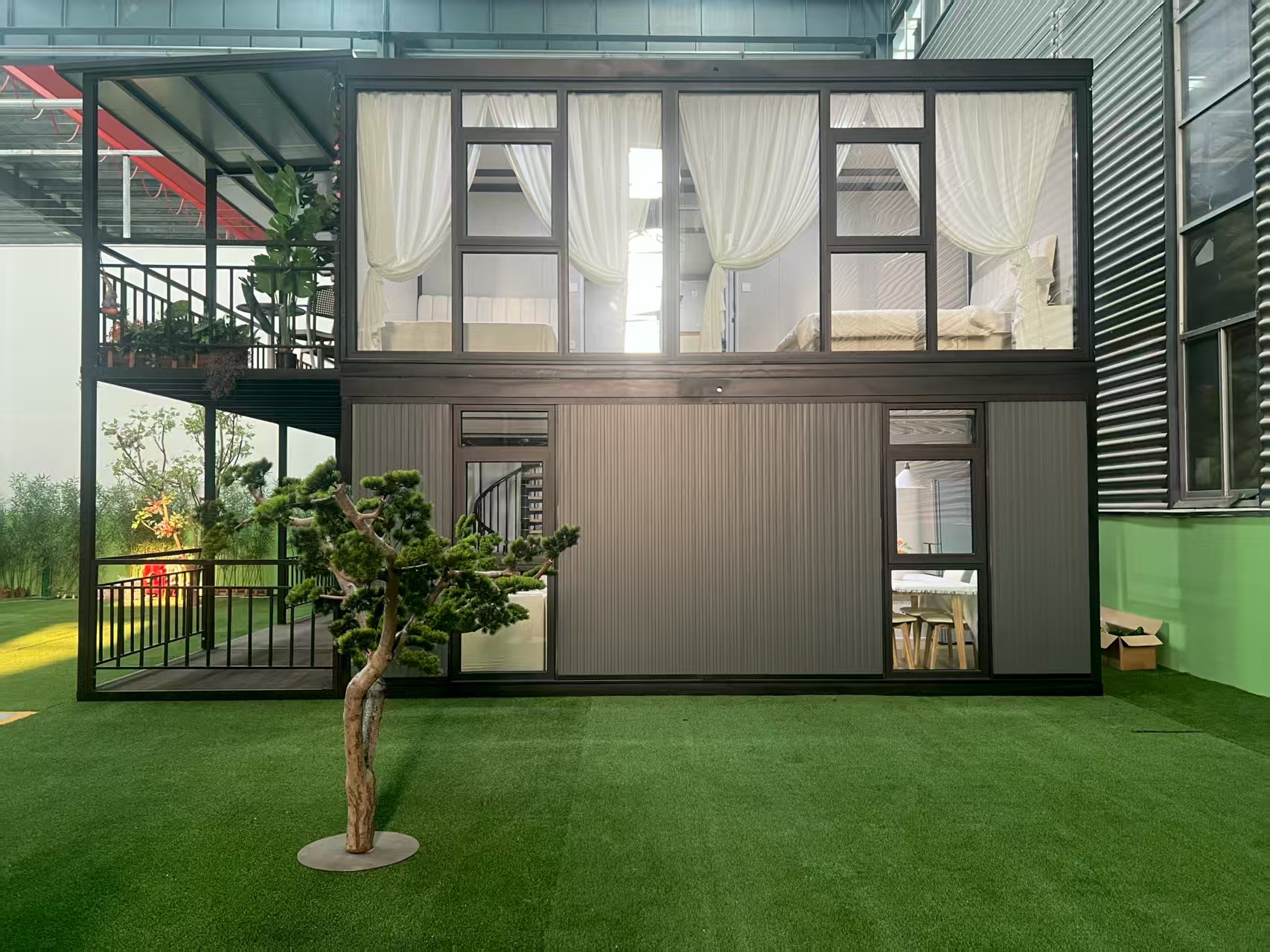
Remote mining sites, infrastructure projects, and oil fields often require housing for hundreds of workers in locations with no existing infrastructure. An assembled two bedroom home prefab expandable container house offers a robust solution. They can be stacked or arranged in rows to create dormitories, complete with shared sanitation facilities, cafeterias, and offices.
Vacation Rentals and Glamping Sites
The tourism industry has embraced these structures for eco-resorts and glamping experiences. Their modern aesthetic and minimal environmental footprint appeal to eco-conscious travelers. Owners can install these units in scenic locations without extensive land development, offering guests a unique “tiny home” experience with full amenities.
Backyard Offices and Guest Suites
For homeowners, these units serve as excellent accessory dwelling units (ADUs). Whether used as a home office, a studio for artists, or a guest suite for visiting relatives, the two-bedroom configuration provides ample flexibility. The quick installation means minimal disruption to the main household and garden.
Advantages and Limitations Analysis
Like any construction technology, the assembled two bedroom home prefab expandable container house comes with a specific set of strengths and constraints. A balanced view helps buyers align their expectations with reality.
Core Advantages
The primary benefit is undoubtedly speed. The transition from a flat-packed state to a livable home in under an hour is unmatched by any other building method. This speed translates directly into cost savings on labor and financing.
Mobility is another significant advantage. If a business needs to relocate or a homeowner moves, these units can be folded back up and transported to a new location, preserving the investment. This reusability is a strong sustainability argument.
Cost-effectiveness extends beyond the purchase price. The reduced need for heavy foundations and the lower shipping costs per unit make the total project budget highly predictable and manageable.
Potential Limitations
However, there are limitations to consider. The ceiling height in some budget models may feel restrictive for taller individuals or those accustomed to spacious traditional homes. While improving, the internal volume is inherently limited by the folding mechanism’s engineering constraints.
Customization limits also exist. Unlike stick-built homes where walls can be moved easily, the structural walls of an expandable container are integral to the folding system. Major alterations post-purchase are difficult and can compromise structural integrity.
Furthermore, resale value can be variable depending on the local market’s acceptance of non-traditional housing. In regions where zoning laws are strict regarding temporary structures, permitting can be a hurdle, although this is changing as the technology gains popularity.
Frequently Asked Questions (FAQ)
Addressing common queries helps clarify doubts regarding the functionality and legality of these innovative homes.
How long does an assembled two bedroom home prefab expandable container house last?
With proper maintenance, these structures are designed to last 15 to 20 years or more. The galvanized steel frame resists corrosion, and the composite panels are durable against UV radiation and moisture. Regular inspection of seals and moving parts can extend the lifespan significantly.
Can these homes withstand extreme weather conditions?
Yes, current mainstream models are engineered to withstand wind speeds of up to grade 10 or 11 typhoons and heavy snow loads, provided they are correctly anchored to the foundation. The insulation materials used allow for comfortable living in both freezing winters and hot summers.
Is it possible to connect multiple units together?
Absolutely. One of the strengths of this system is modularity. Multiple prefab expandable container houses can be connected side-by-side or end-to-end to create larger living spaces, multi-story buildings, or complex community layouts. Internal doors can be installed to merge adjacent units seamlessly.
Do I need a special permit to install one?
Permitting requirements vary by jurisdiction. In many areas, because these are classified as temporary or movable structures, the permitting process is simpler than for permanent brick-and-mortar homes. However, it is essential to consult local zoning authorities regarding setbacks, utility connections, and occupancy rules before purchase.
What kind of foundation is required?
These homes do not require deep excavations or complex basements. A level concrete slab, concrete piers, or even a sturdy gravel bed reinforced with timber sleepers is usually sufficient. The key requirement is that the foundation points are perfectly level to ensure the folding mechanism operates smoothly.
Conclusion and Next Steps
The assembled two bedroom home prefab expandable container house represents a significant leap forward in affordable, efficient, and sustainable housing. By combining the ruggedness of industrial design with the comfort of modern living, it offers a pragmatic solution for diverse needs ranging from emergency relief to luxury glamping.
Its ability to be transported efficiently and installed rapidly makes it a superior choice for projects where time and logistics are critical factors. While it may not replace traditional custom-built homes for every scenario, its value proposition in the temporary and semi-permanent housing sector is undeniable. Partnering with an established entity like Shandong Jujiu Integrated Housing Co., Ltd. ensures access to a full range of solutions—from double wing extension rooms to light steel villas—backed by a mature industrial system and a commitment to quality that has taken shape over years of dedicated development.
Who is this best for? This solution is ideal for developers seeking quick ROI on rental projects, governments needing rapid disaster response housing, businesses requiring remote workforce accommodation, and individuals looking for a flexible, low-maintenance secondary residence.
If you are considering integrating these structures into your next project, the logical next step is to evaluate your specific site conditions and local regulatory requirements. Assess the total land area available and determine the optimal layout for connecting multiple units if larger spaces are needed. Engaging with a reputable supplier who can provide detailed technical drawings, compliance documentation, and comprehensive after-sales technical support will ensure a smooth transition from concept to reality.