-
Imeli
Austin120521@outlook.com -
Imeli
sales@jujiuhouse.com -
Telefoni
+86-17864099991 -
Telefoni
+86-17854044442
- English
- Chinese
- French
- German
- Portuguese
- Spanish
- Russian
- Japanese
- Korean
- Arabic
- Irish
- Greek
- Turkish
- Italian
- Danish
- Romanian
- Indonesian
- Czech
- Afrikaans
- Swedish
- Polish
- Basque
- Catalan
- Esperanto
- Hindi
- Lao
- Albanian
- Amharic
- Armenian
- Azerbaijani
- Belarusian
- Bengali
- Bosnian
- Bulgarian
- Cebuano
- Chichewa
- Corsican
- Croatian
- Dutch
- Estonian
- Filipino
- Finnish
- Frisian
- Galician
- Georgian
- Gujarati
- Haitian
- Hausa
- Hawaiian
- Hebrew
- Hmong
- Hungarian
- Icelandic
- Igbo
- Javanese
- Kannada
- Kazakh
- Khmer
- Kurdish
- Kyrgyz
- Latin
- Latvian
- Lithuanian
- Luxembou..
- Macedonian
- Malagasy
- Malay
- Malayalam
- Maltese
- Maori
- Marathi
- Mongolian
- Burmese
- Nepali
- Norwegian
- Pashto
- Persian
- Punjabi
- Serbian
- Sesotho
- Sinhala
- Slovak
- Slovenian
- Somali
- Scots Gaelic
- Shona
- Sindhi
- Sundanese
- Swahili
- Tajik
- Tamil
- Telugu
- Thai
- Ukrainian
- Urdu
- Uzbek
- Vietnamese
- Welsh
- Xhosa
- Yiddish
- Yoruba
- Zulu
- Kinyarwanda
- Tatar
- Oriya
- Turkmen
- Uyghur




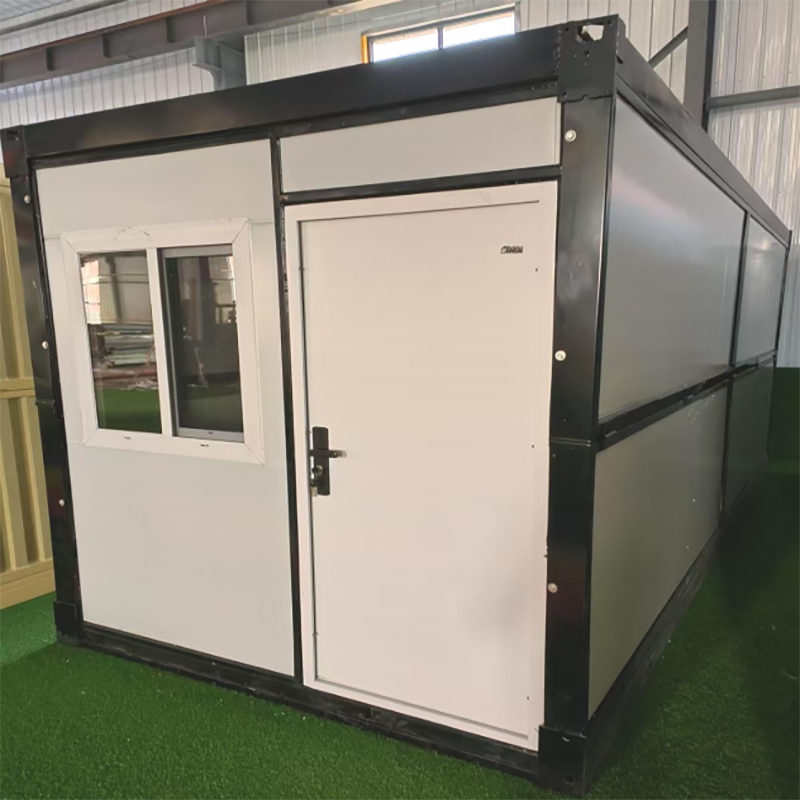
Buy Folding House Container Home from China Manufacturer
2026-10-25
- Why Source Folding House Container Homes from China?
- Technical Architecture of Folding Container Homes
- Shandong Jujiu: Industrial Capacity and Quality Assurance
- Application Scenarios for Folding Houses
- Comparison: Folding vs. Expandable vs. Flat-Pack Containers
- Step-by-Step Installation Guide
- Key Considerations When Buying from China
- FAQ: Common Questions About Folding Container Homes
- Conclusion: Making the Right Investment
Buying a folding house container home directly from a China manufacturer offers a cost-effective, rapid-deployment housing solution for commercial and residential projects. These structures feature innovative hinge-based designs that collapse to 20% of their expanded volume, significantly reducing shipping costs. Shandong Jujiu Integrated Housing Co., Ltd. provides industrial-grade folding units with integrated supply chain management, ensuring quality control, logistical efficiency, and comprehensive after-sales support for global buyers seeking reliable modular construction.
Why Source Folding House Container Homes from China?
The global demand for modular housing has shifted towards solutions that balance speed, cost, and durability. A Taavale fale fale fale fale represents the next evolution in prefabricated construction. Unlike traditional flat-pack containers that require extensive on-site assembly, folding units arrive largely pre-assembled. The walls, floor, and roof are connected via heavy-duty steel hinges, allowing the entire structure to be erected in under two hours by a small team.
Sourcing these units from China leverages the country’s mature industrial ecosystem. Manufacturers benefit from economies of scale in steel production, insulated panel manufacturing, and hardware fabrication. This results in competitive pricing without compromising structural integrity. For international buyers, the key advantage lies in the reduced logistics footprint. Because the unit folds flat, you can fit multiple homes into a single 40HQ shipping container, drastically lowering the per-unit freight cost compared to standard expandable or fixed containers.
The Strategic Advantage of Direct Manufacturer Partnership
Working directly with an established manufacturer like Shandong Jujiu tuʻufaʻatasia fale co., Ltd. eliminates intermediary markups and ensures technical accountability. As a rising star in the integrated housing industry, Shandong Jujiu integrates research, design, production, and installation into a cohesive workflow. With a production capacity of 20,000 sets annually and a facility spanning over 200 acres, the company has industrialized the construction process.
This scale matters for B2B buyers. It means consistent material sourcing, standardized quality control, and the ability to handle large-volume orders with predictable lead times. The company’s professional logistics team and complete supply chain management system ensure that complex international shipping requirements are handled efficiently, reducing the risk of delays or damage during transit.
Technical Architecture of Folding Container Homes
Understanding the engineering behind a folding house is crucial for evaluating quality. The core innovation lies in the connection points and material selection. A high-quality folding container home must withstand transportation vibrations, wind loads, and thermal expansion.
Structural Framework and Hinge Mechanism
The primary frame is constructed from galvanized steel, providing corrosion resistance and structural rigidity. The folding mechanism uses reinforced steel hinges at the corners where the wall panels meet the floor and roof beams. These hinges are engineered to bear the weight of the roof and upper walls during the lifting process.
- Base Frame: Typically made from high-strength steel channels, often treated with anti-rust paint or galvanization.
- Wall Panels: Composite sandwich panels featuring rock wool or polyurethane (PU) insulation cores, clad with steel or fiber cement boards.
- Roof Structure: Designed with a slight pitch for water drainage, integrated with the folding hinge system.
- Locking System: Heavy-duty bolts or automatic locking pins secure the walls in the vertical position, ensuring the structure acts as a rigid box once deployed.
Faasalepale ma le malosi malosi
Thermal performance is a critical factor for habitable spaces. Standard folding homes use sandwich panels with thicknesses ranging from 50mm to 100mm. Rock wool is preferred for its fire-resistant properties, achieving Class A fire ratings, while PU foam offers superior thermal insulation values (R-value). Buyers should specify insulation types based on their local climate conditions. In colder regions, thicker panels and double-glazed windows are essential to maintain energy efficiency.
Shandong Jujiu: Industrial Capacity and Quality Assurance
When evaluating suppliers, operational maturity is a key indicator of reliability. Shandong Jujiu Integrated Housing Co., Ltd. has rapidly established itself as a comprehensive solution provider in just four years. The company does not merely assemble parts; it controls the entire value chain. This vertical integration allows for stricter quality oversight compared to traders who source components from disparate factories.
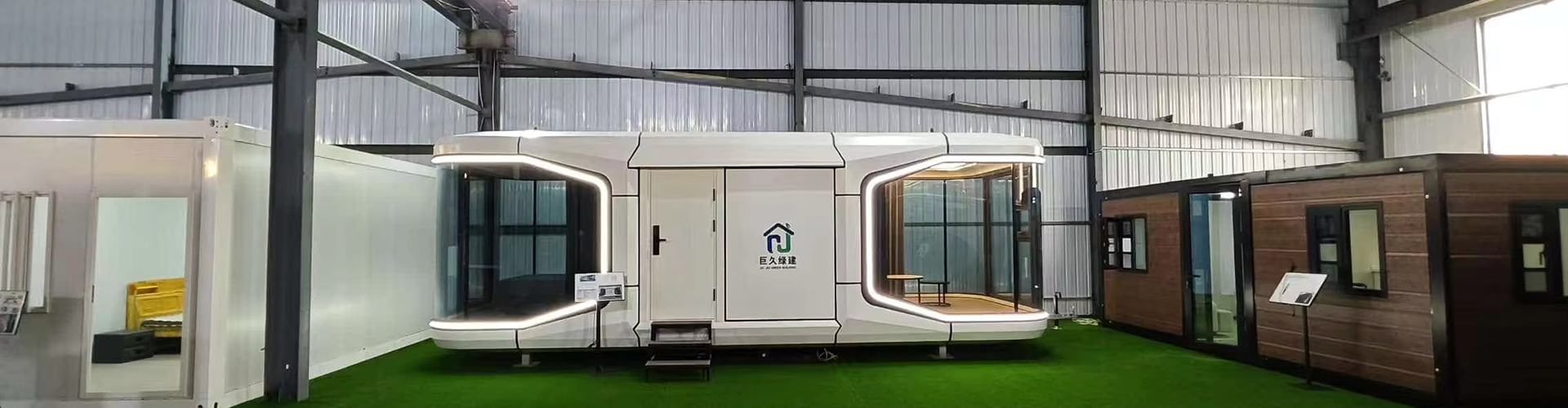
The company employs over 100 staff, including a dedicated technical team and experienced production personnel. Their manufacturing standards exceed domestic requirements, aligning with international expectations for structural safety and finish quality. This commitment is evident in their diverse product range, which includes double wing extension rooms, folding beds, and specialized push-pull apple cabins, demonstrating versatility in modular design.
Comprehensive After-Sales and Technical Support
A common concern in cross-border procurement is post-purchase support. Shandong Jujiu addresses this by establishing a robust after-sales service system. They provide full-range technical support, from initial layout planning to installation guidance. This protects the buyer’s interests and ensures that any on-site issues can be resolved quickly. The existence of a professional installation service system further underscores their commitment to delivering a turnkey solution rather than just a product.
Application Scenarios for Folding Houses
The versatility of folding container homes makes them suitable for a wide array of sectors. Their rapid deployment capability is particularly valuable in situations where time is a critical constraint.
Emergency Relief and Temporary Housing
In disaster-stricken areas, the ability to deploy hundreds of housing units within days is invaluable. Folding homes can be stockpiled efficiently due to their compact folded state. Once transported to the site, they provide immediate, weather-proof shelter with integrated electrical and plumbing rough-ins.
Construction Site Accommodation
For large infrastructure projects, worker housing is a logistical challenge. Traditional site offices take weeks to build. Folding containers can be installed overnight, providing comfortable, insulated living quarters for workers. Their modularity allows for easy expansion or relocation as the project progresses.
Commercial and Tourism Uses
The modern aesthetic of folding homes, especially when customized with large glass windows or exterior cladding, suits boutique hotels, glamping sites, and remote eco-resorts. Developers can minimize environmental impact by using these low-footprint structures, which can be removed without leaving permanent foundations.
Comparison: Folding vs. Expandable vs. Flat-Pack Containers
Selecting the right modular type depends on your specific project requirements. The following table compares folding container homes with other common modular solutions.
| Foliga | Folding Container Home | Expandable Container | Flat-Pack Container |
|---|---|---|---|
| Installation Time | 2-4 hours (minimal labor) | 4-6 hours (hydraulic/crane) | 1-2 days (assembly required) |
| Shipping Efficiency | High (4-6 units per 40HQ) | Low (1 unit per 40HQ) | Very High (8-10 units per 40HQ) |
| Structural Integrity | High (integrated frame) | Moderate (moving parts) | High (bolted connections) |
| Labor Cost | Maualalo | Feololo | Maualuga |
| Best For | Rapid deployment, mid-volume projects | Single-unit luxury setups | Large-scale, budget-conscious projects |
For buyers seeking a balance between shipping efficiency and ease of installation, the folding house is often the optimal choice. It avoids the high freight costs of expandable units and the high labor costs of flat-pack assemblies.
Step-by-Step Installation Guide
One of the primary selling points of the folding house container home is its simplicity. While professional installation is recommended for electrical and plumbing connections, the structural setup can be performed by a general construction crew.
- Site Preparation: Ensure the ground is level. Concrete pads, screw piles, or compacted gravel bases are suitable foundations. Anchor points should be pre-marked according to the unit’s dimensions.
- Unloading: Use a crane or forklift to remove the folded unit from the shipping container. Place it centrally on the prepared foundation.
- Unfolding Walls: Using the crane, lift the roof section slightly. Workers manually pull the side walls outward until they are vertical. The integrated hinges guide the movement.
- Securing the Structure: Once vertical, engage the locking mechanisms. Bolt the wall panels to the floor frame and secure the roof beams. Check all connections for tightness.
- Roof and Sealant Application: Apply sealant to the roof joints and corner connections to ensure waterproofing. Install any additional roofing materials if specified.
- Utility Connections: Connect pre-installed electrical wiring and plumbing pipes to the main supply. This step should be performed by licensed technicians to comply with local codes.
- Faaumaina le faaumaina: Install any loose interior components, such as doors, windows, and partition walls, if not pre-installed.
Key Considerations When Buying from China
Procuring a Taavale fale fale fale fale from China requires attention to detail beyond the unit price. Smart buyers focus on total landed cost and compliance.
Customs and Compliance
Different countries have varying building codes and import regulations. Before ordering, verify that the materials used (especially electrical components and insulation) meet your local standards. For instance, electrical systems may need UL certification for the US or CE marking for Europe. Shandong Jujiu’s technical team can assist in customizing these components to meet specific regulatory requirements.
Logistics and Incoterms
Understand the Incoterms clearly. FOB (Free on Board) means the manufacturer handles costs up to the port of origin, while CIF (Cost, Insurance, and Freight) includes shipping to your destination port. Given the company’s professional logistics team, they can provide accurate freight quotes and handle the complexities of export documentation, reducing the administrative burden on the buyer.
Filifiliga Faapitoa Filifiliga
Standard units are cost-effective, but customization adds value. Common options include:
- Window Placement: Adjusting window sizes and positions for better light or views.
- Exterior Cladding: Adding wood plastic composite (WPC) or metal siding for a premium look.
- Layout Modifications: Integrating kitchens, bathrooms, or partition walls.
- Smart Home Features: Pre-installing smart locks, lighting controls, or solar readiness.
FAQ: Common Questions About Folding Container Homes
How long does a folding container home last?
With proper maintenance and high-quality materials like galvanized steel and rock wool insulation, these structures can last 15-20 years or more. The lifespan depends heavily on the environment and the frequency of relocation.
Can folding houses withstand extreme weather?
Yes, when properly anchored. The steel frame is designed to resist wind loads up to certain speeds (typically 100-120 km/h, depending on specifications). Snow load capacity varies by roof design, so buyers in snowy regions should request reinforced roof structures.
Is it difficult to get financing for modular homes?
Financing options vary by country. In many jurisdictions, modular homes are treated as personal property rather than real estate if not permanently affixed to a foundation. However, as building codes adapt, more lenders are recognizing high-quality modular structures. Consult local financial institutions for specific policies.
What is the typical lead time for production?
Standard models usually have a production lead time of 15-30 days. Customized orders may take longer, depending on the complexity of the modifications. Shandong Jujiu’s annual capacity of 20,000 sets allows for efficient scheduling, but early booking is recommended during peak seasons.
How do I maintain a folding container home?
Maintenance is minimal. Regularly inspect roof seals and corner joints for leaks. Clean gutters if installed. Check electrical connections annually. If the exterior is steel, touch up any scratches in the paint to prevent rust. For sandwich panels, avoid high-pressure washing directly on seams.
Conclusion: Making the Right Investment
Le filifiliga e faatau a Taavale fale fale fale fale is a strategic move towards efficient, scalable, and sustainable construction. By choosing a manufacturer with proven industrial capacity like Shandong Jujiu Integrated Housing Co., Ltd., buyers gain access to a product that balances cost, speed, and quality. The company’s integrated approach—from R&D to after-sales support—mitigates the risks often associated with international procurement.
Whether you are developing a remote workforce camp, launching a glamping business, or providing emergency housing, the folding container offers a versatile solution. Its ability to reduce shipping costs while minimizing on-site labor makes it a financially sound choice for modern construction needs.
To explore specific models, request detailed technical specifications, or discuss customization options for your project, contact our team today. We provide tailored solutions to match your operational requirements and budget constraints.