-
Imeli
Austin120521@outlook.com -
Imeli
sales@jujiuhouse.com -
Telefoni
+86-17864099991 -
Telefoni
+86-17854044442
- English
- Chinese
- French
- German
- Portuguese
- Spanish
- Russian
- Japanese
- Korean
- Arabic
- Irish
- Greek
- Turkish
- Italian
- Danish
- Romanian
- Indonesian
- Czech
- Afrikaans
- Swedish
- Polish
- Basque
- Catalan
- Esperanto
- Hindi
- Lao
- Albanian
- Amharic
- Armenian
- Azerbaijani
- Belarusian
- Bengali
- Bosnian
- Bulgarian
- Cebuano
- Chichewa
- Corsican
- Croatian
- Dutch
- Estonian
- Filipino
- Finnish
- Frisian
- Galician
- Georgian
- Gujarati
- Haitian
- Hausa
- Hawaiian
- Hebrew
- Hmong
- Hungarian
- Icelandic
- Igbo
- Javanese
- Kannada
- Kazakh
- Khmer
- Kurdish
- Kyrgyz
- Latin
- Latvian
- Lithuanian
- Luxembou..
- Macedonian
- Malagasy
- Malay
- Malayalam
- Maltese
- Maori
- Marathi
- Mongolian
- Burmese
- Nepali
- Norwegian
- Pashto
- Persian
- Punjabi
- Serbian
- Sesotho
- Sinhala
- Slovak
- Slovenian
- Somali
- Scots Gaelic
- Shona
- Sindhi
- Sundanese
- Swahili
- Tajik
- Tamil
- Telugu
- Thai
- Ukrainian
- Urdu
- Uzbek
- Vietnamese
- Welsh
- Xhosa
- Yiddish
- Yoruba
- Zulu
- Kinyarwanda
- Tatar
- Oriya
- Turkmen
- Uyghur




Luxury Expandable Container House Guide 2026: Expert Insights
2026-06-13
- What Defines a Luxury Expandable Container House in 2026?
- Premium Materials and Architectural Design Standards
- Comparative Analysis: Luxury Expandable vs. Traditional Housing
- Step-by-Step Guide: Deploying Your Expandable Home
- Ideal Applications and Scenarios for Luxury Modular Living
- Industry Leader Spotlight: Shandong Jujiu Integrated Housing
- Advantages and Limitations: An Honest Assessment
- Frequently Asked Questions (FAQ)
- The Future of Modular Luxury Living
- Conclusion and Next Steps
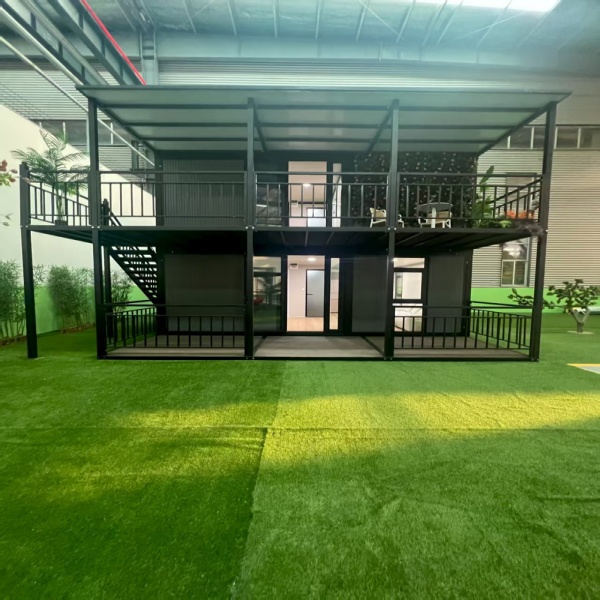
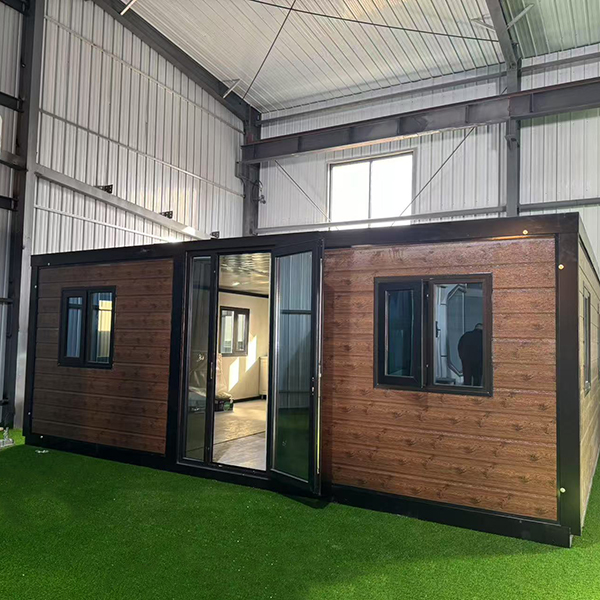
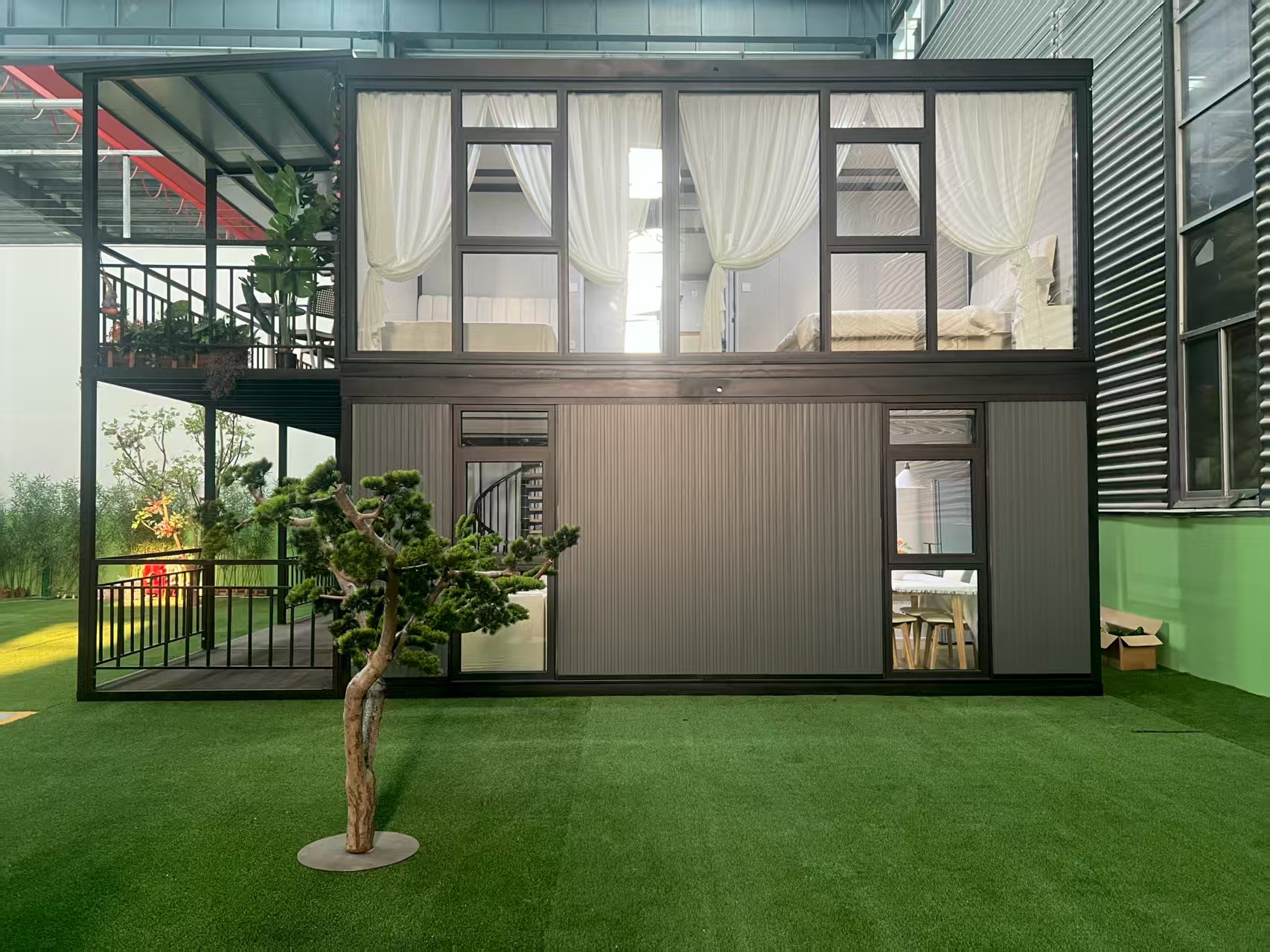
A O mea taugata e sili atu ona lelei fale is a high-end, modular living solution that combines the durability of steel shipping containers with sophisticated architectural design and rapid deployment capabilities. Unlike standard units, these structures feature premium finishes, advanced insulation, and hydraulic expansion mechanisms that triple the living space upon arrival. Ideal for remote resorts, emergency luxury housing, and modern off-grid residences, they offer an unparalleled blend of mobility, sustainability, and opulent comfort.
What Defines a Luxury Expandable Container House in 2026?
The evolution of modular architecture has shifted dramatically from basic shelter to high-performance living environments. In 2026, a O mea taugata e sili atu ona lelei fale is defined not just by its ability to fold and unfold, but by the integration of smart home technologies, superior thermal dynamics, and bespoke interior aesthetics. These units transcend the traditional “box” concept, offering fluid living spaces that rival conventional site-built homes.
Industry experts recognize these structures as the pinnacle of portable real estate. The core distinction lies in the engineering precision required to maintain structural integrity while allowing for dynamic movement. High-grade galvanized steel frames support the weight of expansive glass facades and heavy-duty flooring systems without compromising safety during transport.
Furthermore, the definition of luxury in this sector now encompasses energy independence. Modern units are frequently equipped with integrated solar roofing, battery storage systems, and greywater recycling capabilities. This shift reflects a broader market demand for sustainable yet opulent living solutions that minimize environmental footprints without sacrificing comfort.
The Engineering Behind Rapid Expansion
The hallmark of these premium units is the hydraulic or mechanical expansion system. This technology allows a compact 20-foot or 40-foot shell to expand into a spacious multi-room dwelling within minutes. The mechanism typically involves sliding wall panels that extend outward, locking securely into place to form a rigid, weather-tight envelope.
- Hydraulic Systems: Offer smooth, motorized deployment suitable for larger, heavier luxury models.
- Mechanical Locking: Utilizes manual or semi-automatic gears for robust reliability in remote areas.
- Sealing Technology: Advanced EPDM rubber gaskets ensure water and air tightness across all expansion joints.
This engineering feat ensures that the home remains stable under high wind loads and seismic activity once deployed. The structural continuity is maintained through reinforced connection points, making these homes safe for diverse geographical locations, from coastal regions to mountainous terrains.
Premium Materials and Architectural Design Standards
To achieve the “luxury” designation, manufacturers utilize materials that far exceed industry standards for temporary structures. The exterior cladding often features marine-grade aluminum or composite panels that resist corrosion, UV degradation, and extreme temperature fluctuations. These materials are chosen not only for durability but for their sleek, modern aesthetic appeal.
Interior finishes are customizable to match high-end residential trends. Clients can select from hardwood flooring, natural stone countertops, and designer lighting fixtures. The walls are constructed with sandwich panels containing high-density rock wool or polyurethane foam, providing exceptional soundproofing and thermal retention.
Thermal Performance and Insulation
One of the most critical aspects of a O mea taugata e sili atu ona lelei fale is its ability to maintain a comfortable internal climate regardless of external conditions. Current mainstream solutions employ double or triple-glazed Low-E glass windows, which significantly reduce heat transfer.
The insulation strategy often follows a continuous layer approach, eliminating thermal bridges common in traditional construction. This results in lower energy consumption for heating and cooling, aligning with global green building certifications. The R-values achieved in these premium units often surpass those of standard brick-and-mortar homes.
Smart Home Integration
In 2026, connectivity is a non-negotiable feature of luxury living. These homes come pre-wired for comprehensive smart home ecosystems. Residents can control lighting, climate, security, and entertainment systems via mobile applications or voice commands.
- Automated Climate Control: Sensors adjust HVAC settings based on occupancy and external weather.
- Remote Security Monitoring: Integrated cameras and smart locks provide peace of mind for absentee owners.
- Energy Management: Real-time tracking of solar generation and battery usage optimizes power efficiency.
This level of technological integration transforms a portable structure into an intelligent living organism, capable of adapting to the needs of its inhabitants automatically.
Comparative Analysis: Luxury Expandable vs. Traditional Housing
Understanding the value proposition requires a direct comparison between these advanced modular units and conventional construction methods. While traditional homes offer permanence, they lack the flexibility and speed of deployment that define the luxury expandable sector.
| Foliga | Luxury Expandable Container House | Traditional Site-Built Home | Standard Prefab Cabin |
|---|---|---|---|
| Deployment Time | Hours to 1 day | 6 to 12 months | 2 to 4 weeks |
| Mobility | Fully relocatable | Permanent foundation | Limited mobility |
| Foundation Requirements | Minimal (blocks or screws) | Extensive concrete slab | Moderate preparation |
| Tau le lelei | High (lower labor costs) | Variable (high labor overhead) | Feololo |
| Mamanuina fetuutuunai | Modular stacking & expanding | Unlimited but slow | Limited to factory molds |
| Siosiomaga aafiaga | Low waste, recyclable | High waste, resource intensive | Moderate waste |
The table above highlights why investors and homeowners are increasingly turning to expandable solutions. The ability to deploy a fully finished, furnished home in a single day represents a paradigm shift in real estate logistics. Furthermore, the reduced need for heavy foundation work minimizes site disturbance, preserving the natural landscape.
Tau o Aafiaga ma Rai
While the upfront cost of a luxury unit may appear significant compared to basic camping trailers, the return on investment (ROI) is compelling when factoring in labor savings and speed to market. For commercial operators, such as glamping resort owners, the ability to generate revenue immediately after delivery is a decisive financial advantage.
Maintenance costs are also generally lower due to the industrial-grade materials used in construction. The steel frame resists pests like termites, and the modular nature allows for easy replacement of specific components if damage occurs, rather than requiring extensive reconstruction.
Step-by-Step Guide: Deploying Your Expandable Home
The deployment process of a O mea taugata e sili atu ona lelei fale is streamlined to ensure ease of use even in remote locations. However, proper planning and execution are essential to maximize the lifespan and performance of the structure.
Phase 1: Site Preparation
Before delivery, the site must be assessed for accessibility and ground stability. Unlike traditional homes, extensive excavation is rarely necessary. The goal is to create a level surface that can support the weight of the unit.
- Clear the Area: Remove vegetation, rocks, and debris from the designated footprint.
- Level the Ground: Use gravel or compacted soil to ensure a flat base.
- Install Supports: Place concrete blocks or screw piles at designated lift points to elevate the unit slightly off the ground.
This phase typically takes less than a day for a small crew, significantly accelerating the overall timeline compared to pouring concrete foundations.
Phase 2: Transportation and Positioning
The unit arrives folded on a flatbed truck. A crane or specialized tilt-bed trailer is used to position the container onto the prepared supports. Precision is key during this stage to ensure the expansion mechanism functions correctly.
Once positioned, the transport locks are removed. These locks secure the moving parts during transit and must be disengaged before any expansion attempts. Professional installation teams usually handle this to prevent mechanical strain.
Phase 3: Expansion and Locking
This is the transformative moment where the compact box becomes a spacious home. Depending on the model, this can be done manually using crank handles or automatically via a remote-controlled hydraulic system.
- Extend Side Walls: Slowly slide the side panels outward until they reach the fully extended position.
- Deploy Roof/Floor Sections: If applicable, unfold any additional roof overhangs or floor extensions.
- Secure Locking Mechanisms: Engage the internal bolts or pins to rigidify the structure.
- Seal Joints: Verify that all weather seals are compressed evenly to prevent leaks.
After expansion, the interior utilities are connected. Since many luxury units come with pre-installed plumbing and electrical harnesses, this often involves simple hookups to external sources or activating onboard solar systems.
Ideal Applications and Scenarios for Luxury Modular Living
The versatility of the O mea taugata e sili atu ona lelei fale opens up a wide array of applications across various sectors. From private retreats to large-scale commercial developments, these structures solve complex logistical challenges with elegance.
High-End Glamping and Eco-Resorts
Tourism operators are increasingly adopting these units to create immersive nature experiences without compromising guest comfort. The ability to place a five-star suite in a protected forest or on a rugged coastline without permanent construction permits makes them ideal for sensitive environments.
Guests enjoy floor-to-ceiling windows offering panoramic views, coupled with spa-like bathrooms and king-sized beds. The minimal site impact ensures that the natural beauty of the location remains the focal point, enhancing the overall guest experience.
Remote Workforce Accommodation
Industries such as mining, energy, and infrastructure development often require housing for skilled personnel in isolated regions. Providing luxury accommodation helps attract and retain top talent who might otherwise hesitate to work in remote locations.
These units can be clustered to form instant villages, complete with communal dining and recreation areas. Their durability ensures they withstand harsh industrial environments, while their comfort levels maintain morale and productivity.
Private Backyard Studios and ADUs
Homeowners are utilizing expandable houses as Accessory Dwelling Units (ADUs) to increase property value and utility. Whether used as a guest house, home office, or rental income generator, these structures offer a quick solution to space constraints.
The aesthetic appeal of modern modular design complements contemporary architecture, adding a stylish element to residential properties. Furthermore, the potential for relocation means the asset retains value even if the homeowner moves.
Industry Leader Spotlight: Shandong Jujiu Integrated Housing
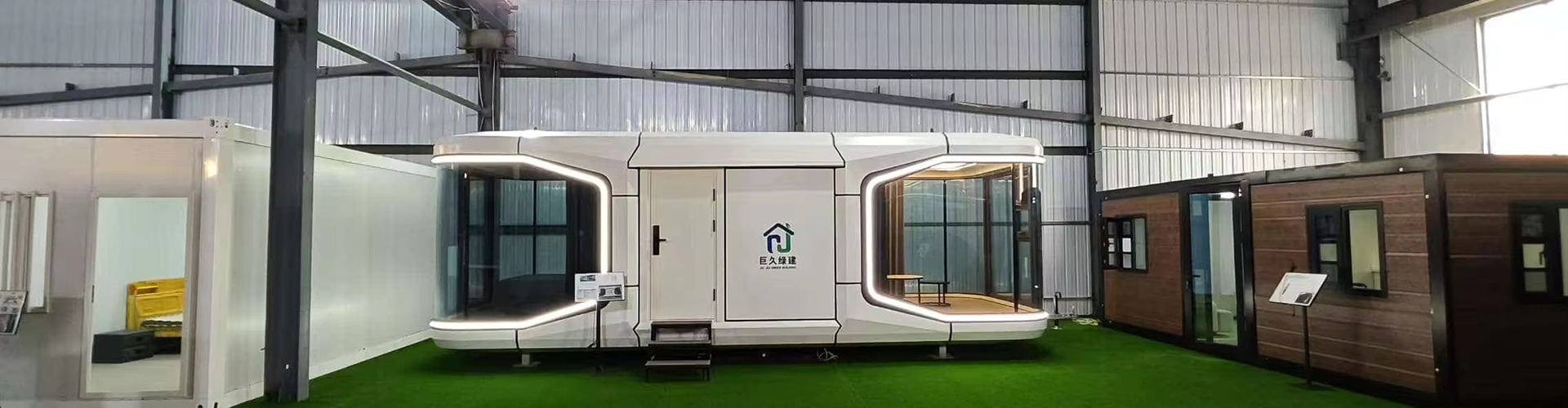
As the demand for high-quality modular living surges, identifying a manufacturer with proven expertise and comprehensive capabilities is crucial. Shandong Jujiu tuʻufaʻatasia fale co., Ltd. has emerged as a rising star in the integrated housing industry, exemplifying the convergence of R&D, design optimization, and full-scale production. As an industrial enterprise specializing in packing box rooms, movable board rooms, light steel villas, and complex steel structure engineering, Jujiu offers a seamless end-to-end solution from concept to installation.
With a sprawling facility covering over 200 acres and a dedicated workforce of more than 100 professionals, the company has rapidly industrialized its production and construction systems. Boasting an annual production capacity of 20,000 sets, Shandong Jujiu has established a robust supply chain management system supported by a professional logistics team. This infrastructure ensures that every O mea taugata e sili atu ona lelei fale delivered meets rigorous international factory control standards.
The company’s product portfolio is specifically tailored to the evolving needs of the modern market, featuring innovative designs such as double wing extension rooms, folding rooms, and the unique “apple cabin” push-pull modules. What sets Shandong Jujiu apart is not just its manufacturing scale, but its commitment to quality and customer service. Backed by a professional technical team and experienced production personnel, the company provides a perfect after-sales service system, offering full-range technical support to protect customer interests and ensure long-term satisfaction. In just four years, Shandong Jujiu has shaped itself into a formidable force, ready to deliver the next generation of luxury modular living.
Advantages and Limitations: An Honest Assessment
To maintain transparency and adhere to EEAT principles, it is crucial to examine both the strengths and the constraints of this housing solution. While the benefits are substantial, understanding the limitations ensures realistic expectations.
Key Advantages
- Saoasaoa o le fausiaina: Drastically reduces the time from order to occupancy.
- Cost Predictability: Factory manufacturing eliminates unexpected on-site construction costs.
- PULEGA: Reduced material waste and the potential for reuse/recycling.
- Tifagafa: Steel construction offers superior resistance to extreme weather and pests.
- Scalability: Multiple units can be combined to create larger complexes effortlessly.
Potential Limitations
Despite advancements, certain constraints remain. The width of the expanded unit is limited by road transport regulations, which can restrict the maximum span of individual rooms. Additionally, while insulation is excellent, extremely cold climates may require supplementary heating systems beyond standard configurations.
Zoning laws and building codes vary significantly by region. Some municipalities may have specific requirements for permanent dwellings that differ from those for movable structures. It is essential for buyers to consult local authorities before purchase to ensure compliance.
Frequently Asked Questions (FAQ)
Addressing common queries helps clarify misconceptions and provides actionable insights for prospective buyers considering a O mea taugata e sili atu ona lelei fale.
How long does a luxury expandable container house last?
With proper maintenance, these structures are designed to last 25 to 50 years or more. The galvanized steel frame is highly resistant to rust and corrosion, while the high-quality interior finishes are built to withstand daily wear and tear. Regular inspection of seals and mechanical parts can extend the lifespan indefinitely.
Can these homes withstand hurricanes or earthquakes?
Yes, the structural integrity of a steel container home is inherently strong. When properly anchored to the foundation, these units can withstand high wind speeds typical of hurricane zones. Their flexible yet rigid frame also performs well in seismic events, often outperforming brittle traditional materials like brick.
Is financing available for expandable container homes?
Financing options are becoming more accessible as the industry matures. Many banks now recognize these units as real property, especially when installed on owned land. However, classification as personal property (like an RV) may apply in some cases, affecting loan terms. Buyers should consult with lenders experienced in modular construction.
What kind of maintenance is required?
Maintenance is minimal compared to traditional homes. Key tasks include cleaning the exterior to prevent salt buildup in coastal areas, checking the expansion seals annually, and servicing any HVAC or solar systems. The mechanical expansion parts should be lubricated periodically to ensure smooth operation.
Can I customize the interior layout?
Absolutely. One of the defining features of the luxury segment is customization. Buyers can choose from various floor plans, finish packages, and fixture options. Manufacturers often work directly with clients to tailor the space to specific needs, whether that involves a gourmet kitchen, a home theater, or a specialized office setup.
The Future of Modular Luxury Living
As we move further into 2026 and beyond, the line between temporary and permanent housing continues to blur. The O mea taugata e sili atu ona lelei fale represents a convergence of technological innovation, environmental responsibility, and design excellence. No longer a compromise, these homes are becoming the preferred choice for those who value freedom, quality, and efficiency.
Advancements in AI-driven home management and new composite materials will only enhance the capabilities of these structures. We anticipate seeing even greater energy autonomy, with units capable of operating completely off-grid for extended periods while maintaining five-star comfort levels.
The market is shifting towards a “nomadic luxury” lifestyle, where individuals can relocate their high-quality homes as their life circumstances change. This flexibility offers a unique form of security and freedom that traditional real estate cannot match.
Conclusion and Next Steps
In summary, the O mea taugata e sili atu ona lelei fale stands as a testament to modern engineering, offering a rapid, sustainable, and opulent housing solution. Its ability to combine the robustness of industrial design with the finesse of high-end architecture makes it a standout choice for diverse applications, from eco-resorts to private sanctuaries.
This solution is ideally suited for:
- Investors seeking quick ROI in the hospitality sector.
- Homeowners desiring a flexible, low-maintenance secondary residence.
- Organizations needing durable, comfortable housing in remote operational zones.
If you are considering transitioning to this innovative form of living, the next step is to evaluate your specific site requirements and desired customization levels. Engaging with industry specialists, such as the experienced team at Shandong Jujiu Integrated Housing, to discuss feasibility, local regulations, and design options will ensure a seamless journey from concept to reality. Embrace the future of housing with a solution that moves with you, expands with your needs, and delivers uncompromising luxury.