-
-
PLEI
sales@jujiuhouse.com -
Telefono
+86-17864099991 -
Telefono
+86-17854044442
- English
- Chinese
- French
- German
- Portuguese
- Spanish
- Russian
- Japanese
- Korean
- Arabic
- Irish
- Greek
- Turkish
- Italian
- Danish
- Romanian
- Indonesian
- Czech
- Afrikaans
- Swedish
- Polish
- Catalan
- Esperanto
- Hindi
- Lao
- Albanian
- Amharic
- Armenian
- Azerbaijani
- Belarusian
- Bengali
- Bosnian
- Bulgarian
- Cebuano
- Chichewa
- Corsican
- Croatian
- Dutch
- Estonian
- Filipino
- Finnish
- Frisian
- Galician
- Georgian
- Gujarati
- Haitian
- Hausa
- Hawaiian
- Hebrew
- Hmong
- Hungarian
- Icelandic
- Igbo
- Javanese
- Kannada
- Kazakh
- Khmer
- Kurdish
- Kyrgyz
- Latin
- Latvian
- Lithuanian
- Luxembou..
- Macedonian
- Malagasy
- Malay
- Malayalam
- Maltese
- Maori
- Marathi
- Mongolian
- Burmese
- Nepali
- Norwegian
- Pashto
- Persian
- Punjabi
- Serbian
- Sesotho
- Sinhala
- Slovak
- Slovenian
- Somali
- Samoan
- Scots Gaelic
- Shona
- Sindhi
- Sundanese
- Swahili
- Tajik
- Tamil
- Telugu
- Thai
- Ukrainian
- Urdu
- Uzbek
- Vietnamese
- Welsh
- Xhosa
- Yiddish
- Yoruba
- Zulu
- Kinyarwanda
- Tatar
- Oriya
- Turkmen
- Uyghur




20ft Expandable Container House Guide: Costs, Specs & Expert Tips
2026-05-03
- What Is a 20ft Expandable Container House?
- Key Specifications and Technical Standards
- Cost Analysis: Investment and Value
- Advantages and Limitations
- Applications and Use Cases
- Installation Guide: Step-by-Step Process
- Mantenimendua eta iraupena
- Frequently Asked Questions (FAQ)
- Expert Tips for Buyers
- Conclusion and Next Steps
A 20ft Edukiontzi Etxe Zabaltzailea is a prefabricated, mobile living unit that triples its floor space upon deployment. Designed for rapid installation, these structures transform from a compact shipping footprint into a spacious home within minutes. Ideal for temporary housing, remote worksites, and emergency relief, they combine the durability of steel with modern insulation standards. This guide details costs, technical specifications, and expert insights to help you evaluate this innovative housing solution.
What Is a 20ft Expandable Container House?
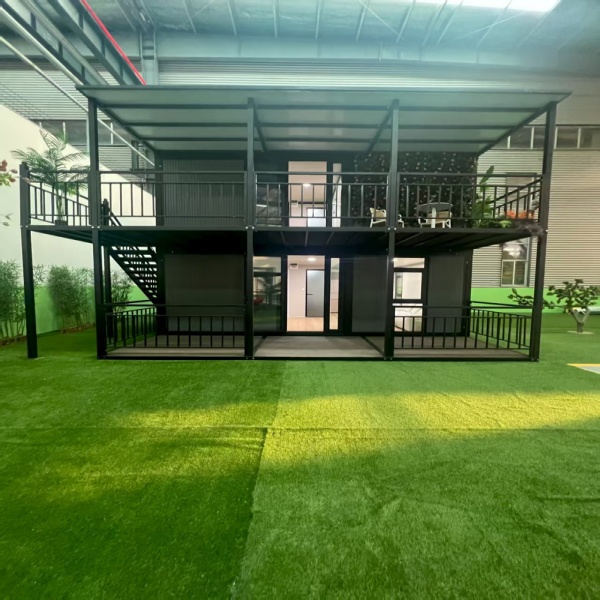
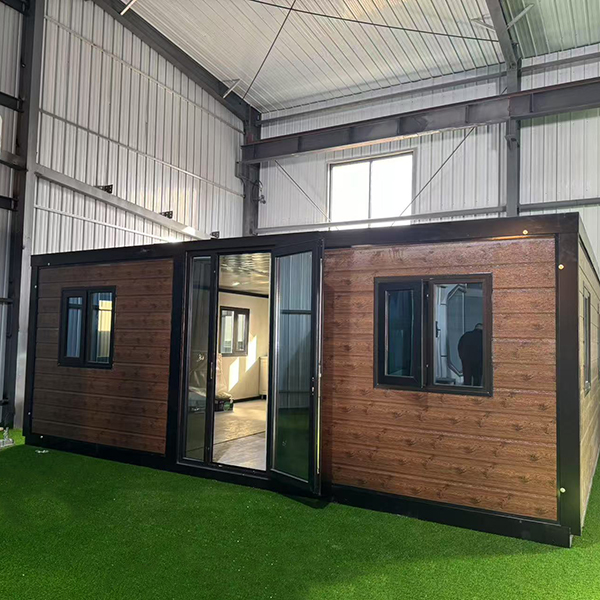
-A 20ft Edukiontzi Etxe Zabaltzailea represents a significant evolution in modular architecture. Unlike traditional static containers, this unit features hydraulic or manual folding side walls that extend outward to create additional living area. When folded, it adheres to standard ISO shipping dimensions, allowing for cost-effective transport via truck, ship, or rail.
Once on-site, the expansion mechanism unlocks, typically tripling the internal square footage. A standard 20-foot unit might offer roughly 160 square feet during transit but expands to nearly 480 square feet when deployed. This design solves the critical logistical challenge of moving large volumes of living space without incurring oversized load fees.
Industry experts recognize this technology as a mainstream solution for sectors requiring rapid scalability. The structural integrity relies on high-grade galvanized steel frames, ensuring resistance to corrosion and extreme weather. Inside, finishes range from basic utility setups to luxury residential grades, depending on the specific model and manufacturer customization.
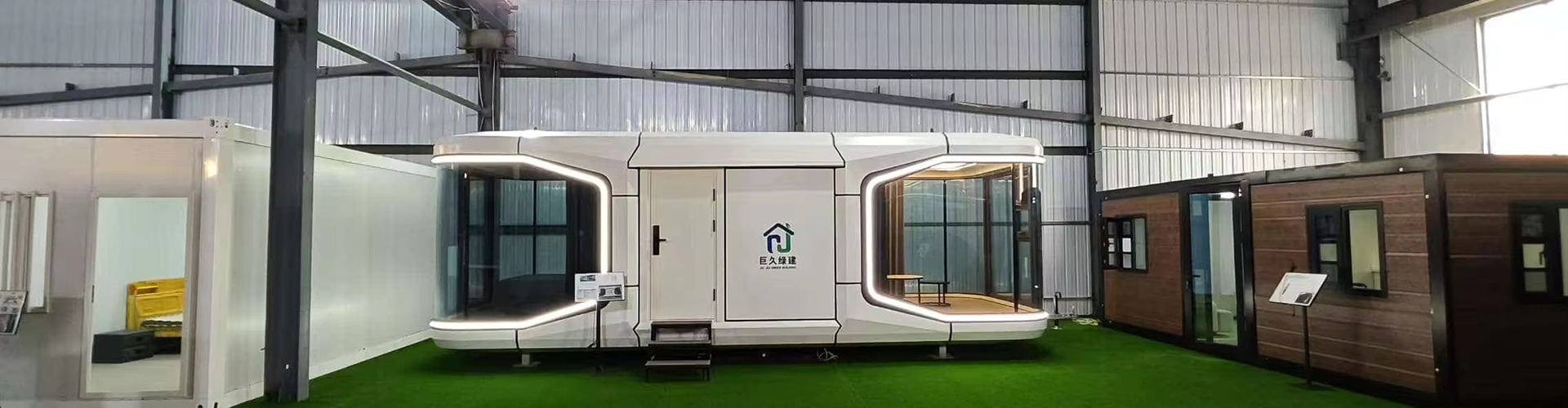
Leading this innovation is Shandong Jujiu Etxebizitza Integratua Co., Ltd., a rising star in the integrated housing sector. As an industrial enterprise integrating R&D, design, production, and installation, Jujiu has rapidly established a comprehensive supply chain and professional logistics team. With a production base covering over 200 acres and an annual capacity of 20,000 packaging box units, the company specializes in advanced solutions like double wing extension rooms, folding cabins, and push-pull “apple cabins.” Their commitment to superior factory control standards ensures that every unit meets rigorous international quality expectations, backed by a robust after-sales service system.
How the Expansion Mechanism Works
Understanding the mechanical operation is vital for potential buyers. Most units utilize a tri-fold wall system. The roof and floor remain fixed, while the side panels hinge outward.
- Manual Systems: Require a small team to push and lock the walls into place using mechanical latches. These are robust and require minimal maintenance.
- Hydraulic Systems: Employ electric or manual pumps to extend the walls smoothly. This reduces physical labor and speeds up the setup process significantly.
- Sealing Technology: High-quality rubber gaskets and interlocking joints ensure the expanded sections are waterproof and airtight, maintaining thermal efficiency.
The transition from transport mode to living mode usually takes two to four people approximately one to two hours. This speed is a primary driver for adoption in disaster relief scenarios where time is critical.
Key Specifications and Technical Standards
When evaluating a 20ft Edukiontzi Etxe Zabaltzailea, technical specifications dictate performance and longevity. Current industry products generally adhere to strict manufacturing standards to ensure safety and habitability.
The frame is typically constructed from Q235 or Q345 galvanized steel, providing a strong skeleton capable of withstanding wind loads up to level 10 or higher. Wall panels often consist of sandwich composites, such as Rock Wool, EPS (Expanded Polystyrene), or Polyurethane foam, encased in color-coated steel sheets.
Isolamendua eta klima kontrola
Thermal performance is a common concern for metal structures. Modern expandable units address this through advanced composite paneling. The choice of core material directly impacts the R-value (thermal resistance).
- EPS Panels: Cost-effective and lightweight, suitable for moderate climates.
- Rock Wool: Offers superior fire resistance and soundproofing, ideal for industrial camps or noisy environments.
- Polyurethane (PU): Provides the highest insulation efficiency per inch, making it the preferred choice for extreme cold or hot regions.
Windows are typically double-glazed with aluminum or PVC frames to minimize heat transfer. Flooring systems often include marine-grade plywood topped with vinyl, laminate, or ceramic tiles, installed over a steel subframe with integrated insulation layers.
Electrical and Plumbing Integration
These units come pre-wired with concealed conduit systems compliant with international electrical standards. Lighting fixtures, power outlets, and distribution boxes are installed at the factory.
Plumbing arrangements vary by configuration. Some models include fully integrated bathrooms with toilets, sinks, and showers, connected to centralized piping. Others offer rough-in connections, allowing site-specific customization for water heaters and drainage systems. The flexibility to adapt to local utility grids is a hallmark of professional-grade units.
Cost Analysis: Investment and Value
Determining the price of a 20ft Edukiontzi Etxe Zabaltzailea involves analyzing several variables. While base prices provide a starting point, the final cost depends heavily on customization, materials, and logistics.
Generally, the market sees a wide price range based on finish levels. Basic models intended for worker dormitories sit at the lower end, while fully furnished residential versions with high-end appliances command premium pricing. It is important to view the cost not just as a purchase price but as a total cost of ownership, including transport, foundation, and setup.
Factors Influencing Pricing
Several elements drive the final invoice amount. Understanding these helps in budgeting accurately.
- Panel Material: Switching from EPS to Rock Wool or PU foam increases material costs but enhances safety and energy efficiency.
- Interior Finishes: Inclusion of kitchens, bathrooms, flooring types, and cabinetry significantly affects the price.
- Mechanism Type: Hydraulic expansion systems are more expensive than manual ones due to the complexity of components.
- Certifications: Units certified for specific regional building codes (e.g., CE, AS/NZS) may carry higher manufacturing costs.
Logistics also play a crucial role. Since these units stack efficiently, shipping costs per square foot of living space are drastically lower compared to traditional prefab homes. One truck can often transport multiple folded units, maximizing freight efficiency.
Comparison of Cost Tiers
To visualize the value proposition, consider the differences between entry-level and premium configurations.
| Bereizgarri | Standard Configuration | Premium Configuration |
|---|---|---|
| Wall Panel | 50mm EPS Sandwich Panel | 75mm Rock Wool or PU Panel |
| Flooring | Vinyl Sheet over Plywood | Laminate or Ceramic Tile |
| Windows | Single Glazed / Sliding | Double Glazed / Tempered Glass |
| Expansion | Manual Push-Pull | Electric Hydraulic System |
| Interior | Basic Wiring, No Furniture | Full Kitchen, Bathroom, AC Included |
| Best Use Case | Construction Camps, Storage | Permanent Housing, Glamping, Offices |
This table illustrates that while the initial investment for premium units is higher, the long-term benefits in comfort, durability, and energy savings often justify the expense for permanent or semi-permanent applications.
Advantages and Limitations
Like any construction solution, the 20ft Edukiontzi Etxe Zabaltzailea has distinct strengths and weaknesses. An objective analysis helps buyers align the product with their specific needs.
Core Advantages
The primary benefit is mobility combined with space. Traditional shipping containers are narrow and cramped. Expandable models overcome this spatial limitation without sacrificing transportability.
- Rapid Deployment: Sites can be operational within hours of arrival, reducing labor costs and project timelines.
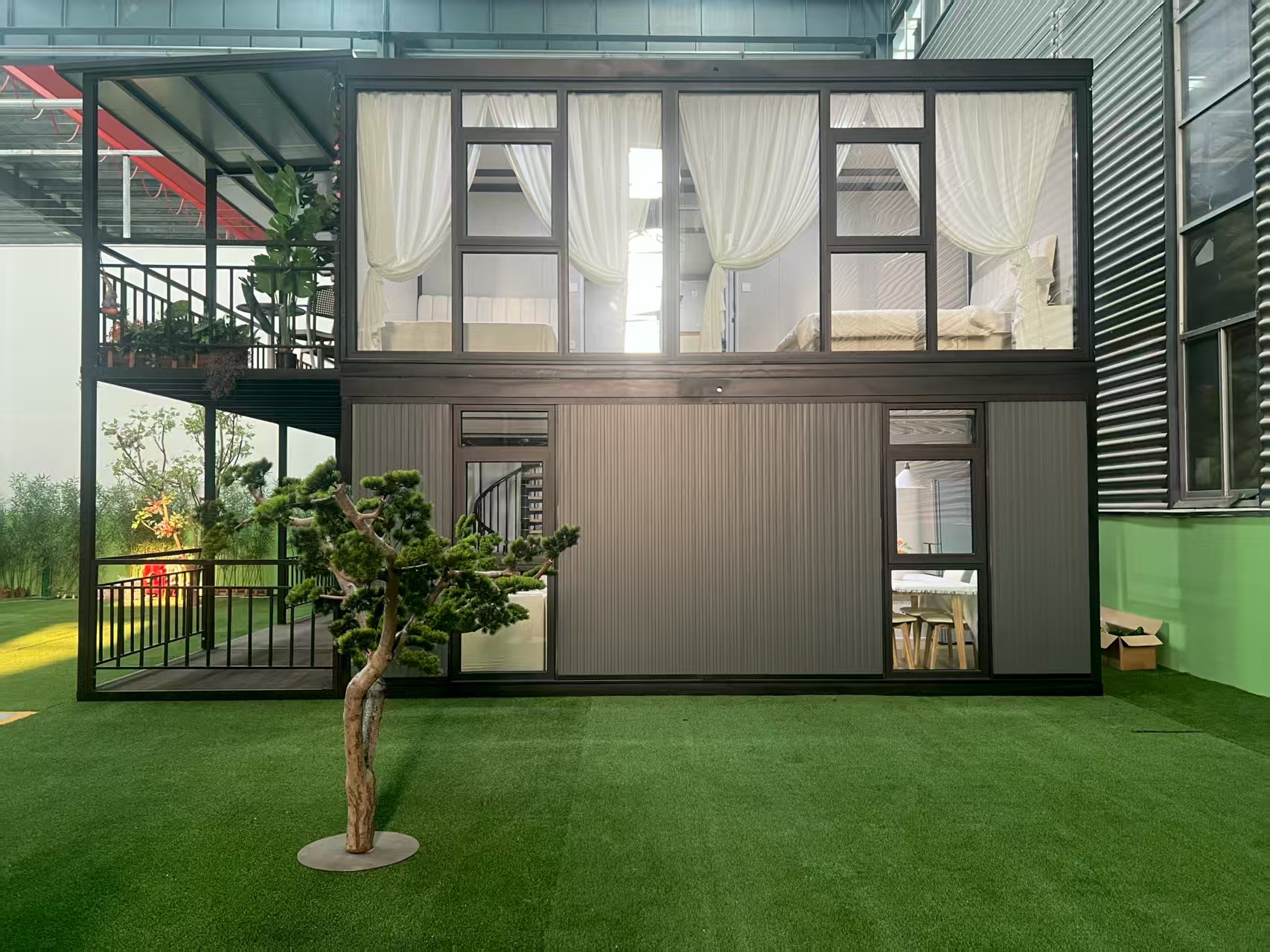
- Scalability: Multiple units can be joined side-by-side or stacked to create larger complexes, such as apartment blocks or office hubs.
- Reusability: These structures are designed to be folded, moved, and redeployed multiple times without significant degradation.
- Low Foundation Requirements: They often require only simple leveling blocks or screw piles, avoiding expensive concrete foundations.
Potential Limitations
Prospective owners should also be aware of certain constraints. The mechanical nature of the expanding walls introduces moving parts that require periodic inspection and maintenance.
While insulation has improved, metal structures can still be susceptible to condensation if not properly ventilated. Additionally, local zoning laws in some residential areas may restrict the use of container-based homes, classifying them as temporary structures rather than permanent dwellings. Always verify local regulations before purchasing.
Applications and Use Cases
The versatility of the 20ft Edukiontzi Etxe Zabaltzailea makes it suitable for a diverse array of industries and lifestyles. Its adaptability drives its growing popularity across global markets.
Construction and Mining Camps
In remote extraction sites or large infrastructure projects, housing workers is a logistical hurdle. Expandable units provide comfortable, dormitory-style accommodation that can be relocated as the project progresses. Their durability withstands harsh site conditions, and the quick setup minimizes downtime.
Disaster Relief and Emergency Housing
Following natural disasters, the need for immediate shelter is paramount. These units can be air-dropped or trucked into affected zones and expanded instantly to house displaced families. Their self-contained nature allows for rapid establishment of medical clinics or command centers.
Glamping and Tourism
The hospitality sector increasingly adopts these structures for eco-resorts and glamping sites. Their modern aesthetic and ability to blend into natural landscapes make them attractive alternatives to tents. Owners appreciate the low environmental impact and the ability to move units seasonally.
Backyard Offices and ADUs
Homeowners are utilizing expandable containers as Accessory Dwelling Units (ADUs) or home offices. The ability to deliver a large room through a standard driveway and then expand it on-site solves access issues common with traditional prefab additions.
Installation Guide: Step-by-Step Process
Proper installation ensures the longevity and safety of your 20ft Edukiontzi Etxe Zabaltzailea. While professional teams handle complex setups, understanding the general workflow is beneficial for project planning.
Preparation and Site Work
Before delivery, the site must be prepared. The ground should be level and compacted to support the unit’s weight. Uneven terrain can stress the frame and hinder the expansion mechanism.
- Step 1: Site Survey: Assess soil conditions and access routes for delivery trucks.
- Step 2: Foundation Setup: Install concrete piers, steel beams, or screw piles according to the manufacturer’s spacing guidelines.
- Step 3: Utility Planning: Mark locations for water, electricity, and sewage connections to align with the unit’s inlet points.
Deployment and Expansion
Once the unit is craned into position, the expansion process begins. Safety is paramount during this phase.
- Step 4: Unlocking: Remove all transport locks and securing straps from the exterior walls.
- Step 5: Extension: Engage the hydraulic pump or manually push the side walls outward until they click into the locked position. Ensure alignment guides match perfectly.
- Step 6: Sealing: Verify that all rubber gaskets are seated correctly to prevent water ingress. Apply additional sealant if recommended by the supplier.
- Step 7: Interior Finish: Unfold internal partitions, install flooring transitions, and connect internal electrical circuits.
Final Connections
The final stage involves connecting the unit to external utilities. Licensed electricians and plumbers should perform these connections to ensure compliance with local codes. Once connected, a thorough inspection of all systems confirms readiness for occupancy.
Mantenimendua eta iraupena
To maximize the lifespan of a 20ft Edukiontzi Etxe Zabaltzailea, a proactive maintenance routine is essential. The harsh environments these units often inhabit demand regular attention.
Inspect the sealing gaskets around the expanding walls every six months. Look for signs of cracking, tearing, or hardening, which can compromise waterproofing. Replace worn gaskets immediately to prevent leaks.
Check the structural frame for rust, especially at weld points and corners. Touch up any chips in the paint with anti-corrosive primer and matching topcoat. For hydraulic systems, follow the manufacturer’s schedule for fluid checks and pump maintenance to ensure smooth operation.
Cleaning the roof and gutters prevents water pooling, which can lead to structural stress. Keeping ventilation clear ensures healthy indoor air quality and prevents moisture buildup within the wall cavities.
Frequently Asked Questions (FAQ)
Addressing common queries helps clarify doubts regarding the feasibility and practicality of expandable container homes.
How long does it take to set up a 20ft expandable container house?
Typically, a trained team of two to four people can unfold and secure a single unit within 1 to 2 hours. This excludes the time required for crane placement and utility connections, which depend on site conditions.
Can these houses withstand extreme weather?
Yes, high-quality units are engineered to resist strong winds (up to level 10-12) and heavy snow loads. The galvanized steel frame and reinforced anchoring systems provide stability. Insulation choices further determine performance in extreme temperatures.
Is financing available for expandable container homes?
Financing options vary by region and lender. While some traditional mortgage lenders may hesitate due to the “mobile” classification, specialized equipment loans or personal property loans are commonly used. In some jurisdictions, if placed on a permanent foundation, they may qualify for standard home financing.
What is the lifespan of an expandable container house?
With proper maintenance, the structural frame can last 20 to 30 years or more. Components like seals, windows, and interior finishes may require replacement or refurbishment sooner, typically every 10 to 15 years, depending on usage intensity.
Can I customize the layout and design?
Most manufacturers offer extensive customization. You can choose window placements, door styles, interior partitions, kitchen layouts, and exterior colors. Some providers even allow branding for commercial applications.
Expert Tips for Buyers
Navigating the market requires diligence. Here are professional recommendations to ensure a successful purchase.
Verify Certifications: Always request proof of testing for fire resistance, wind load, and structural integrity. Reputable suppliers will provide detailed test reports from recognized laboratories.
Inspect Sample Units: If possible, visit a showroom or an installed site. Examine the quality of welds, the smoothness of the expansion mechanism, and the finish of interior materials firsthand.
Consider Total Logistics: Calculate the full cost of delivery. While the unit price might be competitive, remote locations can incur significant transport fees. Ask the supplier for a delivered price estimate.
Review Warranty Terms: Understand what is covered. Structural warranties often differ from warranties on mechanical parts like hydraulic pumps or finishing materials. Clear terms protect your investment.
Conclusion and Next Steps
-A 20ft Edukiontzi Etxe Zabaltzailea stands as a transformative solution in modern modular construction. By bridging the gap between portability and livable space, it offers unparalleled flexibility for industries ranging from construction to hospitality. Its ability to deploy rapidly, coupled with robust engineering and customizable features, makes it a strategic asset for dynamic housing needs.
This housing type is ideally suited for organizations requiring mobile workforce accommodation, entrepreneurs launching eco-tourism ventures, and individuals seeking efficient, sustainable living spaces. While considerations regarding maintenance and local zoning exist, the benefits of speed, scalability, and cost-efficiency often outweigh these challenges.
If you are considering integrating this technology into your project, the next step is to define your specific requirements regarding capacity, climate, and budget. Evaluate suppliers based on their technical expertise, certification records, and after-sales support. Request detailed quotations that include logistics and installation guidance to form a comprehensive project plan. Embracing this innovative housing model can streamline your operations and provide comfortable, reliable shelter wherever it is needed.