-
-
PLEI
sales@jujiuhouse.com -
Telefono
+86-17864099991 -
Telefono
+86-17854044442
- English
- Chinese
- French
- German
- Portuguese
- Spanish
- Russian
- Japanese
- Korean
- Arabic
- Irish
- Greek
- Turkish
- Italian
- Danish
- Romanian
- Indonesian
- Czech
- Afrikaans
- Swedish
- Polish
- Catalan
- Esperanto
- Hindi
- Lao
- Albanian
- Amharic
- Armenian
- Azerbaijani
- Belarusian
- Bengali
- Bosnian
- Bulgarian
- Cebuano
- Chichewa
- Corsican
- Croatian
- Dutch
- Estonian
- Filipino
- Finnish
- Frisian
- Galician
- Georgian
- Gujarati
- Haitian
- Hausa
- Hawaiian
- Hebrew
- Hmong
- Hungarian
- Icelandic
- Igbo
- Javanese
- Kannada
- Kazakh
- Khmer
- Kurdish
- Kyrgyz
- Latin
- Latvian
- Lithuanian
- Luxembou..
- Macedonian
- Malagasy
- Malay
- Malayalam
- Maltese
- Maori
- Marathi
- Mongolian
- Burmese
- Nepali
- Norwegian
- Pashto
- Persian
- Punjabi
- Serbian
- Sesotho
- Sinhala
- Slovak
- Slovenian
- Somali
- Samoan
- Scots Gaelic
- Shona
- Sindhi
- Sundanese
- Swahili
- Tajik
- Tamil
- Telugu
- Thai
- Ukrainian
- Urdu
- Uzbek
- Vietnamese
- Welsh
- Xhosa
- Yiddish
- Yoruba
- Zulu
- Kinyarwanda
- Tatar
- Oriya
- Turkmen
- Uyghur




Expandable Container House Price Guide 2026: Full Cost Analysis
2026-05-06
- Understanding the Real Expandable Container House Price in 2026
- Detailed Cost Breakdown: From Factory to Foundation
- Comparative Analysis: Base Models vs. Premium Configurations
- The Role of Integrated Manufacturing in Pricing Stability
- Operational Efficiency and Long-Term Value
- Application Scenarios and Market Suitability
- Frequently Asked Questions (FAQ)
- Final Verdict: Is the Investment Worth It?
Looking for an accurate Edukiontziaren etxearen prezioa in 2026? The total cost typically ranges from $15,000 to $45,000 USD, depending on size, finish level, and shipping logistics. This comprehensive guide breaks down every expense factor, from factory manufacturing fees to on-site installation, ensuring you understand the full financial commitment before investing in this innovative housing solution.
Understanding the Real Expandable Container House Price in 2026
The housing market has shifted dramatically towards modular solutions, with the Edukiontziaren etxearen prezioa becoming a central metric for developers and individual homeowners alike. Unlike traditional construction, where costs fluctuate wildly due to labor shortages and material delays, prefabricated expandable units offer a more predictable financial model. However, the sticker price seen in brochures rarely reflects the final landed cost.
In 2026, industry standards have evolved to include higher insulation ratings and smarter integration systems. When analyzing the Edukiontziaren etxearen prezioa, one must distinguish between the ex-factory cost and the turnkey price. The former covers only the manufacturing of the unit, while the latter includes transportation, customs duties, foundation work, and utility connections. Understanding this distinction is critical for budgeting accuracy.
Current market data suggests that while base models remain affordable, demand for premium finishes has pushed the average transaction value higher. Buyers are increasingly prioritizing energy efficiency and aesthetic customization over rock-bottom pricing. This shift influences how manufacturers structure their pricing tiers, moving away from a “one-size-fits-all” approach to a more modular cost structure.
Key Factors Influencing Manufacturing Costs
The core component of any Edukiontziaren etxearen prezioa is the manufacturing expense. This is determined by the quality of raw materials, specifically the steel frame thickness and the type of wall panels used. In recent years, the industry has moved towards galvanized steel frames to enhance durability against corrosion, which slightly increases the initial outlay but reduces long-term maintenance costs.
- Steel Frame Quality: High-tensile strength steel ensures structural integrity during expansion and contraction cycles.
- Insulation Materials: Options range from standard EPS to premium Rock Wool or PU foam, significantly impacting thermal performance and cost.
- Flooring Systems: The choice between basic plywood, fiber cement boards, or luxury vinyl tiles alters the price per square meter.
- Window and Door Specifications: Double-glazed aluminum windows are now standard, but triple-glazing or smart glass options add to the premium.
Furthermore, the complexity of the folding mechanism plays a crucial role. A robust hydraulic or manual folding system requires precise engineering to ensure seamless operation over thousands of cycles. Cheaper units often compromise on these mechanical components, leading to potential failures post-installation. Therefore, a lower Edukiontziaren etxearen prezioa at the factory gate may signal compromised mechanical reliability.
Detailed Cost Breakdown: From Factory to Foundation
To truly grasp the financial landscape, we must dissect the Edukiontziaren etxearen prezioa into its constituent parts. Many buyers make the mistake of focusing solely on the unit cost, neglecting the substantial expenses incurred during logistics and site preparation. A holistic view reveals that the unit itself often accounts for only 50% to 60% of the total project budget.
Logistics is perhaps the most volatile variable. Shipping rates fluctuate based on global fuel prices and container availability. An expandable house, despite its compact folded state, still occupies significant volume and weight capacity. For international buyers, ocean freight, insurance, and port handling fees can add thousands of dollars to the bottom line.
Once the unit arrives, site-specific costs come into play. Unlike traditional homes that require months of on-site labor, expandable houses need a prepared foundation and utility hookups. These “soft costs” are often overlooked in initial quotes but are essential for habitability. Ignoring them can lead to budget overruns that negate the savings gained from choosing a prefabricated solution.
Transportation and Logistics Expenses
The logistics chain is a major driver of the final Edukiontziaren etxearen prezioa. Since these units are designed to fold, multiple houses can be shipped in a single 40-foot high-cube container, optimizing freight efficiency. Typically, two to three folded units fit into one shipping container, which drastically reduces the per-unit shipping cost compared to standard flat-pack or fully assembled modules.
- Ocean Freight: Varies by route; popular lanes from manufacturing hubs to North America or Europe have stabilized rates in 2026.
- Inland Transportation: Trucking from the port to the final site requires specialized trailers capable of handling wide loads once unfolded.
- Customs and Duties: Import tariffs vary significantly by country and must be calculated based on the HS code for prefabricated buildings.
- Crane Services: Unloading and positioning the unit requires a mobile crane, the cost of which depends on site accessibility and unit weight.
It is important to note that remote locations incur higher logistics premiums. If your building site is difficult to access with large trucks, you may need additional equipment or manual labor to move the unit, further inflating the Edukiontziaren etxearen prezioa. Planning the logistics route in advance is as important as selecting the house model itself.
Site Preparation and Foundation Costs
One of the selling points of expandable housing is minimal site disruption, but this does not mean zero site cost. A stable foundation is non-negotiable for structural safety and longevity. The type of foundation required will influence the overall project cost and should be factored into your Edukiontziaren etxearen prezioa analysis.
Concrete slabs are the most common foundation type, offering a solid base that also serves as the ground floor if the unit does not include integrated flooring. Alternatively, pier foundations or screw piles are excellent for uneven terrain or environmentally sensitive areas where digging is restricted. These options can sometimes be more cost-effective than a full slab, depending on local labor rates.
Utility connections represent another significant line item. While the house comes pre-wired and pre-plumbed internally, connecting to external power grids, water mains, and sewage systems requires licensed professionals. In off-grid scenarios, the cost of solar panels, battery storage, and septic tanks must be added to the budget, potentially doubling the investment compared to a grid-connected setup.
Comparative Analysis: Base Models vs. Premium Configurations
Not all expandable homes are created equal. The market offers a spectrum of configurations, ranging from bare-bones shelters to luxury retreats. Understanding the differences between these tiers is essential for interpreting the Edukiontziaren etxearen prezioa accurately. The gap between a base model and a premium unit is not just in aesthetics; it lies in performance, durability, and comfort.
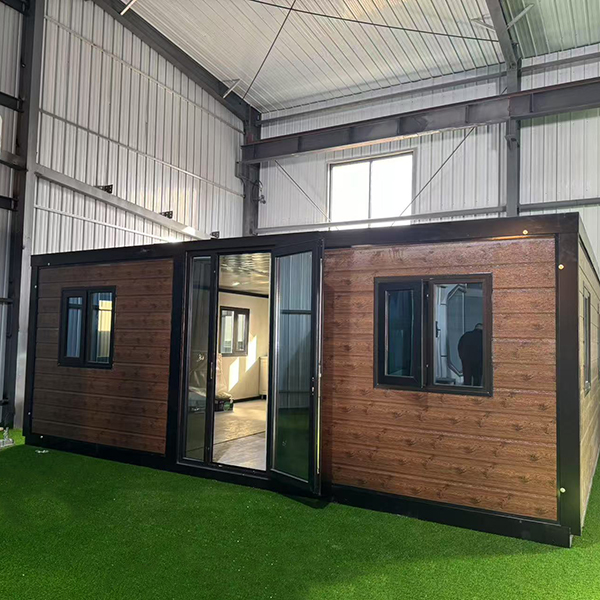
Base models are designed for functionality and speed. They often feature simpler interior finishes, standard insulation, and basic fixtures. These are ideal for temporary worker accommodations, emergency relief housing, or budget-conscious startups. The Edukiontziaren etxearen prezioa for these units is kept low by minimizing non-essential features and using standardized components.
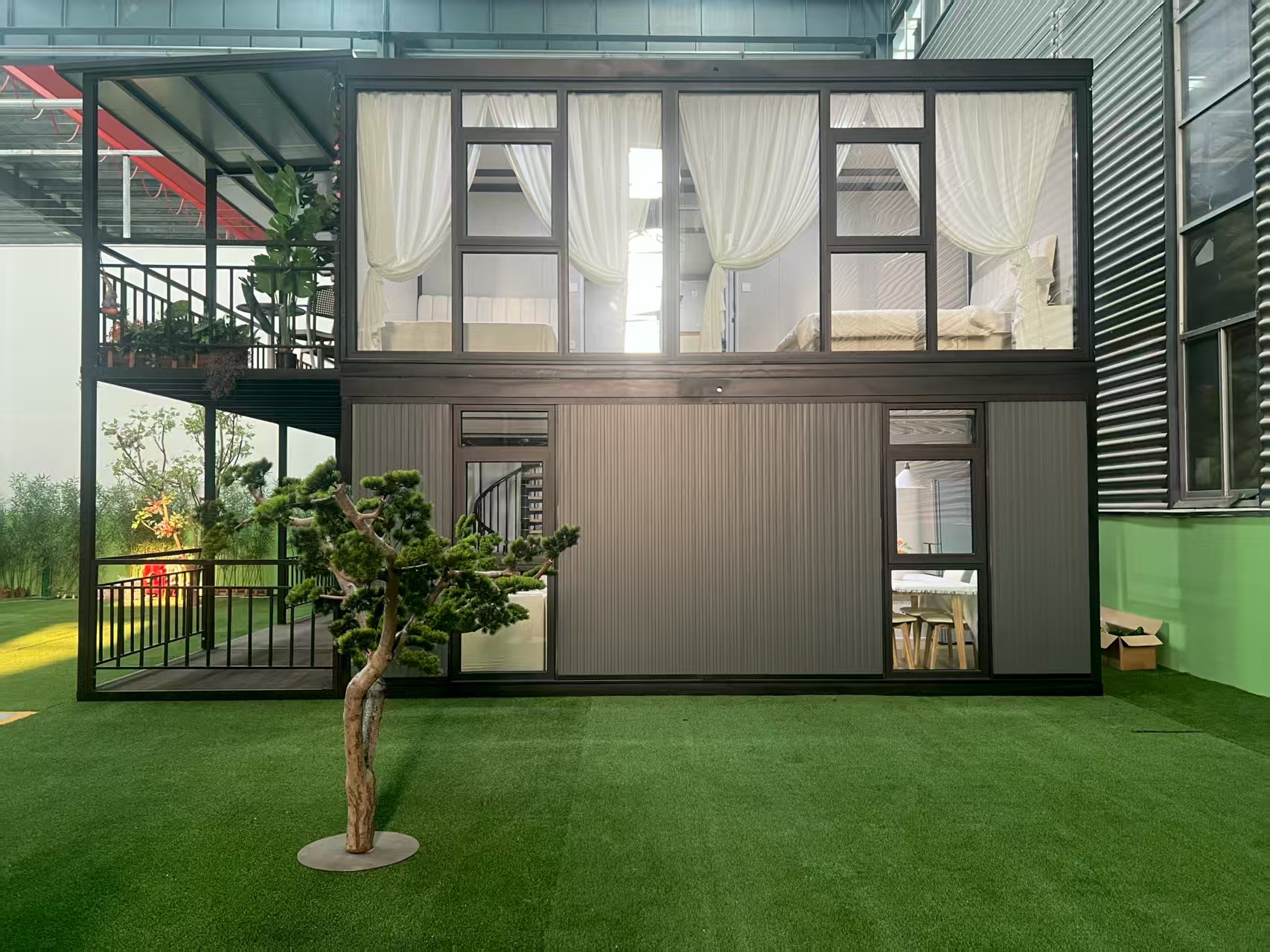
Premium configurations, on the other hand, target the residential and hospitality sectors. They boast high-end finishes like hardwood flooring, stone countertops, and smart home integration. The insulation packages are superior, ensuring year-round comfort in extreme climates. While the upfront Edukiontziaren etxearen prezioa is higher, the return on investment through rental yield or property value appreciation is often superior.
| Bereizgarri | Base Model | Premium Configuration |
|---|---|---|
| Wall Insulation | 50mm EPS / Rock Wool | 75mm – 100mm PU Foam / High-Density Rock Wool |
| Flooring | Standard Plywood + Vinyl | Luxury Vinyl Tile (LVT) or Laminate Wood |
| Windows | Single Glazed / Basic Aluminum | Double/Triple Glazed / Thermal Break Aluminum |
| Interior Finish | Basic White Panels | Textured Wallpapers, Integrated Lighting, Custom Cabinetry |
| Electrical System | Standard Wiring & Outlets | Smart Home Ready, USB Ports, LED Dimming Systems |
| Estimated Price Range | $15,000 – $22,000 | $30,000 – $45,000+ |
This table illustrates how specific upgrades impact the Edukiontziaren etxearen prezioa. For instance, upgrading from single to double glazing not only improves thermal efficiency but also enhances soundproofing, a critical factor for residential use. Similarly, better insulation reduces long-term energy bills, offsetting the higher initial purchase price over time.
The Role of Integrated Manufacturing in Pricing Stability
While market forces dictate raw material costs, the internal capabilities of a manufacturer play a pivotal role in stabilizing the final Edukiontziaren etxearen prezioa. Companies that control the entire supply chain—from R&D and design to production and installation—can offer more competitive and transparent pricing structures. A prime example of this industrial integration is Shandong Jujiu Etxebizitza Integratua Co., Ltd.
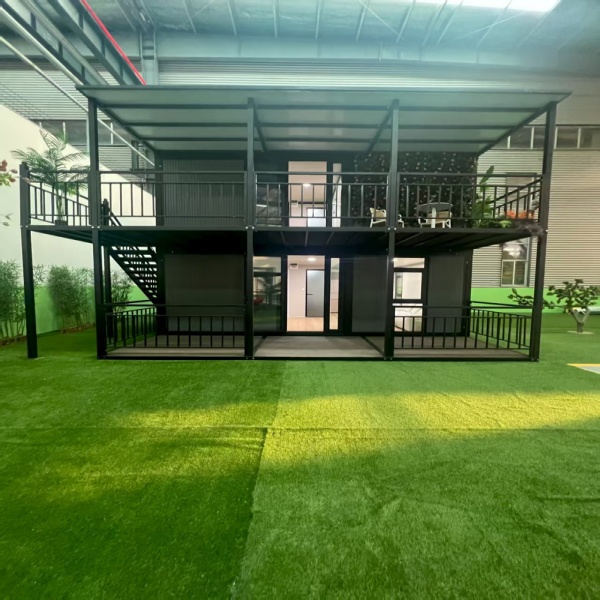
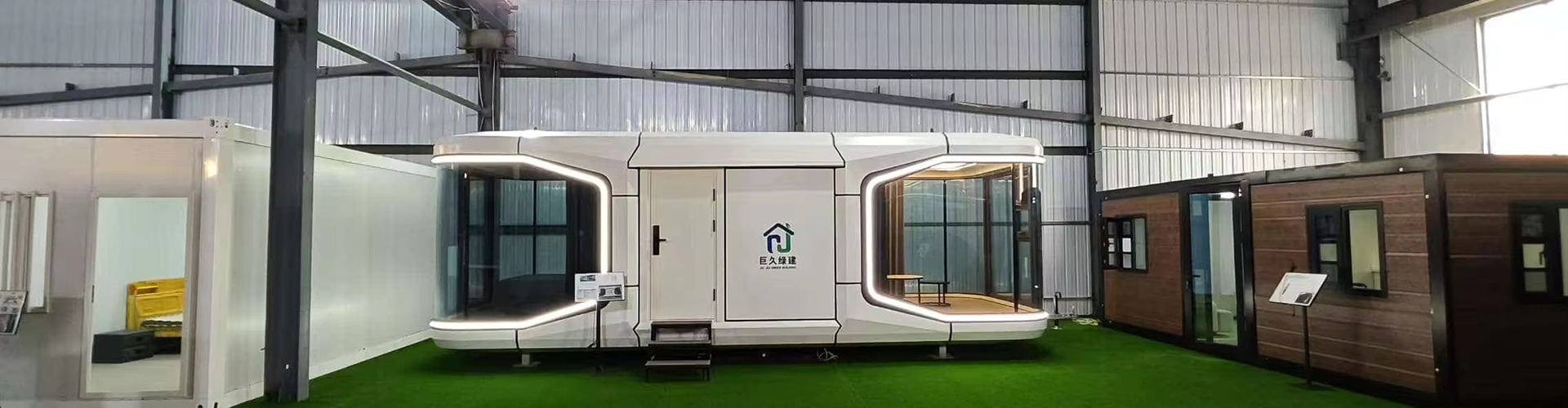
As a rising star in the integrated housing sector, Shandong Jujiu has established itself as a comprehensive industrial enterprise. Unlike smaller workshops that outsource critical components, Jujiu integrates research, design, optimization, production, sales, and installation under one roof. Their product portfolio spans packing box rooms, movable board rooms, light steel villas, and specialized steel structure engineering projects. This vertical integration allows them to maintain strict quality control while optimizing costs, directly benefiting the end-user’s budget.
With a production facility covering over 200 acres and a workforce of more than 100 skilled professionals, the company has achieved a preliminary level of industrialization that supports an annual capacity of 20,000 packaging box sets. Despite being a relatively young player with just four years of rapid development, Jujiu has built a mature ecosystem including a complete supply chain management system and a professional logistics team. This infrastructure ensures that the quoted Edukiontziaren etxearen prezioa includes reliable delivery and expert installation services, reducing the risk of hidden costs for international buyers.
The company specializes in diverse integrated housing solutions, including double wing extension rooms, folding rooms, folding beds, and the innovative folding push-pull apple cabin. Their commitment to superior factory control standards—exceeding both domestic and international benchmarks—ensures that every unit meets rigorous expectations for durability and finish. Furthermore, Jujiu’s dedicated after-sales service system provides full-range technical support, safeguarding customer interests long after the initial transaction. For buyers evaluating the Edukiontziaren etxearen prezioa, partnering with such a fully integrated manufacturer offers peace of mind regarding product consistency and long-term support.
Operational Efficiency and Long-Term Value
When evaluating the Edukiontziaren etxearen prezioa, it is imperative to look beyond the initial purchase tag. The true cost of ownership includes operational expenses such as heating, cooling, and maintenance. High-quality expandable homes are engineered for energy efficiency, which translates to significant savings over the lifespan of the structure.
The design of these units inherently supports passive heating and cooling strategies. The tight seals achieved during the unfolding process minimize air leakage, a common issue in traditional modular construction. Combined with high-performance insulation, this creates a thermally efficient envelope that reduces the load on HVAC systems.
Maintenance costs are generally lower than those of traditional stick-built homes. The steel frame is resistant to termites and rot, common problems in wooden structures. Exterior cladding materials are chosen for their weather resistance, requiring little more than occasional cleaning. This durability ensures that the asset retains its value, making the Edukiontziaren etxearen prezioa a sound long-term investment.
Maintenance Considerations for Longevity
To maximize the lifespan of your investment, regular maintenance is key. While the structure is robust, the moving parts of the expansion mechanism require attention. Lubricating hinges and checking seals annually can prevent water ingress and mechanical jams. Neglecting these simple tasks could lead to costly repairs that undermine the economic benefits of the initial Edukiontziaren etxearen prezioa.
- Seal Inspection: Check rubber gaskets around windows and folding joints for wear and tear.
- Roof Drainage: Ensure gutters and drainage paths are clear to prevent water pooling on the roof.
- Structural Checks: Inspect the steel frame for any signs of rust, especially in coastal environments.
- Interior Systems: Regularly service HVAC units and check plumbing for leaks, just as in a traditional home.
Manufacturers often provide warranty packages that cover structural defects and mechanical failures. Understanding the terms of these warranties is part of the purchasing decision. A slightly higher Edukiontziaren etxearen prezioa that includes a comprehensive 5-year warranty may offer better peace of mind than a cheaper unit with limited coverage.
Application Scenarios and Market Suitability
The versatility of expandable container homes has opened up diverse market segments. From urgent disaster relief to luxury glamping resorts, the application dictates the required specifications and, consequently, the Edukiontziaren etxearen prezioa. Identifying the right use case helps in selecting the most cost-effective configuration.
In the construction industry, these units serve as ideal site offices and worker dormitories. Their rapid deployment means projects can start sooner, reducing overhead costs. For humanitarian organizations, the ability to ship large quantities of housing in a single container load is invaluable for responding to crises quickly.
The hospitality sector has also embraced this technology. Eco-resorts and Airbnb hosts utilize expandable homes to create unique, low-impact accommodations. The aesthetic flexibility allows these units to blend seamlessly into natural landscapes. Here, the Edukiontziaren etxearen prezioa is justified by the high nightly rental rates these distinctive properties can command.
Residential vs. Commercial Use Cases
For permanent residential use, the focus shifts towards comfort, compliance with local building codes, and aesthetic integration. Homeowners often opt for multi-unit configurations to create larger living spaces. This involves connecting several expandable units, which requires careful planning of the layout and utilities. The cumulative Edukiontziaren etxearen prezioa for a multi-unit home competes favorably with traditional construction when speed and labor savings are accounted for.
Commercial applications, such as pop-up retail stores or medical clinics, prioritize modularity and mobility. The ability to relocate the entire structure is a unique advantage. In these scenarios, the Edukiontziaren etxearen prezioa includes the cost of frequent transport and re-setup. Durability becomes paramount, as the unit must withstand repeated folding and unfolding cycles without degradation.
Regardless of the application, the core value proposition remains the same: speed, efficiency, and scalability. Whether housing workers on a remote mine site or providing a vacation rental in the mountains, the expandable container house offers a flexible solution that adapts to changing needs without the permanence and high cost of traditional building methods.
Frequently Asked Questions (FAQ)
As interest in modular living grows, so do the questions surrounding the Edukiontziaren etxearen prezioa and logistics. Below are answers to some of the most common inquiries to help clarify the buying process.
How much does shipping cost for an expandable container house?
Shipping costs vary widely based on distance, fuel prices, and port fees. Generally, because 2-3 units fit in one 40ft container, the per-unit shipping cost is optimized. Expect to pay between $2,000 and $8,000 per unit for international shipping, excluding inland trucking and customs duties. Always request a CIF (Cost, Insurance, and Freight) quote for accuracy.
Can I customize the layout to reduce the expandable container house price?
Customization usually increases the Edukiontziaren etxearen prezioa rather than reducing it. Standard models benefit from mass production efficiencies. However, minor customizations like window placement or interior color schemes may be available at little to no extra cost. Major structural changes will require engineering time and bespoke manufacturing, driving up the price.
What is the lifespan of an expandable container house?
With proper maintenance, these structures can last 20 to 30 years or more. The galvanized steel frame is highly durable, and replaceable components like wall panels and seals can extend the usable life. The longevity justifies the initial Edukiontziaren etxearen prezioa when amortized over decades of use.
Are expandable homes compliant with US and EU building codes?
Compliance depends on the specific manufacturer and the model purchased. Many reputable manufacturers design their units to meet international standards (ISO) and can provide documentation to assist with local permitting. However, it is the buyer’s responsibility to verify compliance with local zoning laws and building codes before purchasing. Some regions may require additional on-site modifications to meet strict energy or safety regulations.
How quickly can the house be installed after delivery?
One of the primary advantages is speed. Once the foundation is ready and the unit is delivered, a team of 4-6 people can unfold and secure a single unit in less than a day. Utility connections may take an additional 1-3 days depending on complexity. This rapid timeline significantly reduces labor costs compared to traditional builds.
Final Verdict: Is the Investment Worth It?
Navigating the Edukiontziaren etxearen prezioa landscape in 2026 requires a clear understanding of both immediate costs and long-term value. While the upfront price tag may seem attractive, the true economic picture emerges only when logistics, site work, and operational efficiency are considered. For those seeking speed, flexibility, and modern sustainability, this housing solution offers a compelling alternative to conventional construction.
The ideal candidate for this investment is someone who values time as much as money. Whether you are a developer looking to scale housing projects rapidly, a business needing temporary workforce accommodation, or an individual dreaming of a quick-to-build backyard studio or vacation home, the expandable container house delivers on its promises. The key lies in selecting the right configuration that balances your budget with your performance requirements.
As you move forward, we recommend obtaining detailed quotes that break down every element of the Edukiontziaren etxearen prezioa. Do not hesitate to ask manufacturers about warranty terms, shipping logistics, and compliance documentation. By doing your due diligence, you can secure a high-quality asset that stands the test of time and provides a comfortable, efficient living space for years to come.
Taking the next step involves defining your specific needs and reaching out to trusted suppliers for tailored proposals. With the right planning, the dream of affordable, modern, and sustainable living is well within reach through the innovative world of expandable container architecture.