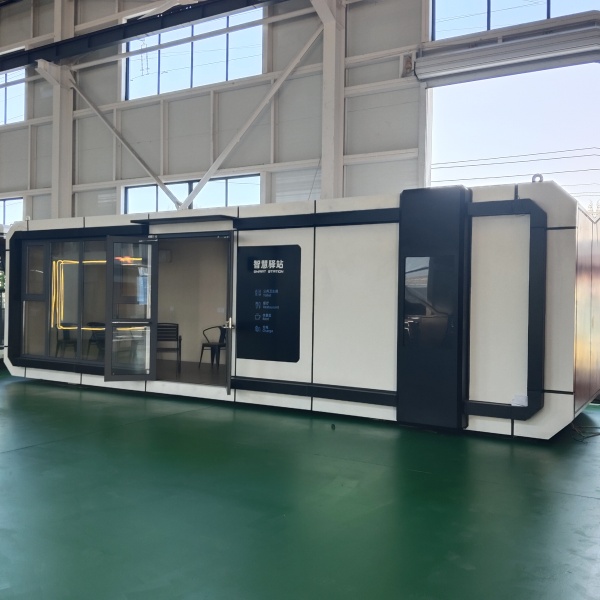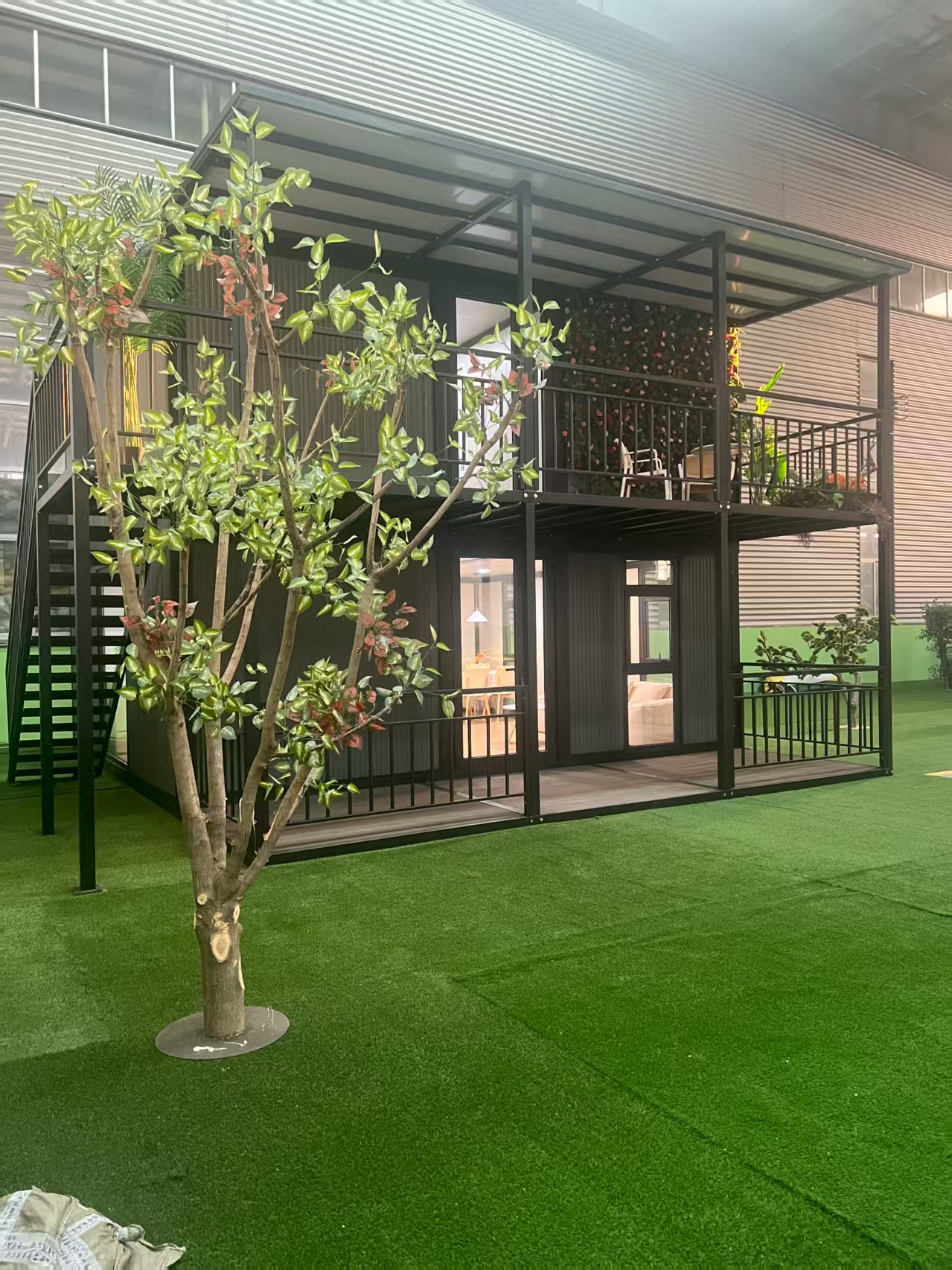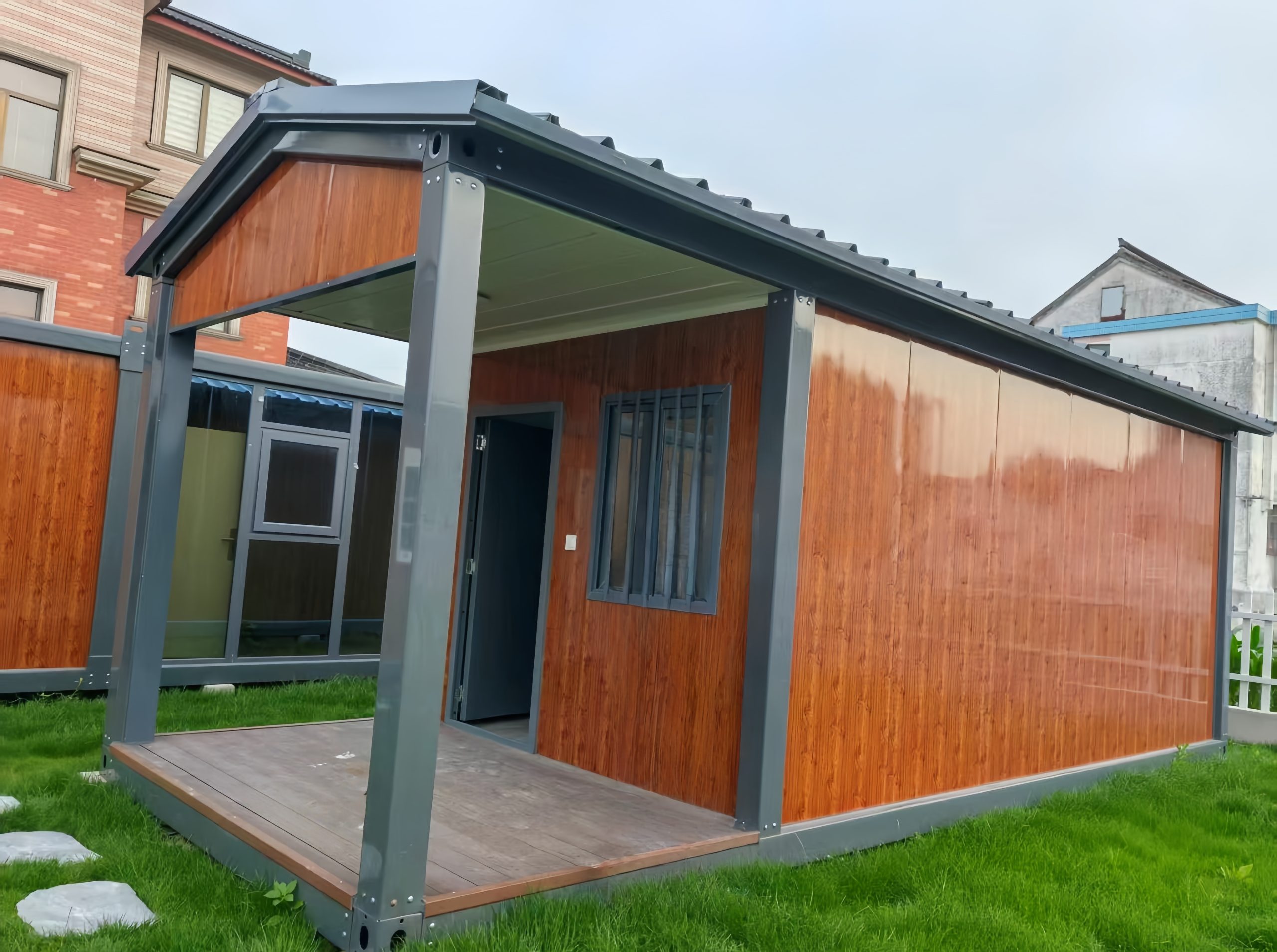
-
-
PLEI
sales@jujiuhouse.com -
Telefono
+86-17864099991 -
Telefono
+86-17854044442
- English
- Chinese
- French
- German
- Portuguese
- Spanish
- Russian
- Japanese
- Korean
- Arabic
- Irish
- Greek
- Turkish
- Italian
- Danish
- Romanian
- Indonesian
- Czech
- Afrikaans
- Swedish
- Polish
- Catalan
- Esperanto
- Hindi
- Lao
- Albanian
- Amharic
- Armenian
- Azerbaijani
- Belarusian
- Bengali
- Bosnian
- Bulgarian
- Cebuano
- Chichewa
- Corsican
- Croatian
- Dutch
- Estonian
- Filipino
- Finnish
- Frisian
- Galician
- Georgian
- Gujarati
- Haitian
- Hausa
- Hawaiian
- Hebrew
- Hmong
- Hungarian
- Icelandic
- Igbo
- Javanese
- Kannada
- Kazakh
- Khmer
- Kurdish
- Kyrgyz
- Latin
- Latvian
- Lithuanian
- Luxembou..
- Macedonian
- Malagasy
- Malay
- Malayalam
- Maltese
- Maori
- Marathi
- Mongolian
- Burmese
- Nepali
- Norwegian
- Pashto
- Persian
- Punjabi
- Serbian
- Sesotho
- Sinhala
- Slovak
- Slovenian
- Somali
- Samoan
- Scots Gaelic
- Shona
- Sindhi
- Sundanese
- Swahili
- Tajik
- Tamil
- Telugu
- Thai
- Ukrainian
- Urdu
- Uzbek
- Vietnamese
- Welsh
- Xhosa
- Yiddish
- Yoruba
- Zulu
- Kinyarwanda
- Tatar
- Oriya
- Turkmen
- Uyghur




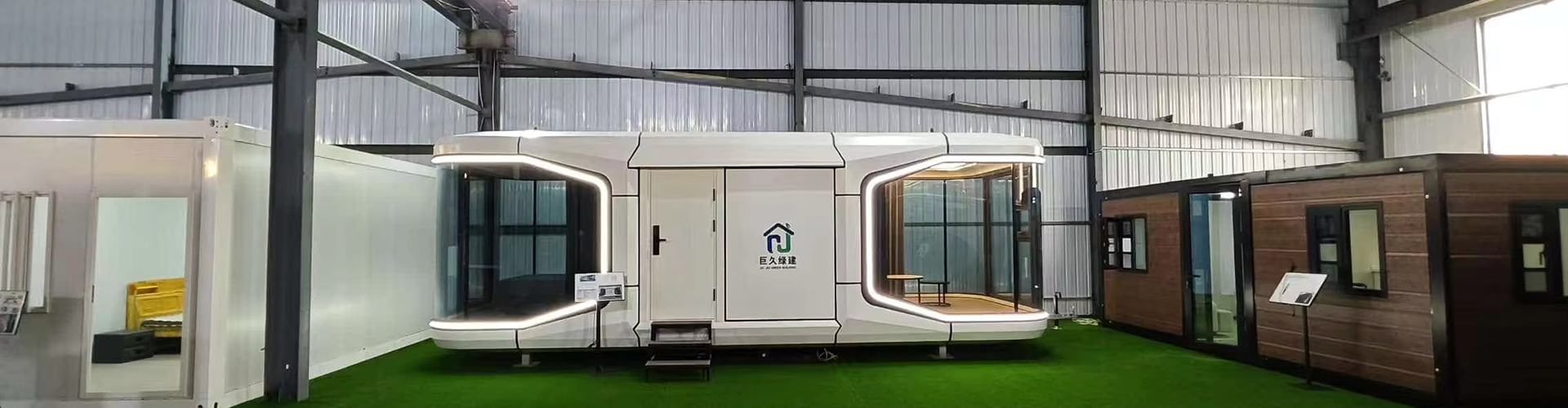
China Good Price Folding Shipping Container House Factory
2026-10-23
- Why Choose a Folding Shipping Container House?
- How to Identify a Good Price Folding Shipping Container House Factory
- Technical Specifications and Material Standards
- Application Scenarios for Folding Container Houses
- Step-by-Step Installation Guide
- Common Mistakes to Avoid When Buying
- FAQ: Frequently Asked Questions
- Conclusion: Securing Value in Modular Housing
Folding shipping container houses offer a cost-effective, rapid-deployment solution for temporary and permanent housing needs. Sourced directly from a good price folding shipping container house factory, these structures reduce logistics costs by up to 70% compared to standard flat-pack or welded units. In 2026, buyers prioritize manufacturers who combine industrial-scale production with rigorous quality control to ensure durability and compliance. Shandong Jujiu Integrated Housing Co., Ltd. exemplifies this balance, delivering high-volume, precision-engineered folding units that meet international standards while maintaining competitive pricing for B2B and wholesale clients.
Why Choose a Folding Shipping Container House?
The global demand for modular housing has shifted towards solutions that optimize both transportation efficiency and installation speed. A folding container house is engineered to collapse into a compact flat pack, allowing multiple units to be stacked within a single 40HQ shipping container. This design fundamentally alters the economics of modular construction.
For project managers and procurement officers, the primary advantage lies in logistics. Traditional welded container homes occupy significant volume during transit, limiting the number of units per shipment. In contrast, folding designs maximize cargo space. This efficiency translates directly into lower freight costs per unit, making it possible to source high-quality housing from overseas manufacturers without eroding profit margins through excessive shipping fees.
Beyond logistics, the structural integrity of modern folding units has improved significantly. Advanced hinge mechanisms and reinforced corner posts ensure that once expanded and locked, the structure rivals the stability of traditional steel buildings. This makes them suitable for diverse applications, from remote worker accommodations to emergency disaster relief shelters.
Key Advantages of Folding Designs
- Transport Efficiency: One 40HQ container can typically hold 6-8 folded units, drastically reducing shipping costs per square meter.
- Rapid Installation: Two workers can assemble a fully finished unit in under 30 minutes, minimizing on-site labor costs.
- Structural Durability: Constructed with galvanized steel frames and sandwich panel walls, offering resistance to wind, seismic activity, and corrosion.
- Cost Effectiveness: Lower manufacturing and logistics costs result in a better overall price point for bulk buyers.
How to Identify a Good Price Folding Shipping Container House Factory
Finding a manufacturer that offers a “good price” does not mean compromising on quality. In the B2B sector, value is defined by the ratio of durability, compliance, and service to the total landed cost. Many buyers mistakenly focus solely on the ex-factory price, ignoring hidden costs such as poor insulation, non-compliant electrical systems, or fragile locking mechanisms that fail during transit.
A reputable factory integrates research and development with large-scale production. For instance, Shandong Jujiu Etxebizitza Integratua Co., Ltd. has established itself as a rising star in the integrated housing industry by combining R&D with industrialized production. With an annual production capacity of 20,000 sets and a facility covering over 200 acres, the company leverages economies of scale to offer competitive pricing without sacrificing material quality.
When evaluating suppliers, look for evidence of a complete supply chain management system. Factories that control their own raw material sourcing, processing, and assembly lines can better manage costs and quality consistency. Additionally, a professional logistics team and installation service system are critical indicators of a mature manufacturer. These capabilities ensure that the product arrives intact and that any technical issues are resolved promptly, protecting the buyer’s investment.
Critical Evaluation Criteria for Manufacturers
| Evaluation Factor | High-Quality Factory Traits | Risk Indicators |
|---|---|---|
| Production Capacity | Industrialized lines, high annual output (e.g., 20,000+ sets), standardized workflows. | Workshop-style operations, inconsistent lead times, inability to handle bulk orders. |
| Material Quality | Galvanized steel frames, fire-rated rock wool or PU sandwich panels, certified electrical components. | Thin-gauge steel, non-fire-resistant foam cores, unbranded wiring. |
| Technical Support | Dedicated engineering team, detailed assembly manuals, after-sales service system. | No technical documentation, limited communication, no warranty support. |
| Logistics Integration | In-house logistics planning, optimized packing for container loading, damage prevention protocols. | Poor packing strategies, frequent transit damage, lack of export experience. |
Technical Specifications and Material Standards
Understanding the technical composition of a folding container house is essential for making an informed purchasing decision. The “good price” attribute should never come at the expense of safety or longevity. In 2026, industry standards dictate specific requirements for frame strength, wall insulation, and flooring load-bearing capacity.
The core structure typically consists of a light steel frame made from galvanized steel profiles. Galvanization is crucial as it provides a protective layer against rust and corrosion, extending the lifespan of the building to 15-20 years or more. The walls and roof are constructed using sandwich panels, which provide both structural rigidity and thermal insulation. Common core materials include rock wool, glass wool, or polyurethane (PU) foam, each offering different levels of fire resistance and thermal performance.
Shandong Jujiu Integrated Housing Co., Ltd. emphasizes superior factory control standards to meet customer expectations. Their technical team ensures that every component, from the folding hinges to the locking pins, undergoes rigorous testing. This attention to detail minimizes the risk of mechanical failure during the expansion process, a common issue with lower-quality units.
Standard Component Breakdown
- Frame: Hot-dip galvanized steel columns and beams, ensuring high tensile strength and corrosion resistance.
- Wall Panels: 50mm-75mm thick sandwich panels with color steel sheets on both sides. Options include rock wool for fire safety or PU for superior insulation.
- Flooring: 18mm MGO board or cement fiberboard, capable of supporting heavy furniture and foot traffic.
- Roofing: Insulated sandwich panels with integrated drainage systems to prevent water accumulation.
- Windows and Doors: Aluminum alloy sliding windows with double-glazed glass and secure steel entry doors.
- Electrical System: Pre-installed LED lighting, switches, and sockets compliant with international voltage standards (110V/220V).
Application Scenarios for Folding Container Houses
The versatility of folding container houses makes them suitable for a wide range of sectors. Their ability to be deployed quickly and relocated easily addresses the dynamic needs of modern industries. Whether for temporary workforce housing or permanent commercial structures, these units provide a flexible solution.
In the construction industry, site offices and worker dormitories are the most common applications. The rapid assembly means that housing can be ready immediately upon site arrival, reducing project delays. For mining and energy projects in remote locations, the durability and insulation of these units ensure comfortable living conditions despite harsh environments.
Emergency relief organizations also rely on folding containers for disaster response. The compact storage allows for stockpiling large quantities of housing units, which can be air-lifted or shipped to affected areas and assembled within hours. Furthermore, the tourism sector is increasingly adopting these structures for glamping sites and eco-resorts, leveraging their minimal environmental footprint and aesthetic customization options.
Industry-Specific Use Cases
- Construction & Mining: Worker accommodations, site offices, canteens, and sanitation blocks.
- Emergency Relief: Temporary shelters, medical clinics, and command centers for disaster zones.
- Commercial & Retail: Pop-up shops, ticket booths, and portable kiosks for events.
- Tourism & Hospitality: Glamping pods, resort cabins, and guest houses in scenic locations.
- Educational & Institutional: Temporary classrooms, laboratories, and staff housing.
Step-by-Step Installation Guide
One of the selling points of a folding container house is its ease of installation. However, proper procedure is vital to ensure structural integrity and safety. While professional installation teams are recommended for large projects, the design allows for straightforward assembly by trained personnel.
The process begins with site preparation. The ground must be level and stable, typically requiring a concrete foundation or steel piers. Once the base is ready, the folded unit is unloaded from the truck using a crane or forklift. It is then positioned onto the foundation.
The expansion phase involves lifting the roof section and pulling out the side walls. Hydraulic or manual jacks are used to raise the roof to its full height. Once extended, the side walls are locked into place using heavy-duty pins and bolts. This step requires precision to ensure that all locking mechanisms engage correctly.
After the structure is expanded, internal connections are made. Electrical wiring, which is pre-installed in the walls, needs to be connected to the main power supply. Plumbing fixtures, if included, are also connected at this stage. Finally, interior finishes such as flooring seams and wall joints are sealed to ensure weatherproofing.
Installation Checklist
- Site Prep: Ensure a level, solid foundation is in place.
- Unloading: Carefully offload the folded unit using appropriate lifting equipment.
- Positioning: Align the unit precisely on the foundation markers.
- Expansion: Lift the roof and extend side walls using designated tools.
- Locking: Secure all structural pins, bolts, and hinges tightly.
- Utilities: Connect electrical and plumbing systems according to local codes.
- Inspection: Check all seals, locks, and connections for security and weatherproofing.
Common Mistakes to Avoid When Buying
Procuring folding container houses involves several pitfalls that can lead to increased costs and operational headaches. Awareness of these common errors helps buyers make smarter decisions.
First, ignoring shipping dimensions is a frequent mistake. While folding units are compact, their weight and folded dimensions must align with container loading plans. Overlooking this can result in inefficient container usage or unexpected freight surcharges. Second, underestimating insulation needs can lead to uncomfortable living conditions. Buyers often choose the cheapest panel option without considering the local climate, resulting in poor thermal performance.
Another critical error is neglecting after-sales support. Modular buildings may require minor adjustments or part replacements over time. Working with a factory like Shandong Jujiu Integrated Housing Co., Ltd., which has established a perfect after-sales service system, ensures that technical support is available when needed. This protects the rights and interests of customers and extends the usable life of the housing units.
FAQ: Frequently Asked Questions
What is the lifespan of a folding container house?
With proper maintenance and high-quality materials such as galvanized steel and durable sandwich panels, a folding container house can last 15 to 20 years. Regular inspection of seals and structural connections can further extend this lifespan.
How many units fit in a 40HQ container?
Typically, 6 to 8 folded units can be loaded into a standard 40HQ shipping container. This high density significantly reduces the shipping cost per unit compared to traditional flat-pack or welded containers.
Can folding container houses withstand extreme weather?
Yes, when manufactured to industry standards, these houses are designed to withstand wind speeds of up to 100 km/h and seismic activity of magnitude 8. The choice of wall panel thickness and core material also determines their resistance to extreme temperatures.
Is customization available for these units?
Most reputable manufacturers offer customization options for layout, window placement, electrical configurations, and exterior colors. Shandong Jujiu Integrated Housing Co., Ltd., for example, produces various integrated housing products including double wing extension rooms and folding push-pull apple cabins, catering to diverse client requirements.
What is the installation time for one unit?
Two experienced workers can typically install and secure a standard folding container house in 30 to 45 minutes. Additional time may be required for utility connections and interior finishing.
Conclusion: Securing Value in Modular Housing
In the evolving landscape of modular construction, securing a Prezio ona Bidalketa Edukiontzi Etxea requires a strategic approach to supplier selection. It is not merely about finding the lowest initial cost, but about identifying a partner who delivers value through quality, efficiency, and reliability. The integration of advanced manufacturing processes, robust supply chain management, and comprehensive after-sales support defines the true cost-effectiveness of these structures.
Shandong Jujiu Integrated Housing Co., Ltd. demonstrates how modern industrial enterprises meet these demands. With a substantial production capacity, a skilled technical team, and a commitment to international quality standards, the company provides a reliable source for high-performance folding housing solutions. Their ability to offer a full range of solutions, from R&D to installation, ensures that clients receive products that are not only affordable but also durable and fit for purpose.
For businesses looking to optimize their housing infrastructure, whether for construction sites, emergency relief, or commercial ventures, partnering with a verified manufacturer is the key to success. By focusing on technical specifications, logistical efficiency, and long-term support, buyers can maximize their return on investment.
Ready to optimize your housing project? Evaluate your specific requirements for size, insulation, and quantity. Contact our team to discuss customized solutions and obtain a detailed quote tailored to your logistical needs.
Explore our full range of folding container houses and technical specifications