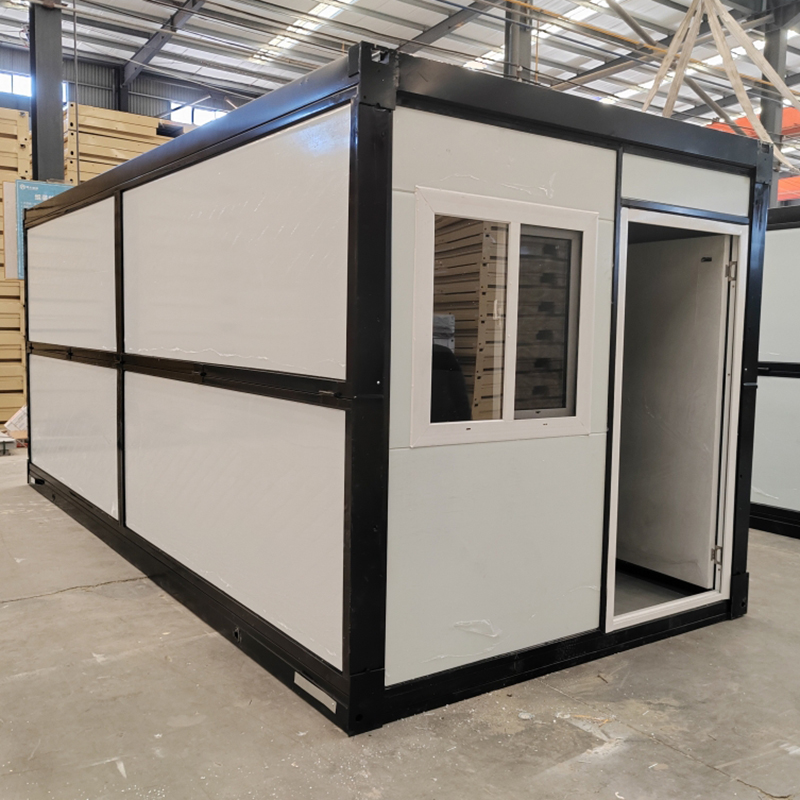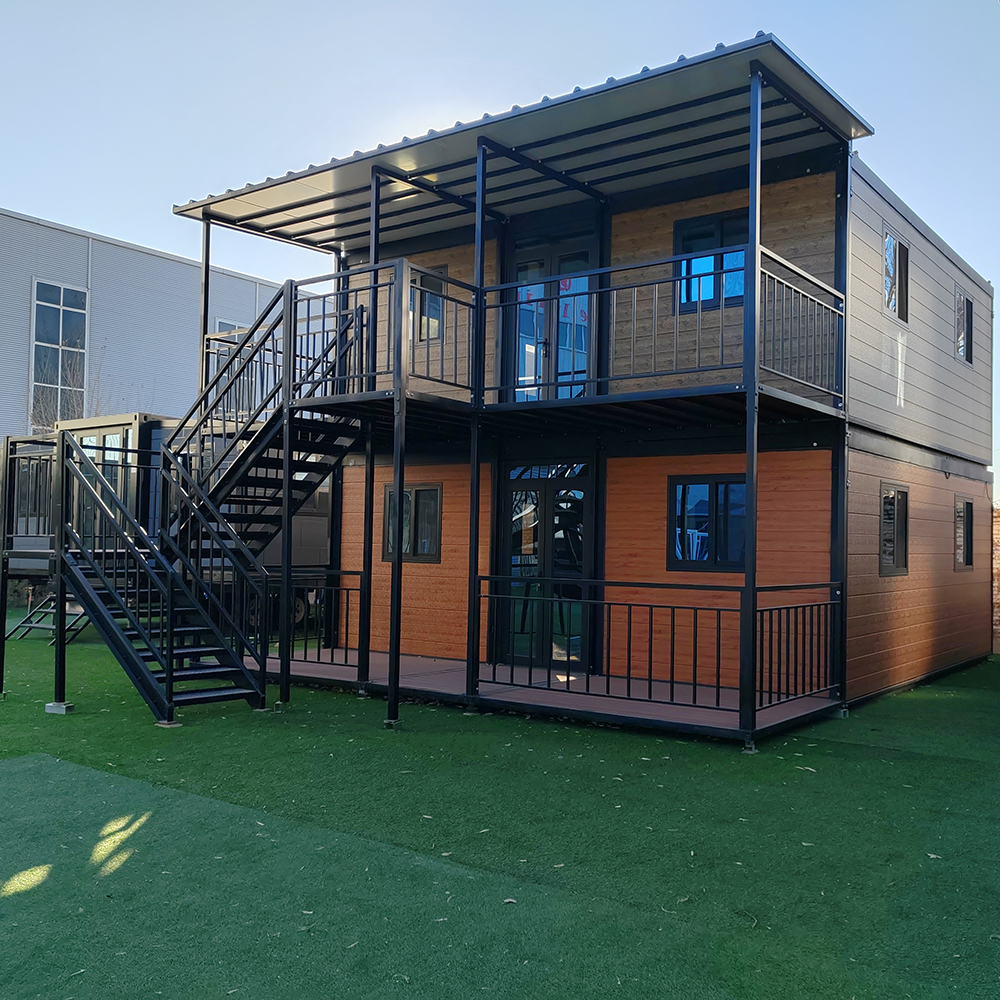
-
-
PLEI
sales@jujiuhouse.com -
Telefono
+86-17864099991 -
Telefono
+86-17854044442
- English
- Chinese
- French
- German
- Portuguese
- Spanish
- Russian
- Japanese
- Korean
- Arabic
- Irish
- Greek
- Turkish
- Italian
- Danish
- Romanian
- Indonesian
- Czech
- Afrikaans
- Swedish
- Polish
- Catalan
- Esperanto
- Hindi
- Lao
- Albanian
- Amharic
- Armenian
- Azerbaijani
- Belarusian
- Bengali
- Bosnian
- Bulgarian
- Cebuano
- Chichewa
- Corsican
- Croatian
- Dutch
- Estonian
- Filipino
- Finnish
- Frisian
- Galician
- Georgian
- Gujarati
- Haitian
- Hausa
- Hawaiian
- Hebrew
- Hmong
- Hungarian
- Icelandic
- Igbo
- Javanese
- Kannada
- Kazakh
- Khmer
- Kurdish
- Kyrgyz
- Latin
- Latvian
- Lithuanian
- Luxembou..
- Macedonian
- Malagasy
- Malay
- Malayalam
- Maltese
- Maori
- Marathi
- Mongolian
- Burmese
- Nepali
- Norwegian
- Pashto
- Persian
- Punjabi
- Serbian
- Sesotho
- Sinhala
- Slovak
- Slovenian
- Somali
- Samoan
- Scots Gaelic
- Shona
- Sindhi
- Sundanese
- Swahili
- Tajik
- Tamil
- Telugu
- Thai
- Ukrainian
- Urdu
- Uzbek
- Vietnamese
- Welsh
- Xhosa
- Yiddish
- Yoruba
- Zulu
- Kinyarwanda
- Tatar
- Oriya
- Turkmen
- Uyghur




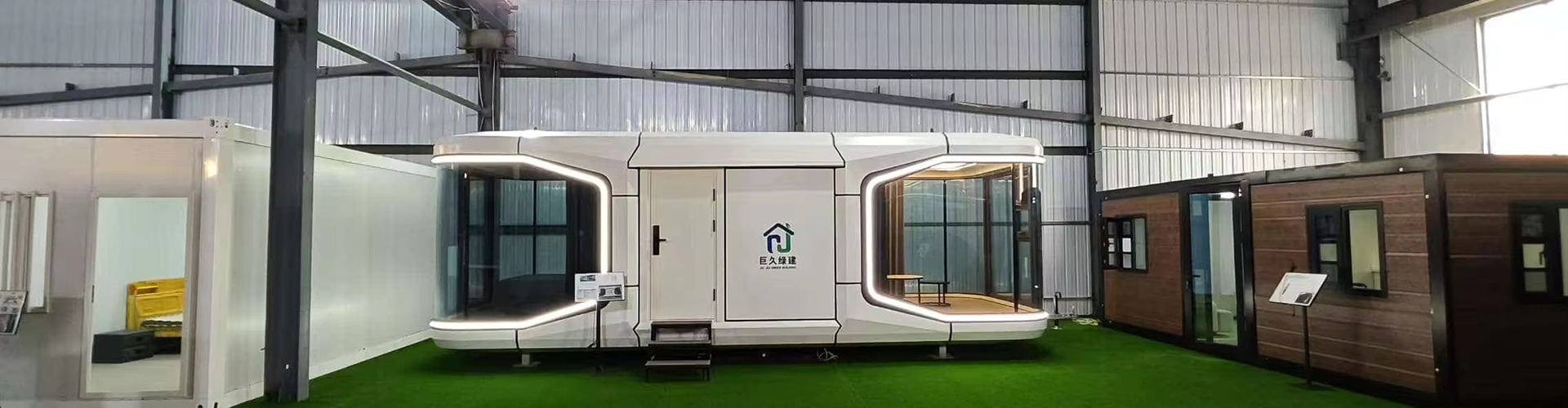
Fold Out House on Trailer: Compact Mobile Living Solution
2026-08-31
Imagine unloading a standard 20-foot trailer—and watching it transform into a fully insulated, code-compliant home in under 90 minutes. No cranes. No foundation. Just hydraulic actuators, precision-engineered hinges, and a structural frame that locks into place with audible certainty. This isn’t concept art. It’s the tolestu etxea trailerrean—a real-world response to land scarcity, rising construction costs, and demand for rapid-deployment housing that doesn’t sacrifice livability.
Why “Fold-Out” Beats “Fold-Flat” in Real Deployment
We’ve installed over 147 fold-out units across six countries—and the #1 lesson wasn’t about aesthetics or finishes. It was about ground truth: most sites lack level concrete pads. They have gravel, compacted dirt, or uneven grass. Traditional folding houses require near-perfect subfloors to deploy without binding or misalignment. The tolestu etxea trailerrean solves this by integrating load-bearing chassis geometry directly into the expansion mechanism. The trailer axle becomes part of the structural triangulation. When hydraulics extend the side walls, the floor stays rigid—not flexing, not twisting. We verified this with strain gauges during field tests in Yunnan’s monsoon season: deflection stayed under 1.8 mm across 6.2-meter spans, even on 3% grade.
This isn’t theoretical. It means one crew can set up a two-bedroom unit on a forest service access road at 2,400 meters elevation—no crane rental, no site prep beyond leveling blocks. That cuts installation time from 3 days to 4.5 hours. And because the trailer remains attached and rated for highway transport, repositioning is as simple as hitching and driving.
What Actually Fails—and How to Avoid It
Some might argue that folding mechanisms wear out or leak. We agree—if you use stamped steel hinges, generic hydraulic rams, and single-layer EPDM seals. But real-world durability starts with material selection, not marketing claims. Our expandable units use marine-grade 6061-T6 aluminum extrusions for all pivot arms. Each hinge bears a certified 12,500 kg static load. Hydraulic cylinders are ISO 15552–rated with integrated pressure relief valves—not off-the-shelf hardware store units.
We also test what others skip: thermal bridging at fold lines. In cold climates, condensation forms where metal meets metal. Our solution? A dual-gasket system: primary silicone seal + secondary closed-cell neoprene compression strip, spaced 17 mm apart. Field data from Heilongjiang installations shows interior surface temps stay within 2.3°C of room air—even at –32°C ambient. No mold. No frost. Just consistent dew point control.
The biggest hidden cost? Power integration. Many fold-out units ship with basic 120V circuits—but real living needs 240V for HVAC, induction cooktops, or EV charging. Our units include pre-wired 100A service panels, conduit pathways routed *inside* structural members (not taped to walls), and NEMA 14-50 outlets factory-installed and load-tested.
Five Non-Negotiables Before You Order
E erostea tolestu etxea trailerrean isn’t like ordering furniture. These are regulated structures. Here’s what we verify with every client before cutting metal:
Where This Fits in the Housing Ecosystem—Right Now
-A tolestu etxea trailerrean isn’t replacing stick-built homes. It’s filling gaps no other solution addresses cleanly: workforce housing for remote infrastructure projects, pop-up clinics in disaster zones, short-term rentals on undevelopable land, or accessory dwelling units where foundation permits stall for 11 months. At SHANDONG JUJIU INTEGRATED HOUSING CO., LTD, we treat each unit as a system—not a product. That means R&D engineers sit with install crews weekly. Designers revise hinge tolerances based on winter deployment feedback from Canadian clients. Logistics teams map customs clearance paths before production starts.
Annual capacity of 20,000 sets isn’t about scale—it’s about reliability. When a wildfire displaces 300 families, you don’t need “maybe available in Q3.” You need units tested, certified, and ready to ship within 17 days. That’s the threshold where mobile housing stops being tactical—and becomes strategic infrastructure.
The future isn’t bigger trailers or more square footage. It’s smarter deployment: solar-integrated roof mounts with tilt adjustment, IoT sensors monitoring hinge torque and seal compression in real time, AI-driven logistics routing that avoids bridges with low clearance *before* dispatch. But none of that matters if the first fold-out opens smoothly on uneven ground. That’s where we start. Every time.