-
-
PLEI
sales@jujiuhouse.com -
Telefono
+86-17864099991 -
Telefono
+86-17854044442
- English
- Chinese
- French
- German
- Portuguese
- Spanish
- Russian
- Japanese
- Korean
- Arabic
- Irish
- Greek
- Turkish
- Italian
- Danish
- Romanian
- Indonesian
- Czech
- Afrikaans
- Swedish
- Polish
- Catalan
- Esperanto
- Hindi
- Lao
- Albanian
- Amharic
- Armenian
- Azerbaijani
- Belarusian
- Bengali
- Bosnian
- Bulgarian
- Cebuano
- Chichewa
- Corsican
- Croatian
- Dutch
- Estonian
- Filipino
- Finnish
- Frisian
- Galician
- Georgian
- Gujarati
- Haitian
- Hausa
- Hawaiian
- Hebrew
- Hmong
- Hungarian
- Icelandic
- Igbo
- Javanese
- Kannada
- Kazakh
- Khmer
- Kurdish
- Kyrgyz
- Latin
- Latvian
- Lithuanian
- Luxembou..
- Macedonian
- Malagasy
- Malay
- Malayalam
- Maltese
- Maori
- Marathi
- Mongolian
- Burmese
- Nepali
- Norwegian
- Pashto
- Persian
- Punjabi
- Serbian
- Sesotho
- Sinhala
- Slovak
- Slovenian
- Somali
- Samoan
- Scots Gaelic
- Shona
- Sindhi
- Sundanese
- Swahili
- Tajik
- Tamil
- Telugu
- Thai
- Ukrainian
- Urdu
- Uzbek
- Vietnamese
- Welsh
- Xhosa
- Yiddish
- Yoruba
- Zulu
- Kinyarwanda
- Tatar
- Oriya
- Turkmen
- Uyghur




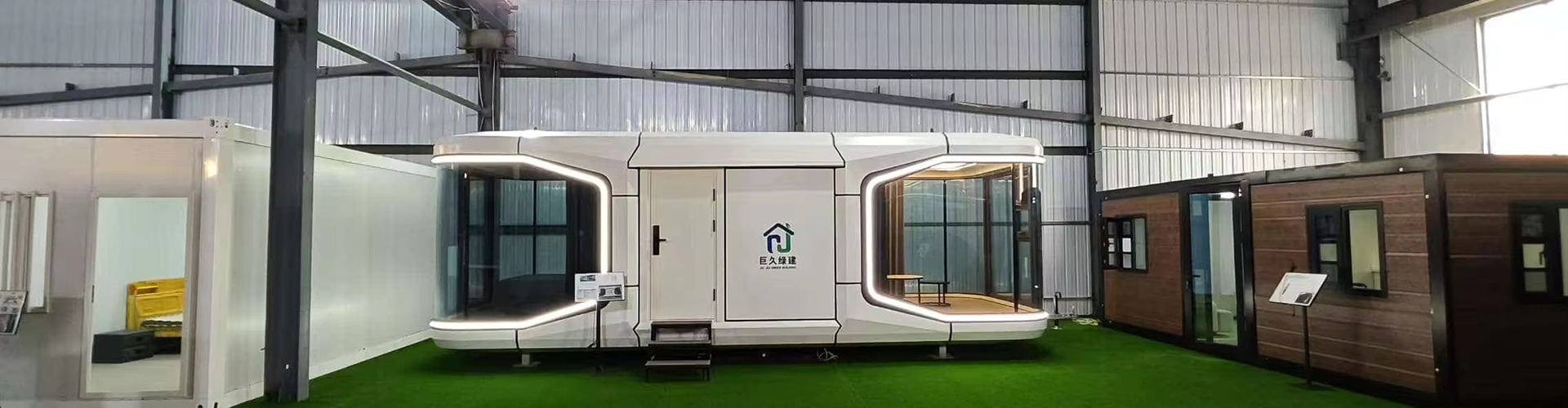
Folding House Trailer: Compact, Affordable, and Easy-to-Deploy Living Space
2026-05-26
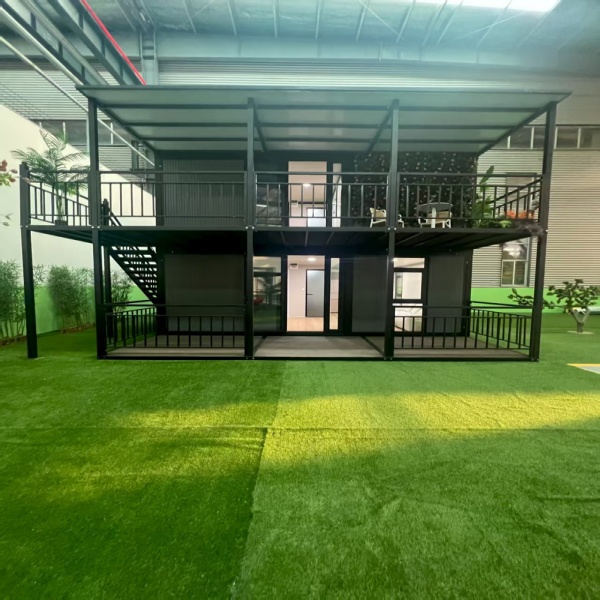
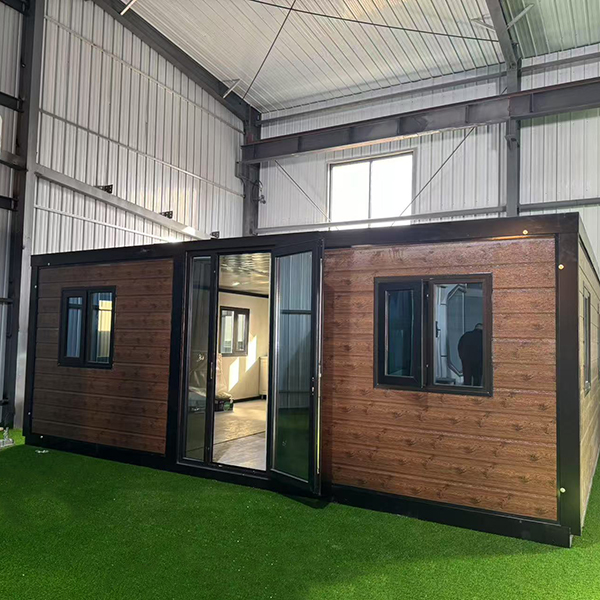
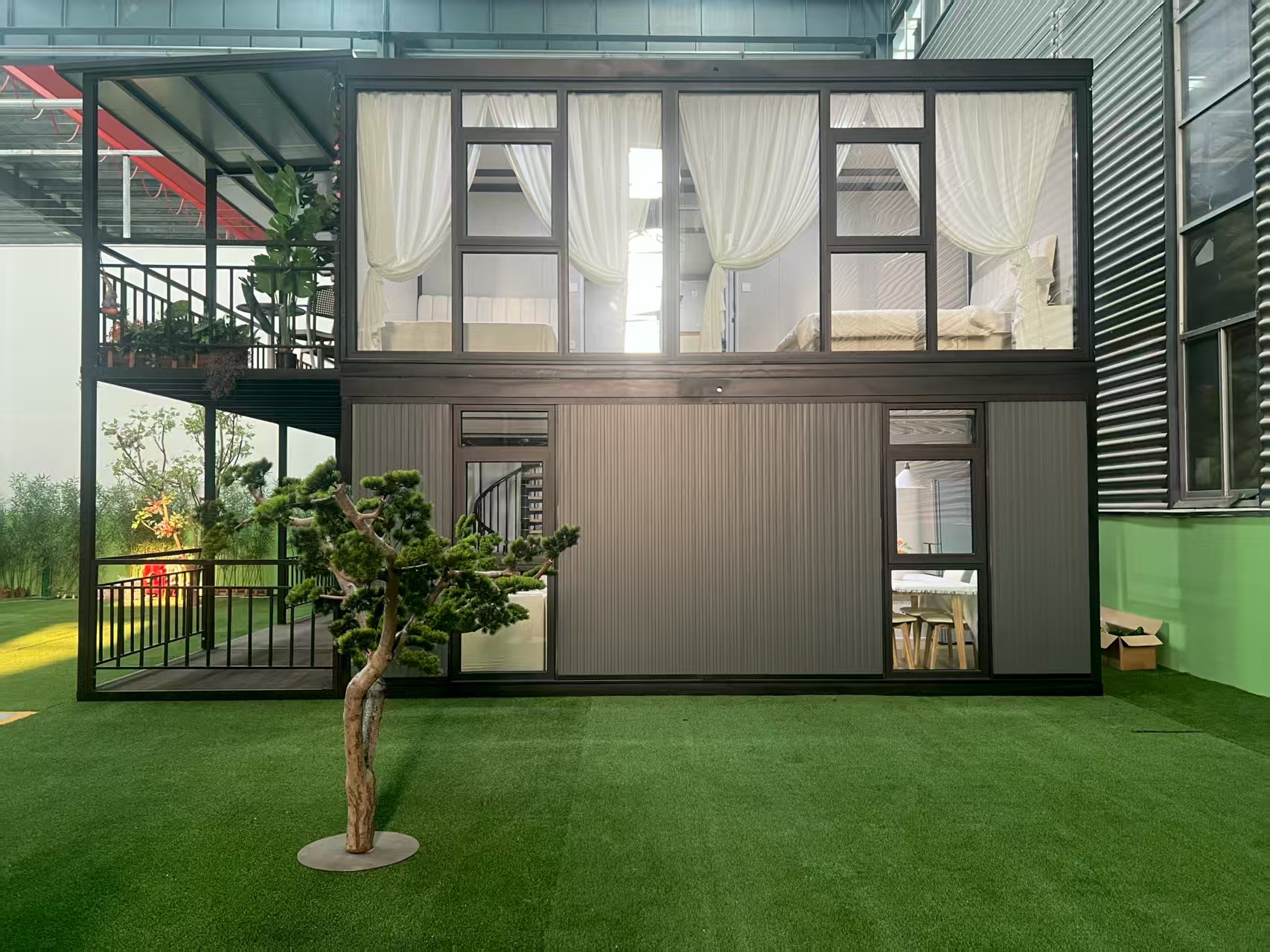
-A Etxe tolesgarria Trailer isn’t just another tiny home trend—it’s a field-tested response to real-world deployment challenges. We’ve seen it on mountain campgrounds where cranes couldn’t reach, in post-disaster zones where speed meant shelter for 48 families in under 72 hours, and beside remote construction sites where workers needed private, weather-tight rooms—not tents with duct tape. This isn’t theoretical. It’s what happens when modular engineering meets ground-level constraints.
Why “Folding” Beats “Fixed” in Real Deployment
Most prefabricated units arrive as rigid boxes. They demand wide-load permits, heavy-lift equipment, and level foundations—none of which exist at 80% of rural, coastal, or alpine sites. The folding house trailer solves that by arriving compact: 2.45m wide, 12m long, under 4m high. Its dual-wing steel frame folds inward like a book, cutting transport volume by 62%. One standard flatbed truck carries two units. No disassembly. No crane rental. No foundation prep beyond four adjustable leveling feet.
We’ve timed it: from unloading to fully expanded, locked, and ready-for-occupancy—under 90 minutes. A crew of two uses only cordless impact drivers and torque wrenches. No welding. No scaffolding. No waiting for concrete to cure. That speed isn’t marketing fluff. It’s baked into the hinge mechanism: industrial-grade stainless-steel pivot pins with self-lubricating bushings, tested to 10,000 open-close cycles. The roof lifts hydraulically; walls deploy via synchronized gear racks. You hear a solid *clunk*—not a whine—when structural locks engage. That sound means load transfer is complete.
Not All Folding Units Deliver What They Promise
Some competitors call any hinged container a “folding house.” But we’ve installed units that warped after three seasonal expansions, leaked at seam welds during monsoon testing, or sagged under snow load because their roof trusses lacked diagonal bracing. Real-world performance separates design from delivery.
At Shandong Jujiu Integrated Housing, every folding house trailer passes three non-negotiable checks before shipping:
This isn’t compliance theater. It’s why units deployed in Norway’s Lofoten Islands survive -25°C winters and salt-spray corrosion—and why resort operators in Bali report zero service calls after 18 months of daily guest turnover.
What You Actually Get—Beyond the Brochure
A folding house trailer from this category delivers more than space. It delivers operational flexibility:
Customization isn’t an upsell. It’s built-in. Need a wheelchair-accessible ramp? The chassis includes reinforced mounting brackets. Require solar-ready roof rails? They’re welded in during frame assembly. Want dual-glazed windows with argon fill? Standard option—not special order.
Real Cost, Real Timeline, Real Control
“Affordable” means different things. A $19,500 base unit sounds low—until you add $6,200 for site prep, $3,800 for crane rental, and 6 weeks of scheduling delays. Our folding house trailer eliminates those variables. Factory price includes full expansion hardware, hydraulic lift system, and integrated electrical raceways. Lead time is 22–28 days from deposit confirmation—not “6–12 weeks” with asterisks.
We track actual field data: average total cost per unit delivered and commissioned is $28,700 USD. That includes FOB Qingdao port, sea freight to Los Angeles or Rotterdam, customs clearance, inland transport, and on-site setup supervision. No hidden fees. No surprise tariffs. No “optional” installation package that turns out to be mandatory.
That number holds because vertical integration isn’t a buzzword here. Design, welding, insulation, wiring, and final QA happen under one 200-acre roof. There’s no supplier handoff where tolerances stack up. No third-party logistics team guessing about weight distribution. When something breaks in the field, the engineer who designed the hinge is on the phone—not a call center agent reading a script.
-A Etxe tolesgarria Trailer works because it respects physics, timelines, and human limits. It doesn’t ask users to adapt to its constraints. It adapts to theirs. That’s not innovation for headlines. It’s engineering for outcomes.