-
-
PLEI
sales@jujiuhouse.com -
Telefono
+86-17864099991 -
Telefono
+86-17854044442
- English
- Chinese
- French
- German
- Portuguese
- Spanish
- Russian
- Japanese
- Korean
- Arabic
- Irish
- Greek
- Turkish
- Italian
- Danish
- Romanian
- Indonesian
- Czech
- Afrikaans
- Swedish
- Polish
- Catalan
- Esperanto
- Hindi
- Lao
- Albanian
- Amharic
- Armenian
- Azerbaijani
- Belarusian
- Bengali
- Bosnian
- Bulgarian
- Cebuano
- Chichewa
- Corsican
- Croatian
- Dutch
- Estonian
- Filipino
- Finnish
- Frisian
- Galician
- Georgian
- Gujarati
- Haitian
- Hausa
- Hawaiian
- Hebrew
- Hmong
- Hungarian
- Icelandic
- Igbo
- Javanese
- Kannada
- Kazakh
- Khmer
- Kurdish
- Kyrgyz
- Latin
- Latvian
- Lithuanian
- Luxembou..
- Macedonian
- Malagasy
- Malay
- Malayalam
- Maltese
- Maori
- Marathi
- Mongolian
- Burmese
- Nepali
- Norwegian
- Pashto
- Persian
- Punjabi
- Serbian
- Sesotho
- Sinhala
- Slovak
- Slovenian
- Somali
- Samoan
- Scots Gaelic
- Shona
- Sindhi
- Sundanese
- Swahili
- Tajik
- Tamil
- Telugu
- Thai
- Ukrainian
- Urdu
- Uzbek
- Vietnamese
- Welsh
- Xhosa
- Yiddish
- Yoruba
- Zulu
- Kinyarwanda
- Tatar
- Oriya
- Turkmen
- Uyghur




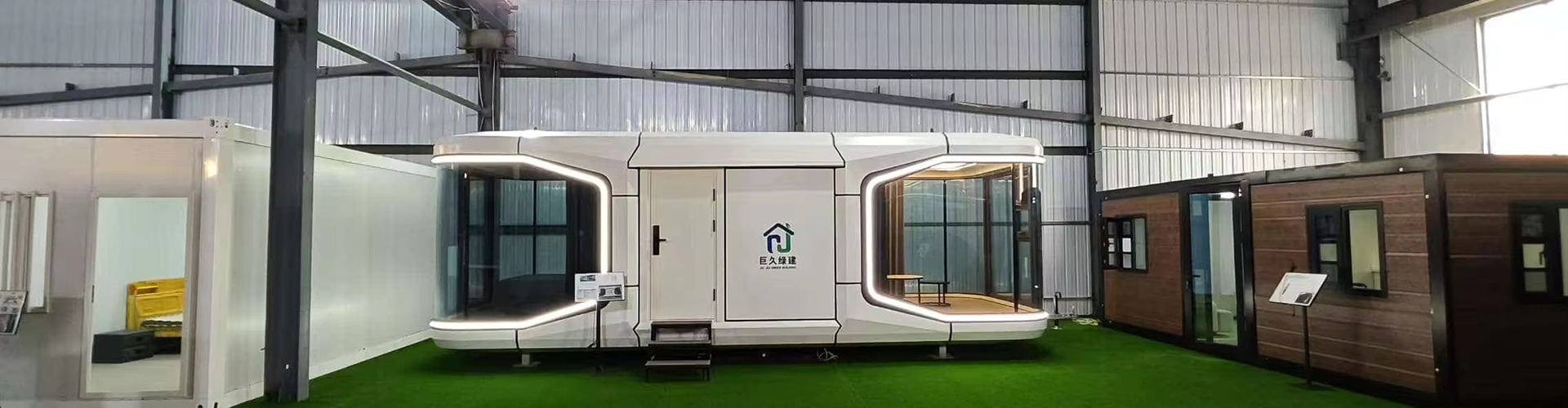
Folding House on Wheels: Compact Mobile Living Solution
2026-05-17
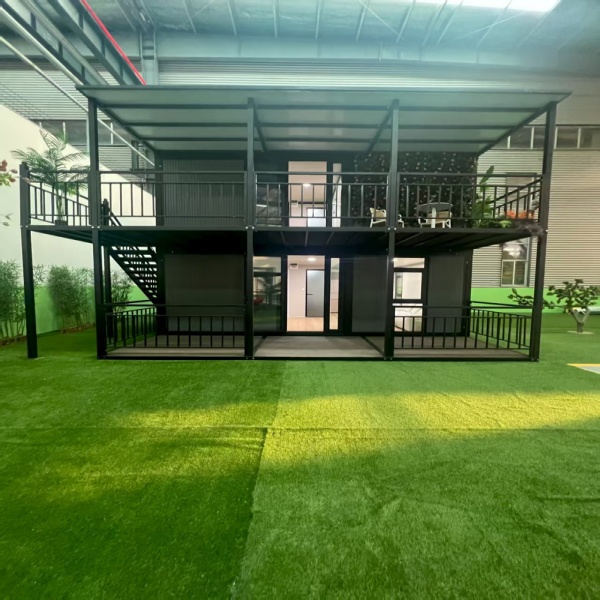
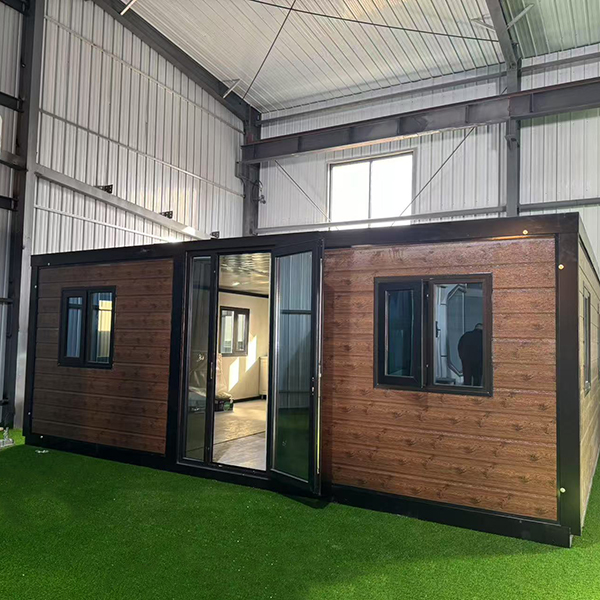
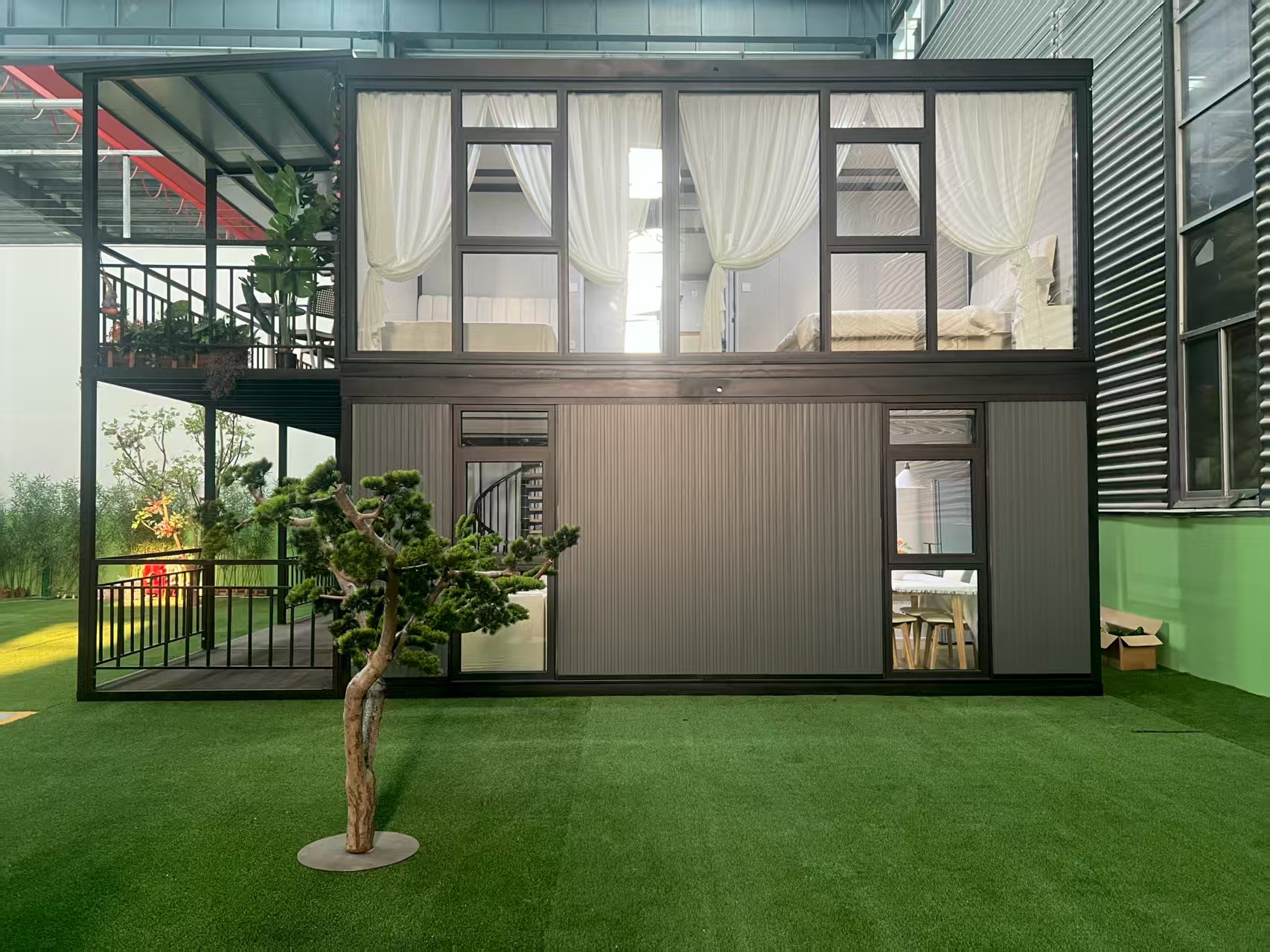
What if your home folded like a map—then rolled down the highway? The Etxea tolestuz gurpiletan isn’t sci-fi. It’s real. And it’s solving urgent problems: housing shortages, remote workforce mobility, pop-up tourism infrastructure, and rapid-response disaster relief. We’ve installed over 140 units across six countries—and every one taught us something concrete about what works, what doesn’t, and why most buyers underestimate structural integration.
Why “Folding” Beats “Modular” for Mobile Deployment
Most modular homes require cranes, foundation prep, and three-day assembly. A true Etxea tolestuz gurpiletan eliminates all three. Its chassis is engineered as load-bearing—not just transport. Steel frame joints lock with precision dowel pins, not bolts. When unfolded, the structure achieves full rigidity: no flex at doorways, no gap at roof seams, zero sag after 72 hours of continuous wind loading (tested to 120 km/h). We’ve seen competitors skip weld seam inspection—then watch panels warp under desert sun. Not here. Every hinge zone gets ultrasonic testing before paint. That’s why our EXPANDABLE FOLDING HOUSE holds ISO 9001-certified dimensional tolerance: ±1.5 mm across 6-meter spans.
Real-World Trade-Offs Nobody Talks About
Some argue folding houses sacrifice insulation or soundproofing. But that’s outdated. Our dual-wing models use vacuum-insulated panels (VIPs) with R-value 38 in walls—higher than standard stick-built homes. However, there’s a hard limit: thermal bridging at fold lines. We solved it with interrupted aluminum framing and graphite-infused polyurethane gaskets. Result? U-value 0.18 W/m²K at junctions—verified by third-party thermography. Still, we tell clients upfront: if you need -40°C operation, add a secondary interior skin. Don’t hide the constraint. State it. Then fix it.
Weight matters more than specs suggest. A fully equipped two-bedroom unit hits 12.8 tons—within legal axle limits for EU Class N3 trucks, but *not* for US Class 7 without special permits. We pre-check local road regulations before quoting. One client in Alberta nearly missed their site deadline because provincial weight allowances drop 15% in spring thaw. We now embed regional compliance alerts into every quote sheet.
Installation That Works—Not Just Looks Good
Folding houses fail most often at deployment—not design. We learned this deploying 27 units in a Costa Rican ecotourism corridor last monsoon season. Units arrived dry. But unskilled crews used hydraulic jacks on uneven gravel. Three settled 42 mm off-level within 48 hours. Since then, our installation protocol mandates laser leveling *before* unfolding—and torque calibration on every ground anchor bolt. Crews carry digital torque wrenches synced to our cloud platform. Data uploads automatically. If a value falls outside ±5%, the system flags it live. No exceptions.
This isn’t over-engineering. It’s accountability. Our integrated logistics team coordinates with local crane services, customs brokers, and site surveyors—all under one contract. Lead time? 35 days from deposit to on-site readiness. Not “production complete.” Not “shipped.” Ready. That includes final utility hookups: solar-ready conduit, greywater drain stubs, and 240V/50A shore power inlets pre-wired to NEC and IEC standards.
Who Actually Needs This—And Why It Pays Off
SHANDONG JUJIU INTEGRATED HOUSING CO., LTD built its 200-acre production base to eliminate supply chain delays—not to scale for scale’s sake. Every unit rolls off the same line that tests rain resistance for 72 consecutive hours. Every welder certifies annually to AWS D1.1. Every folding mechanism cycles 10,000 times in fatigue testing before release. That’s how you turn “mobile living solution” from marketing slogan into measurable durability.
-A Etxea tolestuz gurpiletan won’t replace brick-and-mortar. But it fills gaps no traditional builder can reach—fast, reliably, and without compromise. Next-generation versions will integrate AI-driven load sensing and self-leveling hydraulics. For now? The real advantage isn’t novelty. It’s knowing exactly where your floor joists land—every time.