-
E-mail
Austin120521@outlook.com -
E-mail
sales@jujiuhouse.com -
Telephone
+86-17864099991 -
Telephone
+86-17854044442
- Chinese
- French
- German
- Portuguese
- Spanish
- Russian
- Japanese
- Korean
- Arabic
- Irish
- Greek
- Turkish
- Italian
- Danish
- Romanian
- Indonesian
- Czech
- Afrikaans
- Swedish
- Polish
- Basque
- Catalan
- Esperanto
- Hindi
- Lao
- Albanian
- Amharic
- Armenian
- Azerbaijani
- Belarusian
- Bengali
- Bosnian
- Bulgarian
- Cebuano
- Chichewa
- Corsican
- Croatian
- Dutch
- Estonian
- Filipino
- Finnish
- Frisian
- Galician
- Georgian
- Gujarati
- Haitian
- Hausa
- Hawaiian
- Hebrew
- Hmong
- Hungarian
- Icelandic
- Igbo
- Javanese
- Kannada
- Kazakh
- Khmer
- Kurdish
- Kyrgyz
- Latin
- Latvian
- Lithuanian
- Luxembou..
- Macedonian
- Malagasy
- Malay
- Malayalam
- Maltese
- Maori
- Marathi
- Mongolian
- Burmese
- Nepali
- Norwegian
- Pashto
- Persian
- Punjabi
- Serbian
- Sesotho
- Sinhala
- Slovak
- Slovenian
- Somali
- Samoan
- Scots Gaelic
- Shona
- Sindhi
- Sundanese
- Swahili
- Tajik
- Tamil
- Telugu
- Thai
- Ukrainian
- Urdu
- Uzbek
- Vietnamese
- Welsh
- Xhosa
- Yiddish
- Yoruba
- Zulu
- Kinyarwanda
- Tatar
- Oriya
- Turkmen
- Uyghur




Expandable Prefab House Guide 2026: Types, Costs & Expert Insights
2026-06-11
- What Is an Expandable Prefab House?
- Core Types of Expandable Modular Homes
- Key Components and Technical Specifications
- Installation Process: Step-by-Step Guide
- Cost Analysis and Budget Factors
- Advantages and Limitations
- Ideal Application Scenarios
- Industry Leader Spotlight: Shandong Jujiu Integrated Housing
- Frequently Asked Questions (FAQ)
- Expert Insights for 2026 and Beyond
- Conclusion and Next Steps
An expandable prefab house is a modular living unit designed with collapsible side walls that extend to double or triple the interior floor space upon deployment. Ideal for rapid housing solutions, these structures combine factory precision with on-site flexibility, offering a cost-effective alternative to traditional construction. This guide covers types, installation processes, cost factors, and expert insights for 2026.
What Is an Expandable Prefab House?
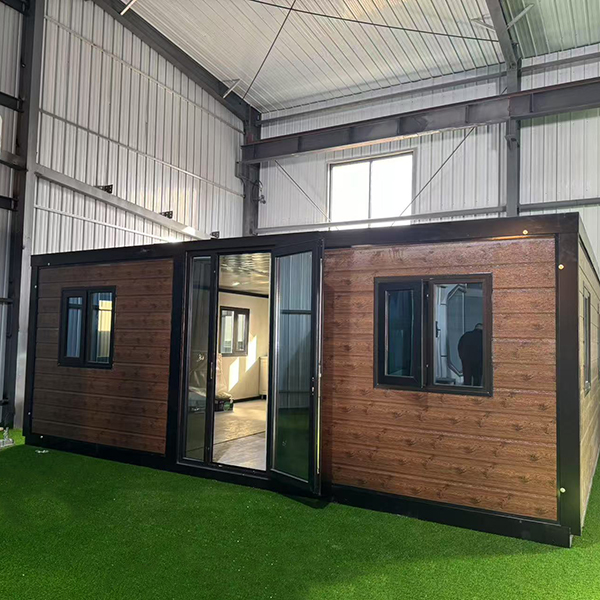
An expandable prefab house represents a significant evolution in modular architecture. Unlike standard shipping container homes or static prefabs, these units feature a unique folding mechanism. The core structure remains compact for transportation, often fitting within standard shipping dimensions. Once arrived at the destination, hydraulic or manual systems extend the lateral walls, instantly creating a spacious living environment.
The primary advantage lies in logistics. Transporting a fully assembled wide home is expensive and legally complex due to road width restrictions. An expandable design circumvents this by traveling narrow and expanding wide. In 2026, this technology has matured, offering better insulation, faster deployment times, and more durable finishing materials than previous generations.
These structures are engineered for versatility. They serve as emergency relief shelters, temporary construction site offices, vacation retreats, and increasingly, permanent residential dwellings. The engineering focus ensures that the expansion joints maintain structural integrity and weather resistance comparable to conventional buildings.
Core Types of Expandable Modular Homes
The market currently offers several distinct configurations of expandable units. Understanding these types is crucial for selecting the right solution for specific project requirements. The classification generally depends on the expansion mechanism and the final layout configuration.
Single-Side Expansion Units
This is the most common entry-level configuration. The unit expands from one side only, effectively doubling the original footprint. It is highly popular for single-bedroom setups or small office spaces. The simplicity of the mechanism reduces potential maintenance issues and lowers the initial manufacturing cost.
- Best for: Small families, solo travelers, or auxiliary dwelling units (ADUs).
- Deployment time: Typically under 10 minutes with hydraulic assistance.
- Space efficiency: Converts a 20ft container footprint into a roughly 400 sq. ft. living area.
Double-Side (Butterfly) Expansion Units
For those requiring larger communal areas, double-side expansion models open from both lateral walls. This “butterfly” effect can triple the internal floor space compared to the transport mode. These units often feature a central core containing the kitchen and bathroom, with living and sleeping areas extending outward.
- Best for: Family housing, glamping resorts, and medical field clinics.
- Structural note: Requires a perfectly level foundation to ensure symmetrical locking of both sides.
- Interior volume: Provides high ceilings and an open-plan feel that mimics traditional site-built homes.
Multi-Unit Connected Systems
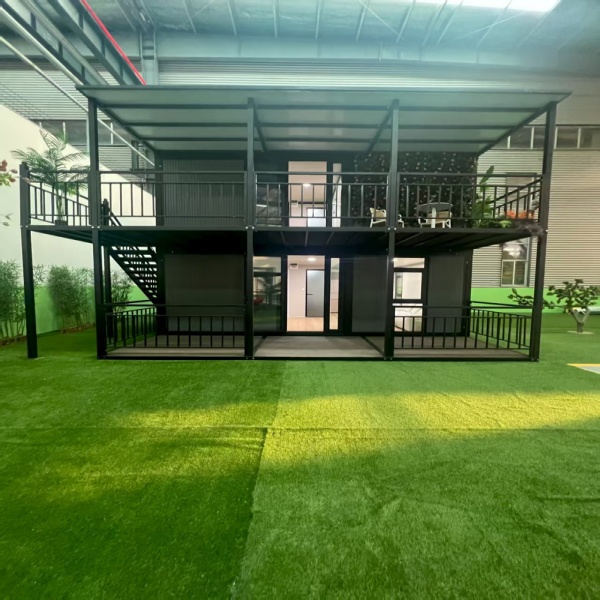
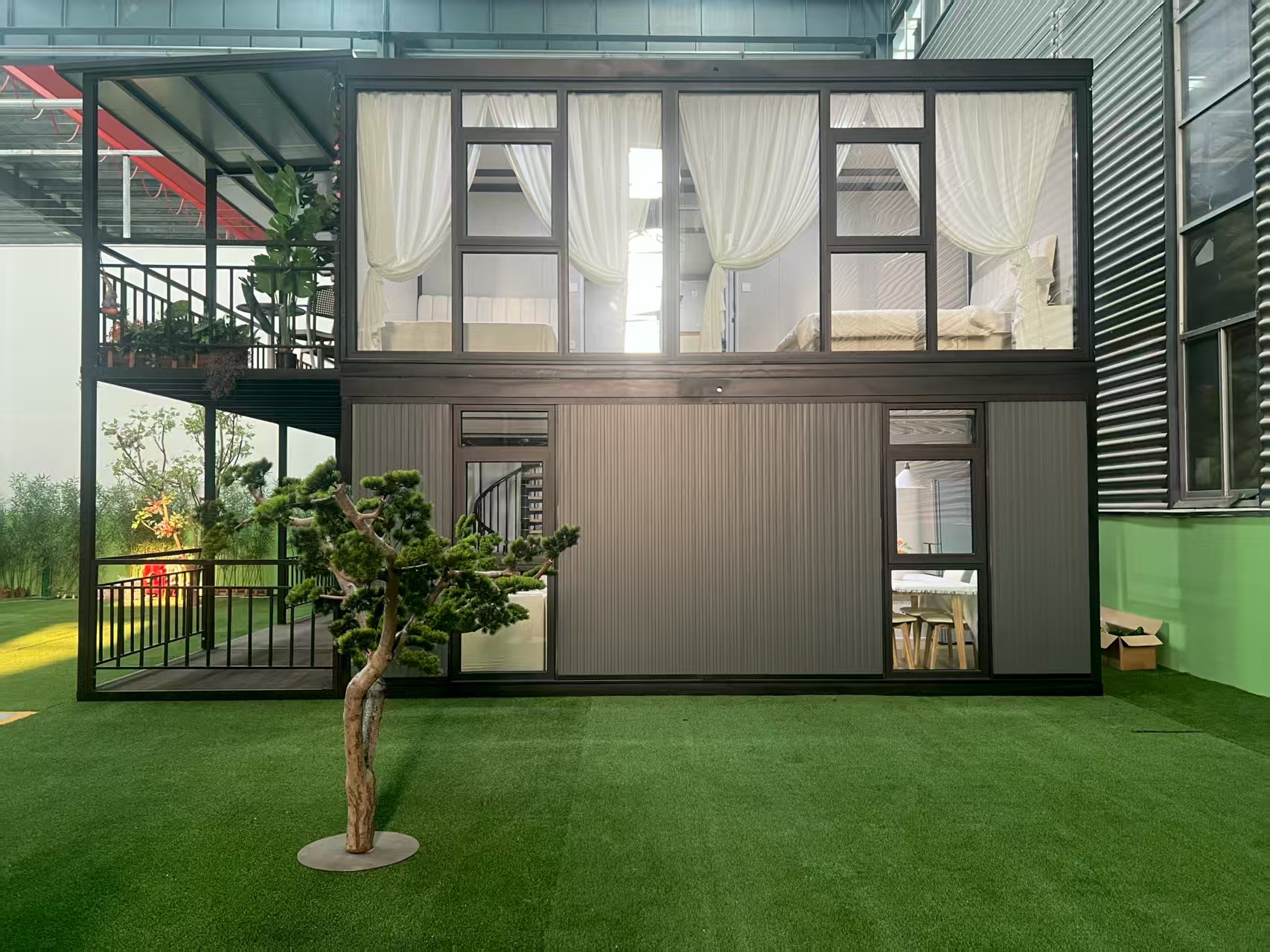
Advanced projects often utilize multiple expandable units connected together. By linking two or three modules, users can create multi-bedroom homes or large commercial complexes. The connection points are engineered to be seamless, both internally and externally, preventing leaks and thermal bridging.
Industry experts note that modularity allows for future scalability. A homeowner can start with a single unit and add another module later as needs grow, provided the foundation was prepared for such expansion. This flexibility is a key driver for the growing adoption of this housing type in 2026.
Key Components and Technical Specifications
To ensure longevity and safety, modern expandable prefab houses rely on high-grade materials and precise engineering. The performance of the home depends heavily on the quality of its core components.
Structural Framework
The skeleton of these homes is typically constructed from galvanized steel. This material choice is non-negotiable for durability. Galvanization prevents rust and corrosion, which is critical since the moving parts are exposed to the elements during transit and operation. The steel frame must withstand wind loads and seismic activity according to local building codes.
Wall Panels and Insulation
The expanding walls are not simple sheets; they are composite sandwich panels. The most prevalent material in 2026 is Rock Wool or Polyurethane (PU) foam sandwiched between steel skins. Rock Wool is preferred for its fire-resistant properties, while PU offers superior thermal insulation.
- Thickness: Panels usually range from 50mm to 75mm, depending on the climate zone.
- R-Value: High-quality units achieve R-values comparable to traditional wood-frame construction.
- Finish: Interior surfaces often come pre-finished with decorative laminates or ready-to-paint gypsum boards.
Hydraulic vs. Manual Mechanisms
The expansion method defines the user experience. Hydraulic systems use electric pumps to unfold the walls smoothly. This is ideal for users who may lack physical strength or need rapid deployment without heavy machinery. Manual systems rely on winches and human effort, which reduces the mechanical complexity and cost but requires more labor during setup.
Regardless of the method, the locking mechanism is vital. Once expanded, the walls must lock rigidly into the foundation and the roof structure. High-end models feature automated locking pins that engage once the wall reaches the fully extended position, ensuring structural stability against high winds.
Installation Process: Step-by-Step Guide
One of the strongest selling points of an expandable prefab house is the speed of installation. While traditional construction takes months, these units can be habitable within days. The following steps outline the standard industry procedure for 2026.
Step 1: Site Preparation and Foundation
Before the unit arrives, the site must be prepared. Unlike traditional homes requiring deep concrete footings, expandable homes often utilize screw piles, concrete blocks, or a simple leveled gravel pad. The critical requirement is a perfectly level surface. Uneven ground can prevent the walls from extending fully or compromise the sealing gaskets.
Step 2: Transportation and Positioning
The unit is transported via flatbed truck, similar to a standard shipping container. Upon arrival, a crane or a specialized tilt-bed truck positions the unit onto the foundation. Precision is key here; the unit must be aligned exactly with the anchor points prepared in Step 1.
Step 3: Expansion and Deployment
Once secured to the foundation anchors, the expansion process begins. For hydraulic models, this involves connecting a power source and activating the control panel. The walls slide out smoothly on heavy-duty rails. Workers must monitor the movement to ensure no obstructions interfere with the path.
- Safety Check: Ensure all personnel stand clear of the moving walls.
- Alignment: Verify that the extended walls are flush with the roof and floor frames.
Step 4: Locking and Sealing
After full extension, the mechanical locks are engaged. This step transforms the unit from a transport box into a rigid building. Following this, workers apply additional sealant to the external joints if required by the specific model. This ensures the building envelope is watertight and airtight.
Step 5: Utility Connections
The final phase involves connecting electricity, water, and sewage. Most expandable homes come with pre-installed conduits and connection ports located at standardized positions. Electricians and plumbers connect these to the main site utilities. Once inspected, the home is ready for occupancy.
Cost Analysis and Budget Factors
Understanding the financial implications is essential for buyers. The cost of an expandable prefab house varies significantly based on size, finish quality, and location. While generally more affordable than traditional construction, several factors influence the final price tag.
Base Unit Costs
The manufacturing cost of the unit itself is the primary expense. Entry-level models with basic finishes and manual expansion mechanisms are the most affordable. High-end models featuring smart home integration, premium flooring, automated hydraulics, and superior insulation command a higher price. In the current market, prices fluctuate based on raw material costs, particularly steel and insulation foam.
Logistics and Transportation
Distance from the manufacturer to the build site plays a major role. Since these units are heavy and oversized, specialized transport is required. Remote locations or sites with difficult access roads can drastically increase delivery fees. Buyers should always request a detailed logistics quote before finalizing a purchase.
Foundation and Site Work
While the foundation requirements are less intensive than traditional homes, they are not zero. The cost of leveling the land, purchasing screw piles or concrete blocks, and preparing utility trenches must be factored in. In rocky or sloped terrain, site preparation costs can rival the cost of the unit itself.
Customization and Upgrades
Many manufacturers offer customization options. Upgrading windows to double-glazed low-E glass, adding solar panel readiness, or installing luxury bathroom fixtures will increase the budget. However, these upgrades often provide better long-term value through energy savings and increased comfort.
| Cost Factor | Impact Level | Notes |
|---|---|---|
| Base Unit Price | High | Depends on size, materials, and automation level. |
| Shipping Distance | Medium to High | Fuel costs and permit fees for oversized loads vary by region. |
| Foundation Type | Low to Medium | Screw piles are generally cheaper than concrete slabs. |
| Utility Hookups | Medium | Depends on distance to existing grid and water sources. |
| Permits and Fees | Variable | Local zoning laws dictate the complexity and cost of approval. |
Advantages and Limitations
Like any construction method, expandable prefab houses come with a distinct set of pros and cons. A balanced view helps potential buyers make informed decisions aligned with their specific needs.
Primary Advantages
Speed of Construction: The most significant benefit is time. From order to move-in, the process can take weeks rather than months. This is invaluable for emergency housing or businesses needing rapid operational capacity.
Cost Efficiency: Factory manufacturing reduces waste and labor costs. The controlled environment ensures consistent quality, minimizing the risk of costly on-site errors. Overall, the total project cost is often 20-30% lower than traditional stick-built homes.
Mobility and Flexibility: These homes are designed to be moved. If a job site closes or a family wishes to relocate, the house can be collapsed and transported to a new location. This asset mobility is unique to this sector of the housing market.
Potential Limitations
Design Constraints: While improving, the aesthetic options are somewhat limited by the rectangular, modular nature of the design. Custom architectural shapes are difficult to achieve with current expansion technology.
Resale Perception: In some real estate markets, prefab homes still face stigma regarding resale value compared to traditional brick-and-mortar houses. However, as quality improves, this perception is slowly shifting.
Maintenance of Moving Parts: The tracks, hinges, and hydraulic systems require periodic inspection and lubrication. Neglecting these components could lead to operational failures, unlike static homes which have no moving structural parts.
Ideal Application Scenarios
The versatility of expandable prefab houses makes them suitable for a wide array of applications. Identifying the right scenario ensures maximum return on investment.
Emergency and Disaster Relief
In the aftermath of natural disasters, speed is critical. These units can be mass-produced, stacked for efficient shipping, and deployed rapidly to provide safe, insulated shelter for displaced populations. Their ability to be reused and relocated makes them a sustainable choice for humanitarian aid.
Construction Camps and Mining Sites
Remote industrial projects require accommodation for workers that can be established quickly and removed once the project concludes. Expandable homes offer a comfortable, hotel-like standard that improves worker morale and productivity, far surpassing traditional dormitory tents.
Vacation Homes and Glamping
The tourism industry is increasingly adopting these structures for eco-resorts. Their minimal site impact and modern aesthetic appeal to travelers seeking unique experiences. Owners benefit from the ability to rent them out or move them to more scenic locations as seasons change.
Backyard Offices and ADUs
With the rise of remote work, homeowners are looking for separate office spaces. An expandable unit placed in the backyard provides an instant, high-quality workspace or guest house without the lengthy permitting and construction timelines of a traditional addition.
Industry Leader Spotlight: Shandong Jujiu Integrated Housing
As the demand for high-quality modular solutions grows in 2026, identifying reliable manufacturers is crucial. Shandong Jujiu Integrated Housing Co., Ltd. has emerged as a rising star in the integrated housing industry, exemplifying the technological maturity discussed in this guide. As an industrial enterprise integrating research, development, design, production, and installation, Jujiu offers a comprehensive ecosystem for clients seeking turnkey solutions.
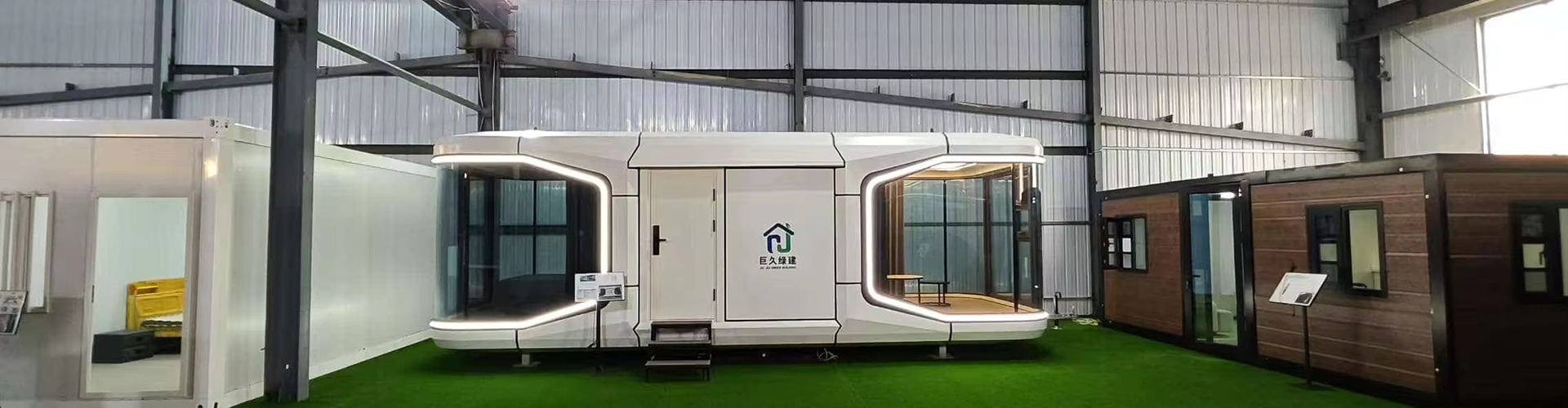
Operating on a facility spanning over 200 acres with a workforce of more than 100 professionals, the company has rapidly industrialized its production system. With an annual capacity of 20,000 packaging box rooms achieved in just four years, Jujiu demonstrates the scalability required for large-scale projects. Their product line directly addresses the diverse needs outlined in this article, including double-wing extension rooms (butterfly units), folding rooms, and innovative “apple cabin” push-pull designs.
What sets Shandong Jujiu apart is its commitment to exceeding domestic and international factory control standards. Backed by a professional technical team and experienced production personnel, the company ensures that every unit—from light steel villas to complex steel structure engineering projects—meets rigorous quality expectations. Furthermore, their complete supply chain management, professional logistics team, and robust after-sales service system provide customers with full-range technical support, protecting investor interests from the initial design phase through long-term operation.
Frequently Asked Questions (FAQ)
Addressing common queries helps clarify uncertainties surrounding this innovative housing solution.
How long does an expandable prefab house last?
With proper maintenance, particularly of the steel frame and sealing gaskets, these structures can last 20 to 30 years or more. The lifespan is comparable to other light steel framing constructions. Regular inspection of the expansion mechanisms is key to longevity.
Can I customize the interior layout?
Yes, most manufacturers, including leaders like Shandong Jujiu, offer various interior configurations. You can choose the placement of walls, windows, and doors during the factory production phase. However, post-delivery structural modifications are difficult and generally not recommended due to the integrated nature of the folding walls.
Are these homes suitable for cold climates?
Absolutely, provided the correct insulation specifications are selected. Units equipped with thick Rock Wool panels and double-glazed windows perform well in freezing temperatures. It is crucial to ensure that the heating system is appropriately sized for the specific climate zone.
Do I need a special permit to install one?
Permitting requirements vary by locality. In many jurisdictions, these units are classified as temporary structures or RVs, which simplifies the process. However, if intended as a permanent residence, they must meet local building codes regarding foundations, egress, and utilities. Always consult with local authorities before purchasing.
What kind of foundation is required?
A flat, stable surface is mandatory. Common solutions include concrete piers, screw piles, or a compacted gravel bed. The foundation does not need to be as extensive as a traditional basement, but it must prevent settling that could misalign the expansion tracks.
Expert Insights for 2026 and Beyond
As we progress through 2026, the expandable prefab house industry is witnessing notable trends. Technology integration is becoming standard, with smart home systems pre-installed to manage energy usage, security, and climate control remotely. Sustainability is also a driving force, with more manufacturers utilizing recycled steel and eco-friendly insulation materials.
Industry experts predict a convergence of aesthetics and functionality. New designs are focusing on hiding the mechanical joints better, giving the homes a more seamless, traditional appearance once expanded. Furthermore, the supply chain for these units has stabilized, leading to more predictable lead times and pricing structures.
The regulatory landscape is also evolving. More regions are updating zoning laws to accommodate modular and movable housing, recognizing their role in addressing housing shortages. This shift in policy is expected to boost adoption rates significantly in the coming years.
Conclusion and Next Steps
The expandable prefab house stands out as a pragmatic, efficient, and flexible solution for modern housing challenges. Whether for emergency relief, commercial use, or residential living, its benefits in speed, cost, and mobility are unmatched by traditional construction methods. While considerations regarding design limitations and maintenance of moving parts exist, the technological advancements in 2026 have largely mitigated these concerns.
Who is this best for? This solution is ideal for developers needing rapid deployment, individuals seeking affordable secondary dwellings, and organizations requiring mobile infrastructure. If your priority is speed, budget control, and flexibility, this housing type is a strong contender.
Next Steps: Before proceeding, evaluate your specific site conditions and local zoning regulations. Contact reputable manufacturers, such as Shandong Jujiu Integrated Housing, to discuss customization options and request detailed quotes that include logistics. Carefully review the warranty terms, specifically those covering the expansion mechanism and structural integrity, to ensure your investment is protected for the long term.