-
Imeli
Austin120521@outlook.com -
Imeli
sales@jujiuhouse.com -
Telefoni
+86-17864099991 -
Telefoni
+86-17854044442
- English
- Chinese
- French
- German
- Portuguese
- Spanish
- Russian
- Japanese
- Korean
- Arabic
- Irish
- Greek
- Turkish
- Italian
- Danish
- Romanian
- Indonesian
- Czech
- Afrikaans
- Swedish
- Polish
- Basque
- Catalan
- Esperanto
- Hindi
- Lao
- Albanian
- Amharic
- Armenian
- Azerbaijani
- Belarusian
- Bengali
- Bosnian
- Bulgarian
- Cebuano
- Chichewa
- Corsican
- Croatian
- Dutch
- Estonian
- Filipino
- Finnish
- Frisian
- Galician
- Georgian
- Gujarati
- Haitian
- Hausa
- Hawaiian
- Hebrew
- Hmong
- Hungarian
- Icelandic
- Igbo
- Javanese
- Kannada
- Kazakh
- Khmer
- Kurdish
- Kyrgyz
- Latin
- Latvian
- Lithuanian
- Luxembou..
- Macedonian
- Malagasy
- Malay
- Malayalam
- Maltese
- Maori
- Marathi
- Mongolian
- Burmese
- Nepali
- Norwegian
- Pashto
- Persian
- Punjabi
- Serbian
- Sesotho
- Sinhala
- Slovak
- Slovenian
- Somali
- Scots Gaelic
- Shona
- Sindhi
- Sundanese
- Swahili
- Tajik
- Tamil
- Telugu
- Thai
- Ukrainian
- Urdu
- Uzbek
- Vietnamese
- Welsh
- Xhosa
- Yiddish
- Yoruba
- Zulu
- Kinyarwanda
- Tatar
- Oriya
- Turkmen
- Uyghur




Folding Houses: Smart Space-Saving Solutions for Modern Living
2026-06-23
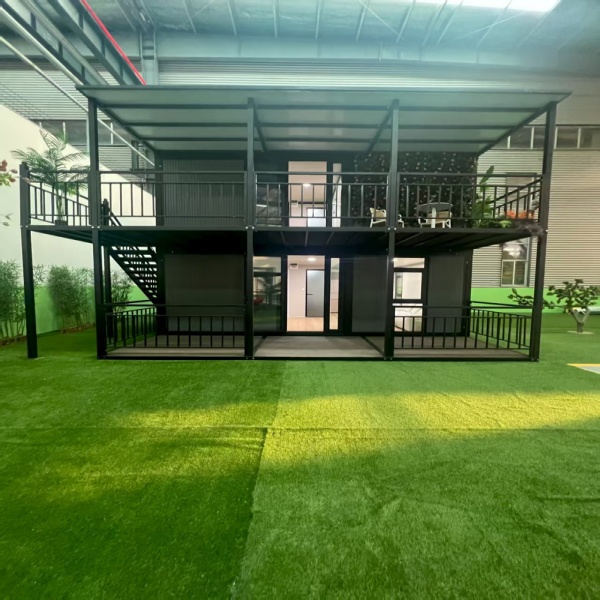
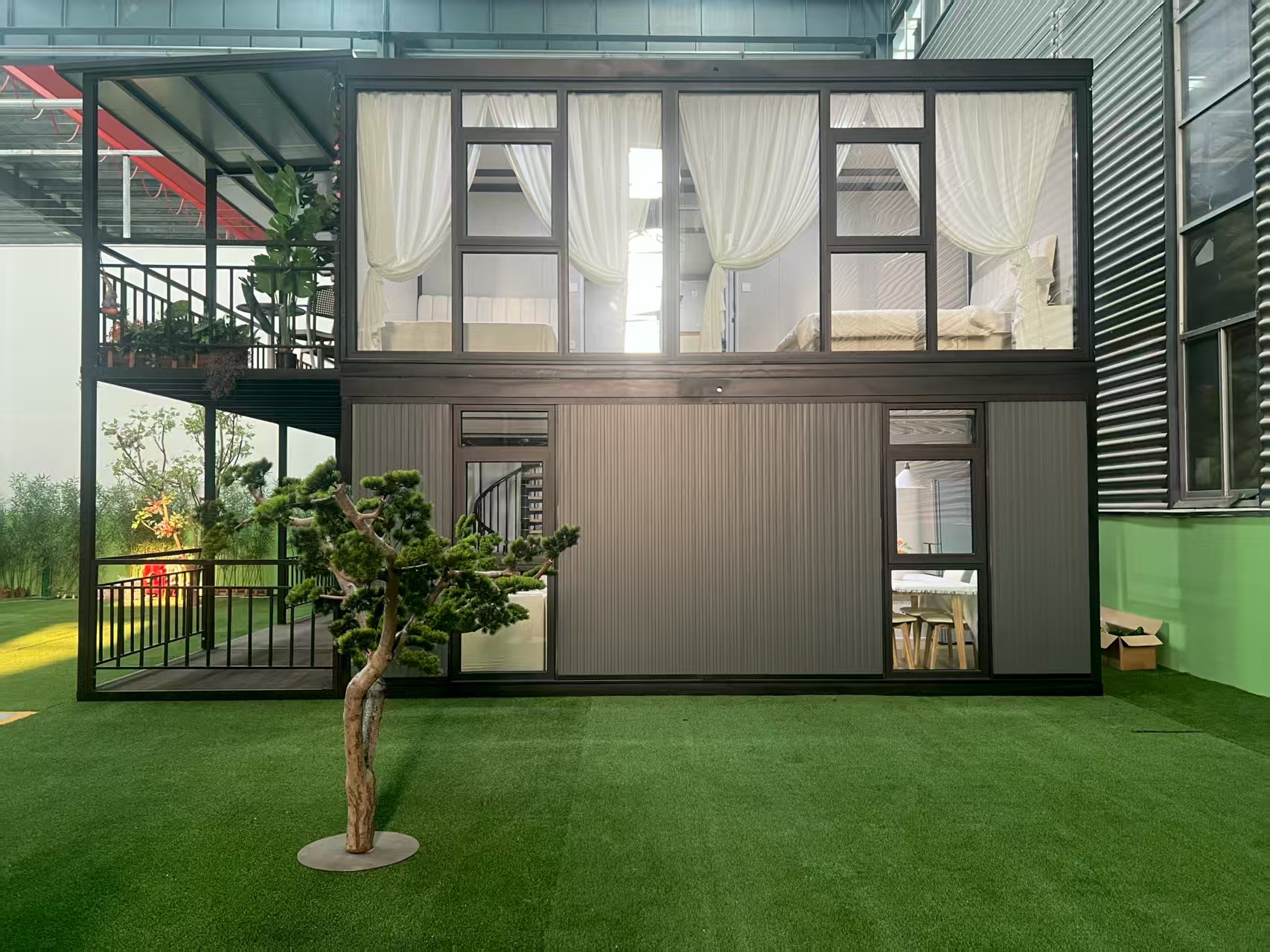
Folding houses solve a real problem: space that refuses to expand, even as our lives grow more complex. We’ve seen urban apartments shrink while remote work demands dedicated offices. We’ve watched festival organizers scramble for portable restrooms that don’t leak in rain. We’ve installed units on mountain slopes where cranes couldn’t reach—and watched them open, lock, and stabilize in under 90 minutes. That’s not theory. That’s what happens when folding houses move from brochure to ground.
Why Folding Houses Work Where Traditional Builds Fail
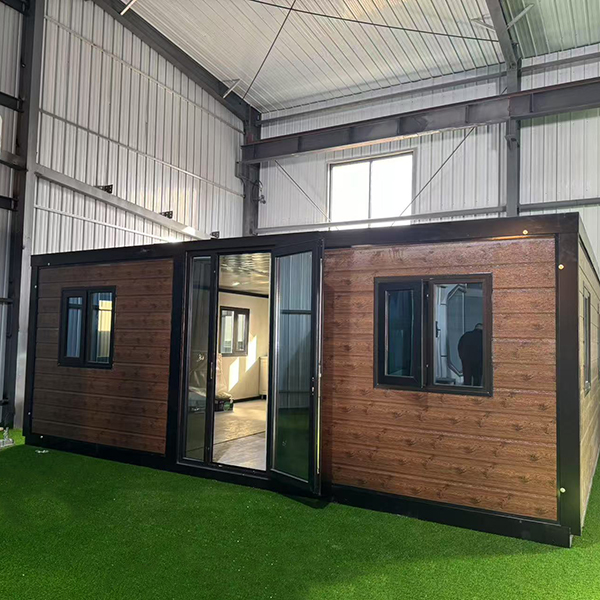
Standard prefab homes assume flat land, long lead times, and permanent foundations. Folding houses reject those assumptions. They’re engineered for movement, speed, and adaptability—not just assembly. Take the dual-wing folding container house: two rigid steel wings hinge at the center, deploy hydraulically or manually, then lock into place with precision-engineered cam locks. No welding. No crane. No 3-week wait. The structure achieves full rigidity because load paths transfer directly through folded joints—not bolted seams. We tested this design across three monsoon seasons in Guangxi. Zero frame deformation. Zero water ingress at hinge lines. That reliability comes from structural optimization—not marketing claims.
Most competitors treat “folding” as a gimmick—thin walls, weak hinges, compromised insulation. Real folding houses demand trade-offs handled deliberately: thicker gauge steel at pivot points, integrated thermal breaks in aluminum frames, factory-sealed gaskets rated for IP65. We’ve seen clients return units after six months of desert deployment because seals failed. Their supplier used generic automotive gasket tape. Our units use EPDM rubber extrusions bonded under heat and pressure—same material used in offshore wind turbine housings.
Five Use Cases That Prove Folding Houses Aren’t Just Temporary
Notice the pattern? These aren’t “just shelters.” They’re systems designed for specific failure modes: wind uplift, thermal bridging, moisture entrapment, vibration fatigue. A folding house that works on a beach won’t necessarily hold up in an alpine forest. That’s why we map every project against local wind loads, snow accumulation data, and soil bearing capacity before finalizing hinge placement or foundation type.
What Most Buyers Overlook (and Regret Later)
Some buyers focus only on unfolded square footage. Big mistake. The real metric is deployed functionality per transport cubic meter. A 40-foot container house might offer 35 m²—but if it requires two flatbed trucks, a crane rental, and five laborers for 3 days, its effective cost skyrockets. Our EXPANDABLE FOLDING HOUSE fits fully assembled inside a standard 20-foot container. One truck. Two people. Under 120 minutes to unfold, level, and secure. That changes logistics budgets—and site planning timelines.
Another hidden factor: service access. Many folding units seal so tightly that maintenance becomes impossible without disassembly. Our FOLDING ROOM models include removable inspection panels behind wall linings, hinge-point grease ports accessible without tools, and modular wiring harnesses labeled by circuit—not color code alone. We learned this after a client in Sichuan couldn’t replace a faulty HVAC controller without cutting open a wall panel. Now every unit ships with a QR-coded service manual linked to video walkthroughs.
The Future Isn’t Just Foldable—It’s Responsive
Folding houses are evolving beyond mechanics. Next-gen units integrate IoT sensors monitoring hinge stress, door seal integrity, and internal humidity—data streamed to cloud dashboards. One resort chain now receives automatic alerts when relative humidity exceeds 65% in guest cabins, triggering dehumidifier activation before mold risk emerges. This isn’t smart home fluff. It’s predictive maintenance rooted in real-world failure analysis.
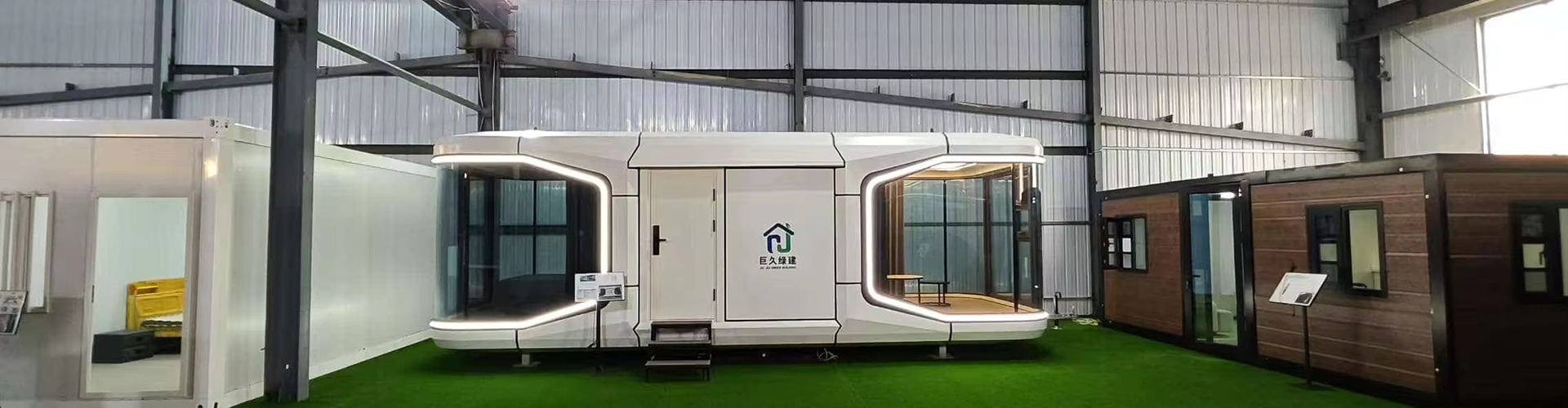
SHANDONG JUJIU INTEGRATED HOUSING CO., LTD builds these systems—not as isolated products, but as nodes in a larger spatial ecosystem. Their 200-acre production base doesn’t just stamp out units. It validates weld integrity with ultrasonic testing, tests weatherproofing under simulated Category 3 typhoon conditions, and stress-tests folding cycles to 10,000+ repetitions. Annual output of 20,000 sets isn’t about scale—it’s about proving repeatability. Because trust in folding houses isn’t earned with brochures. It’s earned when the hinge clicks shut, the floor stays level, and the rain stays outside—year after year.
Folding houses aren’t shrinking space. They’re expanding possibility—one precise, tested, human-centered fold at a time.