
-
E-mail
Austin120521@outlook.com -
E-mail
sales@jujiuhouse.com -
Telephone
+86-17864099991 -
Telephone
+86-17854044442
- Chinese
- French
- German
- Portuguese
- Spanish
- Russian
- Japanese
- Korean
- Arabic
- Irish
- Greek
- Turkish
- Italian
- Danish
- Romanian
- Indonesian
- Czech
- Afrikaans
- Swedish
- Polish
- Basque
- Catalan
- Esperanto
- Hindi
- Lao
- Albanian
- Amharic
- Armenian
- Azerbaijani
- Belarusian
- Bengali
- Bosnian
- Bulgarian
- Cebuano
- Chichewa
- Corsican
- Croatian
- Dutch
- Estonian
- Filipino
- Finnish
- Frisian
- Galician
- Georgian
- Gujarati
- Haitian
- Hausa
- Hawaiian
- Hebrew
- Hmong
- Hungarian
- Icelandic
- Igbo
- Javanese
- Kannada
- Kazakh
- Khmer
- Kurdish
- Kyrgyz
- Latin
- Latvian
- Lithuanian
- Luxembou..
- Macedonian
- Malagasy
- Malay
- Malayalam
- Maltese
- Maori
- Marathi
- Mongolian
- Burmese
- Nepali
- Norwegian
- Pashto
- Persian
- Punjabi
- Serbian
- Sesotho
- Sinhala
- Slovak
- Slovenian
- Somali
- Samoan
- Scots Gaelic
- Shona
- Sindhi
- Sundanese
- Swahili
- Tajik
- Tamil
- Telugu
- Thai
- Ukrainian
- Urdu
- Uzbek
- Vietnamese
- Welsh
- Xhosa
- Yiddish
- Yoruba
- Zulu
- Kinyarwanda
- Tatar
- Oriya
- Turkmen
- Uyghur




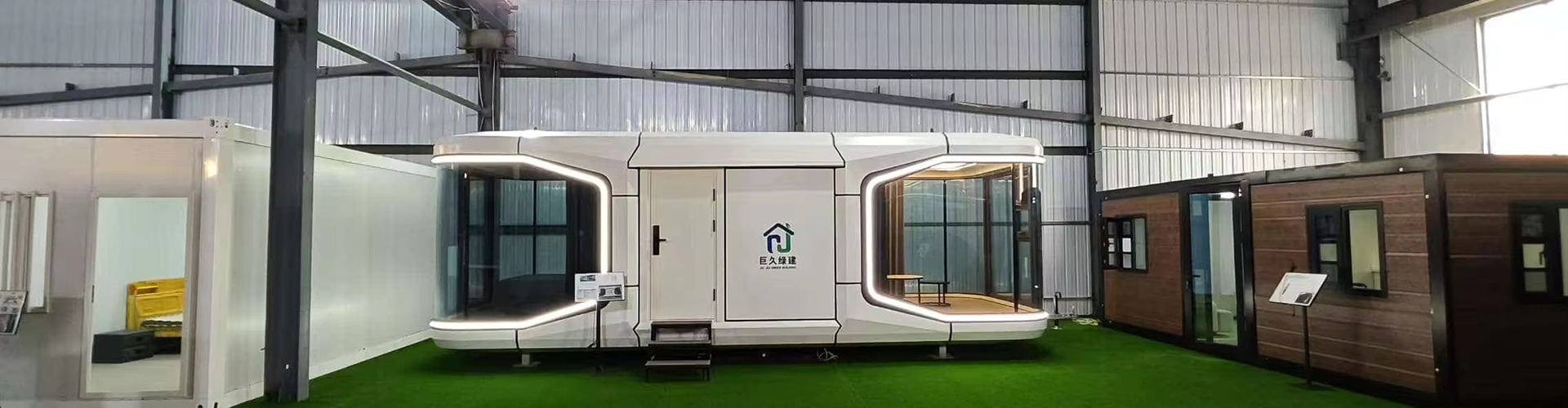
a folding house
The Dynamics of a Folding House: An Insider's Perspective
In the often tumultuous world of housing innovation, the concept of a folding house is like a breath of fresh air — promising flexibility, efficiency, and adaptability. Yet, the journey from idea to implementation is not without its hurdles. Here, insights from actual trials and tribulations in the field shed light on both the potential and the pitfalls of these fascinating structures.
Beginning with a Vision
The initial ideas around a folding house can be intoxicating — the notion of a home you can literally fold up and relocate. Early experiments, however, reveal the challenges of balancing portability with durability. I recall the first prototype I encountered during a collaboration with Shandong Jujiu Integrated Housing Co., Ltd., a leading innovator in this arena. Their approach to lightweight materials was revolutionary, albeit a tad over-ambitious at times.
One particular challenge was ensuring stability under varied weather conditions. The structures we dealt with had to withstand more than just calm, sunny days. Complexities arose in materials engineering, challenging our assumptions about weight load capacities and thermal resistance.
As we experimented with different alloys and composites, feedback loops with structural engineers were crucial. It wasn't just about making something that worked, but ensuring it was reliable and lasting. That iterative process taught us that innovation demands patience and resilience.
Design Meets Reality
There’s a significant jump from theoretical designs to tangible projects. During the R&D phase at the Shandong Jujiu labs, we faced several real-world tests that shaped the development trajectory. One issue that surfaced was the practical difficulty in assembly — what appeared feasible on paper became a puzzle under field conditions.
Integration of utilities was another sticking point. Ensuring seamless electrical work and plumbing in a structure that changes form is non-trivial. In collaboration with experienced subcontractors, solutions like modular utility systems began to take shape.
It's easy to overlook these logistical intricacies when enamored by the glamour of futuristic designs. Yet, they're pivotal in transitioning from concept to a liveable, functional space.
Market Realities and Consumer Expectations
Approaching users with a folding house involves managing expectations. There's a gap between what the market expects and the actual capabilities. While clients are drawn to the novelty and the promise of independence, they often miss the maintenance nuances.
In one project, a client expected near-instantaneous setup, underestimating the preparation required on site. This occasioned a rethink in our education approach — communicating effectively about what a folding house entails became a service priority.
For companies like Shandong Jujiu Integrated Housing, aligning is crucial — from packaging and delivery strategies to post-installation support, every step must demystify the process for users.
Complexity in Simplicity
In our relentless pursuit to simplify, we paradoxically uncover layers of complexity. A folding mechanism that, at first glance, appears straightforward, might hold intricate engineering secrets. For instance, maintaining load integrity while folding involves advanced mechanical engineering discussions around hinges and supports.
During one field test, an unexpected mechanical failure prompted a redesign of the support struts, underscoring the sensitive balance between flexibility and strength. Such insights add to the cumulative knowledge base, steering future innovations.
It's in these details that the real expertise emerges — the seemingly small tweaks that make a tangible difference to user safety and comfort.
Looking Ahead: The Future of Folding Homes
While folding houses are not a universal solution, their niche potential is undeniable. The experience with Shandong Jujiu highlights growth potential in disaster relief, temporary accommodation, and customizable living spaces. With ongoing R&D and a commitment to quality, the path forward promises exciting developments.
As we look ahead, the collaboration between architects, engineers, and end-users must deepen. The field is ripe for incremental advances, each contributing to a new era of mobile, flexible housing.
For anyone dipping their toes into the world of folding houses, it's a journey rich with lessons, full of challenges, but with an undeniable edge of innovation that captures the imaginations of many.
Related products
Related products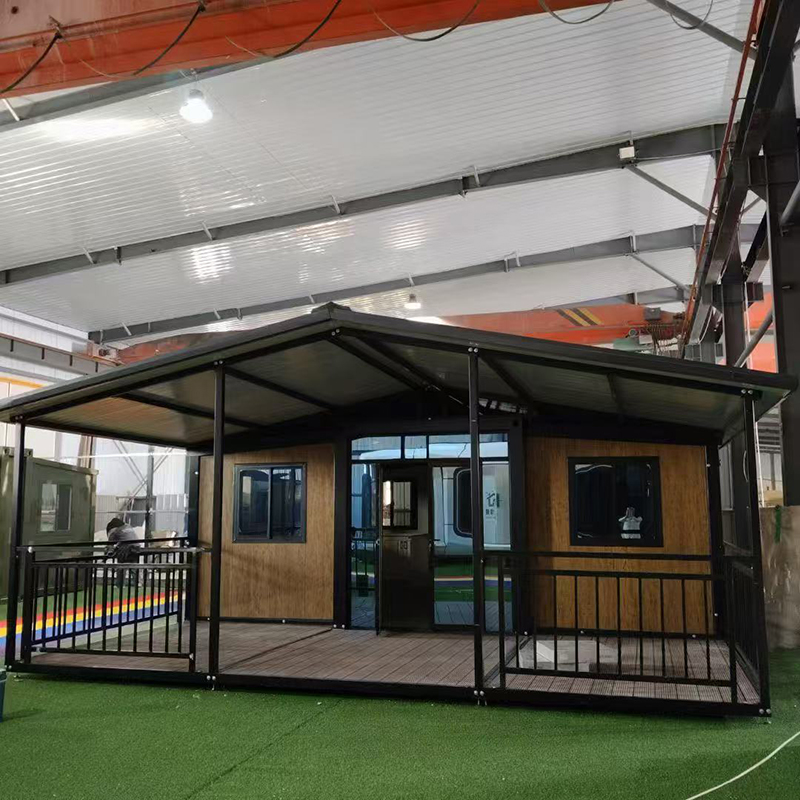
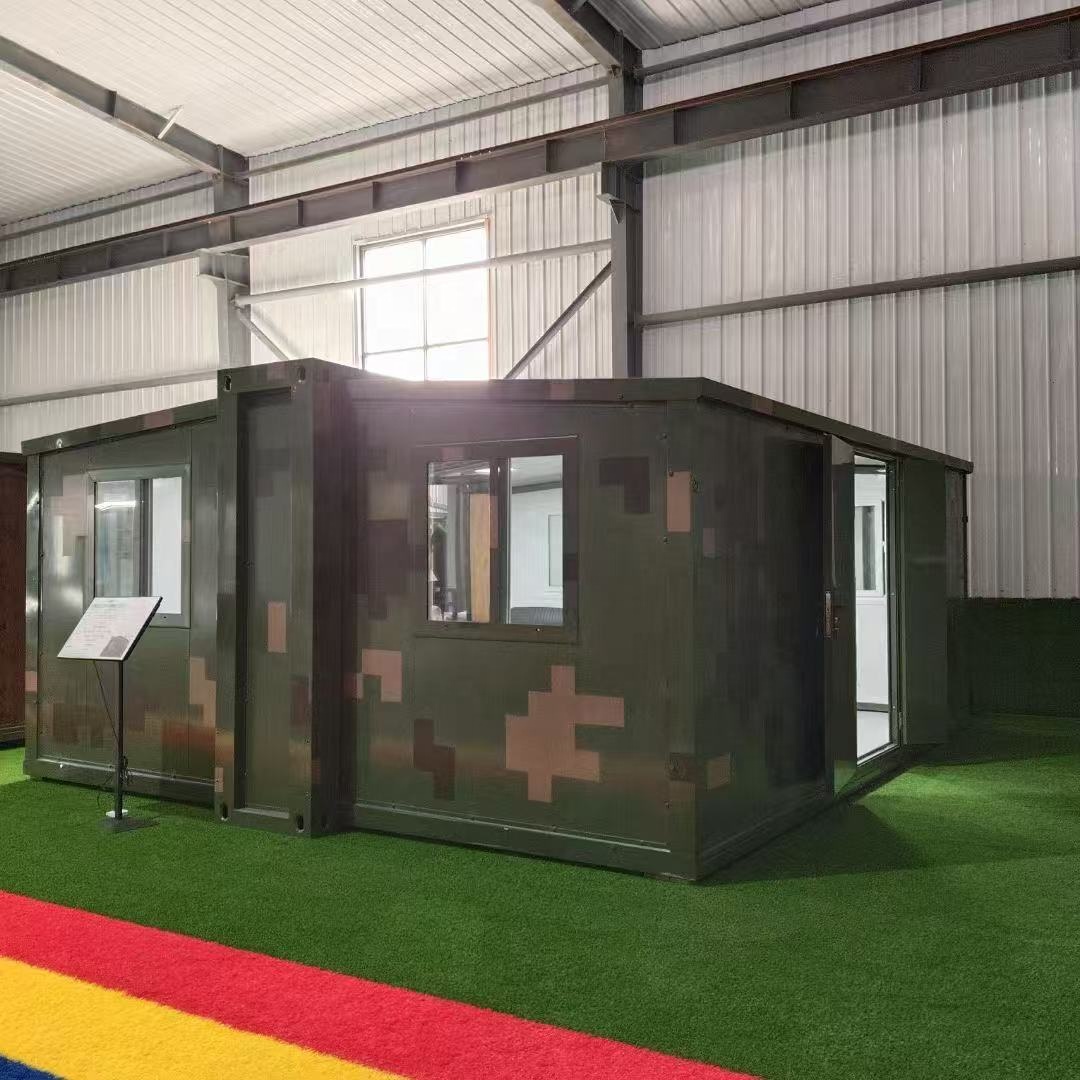
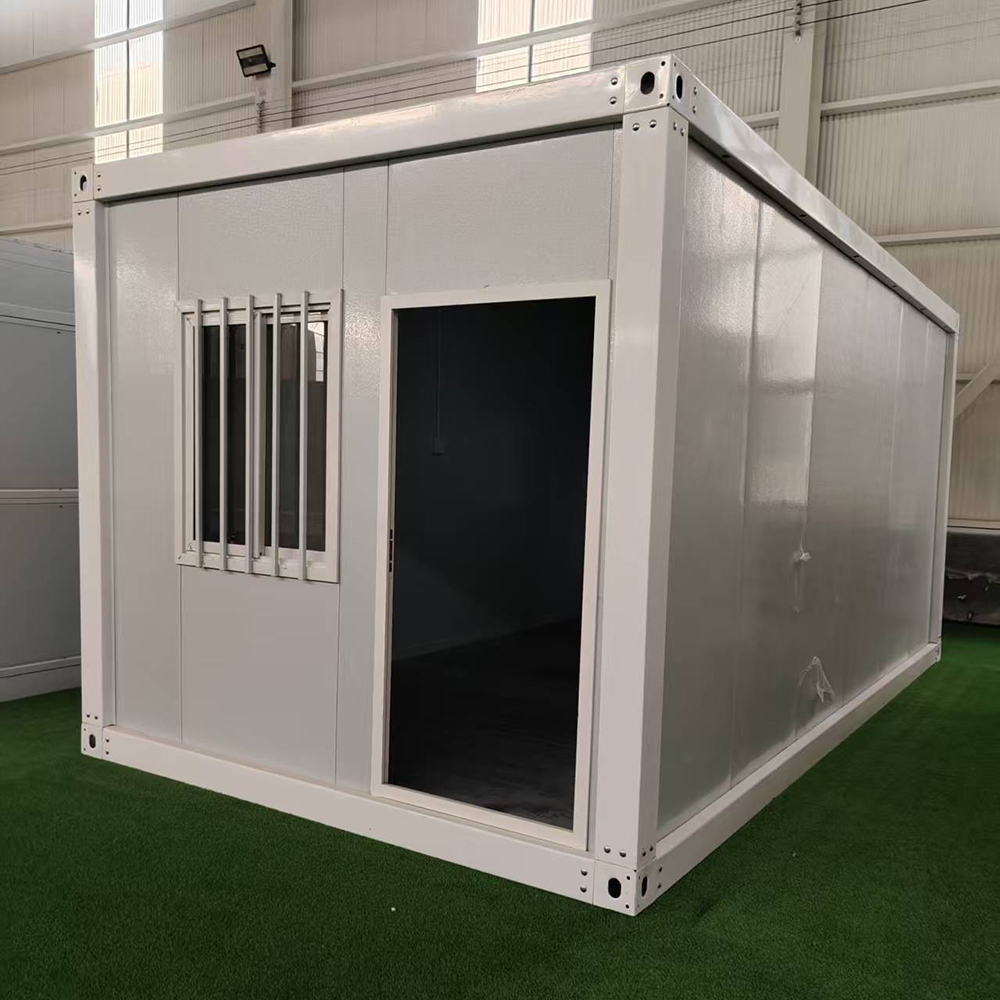
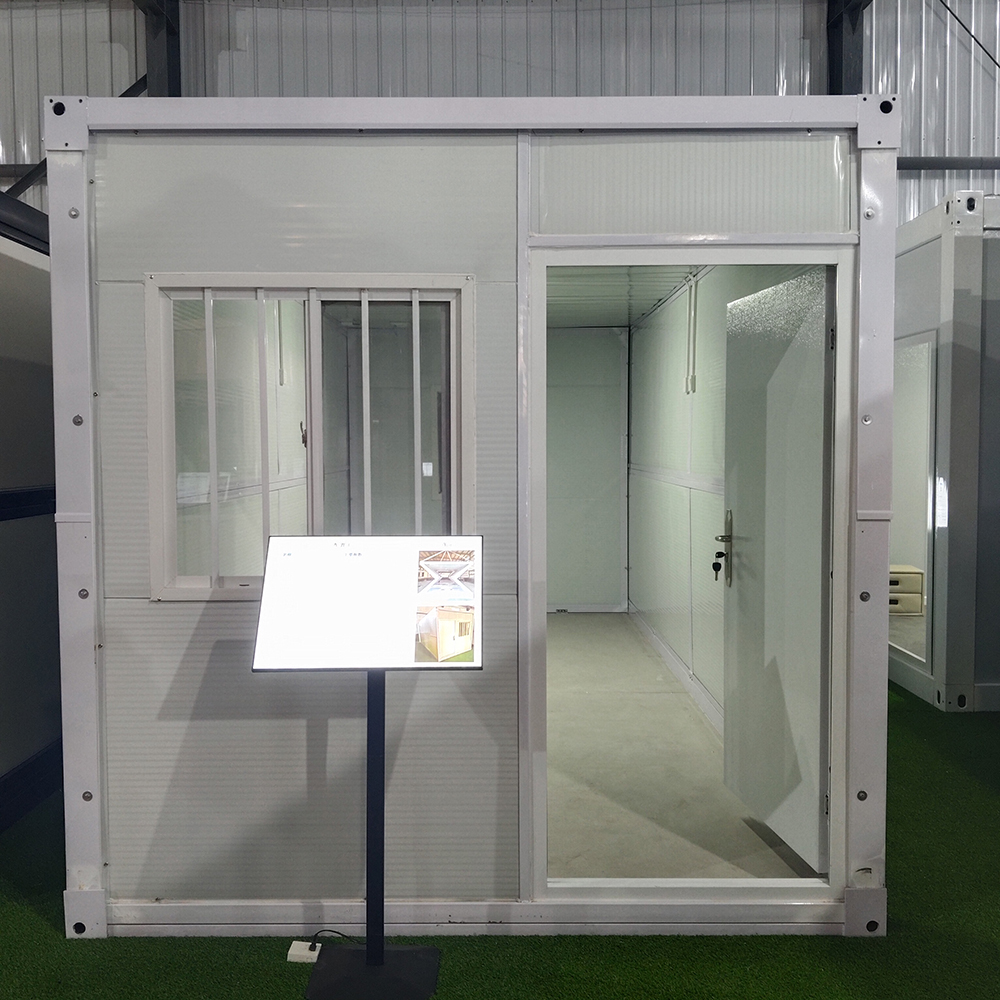
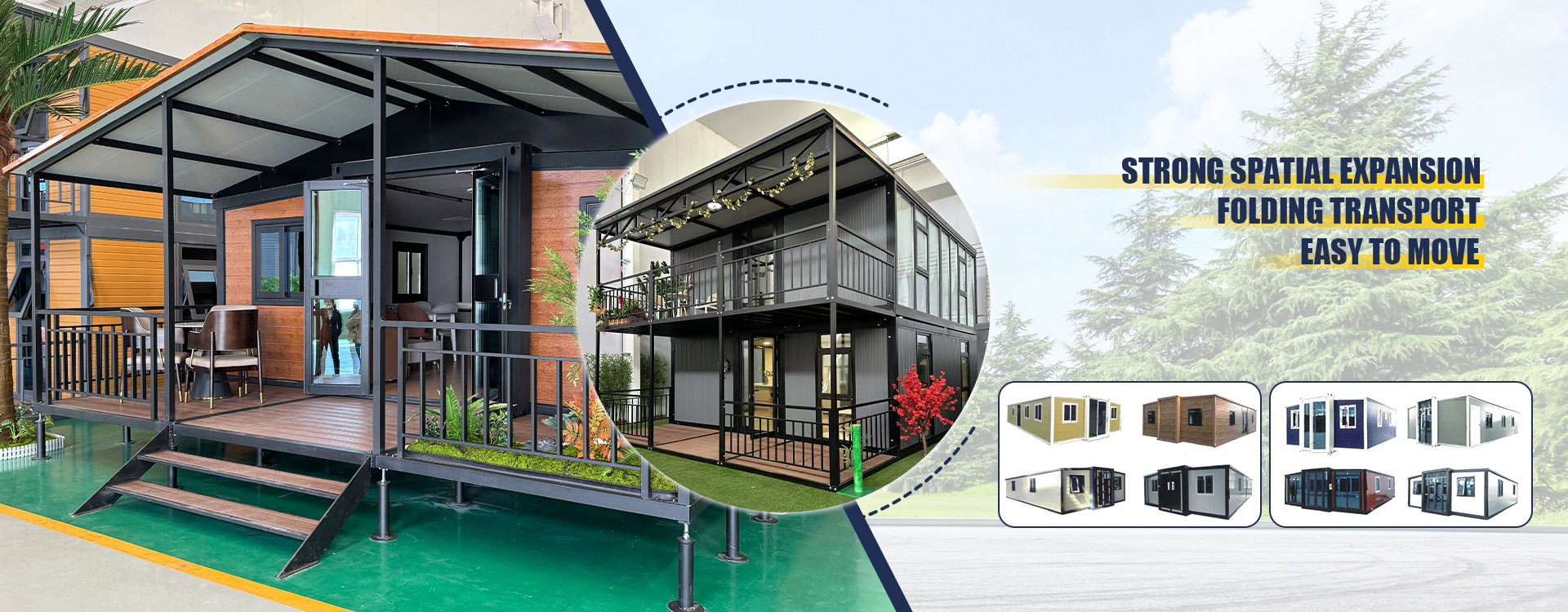
Best selling products
Best selling products-
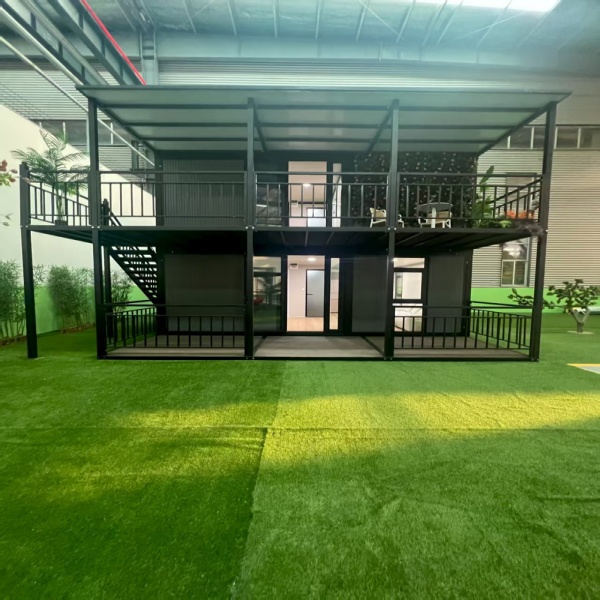 Luxury foldable two-story container houses in luxury resort hotels and villa hotels
 -
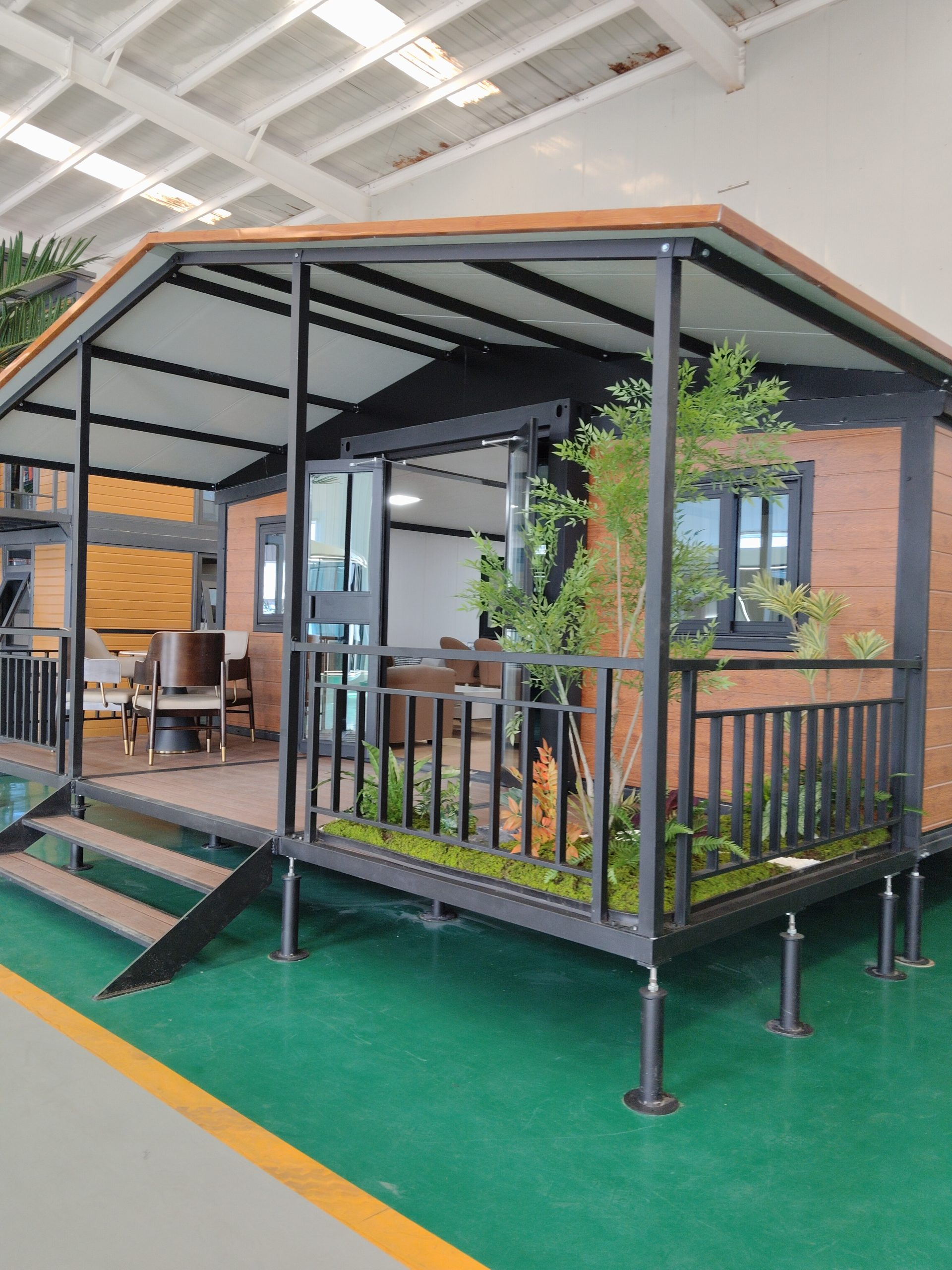 A container house with a terrace and double-wing folding design, suitable for various purposes such as offices, meeting rooms, living rooms, etc.
 -
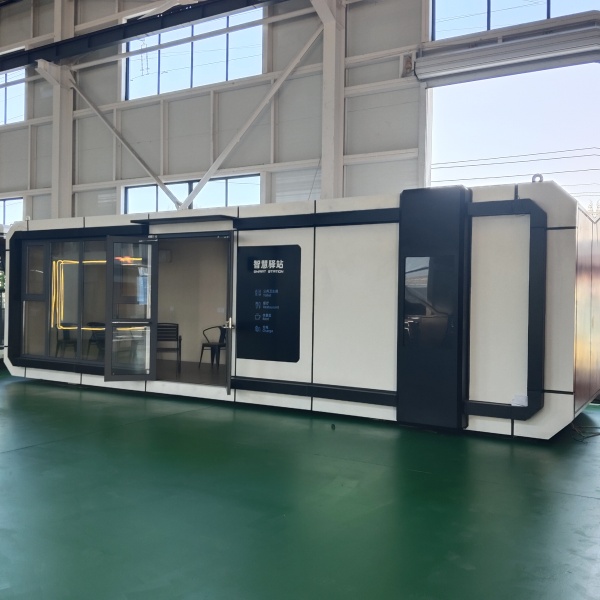
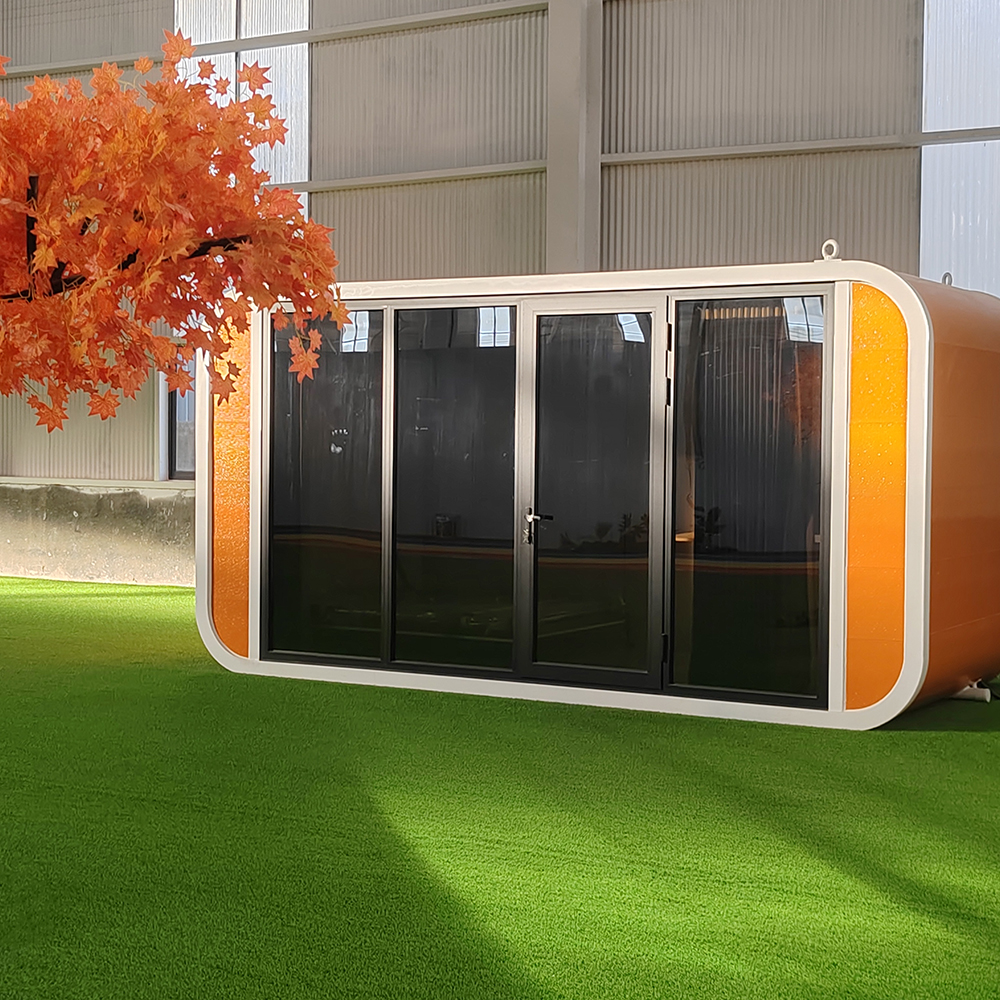 Luxury Prefabricated Living Container House Modular Glass Tiny House Prefab Container Home Apple Cabin
 -
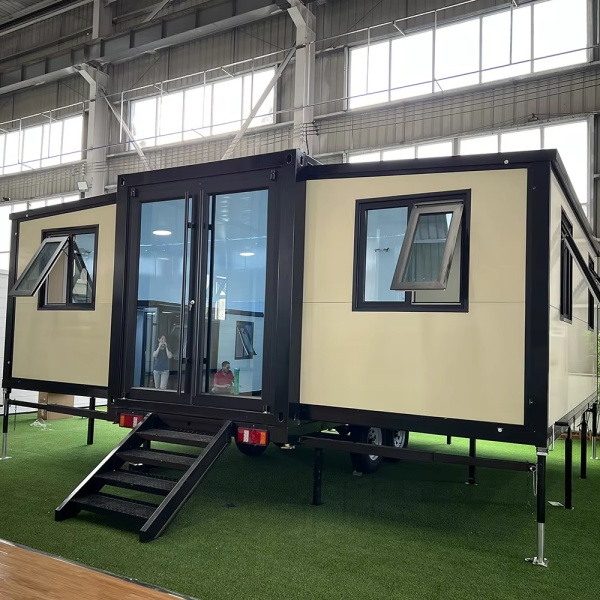
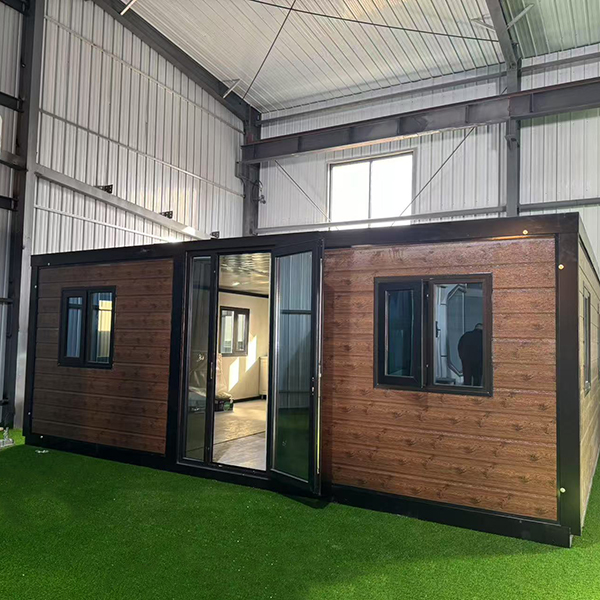 Good Quality Modular Homes Prefabricated House Expandable Container House 20FT Mobile Flat Roof House
 -
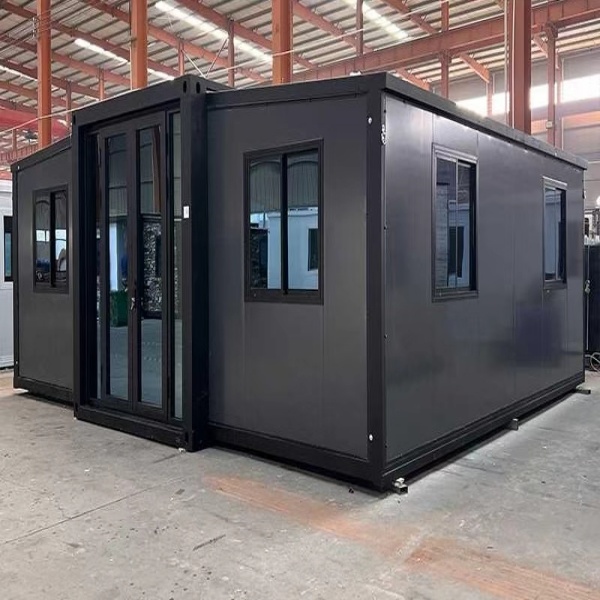 Dual-Wing Folding Container House: Fast Assembly, Space-Saving & Multi-Scene Adaptable
 -
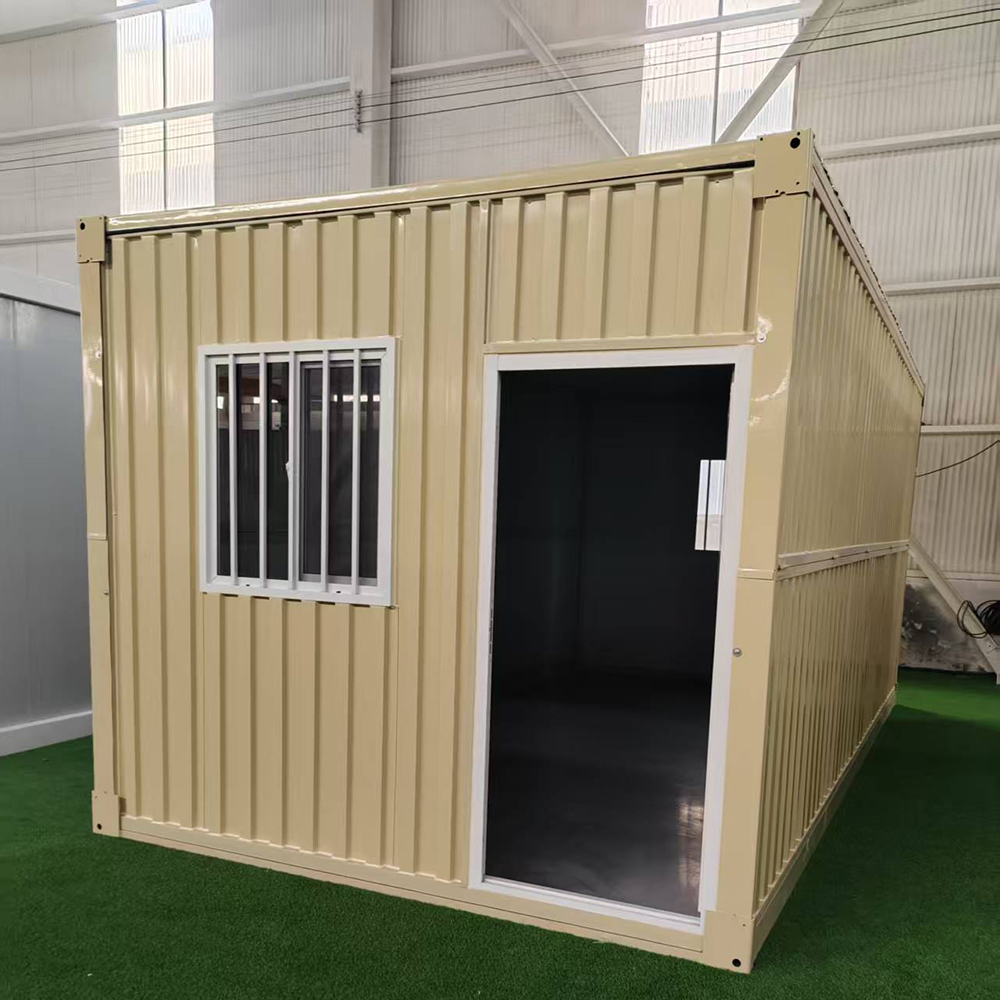 Competitive Price Portable Container House Foldable Container Mobile Living Modular Homes
 -
 Luxury Foldable Two Story Container House for Glamping Resort and Villa Hotel
 -
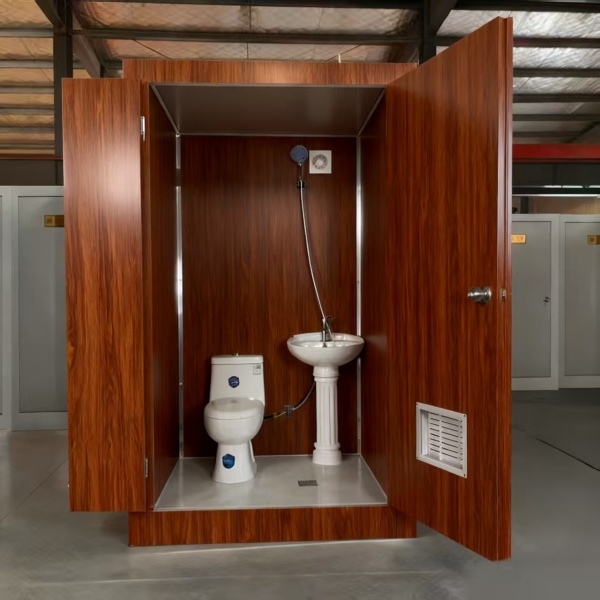 Portable outdoor camping bathroom, mobile toilet, prefabricated modular villa & rental of outdoor and indoor showers
 -
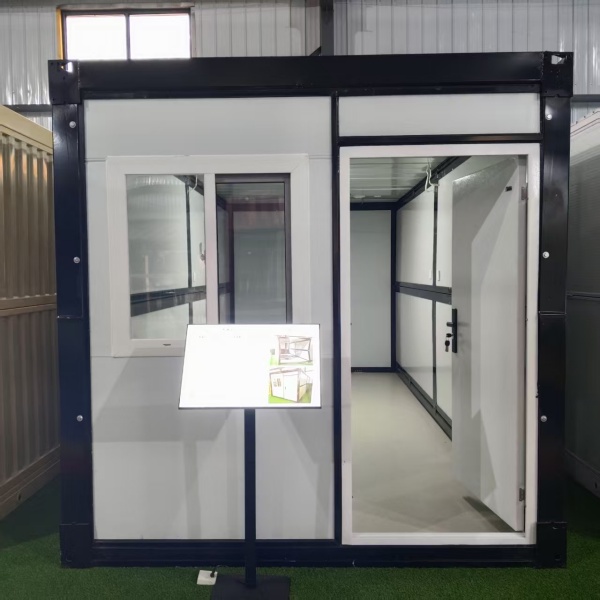 Hot-selling foldable container houses, expandable prefabricated houses, suitable for office or living use, with fast delivery.
 -
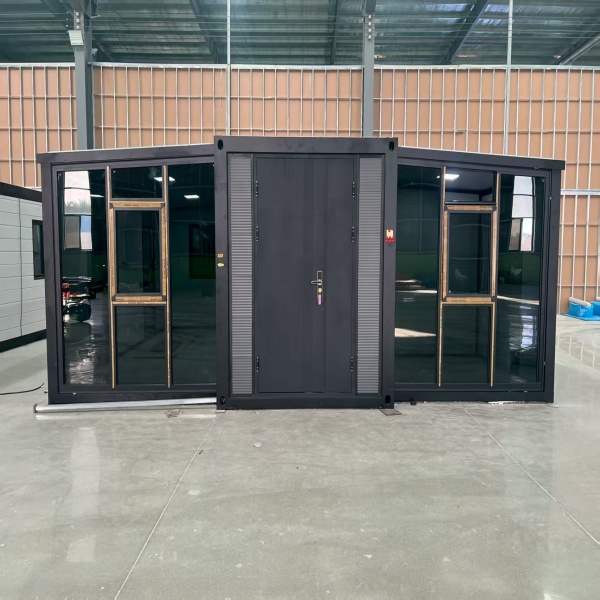 Customizable Office Mobile Home with Flat Roof and Double Wing Expansion Box, Convenient Container
 -
A container house with a terrace and double-wing folding design, suitable for various purposes such as offices, meeting rooms, living rooms, etc.
-
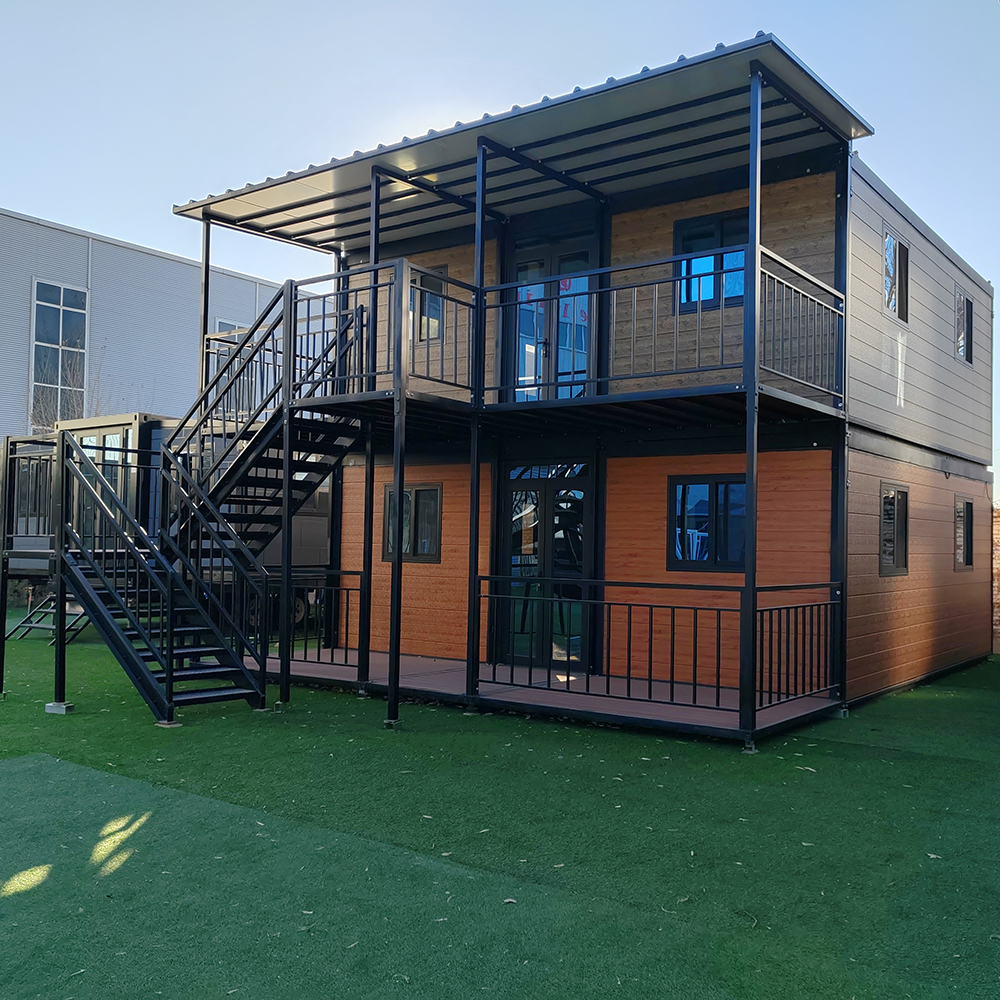 Easy Install Customized Detachable Container Homes Extendable House Prefab 2 Floors Expandable Container House
Related search
Related search- Buy container homes fold out
- China good price folding shipping container house
- folding caravan container house
- detachable apple cabin house
- China folding container house usa
- portable fold out container house
- China prefabricated containers house 20ft
- China apple pod cabin garden cabin
- 40ft expandable container house
- China low price flat pack container house prefabricated