
-
E-mail
Austin120521@outlook.com -
E-mail
sales@jujiuhouse.com -
Telephone
+86-17864099991 -
Telephone
+86-17854044442
- Chinese
- French
- German
- Portuguese
- Spanish
- Russian
- Japanese
- Korean
- Arabic
- Irish
- Greek
- Turkish
- Italian
- Danish
- Romanian
- Indonesian
- Czech
- Afrikaans
- Swedish
- Polish
- Basque
- Catalan
- Esperanto
- Hindi
- Lao
- Albanian
- Amharic
- Armenian
- Azerbaijani
- Belarusian
- Bengali
- Bosnian
- Bulgarian
- Cebuano
- Chichewa
- Corsican
- Croatian
- Dutch
- Estonian
- Filipino
- Finnish
- Frisian
- Galician
- Georgian
- Gujarati
- Haitian
- Hausa
- Hawaiian
- Hebrew
- Hmong
- Hungarian
- Icelandic
- Igbo
- Javanese
- Kannada
- Kazakh
- Khmer
- Kurdish
- Kyrgyz
- Latin
- Latvian
- Lithuanian
- Luxembou..
- Macedonian
- Malagasy
- Malay
- Malayalam
- Maltese
- Maori
- Marathi
- Mongolian
- Burmese
- Nepali
- Norwegian
- Pashto
- Persian
- Punjabi
- Serbian
- Sesotho
- Sinhala
- Slovak
- Slovenian
- Somali
- Samoan
- Scots Gaelic
- Shona
- Sindhi
- Sundanese
- Swahili
- Tajik
- Tamil
- Telugu
- Thai
- Ukrainian
- Urdu
- Uzbek
- Vietnamese
- Welsh
- Xhosa
- Yiddish
- Yoruba
- Zulu
- Kinyarwanda
- Tatar
- Oriya
- Turkmen
- Uyghur




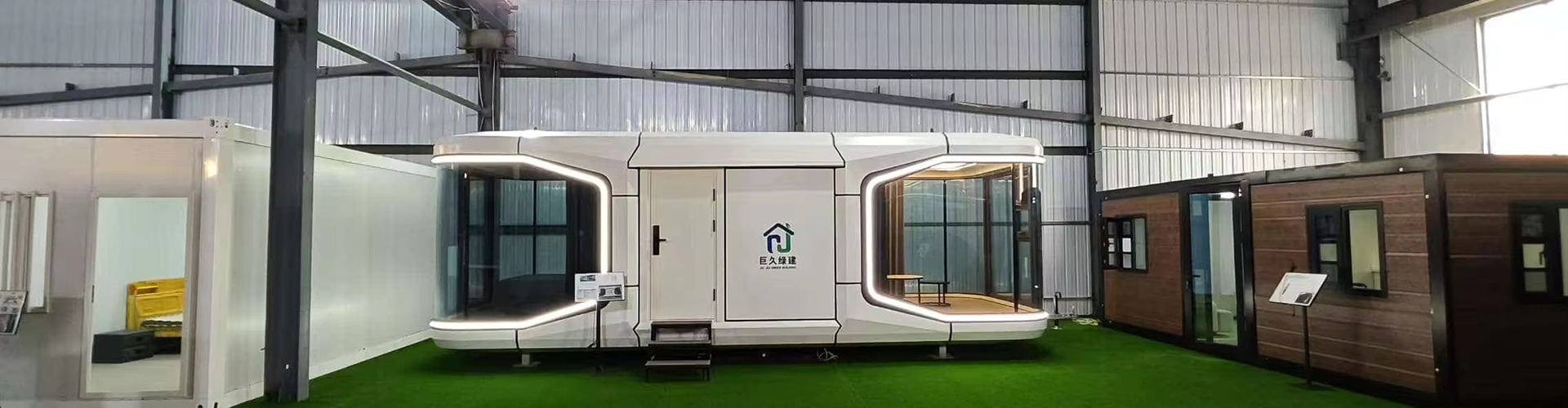
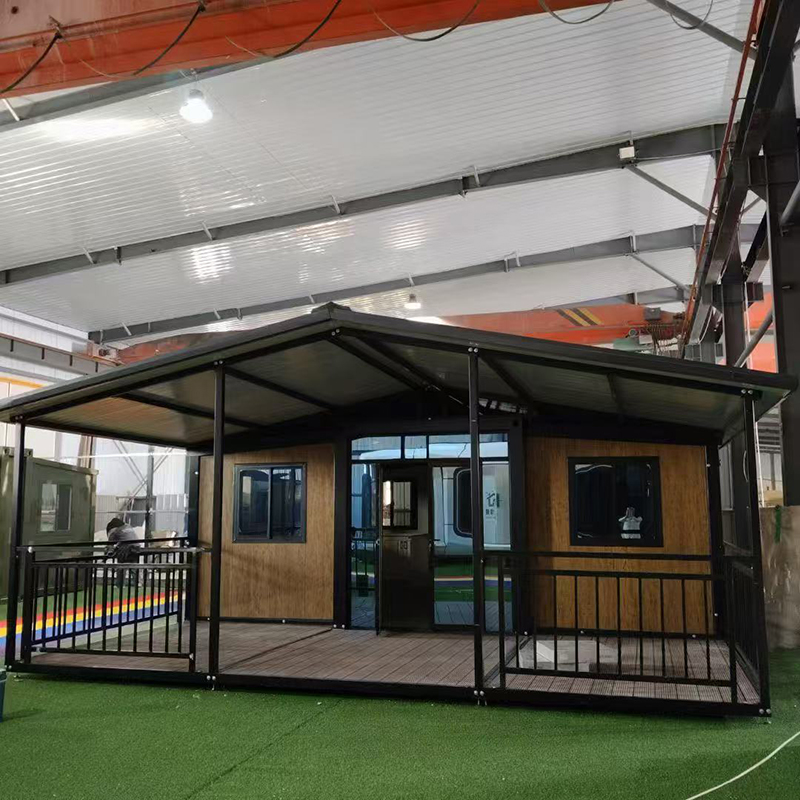
a frame folding house
A Comprehensive Look at A-Frame Folding Houses
Imagine a house you can assemble or relocate almost effortlessly. The concept isn't as far-fetched as it once seemed, and as a professional who's spent significant time navigating the intricacies of such designs, I'm here to unpack the world of a frame folding house. These are fascinating structures, but misconceptions abound, even within industry circles.
Understanding the Basics
First off, let's clarify what a a frame folding house is. Think of it as a portable living solution. Unlike traditional homes, these can be erected or packed up with remarkable speed. It's a concept gaining traction, especially for those eyeing sustainable and mobile lifestyles.
Now, here's where most people get it wrong: they assume it's just a fancy tent. Far from it. These houses use advanced materials for both durability and insulation. My encounters with them, especially those provided by companies like Shandong Jujiu Integrated Housing Co., Ltd., highlight an incredible mix of simplicity and innovation.
This sector is a bit niche, yet in high demand. I've personally seen the shift in preference for such homes, especially in remote project locations. They're not only practical but also surprisingly stylish in design.
Design and Construction Challenges
Designing a a frame folding house isn't without its headaches. Stability and durability remain the foremost challenges. When you repeatedly fold and unfold a structure, you run the risk of joint fatigue. I've had projects pushed back because of this very concern. Adjusting the design to allow for frequent assembly and disassembly without sacrificing strength takes real engineering finesse.
Moreover, environmental factors play a significant role. I've seen failures resulting from inadequate weatherproofing — a stark reminder that these structures are not mere novelty items. Companies like the one mentioned earlier have made strides with enhanced weather-resistant materials and smart design enhancements.
From personal experience, it's also crucial to ensure that the user experience remains intuitive. Clients aren't always industry-savvy, so simplifying the assembly process is key. We’re talking IKEA levels of simplicity here, but with engineering sophistication.
Real-World Applications
Why should you consider a a frame folding house? Budget and time efficiency stand out as primary benefits. In my years of working both in urban and rural settings, these homes have proven invaluable, especially when conventional construction timelines simply don't fit the bill.
Take emergency housing scenarios, for instance. Rapidly deployable shelters are a boon for disaster response. Seeing a team erect a fully-functional shelter in mere hours is nothing short of impressive and highlights the potential within disaster management frameworks.
Then there are the adventurers. Modern nomads are embracing these homes for the freedom they offer. These are often clients passionate about reducing their carbon footprint, and folding houses align perfectly with their eco-conscious ethos.
Exploring Innovative Materials
Considering the materials used in these designs, there's been significant evolution over the past decade. Lightweight but resilient options like reinforced polymer panels come to mind. These aren't your traditional building blocks; they're designed to withstand the rigors of repeated movement.
Working closely with teams at Shandong Jujiu Integrated Housing Co., Ltd., I've participated in product optimization that incorporates such elements. The result? Homes that are not just practical but surpass conventional standards of comfort.
It's these innovations that got me hooked in the first place. Seeing a concept translate effectively from blueprint to building gives a certain thrill, knowing you're part of pioneering comfort on the move.
Market and Future Outlook
The interest in a frame folding house solutions is mirrored by companies expanding their offerings. Shandong Jujiu Integrated Housing Co., Ltd., accessible at jujiuhouse.com, is a testament to the growing demand within the industry. The company’s multifaceted approach to housing solutions highlights future potential - from light steel villas to curtain wall engineering.
Looking ahead, I firmly believe this is more than a passing trend. With urban spaces shrinking and the surge in minimalist living, this could very well define how we approach housing in the future.
For those considering venturing into this market or curious about adopting such a lifestyle, remain open-minded but discerning. This isn't just about buying a movable home — it’s a shift in how we perceive space and sustainability.
Related products
Related products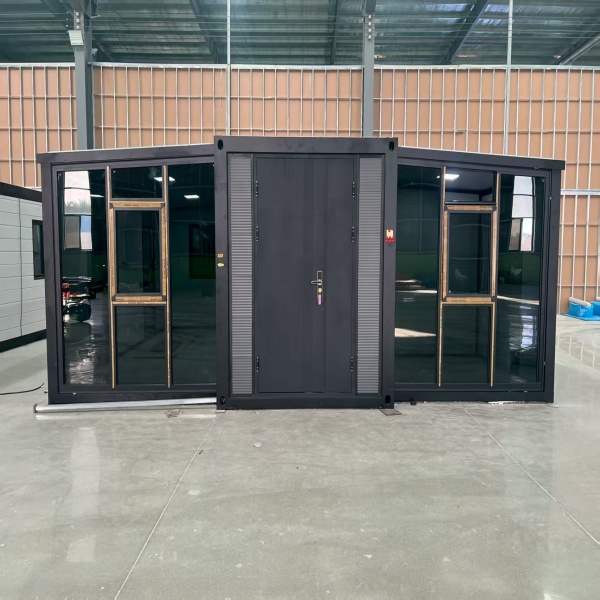
Best selling products
Best selling products-
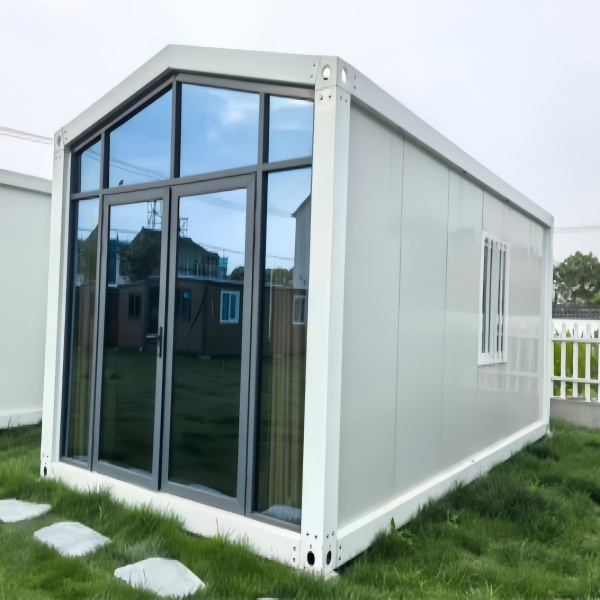 Waterproof folding container house – mobile accommodation for campsites/scenic spots
 -
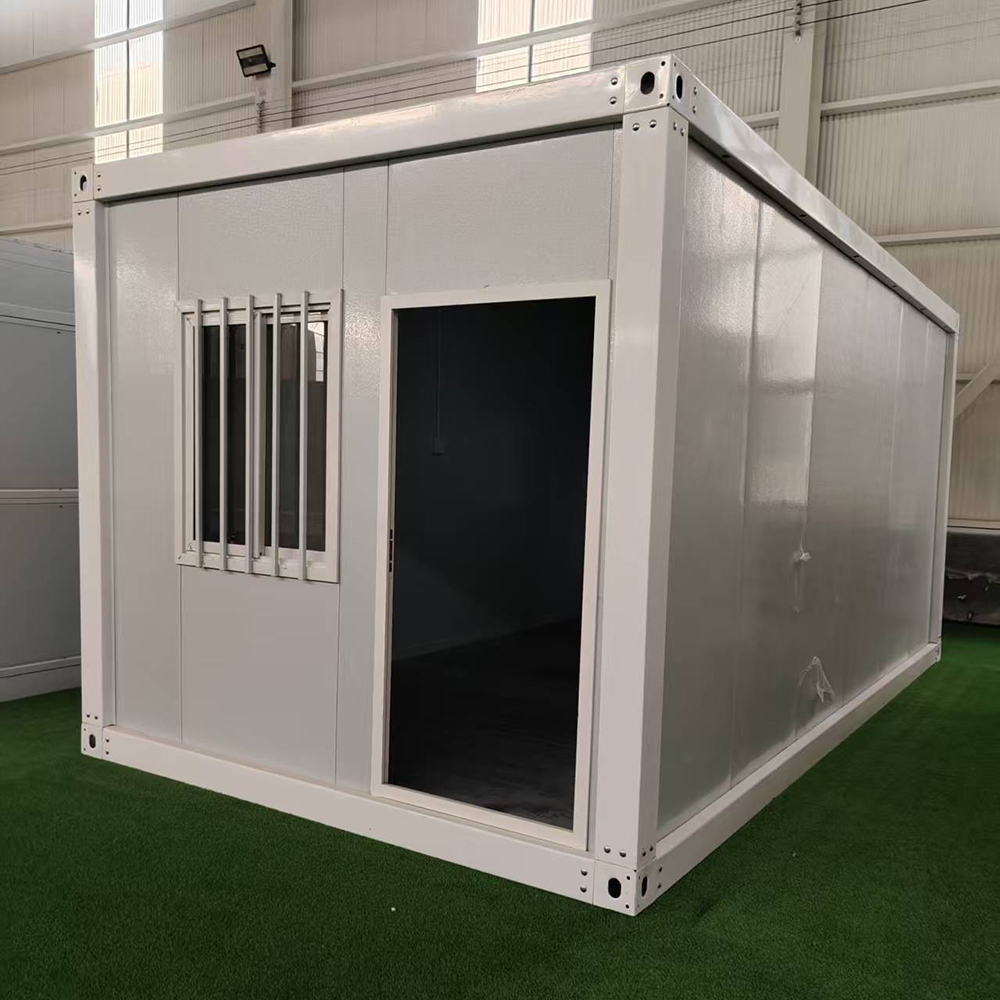 Folding Container Moving House Modular Office Container House Prefab Container for Outdoor Use
 -
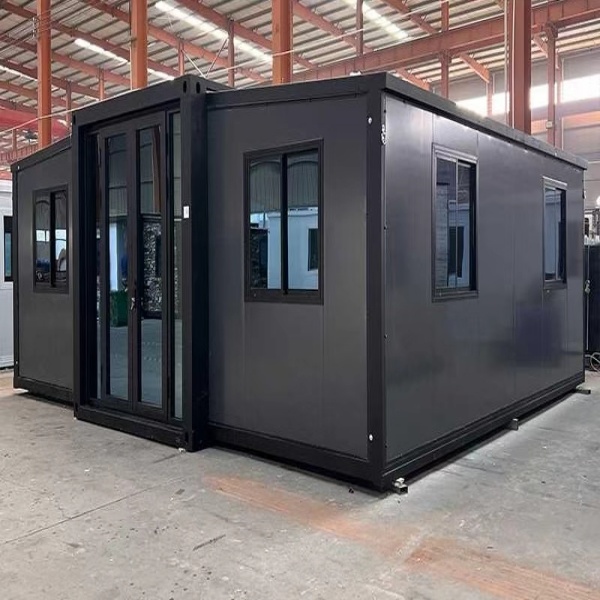
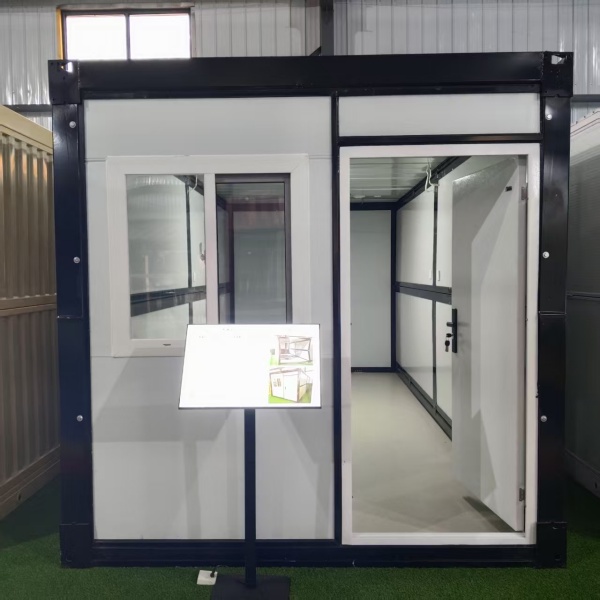 Hot-selling foldable container houses, expandable prefabricated houses, suitable for office or living use, with fast delivery.
 -
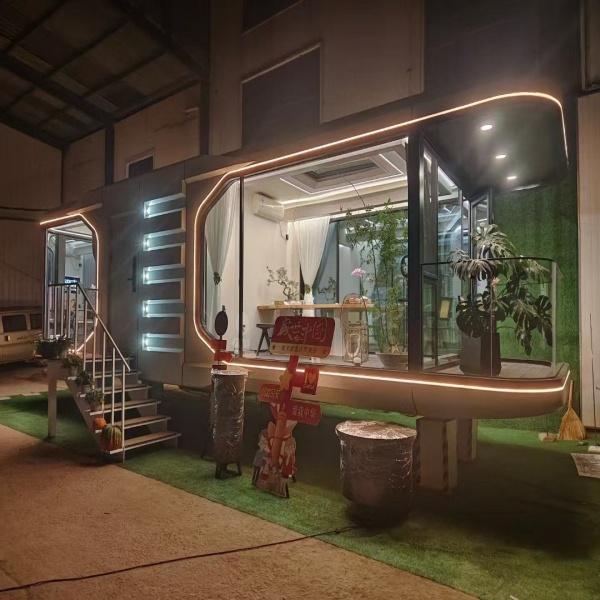
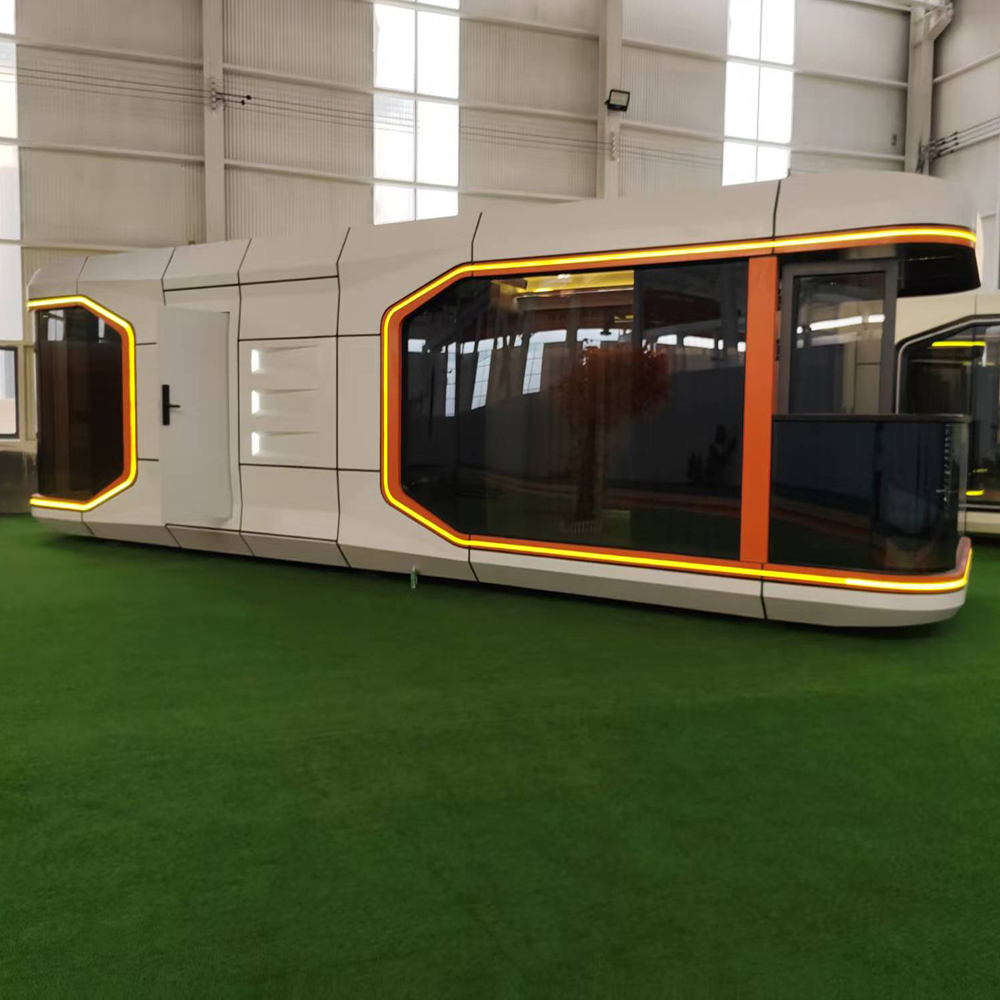 Standard Modern Camping Pod Space Prefabricated Portable Mobile Capsule Room Hotel Bathroom Prefabricated Spaceship House
 -
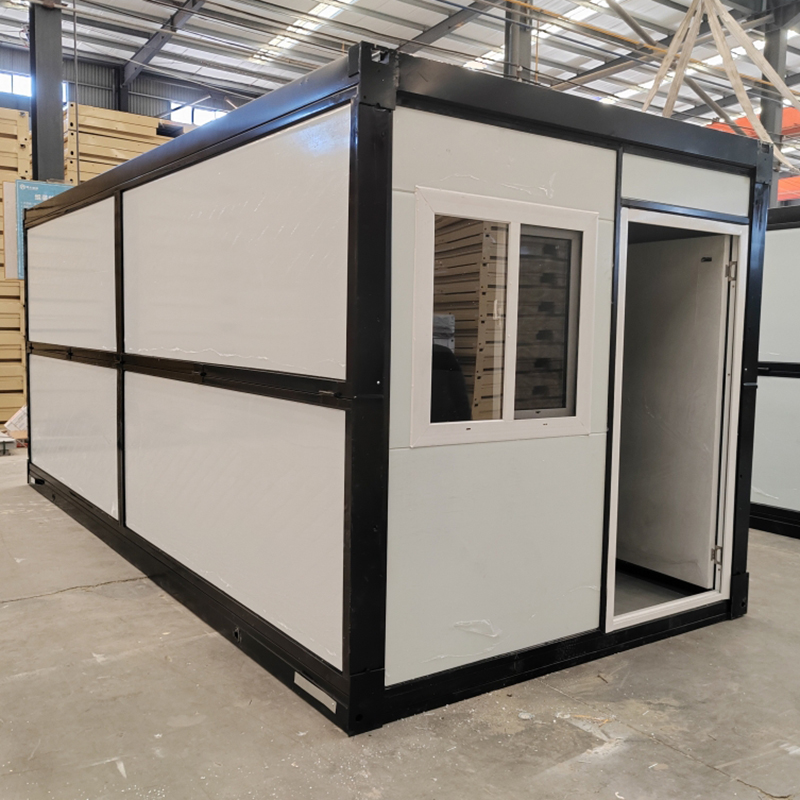 Detachable Design Prefabricated Container House Portable Modular Office Building Folding Container House
 -
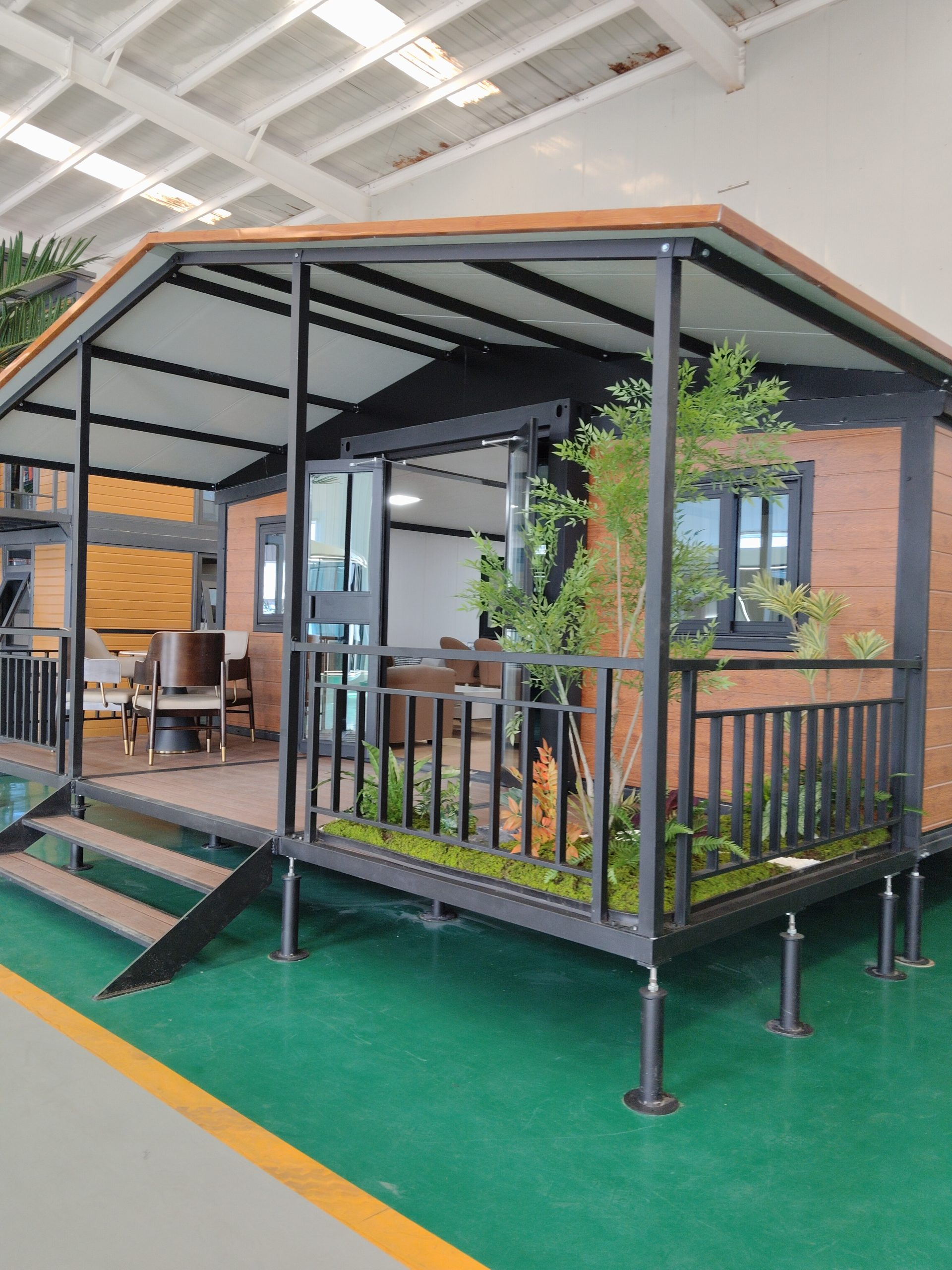 A container house with a terrace and double-wing folding design, suitable for various purposes such as offices, meeting rooms, living rooms, etc.
 -
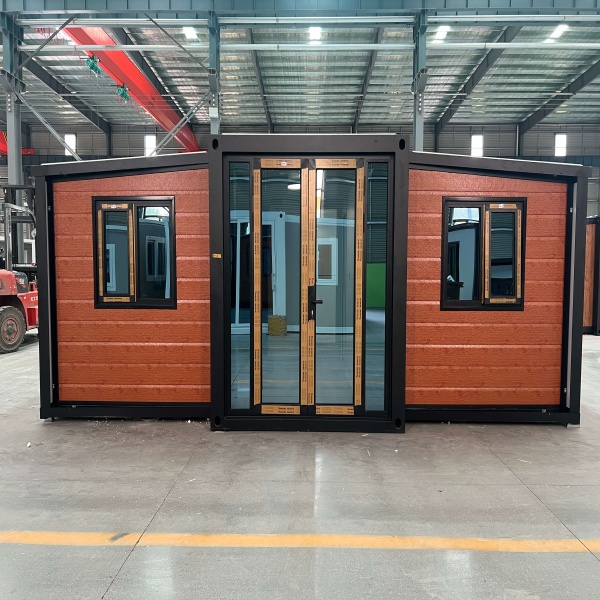 High-quality Double-wing Folding Container House with Doors and Windows, Insulated Walls, Suitable for Various Scenarios.
 -
Factory Direct Sales Office Folding Container Luxury House Living Container House
-
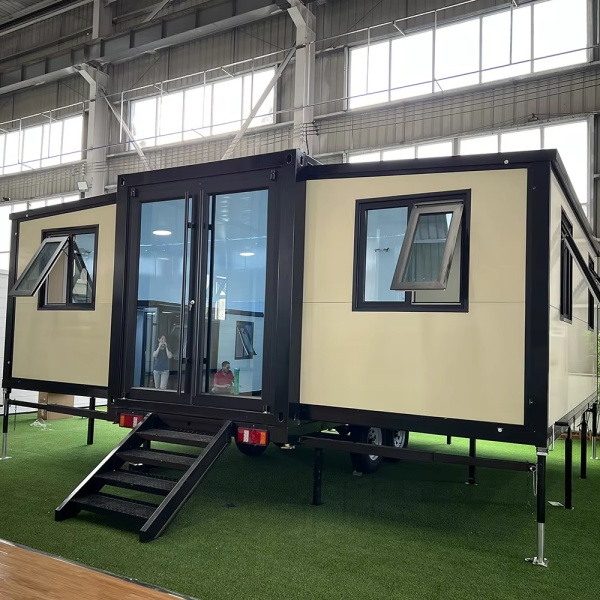 Stair Access Double Wing Expandable Container House | Easy Installation Mobile Office
 -
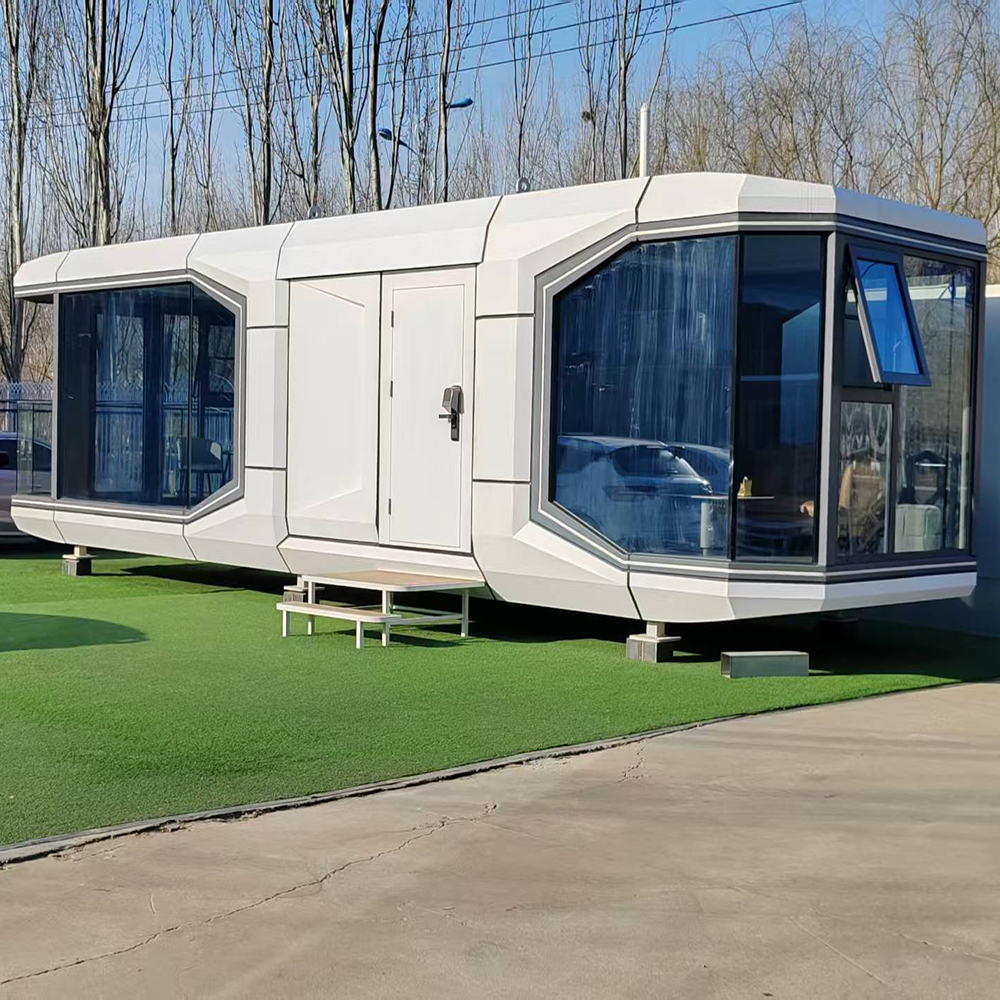 Luxury High Quality 2 Bedroom Container Home Prefabricated Steel Space Capsule for Office Shop Hotel or Outdoor House
 -
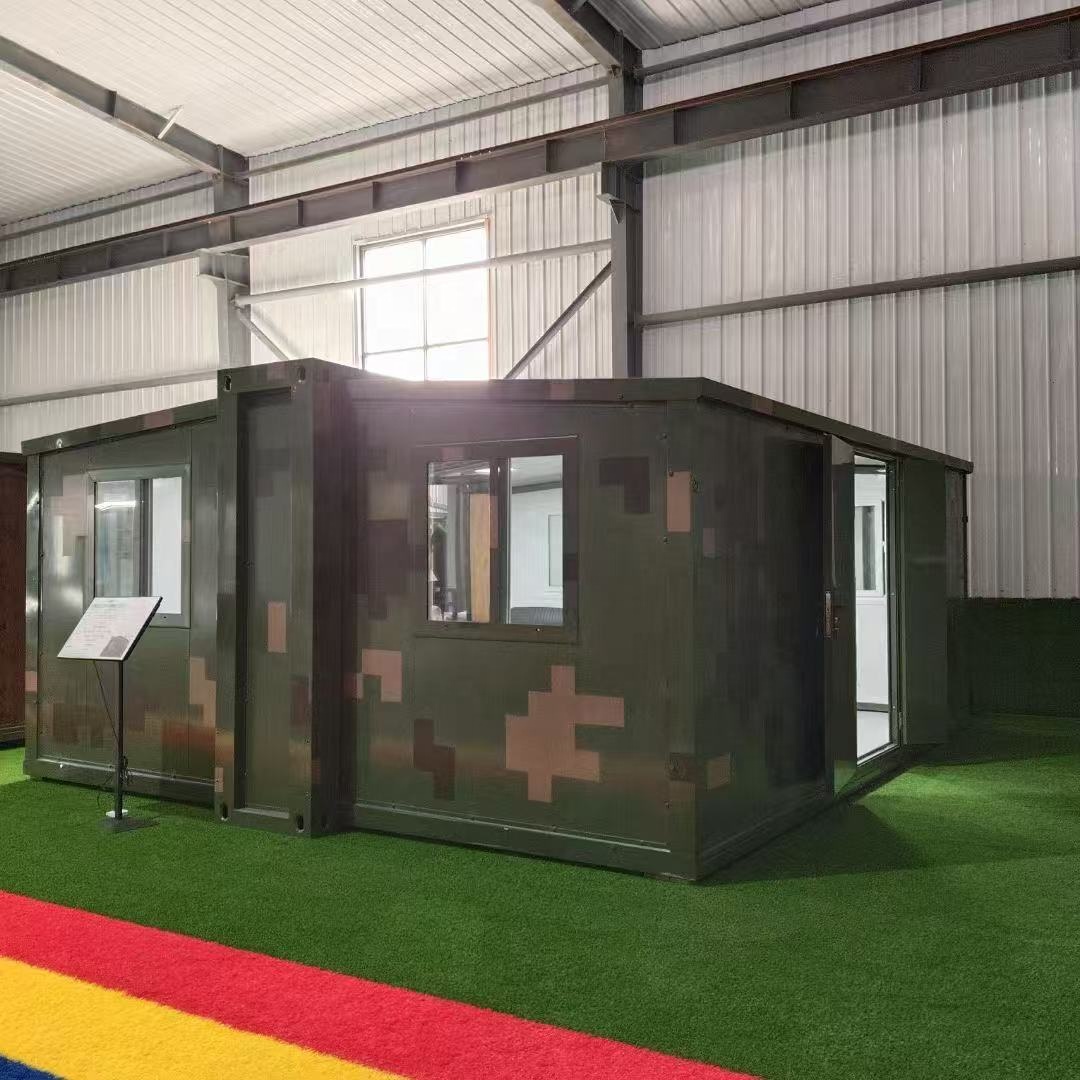 Movable Prefabricated Container House Villas Modular Portable Homes 1 Bedroom Container House Offices Apartments
 -
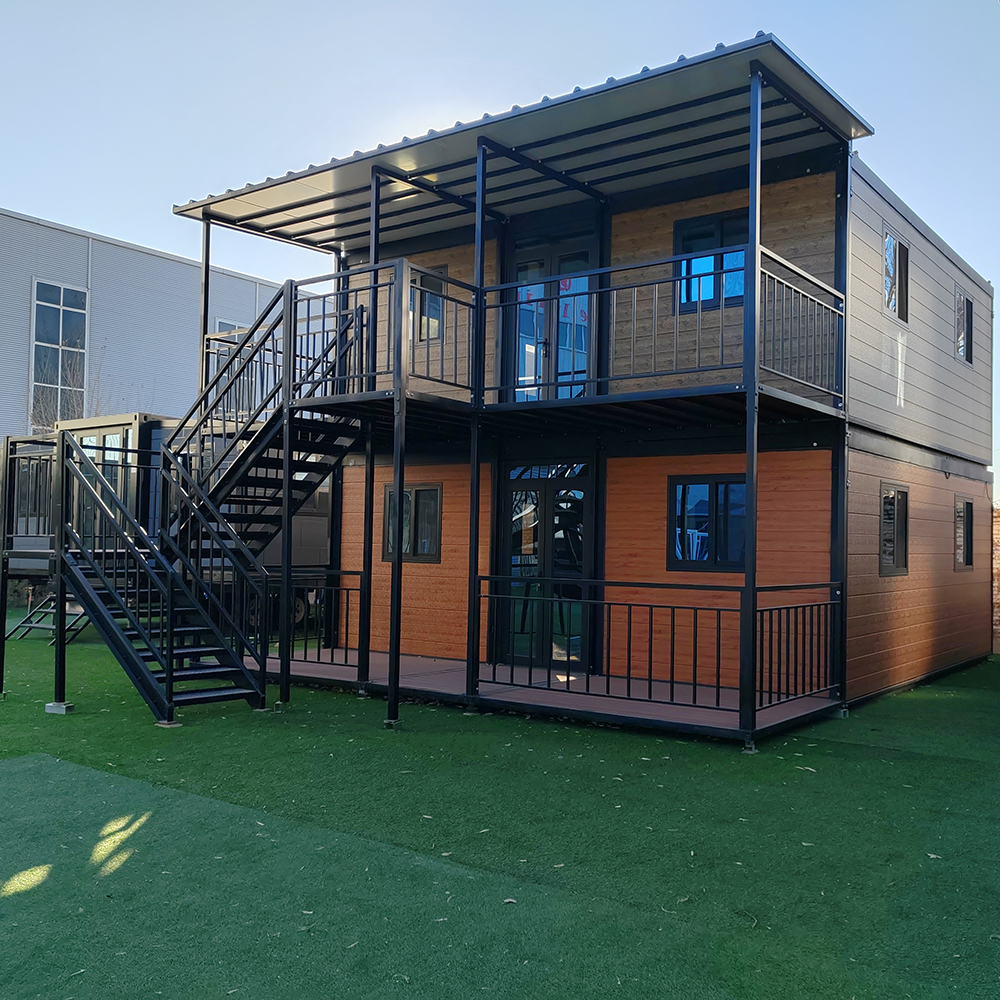 Easy Install Customized Detachable Container Homes Extendable House Prefab 2 Floors Expandable Container House