
-
E-mail
Austin120521@outlook.com -
E-mail
sales@jujiuhouse.com -
Telephone
+86-17864099991 -
Telephone
+86-17854044442
- Chinese
- French
- German
- Portuguese
- Spanish
- Russian
- Japanese
- Korean
- Arabic
- Irish
- Greek
- Turkish
- Italian
- Danish
- Romanian
- Indonesian
- Czech
- Afrikaans
- Swedish
- Polish
- Basque
- Catalan
- Esperanto
- Hindi
- Lao
- Albanian
- Amharic
- Armenian
- Azerbaijani
- Belarusian
- Bengali
- Bosnian
- Bulgarian
- Cebuano
- Chichewa
- Corsican
- Croatian
- Dutch
- Estonian
- Filipino
- Finnish
- Frisian
- Galician
- Georgian
- Gujarati
- Haitian
- Hausa
- Hawaiian
- Hebrew
- Hmong
- Hungarian
- Icelandic
- Igbo
- Javanese
- Kannada
- Kazakh
- Khmer
- Kurdish
- Kyrgyz
- Latin
- Latvian
- Lithuanian
- Luxembou..
- Macedonian
- Malagasy
- Malay
- Malayalam
- Maltese
- Maori
- Marathi
- Mongolian
- Burmese
- Nepali
- Norwegian
- Pashto
- Persian
- Punjabi
- Serbian
- Sesotho
- Sinhala
- Slovak
- Slovenian
- Somali
- Samoan
- Scots Gaelic
- Shona
- Sindhi
- Sundanese
- Swahili
- Tajik
- Tamil
- Telugu
- Thai
- Ukrainian
- Urdu
- Uzbek
- Vietnamese
- Welsh
- Xhosa
- Yiddish
- Yoruba
- Zulu
- Kinyarwanda
- Tatar
- Oriya
- Turkmen
- Uyghur




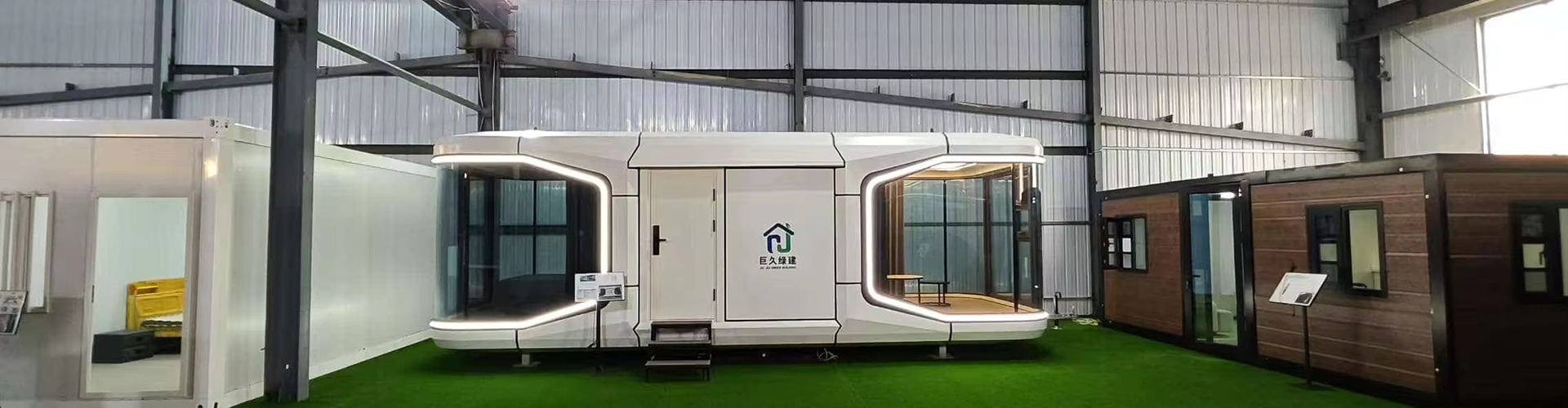
Buy cabin expandable container house for hotel
html
Considering an Expandable Container House for Your Hotel?
The idea of purchasing a cabin expandable container house for hotel use has intrigued many in the hospitality industry. With promises of scalability and affordability, these flexible structures are becoming increasingly popular. However, like any investment, there are considerations to weigh, insights to gather, and real-world applications to examine.
Why Choose a Container House?
This is often the first question hoteliers ask. For starters, the modular nature of container houses makes them appealing. You can adapt and expand as needed, which is a significant advantage in the dynamic world of hospitality. Shandong Jujiu Integrated Housing Co., Ltd., which you can explore more at JUJIU's website, has made strides in crafting such flexible solutions.
Yet, it’s not without its caveats. While the idea sounds straightforward, execution can vary. Customization is key but also a challenge. Ensuring that an expandable container house aligns with your hotel’s aesthetic is vital for guest experience.
I've seen instances where a luxurious finish was added, transforming a basic structure into an upscale retreat. It's all about how creative you can get with your design team and suppliers.
Initial Investment vs. Long-Term Benefits
The initial cost might seem lower than traditional construction, but consider the bigger picture. The ease of scalability with a container house should not be underestimated. However, you have to factor in transportation and installation costs.
I witnessed a project where, due to site location, transportation costs nearly doubled the budget. Therefore, site planning and logistics should be part of the early discussion.
Shandong Jujiu Integrated Housing's capability to handle everything from R&D to installation can mitigate some of these challenges, but it’s essential to have a detailed plan to avoid overruns.
Quality and Durability: What to Expect?
Container houses, particularly those from reputable companies like Jujiu, are engineered to withstand significant environmental challenges. The robust steel structures are a good fit for various climates.
I've come across properties that have stood strong through harsh weather conditions, thanks to reliable engineering. However, ongoing maintenance cannot be overlooked. Regular inspections and prompt repairs extend the lifespan significantly.
It's worth visiting Jujiu’s projects, where they demonstrate their work in diverse settings. Seeing real-life installations gives a clearer picture of what to expect in terms of quality.
Customization Options and the User Experience
One great advantage of using expandable container houses as a hotel is customization. Shandong Jujiu Integrated Housing offers various design options that can be tailored to specific needs. From small, cozy cabins to larger suites, the possibilities are extensive.
I recall working with a hotel that opted for a nature-inspired interior to blend with its surroundings. The customization provided by Jujiu allowed for integrating unique design elements that enhanced guest experience.
However, make sure your supplier understands the hospitality needs. Not every provider is familiar with this, so aligning expectations is crucial before engaging fully in a project.
Environmental and Social Impact
The environmental benefits are a compelling factor. Utilizing recycled materials and reducing waste align with modern sustainable practices. This often results in positive feedback from eco-conscious travelers.
In one project, the use of locally sourced materials not only minimized environmental impact but also supported the local economy. This dual benefit made the expansion project very appealing to the community.
Considering the growing trend toward sustainability, investing in such housing solutions can serve as a valuable unique selling point for your hotel, attracting a new segment of clientele.
Related products
Related products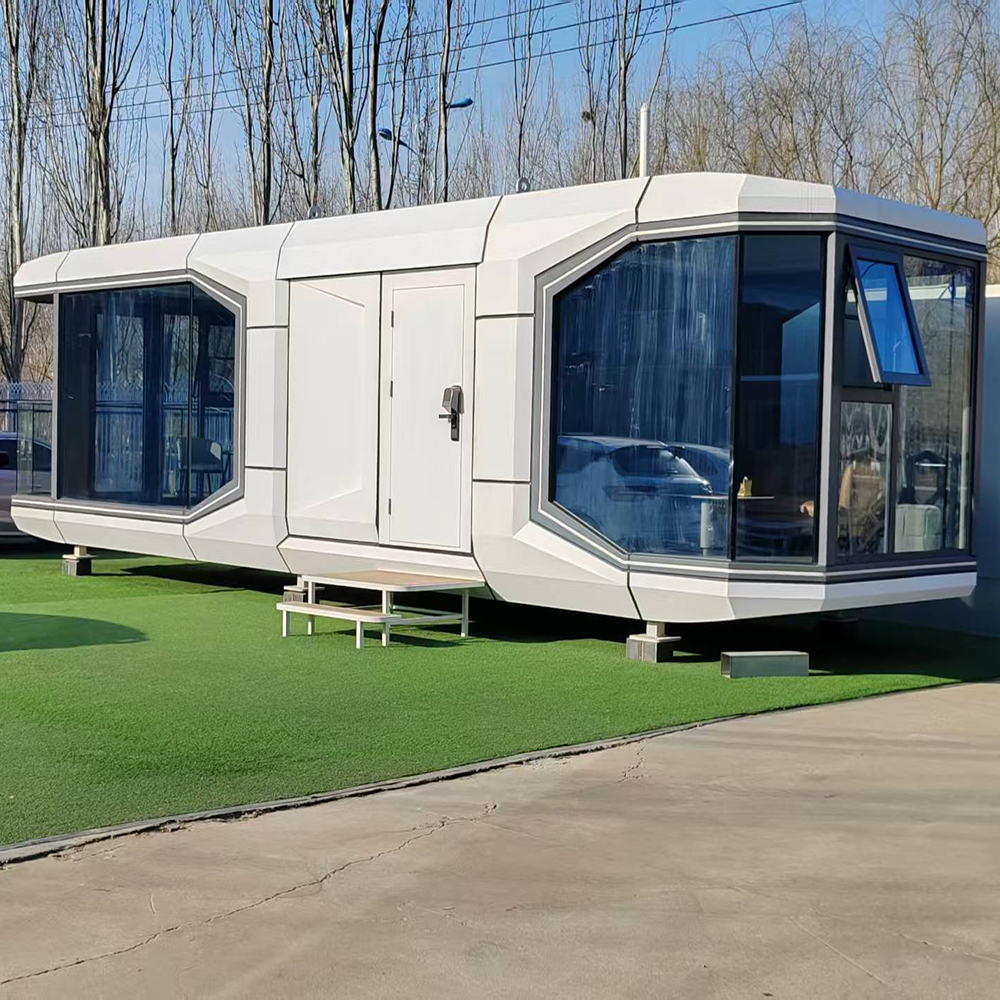
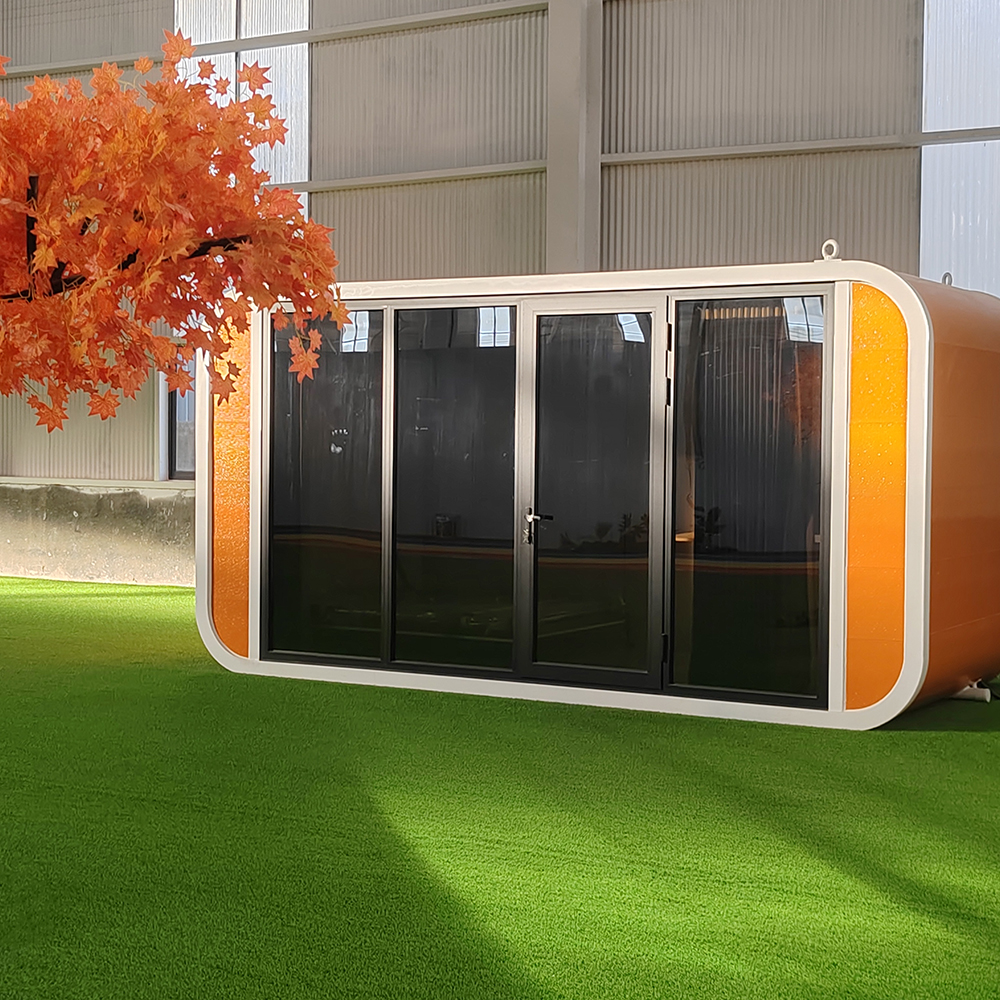
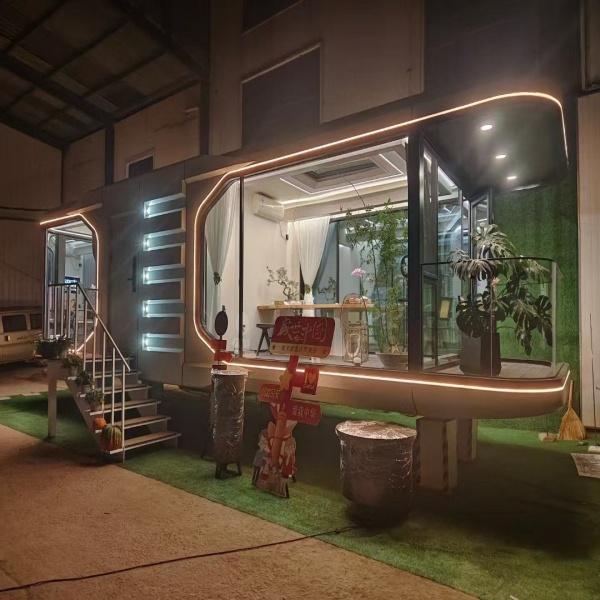
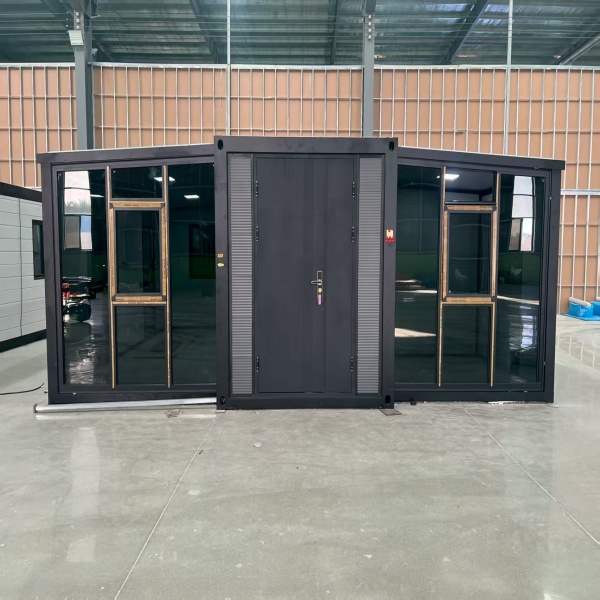
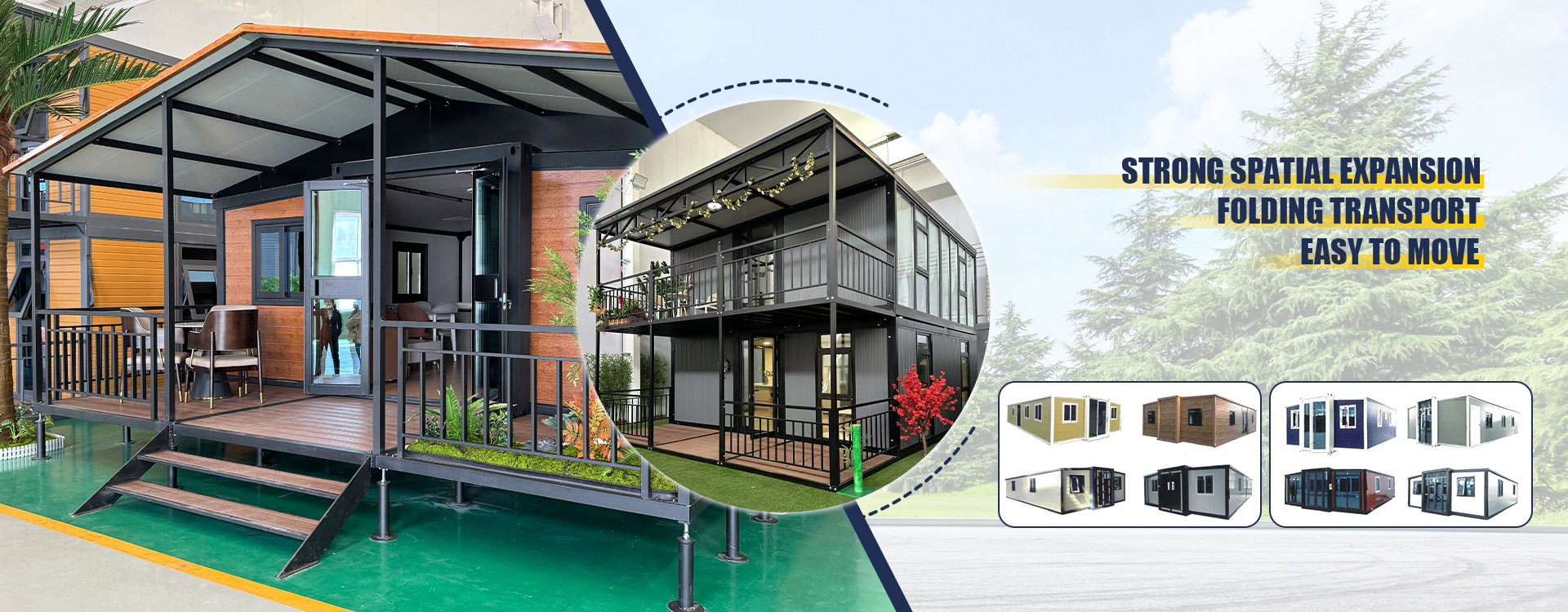
Best selling products
Best selling products-
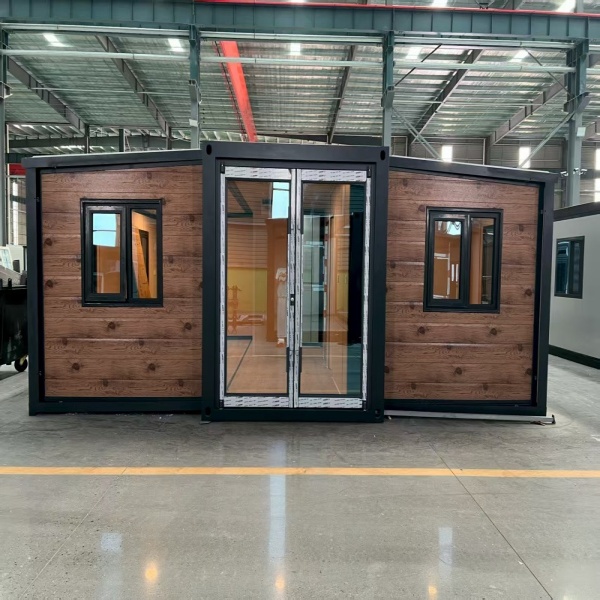 The foldable container house with side wing design can be quickly set up and is suitable for various environments.
 -
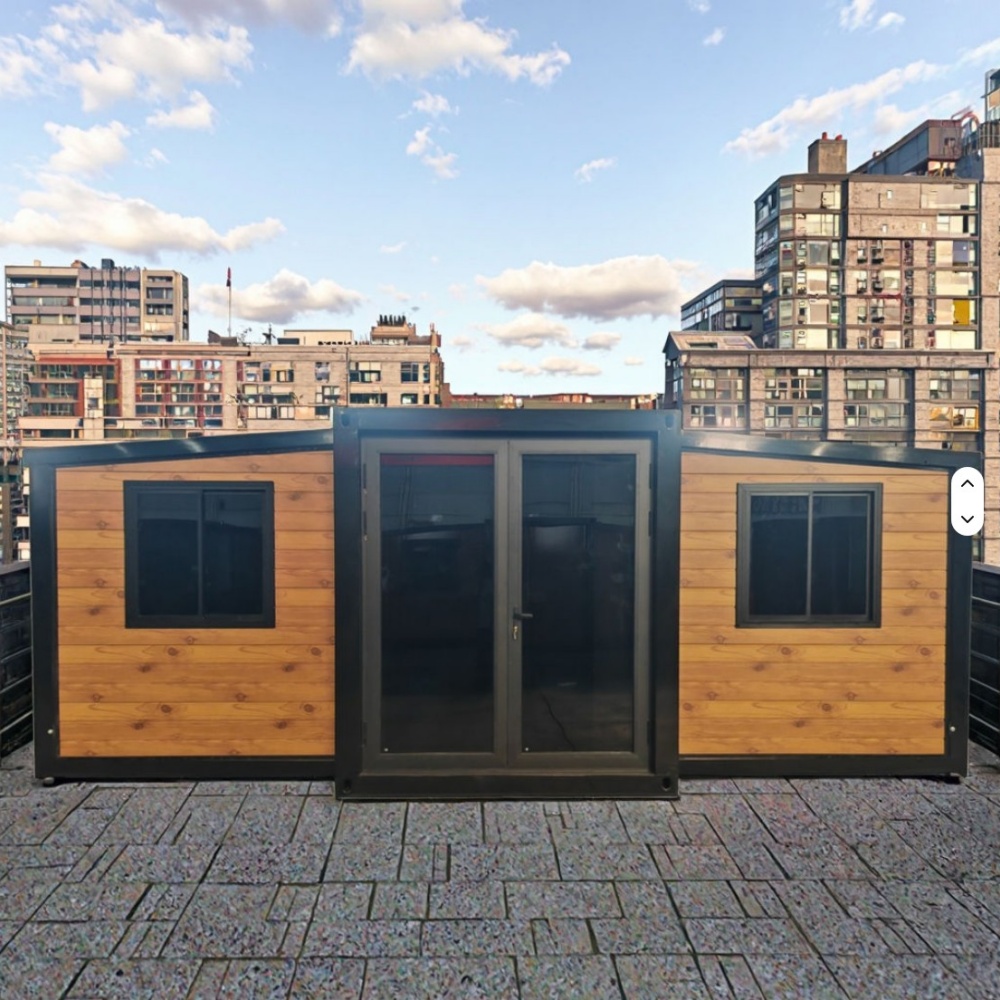 Customized Two Wing Folding Expandable Container House
 -
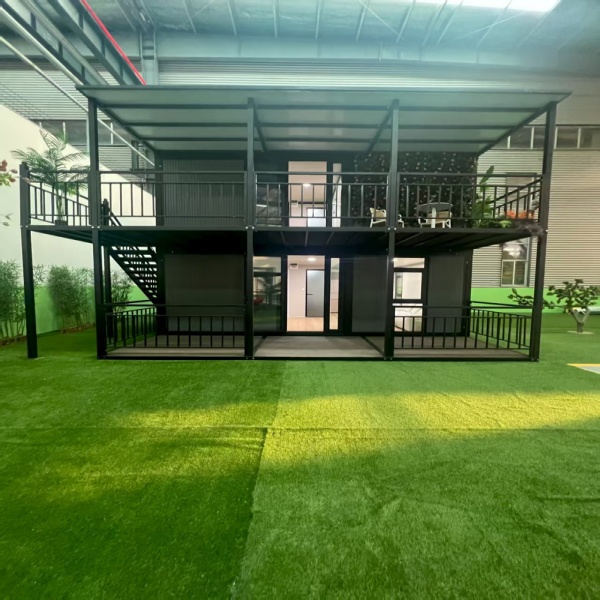 Luxury foldable two-story container houses in luxury resort hotels and villa hotels
 -
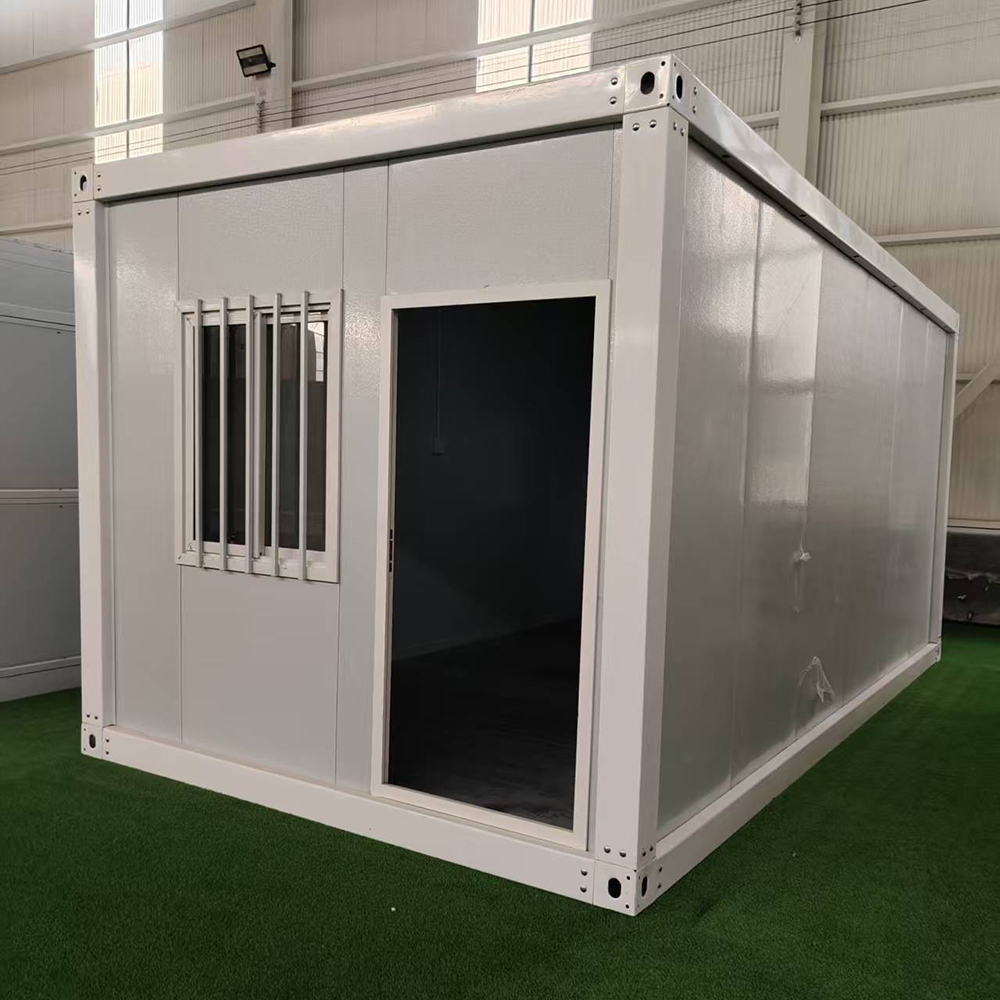 Folding Container Moving House Modular Office Container House Prefab Container for Outdoor Use
 -
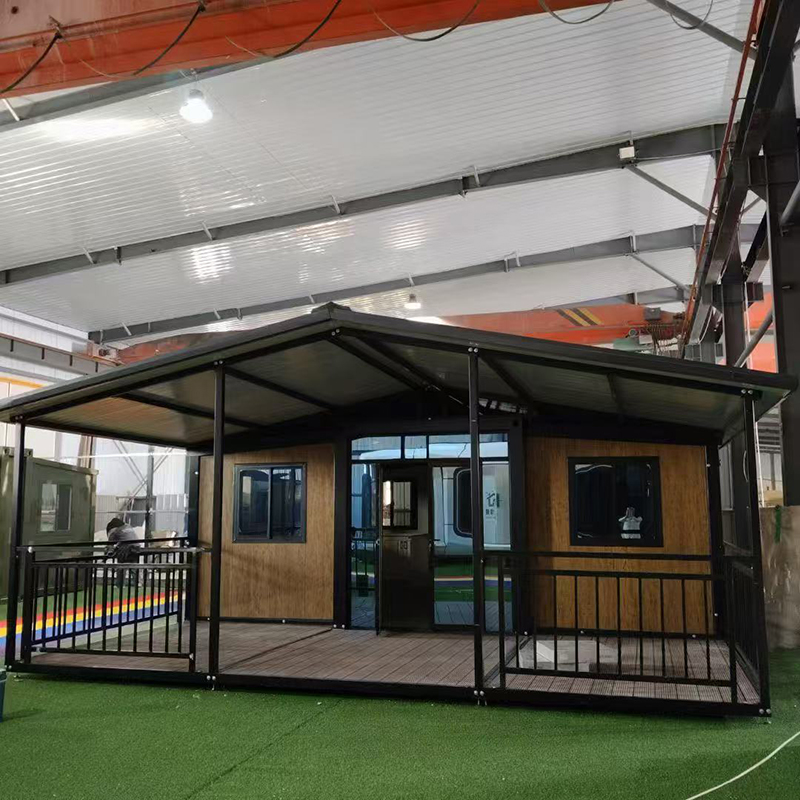 Customized Expandable Container House Holiday Home Folding Prefab Container House with Bathroom and Kitchen
 -
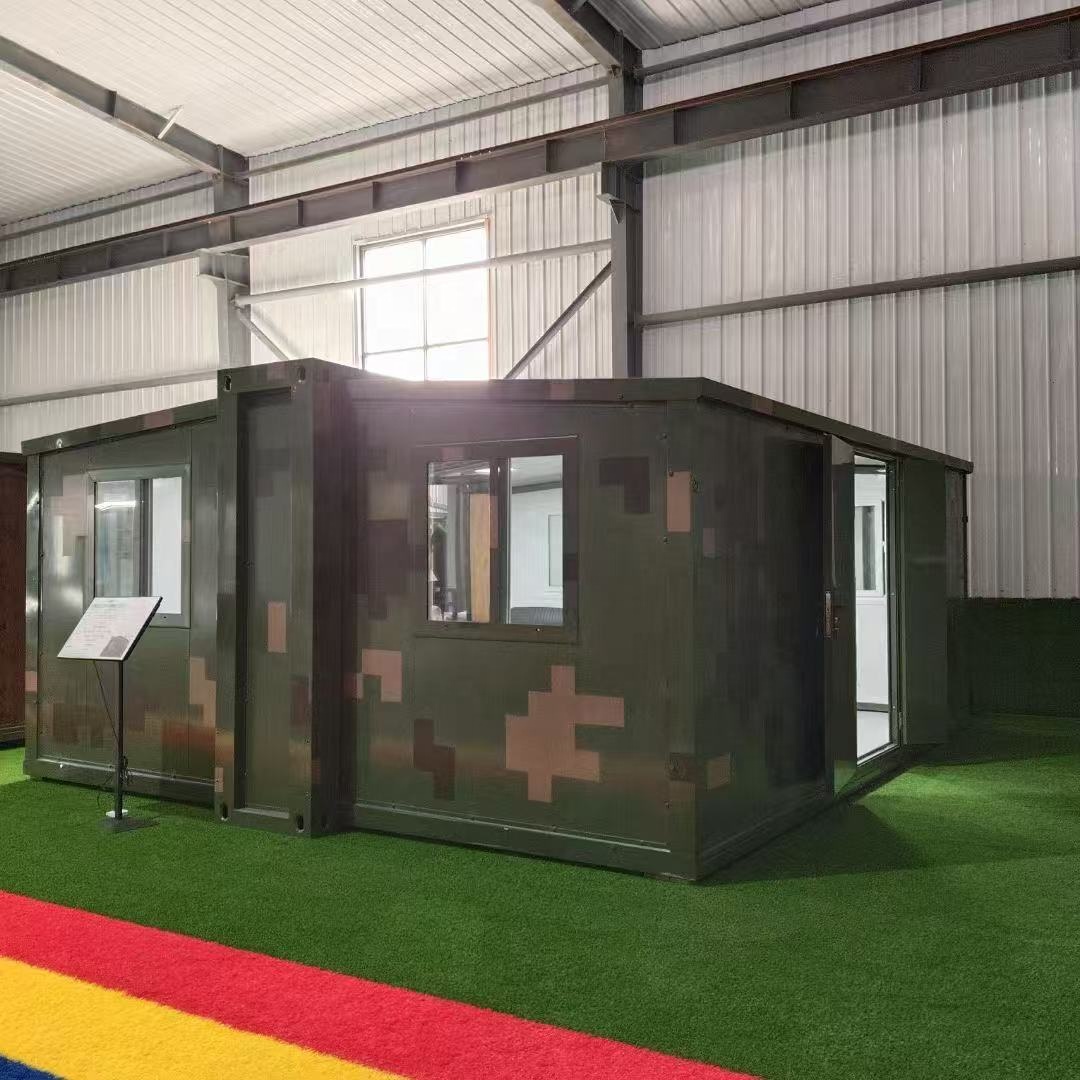 Movable Prefabricated Container House Villas Modular Portable Homes 1 Bedroom Container House Offices Apartments
 -
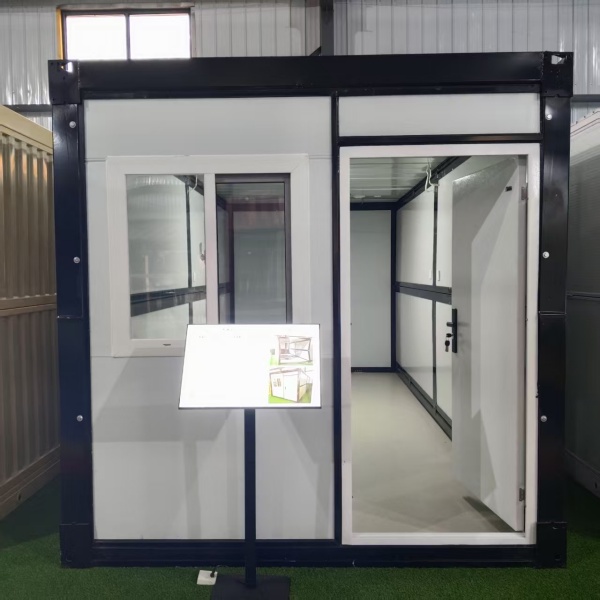 Factory Direct Sales Office Folding Container Luxury House Living Container House
 -
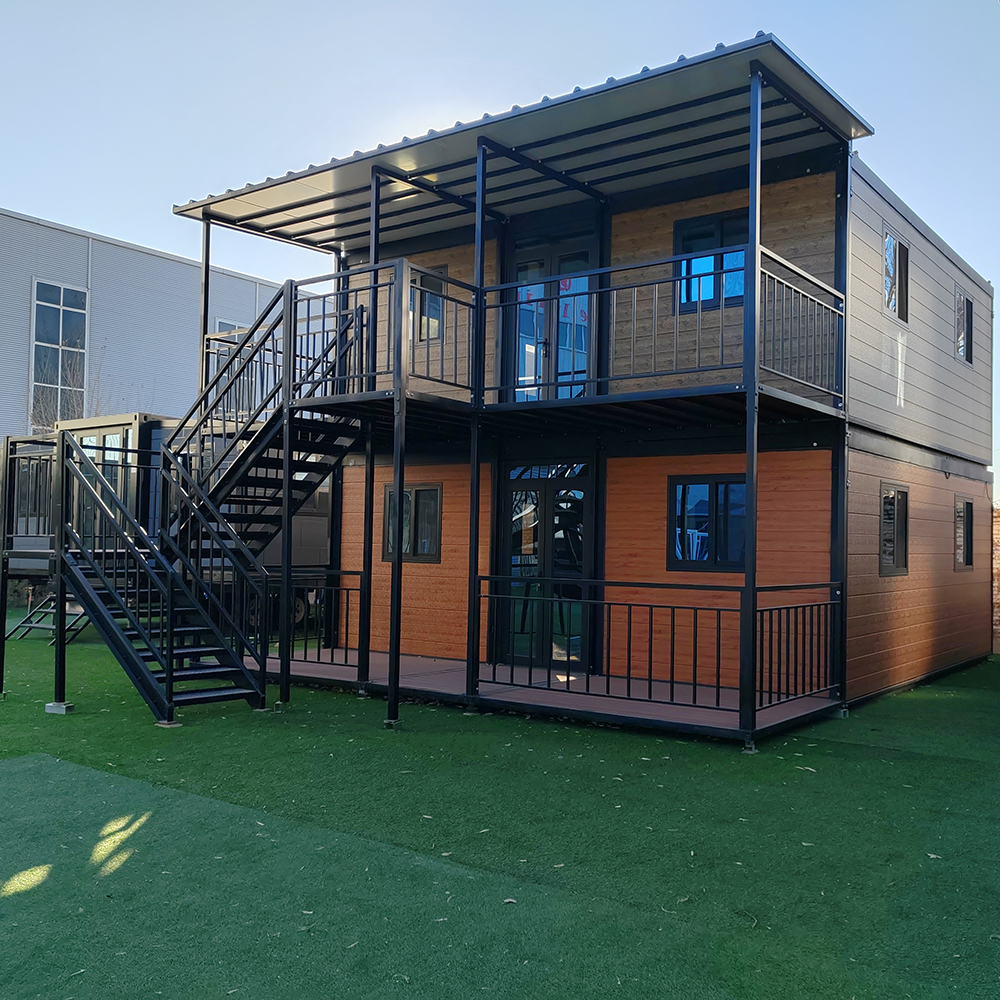 Easy Install Customized Detachable Container Homes Extendable House Prefab 2 Floors Expandable Container House
 -
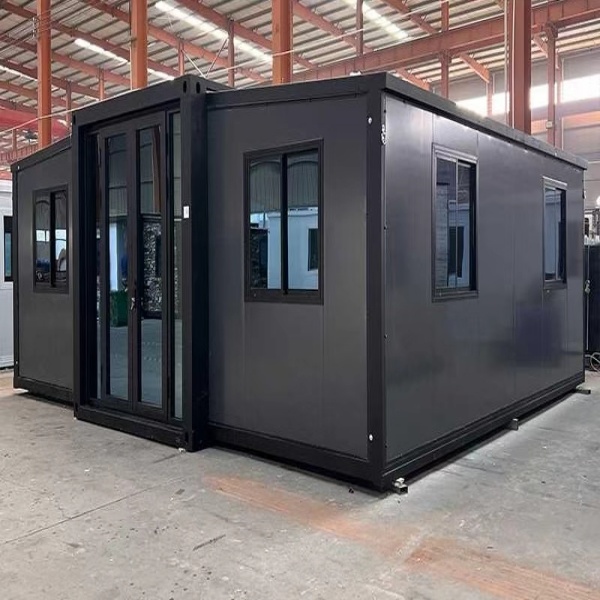 Dual-Wing Folding Container House: Fast Assembly, Space-Saving & Multi-Scene Adaptable
 -
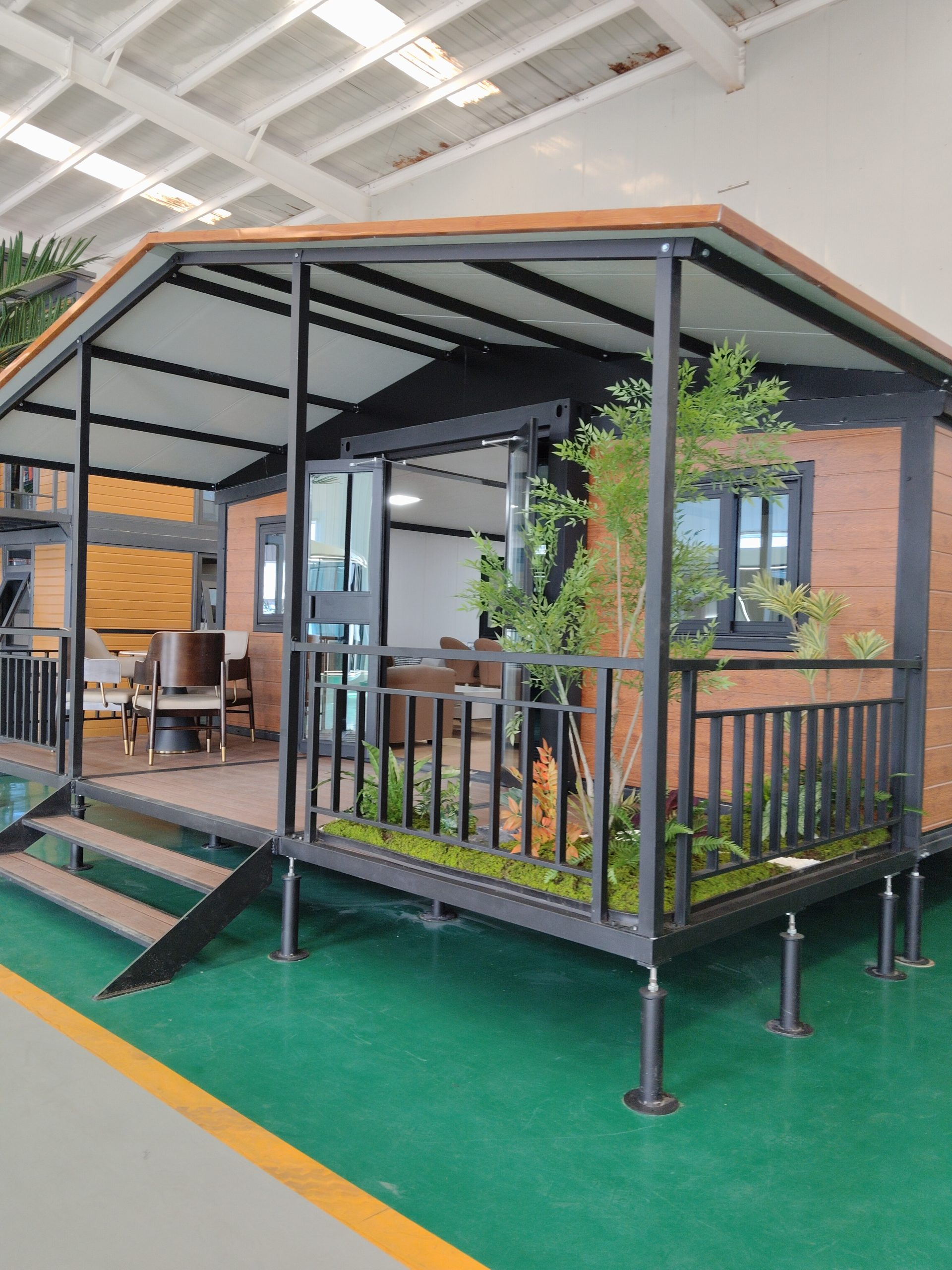 A container house with a terrace and double-wing folding design, suitable for various purposes such as offices, meeting rooms, living rooms, etc.
 -
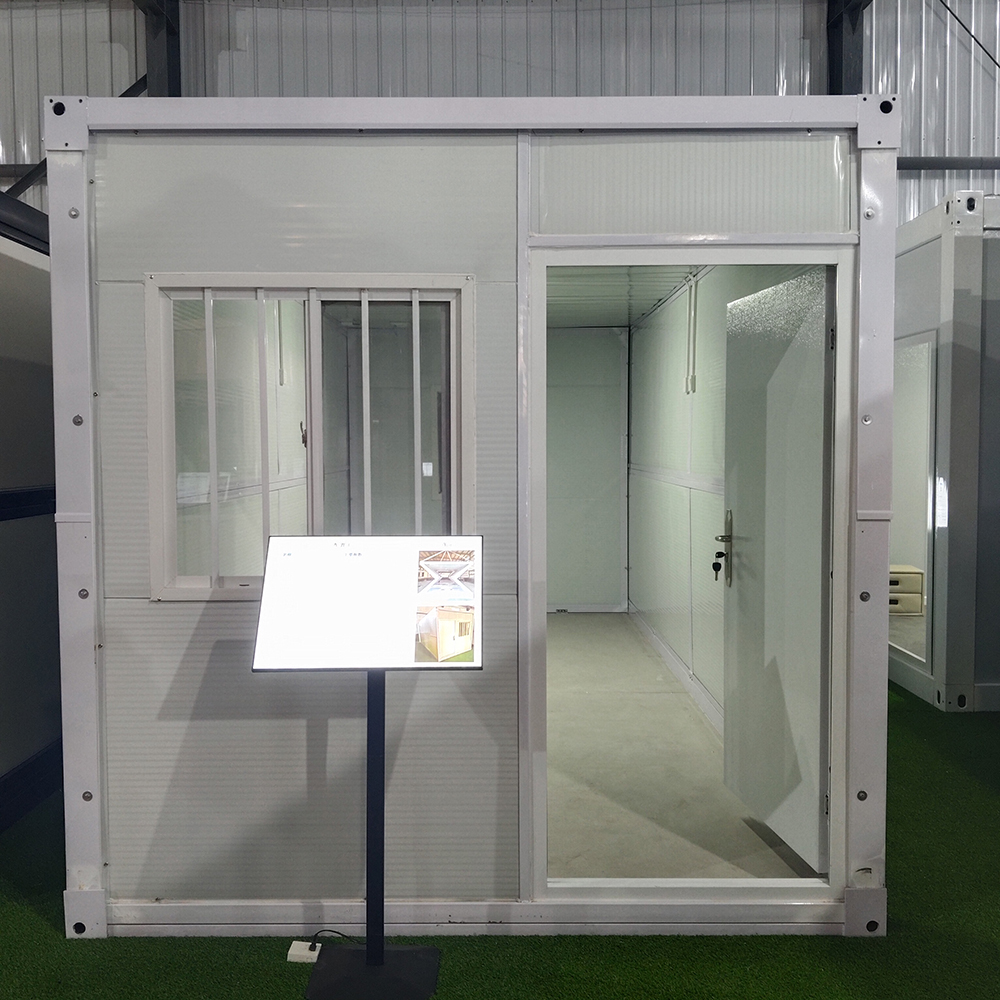 Reasonable Price 1 Bedroom Modular Container House Folding Container Home for Villa or Apartment Use
 -
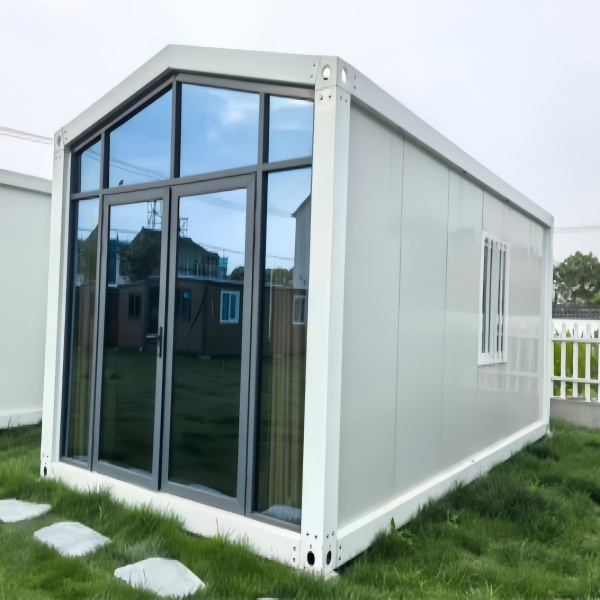 Waterproof folding container house – mobile accommodation for campsites/scenic spots