
-
E-mail
Austin120521@outlook.com -
E-mail
sales@jujiuhouse.com -
Telephone
+86-17864099991 -
Telephone
+86-17854044442
- Chinese
- French
- German
- Portuguese
- Spanish
- Russian
- Japanese
- Korean
- Arabic
- Irish
- Greek
- Turkish
- Italian
- Danish
- Romanian
- Indonesian
- Czech
- Afrikaans
- Swedish
- Polish
- Basque
- Catalan
- Esperanto
- Hindi
- Lao
- Albanian
- Amharic
- Armenian
- Azerbaijani
- Belarusian
- Bengali
- Bosnian
- Bulgarian
- Cebuano
- Chichewa
- Corsican
- Croatian
- Dutch
- Estonian
- Filipino
- Finnish
- Frisian
- Galician
- Georgian
- Gujarati
- Haitian
- Hausa
- Hawaiian
- Hebrew
- Hmong
- Hungarian
- Icelandic
- Igbo
- Javanese
- Kannada
- Kazakh
- Khmer
- Kurdish
- Kyrgyz
- Latin
- Latvian
- Lithuanian
- Luxembou..
- Macedonian
- Malagasy
- Malay
- Malayalam
- Maltese
- Maori
- Marathi
- Mongolian
- Burmese
- Nepali
- Norwegian
- Pashto
- Persian
- Punjabi
- Serbian
- Sesotho
- Sinhala
- Slovak
- Slovenian
- Somali
- Samoan
- Scots Gaelic
- Shona
- Sindhi
- Sundanese
- Swahili
- Tajik
- Tamil
- Telugu
- Thai
- Ukrainian
- Urdu
- Uzbek
- Vietnamese
- Welsh
- Xhosa
- Yiddish
- Yoruba
- Zulu
- Kinyarwanda
- Tatar
- Oriya
- Turkmen
- Uyghur




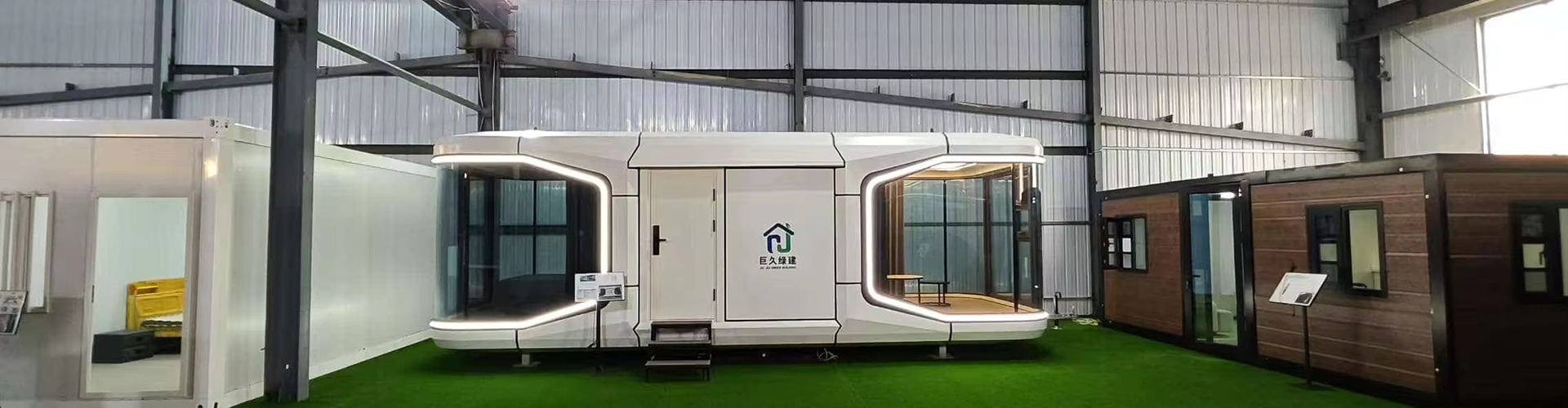
Buy container houses prefabricated homes modern prefab modular house
Exploring the World of Prefabricated Container Homes: A Modern Solution
In the ever-evolving landscape of housing solutions, prefabricated homes and modular houses stand out as innovative choices. These aren't just temporary shelters or quick fixes but represent a shift in how we see home construction. Whether it's the sleek efficiency of container houses or the adaptability of modern prefab designs, there’s a growing interest in these constructions. Here’s a dive into this fascinating industry, a perspective shaped by hands-on experiences and some practical insights.
Understanding Prefabricated Container Houses
The first time you consider a container house, it might seem a bit unconventional. Retrofitting what looks like a shipping container into a livable space appears straightforward, but it carries its unique challenges and benefits. Shandong Jujiu Integrated Housing Co., Ltd., for example, has mastered the art of turning these robust steel boxes into comfortable living spaces, optimizing each inch to fit modern amenities without losing that industrial charm. Their approach blends practicality with aesthetics, something that's easy to appreciate once you've stepped inside one of their units.
What many don't realize initially is the versatility these structures offer. From tiny homes to spacious family dwellings, a container's potential is only limited by imagination. With companies like SHANDONG JUJIU at the forefront, the emphasis on sustainable materials and innovative design solutions is evident. A walk through their assembly line can be an eye-opener — a work of precision that caters to custom requirements.
Still, the adoption of container homes often involves misconceptions. One frequent misunderstanding is that these homes are a compromise. Quite the contrary, modular constructions favor those who value efficiency, cost-effectiveness, and environmental friendliness. Insulation, soundproofing, and climate control are now advanced to a stage where they match or exceed traditional housing standards.
The Art of Modern Prefab Design
Diving deeper into the realm of modern prefab homes, the term ‘modularity’ takes center stage. This concept speaks to the heart of contemporary prefabrication — building homes piece by piece, almost like assembling a high-stakes puzzle. Each module, crafted with precision, becomes part of a greater whole. Unlike conventional homes, prefab designs offer unparalleled customization, making each project a unique creation.
There's an emerging artistry in designing modular houses. At Jujiu Integrated Housing, attention to detail is paramount. It's a balance between technical prowess and creative vision. By leveraging advanced architectural software and in-depth R&D, they can promise not just quality but an artistic expression tailored exactly to customer needs.
But even with a perfect plan, challenges arise. Coordination between design and execution phases can be a sticking point. We've seen countless projects where the ideal design faced hurdles during actual construction, often due to miscommunications. Yet, a strong partnership between company and client, like what Jujiu emphasizes, minimizes these risks.
Common Challenges and Solutions
While I’ve praised the positives, it's essential to acknowledge the trials along the way. Transporting massive modules, for example, has its logistical puzzles. Road regulations, route planning, even weather conditions can suddenly shift from trivial details to critical issues. From my experience, preemptive planning and flexible timelines ease these hurdles significantly.
Installation is another arena where expertise shines. It's not merely plopping a module down; there’s finesse involved in anchoring it right, connecting utilities seamlessly, and ensuring every aspect meets rigorous safety standards. Companies like SHANDONG JUJIU meticulously train their teams to tackle these feats, drawing from an expansive reservoir of industrial knowledge.
Nevertheless, staying adaptable is crucial. With every project, there’s an opportunity to refine strategies, technology, and customer interactions further. Engaging with feedback and evolving based on real-world experience fortifies future endeavors.
The Growing Appeal of Integrated Housing
Beyond individual homes, there's a broader application to these technologies. Integrated housing solutions are increasingly incorporated into larger developments — communities built entirely from prefabricated and modular units. Shandong Jujiu’s capabilities extend beyond single homes to larger scale projects, showcasing the scalability of their expertise.
Such projects represent a vision for the future, blending urban planning with modular efficiency. By designing entire neighborhoods with prefabrication, companies can achieve consistent quality while drastically cutting down construction time and costs. It’s a system that holds promise, especially in urban settings where time and space are at a premium.
In essence, understanding both the promise and the pitfalls of prefab construction offers a well-rounded view. Companies like Jujiu lead the way, demonstrating how far the industry has come — and hinting at future potential. Keep an eye out as modular and prefab homes continue transforming our architectural landscape, much like a quiet revolution.
A Look Ahead: Future Innovations
It's a thrilling time for the industry. Advancements in materials science, energy efficiency, and smart home technology are setting the stage for breakthroughs in prefab housing. At Jujiu, there’s ongoing research into integrating these innovations seamlessly into their designs.
The adaptability of modular homes to futuristic needs is a testament to their forward-thinking designs. We see an emphasis on creating homes that are not just liveable but are smart, environmentally friendly, and adaptive to technology integration. Each new iteration of design and infrastructure builds upon the last, pushing boundaries further.
Looking ahead, I expect continued collaboration across industries to further refine and revolutionize modular housing solutions. Companies like SHANDONG JUJIU are well-poised to lead this charge, backed by their robust foundation in research and development. It’s a compelling scene set for those keen on sustainable, efficient housing innovations.
Related products
Related products
Best selling products
Best selling products-
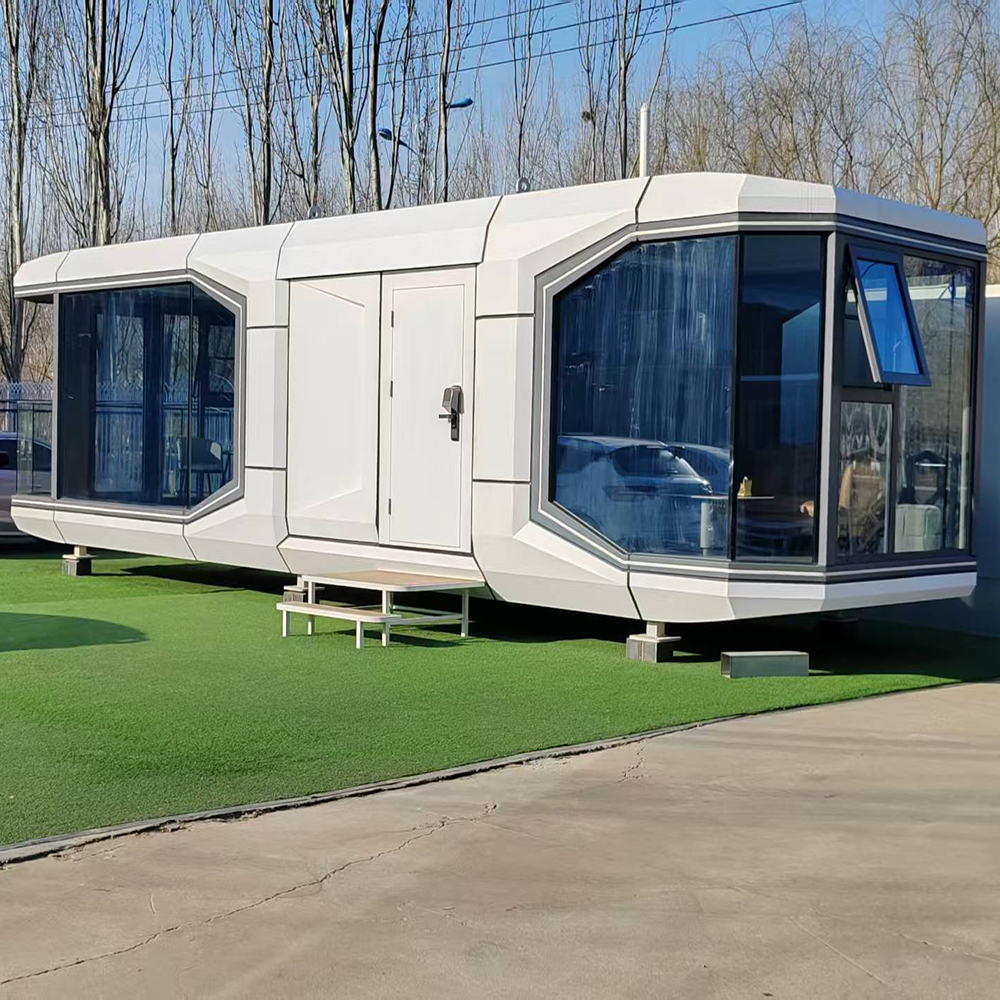
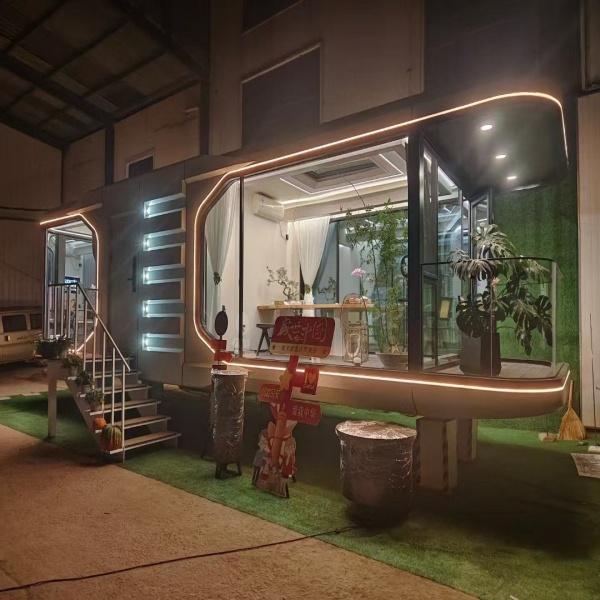 Outdoor ecological capsule rooms, luxury pods, space capsule hotel rooms, prefabricated space capsules, container houses
 -
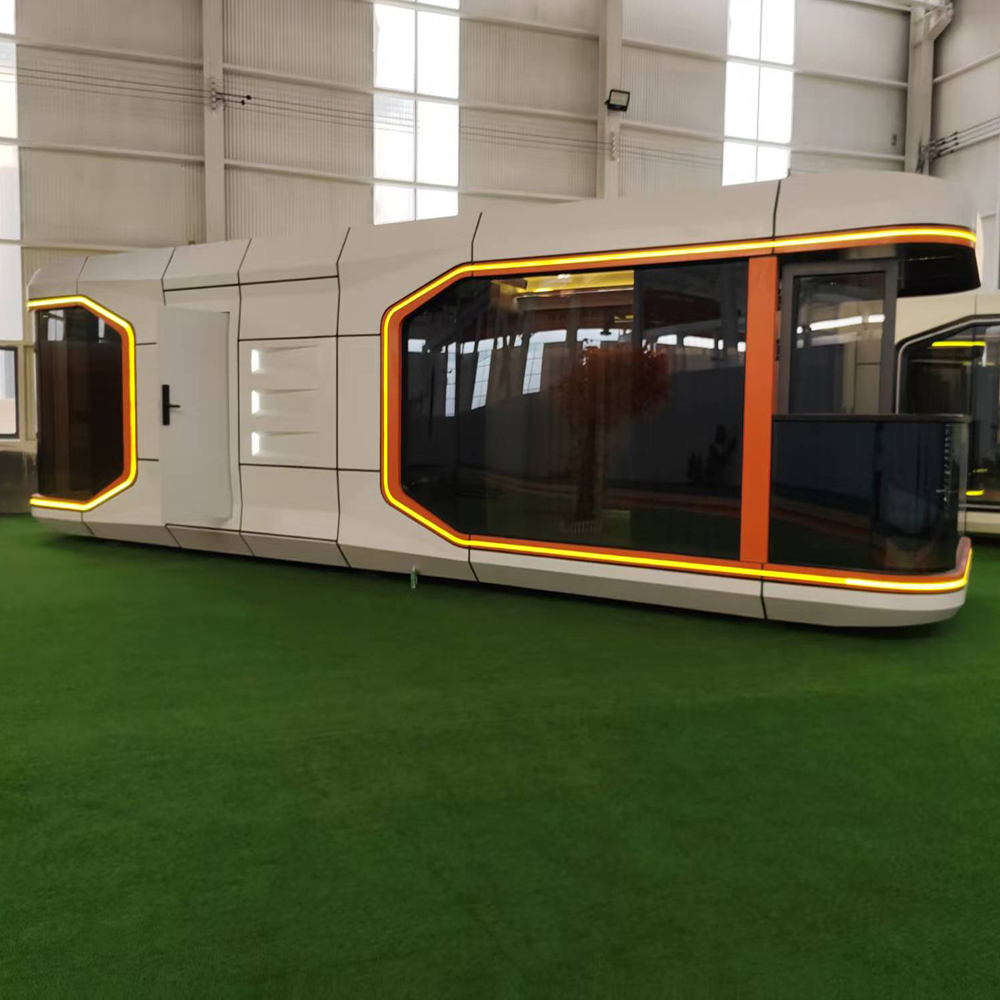 Standard Modern Camping Pod Space Prefabricated Portable Mobile Capsule Room Hotel Bathroom Prefabricated Spaceship House
 -
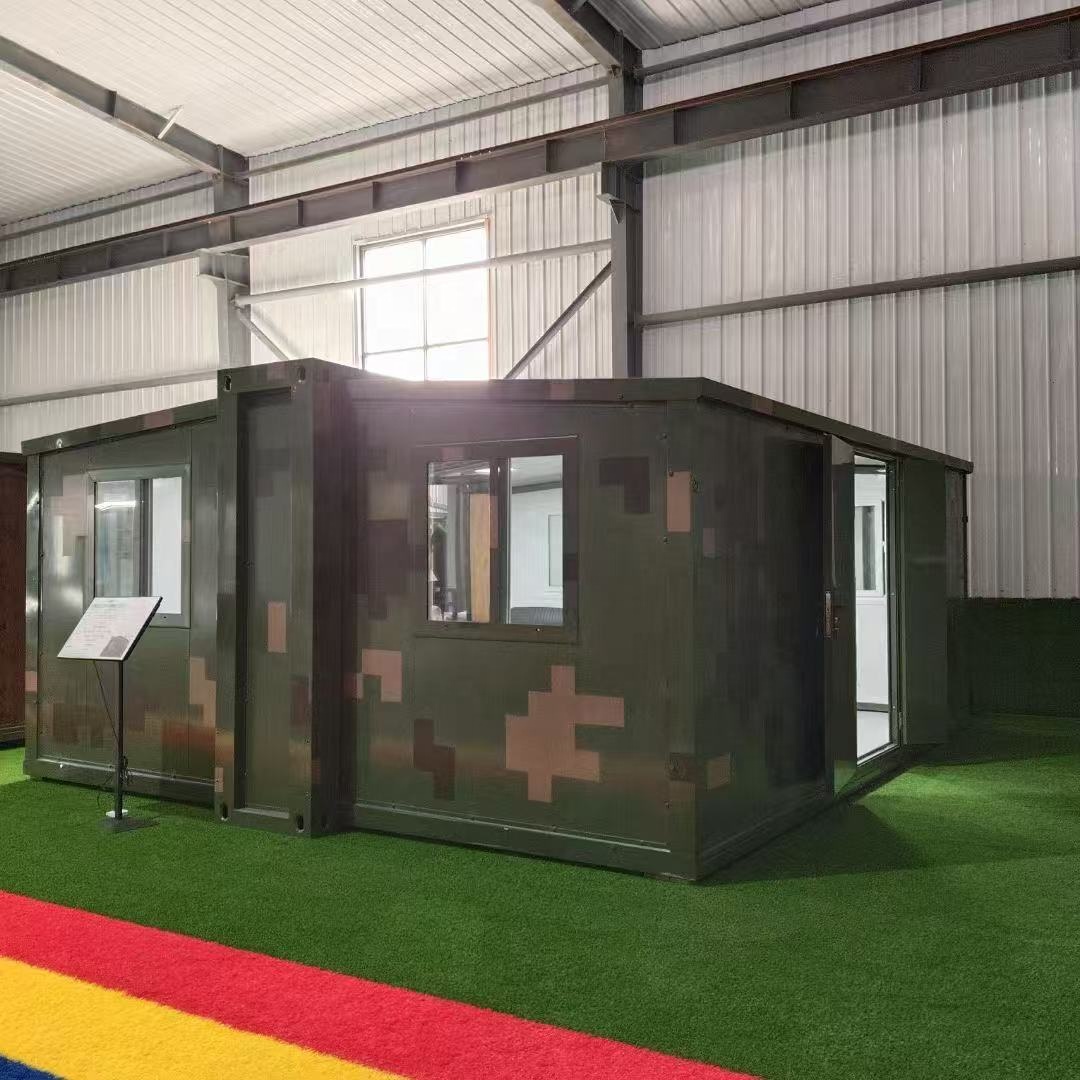 Movable Prefabricated Container House Villas Modular Portable Homes 1 Bedroom Container House Offices Apartments
 -
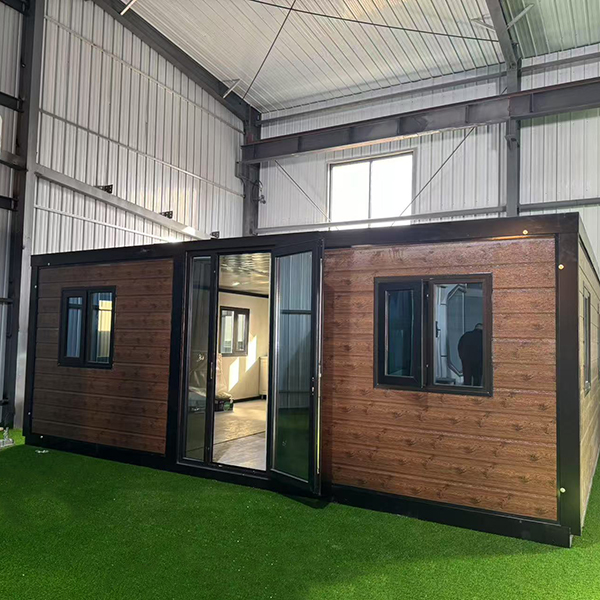
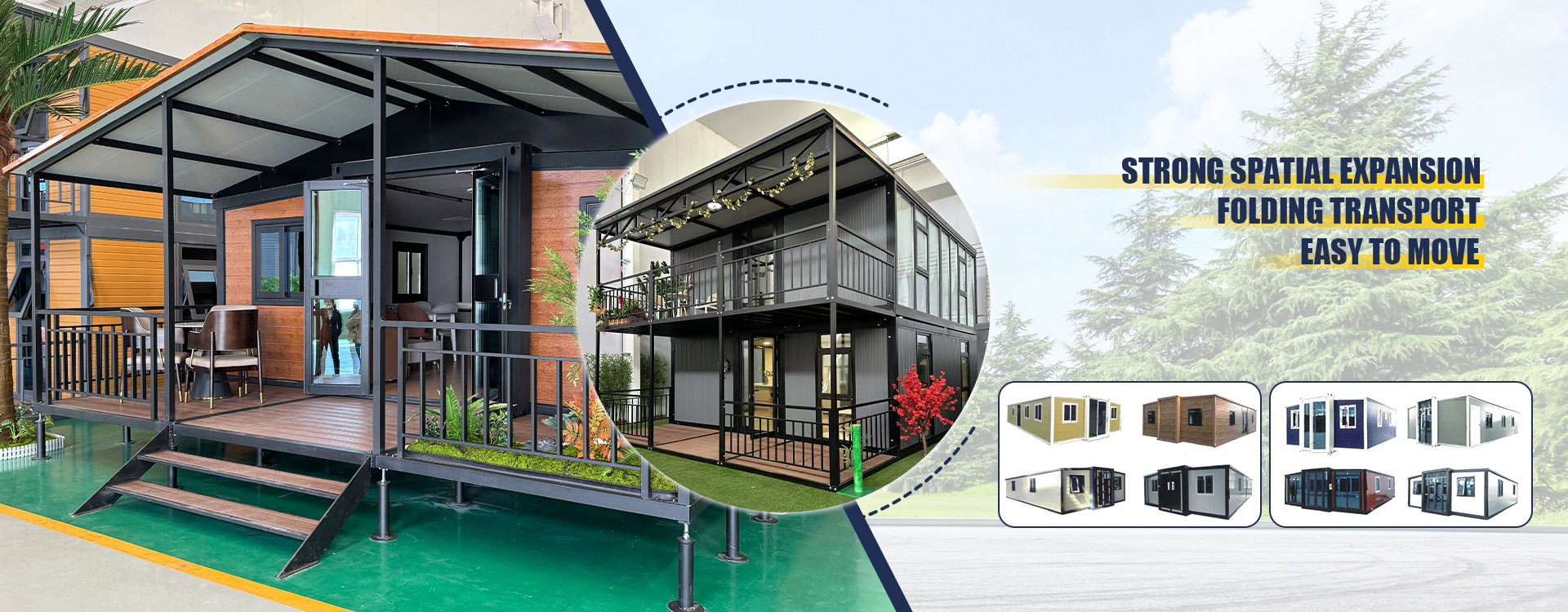
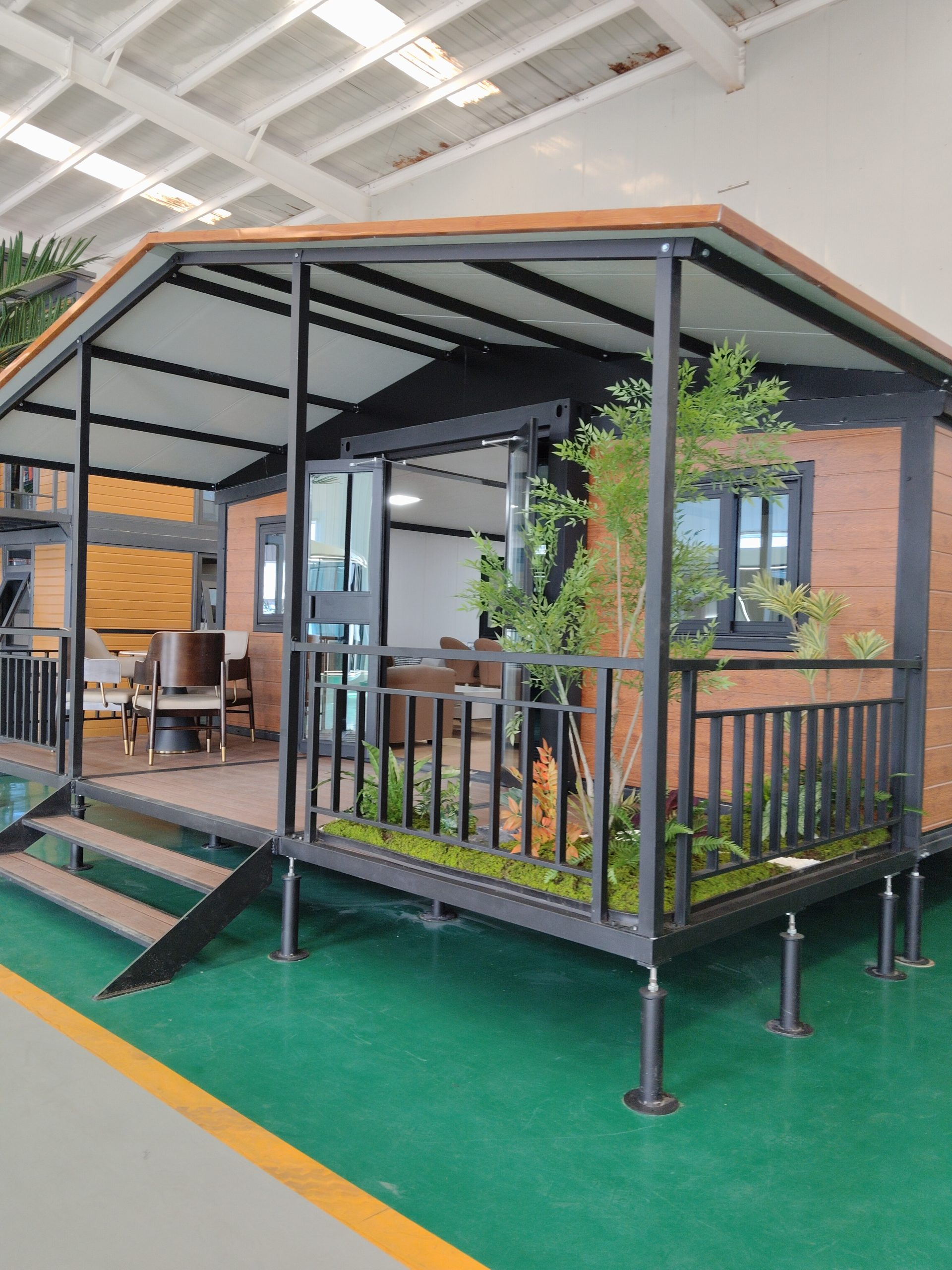 A container house with a terrace and double-wing folding design, suitable for various purposes such as offices, meeting rooms, living rooms, etc.
 -
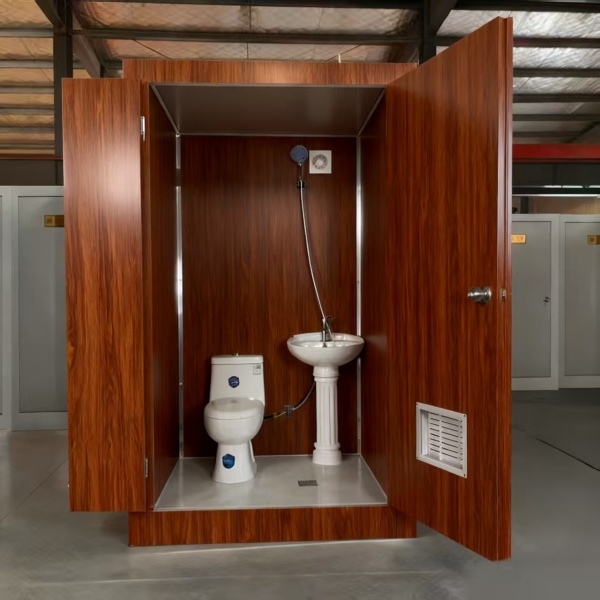 Portable outdoor camping bathroom, mobile toilet, prefabricated modular villa & rental of outdoor and indoor showers
 -
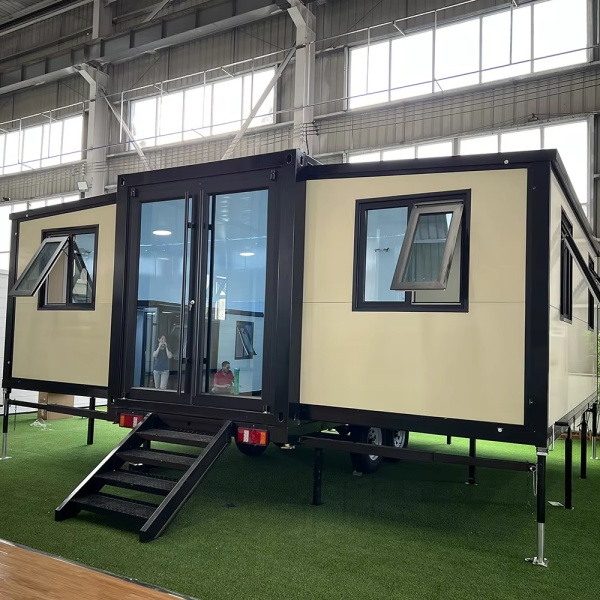 Stair Access Double Wing Expandable Container House | Easy Installation Mobile Office
 -
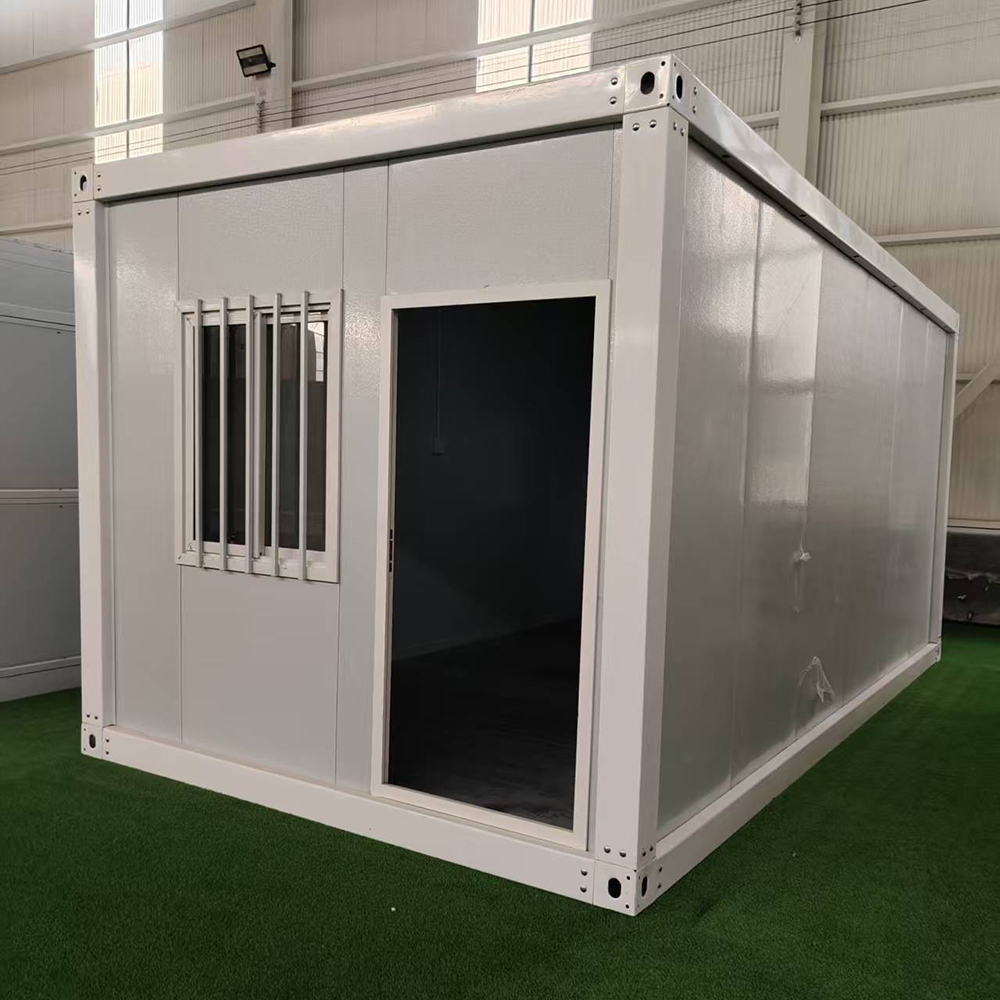
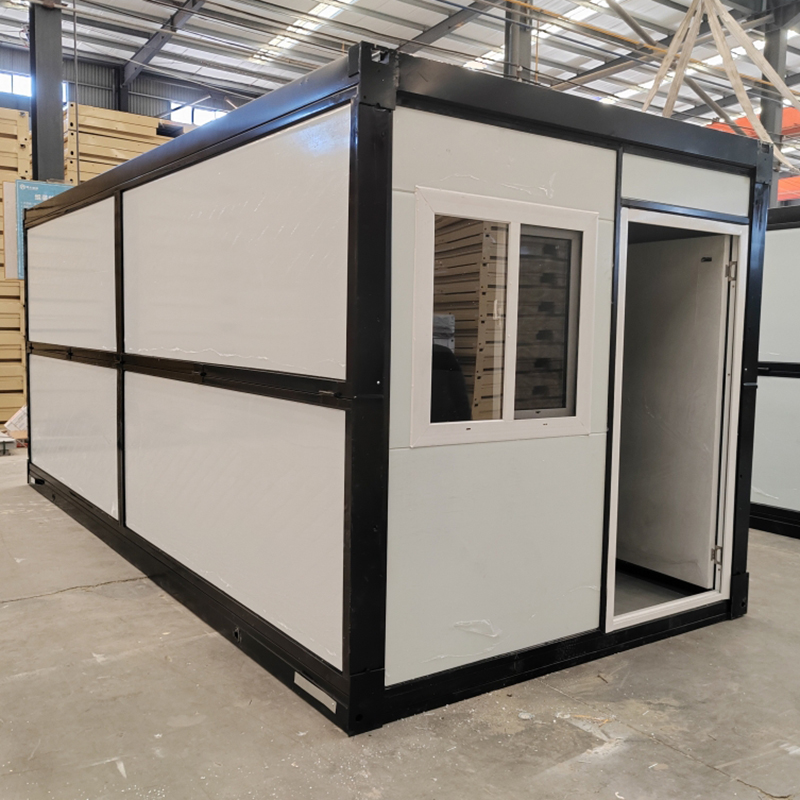 Detachable Design Prefabricated Container House Portable Modular Office Building Folding Container House
 -
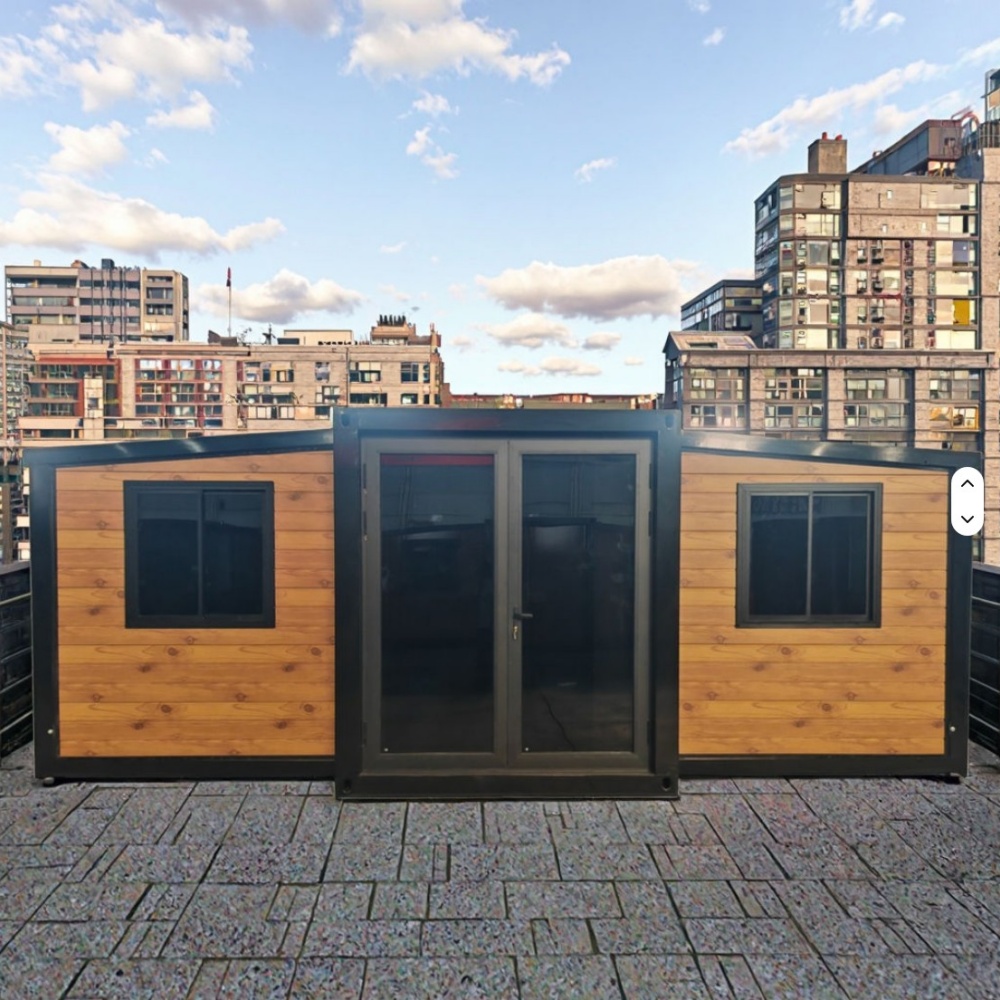 Customized Two Wing Folding Expandable Container House
 -
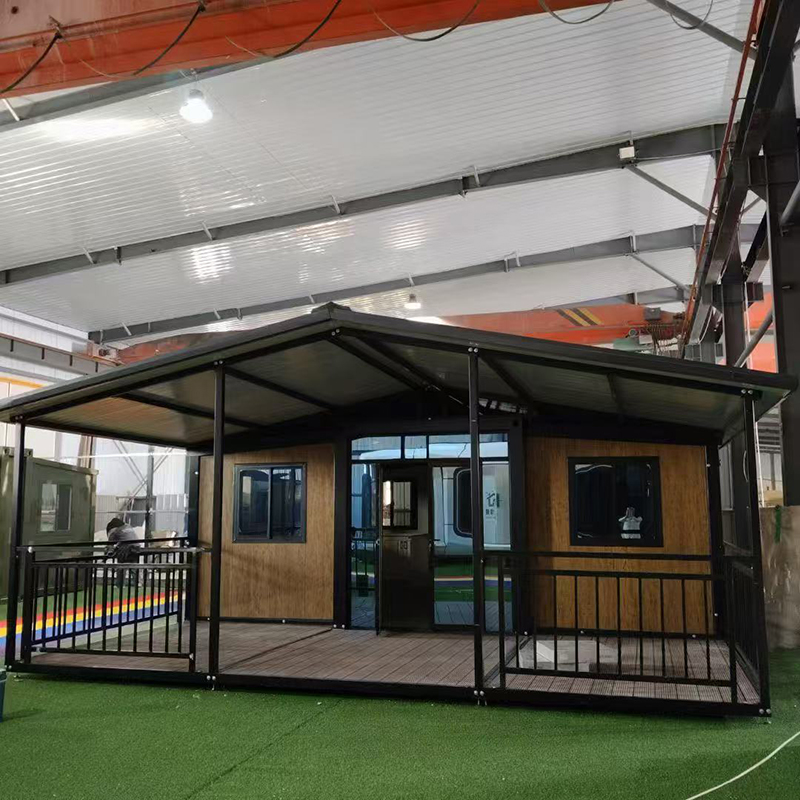 Customized Expandable Container House Holiday Home Folding Prefab Container House with Bathroom and Kitchen
 -
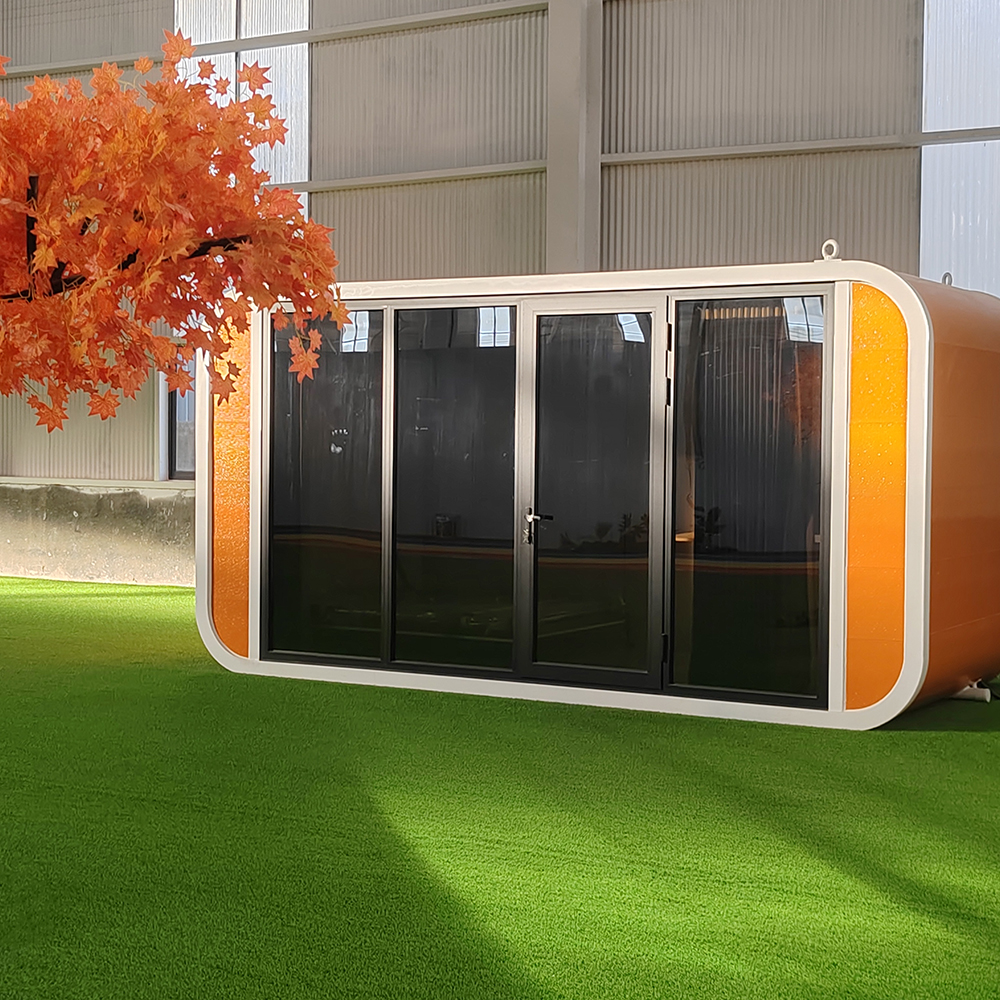 Luxury Prefabricated Living Container House Modular Glass Tiny House Prefab Container Home Apple Cabin
 -
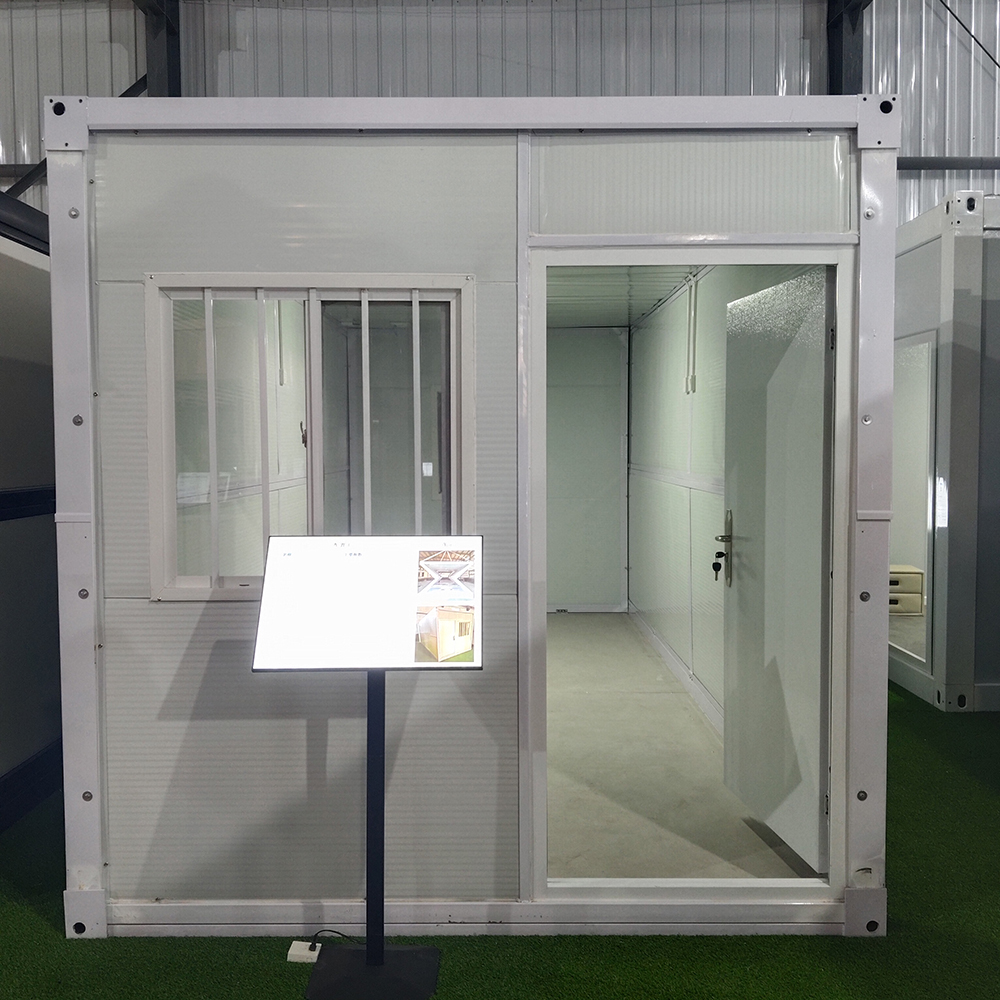 Reasonable Price 1 Bedroom Modular Container House Folding Container Home for Villa or Apartment Use
 -
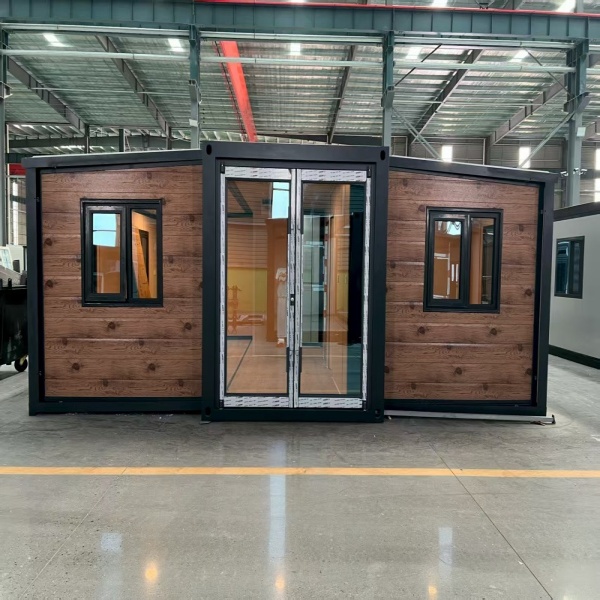 The foldable container house with side wing design can be quickly set up and is suitable for various environments.
Related search
Related search- China flat pack expandable modular container house
- assembled two bedroom home prefab expandable container house
- prefab expandable house
- China modular prefab prefabricated shipping container house home
- expandable shipping container house
- Buy fold out house
- China portable fold out houses
- China apple cabin modular house
- China detachable apple cabin house
- China foldable prefabricated folding container house