
-
E-mail
Austin120521@outlook.com -
E-mail
sales@jujiuhouse.com -
Telephone
+86-17864099991 -
Telephone
+86-17854044442
- Chinese
- French
- German
- Portuguese
- Spanish
- Russian
- Japanese
- Korean
- Arabic
- Irish
- Greek
- Turkish
- Italian
- Danish
- Romanian
- Indonesian
- Czech
- Afrikaans
- Swedish
- Polish
- Basque
- Catalan
- Esperanto
- Hindi
- Lao
- Albanian
- Amharic
- Armenian
- Azerbaijani
- Belarusian
- Bengali
- Bosnian
- Bulgarian
- Cebuano
- Chichewa
- Corsican
- Croatian
- Dutch
- Estonian
- Filipino
- Finnish
- Frisian
- Galician
- Georgian
- Gujarati
- Haitian
- Hausa
- Hawaiian
- Hebrew
- Hmong
- Hungarian
- Icelandic
- Igbo
- Javanese
- Kannada
- Kazakh
- Khmer
- Kurdish
- Kyrgyz
- Latin
- Latvian
- Lithuanian
- Luxembou..
- Macedonian
- Malagasy
- Malay
- Malayalam
- Maltese
- Maori
- Marathi
- Mongolian
- Burmese
- Nepali
- Norwegian
- Pashto
- Persian
- Punjabi
- Serbian
- Sesotho
- Sinhala
- Slovak
- Slovenian
- Somali
- Samoan
- Scots Gaelic
- Shona
- Sindhi
- Sundanese
- Swahili
- Tajik
- Tamil
- Telugu
- Thai
- Ukrainian
- Urdu
- Uzbek
- Vietnamese
- Welsh
- Xhosa
- Yiddish
- Yoruba
- Zulu
- Kinyarwanda
- Tatar
- Oriya
- Turkmen
- Uyghur




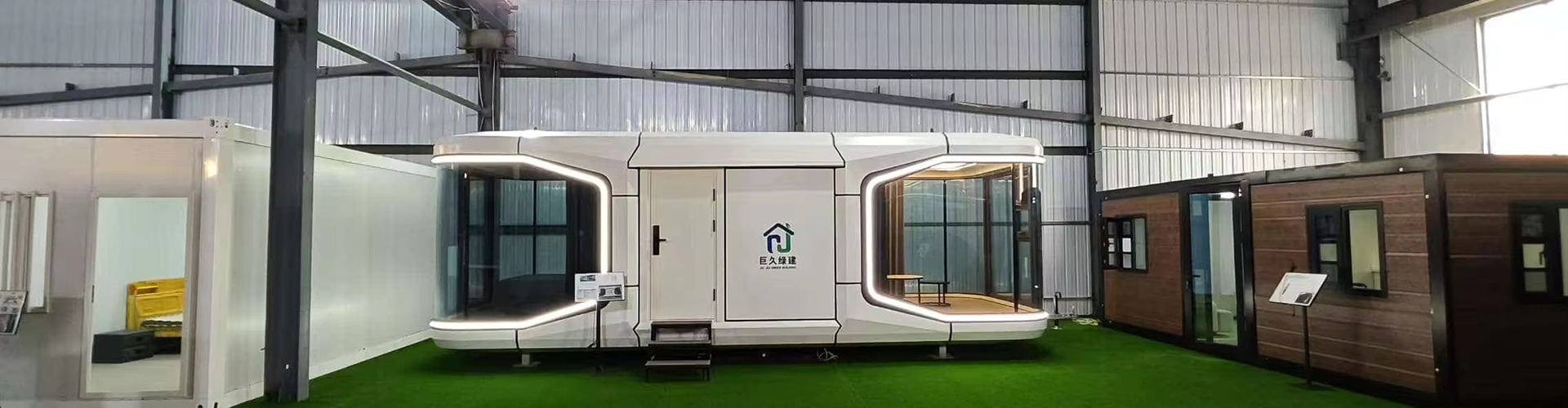
Buy expandable folding house
Exploring the Expandable Folding House: A New Era in Housing Solutions
The idea of owning an expandable folding house might sound futuristic, but it's gradually becoming a practical solution in the housing industry. Let's navigate through this innovative concept and understand its promise alongside a few challenges.
Understanding the Concept
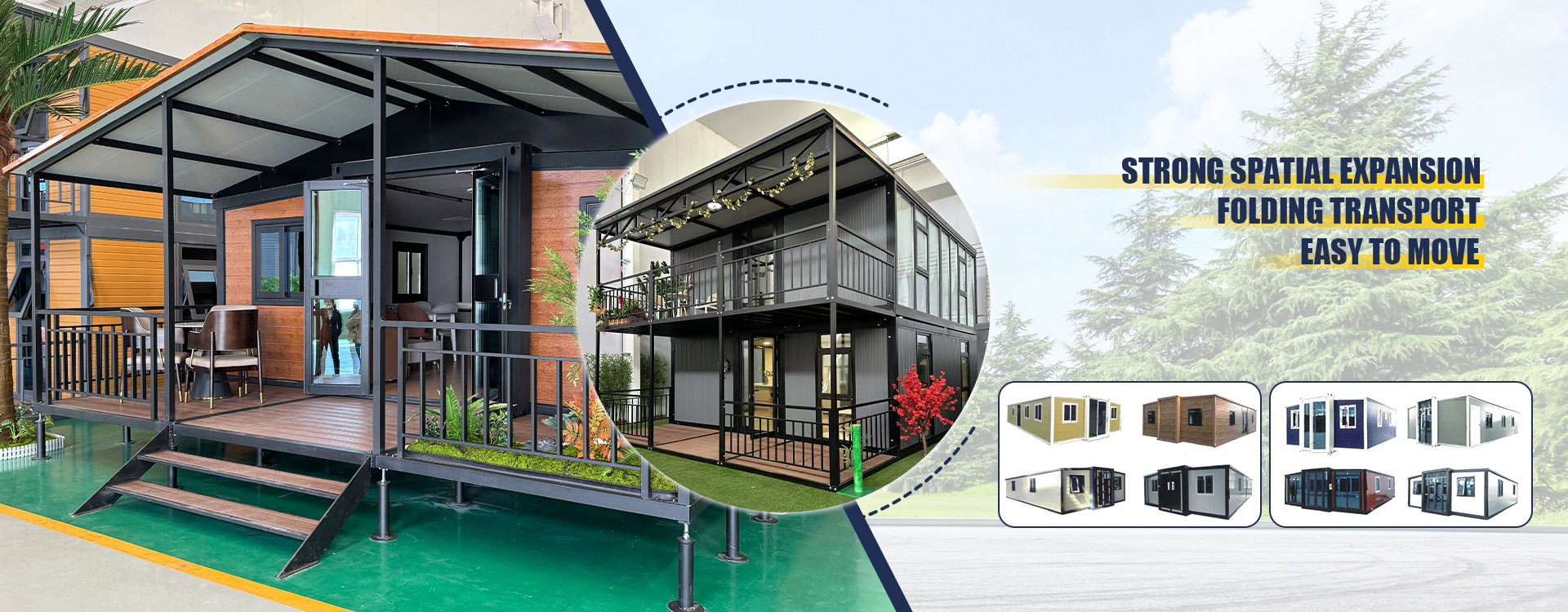
So, what exactly is an expandable folding house? Think of it as a structure that can be easily transported and then unfolded or expanded on-site. The goal is to provide flexibility in terms of location and space. It's an intriguing alternative for those seeking mobility without sacrificing comfort.
I stumbled upon these during a project where we had to provide quick housing solutions after a natural disaster. The ability to transport these homes and set them up almost instantly was invaluable. For context, companies like Shandong Jujiu Integrated Housing Co., Ltd., specialize in these integrated solutions, which they craft meticulously to meet diverse needs.
As appealing as it sounds, there's a learning curve involved in choosing the right type and model. Factors like climate adaptability, materials used, and space optimization play critical roles, often underestimated during the initial phase.
Benefits of Expandable Houses
Let's dig into the advantages. First, portability and quick setup are clear wins. For instance, Shandong Jujiu’s models, available at jujiuhouse.com, often emphasize rapid deployment. You drive in with a compact unit, unfold it, and voilà, you have a functional living space.
There's also an innovation in design. Unlike traditional housing, expandable homes are designed with modularity in mind. This means you can add or remove sections as needed. It's also a big plus if sustainability tops your checklist.
Cost-effectiveness shouldn't be overlooked. Though the initial investment might seem high, long-term savings in terms of energy efficiency and reduced material waste are significant. I've often seen budgets surprisingly balanced out by these factors in project analyses.
Challenging Aspects to Consider
Now, no solution is without its hitches. The initial cost can be a barrier for some. Even though they're efficient, expandable folding houses often require upfront investment that rivals conventional homes.
Logistics, too, can be tricky. You need a clear understanding of the site characteristics where these homes are to be deployed. Soil type, accessibility, and local regulations all influence feasibility. I recall a scenario where overlooking local zoning codes delayed a project by months.
Durability under extreme weather raises questions as well. It's critical to ensure that the materials used are up to the mark to withstand local climatic conditions—especially for regions prone to harsh weather.
Best Practices in Choosing Your House
When selecting an expandable folding house, it's crucial to work closely with specialists who understand the nuances of modular architecture. Companies like Shandong Jujiu Integrated Housing are known for tailoring solutions to specific needs, whether it’s a temporary setup or a permanent installation.
Be sure to assess the potential for customization. A house should cater to your taste and function, not just be a generic box. Pay attention to the R&D behind the models—including insulation standards, anti-corrosion treatments, and so forth.
Lastly, always visit a demo site if possible. Model homes can provide great insights into space utilization and design capability. It's surprising how often clients have found their expectations shifted after seeing a space in person compared to viewing plans.
Future Prospects and Innovations
The future of expandable folding houses seems promising with emerging technologies. Expect to see seamless automation and smart home integration soon. These advancements will further position these structures as viable long-term living options.
With companies like Shandong Jujiu driving innovation, there's potential for more eco-friendly models that integrate renewable energies directly into the house design. Imagine self-sufficient homes that adapt to their environments intelligently.
In closing, while the concept of purchasing an expandable folding house requires careful consideration, it's an exciting frontier in modern living. Whether it’s for temporary solutions or long-lasting applications, these homes certainly provide food for thought.
Related products
Related products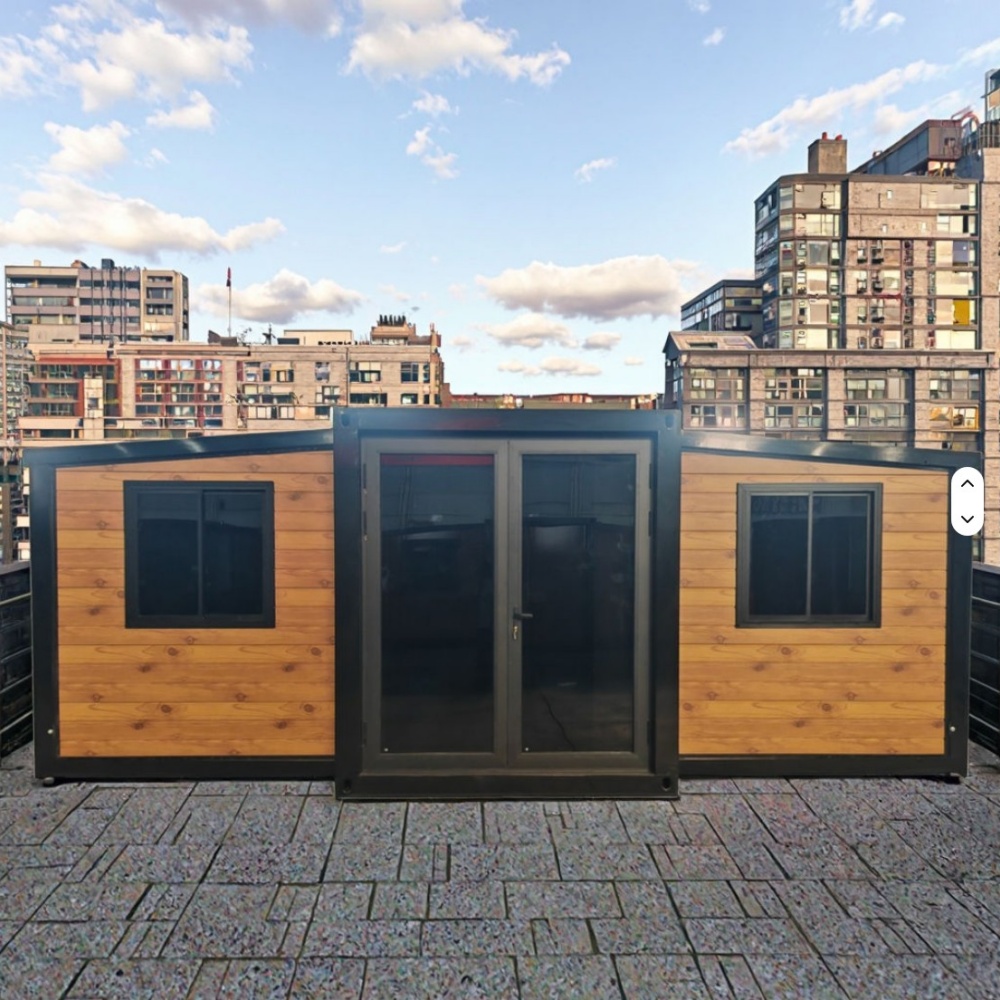
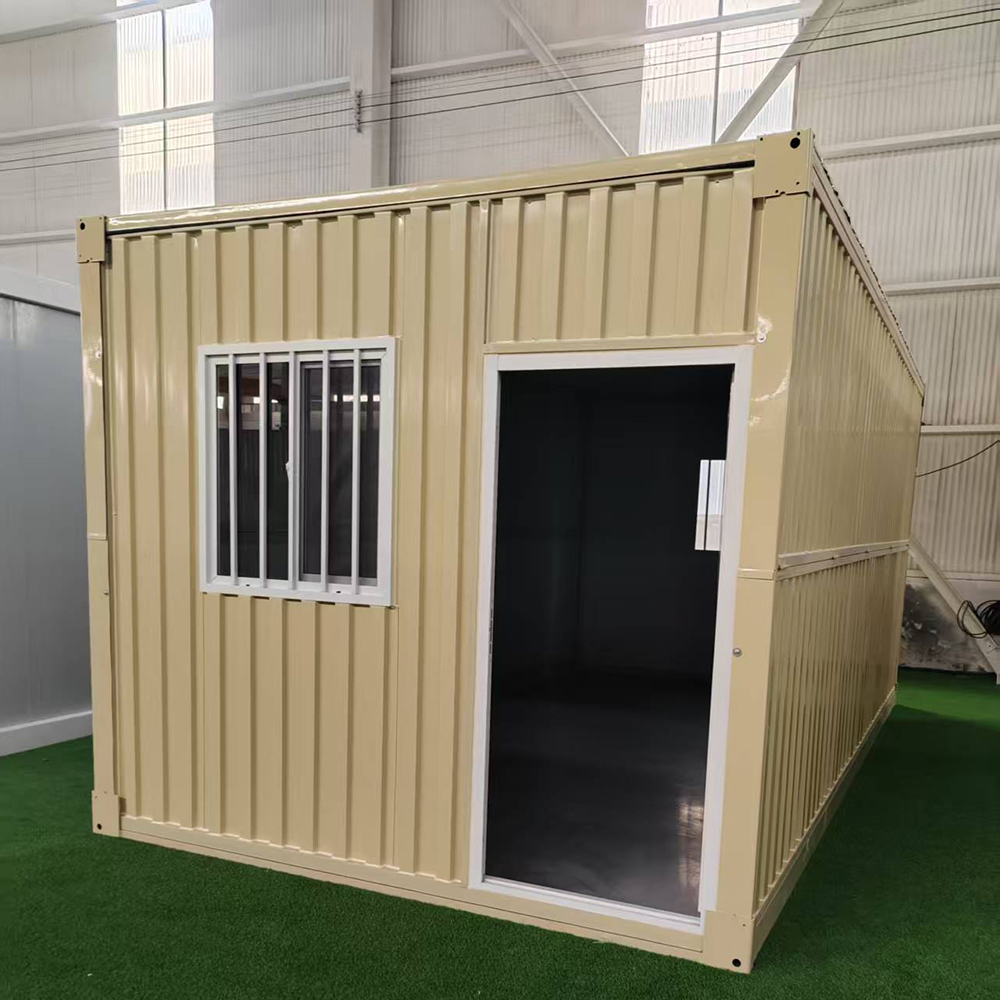
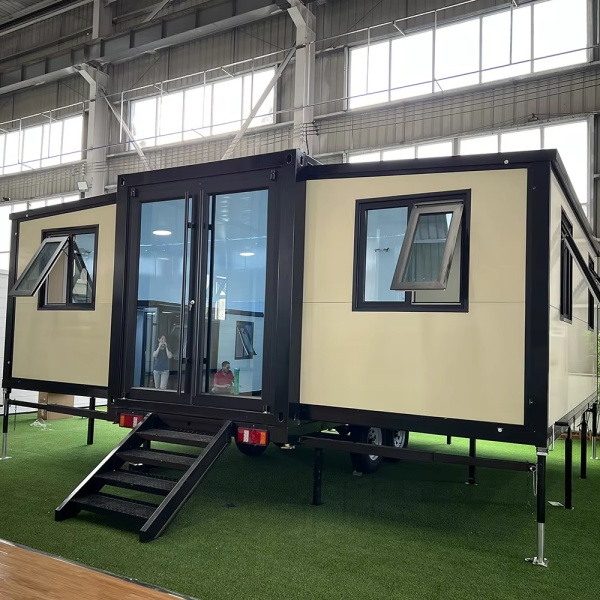
Best selling products
Best selling products-
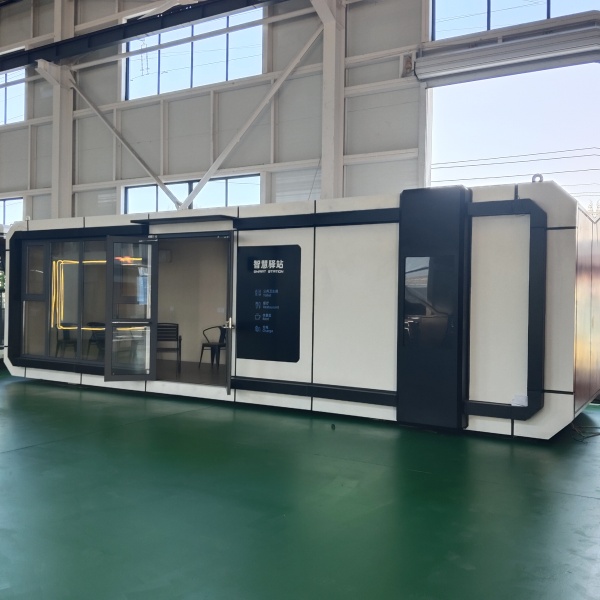 Modular modern movable apple cabins, customized high-end folk houses and portable bedrooms, delivered as a whole
 -
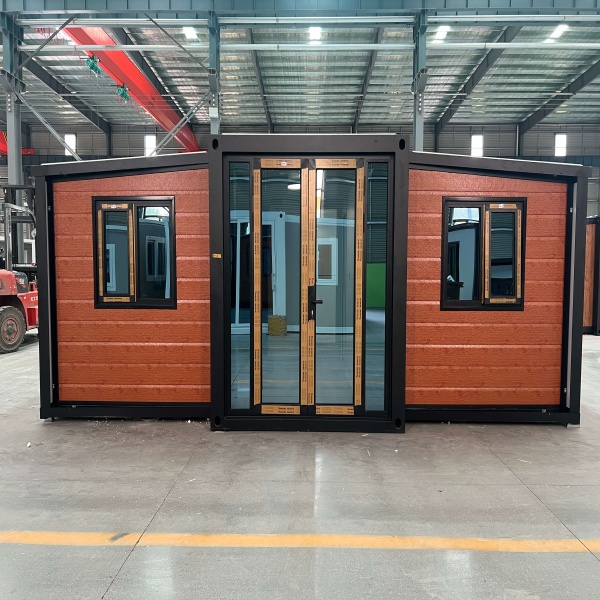 High-quality Double-wing Folding Container House with Doors and Windows, Insulated Walls, Suitable for Various Scenarios.
 -
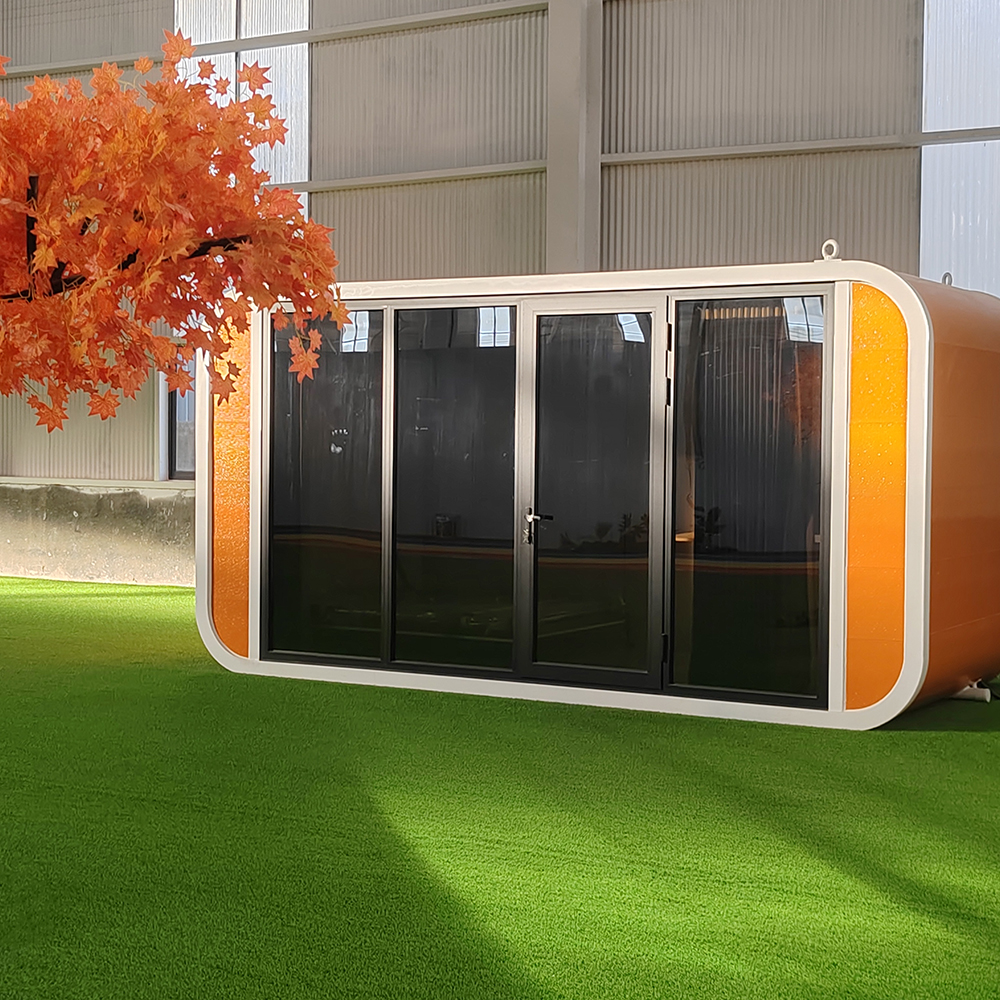 Luxury Prefabricated Living Container House Modular Glass Tiny House Prefab Container Home Apple Cabin
 -
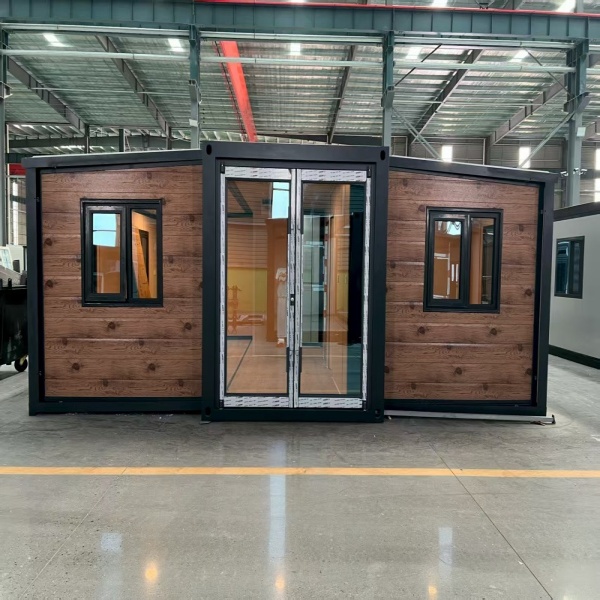 The foldable container house with side wing design can be quickly set up and is suitable for various environments.
 -
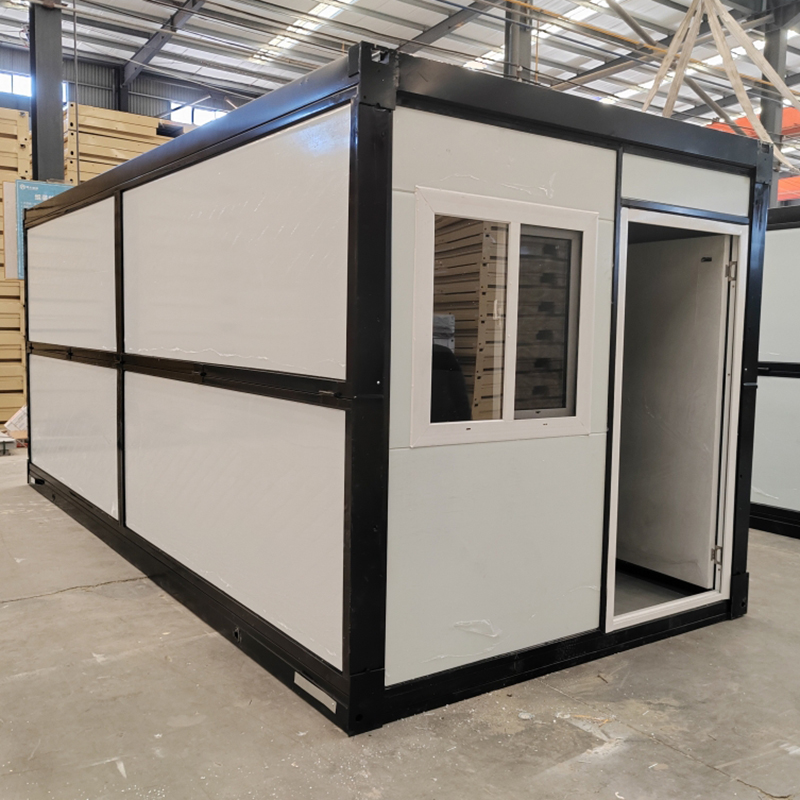 Detachable Design Prefabricated Container House Portable Modular Office Building Folding Container House
 -
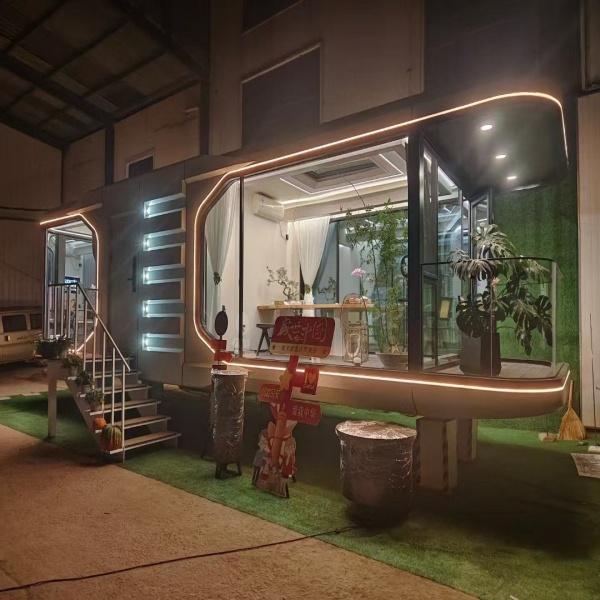 Outdoor ecological capsule rooms, luxury pods, space capsule hotel rooms, prefabricated space capsules, container houses
 -
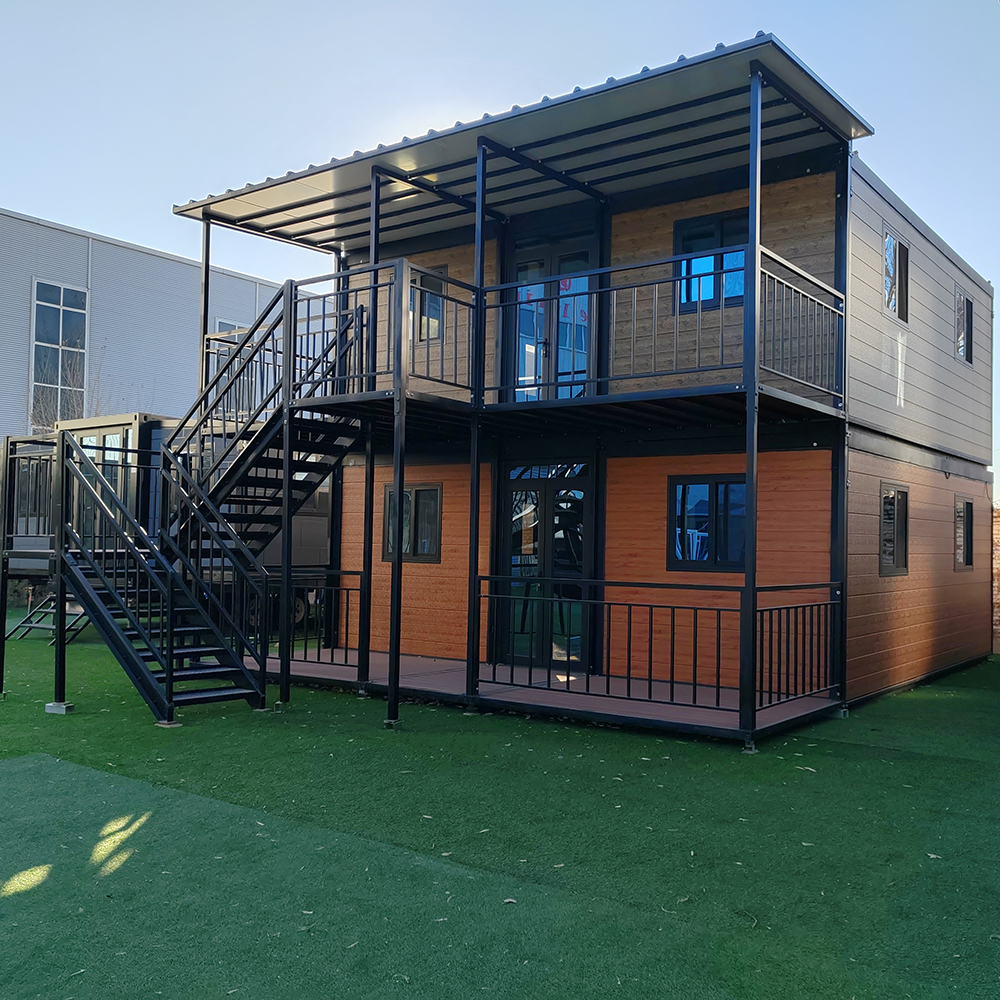 Easy Install Customized Detachable Container Homes Extendable House Prefab 2 Floors Expandable Container House
 -
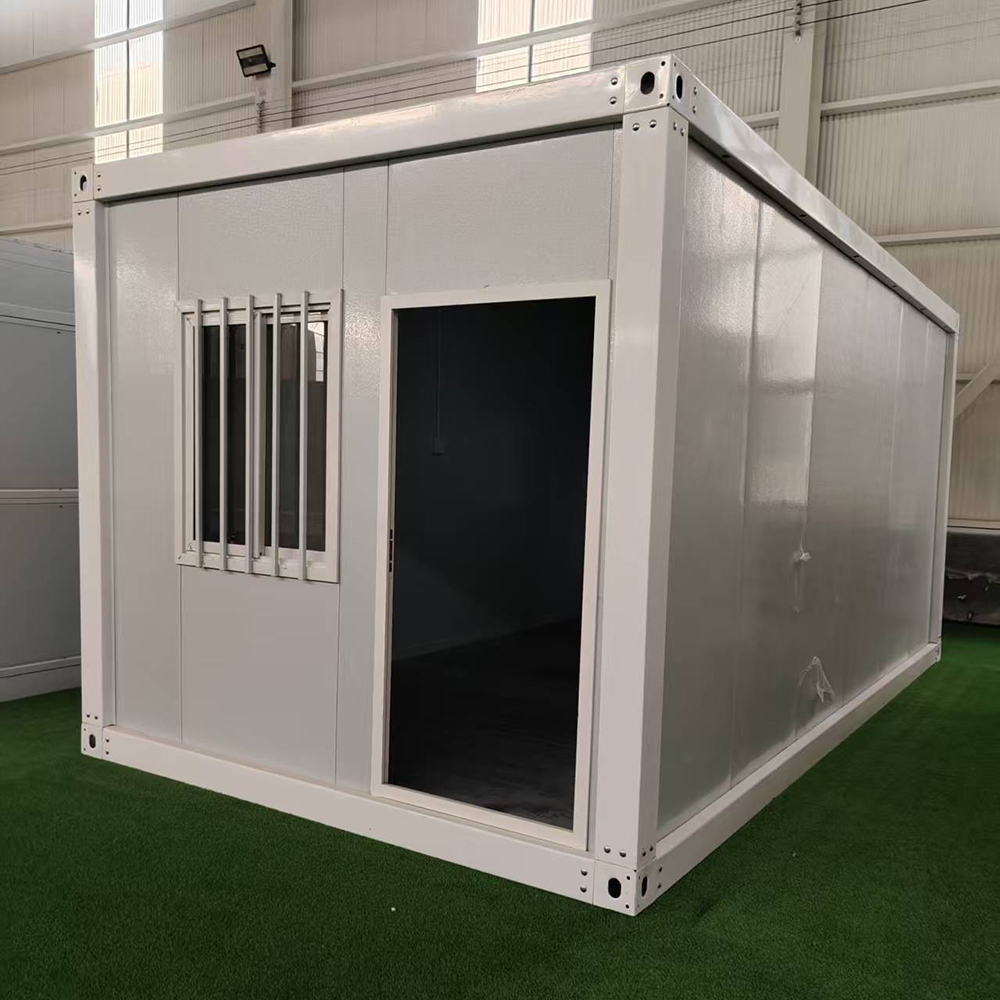 Folding Container Moving House Modular Office Container House Prefab Container for Outdoor Use
 -
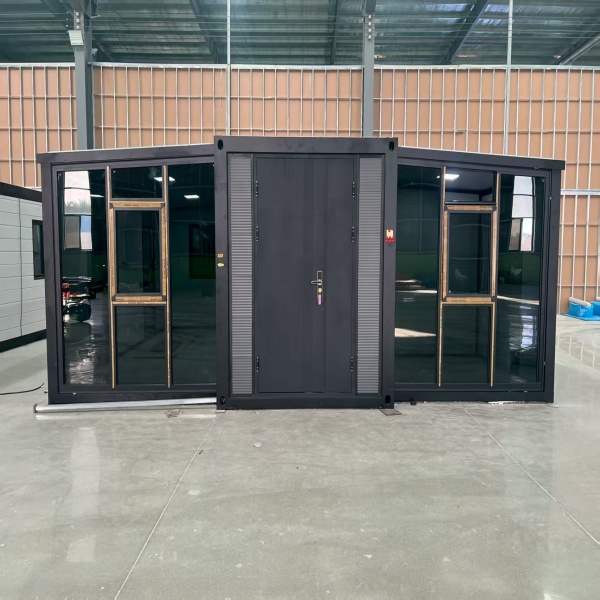 Customizable Office Mobile Home with Flat Roof and Double Wing Expansion Box, Convenient Container
 -
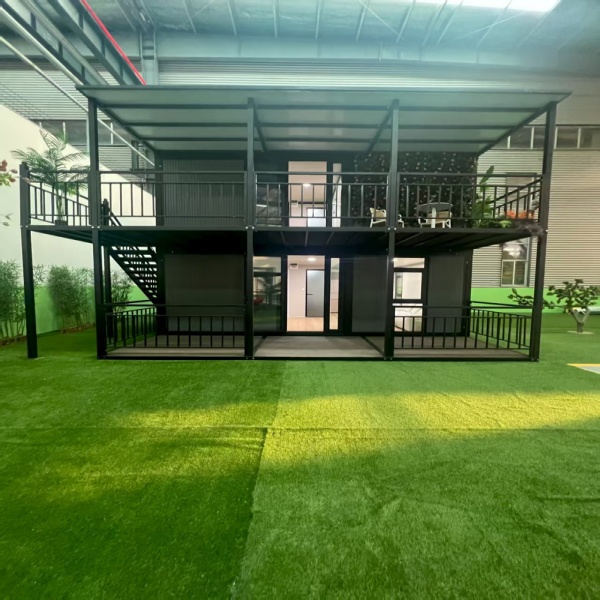 Luxury foldable two-story container houses in luxury resort hotels and villa hotels
 -
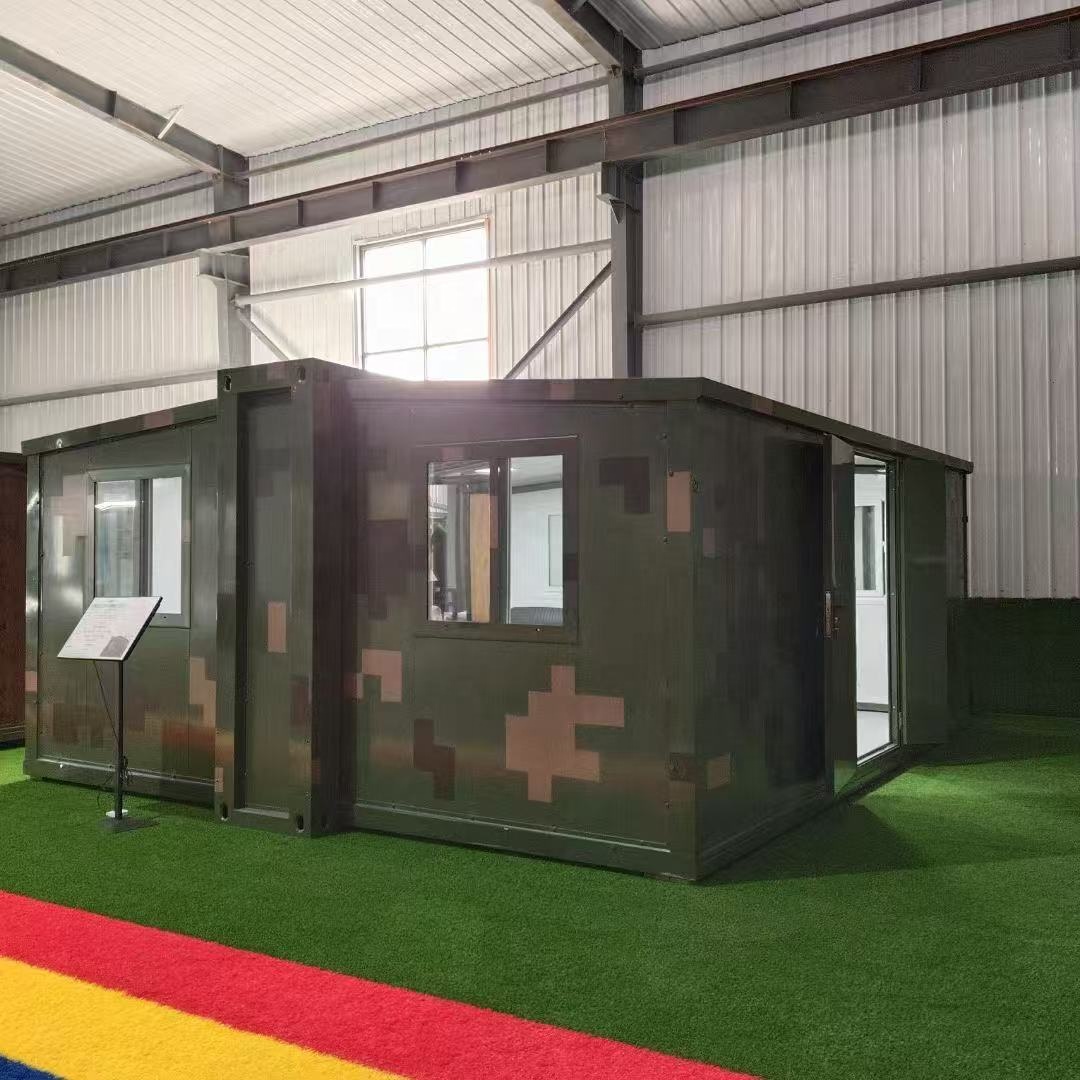 Movable Prefabricated Container House Villas Modular Portable Homes 1 Bedroom Container House Offices Apartments
 -
 Luxury Foldable Two Story Container House for Glamping Resort and Villa Hotel
Related search
Related search- Buy prefabricated containers house 20ft
- 40 ft expandable container house
- apple cabin prefab homes
- Buy expandable container house luxury
- apple modular cabin
- space capsule house
- China fold out tiny house
- Buy folding container house usa
- Buy new spire prefabricated house container house
- 20ft expandable container house