
-
E-mail
Austin120521@outlook.com -
E-mail
sales@jujiuhouse.com -
Telephone
+86-17864099991 -
Telephone
+86-17854044442
- Chinese
- French
- German
- Portuguese
- Spanish
- Russian
- Japanese
- Korean
- Arabic
- Irish
- Greek
- Turkish
- Italian
- Danish
- Romanian
- Indonesian
- Czech
- Afrikaans
- Swedish
- Polish
- Basque
- Catalan
- Esperanto
- Hindi
- Lao
- Albanian
- Amharic
- Armenian
- Azerbaijani
- Belarusian
- Bengali
- Bosnian
- Bulgarian
- Cebuano
- Chichewa
- Corsican
- Croatian
- Dutch
- Estonian
- Filipino
- Finnish
- Frisian
- Galician
- Georgian
- Gujarati
- Haitian
- Hausa
- Hawaiian
- Hebrew
- Hmong
- Hungarian
- Icelandic
- Igbo
- Javanese
- Kannada
- Kazakh
- Khmer
- Kurdish
- Kyrgyz
- Latin
- Latvian
- Lithuanian
- Luxembou..
- Macedonian
- Malagasy
- Malay
- Malayalam
- Maltese
- Maori
- Marathi
- Mongolian
- Burmese
- Nepali
- Norwegian
- Pashto
- Persian
- Punjabi
- Serbian
- Sesotho
- Sinhala
- Slovak
- Slovenian
- Somali
- Samoan
- Scots Gaelic
- Shona
- Sindhi
- Sundanese
- Swahili
- Tajik
- Tamil
- Telugu
- Thai
- Ukrainian
- Urdu
- Uzbek
- Vietnamese
- Welsh
- Xhosa
- Yiddish
- Yoruba
- Zulu
- Kinyarwanda
- Tatar
- Oriya
- Turkmen
- Uyghur




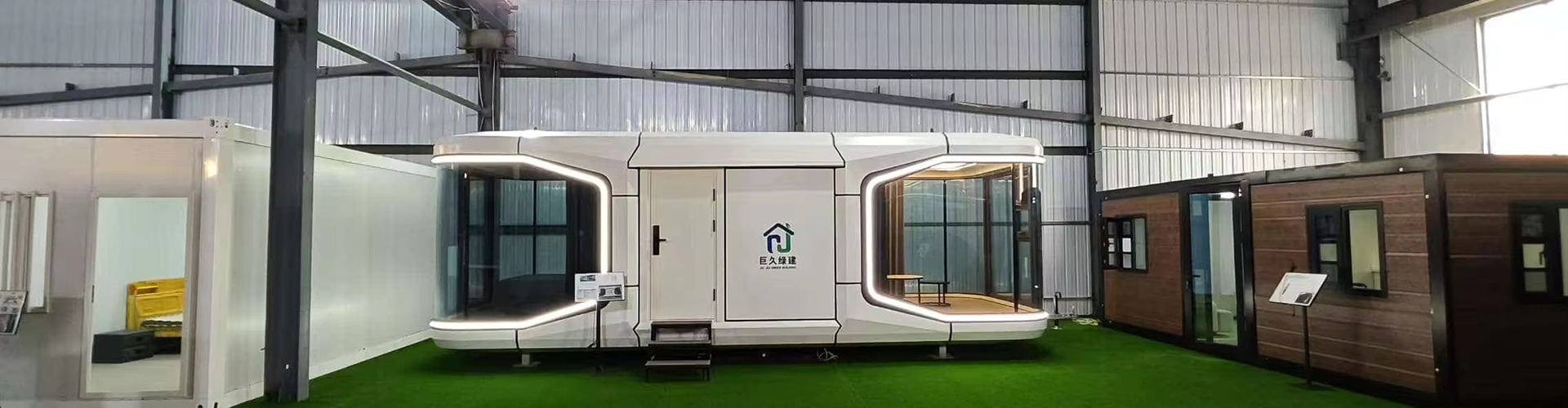
Buy expandable prefab house
The Flexible Solution: Expandable Prefab Houses
When people first hear about expandable prefab houses, they often think of them as a novelty or perhaps something that lacks durability. But that's a grossly unfair assessment. Based on industry experience, these houses have evolved massively, offering flexibility and sustainability at a cost often lower than traditional construction. Let's delve into why these structures are gaining traction and what's shaping their adoption.
Understanding Expandable Prefab Houses
To begin with, the term “expandable” in the context of prefab houses refers to modular sections that can be configured and reconfigured to fit the occupant's needs. This flexibility isn't just theoretical—it's one of the main selling points. Companies like SHANDONG JUJIU INTEGRATED HOUSING CO, LTD, which specializes in a wide range of modular construction, are really pushing the envelope in terms of design and function.
The typical misconception is that these houses might not stand the test of time. However, advancements in materials and construction techniques have significantly enhanced their lifespan. Take the materials used by SHANDONG JUJIU, for example—lightweight yet robust steel frames that combine longevity with ease of transport. This makes the homes not only durable but also movable if your circumstances change, unlike traditional housing.
Yet, it’s not just about durability. The aesthetic quality and insulation properties have also seen marked improvements. You no longer have to compromise on comfort or style when choosing a prefab solution.
Installation and Real-World Application
Another advantage is the speed of installation. In today’s fast-paced world, waiting several months for a traditional build can be impractical. This is where the prefab house shines, as construction timelines are significantly reduced. The components are pre-fabricated off-site, allowing for a swift setup once delivered. Think of it as piecing together a high-quality puzzle.
From personal experience, once your foundation is set, an expandable prefab can be erected in mere days. For example, SHANDONG JUJIU’s offerings often arrive with intricate folding mechanisms that make on-site assembly remarkably straightforward. This technology is especially appealing for remote areas where traditional construction might be hampered by logistical issues.
It’s crucial, however, to plan for utilities and permissions in advance. Just because you can assemble a home quickly doesn't mean the groundwork should be rushed. Working with local authorities to secure permits beforehand can save time and headaches in the long run.
Customization: More Than Meets the Eye
People often ask if customization is limited when it comes to expandable prefab houses. The reality is quite the contrary. Customizing a prefabricated house can be as straightforward or elaborate as you need. From choosing materials to selecting floor layouts and integrating eco-friendly features, modern prefab homes offer a dizzying array of options.
Consider the projects handled by SHANDONG JUJIU, where the design phase heavily involves client interaction. This client-centric approach means you can select finishes, determine sizes, and even include energy-efficient systems from the get-go. The myth that prefab homes are 'one-size-fits-all' is just that—a myth.
Moreover, thanks to advanced software, you can often preview your home in 3D before a single component is manufactured—allowing you to make informed design choices.
Addressing Environmental Concerns
One of the silent revolutions of prefab housing is its environmental impact. Unlike traditional construction, which can be waste-intensive, the prefab process tends to be much more efficient. This is partly due to precision manufacturing techniques that reduce waste and the ability to incorporate sustainable materials from the onset.
Companies like SHANDONG JUJIU are rapidly integrating such sustainable practices. By focusing on recycling within the manufacturing process and utilizing renewable materials, they set an example for how prefabricated housing can help in creating a more sustainable future.
Furthermore, expanding on energy efficiency, prefab houses typically include better-integrated systems for heating and cooling, as well as solar panels and smart home technology, which contribute to their eco-friendliness.
Challenges and Future Outlook
Of course, it's not all smooth sailing. Factors like land scarcity, zoning laws, and public perception play roles in the adoption of these houses. Addressing these issues requires collaboration between builders, clients, and local governments. For instance, zoning laws can be particularly challenging. However, the tide is shifting as more people recognize the advantages in terms of cost and sustainability.
Having worked within the industry for a considerable time, I've observed a steady rise in interest, driven partly by the housing shortages in urban areas. This demand fuels innovation, allowing manufacturers like SHANDONG JUJIU to refine their offerings continually, matching—and sometimes exceeding—traditional housing standards.
In conclusion, for those on the fence about purchasing an expandable prefab house, the answer should be based on a balance between immediate needs and long-term benefits. With companies dedicated to evolving their products to meet these challenges, the prefab sector is poised for substantial growth. It’s an exciting time to be part of this transformative chapter in construction.
Related products
Related products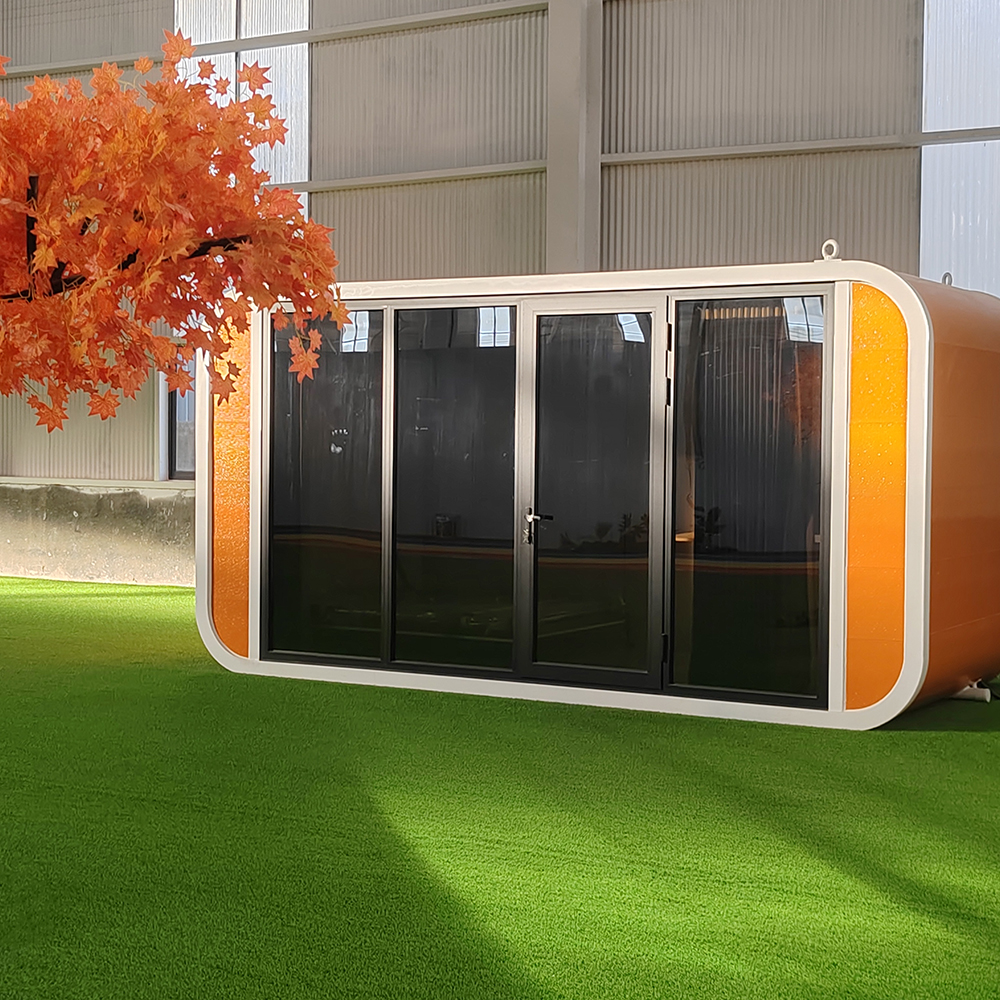
Best selling products
Best selling products-
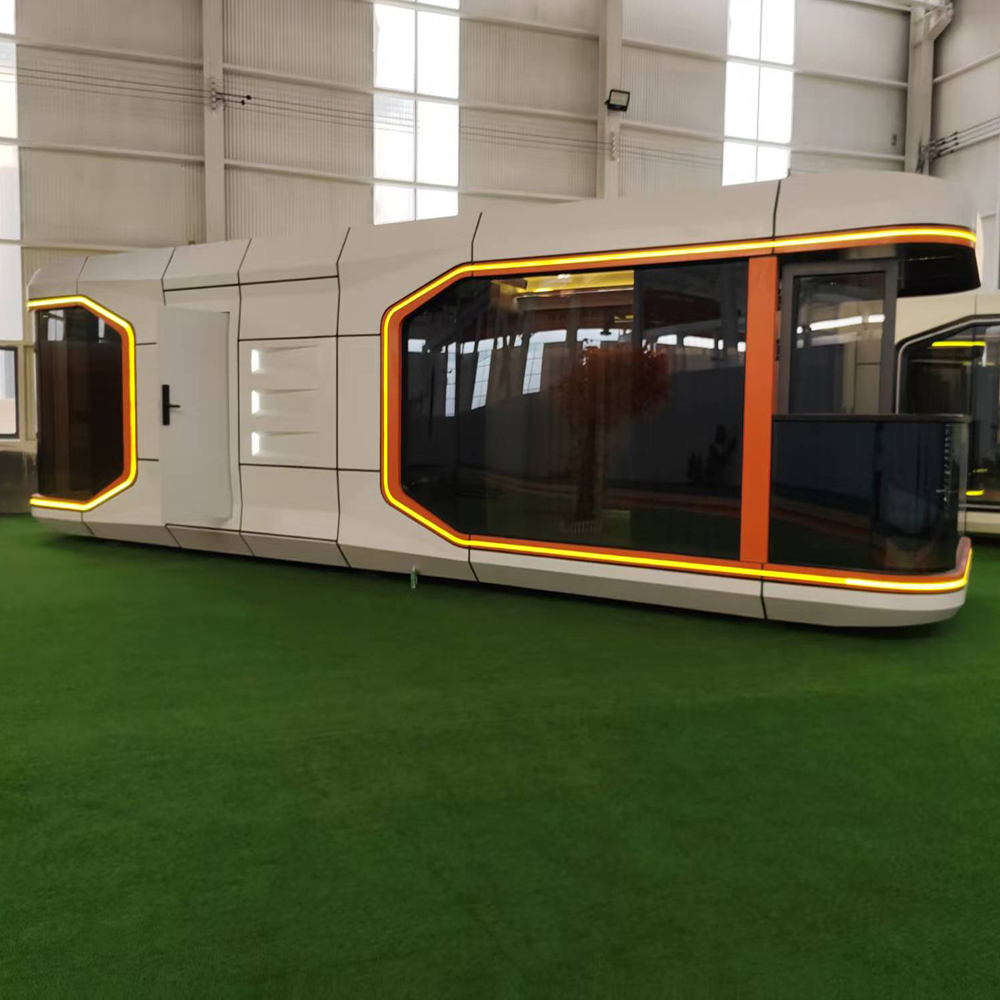 Standard Modern Camping Pod Space Prefabricated Portable Mobile Capsule Room Hotel Bathroom Prefabricated Spaceship House
 -
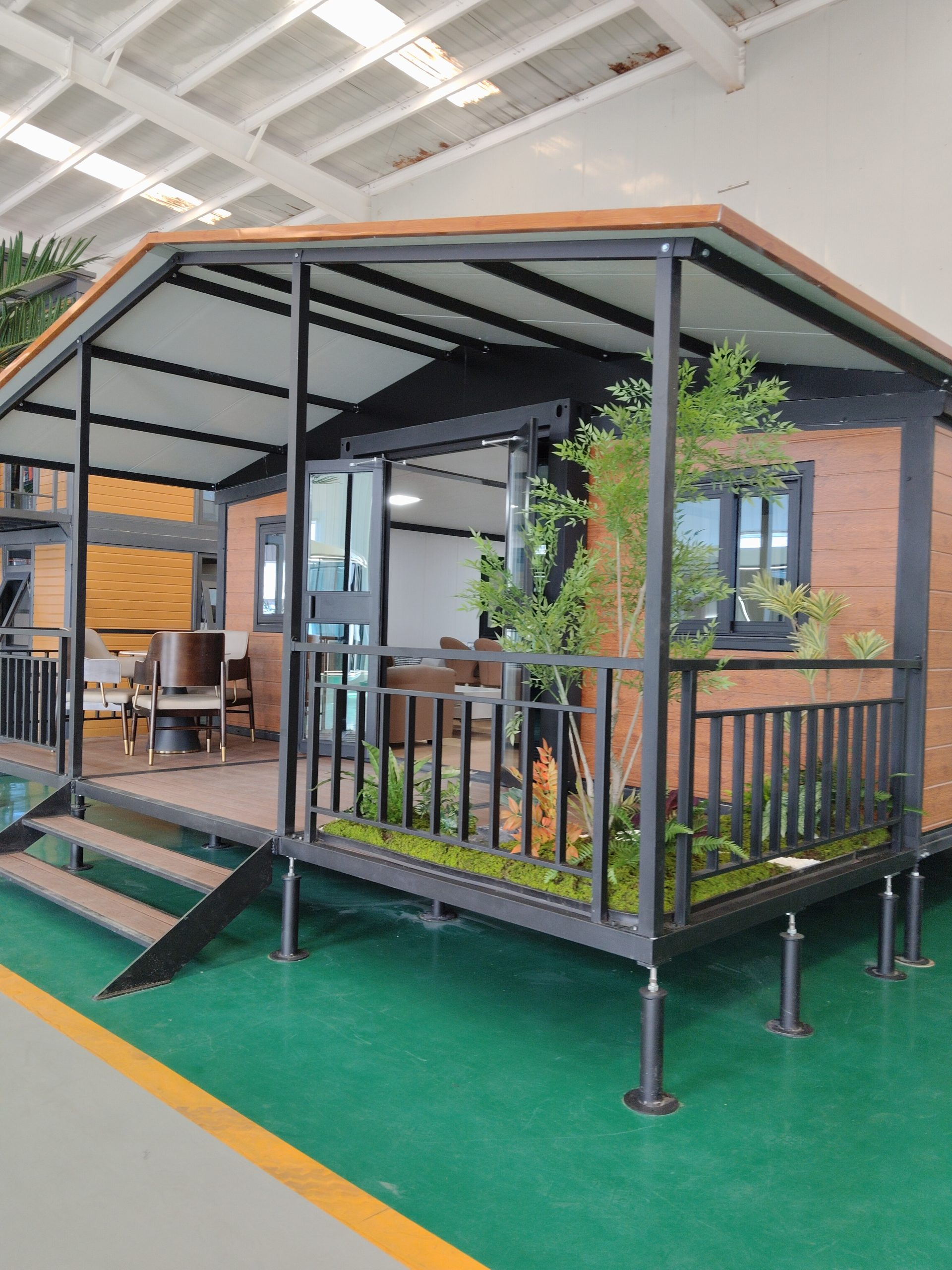
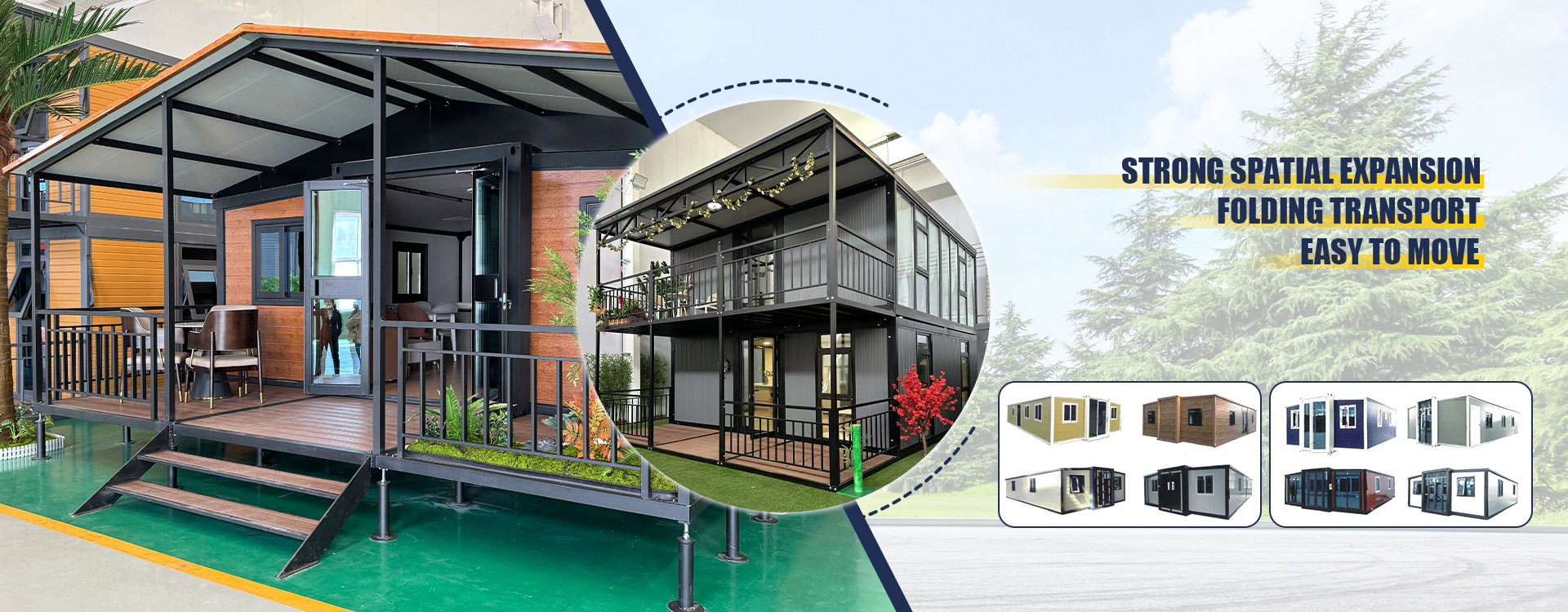
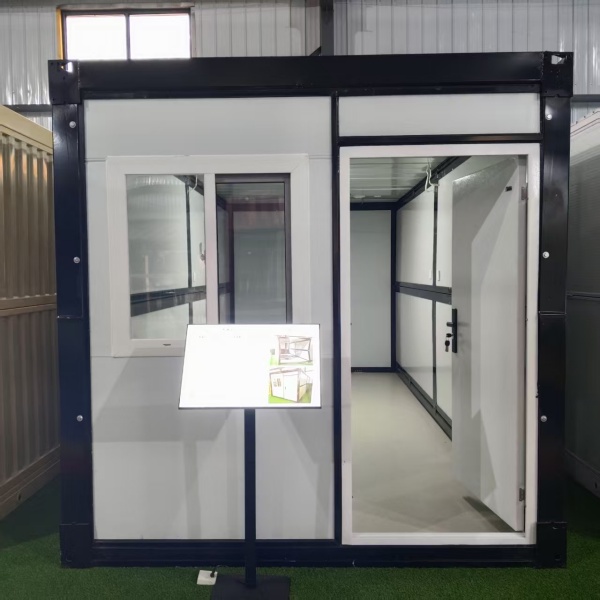 Hot-selling foldable container houses, expandable prefabricated houses, suitable for office or living use, with fast delivery.
 -
Two Wing Folding Expandable Container House
-
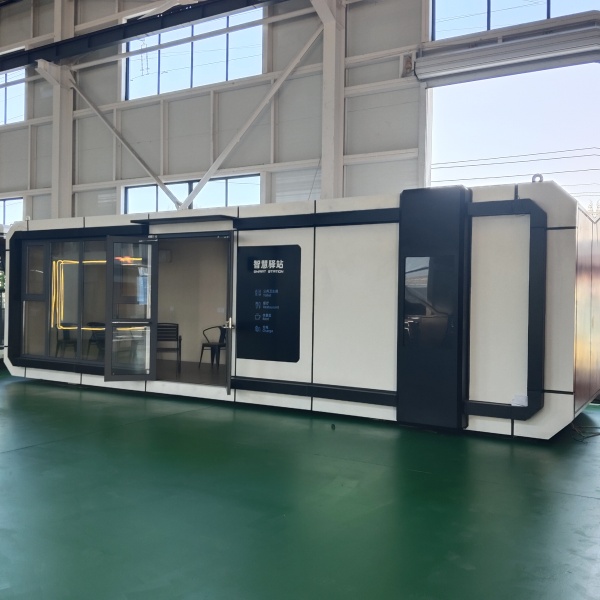 Modular modern movable apple cabins, customized high-end folk houses and portable bedrooms, delivered as a whole
 -
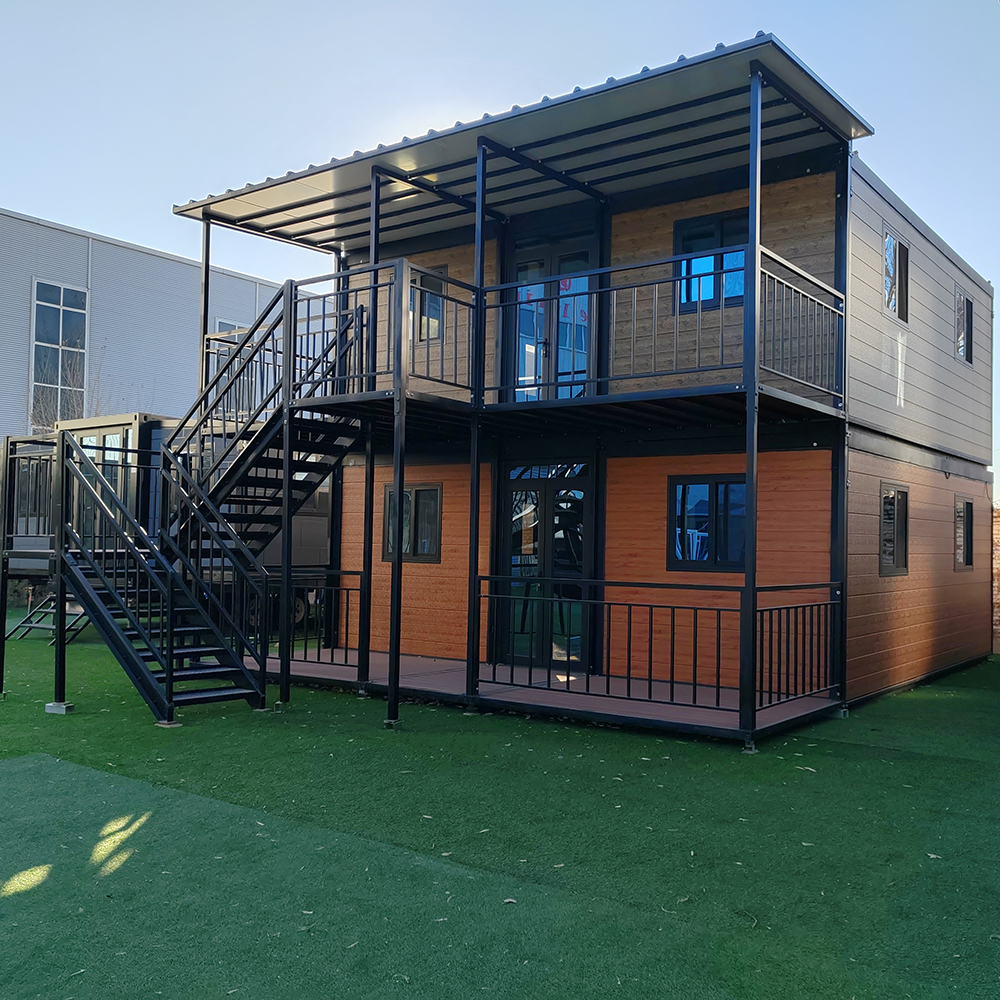 Easy Install Customized Detachable Container Homes Extendable House Prefab 2 Floors Expandable Container House
 -
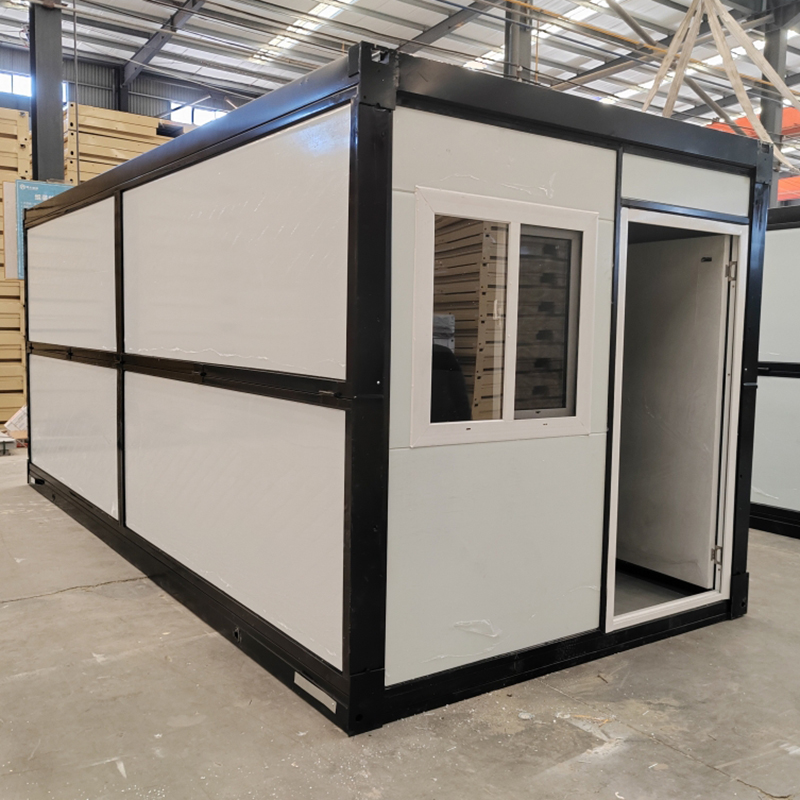 Detachable Design Prefabricated Container House Portable Modular Office Building Folding Container House
 -
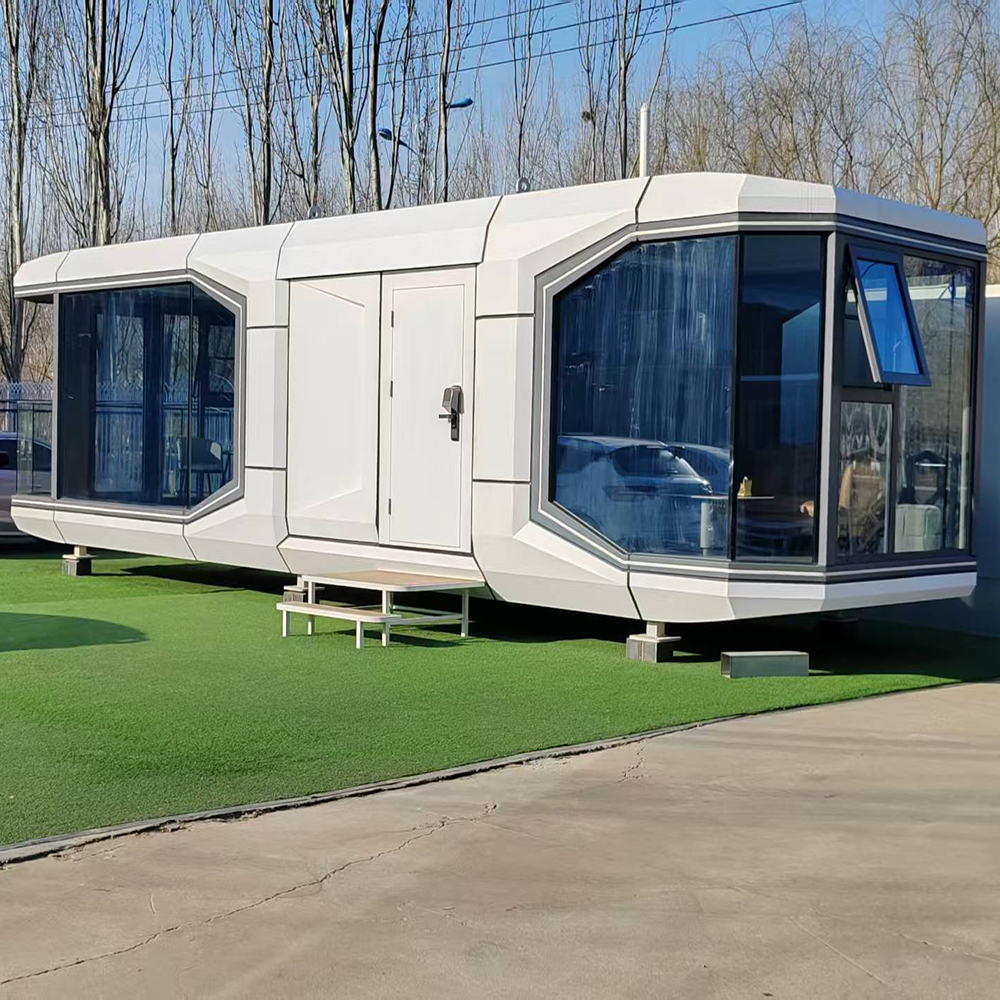 Luxury High Quality 2 Bedroom Container Home Prefabricated Steel Space Capsule for Office Shop Hotel or Outdoor House
 -
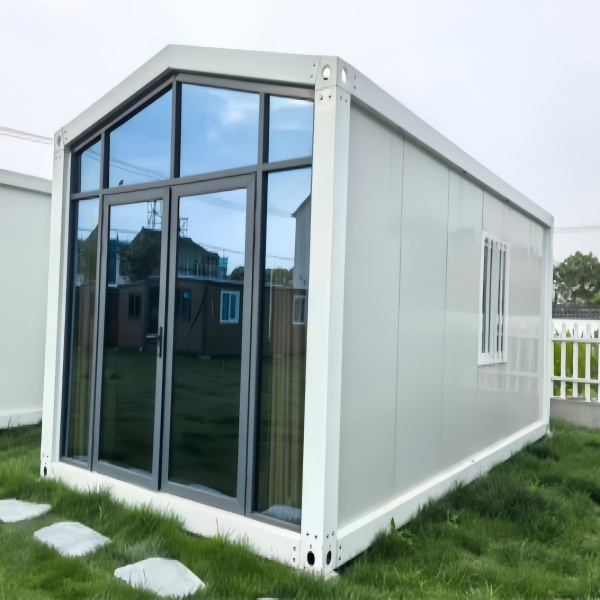 Waterproof folding container house – mobile accommodation for campsites/scenic spots
 -
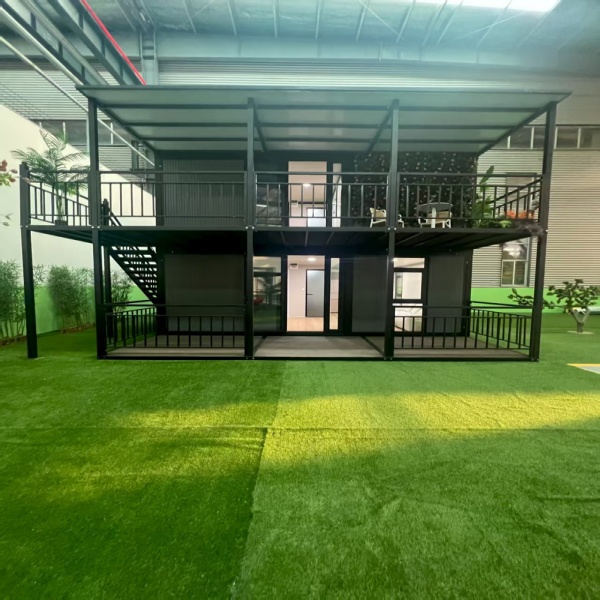 Luxury foldable two-story container houses in luxury resort hotels and villa hotels
 -
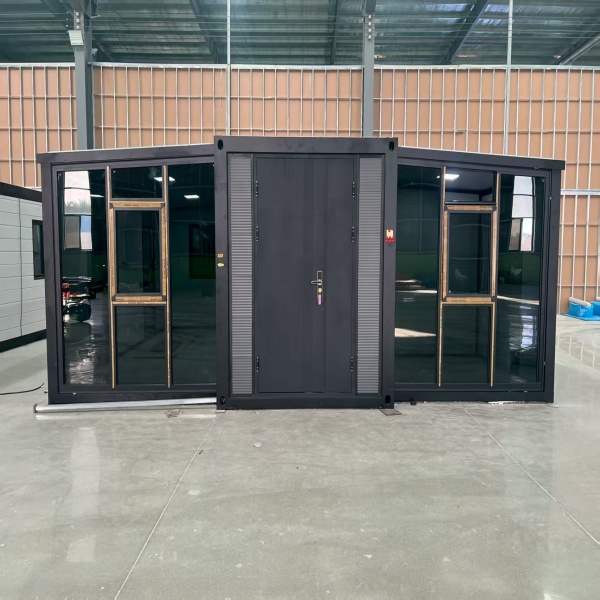 Customizable Office Mobile Home with Flat Roof and Double Wing Expansion Box, Convenient Container
 -
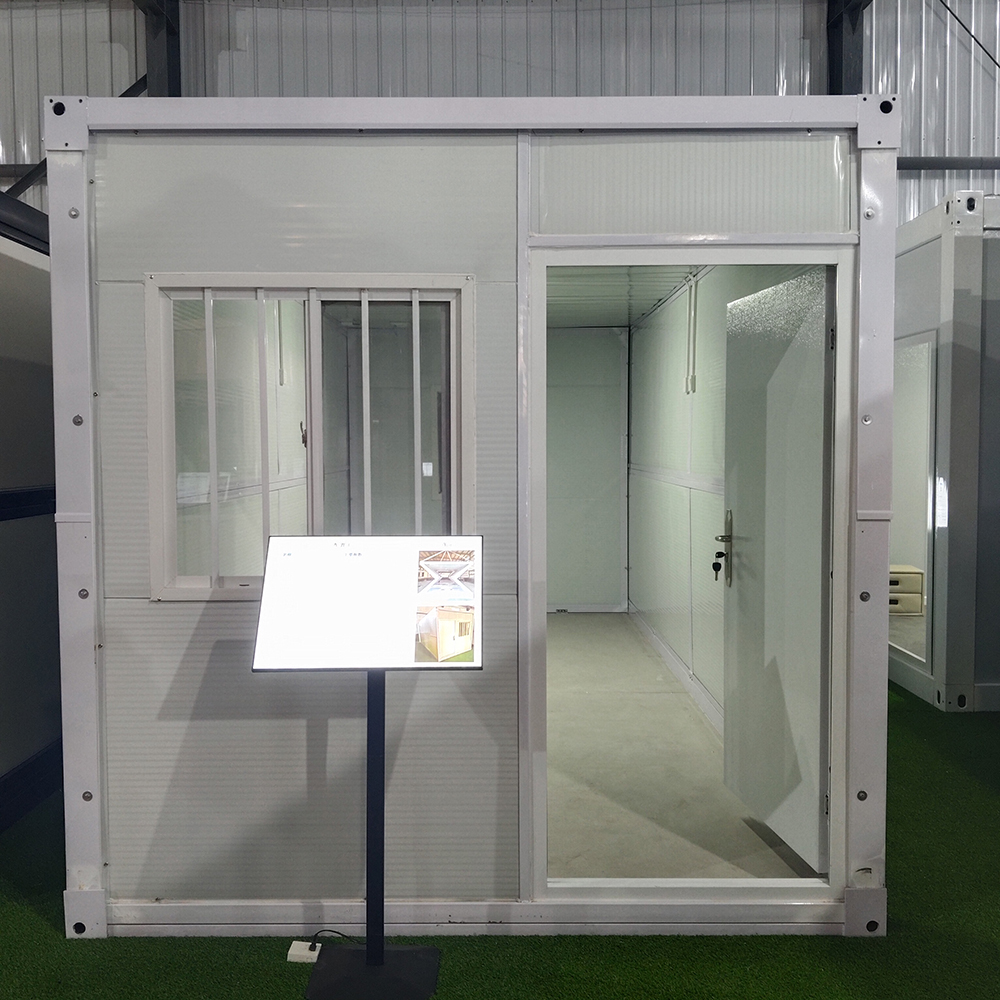 Reasonable Price 1 Bedroom Modular Container House Folding Container Home for Villa or Apartment Use
 -
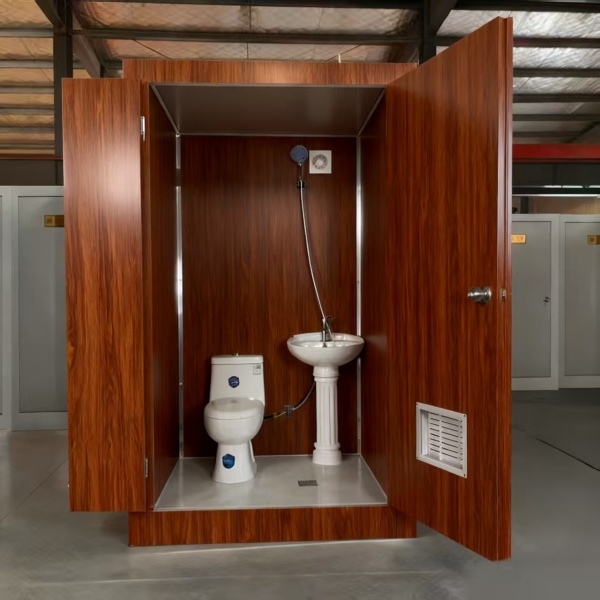 Portable outdoor camping bathroom, mobile toilet, prefabricated modular villa & rental of outdoor and indoor showers
Related search
Related search- Buy container house prefabricated
- China premade shipping container house
- Buy apple hollow cabins
- bedroom space capsule
- fold out container homes for sale
- Buy folding container house for sale
- folding house trailer
- folding caravan container house
- Buy prefabricated home folding container house
- space capsule house luxury mobile home