
-
E-mail
Austin120521@outlook.com -
E-mail
sales@jujiuhouse.com -
Telephone
+86-17864099991 -
Telephone
+86-17854044442
- Chinese
- French
- German
- Portuguese
- Spanish
- Russian
- Japanese
- Korean
- Arabic
- Irish
- Greek
- Turkish
- Italian
- Danish
- Romanian
- Indonesian
- Czech
- Afrikaans
- Swedish
- Polish
- Basque
- Catalan
- Esperanto
- Hindi
- Lao
- Albanian
- Amharic
- Armenian
- Azerbaijani
- Belarusian
- Bengali
- Bosnian
- Bulgarian
- Cebuano
- Chichewa
- Corsican
- Croatian
- Dutch
- Estonian
- Filipino
- Finnish
- Frisian
- Galician
- Georgian
- Gujarati
- Haitian
- Hausa
- Hawaiian
- Hebrew
- Hmong
- Hungarian
- Icelandic
- Igbo
- Javanese
- Kannada
- Kazakh
- Khmer
- Kurdish
- Kyrgyz
- Latin
- Latvian
- Lithuanian
- Luxembou..
- Macedonian
- Malagasy
- Malay
- Malayalam
- Maltese
- Maori
- Marathi
- Mongolian
- Burmese
- Nepali
- Norwegian
- Pashto
- Persian
- Punjabi
- Serbian
- Sesotho
- Sinhala
- Slovak
- Slovenian
- Somali
- Samoan
- Scots Gaelic
- Shona
- Sindhi
- Sundanese
- Swahili
- Tajik
- Tamil
- Telugu
- Thai
- Ukrainian
- Urdu
- Uzbek
- Vietnamese
- Welsh
- Xhosa
- Yiddish
- Yoruba
- Zulu
- Kinyarwanda
- Tatar
- Oriya
- Turkmen
- Uyghur




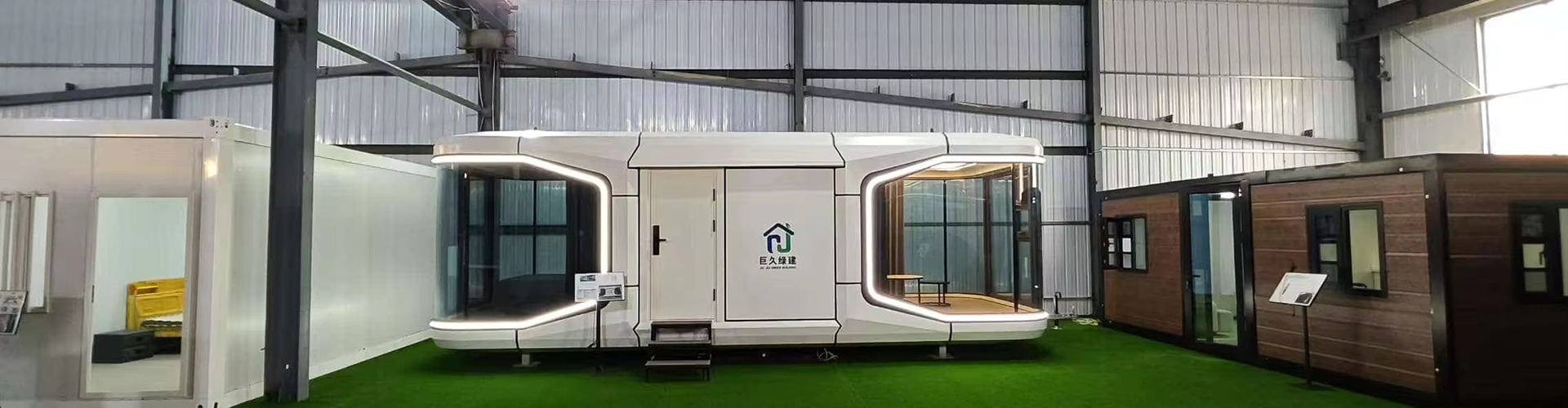
Buy fold out house
The Allure and Challenges of Buying a Fold-Out House
With an increasing focus on mobility and sustainability, the idea of purchasing a fold-out house is catching on—quickly. But if you're considering this modern marvel, it's crucial to navigate both the glittering potentials and the hidden obstacles that might not be obvious at first glance.
Understanding the Appeal
The concept of a fold-out house sounds almost like something out of science fiction—a living space that can expand and contract based on need, location, or momentary whim. It's not just about having a portable living space; it's the innovative promise of versatility that attracts many. Yet, it's essential to grasp where this enthusiasm meets practicality.
These houses are not just sleek and convenient; they translate into real-world savings on both time and resources. A full expansion might be done within a couple of days—at most—compared to the lengthy traditional construction timelines. On the economic side, the cost of a fold-out house is generally lower than building a conventional home, making it a sought-after option for first-time homeowners.
Shandong Jujiu Integrated Housing Co., Ltd., found at jujiuhouse.com, epitomizes the industry potential. With expertise in lightweight structures and transformative designs, they stand as a testament to the growing industry focused on this new housing solution.
The Practical Hiccups
No innovation is without its teething problems. While the esteem of fold-out houses stems from their flexible nature, this can be a double-edged sword. Seasonal changes—humidity, for example—might affect the integrity of the materials used, even with state-of-the-art engineering.
I remember visiting a site where a contractor lamented about an unexpected issue with the thermal insulation during a particularly harsh winter. Though easily resolved, it was a reminder that these homes, like their traditional counterparts, require diligent maintenance and a keen understanding of material science.
Moreover, the legal landscape for these homes is another thing to consider. Local zoning laws could limit where and how these structures can be deployed, particularly in high-density or urban areas. As with any home purchase, due diligence is key to avoiding potential pitfalls.
Design Flexibility
One of the more intriguing aspects is the ability to customize. Much like conventional homes, you can tailor a fold-out house to fit particular lifestyle needs. From the minimalist setups to more elaborate arrangements, these houses offer a spectrum, thanks to companies like Shandong Jujiu Integrated Housing Co., Ltd., who continuously push the design envelope.
The inherent flexibility is not just about aesthetics—functional extensions like modular kitchens or additional storage can seamlessly integrate into the basic design. Such adaptability opens up possibilities for diverse environments, from remote rural areas to bustling city spaces.
There are endless testimonials from clients who have integrated multifunctionality into their designs, reflecting a trend that doesn't just value livable space but also the experience of living itself.
The Environmental Edge
The environmental benefits are among the underappreciated attributes of the fold-out house. Not only do these homes demand fewer raw materials, but their efficient manufacturing process also reduces the carbon footprint dramatically when compared to traditional construction methods.
Modularity contributes heavily here—components can be built en masse and transported with minimal waste. This systematic efficiency makes it an attractive option for eco-conscious consumers looking to reduce their impact without sacrificing comfort or style.
As we see global trends shift toward sustainable practices, companies like Shandong Jujiu play pivotal roles in leading by example, balancing industrial progress with ecological responsibility.
The Investment Dilemma
Investing in a fold-out house isn't merely about evaluating cost—it requires a keen eye on the potential for future returns, particularly as these homes gain market traction. The real estate market is notorious for its volatility, but the expanding interest in innovative housing solutions suggests a promising future.
However, potential buyers should maintain a balanced assessment, prioritizing functionality over design or low cost alone. Some might be tempted by striking new designs, only to find that practicality was compromised in pursuit of aesthetics.
A smart strategy could involve engaging with industry professionals or visiting workshops to understand the nuances better. I've witnessed firsthand the enthusiasm of prospective buyers who, after tours and expert consultations, felt much more prepared to make informed decisions.
Conclusion
Purchasing a fold-out house is a decision that involves more than just enthusiasm for modern living. While these homes embody innovation and promise unparalleled versatility, they also demand careful consideration of various practical and economic factors. By understanding the full landscape of this housing option—through expert insights and firsthand experiences—you can make the decision that's truly right for you, ensuring it aligns with both your lifestyle and investment goals. Visit jujiuhouse.com to explore more about what Shandong Jujiu Integrated Housing Co., Ltd. has to offer in this evolving market.
Related products
Related products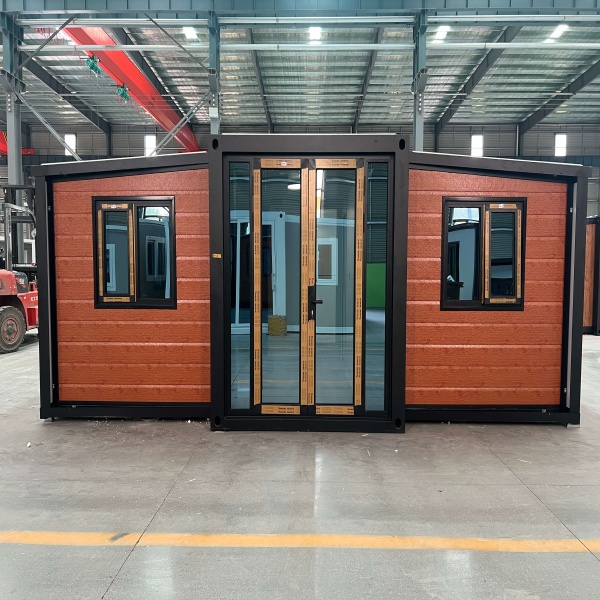
Best selling products
Best selling products-
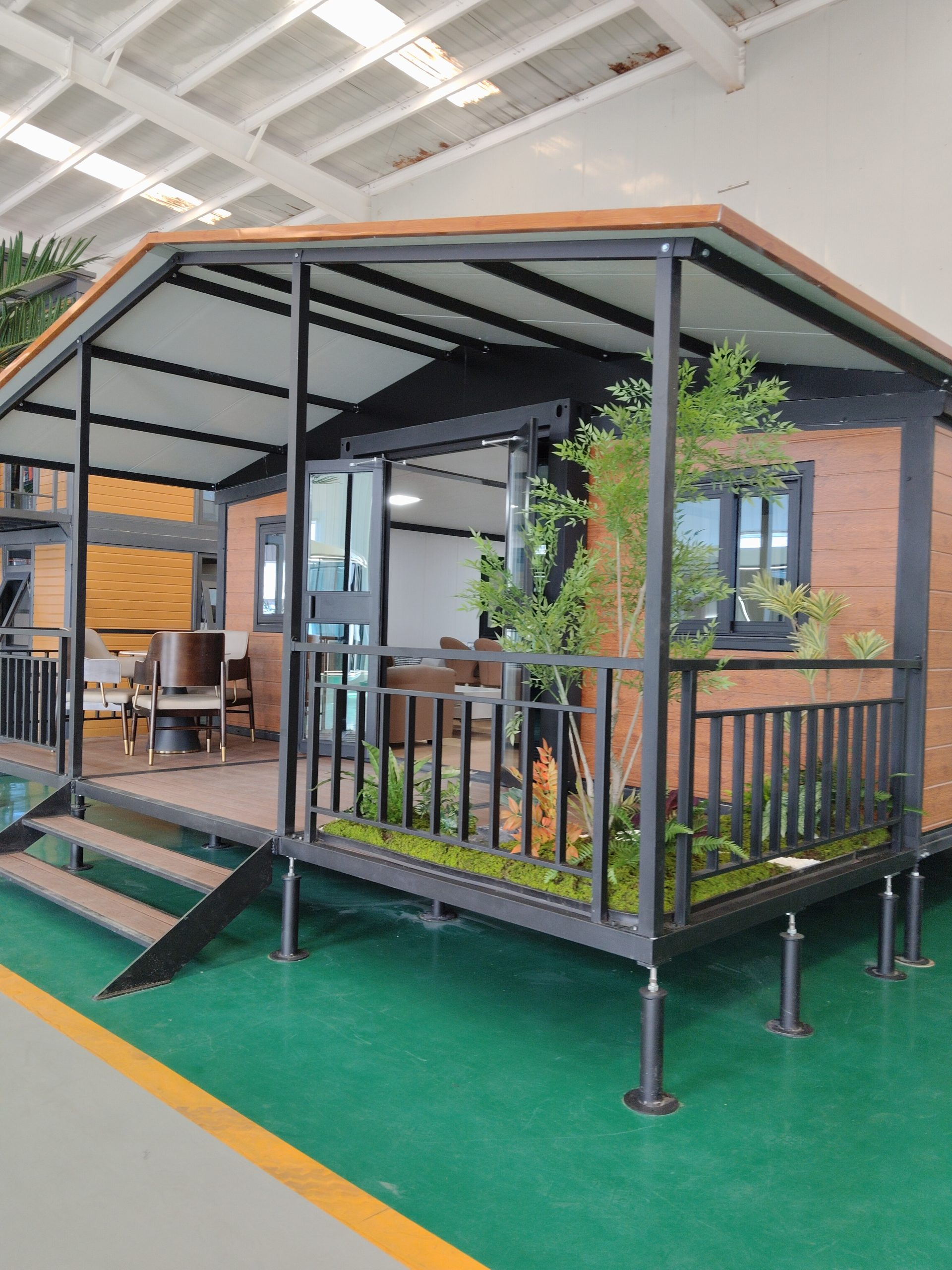
 Movable Prefabricated Container House Villas Modular Portable Homes 1 Bedroom Container House Offices Apartments
 -
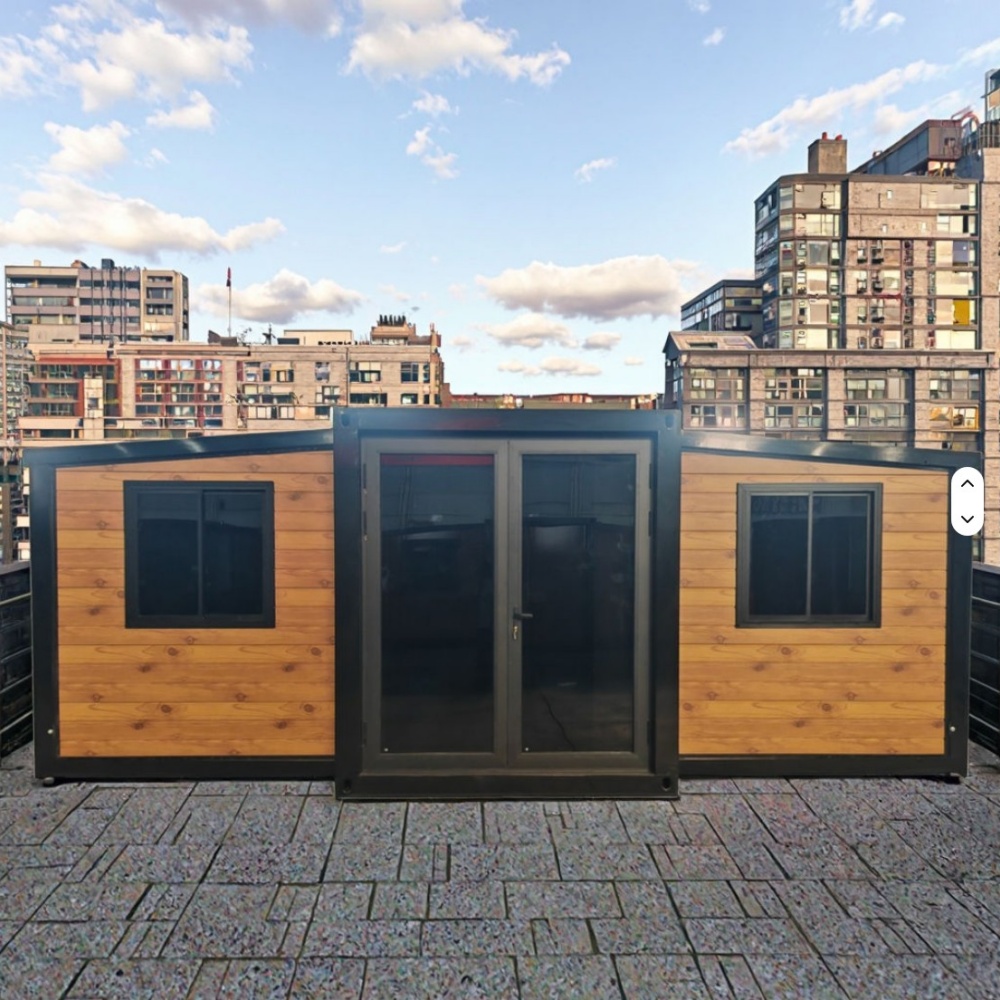
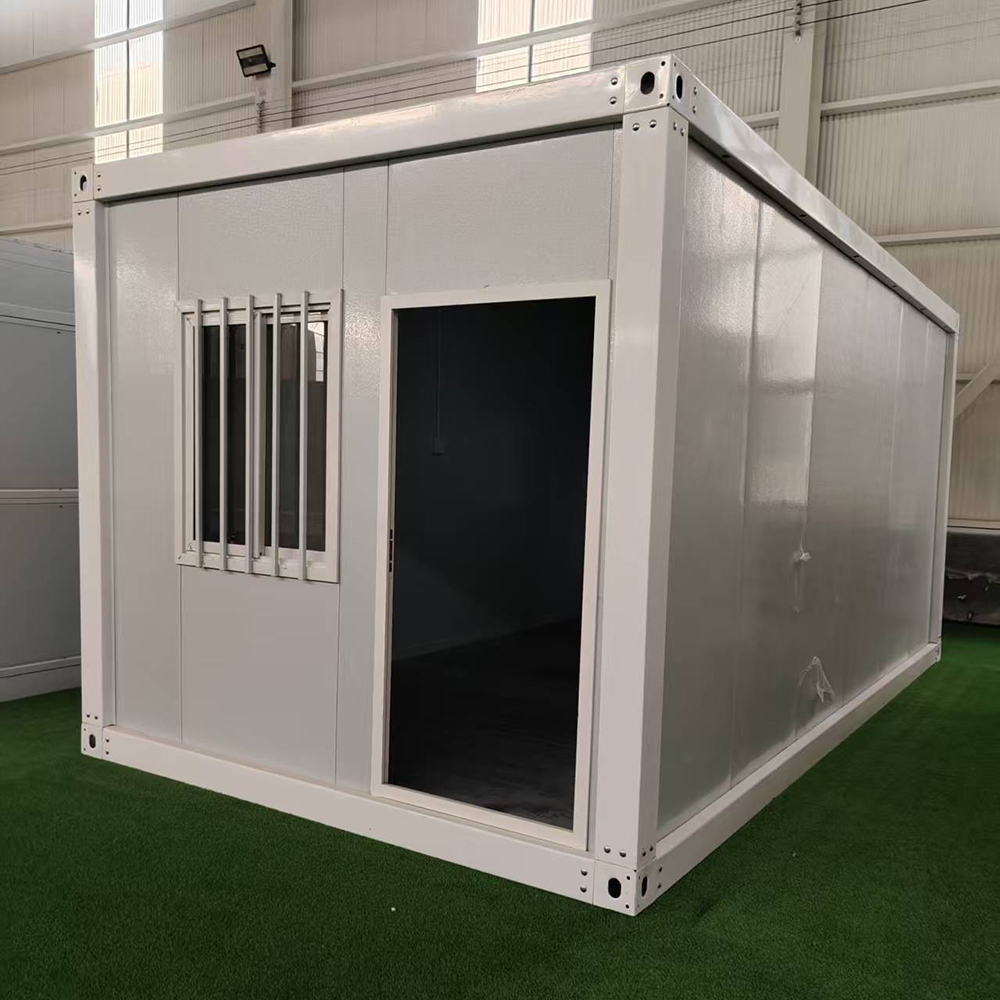 Folding Container Moving House Modular Office Container House Prefab Container for Outdoor Use
 -
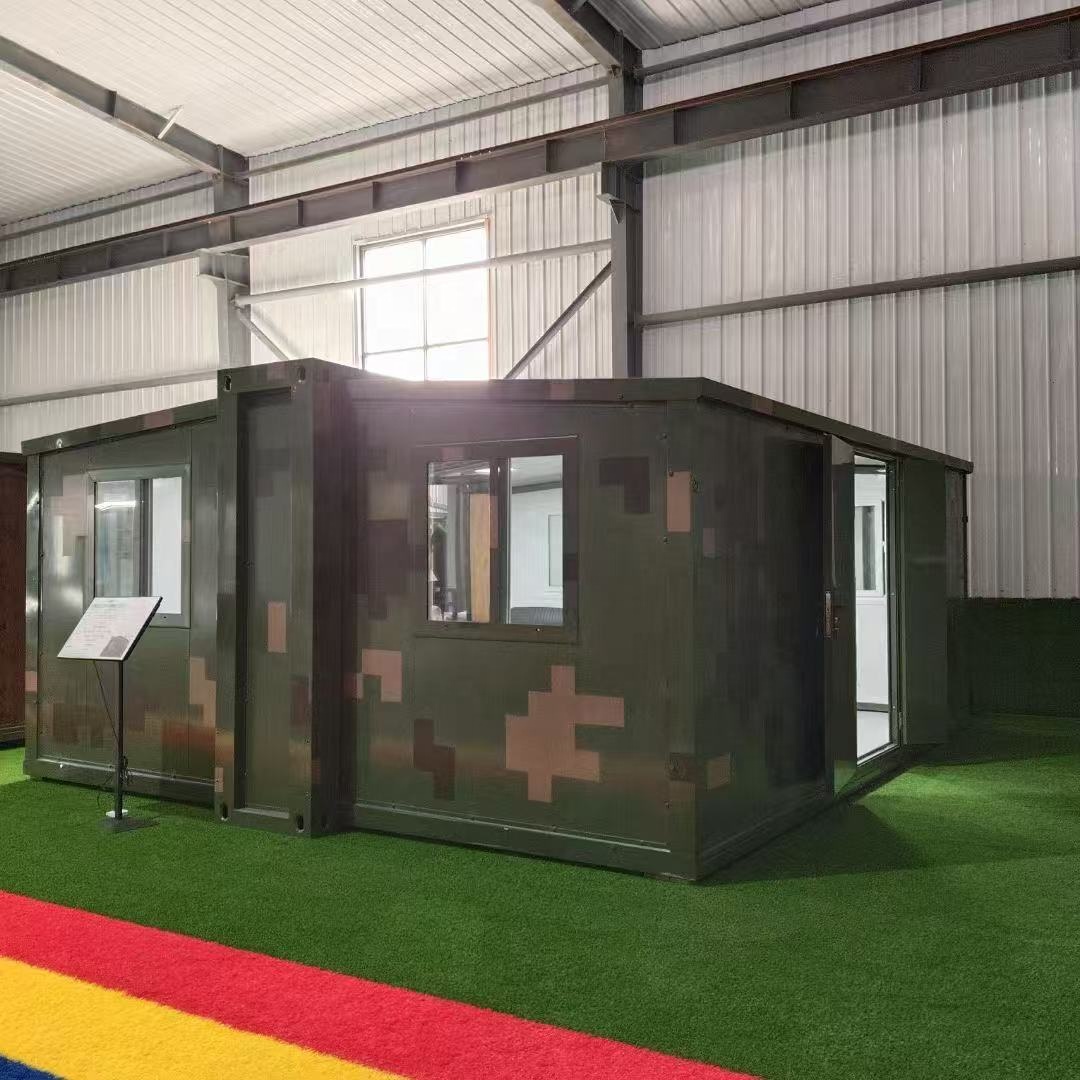
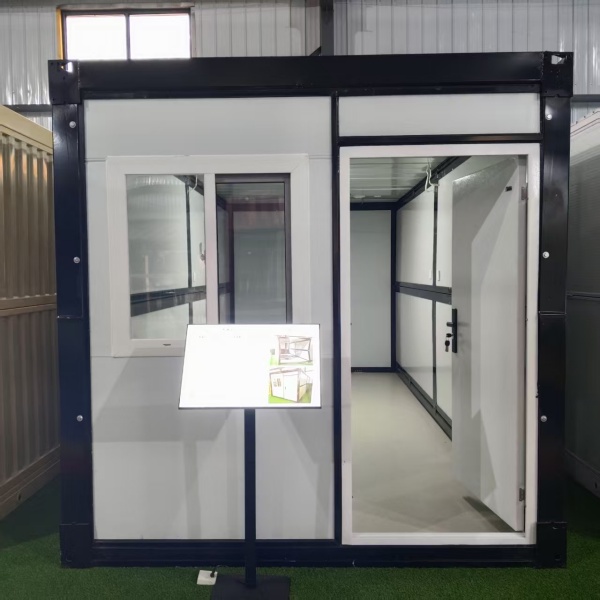 Hot-selling foldable container houses, expandable prefabricated houses, suitable for office or living use, with fast delivery.
 -
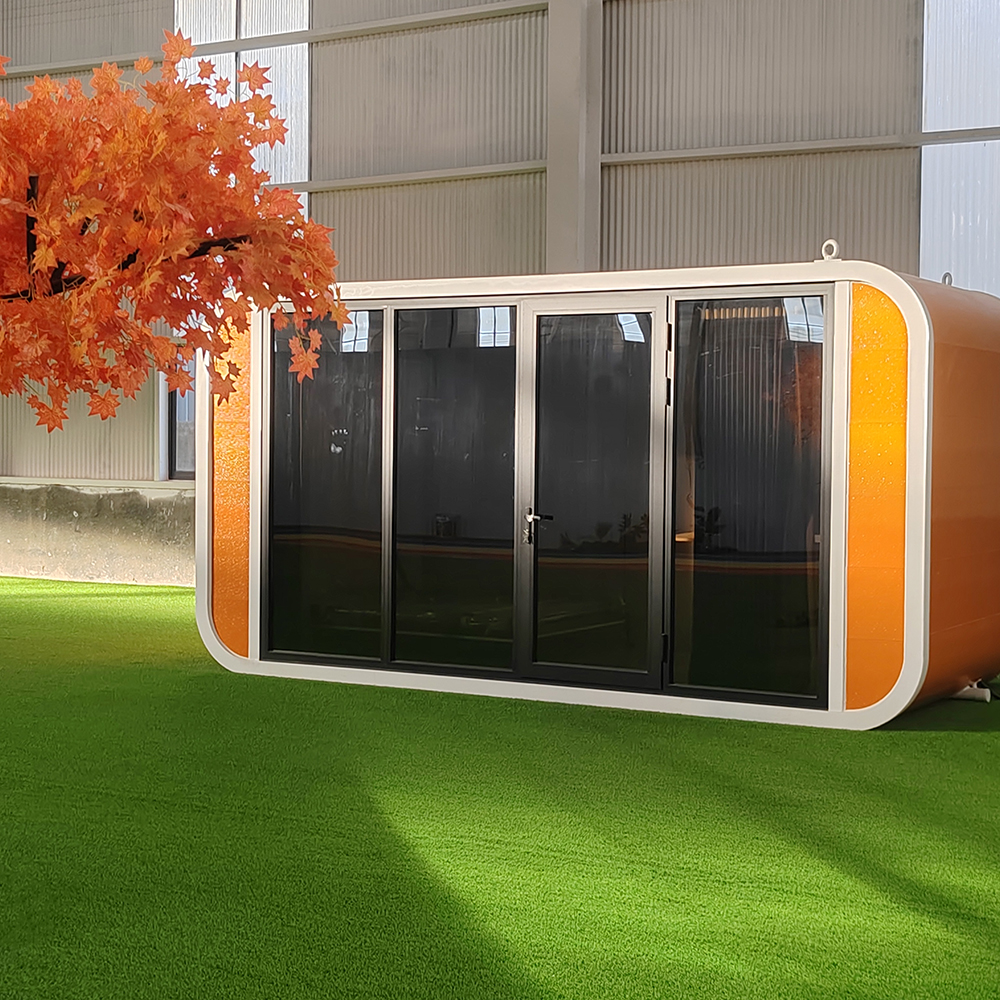
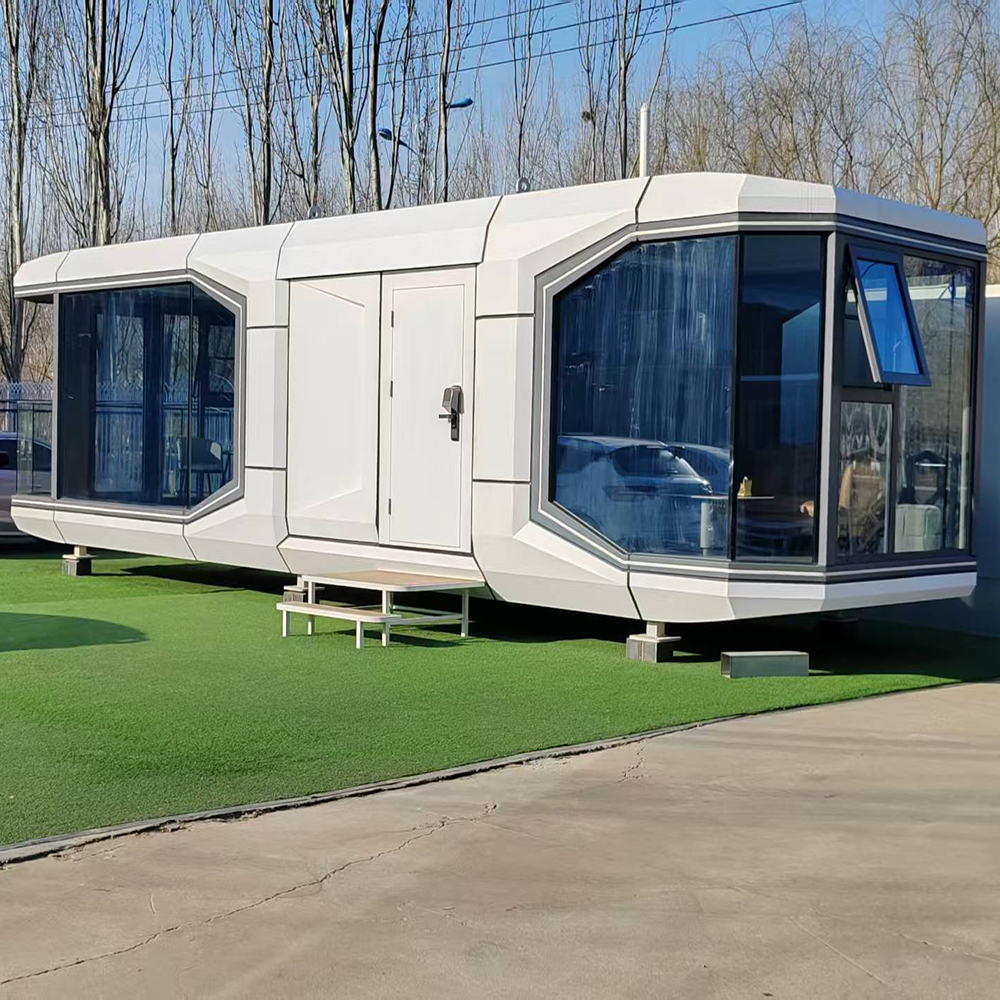
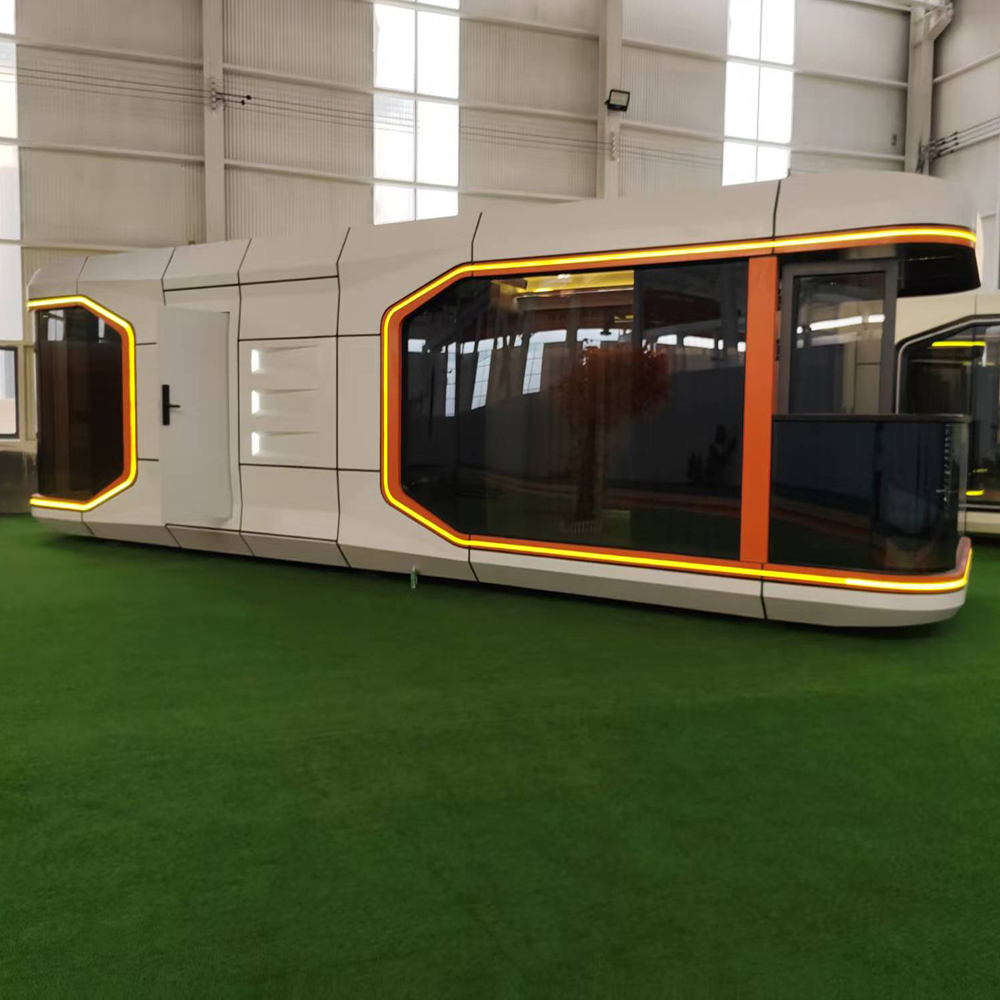 Standard Modern Camping Pod Space Prefabricated Portable Mobile Capsule Room Hotel Bathroom Prefabricated Spaceship House
 -
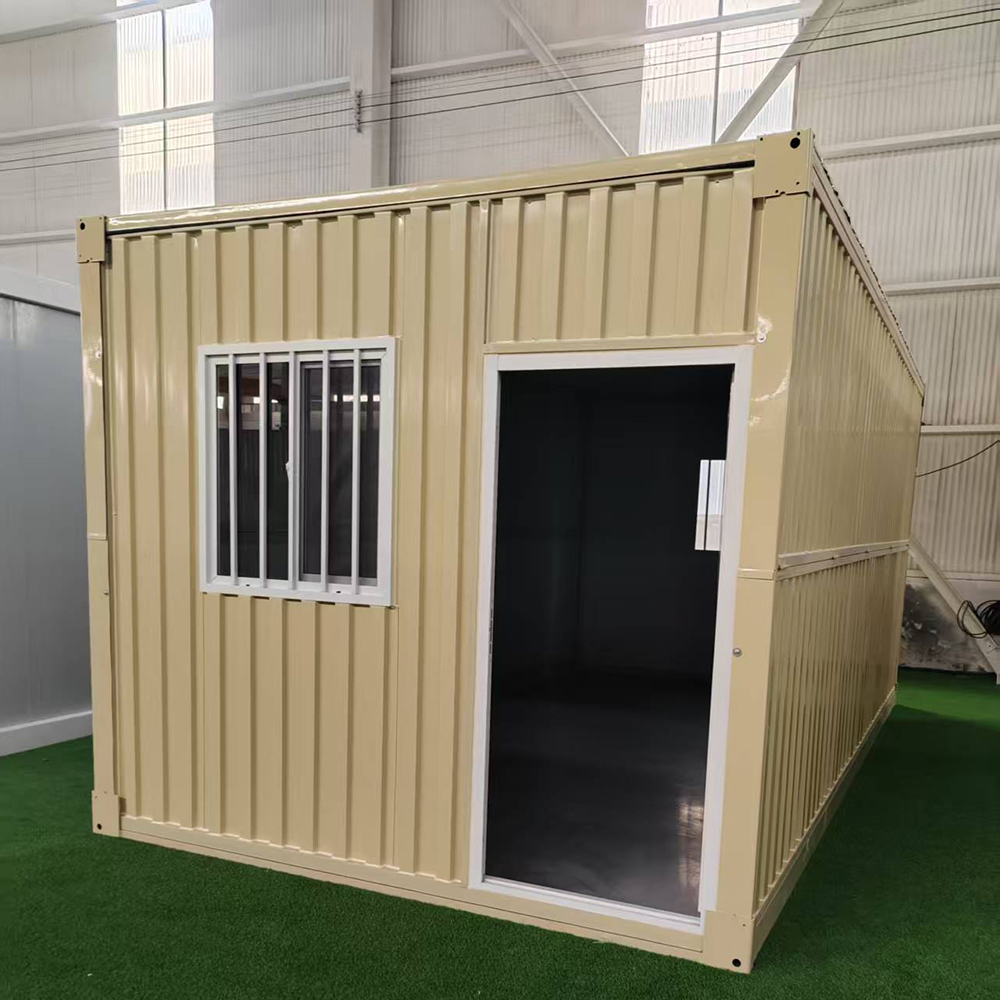 Competitive Price Portable Container House Foldable Container Mobile Living Modular Homes
 -
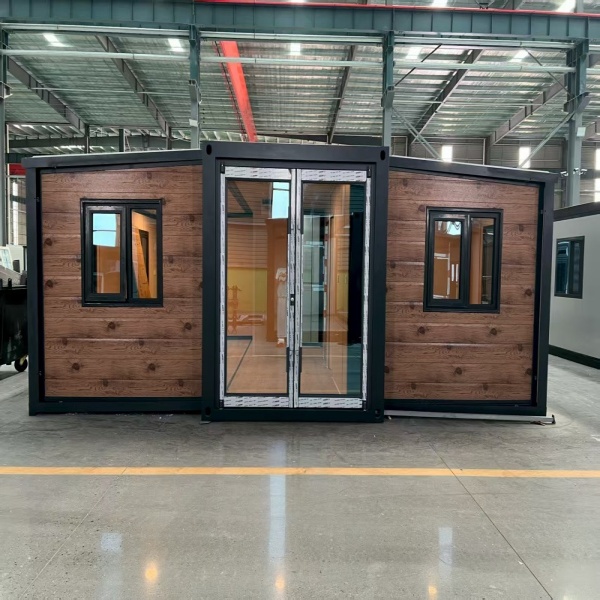 The foldable container house with side wing design can be quickly set up and is suitable for various environments.
 -
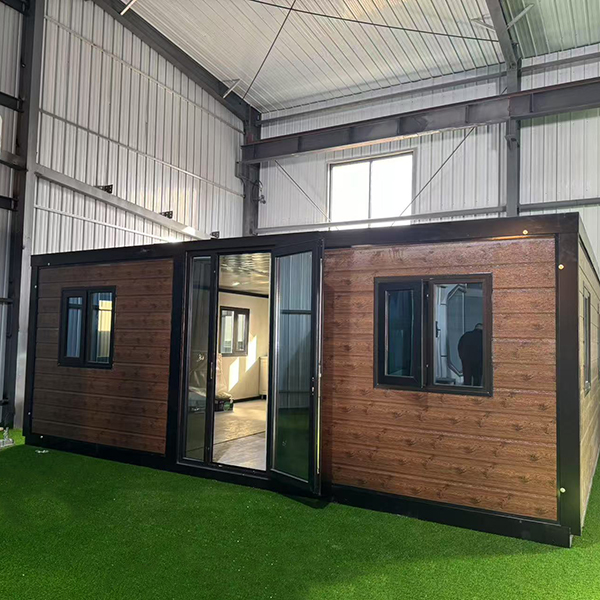 Good Quality Modular Homes Prefabricated House Expandable Container House 20FT Mobile Flat Roof House
 -
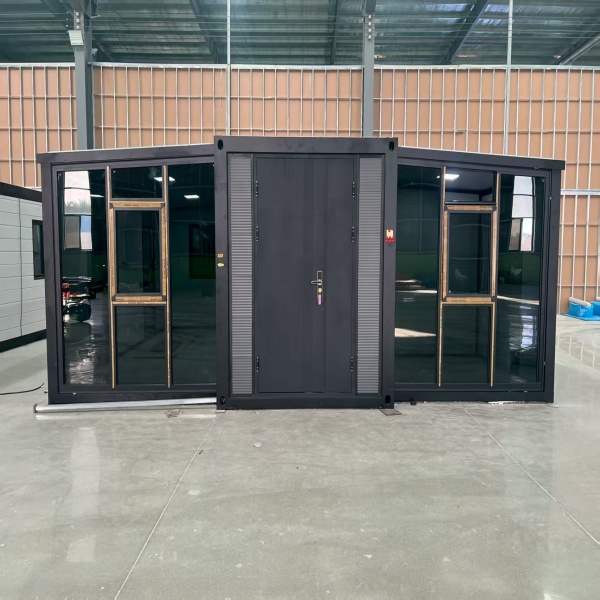 Customizable Office Mobile Home with Flat Roof and Double Wing Expansion Box, Convenient Container
 -
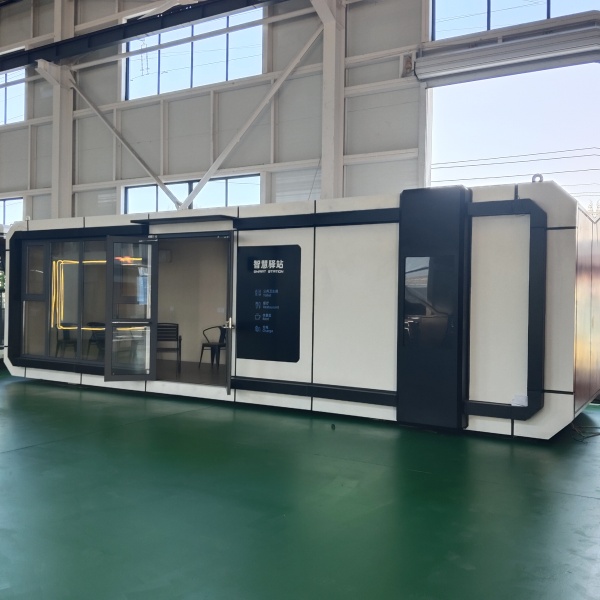 Modular modern movable apple cabins, customized high-end folk houses and portable bedrooms, delivered as a whole
 -
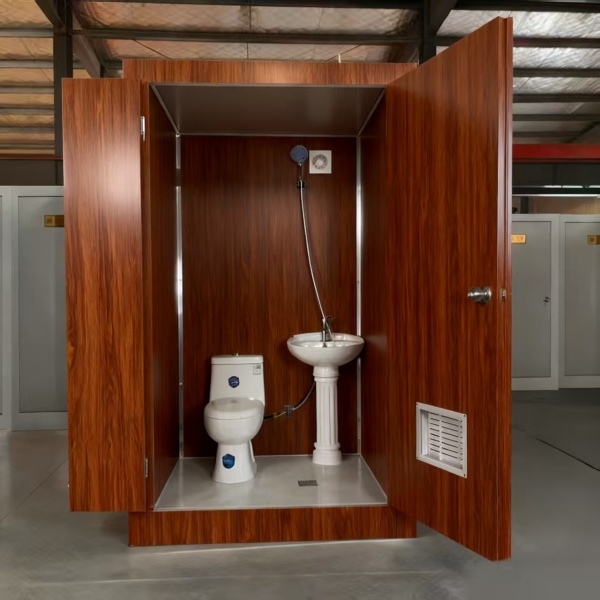 Portable outdoor camping bathroom, mobile toilet, prefabricated modular villa & rental of outdoor and indoor showers
 -
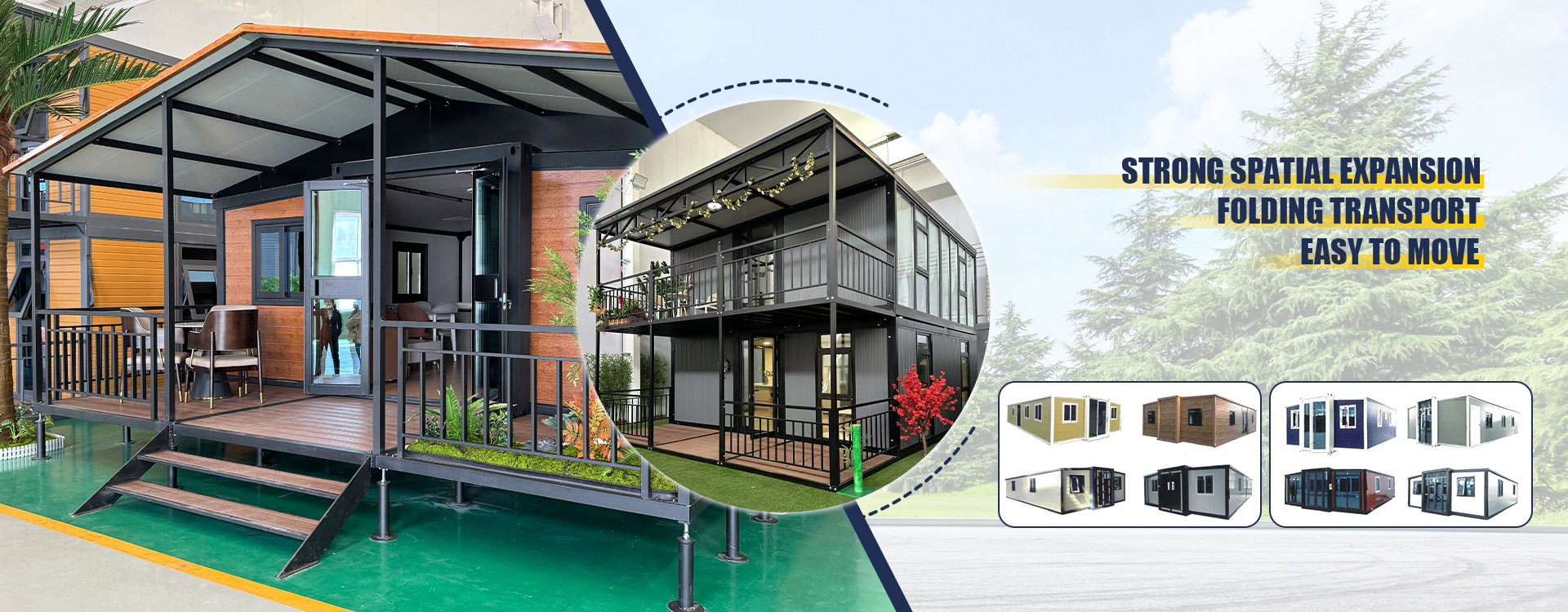
 Luxury Foldable Two Story Container House for Glamping Resort and Villa Hotel
 -
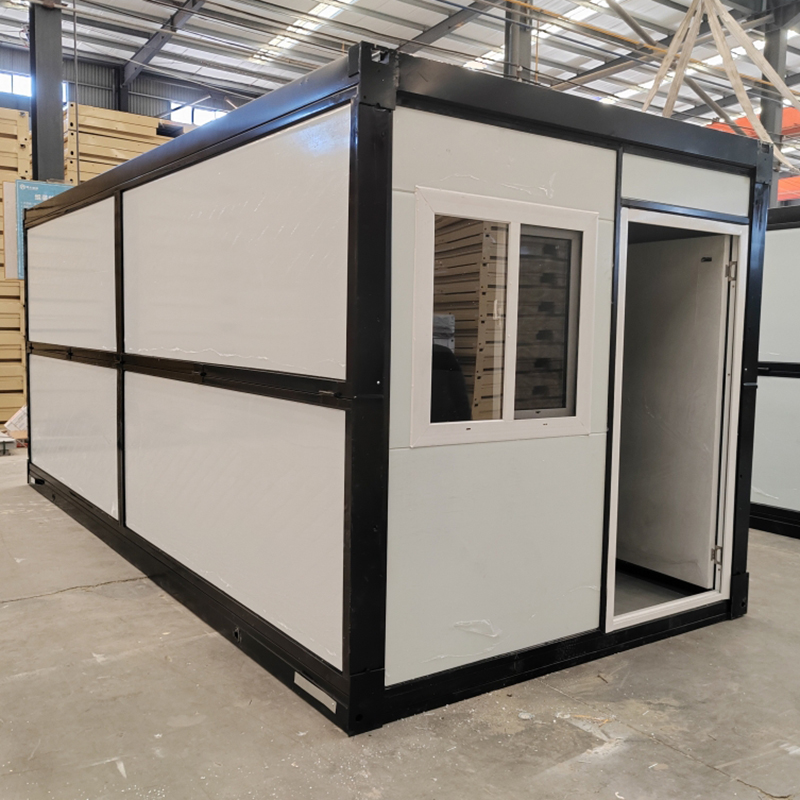 Detachable Design Prefabricated Container House Portable Modular Office Building Folding Container House
Related search
Related search- cheap wholesale price expandable house container
- Buy prefab shipping container house
- folding container house for sale
- China movable space capsule homes
- China mobile expandable prefab house
- 40ft expandable container house usa
- space capsule mobile home
- China modular container house prefab tiny home house
- space capsule villas
- container houses prefabricated homes modern prefab modular house