
-
E-mail
Austin120521@outlook.com -
E-mail
sales@jujiuhouse.com -
Telephone
+86-17864099991 -
Telephone
+86-17854044442
- Chinese
- French
- German
- Portuguese
- Spanish
- Russian
- Japanese
- Korean
- Arabic
- Irish
- Greek
- Turkish
- Italian
- Danish
- Romanian
- Indonesian
- Czech
- Afrikaans
- Swedish
- Polish
- Basque
- Catalan
- Esperanto
- Hindi
- Lao
- Albanian
- Amharic
- Armenian
- Azerbaijani
- Belarusian
- Bengali
- Bosnian
- Bulgarian
- Cebuano
- Chichewa
- Corsican
- Croatian
- Dutch
- Estonian
- Filipino
- Finnish
- Frisian
- Galician
- Georgian
- Gujarati
- Haitian
- Hausa
- Hawaiian
- Hebrew
- Hmong
- Hungarian
- Icelandic
- Igbo
- Javanese
- Kannada
- Kazakh
- Khmer
- Kurdish
- Kyrgyz
- Latin
- Latvian
- Lithuanian
- Luxembou..
- Macedonian
- Malagasy
- Malay
- Malayalam
- Maltese
- Maori
- Marathi
- Mongolian
- Burmese
- Nepali
- Norwegian
- Pashto
- Persian
- Punjabi
- Serbian
- Sesotho
- Sinhala
- Slovak
- Slovenian
- Somali
- Samoan
- Scots Gaelic
- Shona
- Sindhi
- Sundanese
- Swahili
- Tajik
- Tamil
- Telugu
- Thai
- Ukrainian
- Urdu
- Uzbek
- Vietnamese
- Welsh
- Xhosa
- Yiddish
- Yoruba
- Zulu
- Kinyarwanda
- Tatar
- Oriya
- Turkmen
- Uyghur




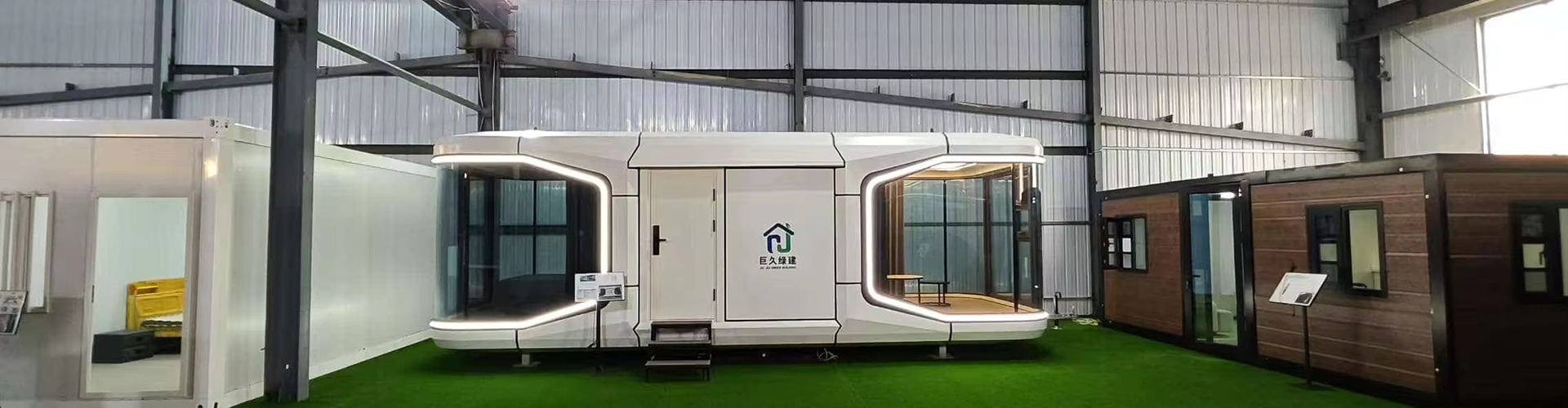
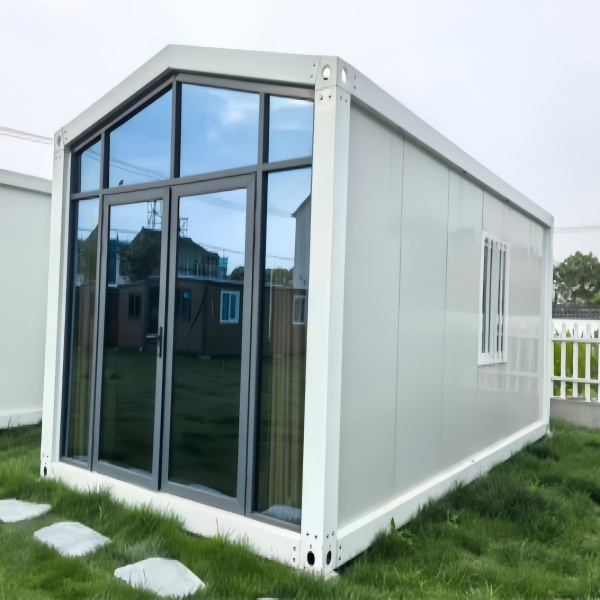
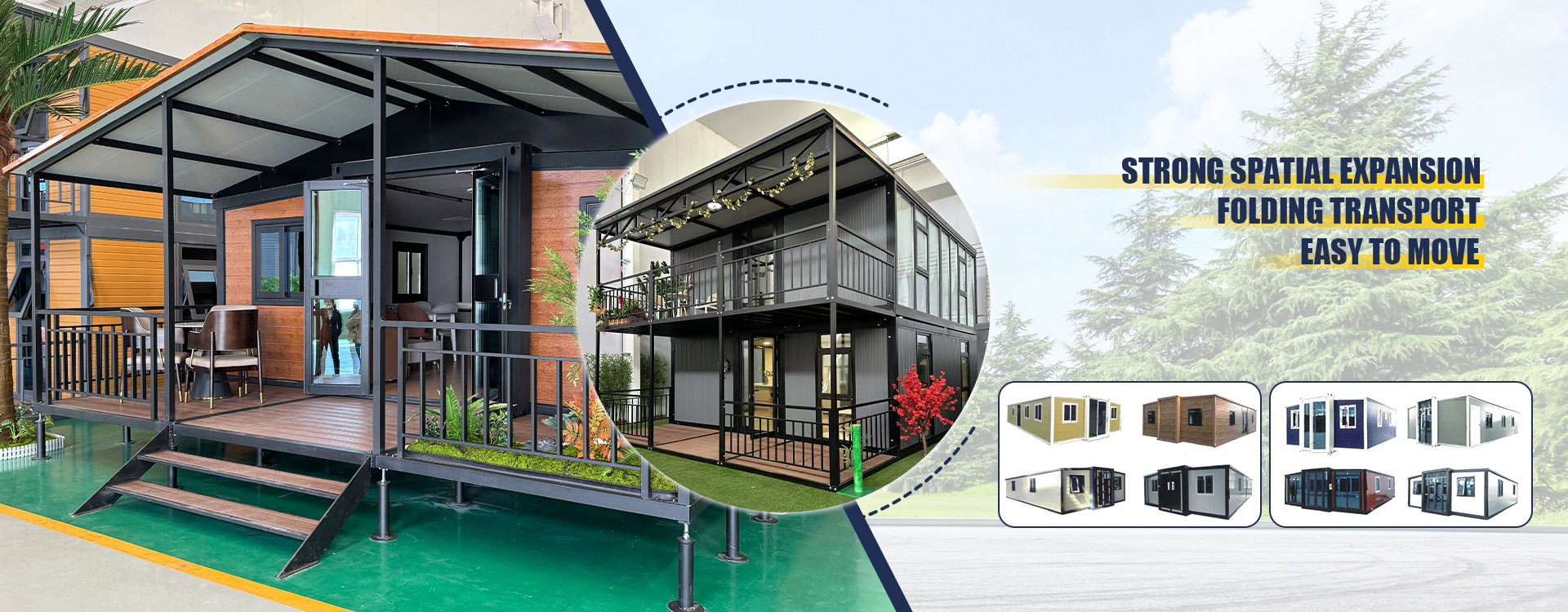
Buy foldable prefabricated home
The Rise of Foldable Prefabricated Homes
Foldable prefabricated homes are capturing significant attention in modern housing solutions. While many perceive them as a neat trick, they offer genuinely practical advantages. Let’s dissect the realities behind these versatile structures, breaking down their role in the housing landscape.
Understanding the Basics of Foldable Prefabricated Homes
At first glance, the concept seems straightforward. You buy a home that unfolds and voila, instant living space. But there’s more beneath the surface. These homes are about marrying convenience with durability, offering more than just portability. They are engineered to withstand various environmental factors while providing a habitable space within hours after deployment.
The technology isn't just about folding mechanisms. The choice of materials and insulation play vital roles in making these homes comfortable and efficient. High-quality steel and advanced composite panels ensure structural integrity, while insulation panels keep the interior climate-controlled regardless of external weather conditions.
Companies like Shandong Jujiu Integrated Housing Co., Ltd. are pioneering this sector. They integrate research, design, and optimization into their process, ensuring that their products aren't just quick solutions but sustainable living options. It's not merely about the convenience of transport but also about creating a home that feels permanent and comfortable.
Why Choose a Foldable Prefabricated Home?
It's not just campers or tiny home enthusiasts flocking to these options. There's a growing interest among urban developers and rural landowners alike, seeking cost-effective and swift housing solutions. The potential to transform a plot of land into a living area within a day is transformative.
Moreover, they solve numerous logistical challenges. Remote locations where traditional construction is heavily constrained due to material transport issues benefit immensely from prefabricated options. They can be shipped efficiently and require minimal on-site preparation, which drastically cuts costs and time.
The cost savings are notable. Traditional homes require extensive foundations and labor, while these foldable alternatives streamline both aspects, allowing for substantial financial savings without compromising on safety or livability.
Challenges and Misconceptions
Despite the benefits, there are common misconceptions. Some buyers fear these structures are less sturdy or temporary. However, advancements in material science and structural engineering have addressed these concerns. These homes undergo rigorous testing to meet or exceed standard building codes.
There is also a skepticism about customization. Potential owners often wonder if they have to compromise on personal aesthetic preferences. While initially designed for functionality, the industry has quickly adapted to provide a variety of custom finishes and layouts to suit diverse tastes.
Integrating modern technology into these structures is another hurdle that the industry is tackling. Many clients expect smart home capabilities, which requires integrating electrical and plumbing systems efficiently. However, as more companies enter the arena, these features are steadily becoming standard offerings.
Installation and Maintenance Realities
Another consideration is the actual installation process. With companies like Shandong Jujiu Integrated Housing Co., Ltd., installation is straightforward yet demands attention to detail. Skimping on professional installation might lead to future issues, so it’s advisable to involve experts during setup.
Maintenance, on the other hand, is an area where these homes shine. Given their design, access to structural elements for repair or upgrade is simpler compared to conventional homes. This lowers ongoing maintenance costs and effort, a huge plus for budget-conscious homeowners.
Still, regular maintenance checks are recommended to ensure longevity. Assessments of seals, joints, and insulation can prevent minor issues from escalating—a small routine step that pays off in the long run.
The Future of Foldable Prefabricated Homes
The direction is clear: these homes are not a fad but a significant part of housing’s future. Whether for temporary relief or permanent residence, their flexibility is unmatched. Urban spaces might soon see them as innovative solutions to housing shortages.
Sustainability is also steering their evolution. With a focus on minimal waste production and energy efficiency, these homes align with broader environmental goals, making them appealing to both developers and environmentally-conscious consumers.
As the industry matures, companies like Shandong Jujiu Integrated Housing Co., Ltd. are poised to lead, integrating cutting-edge technology with robust housing solutions. The foldable prefabricated home market is one to watch, steadily unfolding into a staple of modern living.
Related products
Related products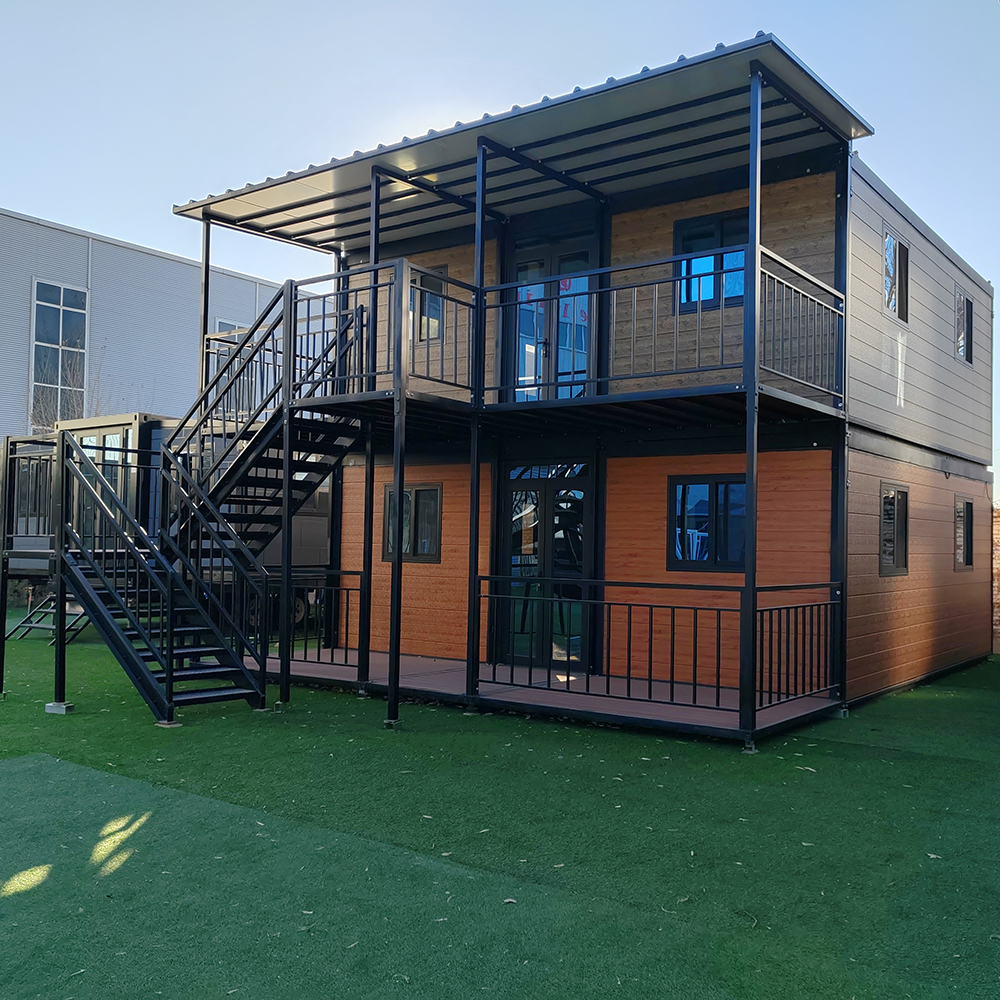
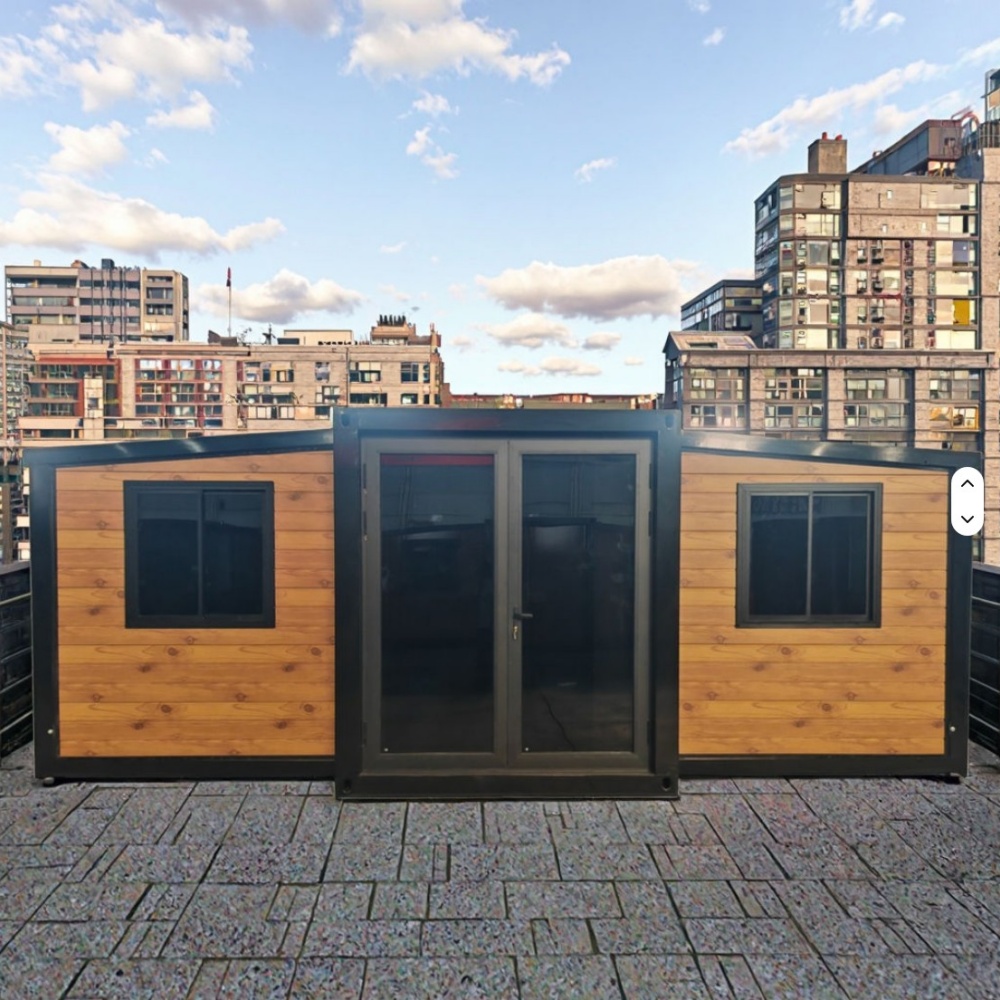
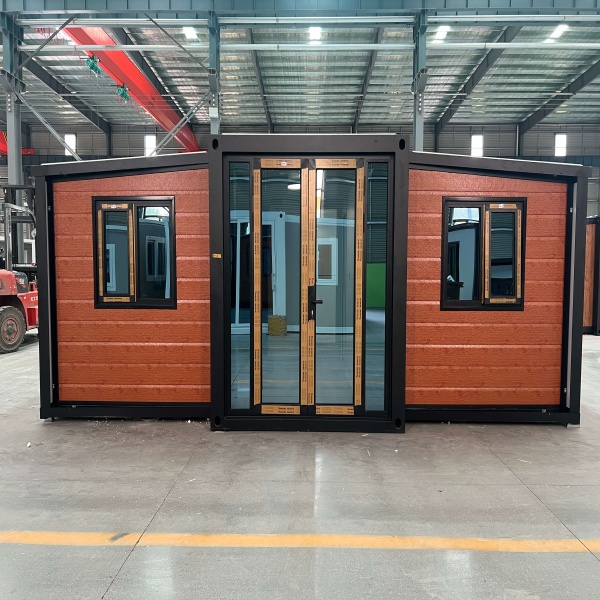
Best selling products
Best selling products-
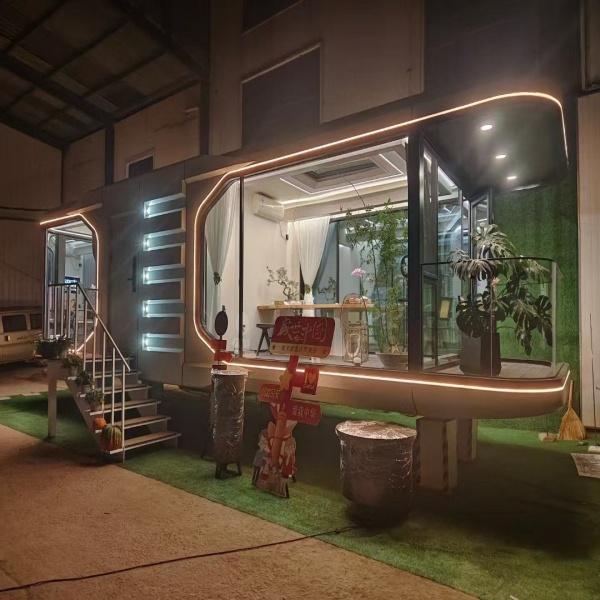 Outdoor ecological capsule rooms, luxury pods, space capsule hotel rooms, prefabricated space capsules, container houses
 -
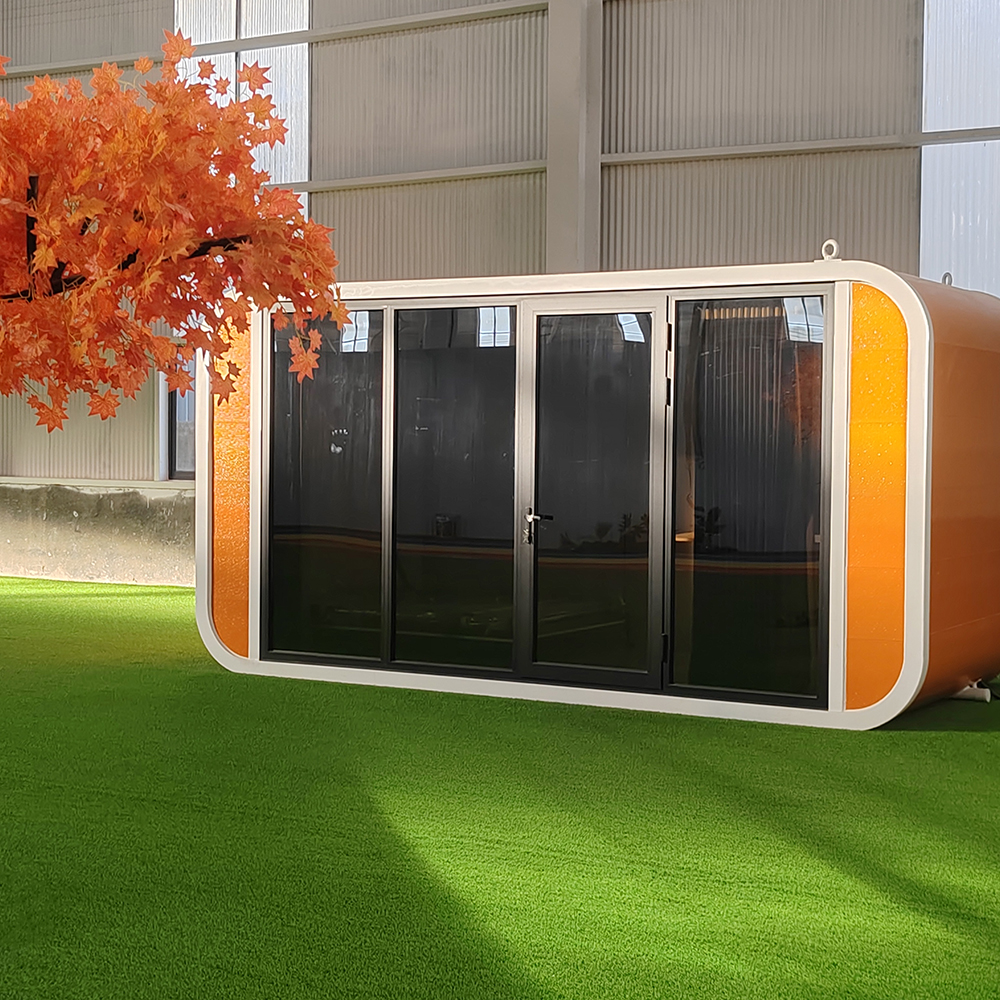 Luxury Prefabricated Living Container House Modular Glass Tiny House Prefab Container Home Apple Cabin
 -
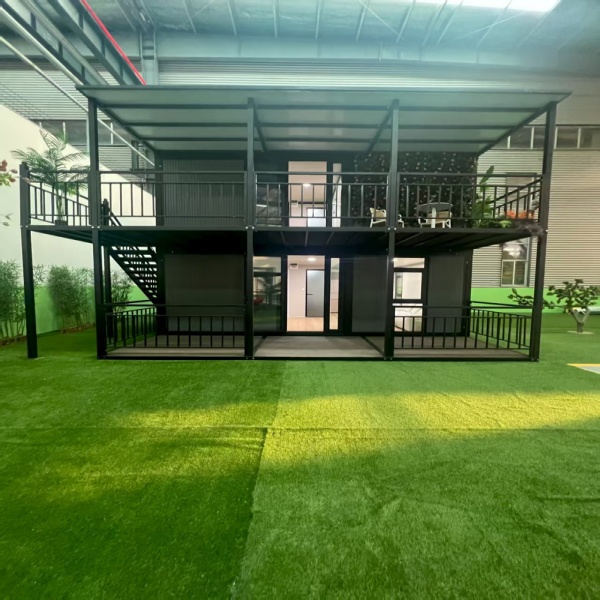 Luxury foldable two-story container houses in luxury resort hotels and villa hotels
 -
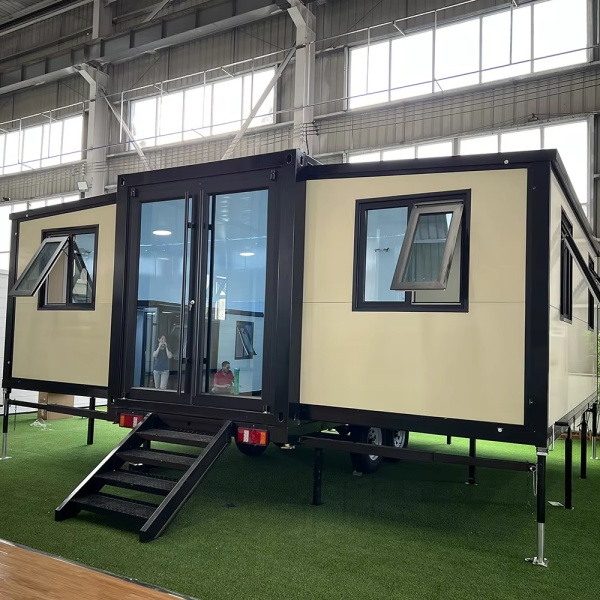 Stair Access Double Wing Expandable Container House | Easy Installation Mobile Office
 -
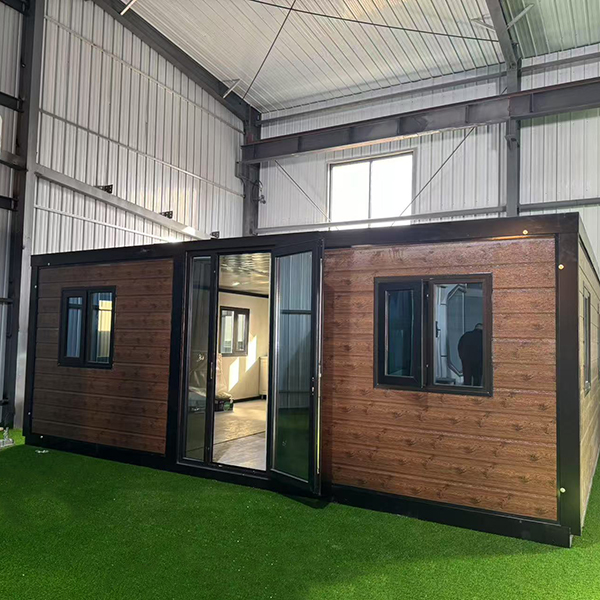 Good Quality Modular Homes Prefabricated House Expandable Container House 20FT Mobile Flat Roof House
 -
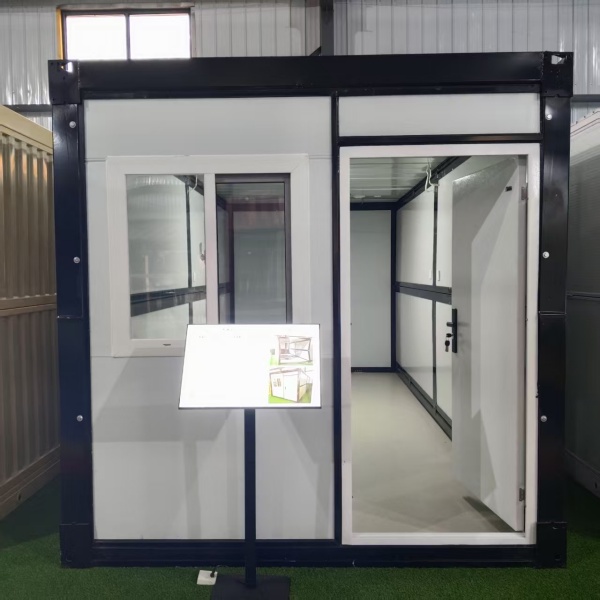 Factory Direct Sales Office Folding Container Luxury House Living Container House
 -
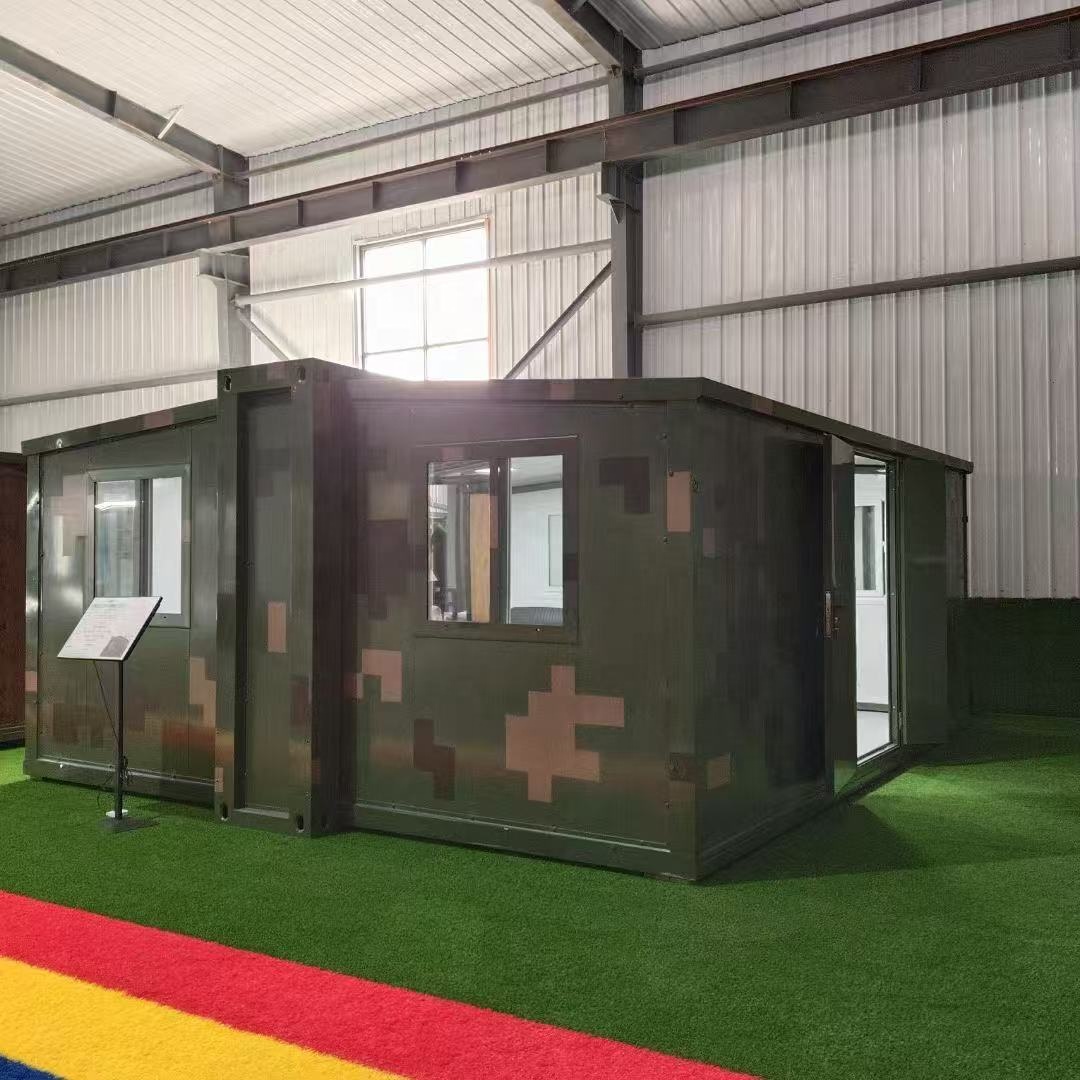 Movable Prefabricated Container House Villas Modular Portable Homes 1 Bedroom Container House Offices Apartments
 -
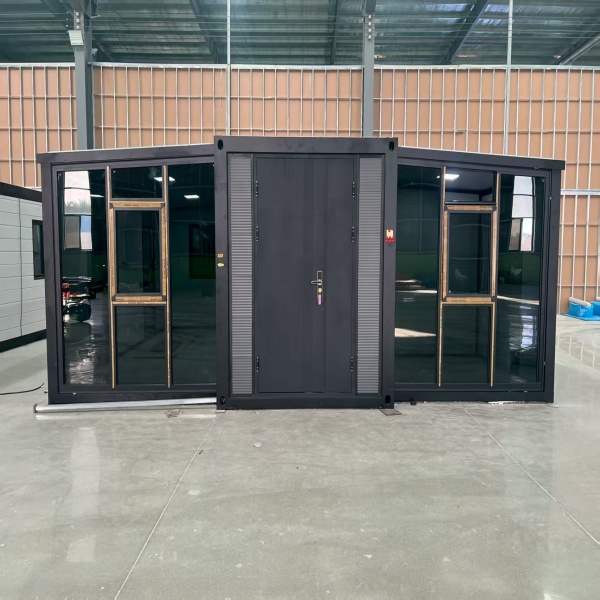 Customizable Office Mobile Home with Flat Roof and Double Wing Expansion Box, Convenient Container
 -
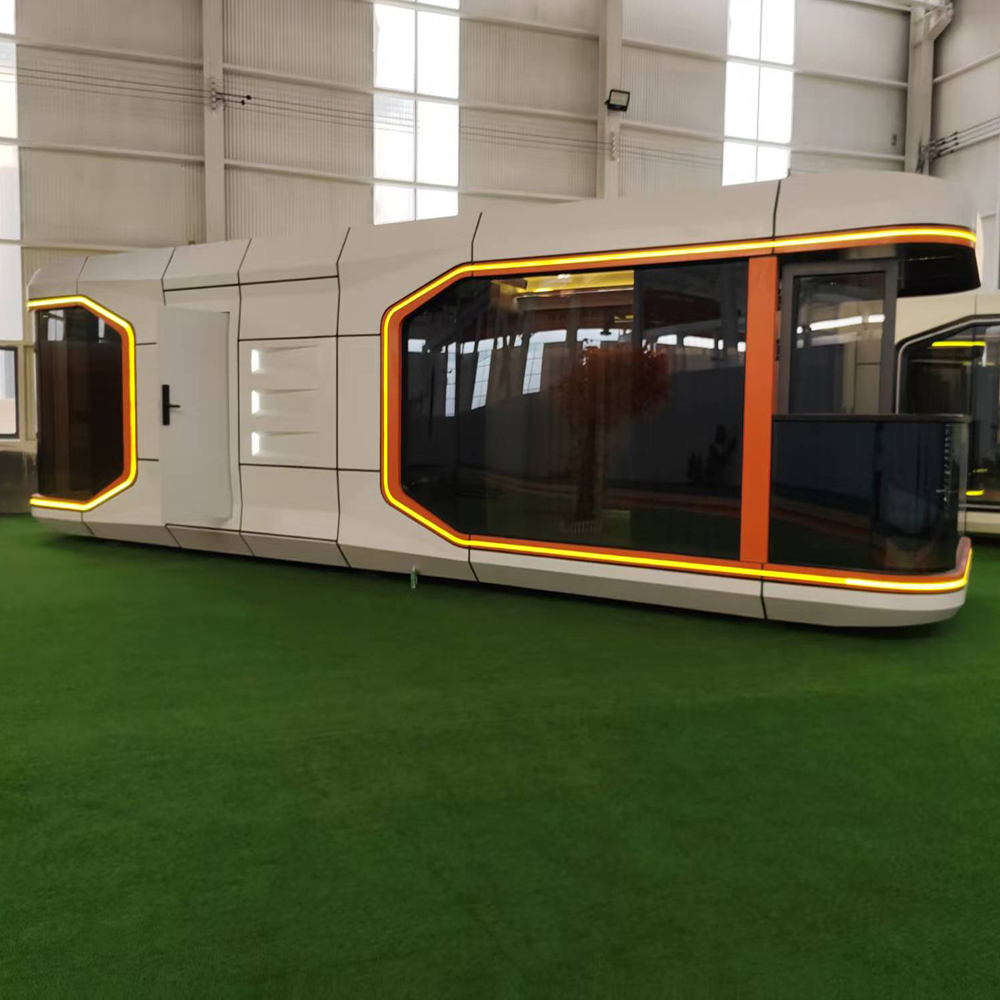 Standard Modern Camping Pod Space Prefabricated Portable Mobile Capsule Room Hotel Bathroom Prefabricated Spaceship House
 -
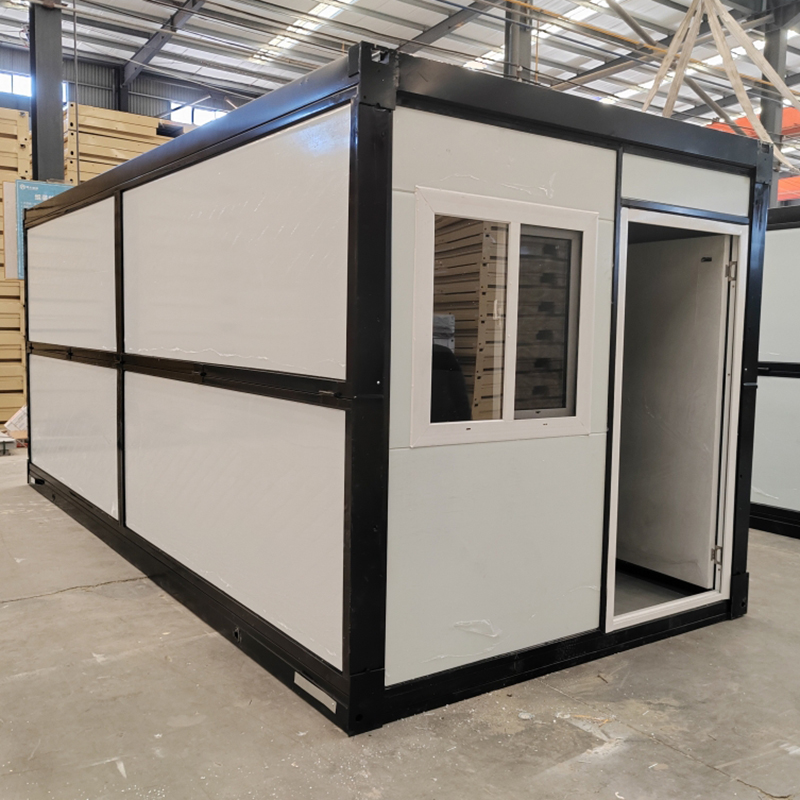 Detachable Design Prefabricated Container House Portable Modular Office Building Folding Container House
 -
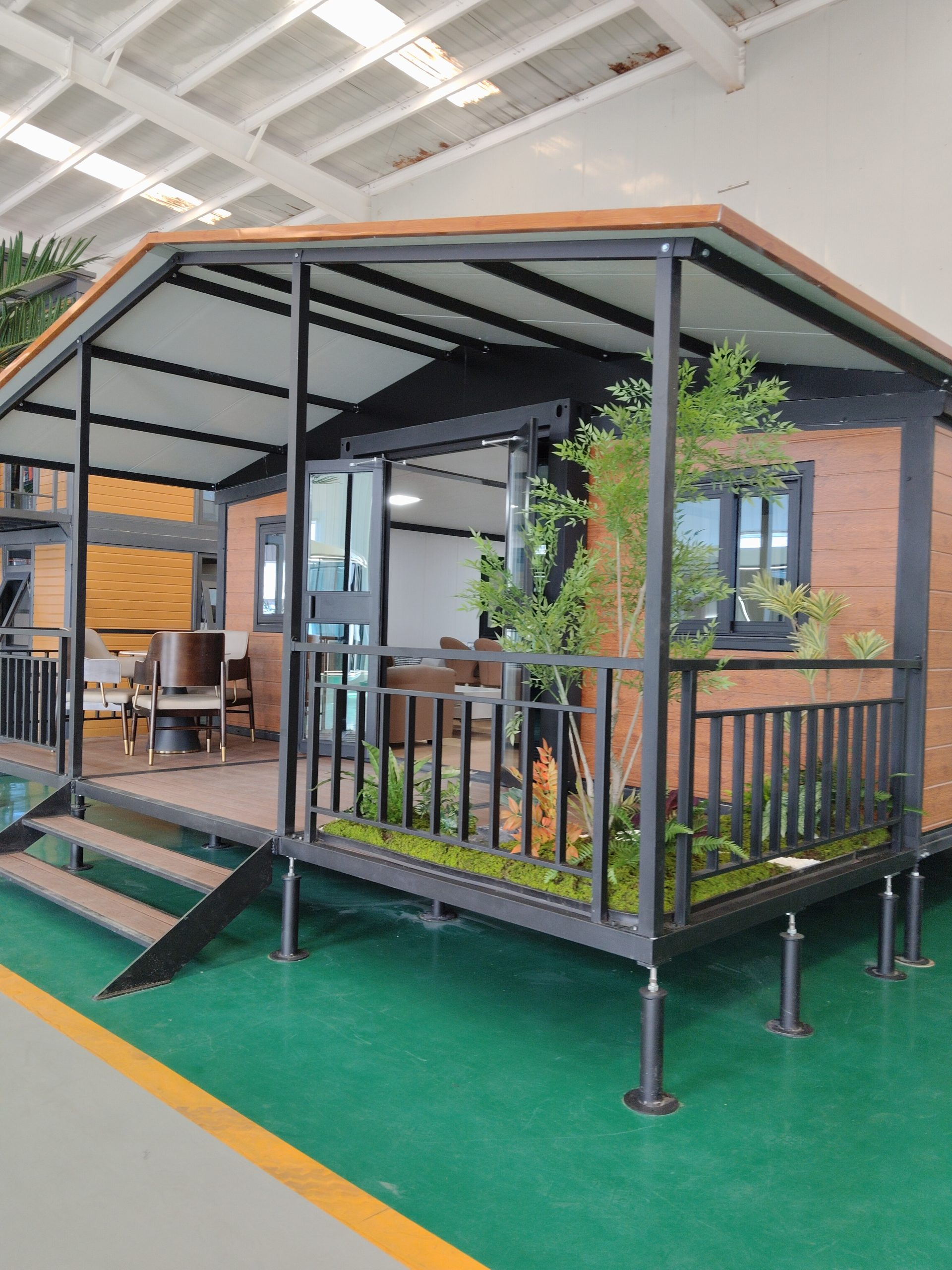 A container house with a terrace and double-wing folding design, suitable for various purposes such as offices, meeting rooms, living rooms, etc.
 -
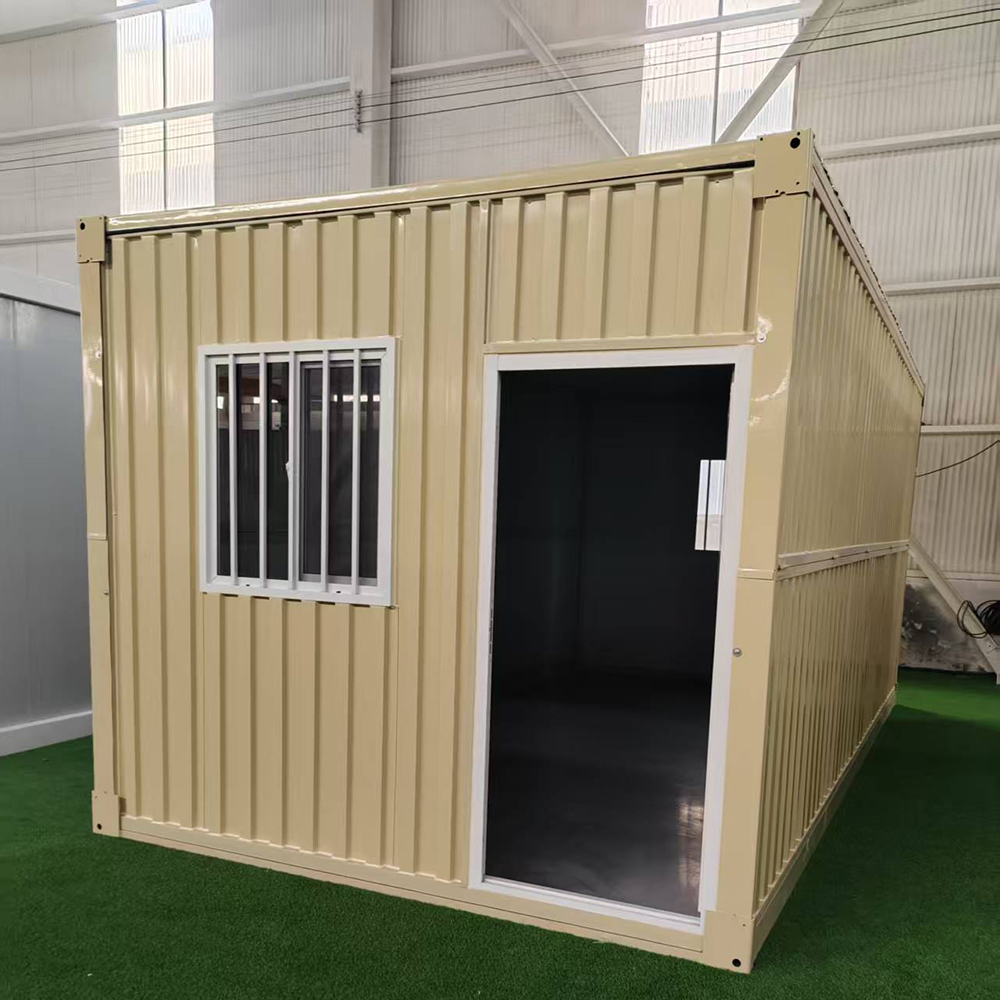 Competitive Price Portable Container House Foldable Container Mobile Living Modular Homes