
-
E-mail
Austin120521@outlook.com -
E-mail
sales@jujiuhouse.com -
Telephone
+86-17864099991 -
Telephone
+86-17854044442
- Chinese
- French
- German
- Portuguese
- Spanish
- Russian
- Japanese
- Korean
- Arabic
- Irish
- Greek
- Turkish
- Italian
- Danish
- Romanian
- Indonesian
- Czech
- Afrikaans
- Swedish
- Polish
- Basque
- Catalan
- Esperanto
- Hindi
- Lao
- Albanian
- Amharic
- Armenian
- Azerbaijani
- Belarusian
- Bengali
- Bosnian
- Bulgarian
- Cebuano
- Chichewa
- Corsican
- Croatian
- Dutch
- Estonian
- Filipino
- Finnish
- Frisian
- Galician
- Georgian
- Gujarati
- Haitian
- Hausa
- Hawaiian
- Hebrew
- Hmong
- Hungarian
- Icelandic
- Igbo
- Javanese
- Kannada
- Kazakh
- Khmer
- Kurdish
- Kyrgyz
- Latin
- Latvian
- Lithuanian
- Luxembou..
- Macedonian
- Malagasy
- Malay
- Malayalam
- Maltese
- Maori
- Marathi
- Mongolian
- Burmese
- Nepali
- Norwegian
- Pashto
- Persian
- Punjabi
- Serbian
- Sesotho
- Sinhala
- Slovak
- Slovenian
- Somali
- Samoan
- Scots Gaelic
- Shona
- Sindhi
- Sundanese
- Swahili
- Tajik
- Tamil
- Telugu
- Thai
- Ukrainian
- Urdu
- Uzbek
- Vietnamese
- Welsh
- Xhosa
- Yiddish
- Yoruba
- Zulu
- Kinyarwanda
- Tatar
- Oriya
- Turkmen
- Uyghur




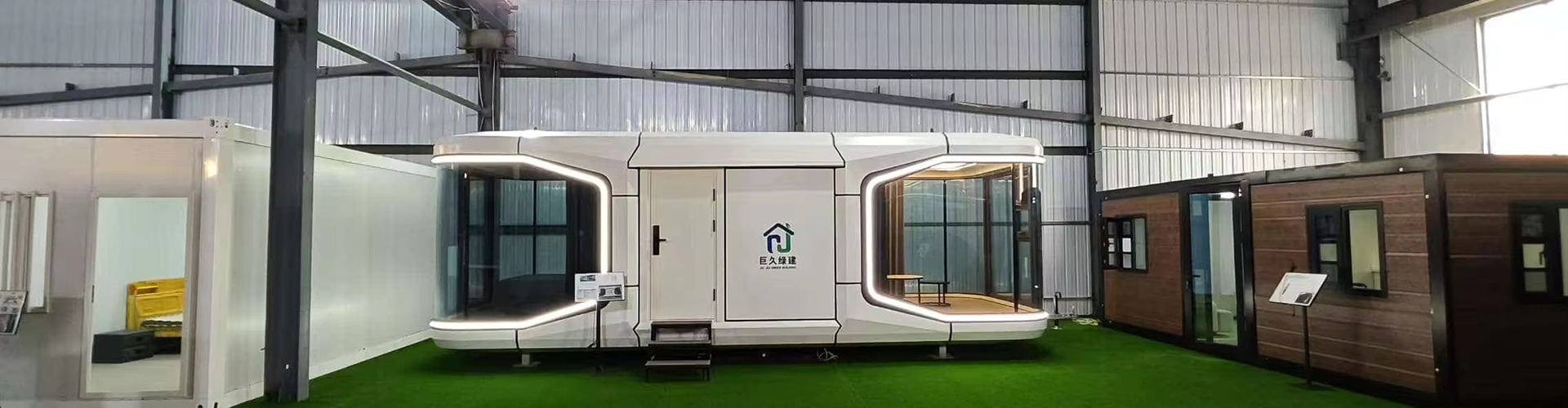
Buy portable folding house
The Practical World of Portable Folding Houses
Portable folding houses offer a unique solution for those seeking flexible living options, whether for travel, emergencies, or temporary setups. But the term itself often leads to misconceptions. What many envision as just compact, deployable structures can actually span a diverse range of designs and purposes. It's a dynamic niche, with key players like SHANDONG JUJIU INTEGRATED HOUSING CO., LTD leading innovation. So, what does purchasing one of these structures truly entail?
Understanding the Basics
Initially, the idea of a portable folding house can seem straightforward—something easy to pack, move, and set up. However, when you dive deeper into the purchase process, there's more than meets the eye. You have to consider the materials, durability, and functionality. For example, the steel structures used by companies like Shandong Jujiu Integrated Housing Co. lend the necessary robustness while maintaining portability.
A common mistake is underestimating the importance of insulation and weatherproofing. Especially if you're planning to use the house in varying climates, these elements can make or break the experience. Many integrated housing solutions focus on this, ensuring their designs accommodate a range of environmental conditions. It's not just about the size or the ease of transport; the internal climate must be comfortable too.
One has to mention portability as a key advantage. These homes can be set up relatively quickly, making them initially attractive for temporary accommodations or emergency shelters. But, as convenient as they sound, each model's ease of assembly differs. Choose a company that walks you through the setup process, providing guidance or even on-site assistance if necessary.
The Purchase Process
When you start exploring companies providing such homes, it's crucial to look beyond just aesthetics. Craftsmanship and structural integrity should take precedence. Shandong Jujiu Integrated Housing Co., with their integrated approach to housing, sets a noteworthy standard for others to follow—they develop and optimize designs with a keen eye on end-user needs.
Another factor often overlooked is customizability. Buyers should question potential units on this aspect: Does the design allow for easy modifications? Can it adapt to different uses? For instance, a buyer might initially need a simple office space but later want to refit it as a residential unit. Companies that offer customizable options cater best to evolving needs.
A comprehensive client service is indispensable, especially in an industry where customer satisfaction largely hinges on post-purchase support. Buyers should favor vendors known for their after-sale assistance, be it maintenance services or help with modifications. Remember, a reliable supplier isn't just selling a product; they're offering a long-term investment in convenience and comfort.
Real-world Applications
Consider the myriad applications that extend beyond just temporary housing. Disaster relief efforts amazingly benefit from these foldable structures, given their rapid deployment capabilities. After hurricanes or earthquakes, quick shelters become a lifeline, and companies experienced in emergency setups offer indispensable expertise.
Then there are entrepreneurs who convert these spaces into mobile offices or pop-up stores. The adaptability enhances their appeal, and businesses shift locations with minimal fuss, all while retaining a professional presence.
Moreover, the tourism industry finds value in employing portable houses as short-term accommodations. Set against scenic backdrops, these units provide a cozy stay while seamlessly blending with nature. Here, quality and user experience drive repeat business, proving them a smart financial outlay for hospitality providers.
Challenges and Considerations
However, things don't always glide smoothly. Issues like unexpected assembly difficulties or underwhelming insulation performance crop up. It's wise to address these head-on during the research phase. Prospective buyers should conduct thorough due diligence and heavily scrutinize user testimonials and expert reviews.
The initial investment might seem steep for some models, but comparing the total cost of operation and longevity clarifies the expense's worthiness. It's a balance: selecting cost-efficient yet durable choices to maximize returns on investment.
Additionally, any legal constraints or zoning laws governing temporary or movable dwellings need careful consideration and compliance to avoid unwanted complications later.
Future Innovations
Looking ahead, as sustainability becomes a core concern, eco-friendly options in portable housing gain prominence. Companies like Shandong Jujiu Integrated Housing keep eco-considerations at the forefront, optimizing production and design for reduced environmental impact. As consumer preferences evolve, so too will the innovations in this space.
The future seems promising as these structures integrate renewable energy together with smart-home technology, making them not just temporary—or alternative—but mainstream housing choices. Prospective buyers should stay informed of these advancements, ensuring they make purchases that stand the test of time.
In summary, buying a portable folding house is more than a mere transaction—it's an investment in flexibility and forward-thinking living solutions. By understanding the complexities and potential pitfalls, buyers can make informed, satisfying choices.
Related products
Related products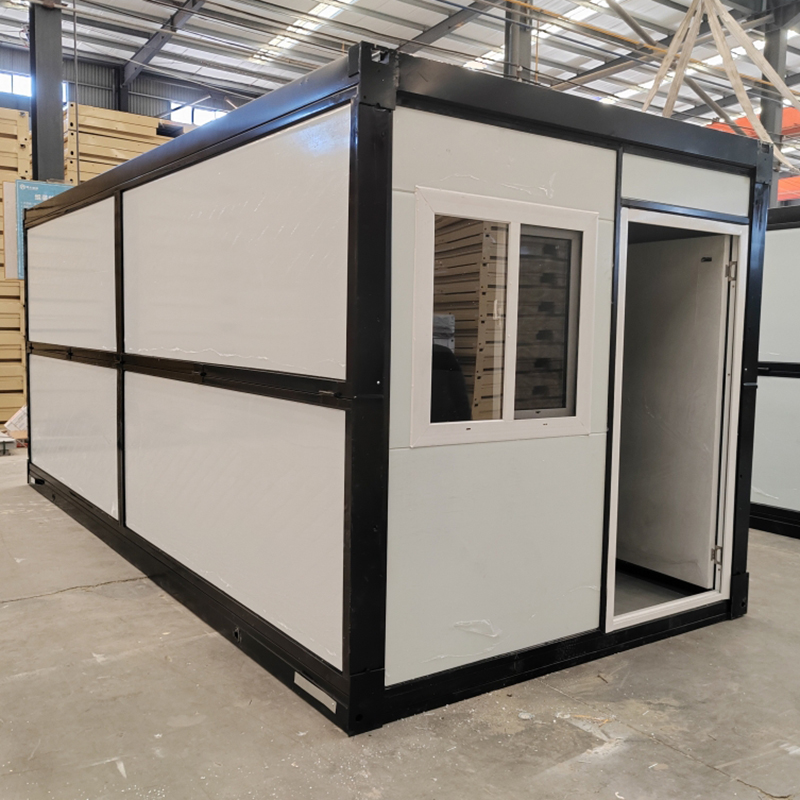
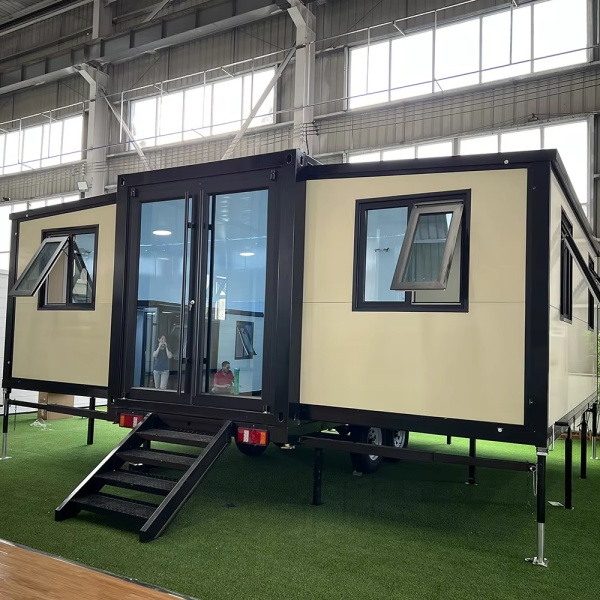
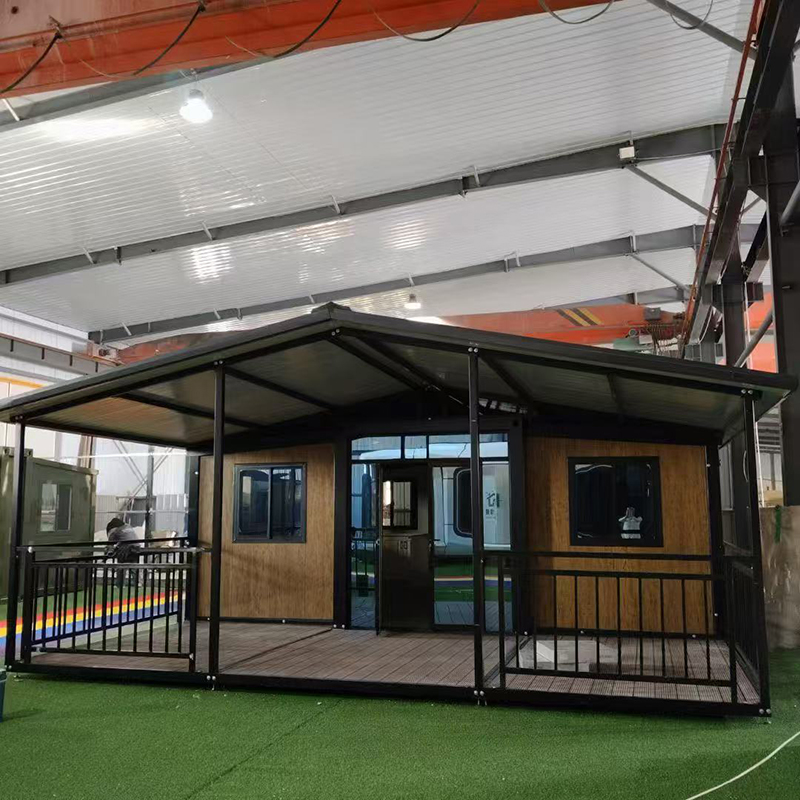
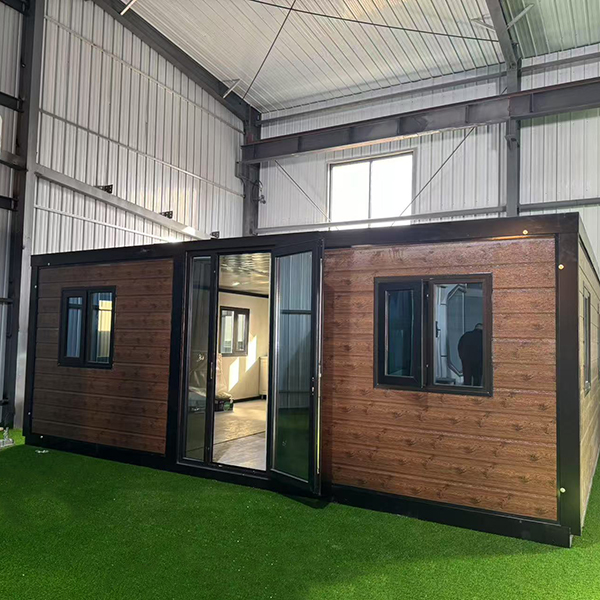
Best selling products
Best selling products-
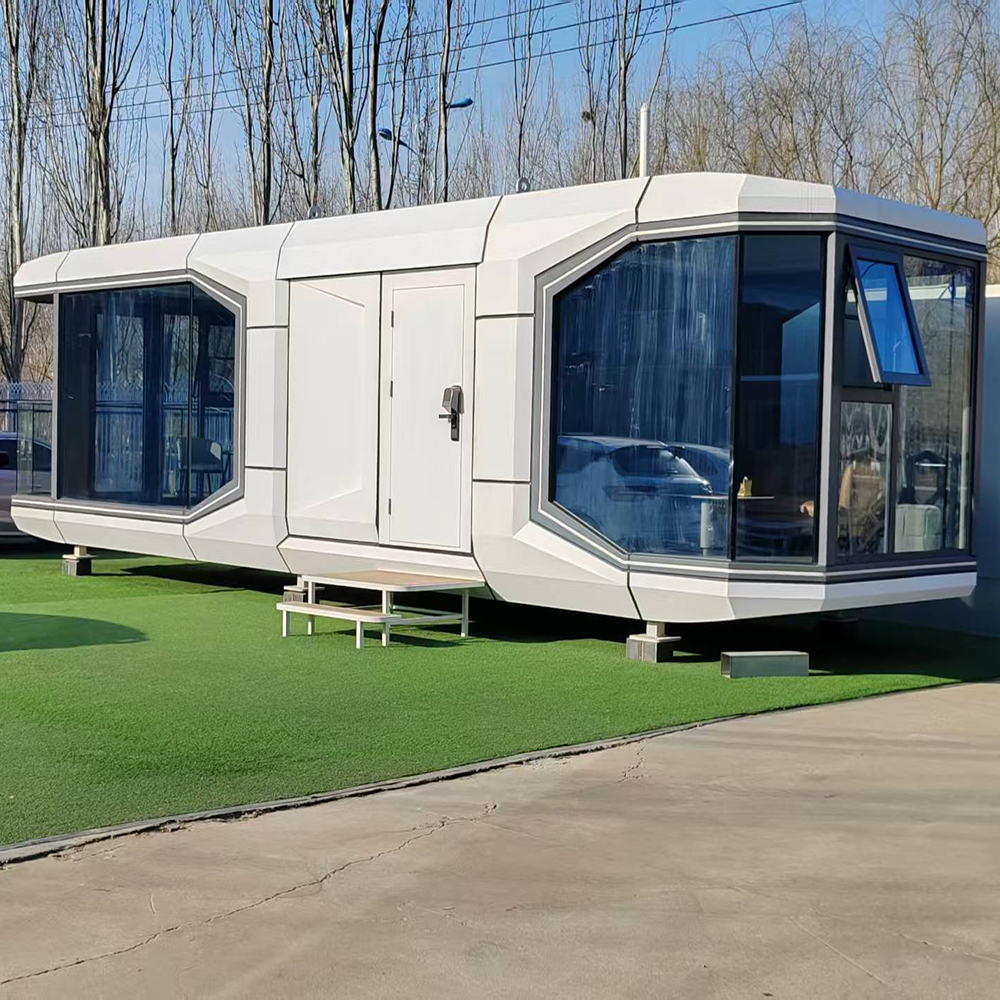
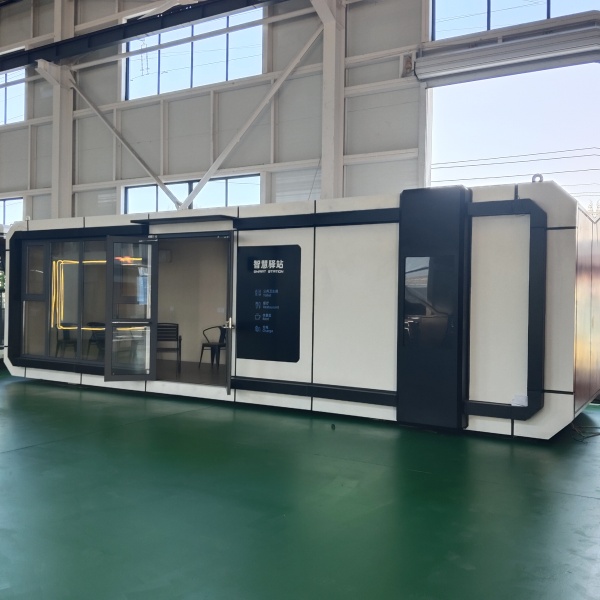 Modular modern movable apple cabins, customized high-end folk houses and portable bedrooms, delivered as a whole
 -
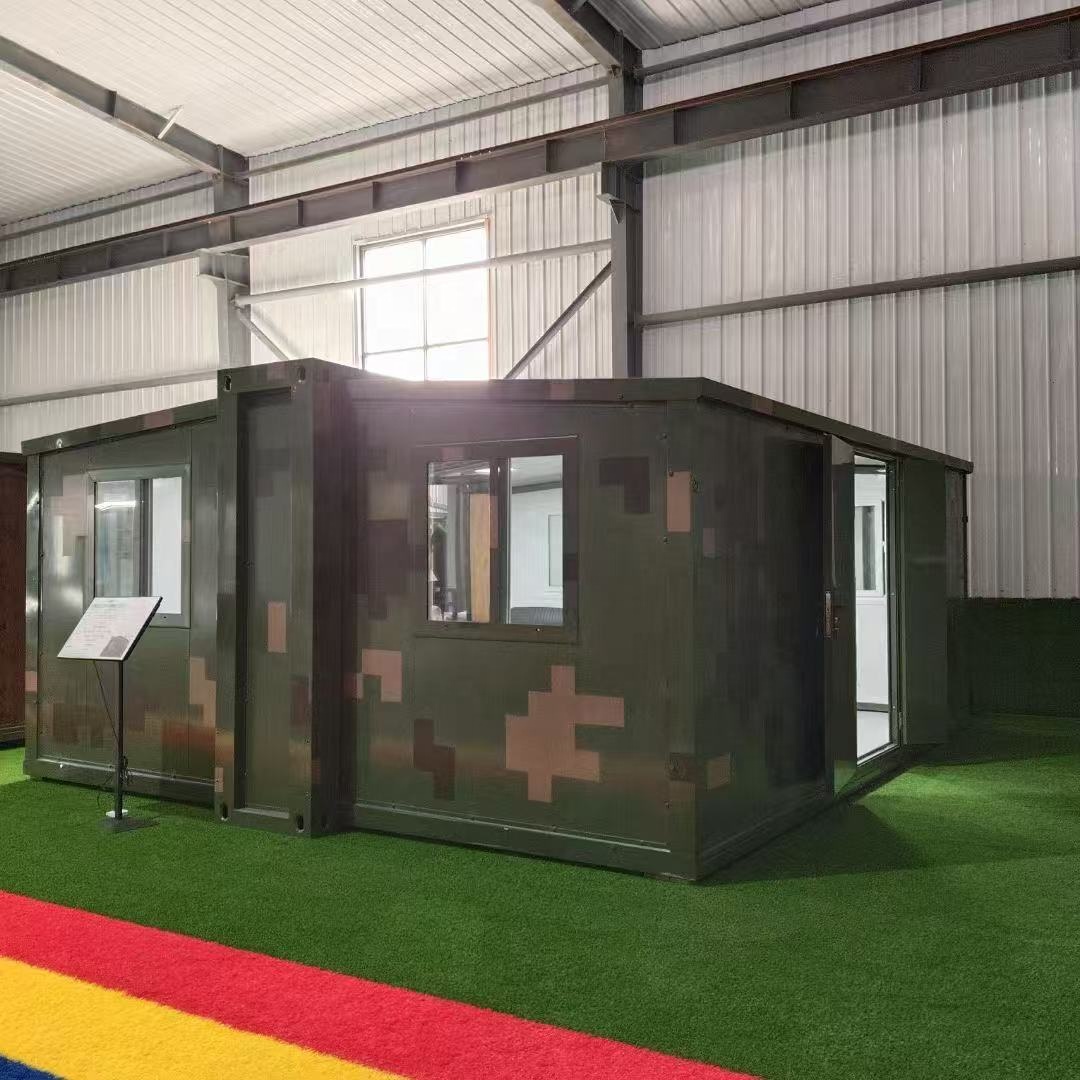 Movable Prefabricated Container House Villas Modular Portable Homes 1 Bedroom Container House Offices Apartments
 -
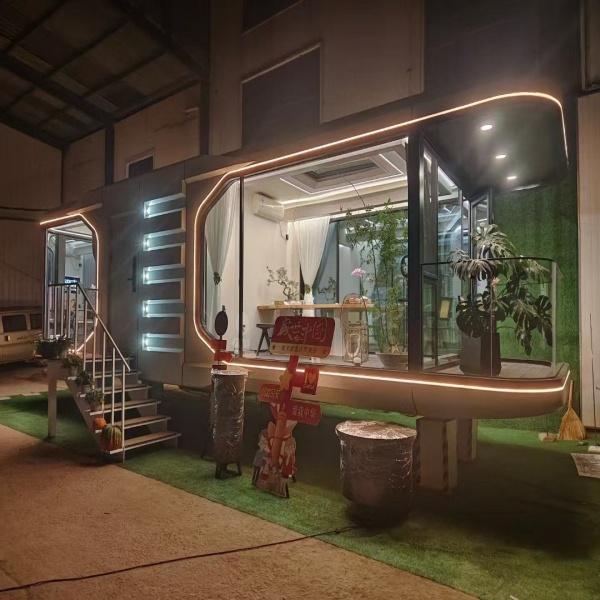 Outdoor ecological capsule rooms, luxury pods, space capsule hotel rooms, prefabricated space capsules, container houses
 -
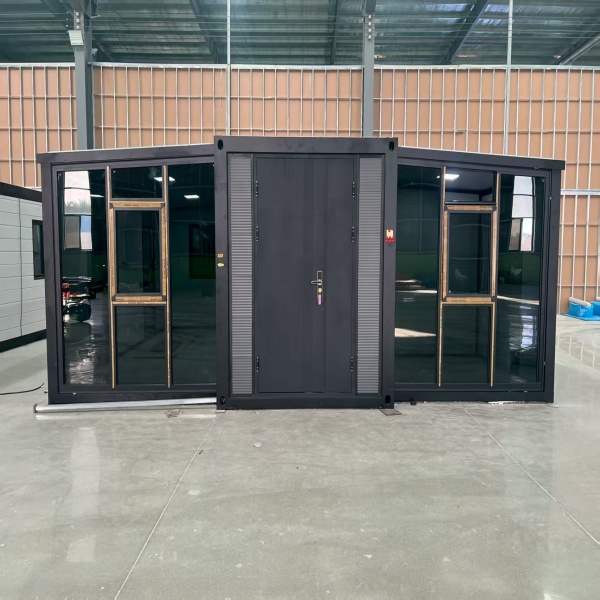 Customizable Office Mobile Home with Flat Roof and Double Wing Expansion Box, Convenient Container
 -
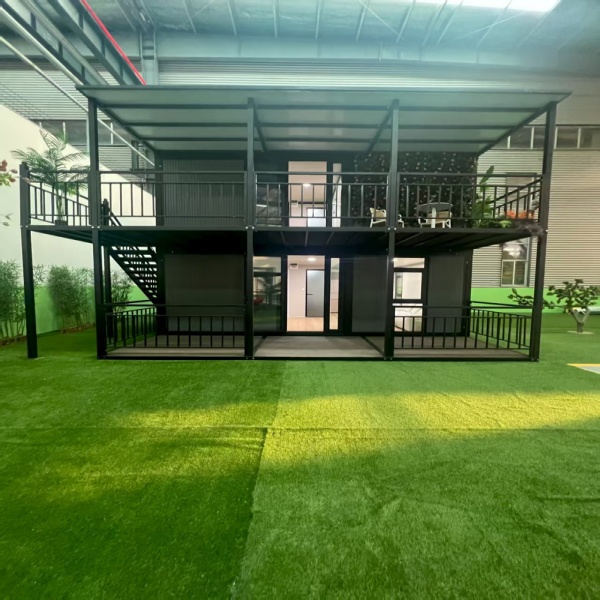 Luxury foldable two-story container houses in luxury resort hotels and villa hotels
 -
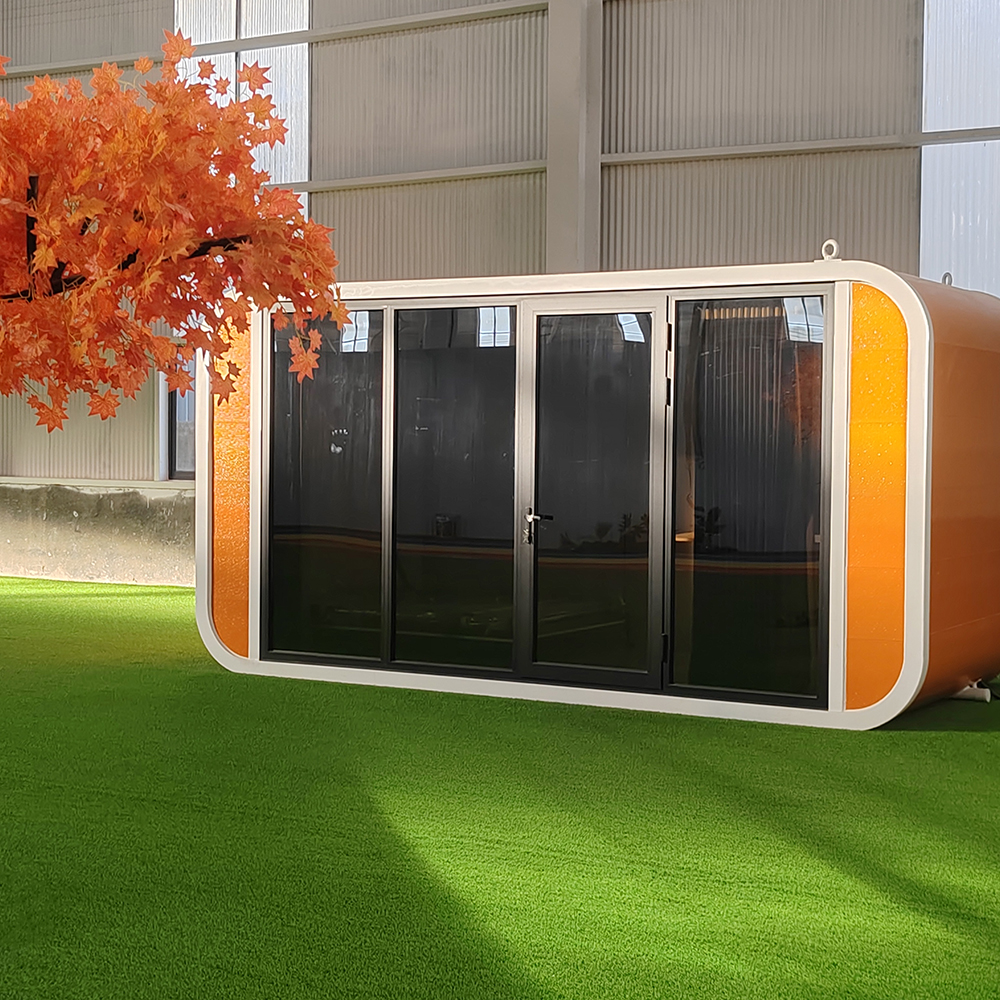 Luxury Prefabricated Living Container House Modular Glass Tiny House Prefab Container Home Apple Cabin
 -
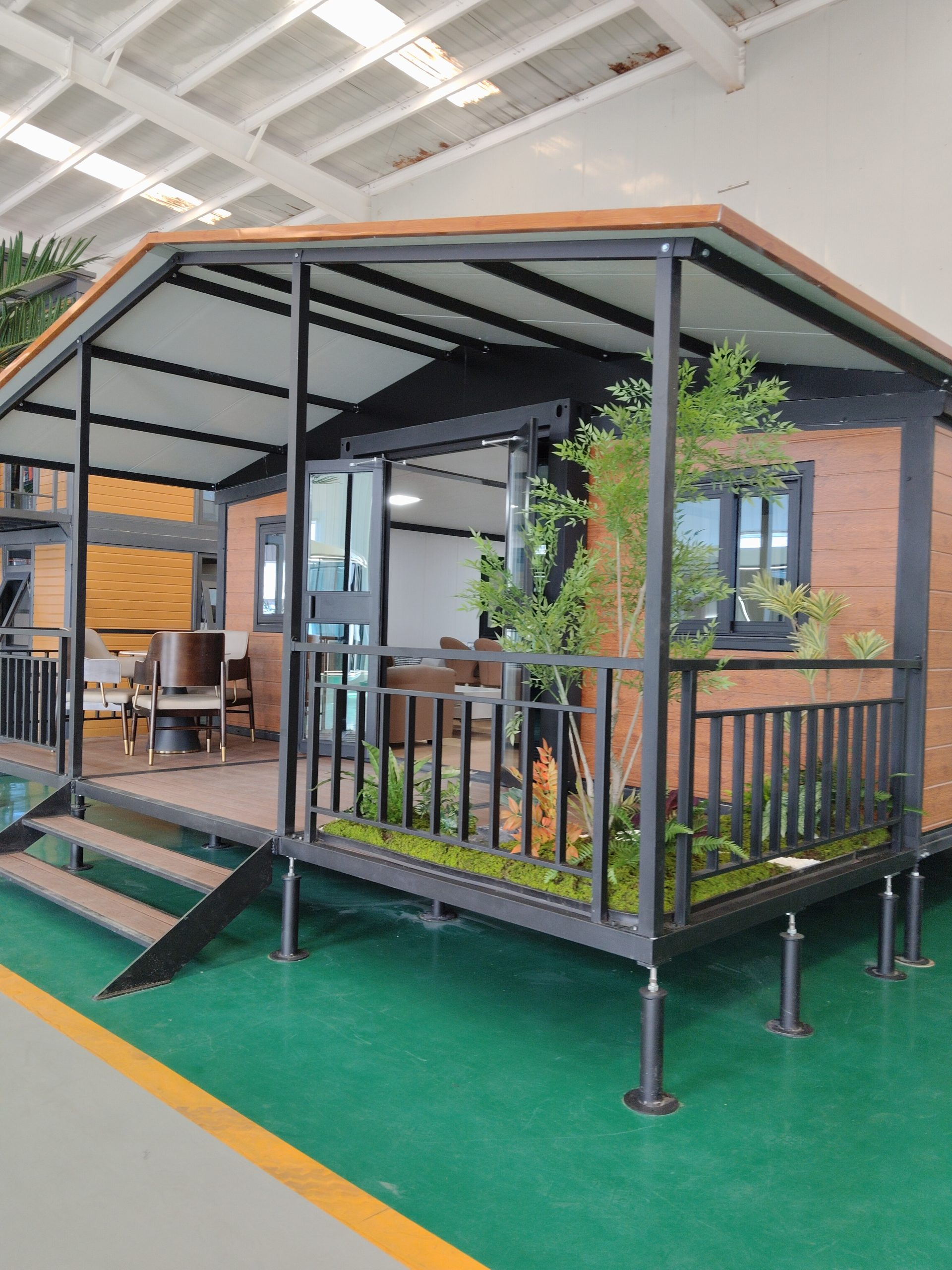 A container house with a terrace and double-wing folding design, suitable for various purposes such as offices, meeting rooms, living rooms, etc.
 -
A container house with a terrace and double-wing folding design, suitable for various purposes such as offices, meeting rooms, living rooms, etc.
-
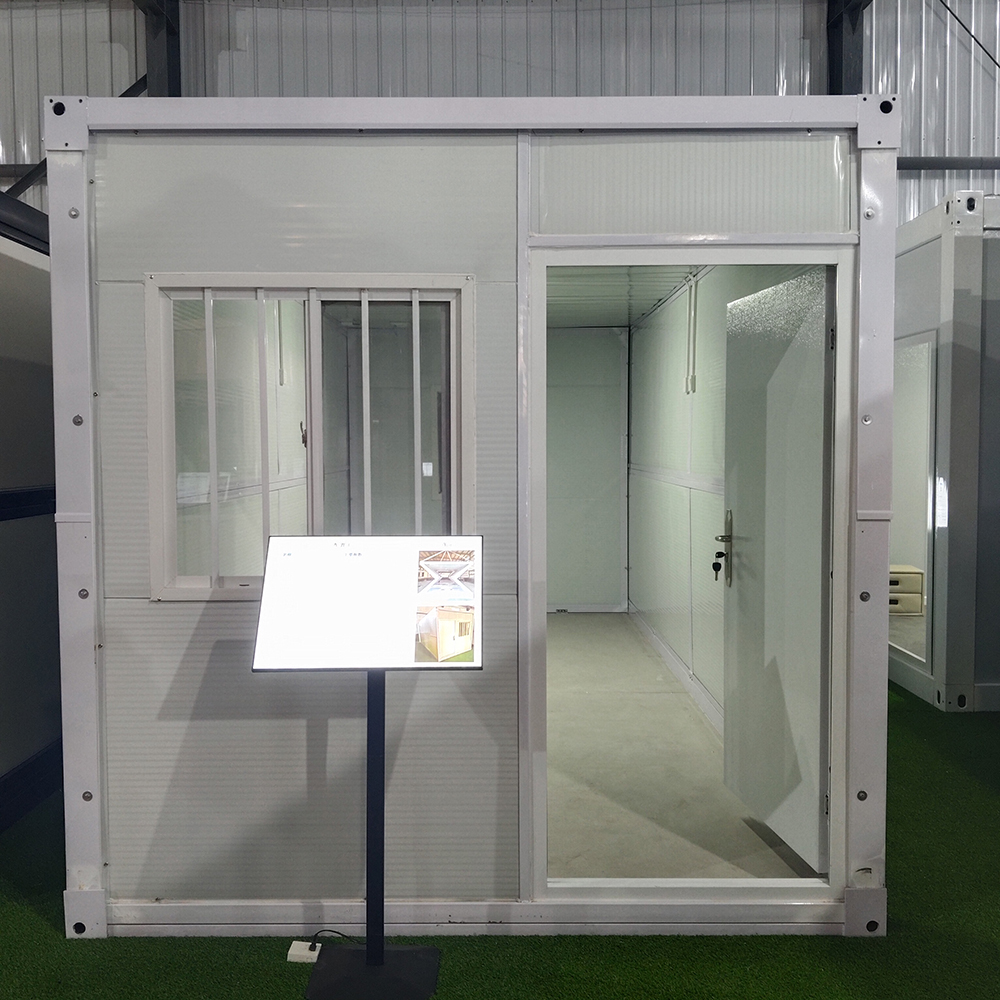 Reasonable Price 1 Bedroom Modular Container House Folding Container Home for Villa or Apartment Use
 -
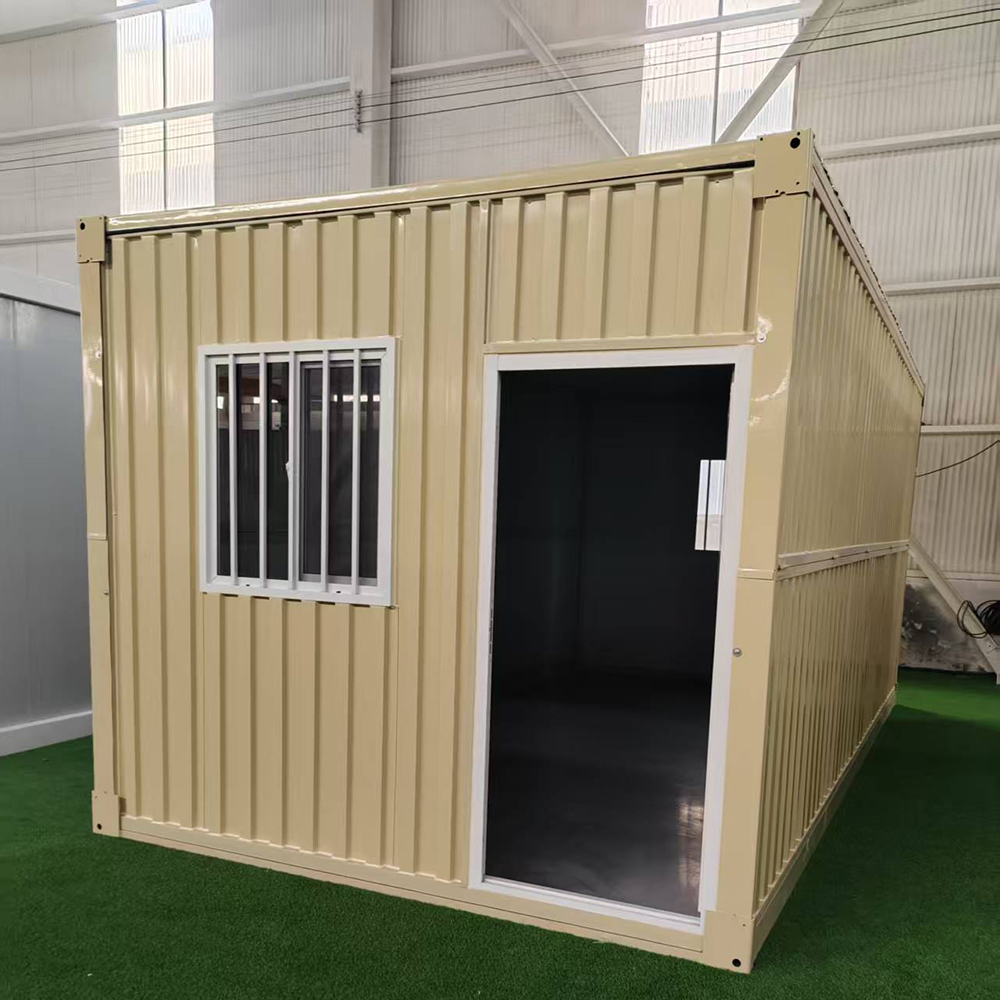
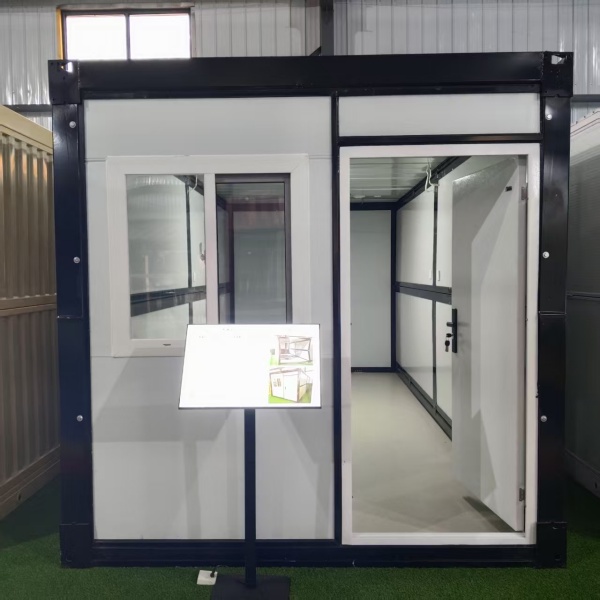 Hot-selling foldable container houses, expandable prefabricated houses, suitable for office or living use, with fast delivery.
 -
Factory Direct Sales Office Folding Container Luxury House Living Container House
-
 Luxury Foldable Two Story Container House for Glamping Resort and Villa Hotel
Related search
Related search- Buy apple valley cabins
- China mobile homes modern 2 bedroom portable prefab container expandable house
- tiny house
- China folding house container
- China expandable prefab container house
- fold out prefab house
- fold out house boxabl
- apple cabin on the creek
- China apple cabin prefabricated home
- Buy container house expandable