
-
E-mail
Austin120521@outlook.com -
E-mail
sales@jujiuhouse.com -
Telephone
+86-17864099991 -
Telephone
+86-17854044442
- Chinese
- French
- German
- Portuguese
- Spanish
- Russian
- Japanese
- Korean
- Arabic
- Irish
- Greek
- Turkish
- Italian
- Danish
- Romanian
- Indonesian
- Czech
- Afrikaans
- Swedish
- Polish
- Basque
- Catalan
- Esperanto
- Hindi
- Lao
- Albanian
- Amharic
- Armenian
- Azerbaijani
- Belarusian
- Bengali
- Bosnian
- Bulgarian
- Cebuano
- Chichewa
- Corsican
- Croatian
- Dutch
- Estonian
- Filipino
- Finnish
- Frisian
- Galician
- Georgian
- Gujarati
- Haitian
- Hausa
- Hawaiian
- Hebrew
- Hmong
- Hungarian
- Icelandic
- Igbo
- Javanese
- Kannada
- Kazakh
- Khmer
- Kurdish
- Kyrgyz
- Latin
- Latvian
- Lithuanian
- Luxembou..
- Macedonian
- Malagasy
- Malay
- Malayalam
- Maltese
- Maori
- Marathi
- Mongolian
- Burmese
- Nepali
- Norwegian
- Pashto
- Persian
- Punjabi
- Serbian
- Sesotho
- Sinhala
- Slovak
- Slovenian
- Somali
- Samoan
- Scots Gaelic
- Shona
- Sindhi
- Sundanese
- Swahili
- Tajik
- Tamil
- Telugu
- Thai
- Ukrainian
- Urdu
- Uzbek
- Vietnamese
- Welsh
- Xhosa
- Yiddish
- Yoruba
- Zulu
- Kinyarwanda
- Tatar
- Oriya
- Turkmen
- Uyghur




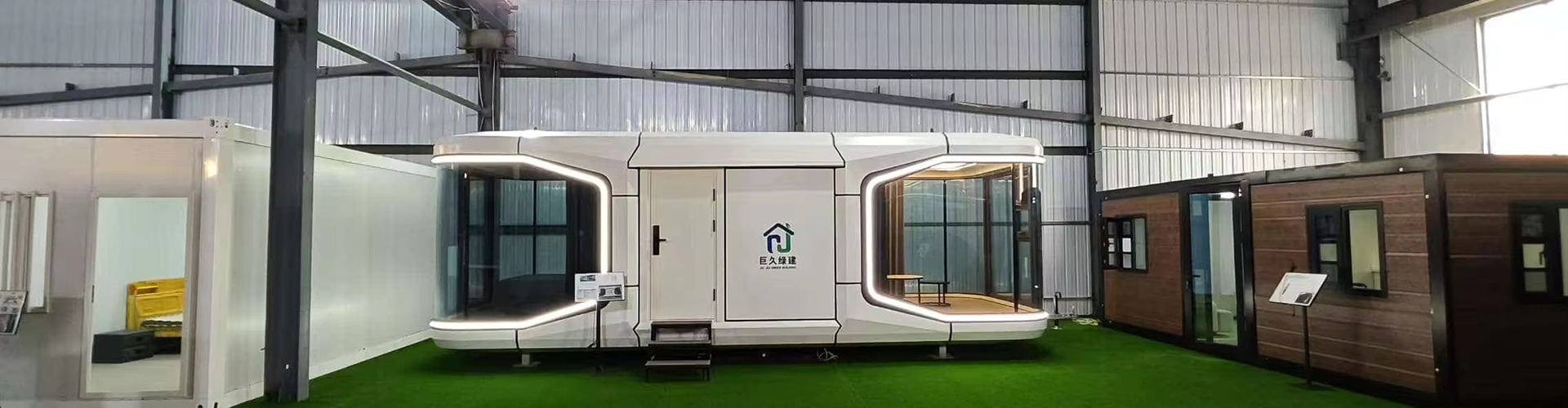
Buy portable folding houses
Exploring the World of Portable Folding Houses
Have you ever thought about buying a portable folding house? These innovative structures are gaining popularity, but there's more to them than just their flexibility. Here's what you need to know about the practical side of these homes, backed by hands-on experiences.
Understanding Portable Folding Houses
In the realm of innovative architecture, portable folding houses stand out. They're not just about convenience. These structures represent a shift in how we think about living spaces. From urban development to remote living scenarios, their applications are endless. But the real question is, do they meet the practical expectations we have?
I recall my first engagement with SHANDONG JUJIU INTEGRATED HOUSING CO,LTD, a company well-versed in this field. With a strong background in the integrated housing industry, they introduced me to the complexities behind these seemingly simple structures. Their approach wasn't just about sales; it was about understanding lifestyle needs. Check out more about their projects at their website.
One initial perception is that these homes are glorified tents. However, that couldn't be further from the truth. With robust engineering, they incorporate light steel structures ensuring durability, while offering the flexibility of a tent-like setup.
From Concept to Reality
Moving from paper to real-world application often highlights unexpected challenges. For instance, the installation process is something many overlook. While touted as quick and easy, it often requires professional oversight to ensure everything aligns perfectly. I remember a project that underestimated this requirement, leading to frustrating delays.
It's also fascinating to see how these homes adapt to different climates. Their insulation capabilities are critical, especially in extreme weather. The design by companies like Jujiu showcases thoughtful R&D efforts to tackle these conditions with innovative solutions.
A client once shared their experience of setting up a unit on a remote site, where traditional building methods would have been nearly impossible. The portability aspect saved both time and resources, a true testament to these homes' versatility.
Common Misconceptions
A prevailing myth is that portable folding houses are just a temporary solution and lack permanence. Yet, with proper planning and design variations, they serve long-term purposes remarkably well. Businesses and individuals alike have turned these into permanent residences and offices.
Another aspect often misunderstood is the cost. While initially seeming high, the long-term savings through reduced transportation and on-site construction costs can offset this. It's a bit like buying a quality tool over a disposable one. You're investing in reliability.
When considering aesthetics, many assume limited customization. However, the range of designs available means they can be tailored to reflect personal tastes while matching top-notch utility standards.
The Role of Innovation
Innovation is at the heart of this housing revolution. For instance, smart technology integration in some models can transform these homes into eco-friendly and tech-savvy environments, making them more than just four walls and a roof.
Companies like Shandong Jujiu Integrated Housing Co., Ltd., are constantly pushing boundaries, focusing on sustainable practices without compromising on quality. Their dedication to R&D can be explored further at their platform.
Learning how these elements come together to form a complete package was an eye-opener. The practical applications became clearer when I saw prototypes incorporating solar panels and water recycling systems — components that are increasingly vital in today’s ecological agenda.
Navigating the Purchase
If you're considering owning a portable folding house, aligning your needs with what’s available is crucial. It's not just about the house itself, but the network around it — from suppliers to installers. Partnering with a knowledgeable firm like Jujiu can streamline the process.
Choosing the right model can be daunting, with choices varying across price, size, and functionality. My advice? Engage deeply with sellers, possibly visiting sites if possible, as real-world experiences offer insights beyond brochures and specs.
Ultimately, these homes might be the right fit for those seeking flexibility, sustainability, and modern living. Yet, like any investment, they require careful consideration and planning to seamlessly complement your lifestyle.
Related products
Related products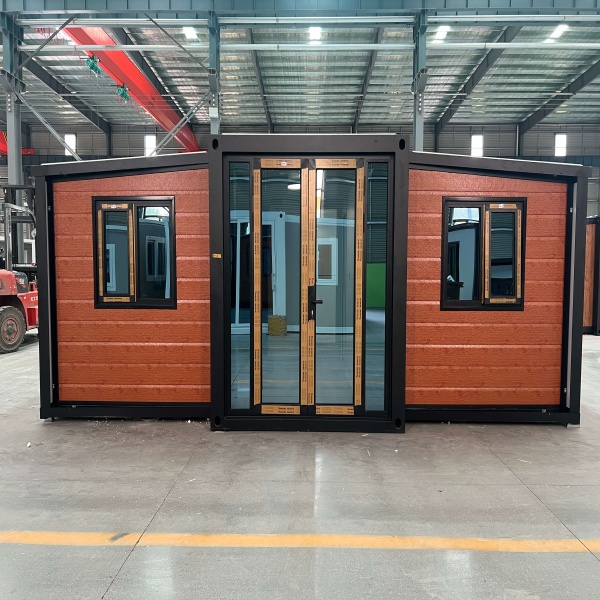
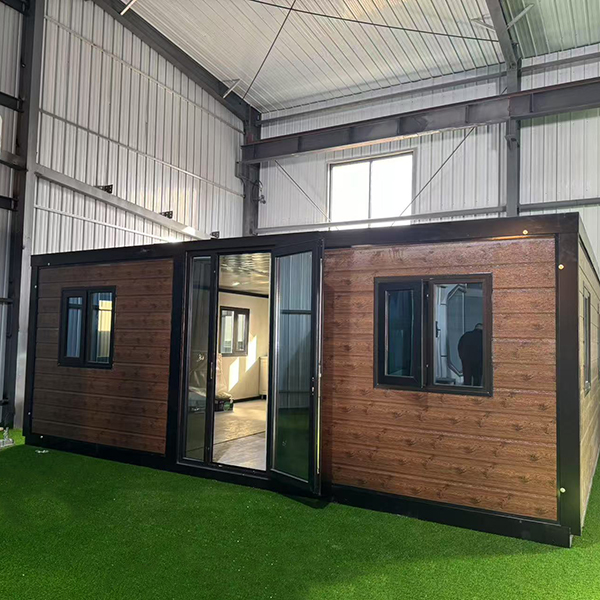
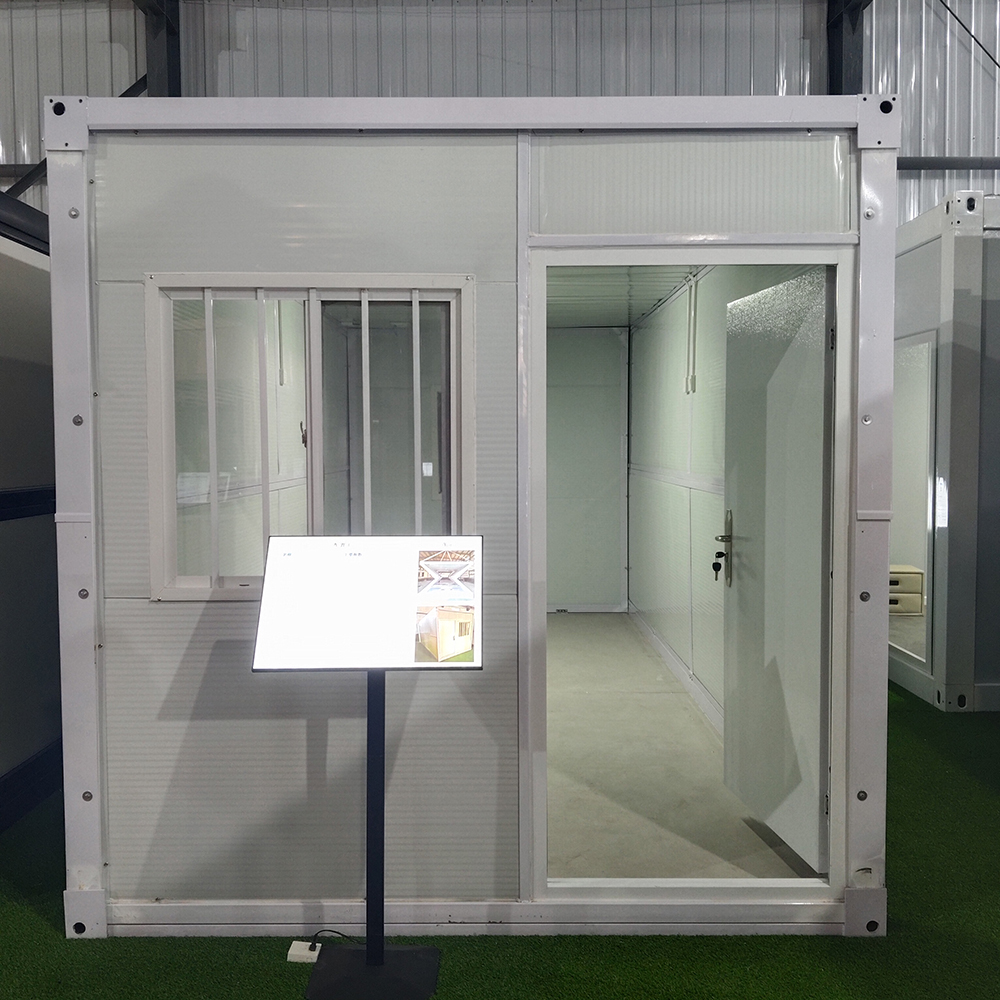
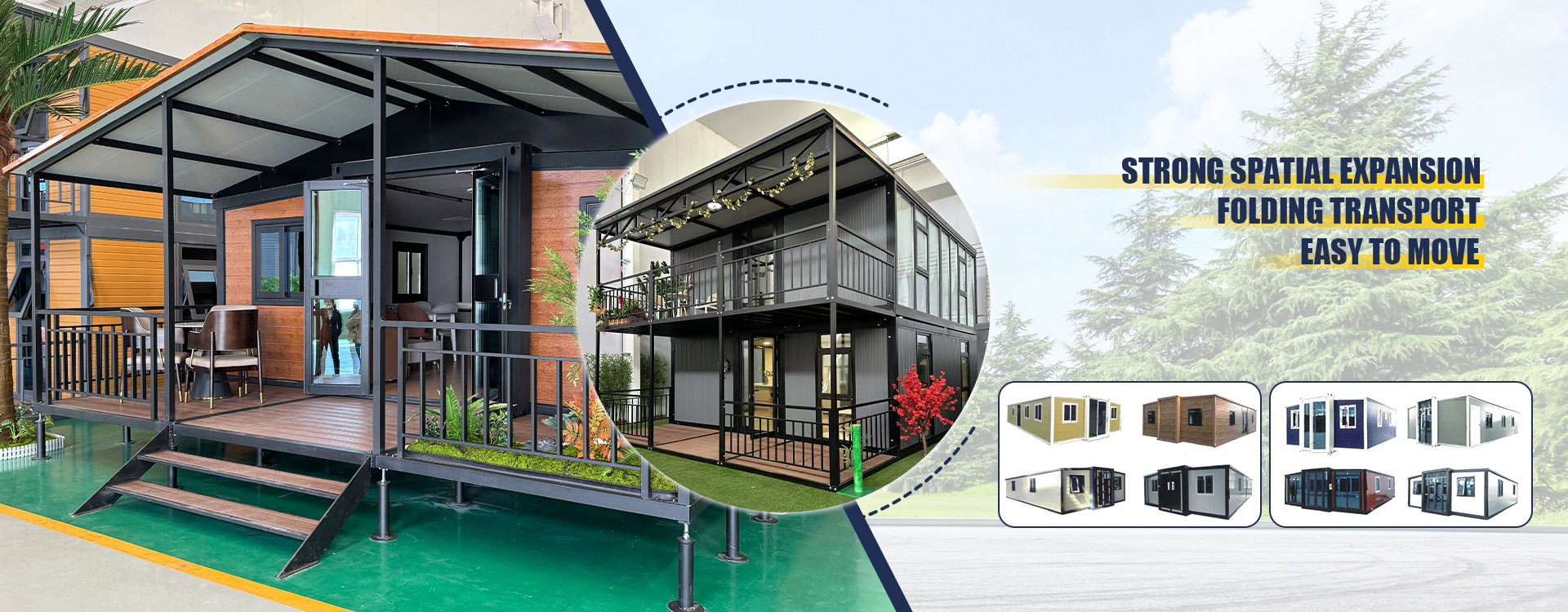
Best selling products
Best selling products-
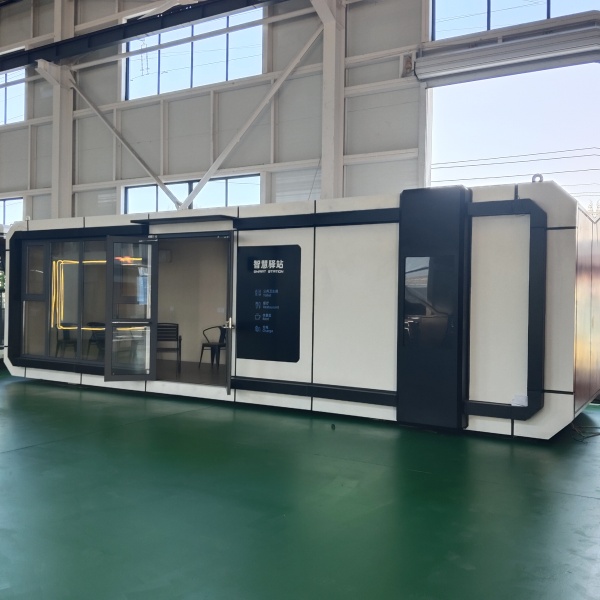 Modular modern movable apple cabins, customized high-end folk houses and portable bedrooms, delivered as a whole
 -
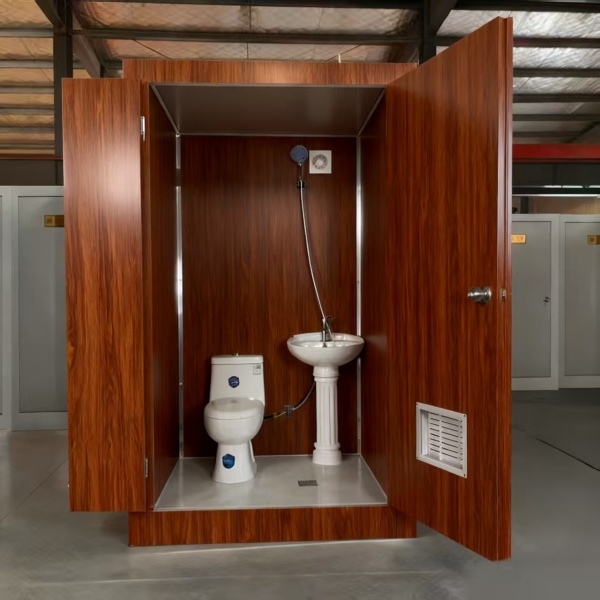 Portable outdoor camping bathroom, mobile toilet, prefabricated modular villa & rental of outdoor and indoor showers
 -
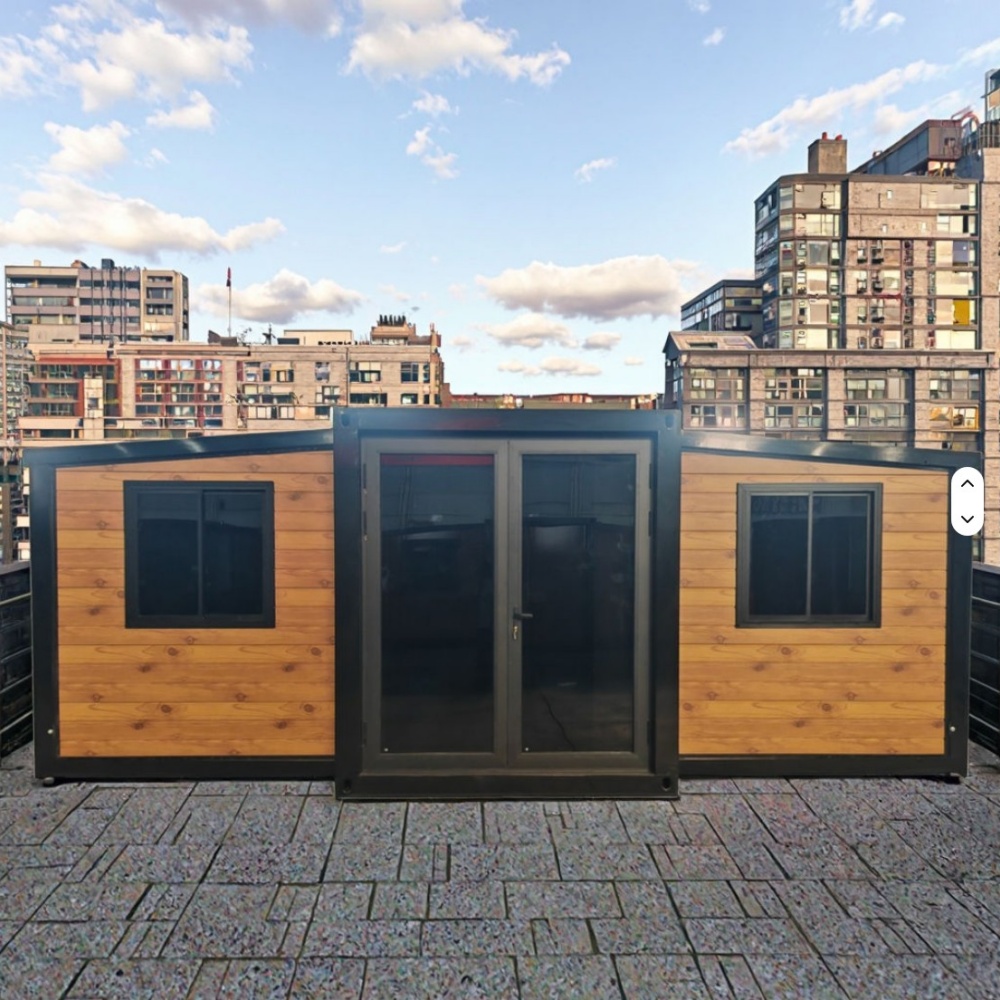 Customized Two Wing Folding Expandable Container House
 -
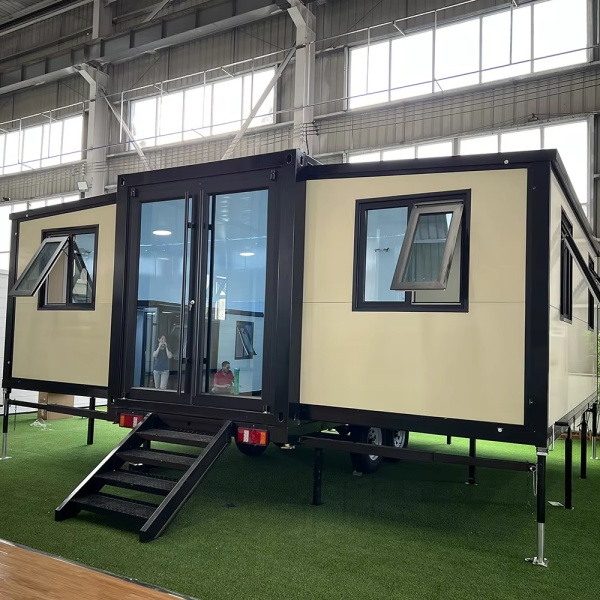 Stair Access Double Wing Expandable Container House | Easy Installation Mobile Office
 -
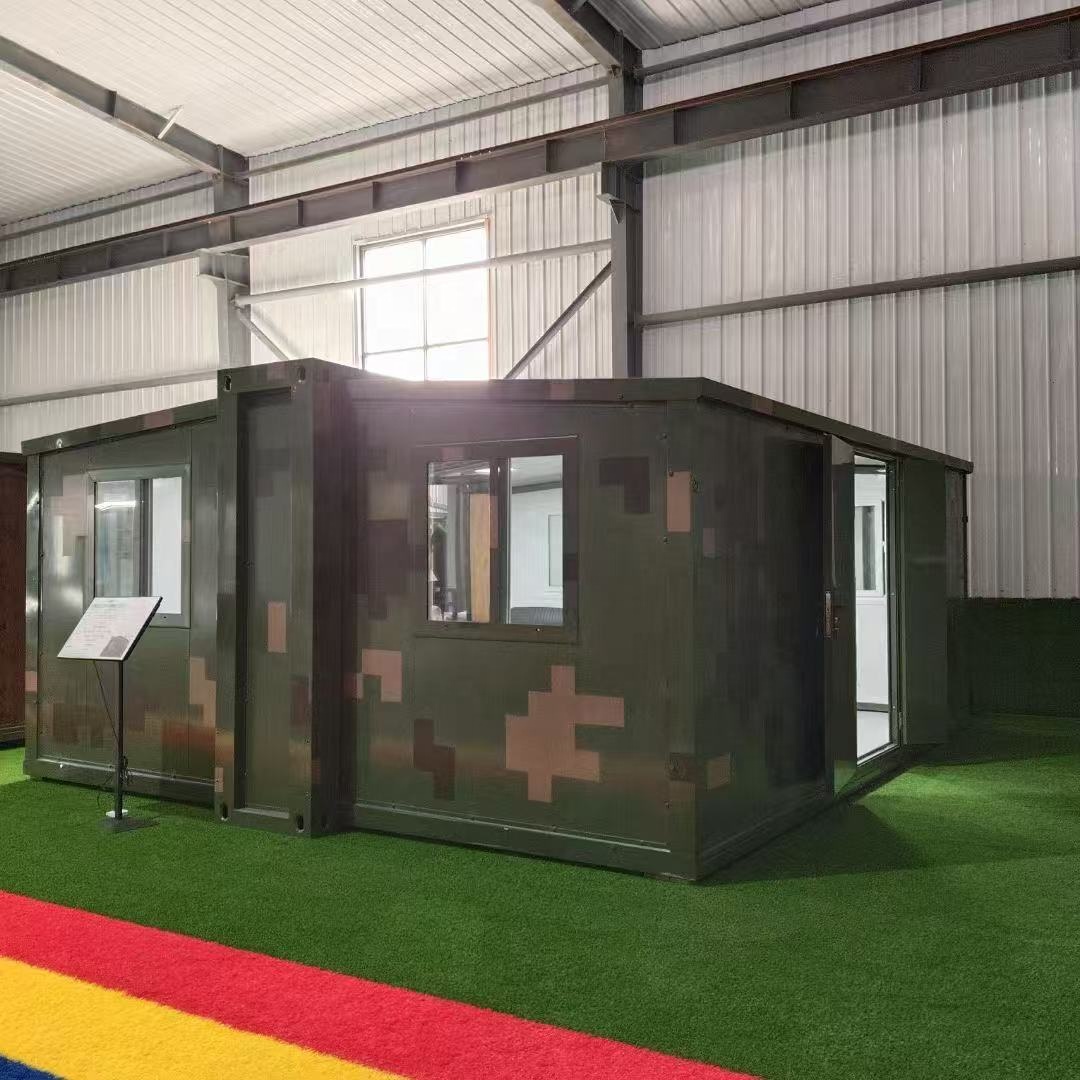 Movable Prefabricated Container House Villas Modular Portable Homes 1 Bedroom Container House Offices Apartments
 -
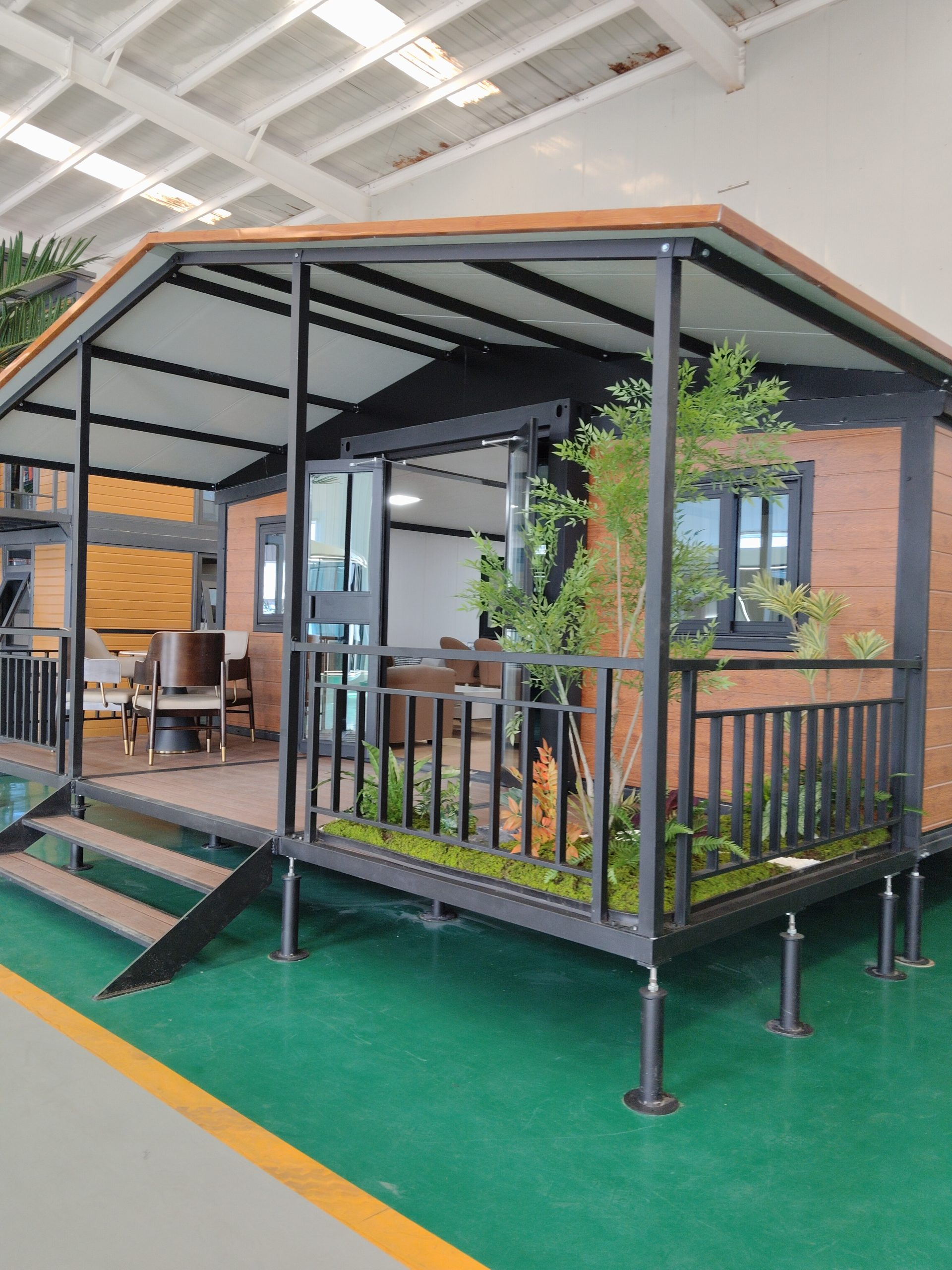 A container house with a terrace and double-wing folding design, suitable for various purposes such as offices, meeting rooms, living rooms, etc.
 -
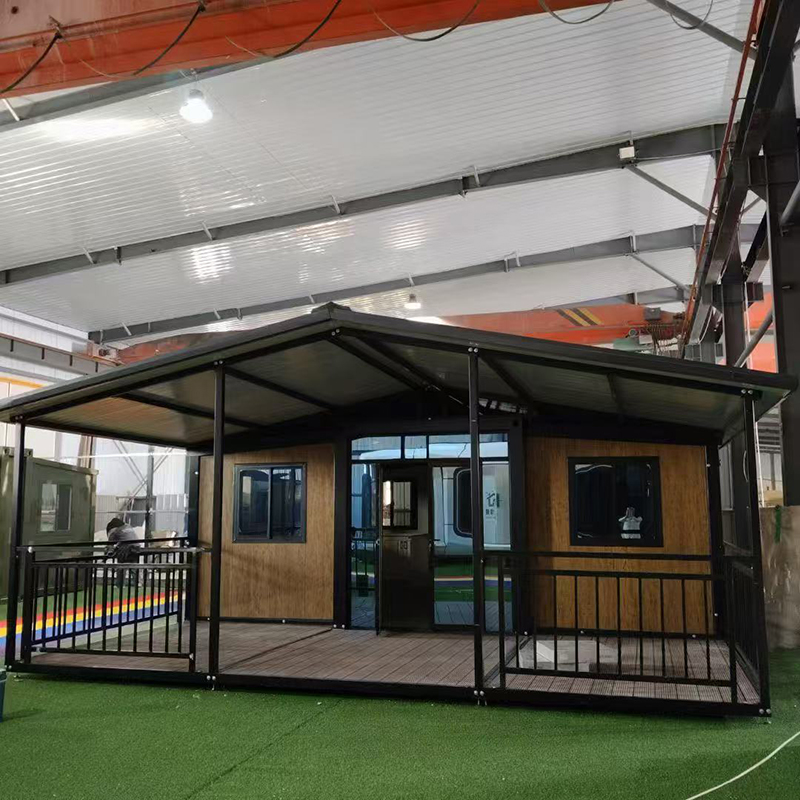 Customized Expandable Container House Holiday Home Folding Prefab Container House with Bathroom and Kitchen
 -
Two Wing Folding Expandable Container House
-
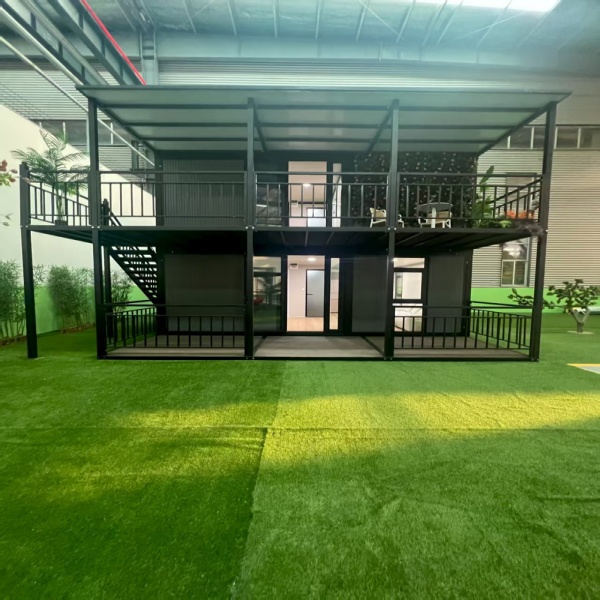 Luxury foldable two-story container houses in luxury resort hotels and villa hotels
 -
 Luxury Foldable Two Story Container House for Glamping Resort and Villa Hotel
 -
A container house with a terrace and double-wing folding design, suitable for various purposes such as offices, meeting rooms, living rooms, etc.
-
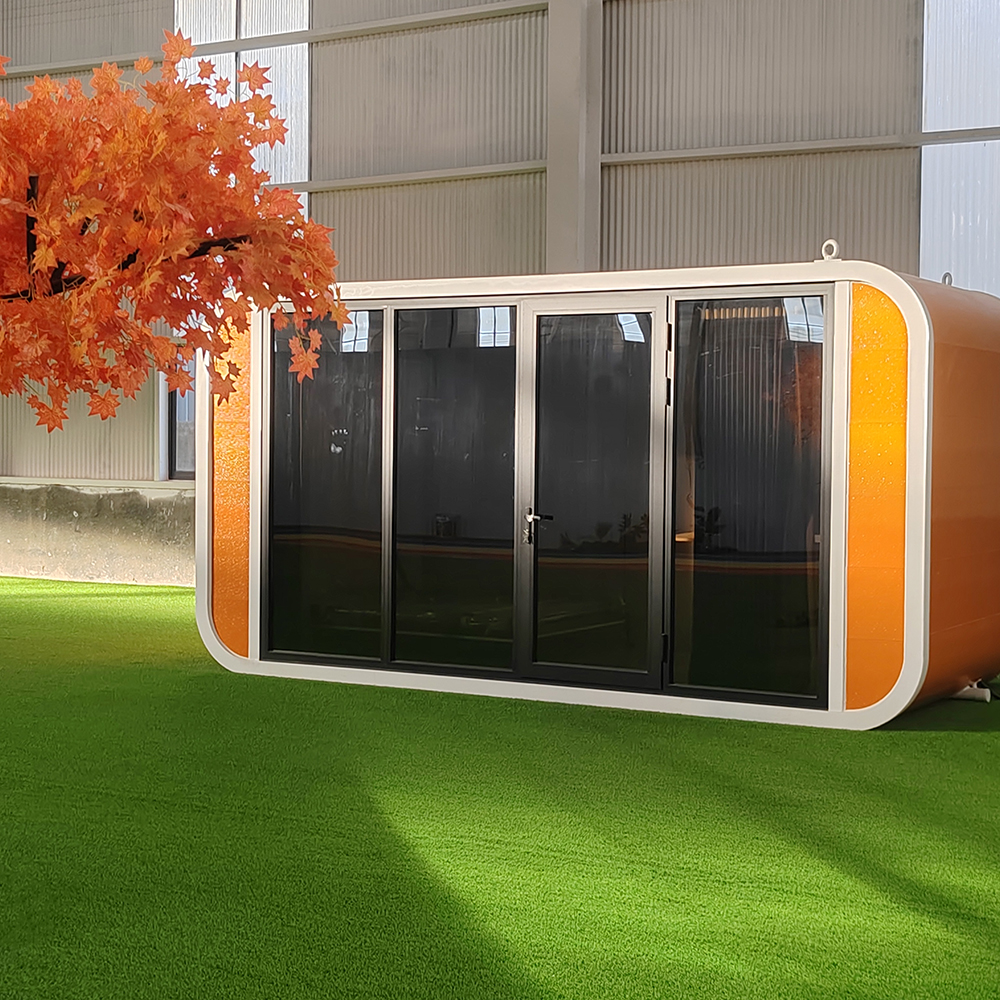 Luxury Prefabricated Living Container House Modular Glass Tiny House Prefab Container Home Apple Cabin
Related search
Related search- Buy space capsule hotel
- China pre built shipping container house
- Buy new spire prefabricated container house
- Buy fold out house on trailer
- cheap wholesale price expandable house container
- expandable container house with solar energy
- folding house on wheels
- home space capsule
- expandable modular house
- space capsule homes