
-
E-mail
Austin120521@outlook.com -
E-mail
sales@jujiuhouse.com -
Telephone
+86-17864099991 -
Telephone
+86-17854044442
- Chinese
- French
- German
- Portuguese
- Spanish
- Russian
- Japanese
- Korean
- Arabic
- Irish
- Greek
- Turkish
- Italian
- Danish
- Romanian
- Indonesian
- Czech
- Afrikaans
- Swedish
- Polish
- Basque
- Catalan
- Esperanto
- Hindi
- Lao
- Albanian
- Amharic
- Armenian
- Azerbaijani
- Belarusian
- Bengali
- Bosnian
- Bulgarian
- Cebuano
- Chichewa
- Corsican
- Croatian
- Dutch
- Estonian
- Filipino
- Finnish
- Frisian
- Galician
- Georgian
- Gujarati
- Haitian
- Hausa
- Hawaiian
- Hebrew
- Hmong
- Hungarian
- Icelandic
- Igbo
- Javanese
- Kannada
- Kazakh
- Khmer
- Kurdish
- Kyrgyz
- Latin
- Latvian
- Lithuanian
- Luxembou..
- Macedonian
- Malagasy
- Malay
- Malayalam
- Maltese
- Maori
- Marathi
- Mongolian
- Burmese
- Nepali
- Norwegian
- Pashto
- Persian
- Punjabi
- Serbian
- Sesotho
- Sinhala
- Slovak
- Slovenian
- Somali
- Samoan
- Scots Gaelic
- Shona
- Sindhi
- Sundanese
- Swahili
- Tajik
- Tamil
- Telugu
- Thai
- Ukrainian
- Urdu
- Uzbek
- Vietnamese
- Welsh
- Xhosa
- Yiddish
- Yoruba
- Zulu
- Kinyarwanda
- Tatar
- Oriya
- Turkmen
- Uyghur




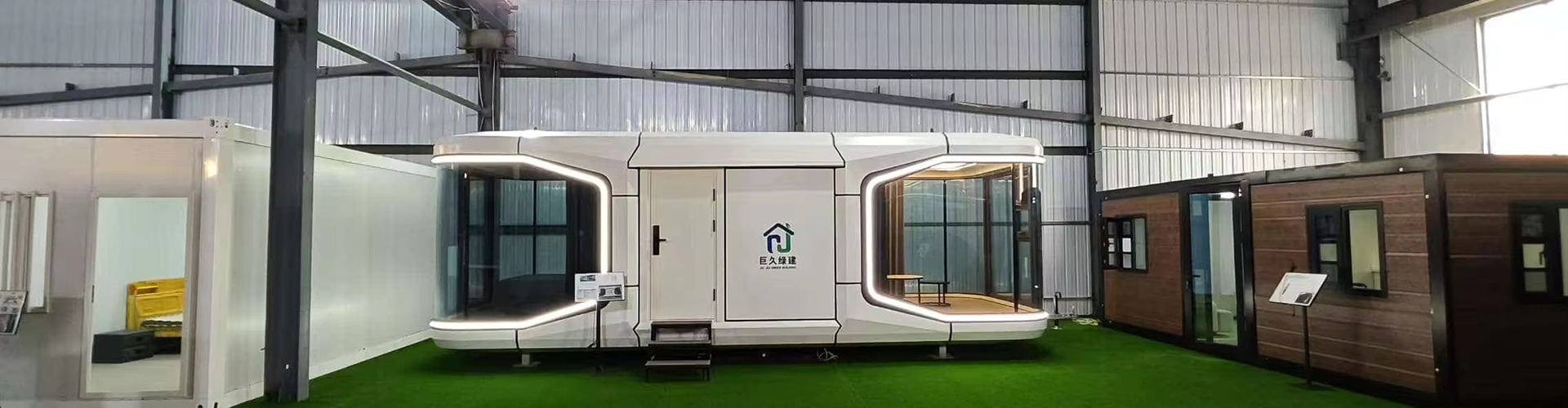
Buy prefab folding house
Exploring the World of Prefab Folding Houses
Considering a prefab folding house? You're not alone. These innovative structures have been gaining attention for their flexibility, efficiency, and often surprisingly stylish designs. But what’s really behind their appeal? And are they the right choice for you? Let’s dig deeper into this fascinating option for modern living.
Understanding Prefab Folding Houses
The concept of prefab folding house design is as intriguing as it sounds. At first glance, these houses may appear simple, yet beneath their foldable exteriors lies a complex engineering feat. They are designed to be transported easily and erected swiftly on-site, unfolding into fully-functional living spaces. The process is fascinating, akin to watching origami come to life. But why are they becoming so popular?
One reason might be their adaptability. Whether you are looking to quickly set up a home office in your backyard or need temporary accommodation on a construction site, these houses have the versatility to fit various purposes. Their compact nature doesn’t mean cramped either. Ingenious design solutions often make them surprisingly spacious inside.
However, common misconceptions exist. Many people wrongly assume these buildings lack durability or aesthetic appeal. While early models were basic in design, advances in materials and architectural innovation have transformed these houses into structures that are both resilient and visually appealing.
The R&D Behind Foldable Homes
Companies like Shandong Jujiu Integrated Housing Co., Ltd. are leading the charge in the evolving prefab industry. Their focus on research and development ensures that each folding home not only meets but exceeds modern expectations of efficiency and sustainability. Their integration of light steel frameworks and curtain wall engineering is particularly noteworthy.
The design process prioritizes energy efficiency and minimal environmental impact. These homes often feature advanced insulation techniques, solar-ready rooftops, and eco-friendly materials. Innovations like these aren’t just buzzwords; they represent a real stride towards sustainable living.
Yet, implementation does come with its challenges. Site preparation, for instance, needs careful consideration. Even a prefab folding house can pose issues if the terrain is unstable or the site isn't properly cleared and leveled prior to installation.
Real-World Applications
Let’s look at what's doable with prefab technology. Not long ago, a client used these homes for a summer camp project. The ease of assembly meant that homes were up and ready in just a week, providing durable, comfortable accommodation for young campers. The ability to relocate the structures at the end of the season was a bonus that traditional construction simply couldn't offer.
On another project, a business set up multiple folding houses for disaster relief efforts. The company involved praised their rapid deployment and sturdy construction—proving that these aren’t just temporary solutions, but viable long-term options.
That said, it is critical to have a detailed plan before opting for these structures. A good plan ensures that logistics align seamlessly with design choices, avoiding potential pitfalls during installation.
Challenges to Overcome
Even the best prefab designs face hurdles. Common issues, such as local zoning laws or vexing permit processes, can delay installations. It’s crucial to understand these regulations in your locality before making a purchase.
Moreover, while prefabs are designed for easier setup, this doesn’t mean they’re free from structural concerns. Shoddy installation can lead to misalignments or poor sealing, which could cause long-term issues such as leaks or pest invasions. Partnering with experienced installers, like those at Shandong Jujiu Integrated Housing Co., Ltd., can mitigate these risks.
And then there’s the budget. Initial costs might be attractively low, but consider ongoing maintenance and potential add-ons, such as solar panels or advanced HVAC systems. These extras, while beneficial, come at a cost.
Wrapping It Up
In conclusion, the allure of a prefab folding house is undeniable. They're a practical choice for many, offering flexibility and a nod towards sustainability without sacrificing style. Providers, like Shandong Jujiu Integrated Housing Co., Ltd., show what's feasible when innovation meets practical demand.
However, thorough research and careful planning remain key. Only then can these intriguing structures truly fulfill their promise as modern solutions to age-old housing challenges. Whether or not they’re right for you depends on understanding what they’re capable of—and just as importantly, what they’re not.
Related products
Related products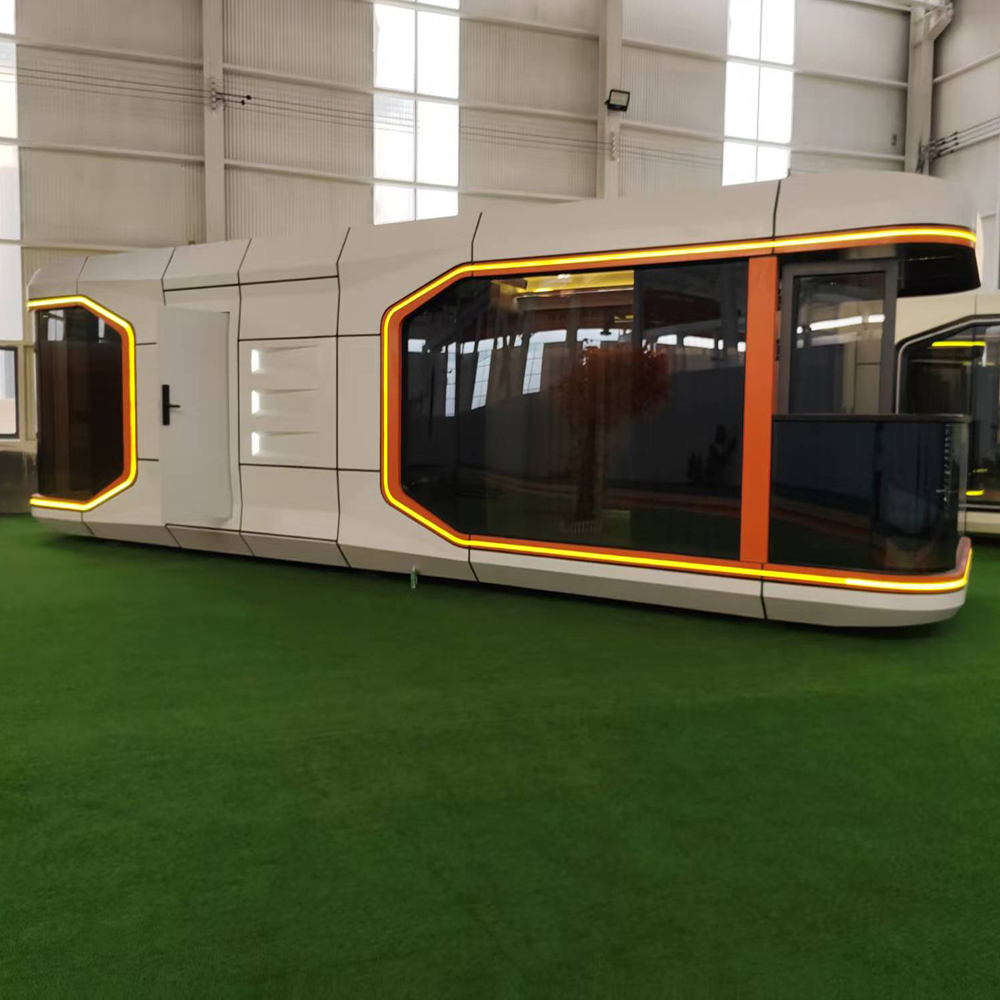
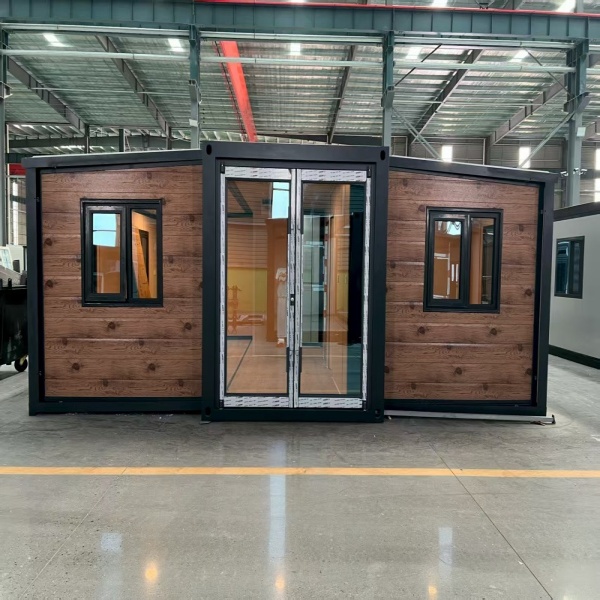
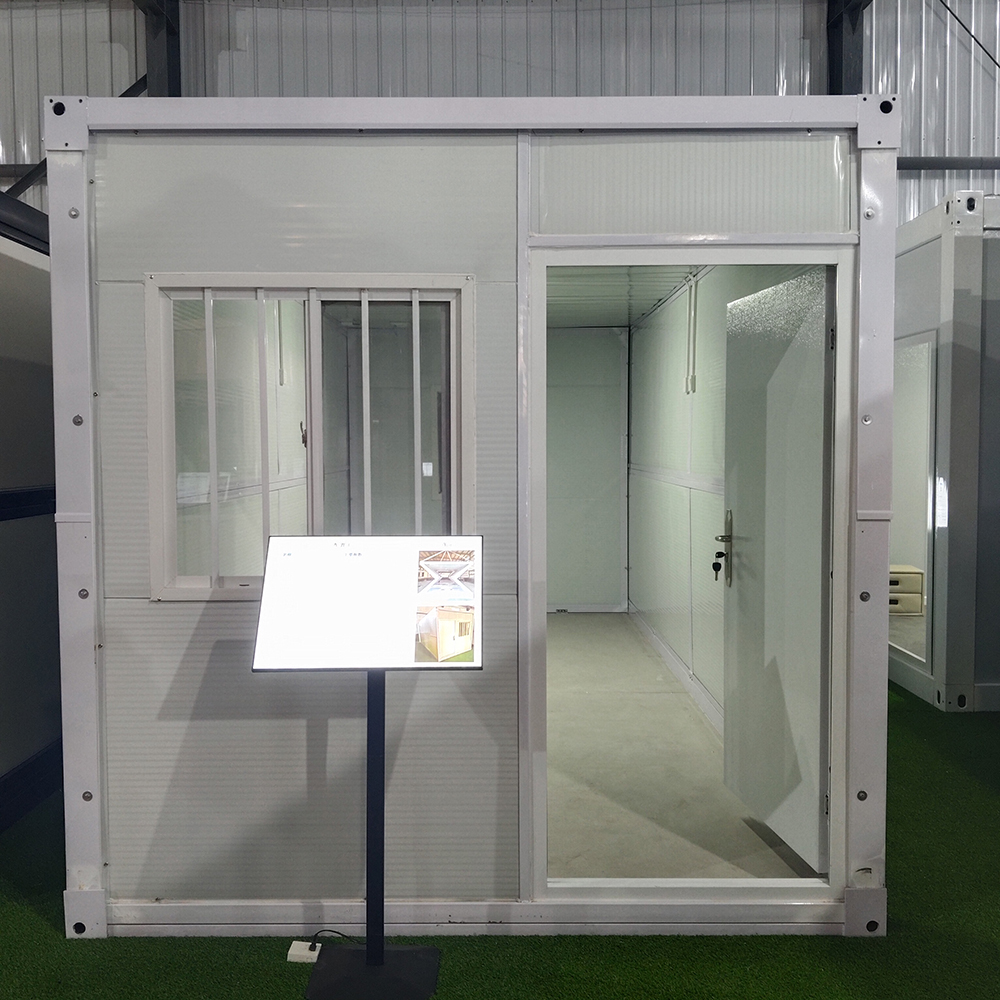
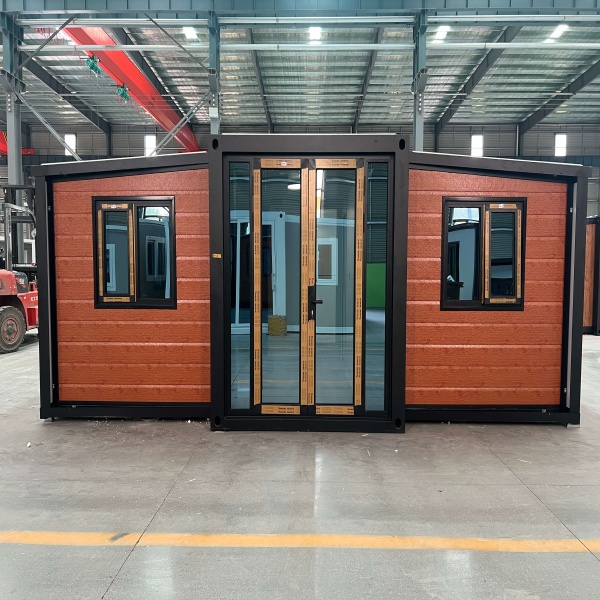
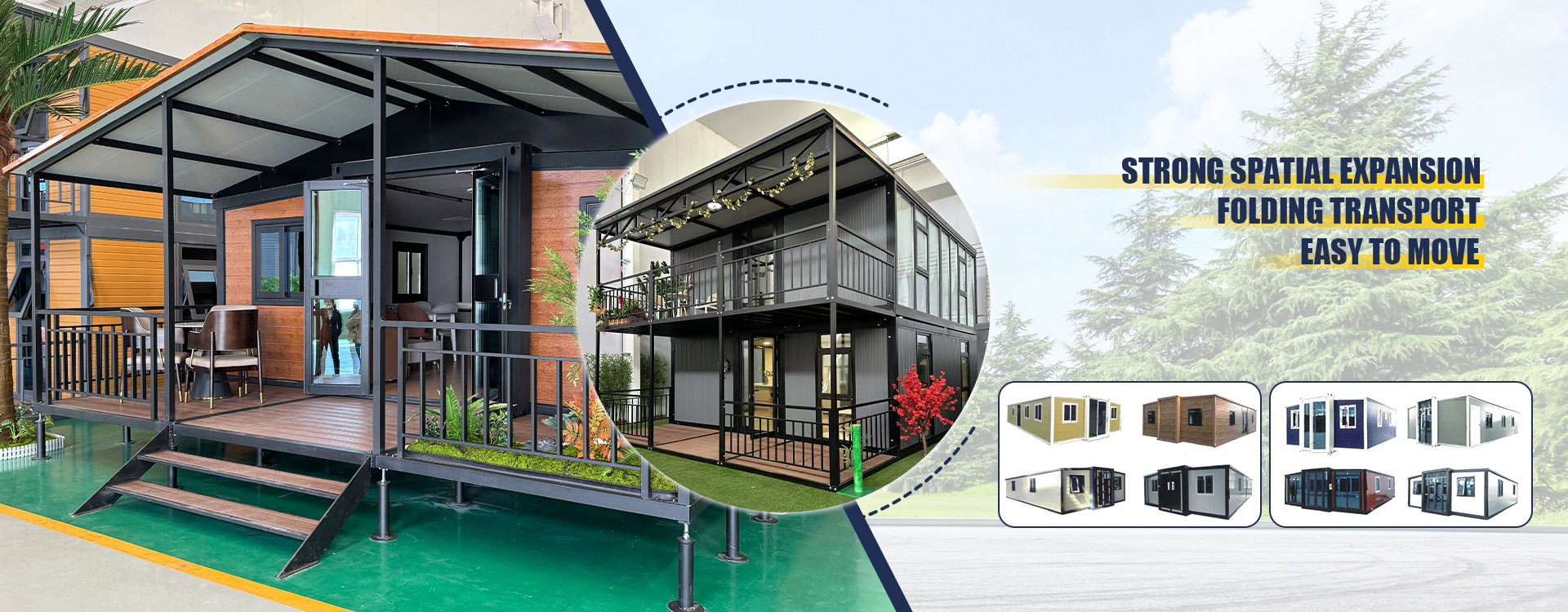
Best selling products
Best selling products-
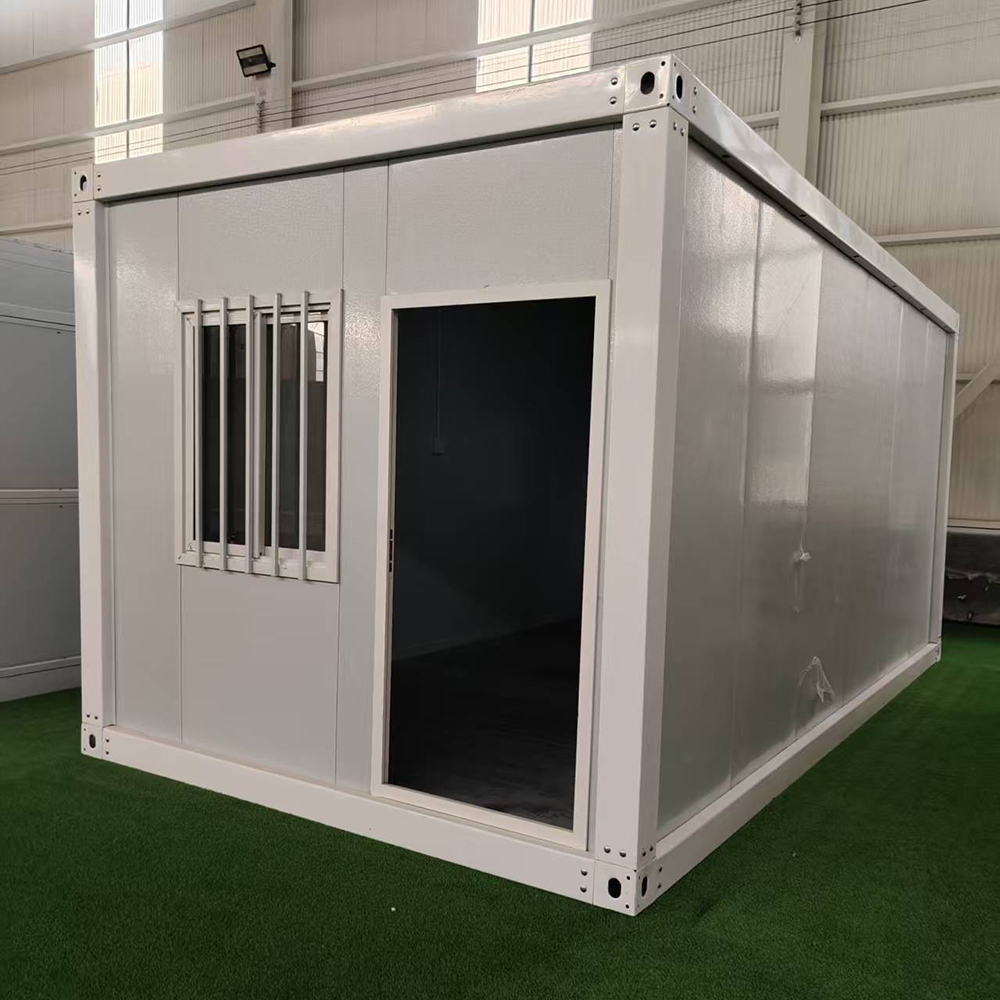 Folding Container Moving House Modular Office Container House Prefab Container for Outdoor Use
 -
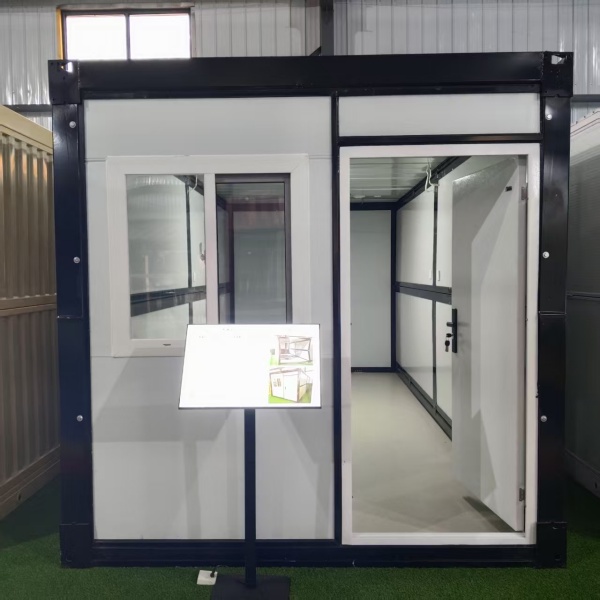 Hot-selling foldable container houses, expandable prefabricated houses, suitable for office or living use, with fast delivery.
 -
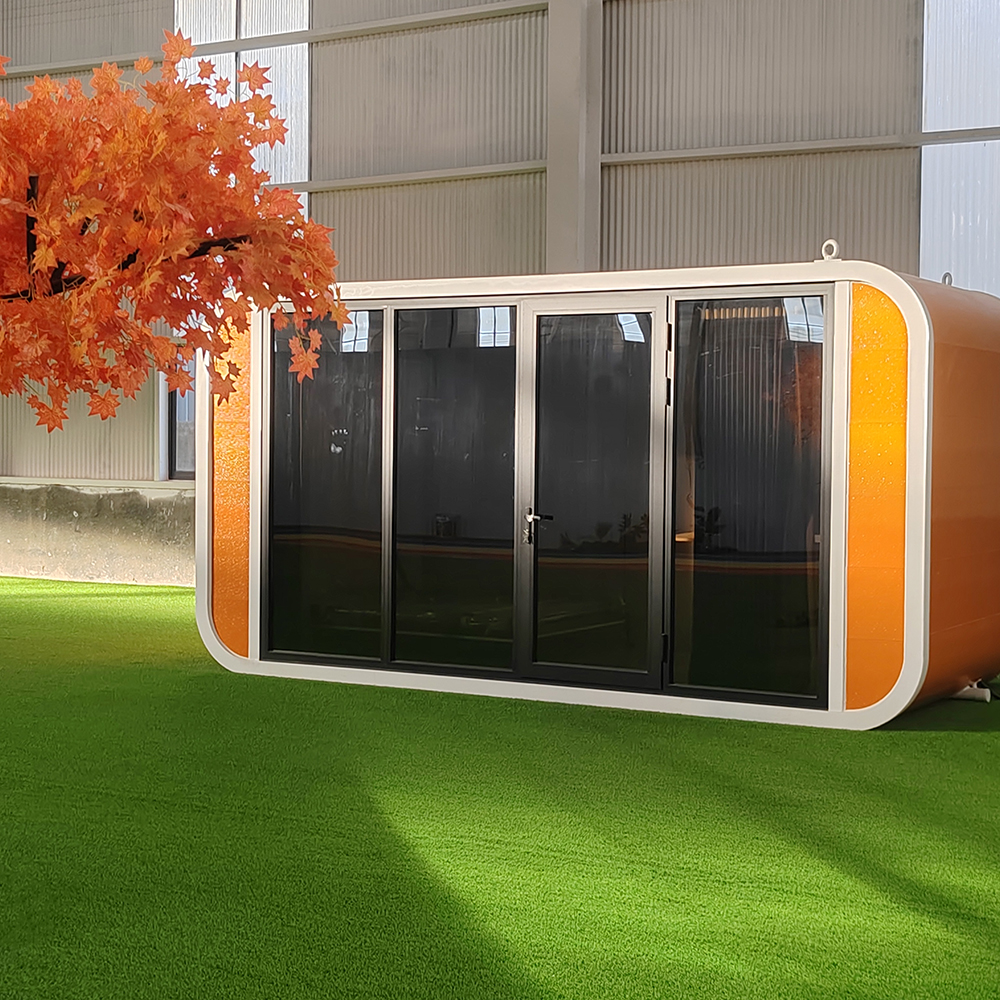 Luxury Prefabricated Living Container House Modular Glass Tiny House Prefab Container Home Apple Cabin
 -
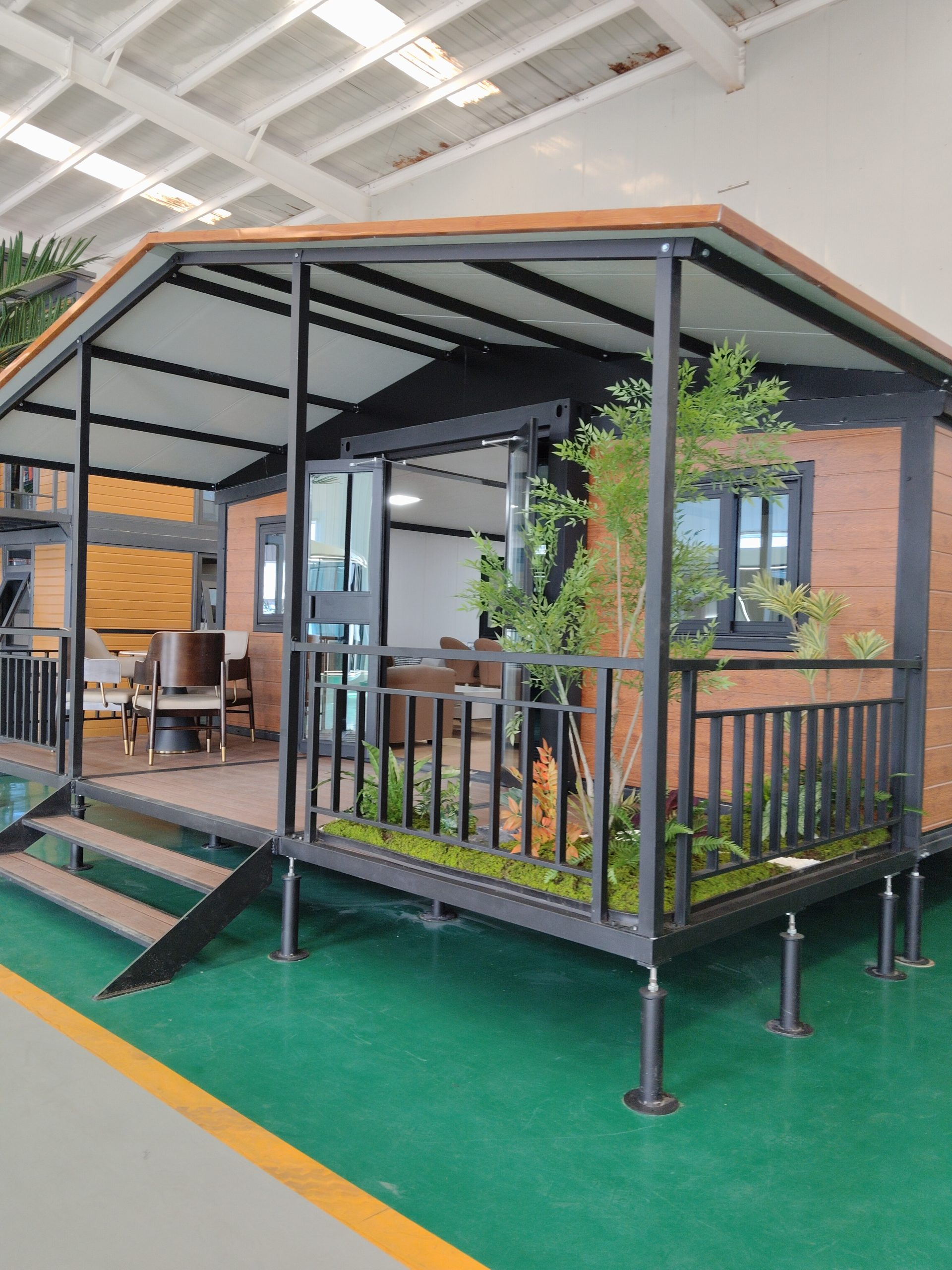 A container house with a terrace and double-wing folding design, suitable for various purposes such as offices, meeting rooms, living rooms, etc.
 -
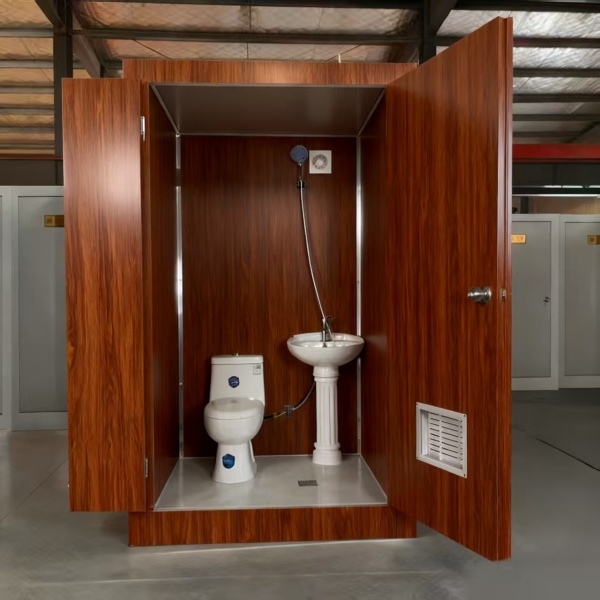 Portable outdoor camping bathroom, mobile toilet, prefabricated modular villa & rental of outdoor and indoor showers
 -
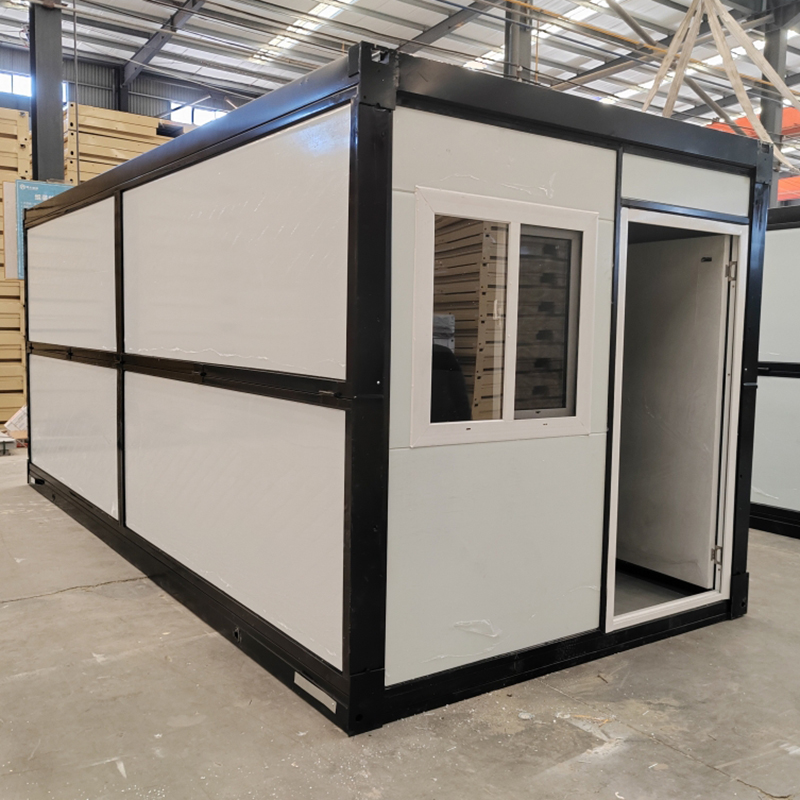 Detachable Design Prefabricated Container House Portable Modular Office Building Folding Container House
 -
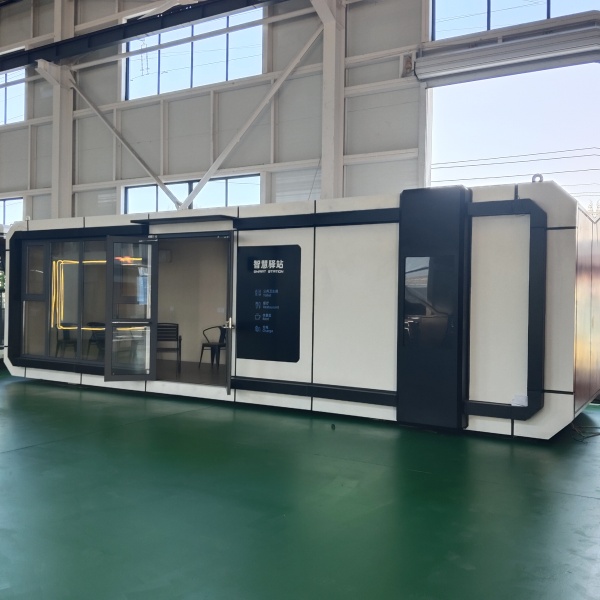 Modular modern movable apple cabins, customized high-end folk houses and portable bedrooms, delivered as a whole
 -
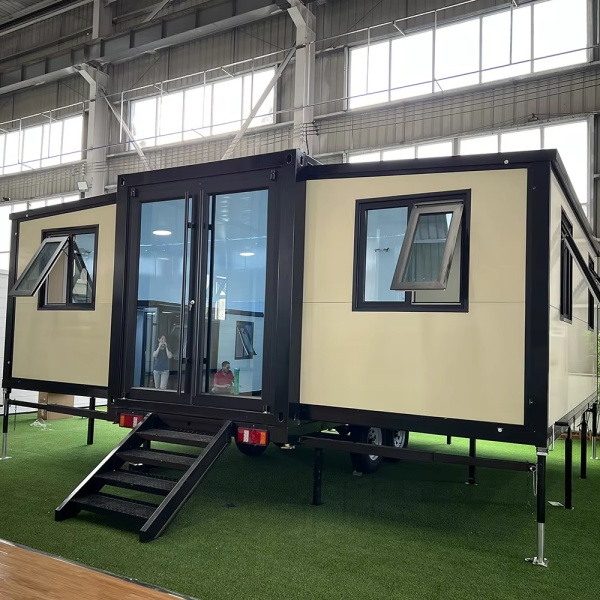 Stair Access Double Wing Expandable Container House | Easy Installation Mobile Office
 -
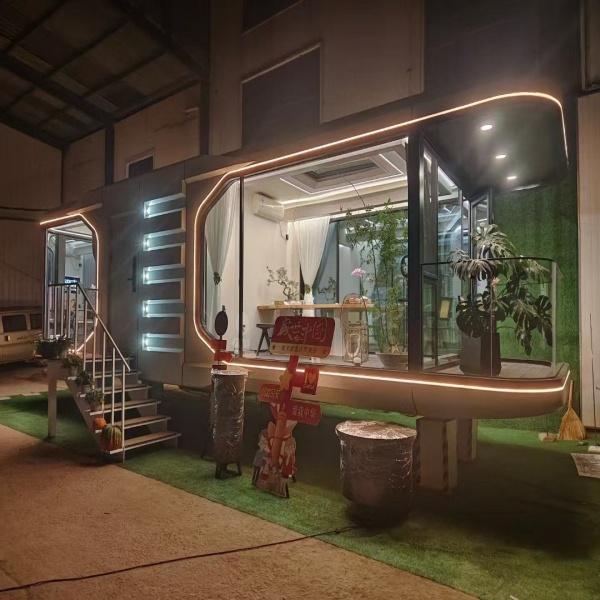 Outdoor ecological capsule rooms, luxury pods, space capsule hotel rooms, prefabricated space capsules, container houses
 -
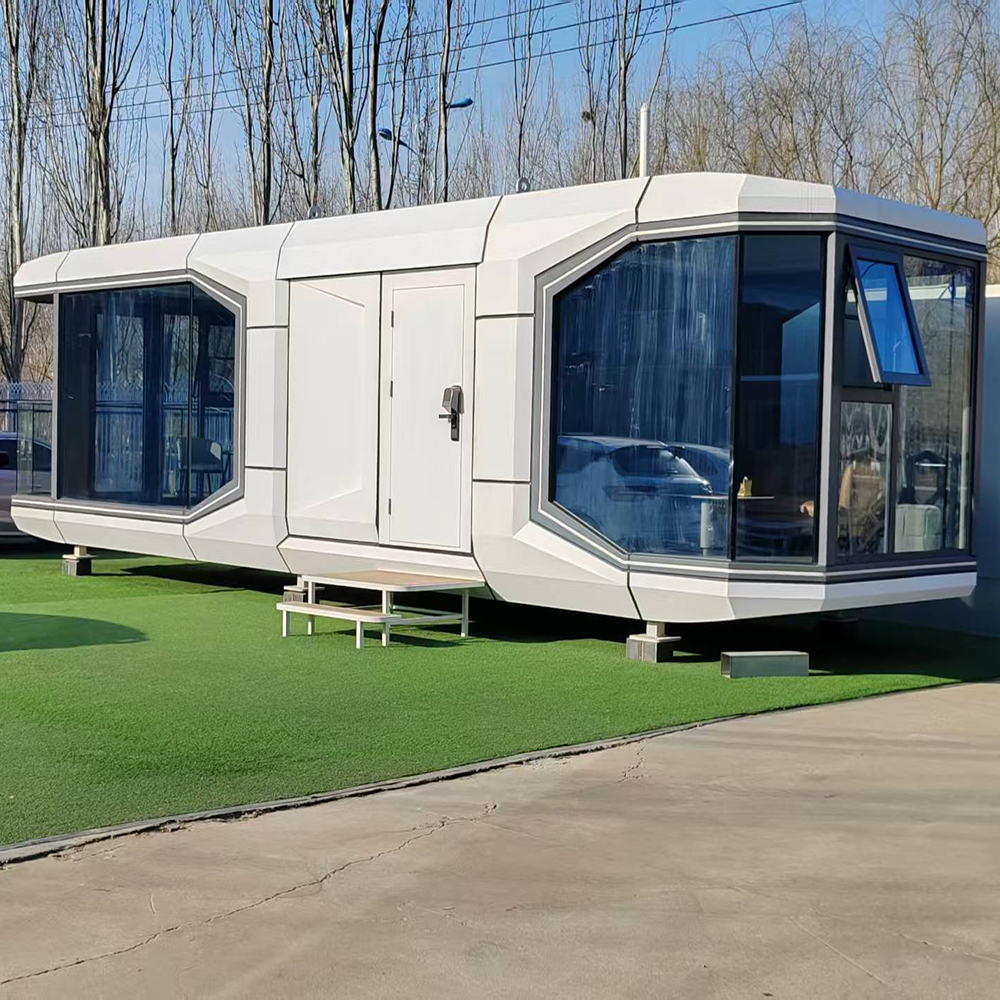 Luxury High Quality 2 Bedroom Container Home Prefabricated Steel Space Capsule for Office Shop Hotel or Outdoor House
 -
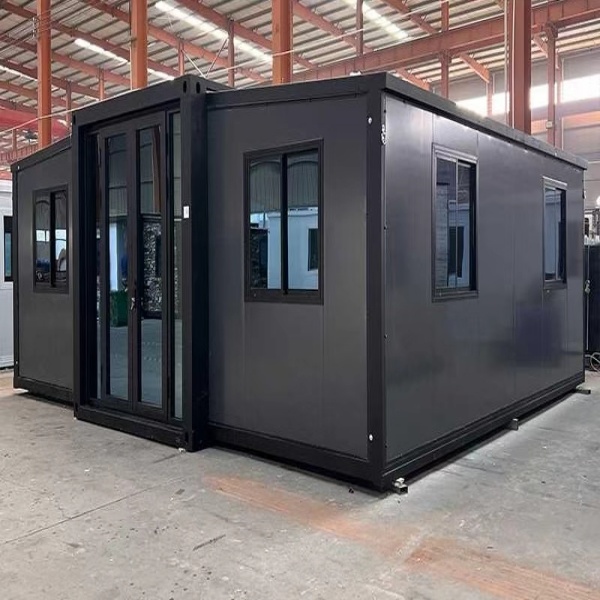 Dual-Wing Folding Container House: Fast Assembly, Space-Saving & Multi-Scene Adaptable
 -
Factory Direct Sales Office Folding Container Luxury House Living Container House
Related search
Related search- Buy prefab expandable house
- China fold up container house
- China fold out houses from boxabl
- container expandable house
- China capsule house commercial space
- pre built shipping container house
- foldable mobile container house
- expandable prefab house
- pre fab 2 bedroom prefab container house homes luxury
- China mobile folding house