
-
E-mail
Austin120521@outlook.com -
E-mail
sales@jujiuhouse.com -
Telephone
+86-17864099991 -
Telephone
+86-17854044442
- Chinese
- French
- German
- Portuguese
- Spanish
- Russian
- Japanese
- Korean
- Arabic
- Irish
- Greek
- Turkish
- Italian
- Danish
- Romanian
- Indonesian
- Czech
- Afrikaans
- Swedish
- Polish
- Basque
- Catalan
- Esperanto
- Hindi
- Lao
- Albanian
- Amharic
- Armenian
- Azerbaijani
- Belarusian
- Bengali
- Bosnian
- Bulgarian
- Cebuano
- Chichewa
- Corsican
- Croatian
- Dutch
- Estonian
- Filipino
- Finnish
- Frisian
- Galician
- Georgian
- Gujarati
- Haitian
- Hausa
- Hawaiian
- Hebrew
- Hmong
- Hungarian
- Icelandic
- Igbo
- Javanese
- Kannada
- Kazakh
- Khmer
- Kurdish
- Kyrgyz
- Latin
- Latvian
- Lithuanian
- Luxembou..
- Macedonian
- Malagasy
- Malay
- Malayalam
- Maltese
- Maori
- Marathi
- Mongolian
- Burmese
- Nepali
- Norwegian
- Pashto
- Persian
- Punjabi
- Serbian
- Sesotho
- Sinhala
- Slovak
- Slovenian
- Somali
- Samoan
- Scots Gaelic
- Shona
- Sindhi
- Sundanese
- Swahili
- Tajik
- Tamil
- Telugu
- Thai
- Ukrainian
- Urdu
- Uzbek
- Vietnamese
- Welsh
- Xhosa
- Yiddish
- Yoruba
- Zulu
- Kinyarwanda
- Tatar
- Oriya
- Turkmen
- Uyghur




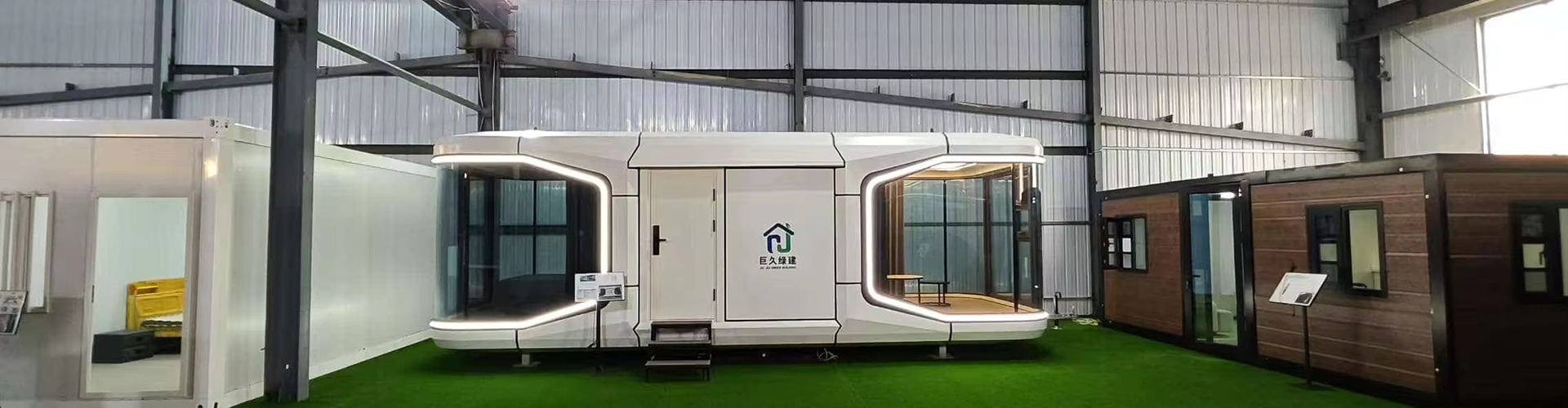
Buy prefabricated house container
Why Buy a Prefabricated House Container?
Considering a prefabricated house container might initially seem unconventional to some, yet it’s a trend gaining momentum in modern housing solutions. These structures offer flexibility, affordability, and sustainability – but there are nuances to understand before making a decision.
Understanding Prefabricated House Containers
Let's break down what a prefabricated house container truly entails. Essentially, these are shipping containers that have been repurposed as living spaces. They are a part of a growing industry that includes innovative companies like SHANDONG JUJIU INTEGRATED HOUSING CO, LTD. Their website, jujiuhouse.com, showcases a variety of designs that challenge traditional housing norms.
One of the common misconceptions is that these containers are just a short-term solution. Indeed, container homes can be permanent residences with proper insulation, infrastructure, and a creative eye. It's important to recognize the potential within these modular structures for lasting habitation.
A crucial element is customization. The ability to modify and stack containers allows for innovative spatial dynamics. Just a few containers can transform into a contemporary home, office space, or studio. From personal experience, I've found that collaboration with skilled designers can dramatically elevate these spaces.
The Pros and Cons
While there are significant advantages, like reduced construction time and costs, potential buyers should be wary of regulatory requirements. Different regions have varying zoning laws that can affect installation.
Moreover, considerations about climate are pertinent. Proper insulation is essential for both heat and sound damping, something companies like SHANDONG JUJIU INTEGRATED HOUSING CO, LTD focus on. Their insights into local climates during the design phase often make a significant impact.
Another factor is material durability. Shipping containers are built to withstand tough conditions – a boon for long-term use, but remember, rust prevention and maintenance are vital aspects to ensure longevity.
Real-Life Applications and Examples
I've seen fascinating uses of these structures beyond mere residential purposes. Think pop-up shops, artist galleries, and even community centers. Each project reflects unique architectural creativity and problem-solving.
Take a look at urban areas where space is at a premium. Container homes are used efficiently in such environments, maximizing living space in minimal areas. I recall a project where students utilized containers for temporary dormitories, minimizing costs effectively.
Even eco-conscious individuals gravitate towards these homes. The focus on recycling and repurposing aligns well with sustainable living goals. A friend once mentioned transitioning to a container home just to lower their carbon footprint.
Potential Challenges
Despite their appeal, not everything is straightforward. Transporting and installing the container can present logistical challenges. Often overlooked, road accessibility to the chosen site might require adaptations.
Additionally, there's the challenge of integrating utilities. While prefab companies offer solutions, there are unique considerations based on location and climate. Collaborating with a knowledgeable contractor can help identify the best approach.
On a personal project, we found that water drainage systems required careful planning. It's not just about placing the container but considering how it interacts with the surrounding environment.
The Future of Container Living
Looking forward, the scope for prefabricated housing continues to grow. From disaster relief solutions to affordable housing in urban settings, the potential is immense. Companies like SHANDONG JUJIU INTEGRATED HOUSING CO, LTD are at the forefront, demonstrating innovation and sustainability.
As I see it, the appeal of container homes will only increase. With the world's growing population and the need for environmentally friendly solutions, this housing method offers promise. The key is balancing innovation with practicality.
Ultimately, buying a prefabricated house container requires thoughtful consideration and planning, but the rewards can be substantial. Those willing to venture into this non-traditional housing realm often find it uniquely fulfilling.
Related products
Related products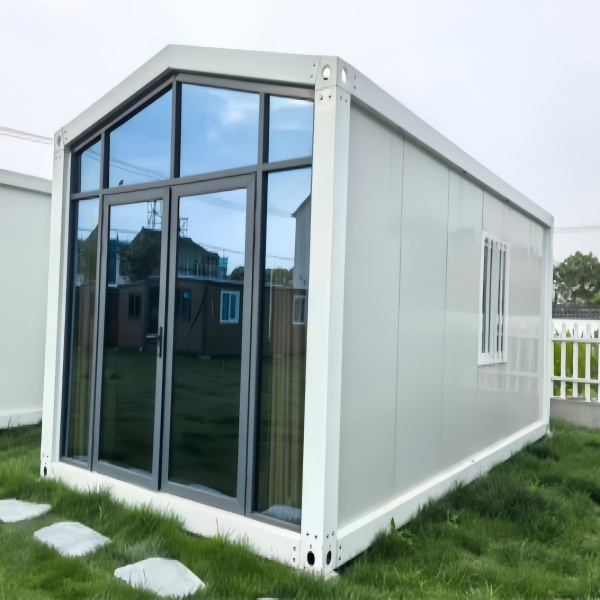
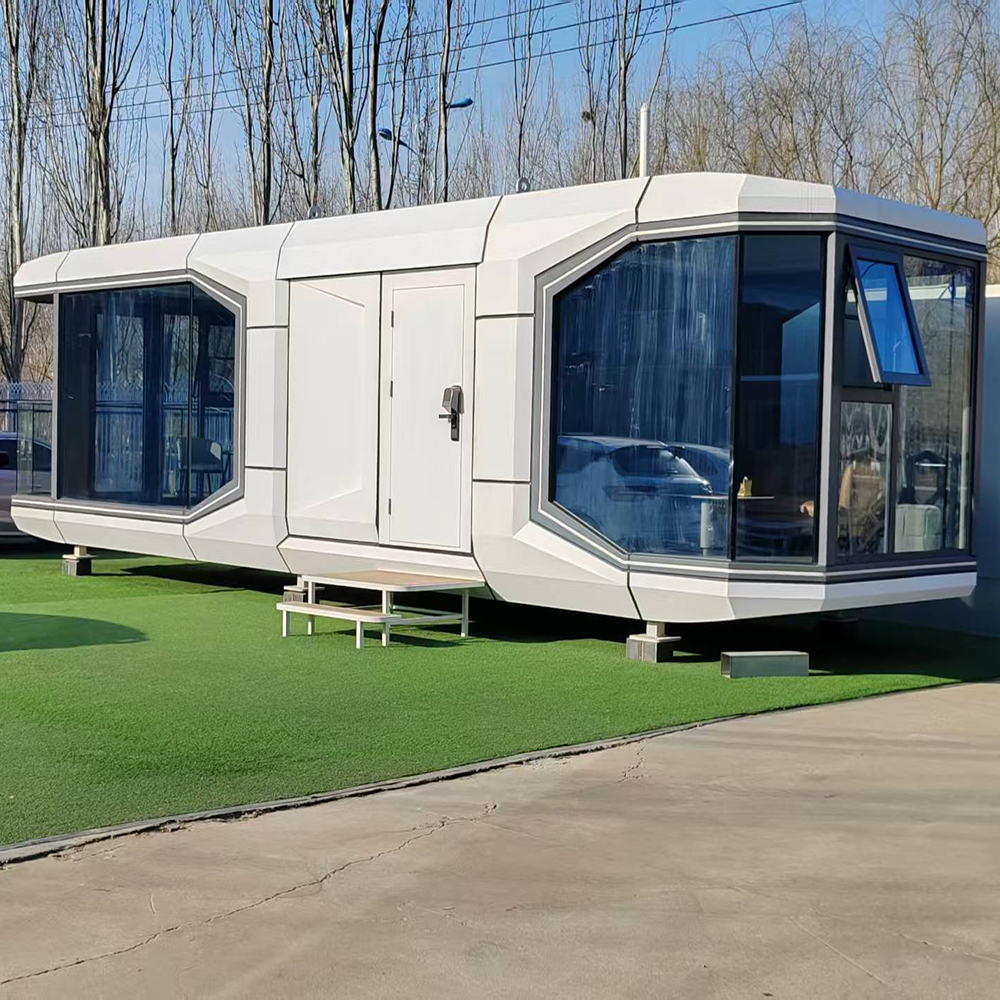
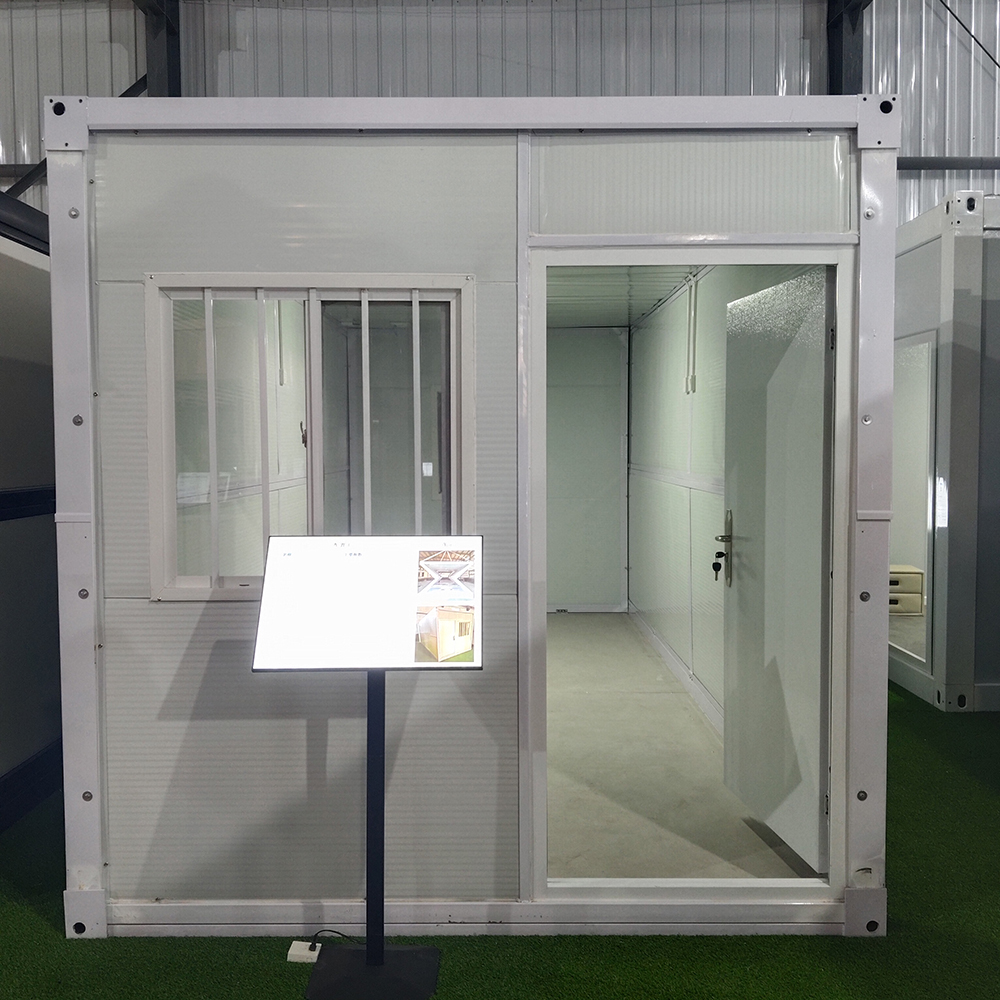
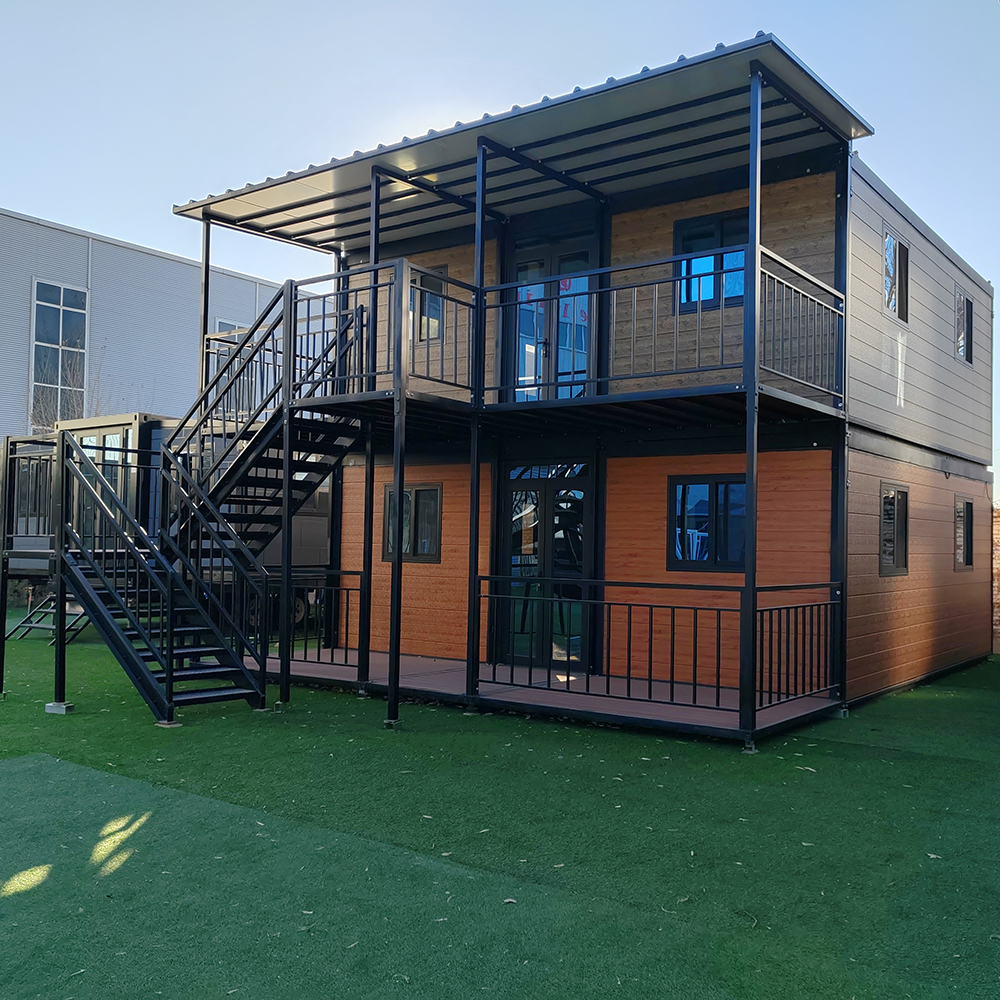
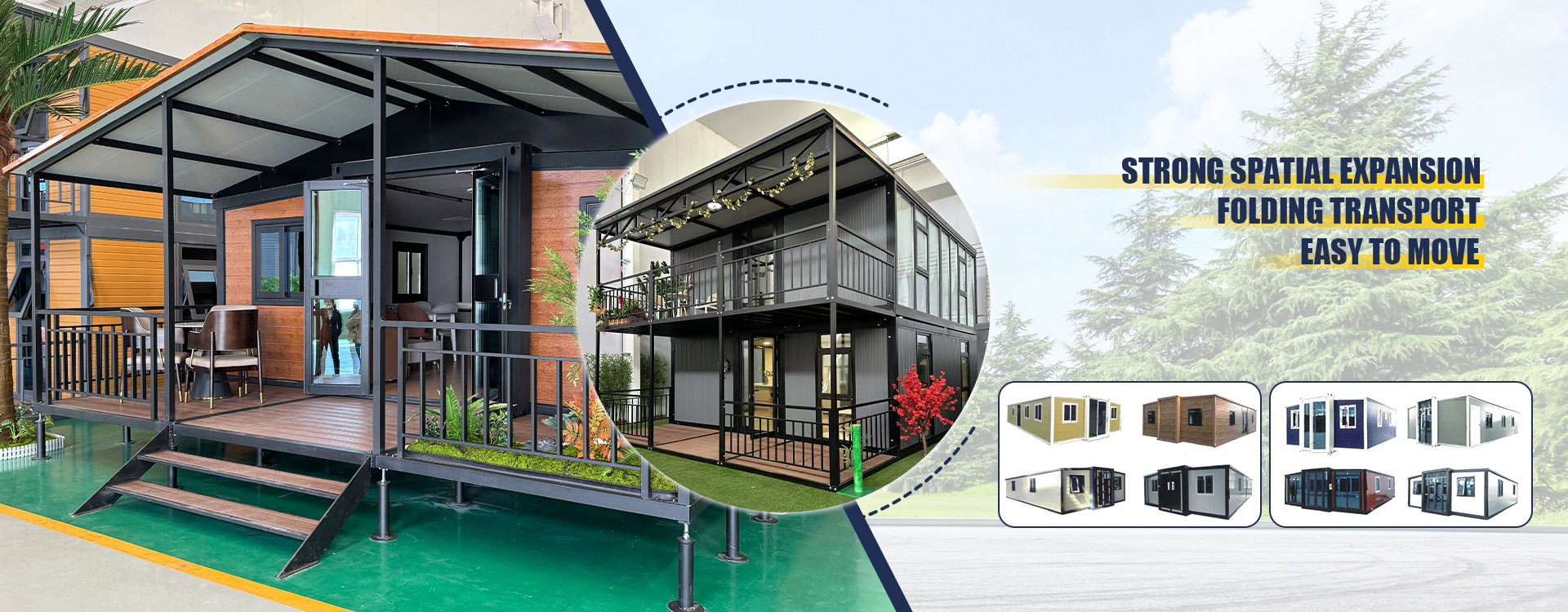
Best selling products
Best selling products-
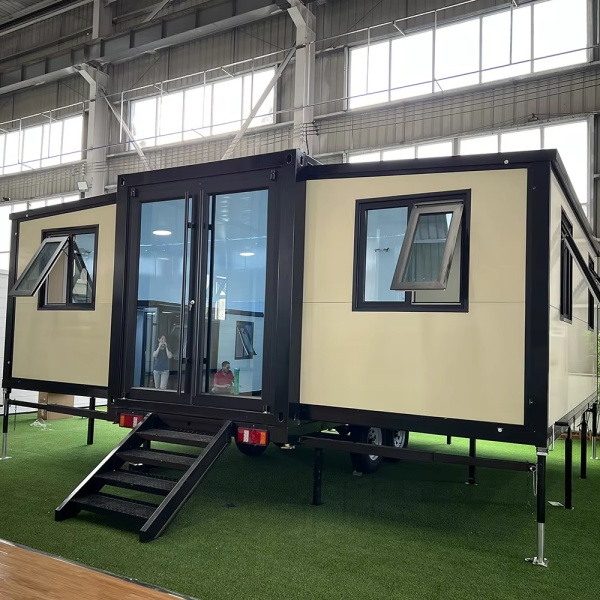 Stair Access Double Wing Expandable Container House | Easy Installation Mobile Office
 -
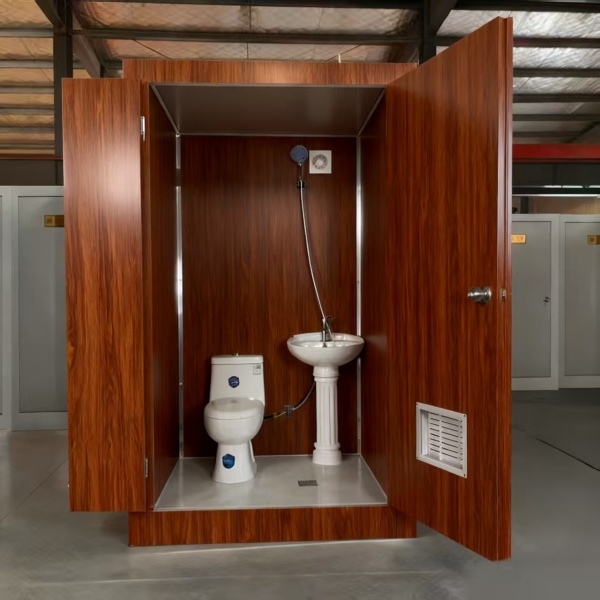 Portable outdoor camping bathroom, mobile toilet, prefabricated modular villa & rental of outdoor and indoor showers
 -
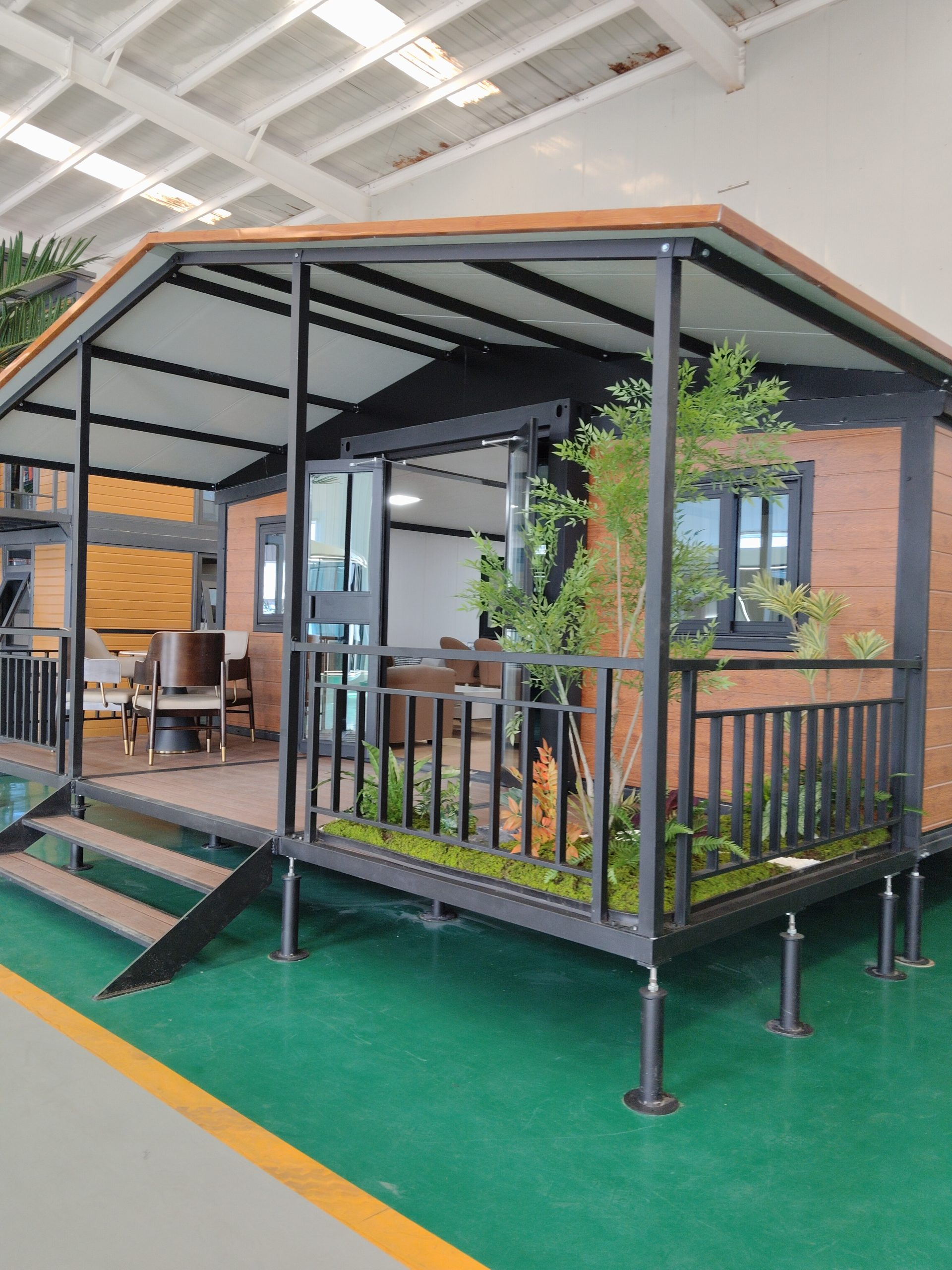 A container house with a terrace and double-wing folding design, suitable for various purposes such as offices, meeting rooms, living rooms, etc.
 -
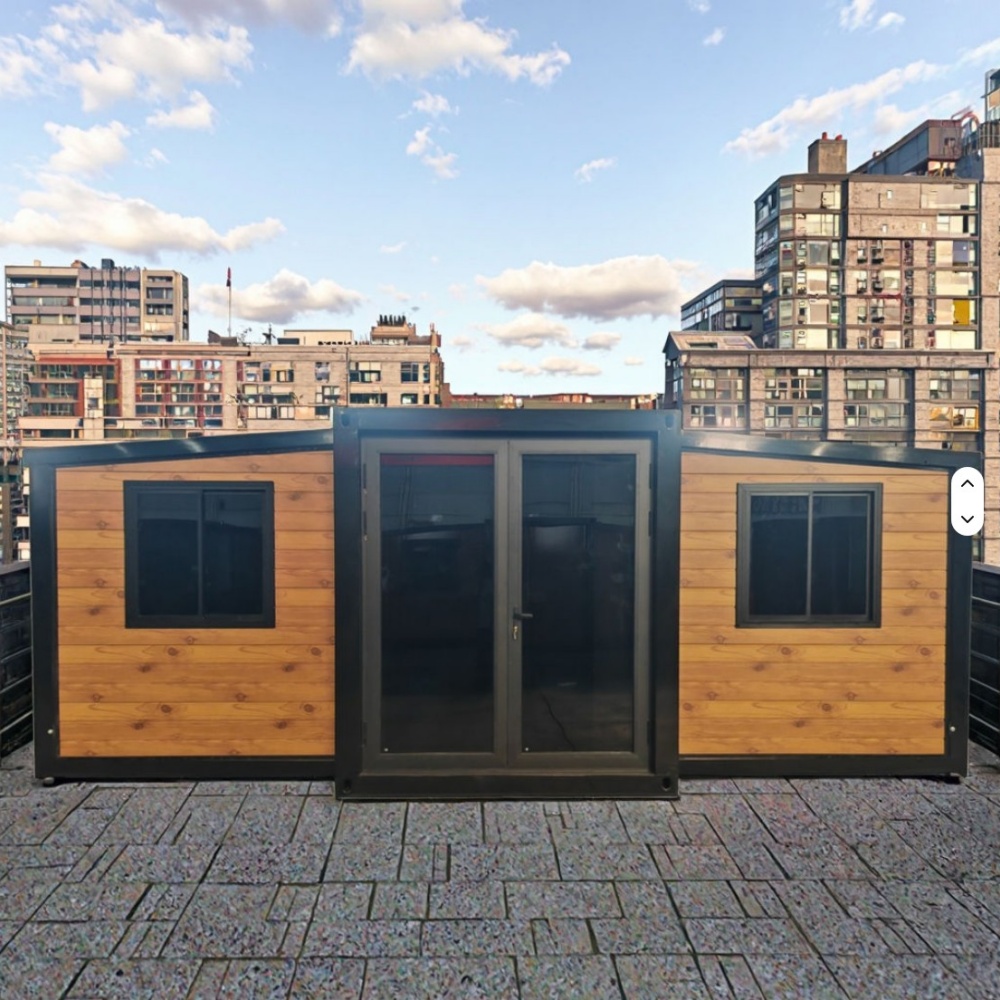 Customized Two Wing Folding Expandable Container House
 -
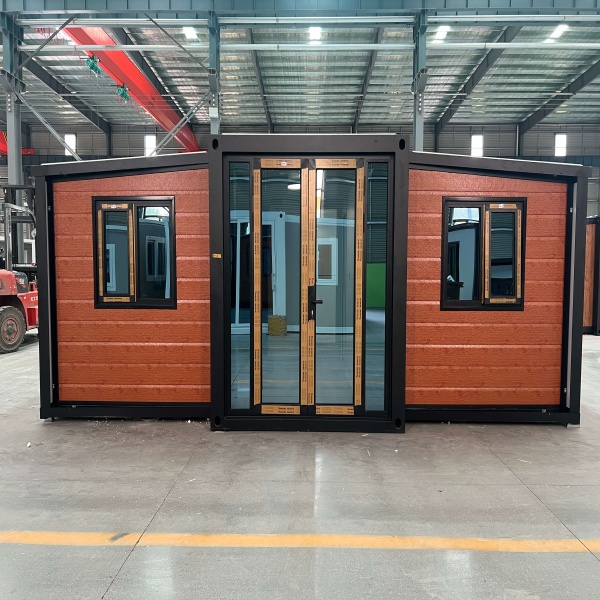 High-quality Double-wing Folding Container House with Doors and Windows, Insulated Walls, Suitable for Various Scenarios.
 -
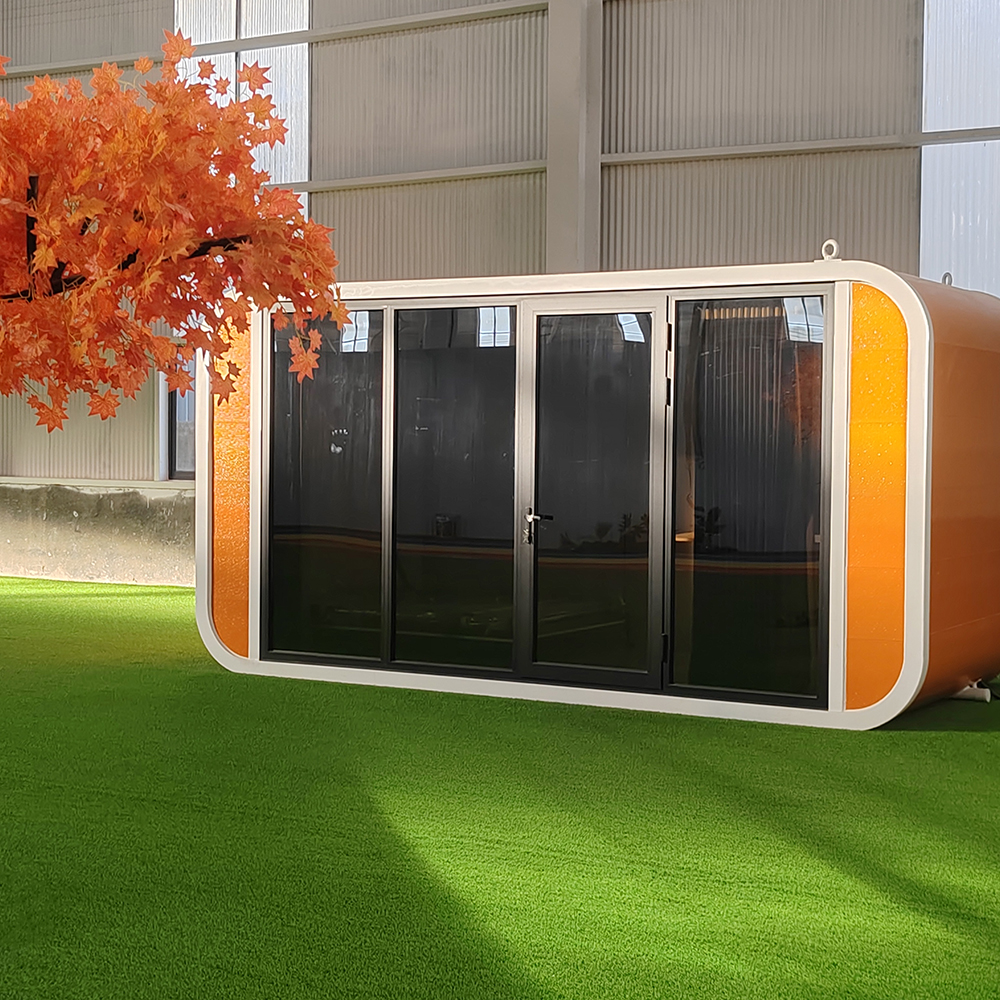 Luxury Prefabricated Living Container House Modular Glass Tiny House Prefab Container Home Apple Cabin
 -
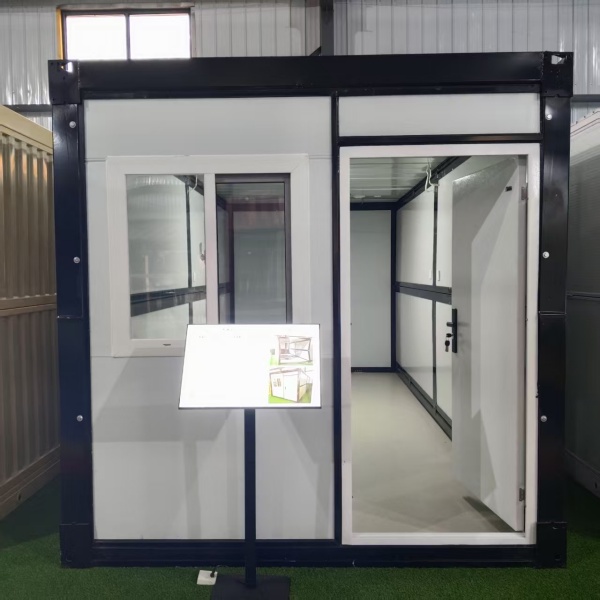 Factory Direct Sales Office Folding Container Luxury House Living Container House
 -
 Luxury Foldable Two Story Container House for Glamping Resort and Villa Hotel
 -
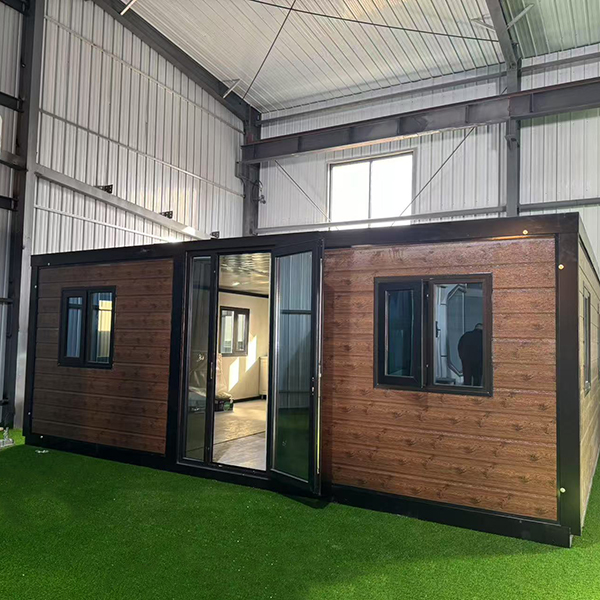 Good Quality Modular Homes Prefabricated House Expandable Container House 20FT Mobile Flat Roof House
 -
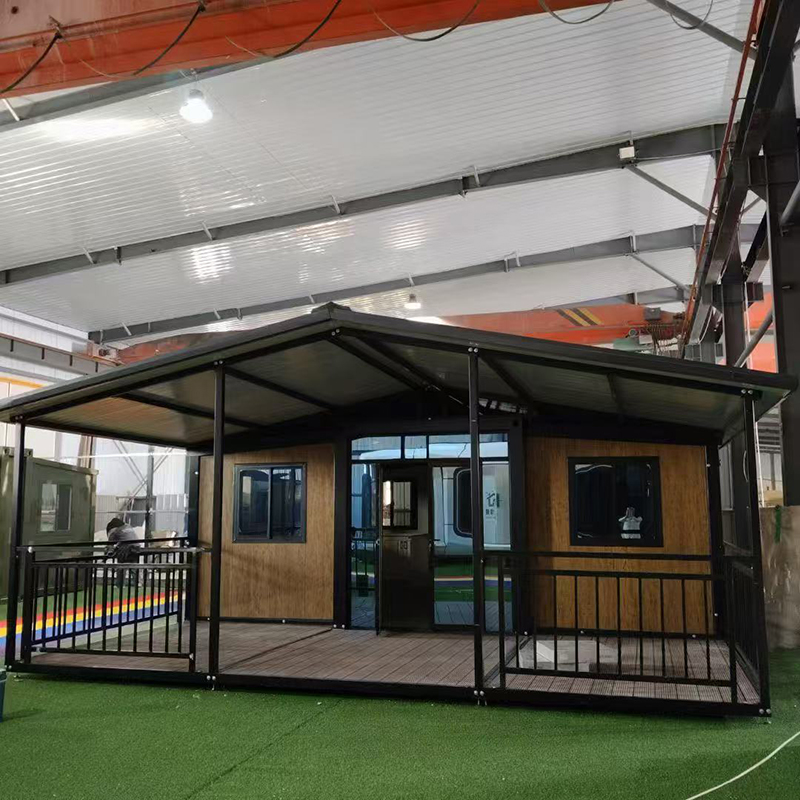 Customized Expandable Container House Holiday Home Folding Prefab Container House with Bathroom and Kitchen
 -
Hot-selling foldable container houses, expandable prefabricated houses, suitable for office or living use, with fast delivery.
-
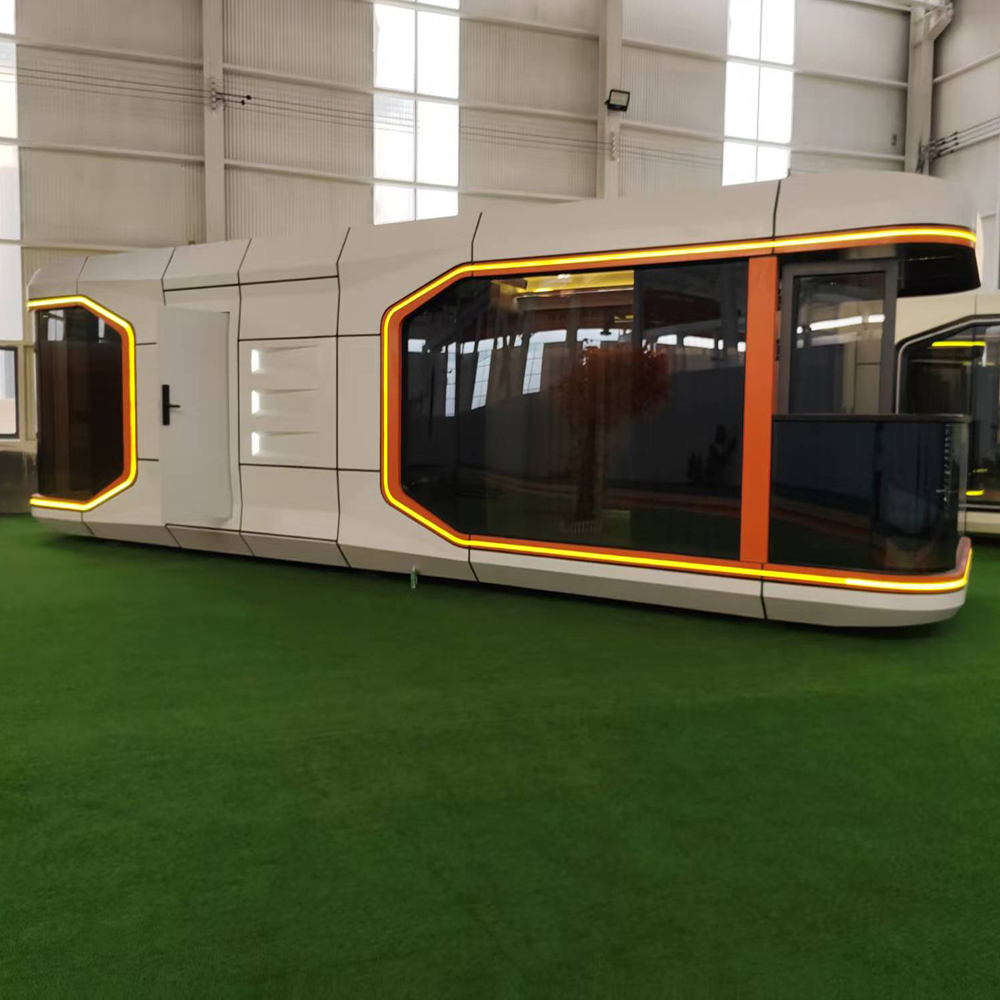 Standard Modern Camping Pod Space Prefabricated Portable Mobile Capsule Room Hotel Bathroom Prefabricated Spaceship House
Related search
Related search- fold out homes for sale
- Double-wing Folding Container House,Quick Assembly Container,IPX5 Waterproof House
- Buy fold out shipping container homes
- folding house container
- prefabricated expandable container house
- China portable homes that fold out
- China apple cabin 40ft capsule
- Buy wholesale 40 foot container house prefabricated
- fold out houses from boxabl
- folding prefabricated house