
-
E-mail
Austin120521@outlook.com -
E-mail
sales@jujiuhouse.com -
Telephone
+86-17864099991 -
Telephone
+86-17854044442
- Chinese
- French
- German
- Portuguese
- Spanish
- Russian
- Japanese
- Korean
- Arabic
- Irish
- Greek
- Turkish
- Italian
- Danish
- Romanian
- Indonesian
- Czech
- Afrikaans
- Swedish
- Polish
- Basque
- Catalan
- Esperanto
- Hindi
- Lao
- Albanian
- Amharic
- Armenian
- Azerbaijani
- Belarusian
- Bengali
- Bosnian
- Bulgarian
- Cebuano
- Chichewa
- Corsican
- Croatian
- Dutch
- Estonian
- Filipino
- Finnish
- Frisian
- Galician
- Georgian
- Gujarati
- Haitian
- Hausa
- Hawaiian
- Hebrew
- Hmong
- Hungarian
- Icelandic
- Igbo
- Javanese
- Kannada
- Kazakh
- Khmer
- Kurdish
- Kyrgyz
- Latin
- Latvian
- Lithuanian
- Luxembou..
- Macedonian
- Malagasy
- Malay
- Malayalam
- Maltese
- Maori
- Marathi
- Mongolian
- Burmese
- Nepali
- Norwegian
- Pashto
- Persian
- Punjabi
- Serbian
- Sesotho
- Sinhala
- Slovak
- Slovenian
- Somali
- Samoan
- Scots Gaelic
- Shona
- Sindhi
- Sundanese
- Swahili
- Tajik
- Tamil
- Telugu
- Thai
- Ukrainian
- Urdu
- Uzbek
- Vietnamese
- Welsh
- Xhosa
- Yiddish
- Yoruba
- Zulu
- Kinyarwanda
- Tatar
- Oriya
- Turkmen
- Uyghur




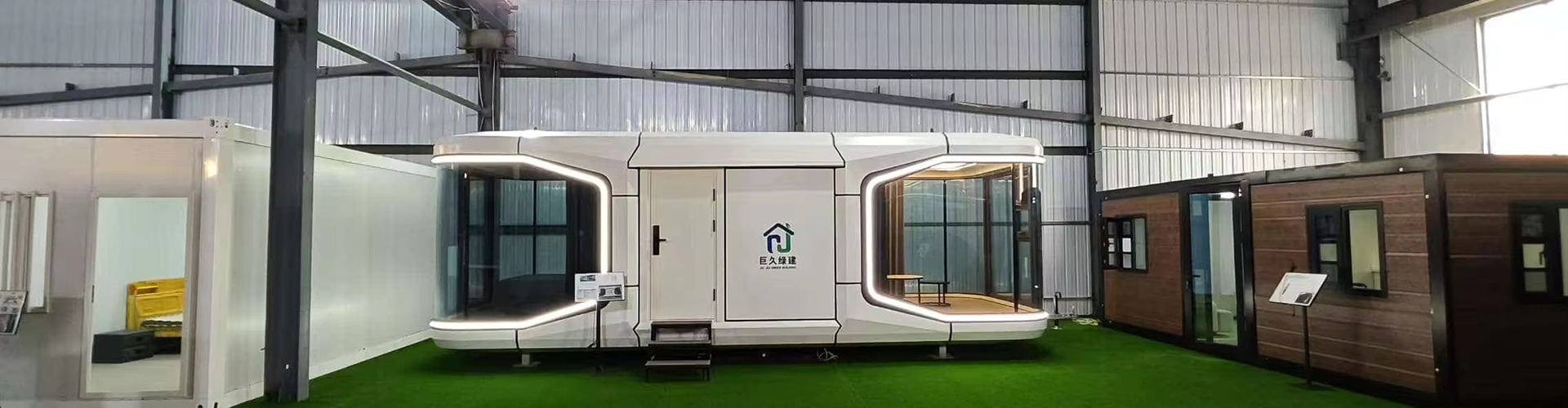
Buy small folding house
Embracing the Future: Buy Small Folding Houses
The concept of purchasing a small folding house is no longer a mere novelty; it’s becoming a prudent choice for many. Yet, when you dive into this market, you might encounter some prevalent misconceptions. Let’s address these, and I’ll share insights from someone who’s been part of this journey, both the highs and the lows.
Understanding the Market
First off, it’s essential to grasp the actual needs this housing solution fulfills. People often think these homes are merely temporary or substandard. However, in many cases, companies like Shandong Jujiu Integrated Housing Co., Ltd. design these houses with long-term use in mind. I’ve witnessed these structures withstand diverse weather conditions, proving their resilience.
It’s also interesting how the market has evolved. Originally, many believed that such homes were only suitable for remote work sites or temporary events. However, today’s folding houses offer elegant, sustainable, and practical living environments for urban and rural settings alike. That’s a significant shift from five years ago when the perception was predominantly utilitarian.
You might wonder what governs the pricing spectrum in this domain. It varies significantly based on materials, size, and customization options, which can range from basic models to lavish small villas. Shandong Jujiu Integrated Housing excels in offering a wide spectrum that tailors to diverse needs and budgets, ensuring there’s something for everyone.
The Transition to Integrated Homes
When considering a purchase, one crucial element is to ensure that you’re buying from a trusted manufacturer. Companies such as Shandong Jujiu Integrated Housing Co., Ltd., don’t just sell a product; they offer a complete package that encompasses design, assembly, and even post-installation support. I’ve observed firsthand how this holistic approach benefits homeowners.
There was an interesting case where a client sought a compact but luxurious living space. Initially skeptical, they opted for a customized unit from Jujiu, which incorporated smart home technology and eco-friendly materials. The end result not only met their expectations but exceeded them, offering a well-integrated lifestyle solution.
Buyer education is crucial here. While integrated homes bring a modern twist to traditional architecture, understanding what’s feasible within your locale, such as zoning laws or climate conditions, is indispensable. It ensures your choice aligns with personal aspirations and regulatory frameworks.
Navigating the Buying Process
The buying process for a small folding house might seem daunting at first glance. It’s more than a monetary transaction; it’s a commitment to a new way of living. One piece of advice I often share is to start with defining your priorities. What do you want from your living space? Flexibility? Mobility? Sustainability? Shandong Jujiu Integrated Housing segments its offerings precisely to cater to varied requirements.
Engaging with professionals early in the decision-making process can be a game-changer. For example, their design team can provide digital walkthroughs that let you visualize the end product before any commitment. Such tools diminish uncertainties and help in making informed decisions.
However, remain prepared for potential hiccups. Delivery timelines, installation logistics, and finishing details can sometimes deviate from plans. Patience combined with proactive communication can alleviate these frustrations, ensuring you end up with a space that’s worth the effort.
The Role of Technology and Innovation
In recent years, technology has revolutionized how these homes are constructed and function. Advances in prefabrication techniques allow for higher precision and reduced waste, leading to more sustainable practices. Shandong Jujiu’s emphasis on research and development has kept them at the forefront, offering innovations that weren’t conceivable a decade ago.
You might encounter terms like ‘smart integration’ and ‘home automation’ frequently. Although initially overwhelming, these features can significantly enhance living comfort and energy efficiency. I recall a client who integrated solar panels and automated climate control into their new unit. Not only did it lower energy bills, but it also offered a self-sustaining lifestyle.
Still, it’s essential to balance innovation with practicality. While cutting-edge technology can enhance allure, ensure it aligns with daily needs and doesn’t lead to unnecessary complications. After all, the goal is to create a space that’s equally functional and futuristic.
The Future of Small Folding Houses
Looking ahead, the trajectory for small folding houses seems promising. With increasing urban density and a growing demand for sustainable living, these homes present a viable solution. Companies like Shandong Jujiu continue to innovate, pushing boundaries in design and functionality.
One key takeaway from the industry’s evolution is that these aren’t transient novelties. They represent a shift towards more flexible and eco-conscious living arrangements. Whether for personal use or investment, they stand as testament to a changing landscape in residential construction.
If you’re contemplating diving into this world, ground your decisions in thorough research and dialogue with experts. A small folding house isn’t merely a structure; it’s an embodiment of a lifestyle philosophy where less is indeed more, and adaptability reigns supreme.
Related products
Related products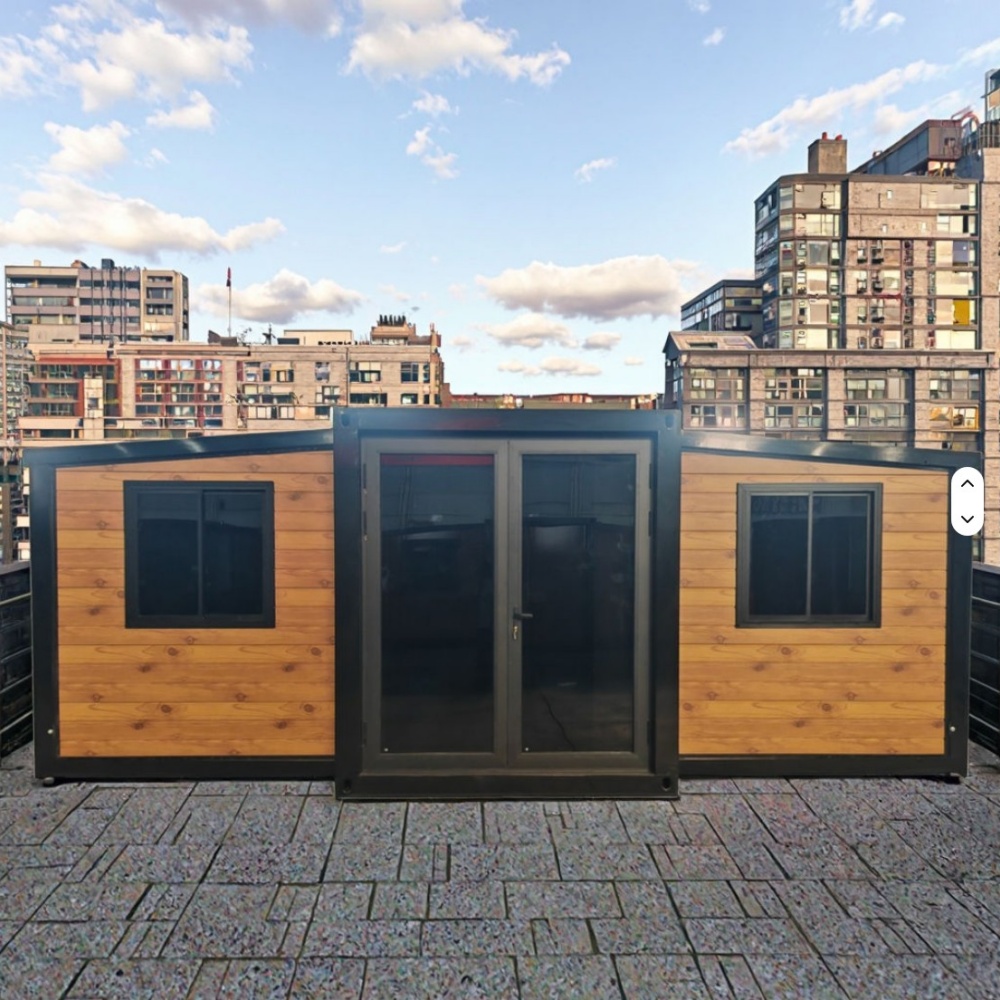
Best selling products
Best selling products-
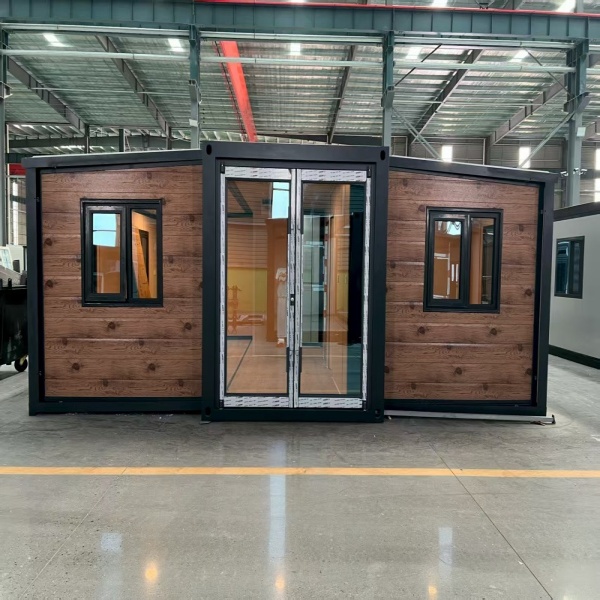 The foldable container house with side wing design can be quickly set up and is suitable for various environments.
 -
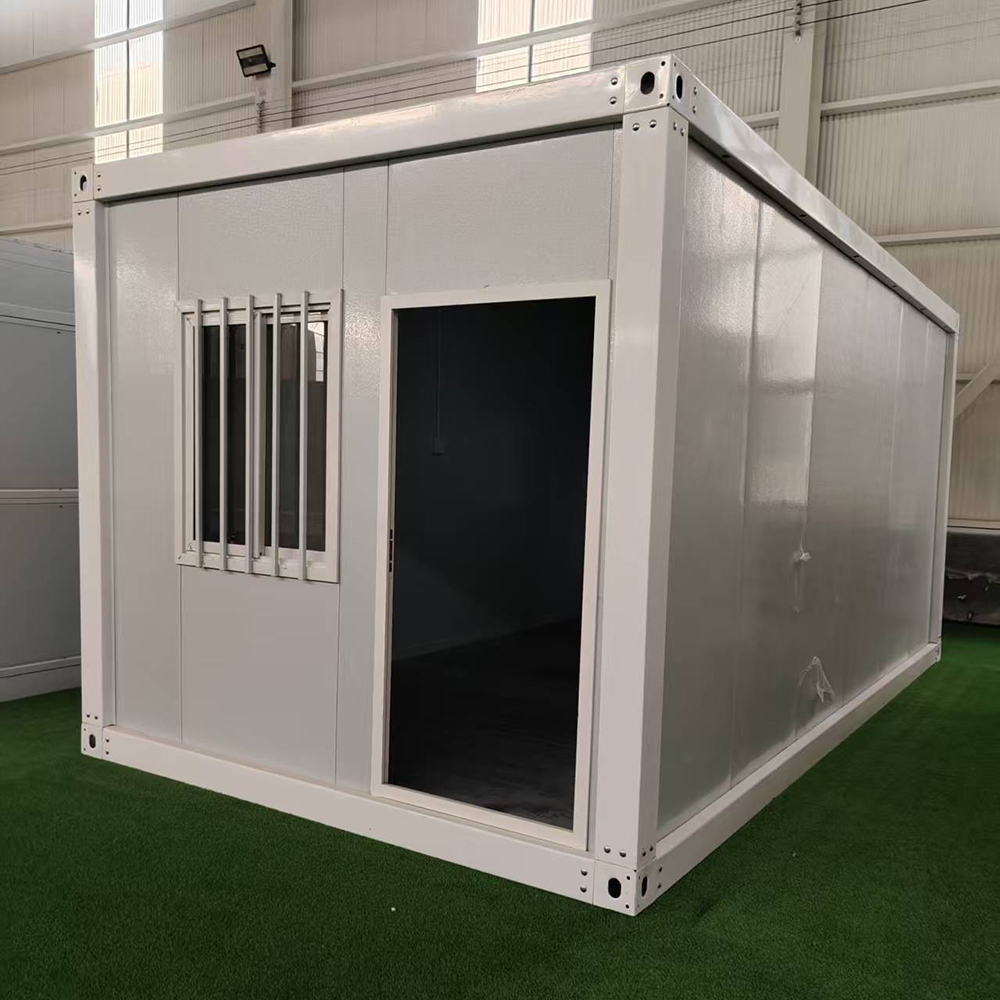 Folding Container Moving House Modular Office Container House Prefab Container for Outdoor Use
 -
 Luxury Foldable Two Story Container House for Glamping Resort and Villa Hotel
 -
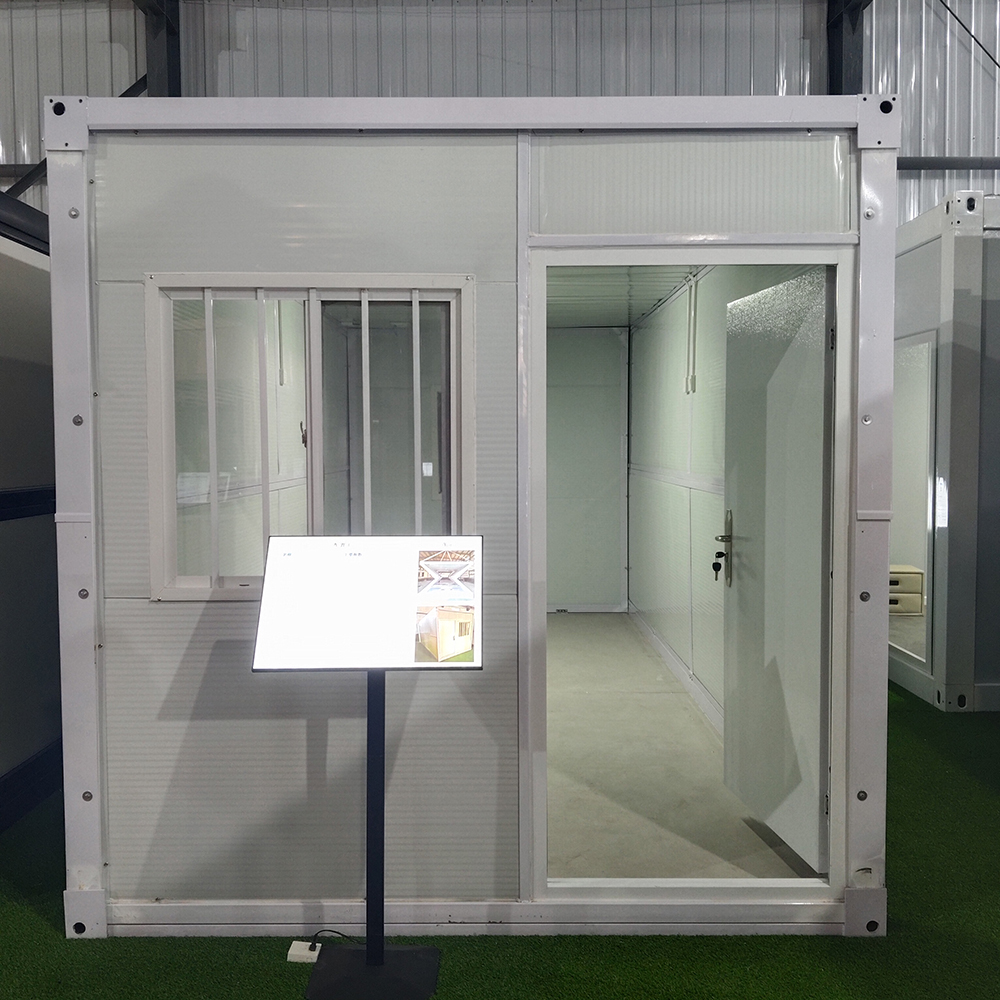 Reasonable Price 1 Bedroom Modular Container House Folding Container Home for Villa or Apartment Use
 -
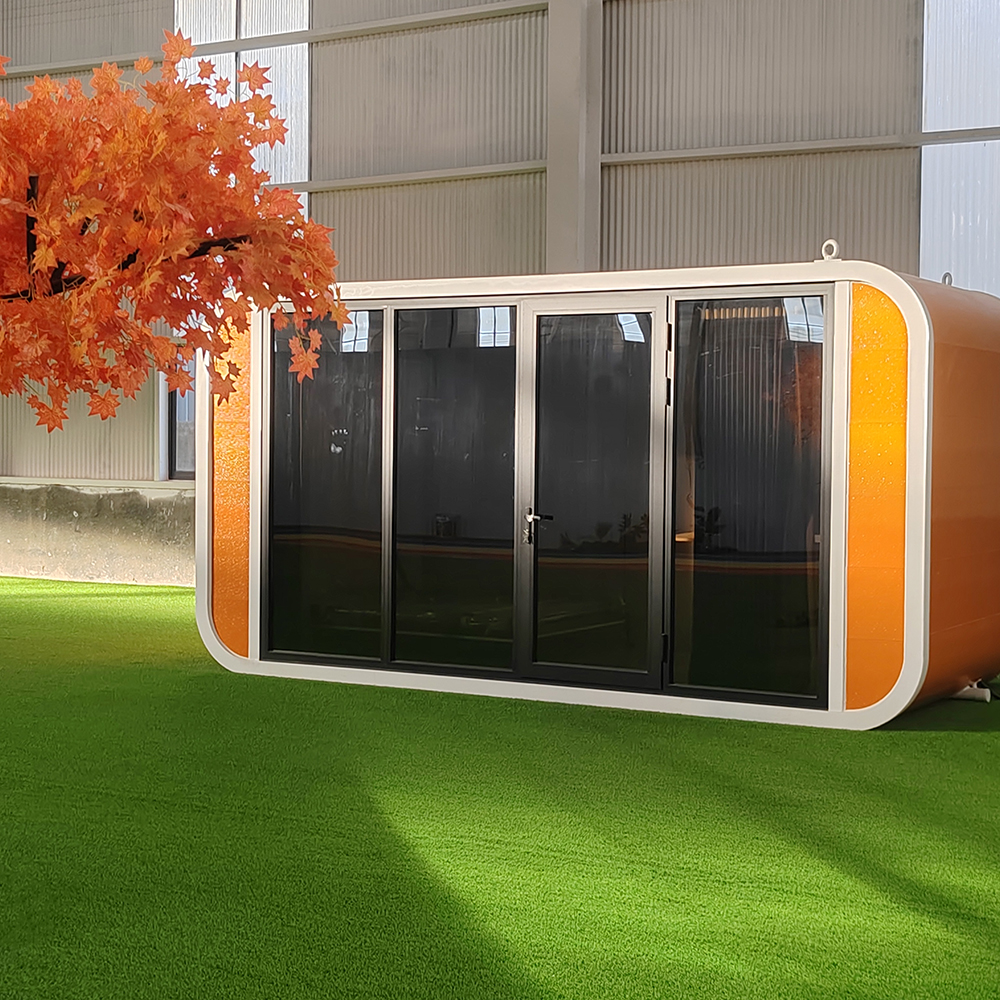 Luxury Prefabricated Living Container House Modular Glass Tiny House Prefab Container Home Apple Cabin
 -
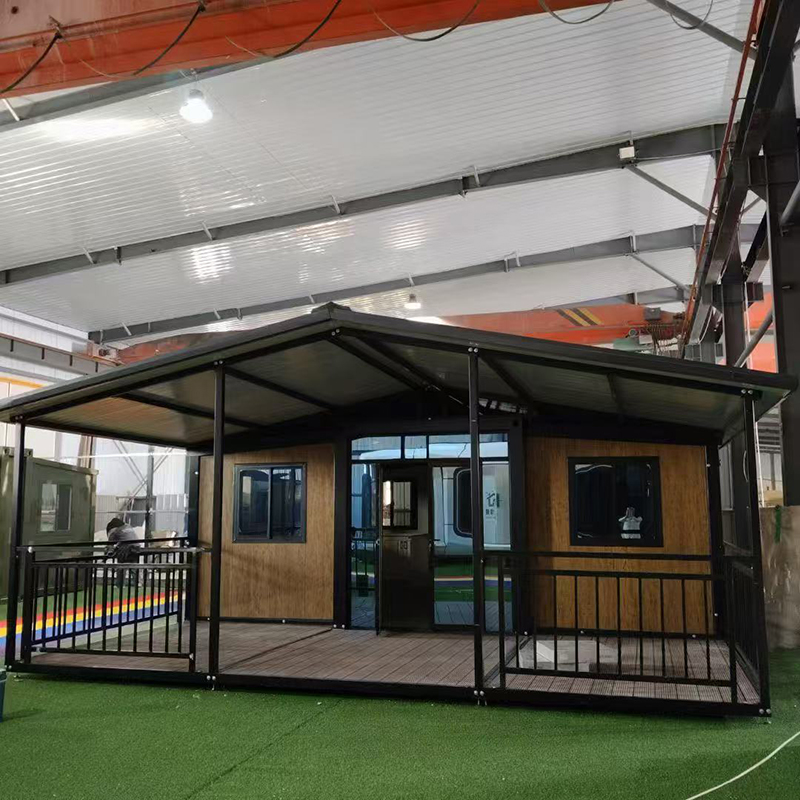
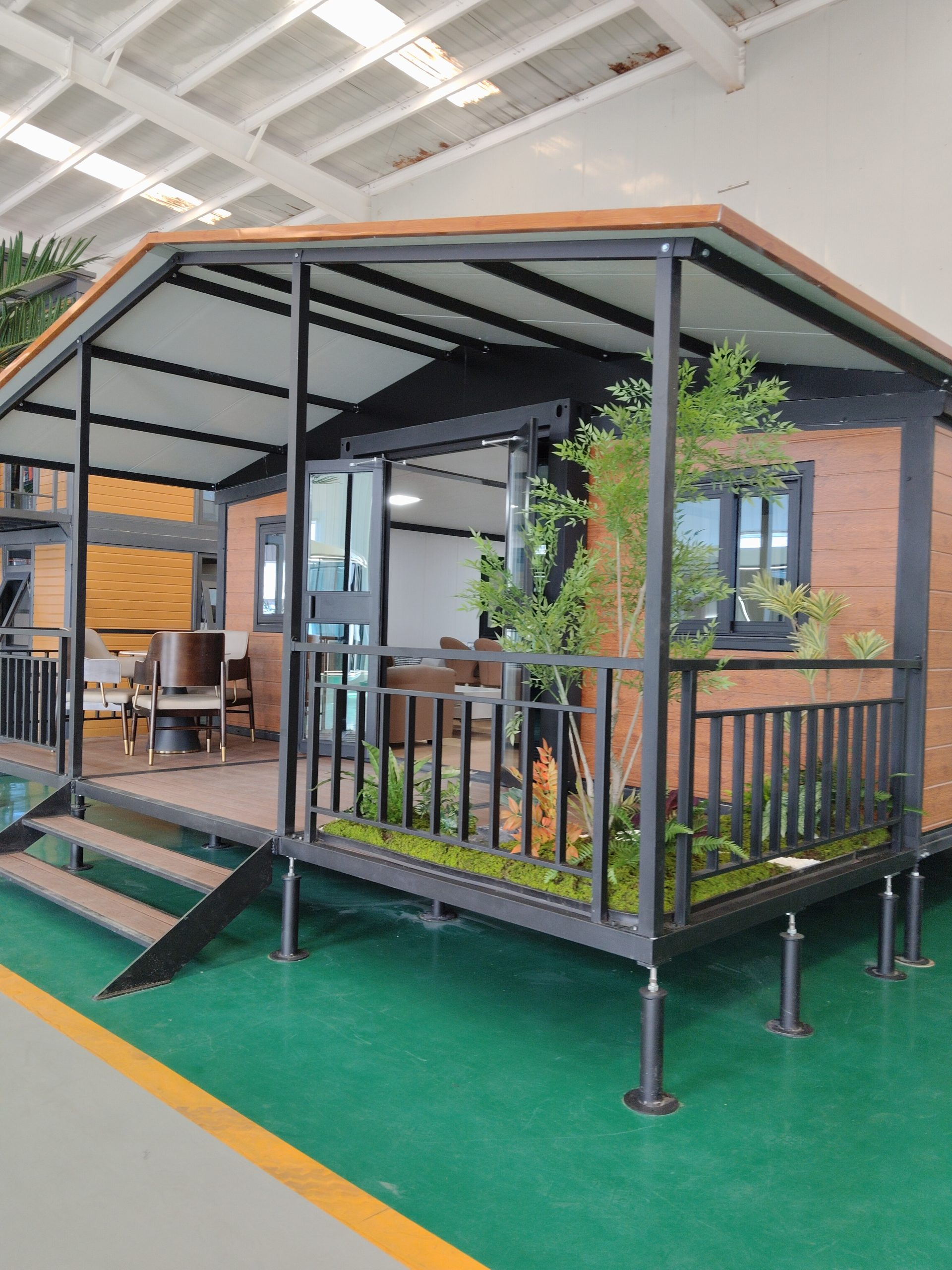 A container house with a terrace and double-wing folding design, suitable for various purposes such as offices, meeting rooms, living rooms, etc.
 -
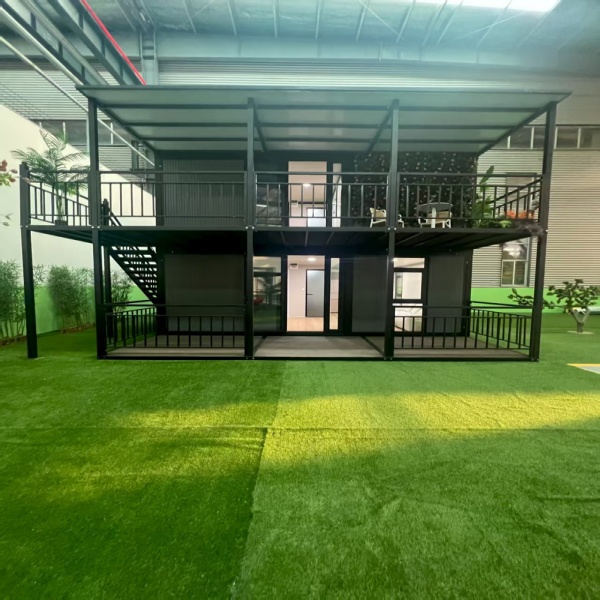 Luxury foldable two-story container houses in luxury resort hotels and villa hotels
 -
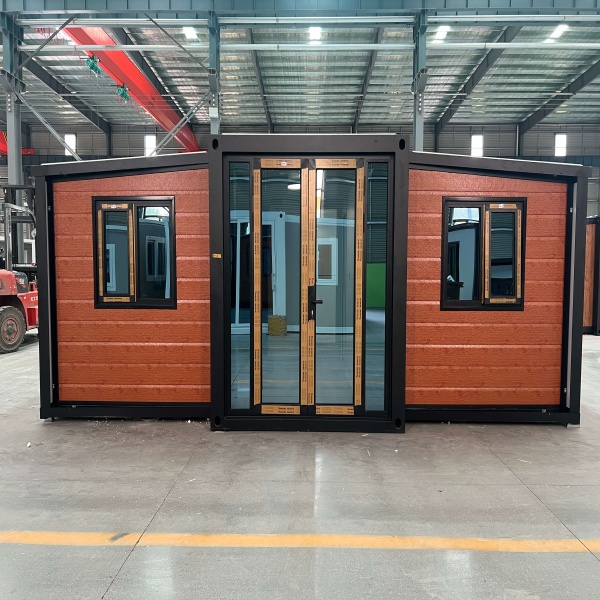 High-quality Double-wing Folding Container House with Doors and Windows, Insulated Walls, Suitable for Various Scenarios.
 -
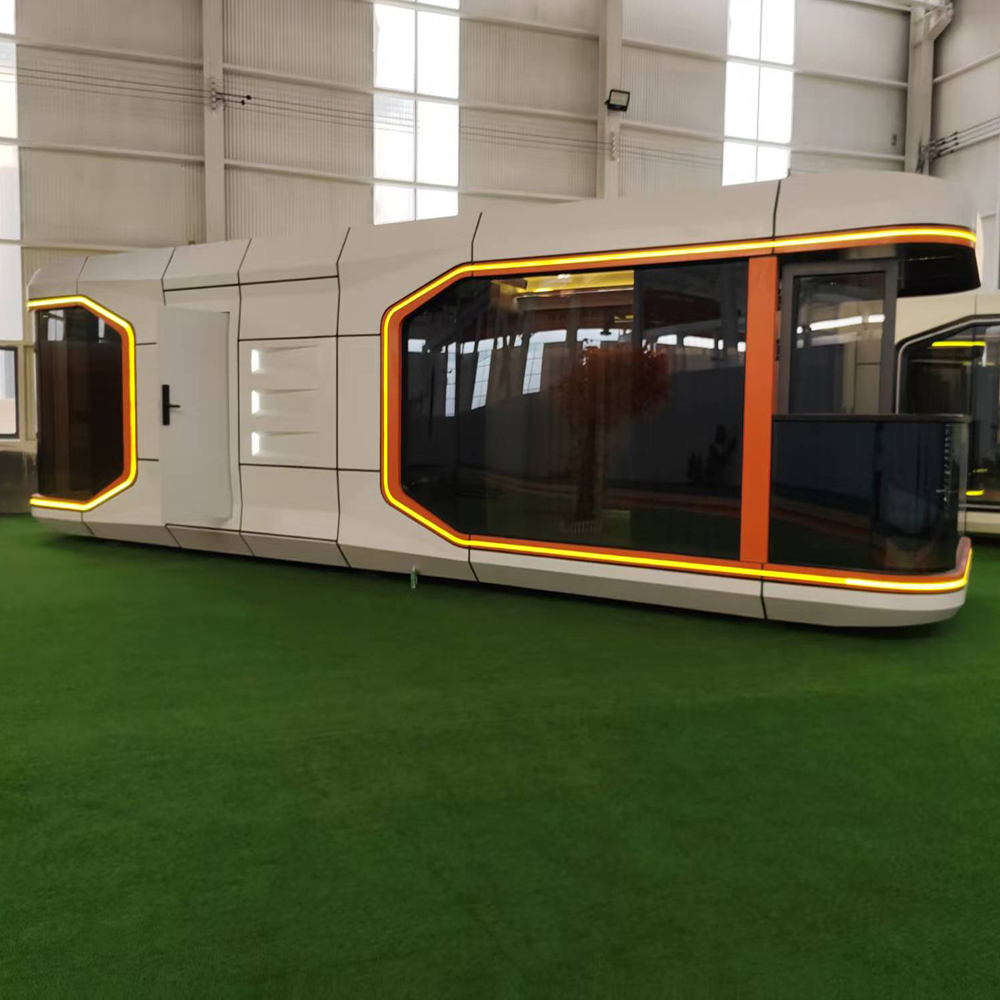 Standard Modern Camping Pod Space Prefabricated Portable Mobile Capsule Room Hotel Bathroom Prefabricated Spaceship House
 -
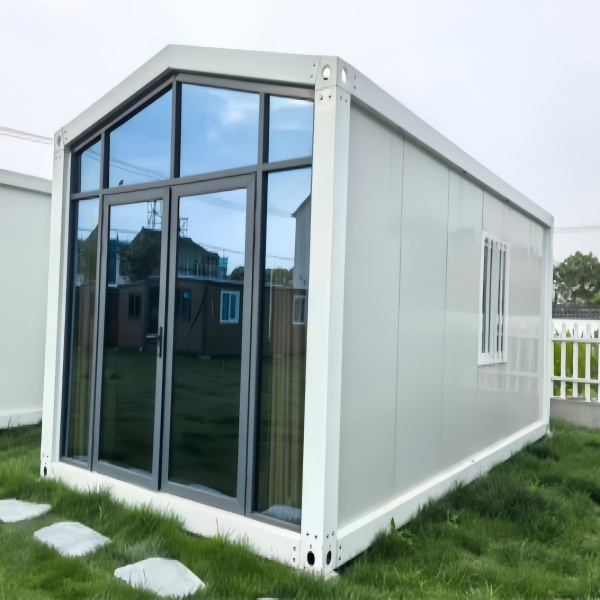 Waterproof folding container house – mobile accommodation for campsites/scenic spots
 -
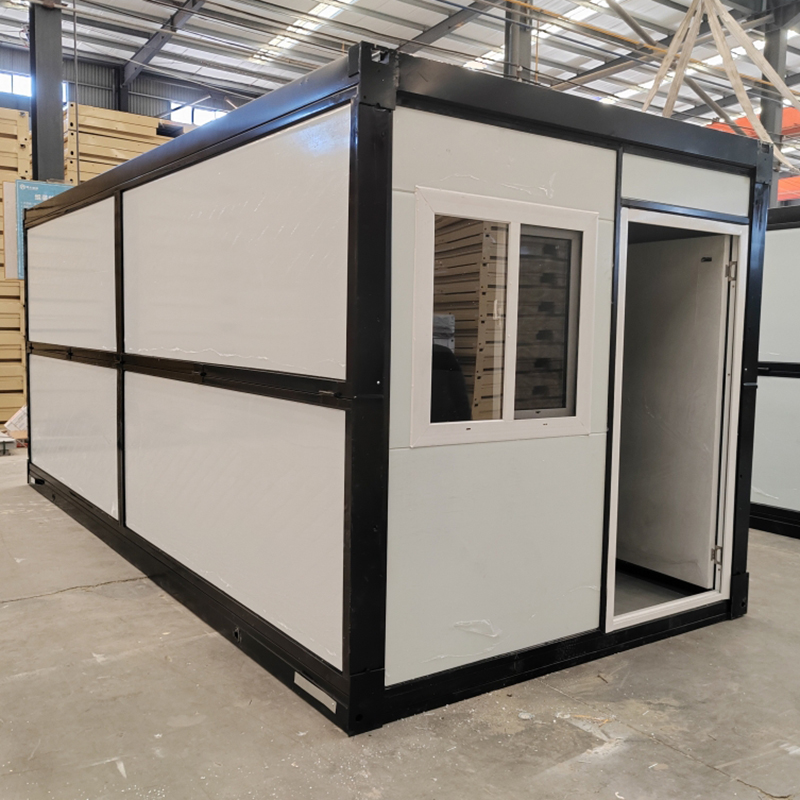 Detachable Design Prefabricated Container House Portable Modular Office Building Folding Container House
 -
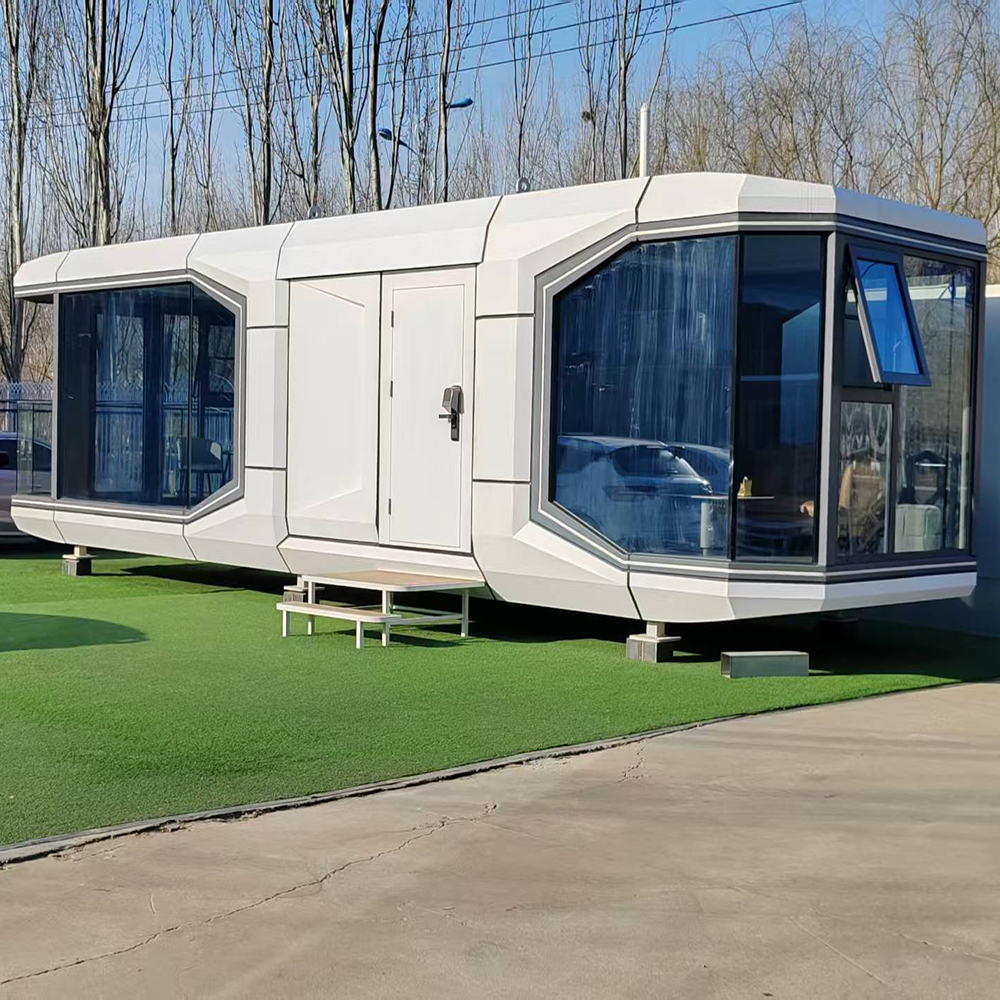 Luxury High Quality 2 Bedroom Container Home Prefabricated Steel Space Capsule for Office Shop Hotel or Outdoor House