
-
E-mail
Austin120521@outlook.com -
E-mail
sales@jujiuhouse.com -
Telephone
+86-17864099991 -
Telephone
+86-17854044442
- Chinese
- French
- German
- Portuguese
- Spanish
- Russian
- Japanese
- Korean
- Arabic
- Irish
- Greek
- Turkish
- Italian
- Danish
- Romanian
- Indonesian
- Czech
- Afrikaans
- Swedish
- Polish
- Basque
- Catalan
- Esperanto
- Hindi
- Lao
- Albanian
- Amharic
- Armenian
- Azerbaijani
- Belarusian
- Bengali
- Bosnian
- Bulgarian
- Cebuano
- Chichewa
- Corsican
- Croatian
- Dutch
- Estonian
- Filipino
- Finnish
- Frisian
- Galician
- Georgian
- Gujarati
- Haitian
- Hausa
- Hawaiian
- Hebrew
- Hmong
- Hungarian
- Icelandic
- Igbo
- Javanese
- Kannada
- Kazakh
- Khmer
- Kurdish
- Kyrgyz
- Latin
- Latvian
- Lithuanian
- Luxembou..
- Macedonian
- Malagasy
- Malay
- Malayalam
- Maltese
- Maori
- Marathi
- Mongolian
- Burmese
- Nepali
- Norwegian
- Pashto
- Persian
- Punjabi
- Serbian
- Sesotho
- Sinhala
- Slovak
- Slovenian
- Somali
- Samoan
- Scots Gaelic
- Shona
- Sindhi
- Sundanese
- Swahili
- Tajik
- Tamil
- Telugu
- Thai
- Ukrainian
- Urdu
- Uzbek
- Vietnamese
- Welsh
- Xhosa
- Yiddish
- Yoruba
- Zulu
- Kinyarwanda
- Tatar
- Oriya
- Turkmen
- Uyghur




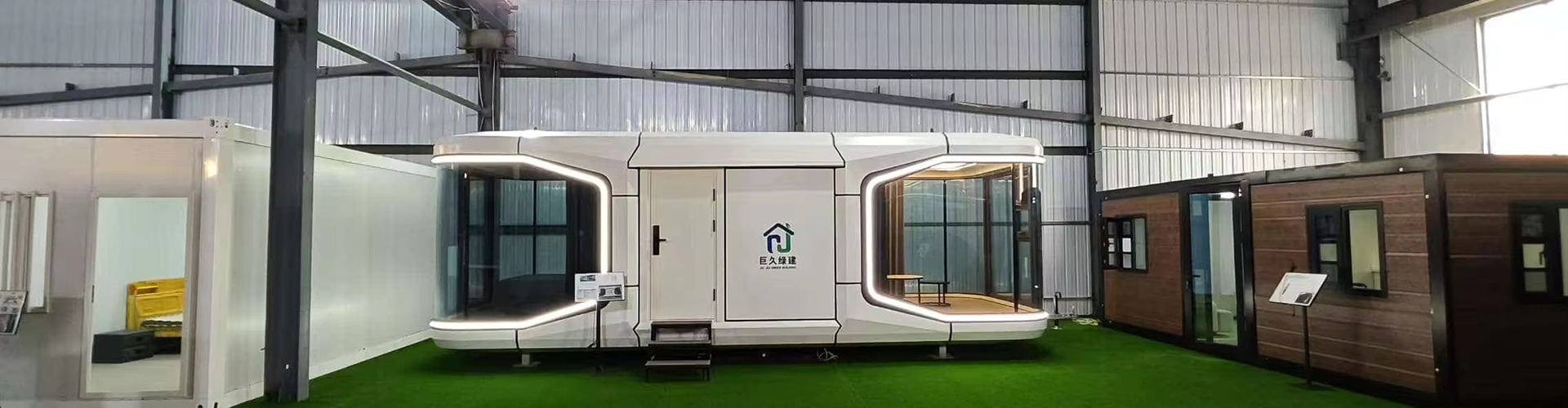
Buy space house capsule
The Allure of Space House Capsules: A New Frontier in Housing
The notion of owning a space house capsule has captured the imagination of many, but what does it truly entail? While exploring the realm of space habitats, you find a fascinating blend of cutting-edge technology and imaginative design, yet misconceptions abound.
Understanding the Concept
When we talk about space house capsules, it's not merely a futuristic fantasy. Companies like Shandong Jujiu Integrated Housing Co., Ltd. are already paving the way. Their work in the integrated housing industry showcases advancements that make these once-distant ideas increasingly feasible. The focus here is on modular, sustainable, and, importantly, versatile structures.
One common misconception is that space house capsules are beyond the reach of the average consumer. Yet, firms such as SHANDONG JUJIU are proving that with innovation, these structures can be both accessible and affordable. They integrate research, design, and production to create effective solutions for modern housing needs.
This practical approach embraces the benefits of modular construction—quick assembly, adaptability to different environments, and sustainability. It’s an intriguing balance of high-tech and pragmatism.
The Construction Process
Building a space house capsule involves several stages, each demanding precision and expertise. Shandong Jujiu's process begins with extensive R&D to ensure each component meets rigorous standards. From there, the design phase focuses on optimizing space and materials.
Production and processing follow, where cutting-edge technology plays a crucial role. The assembly line efficiently fabricates components, reducing waste and ensuring quality. This phase transitions seamlessly into sales and installation, where the finished product comes to life.
During installation, the adaptability of these structures shines. Whether in urban landscapes or remote settings, their design accommodates various needs and preferences, offering a bespoke living experience.
Challenges in the Field
Despite the promising developments, the transition to widespread adoption of space house capsules is not without its hurdles. Regulatory challenges often dictate the pace at which innovations reach the market. Navigating these requires strategic partnerships and a deep understanding of the industry landscape.
Moreover, there is the issue of perception. Convincing potential users of the viability and desirability of such a living space necessitates targeted outreach and education. Demonstrating the tangible benefits—sustainability, cost-effectiveness, and flexibility—is crucial.
Companies like SHANDONG JUJIU are at the forefront, challenging norms and redefining possibilities. By aligning business strategies with technological advancements, they are set to influence the future of housing significantly.
Technological Innovations
The technology driving space house capsules is as critical as their design. Innovations in light steel structures and curtain wall engineering are paving the way for resilient and visually appealing homes. Shandong Jujiu's expertise in these areas underpins their success.
Automated processes enhance precision and efficiency, while advanced materials offer durability without sacrificing aesthetic appeal. The result is a dynamic and robust living space, suitable for various environments.
These innovations are not just theoretical; they are practical solutions that address real-world problems, such as rapid urbanization and environmental sustainability.
The Future Landscape
Looking ahead, the horizon for space house capsules is expansive. As companies like SHANDONG JUJIU continue to innovate, consumer interest grows. The dialogue around sustainable living and space utilization is becoming more urgent, prompting the industry to adapt swiftly.
We can expect further advancements that push the boundaries of what's possible, exploring new materials and methods to enhance livability and reduce environmental impact. Collaborations between tech companies and housing firms could pave the way for even more groundbreaking solutions.
Ultimately, as more individuals and businesses recognize the potential of these structures, the notion of a space house capsule may transform from novelty to norm. The journey is ongoing, but with pioneers like Shandong Jujiu leading the way, the future indeed looks promising.
Related products
Related products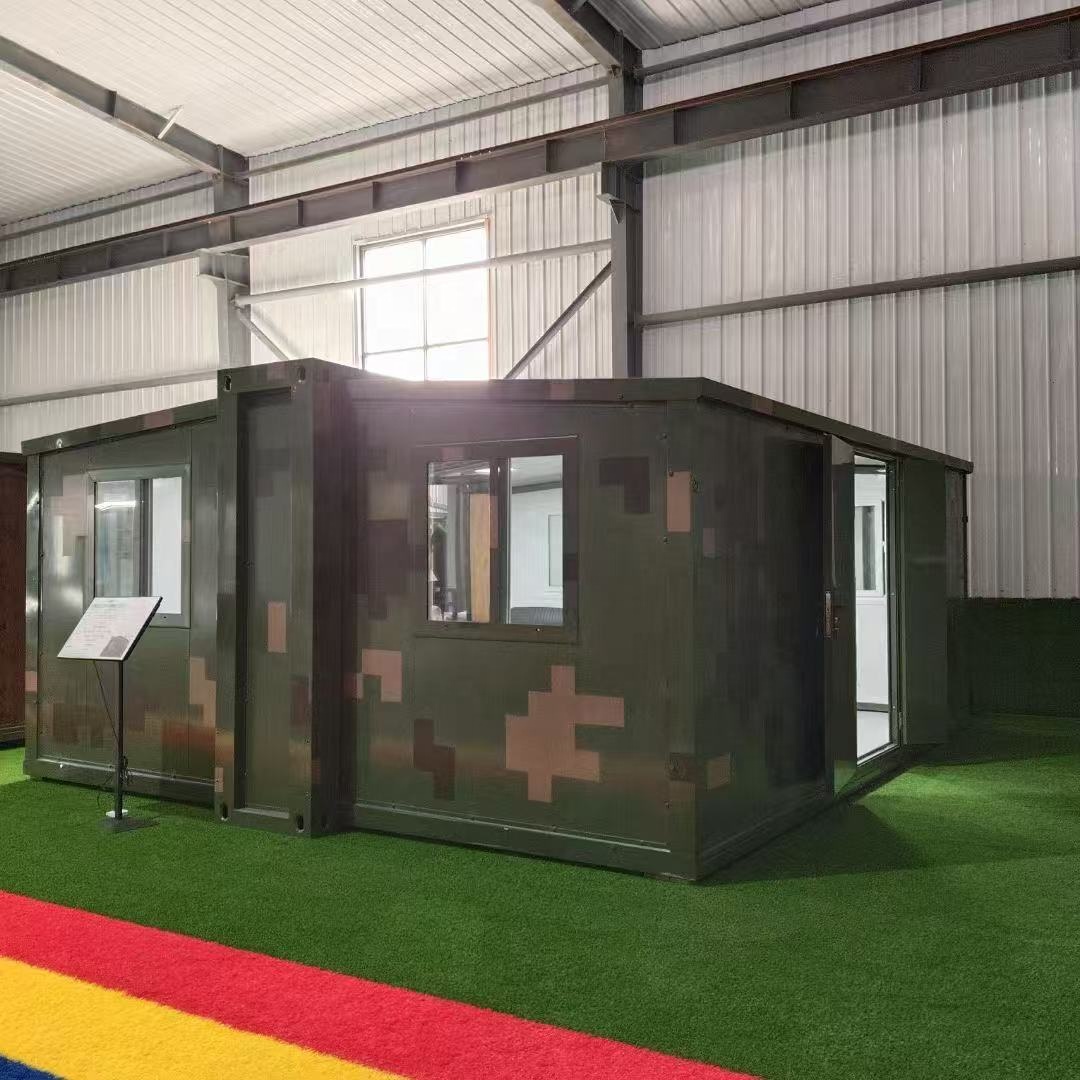
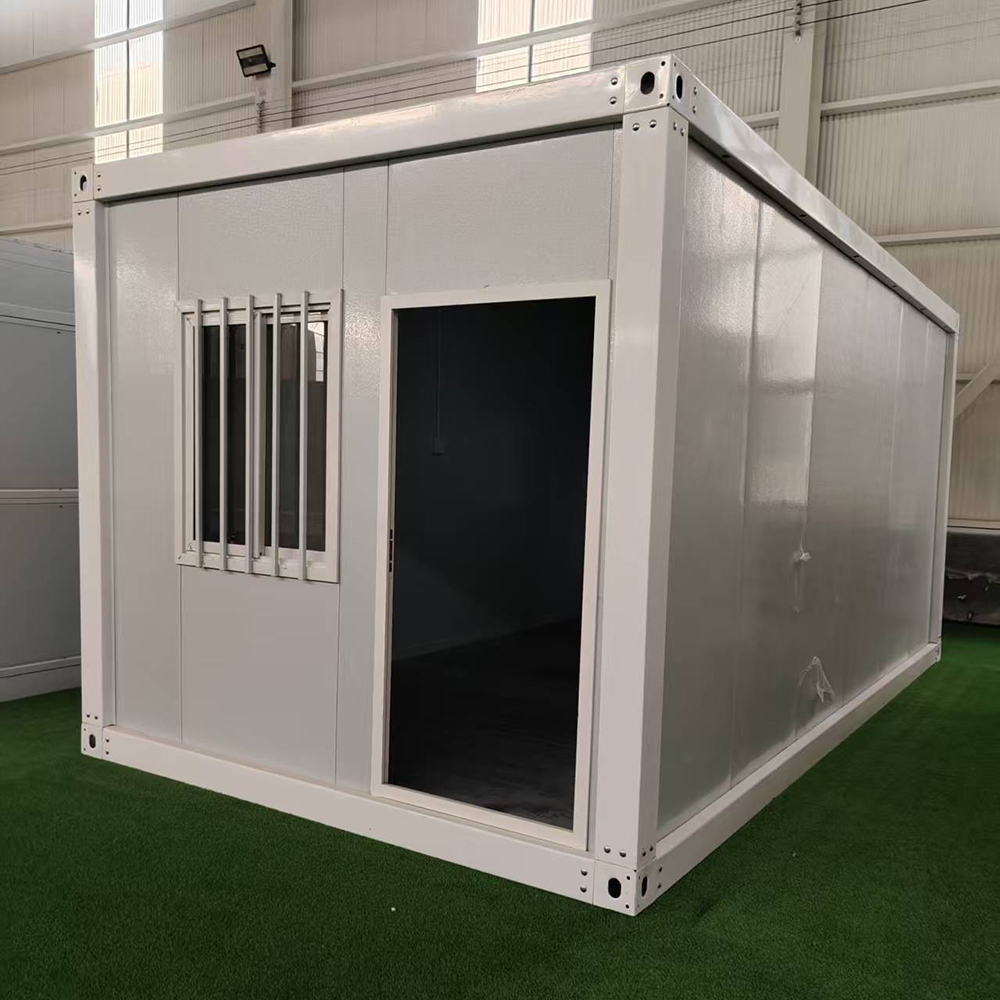
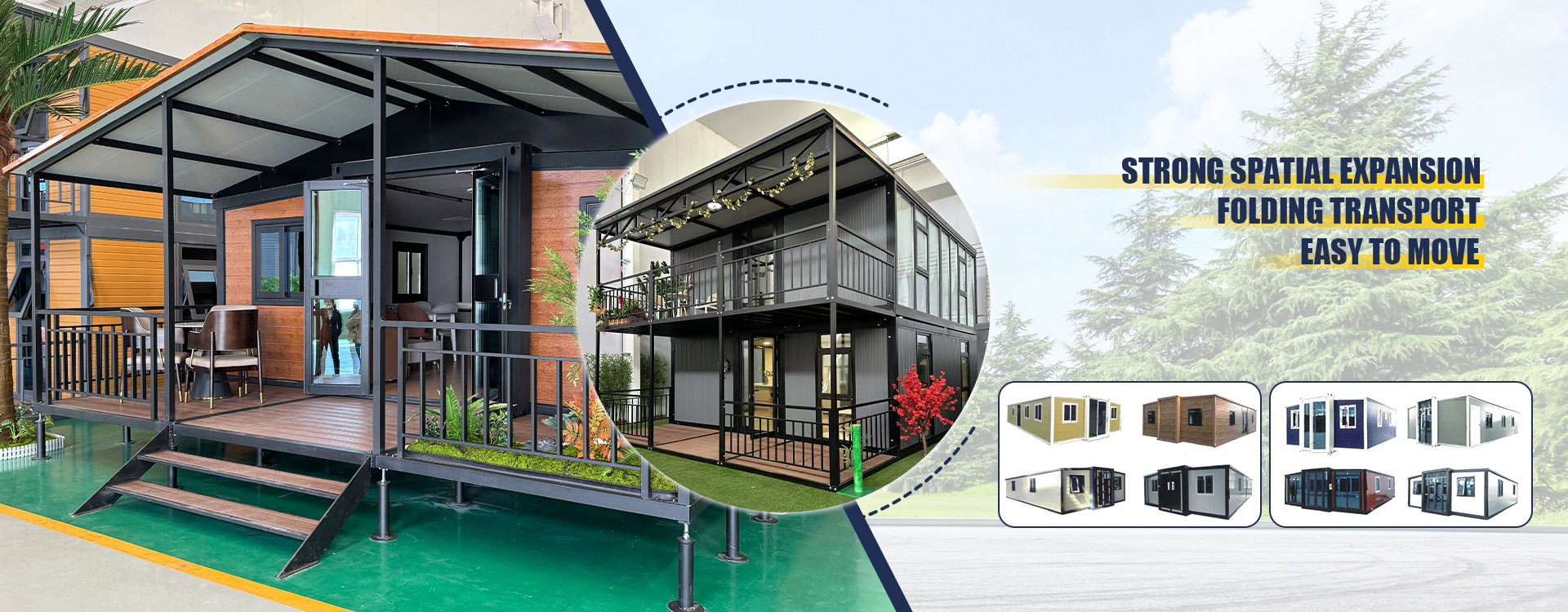
Best selling products
Best selling products-
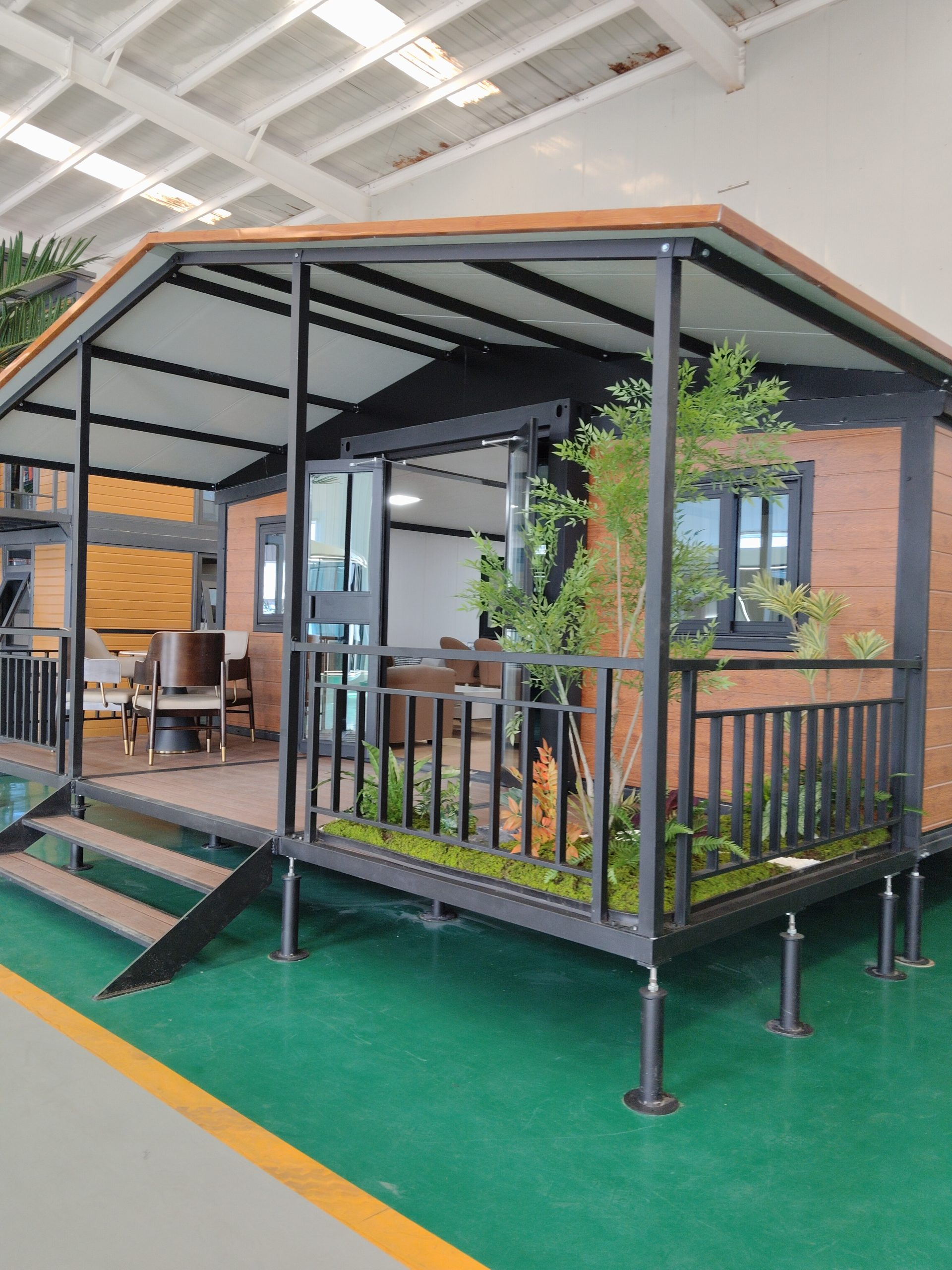 A container house with a terrace and double-wing folding design, suitable for various purposes such as offices, meeting rooms, living rooms, etc.
 -
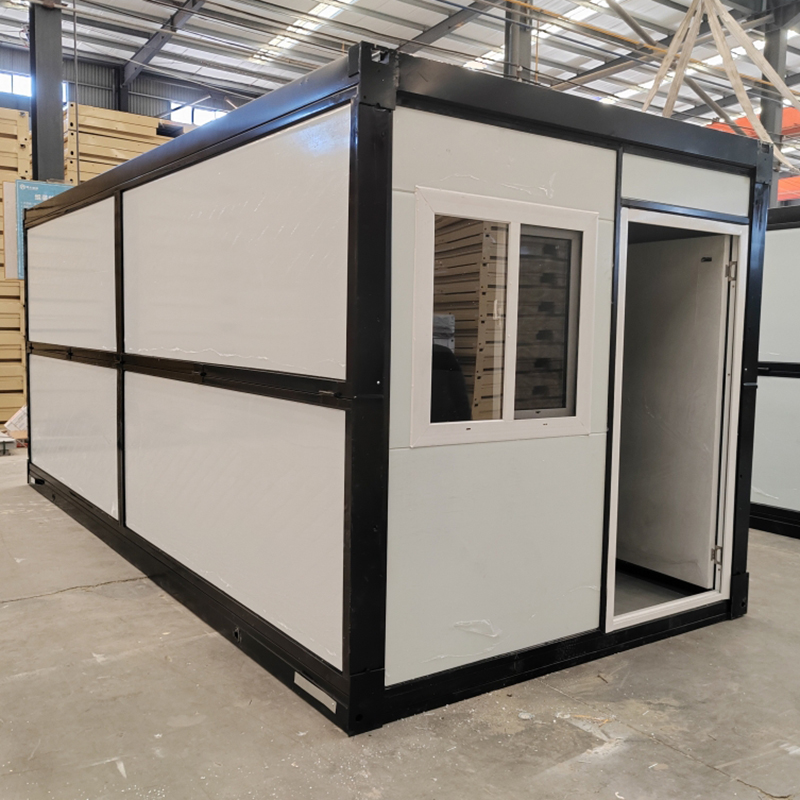 Detachable Design Prefabricated Container House Portable Modular Office Building Folding Container House
 -
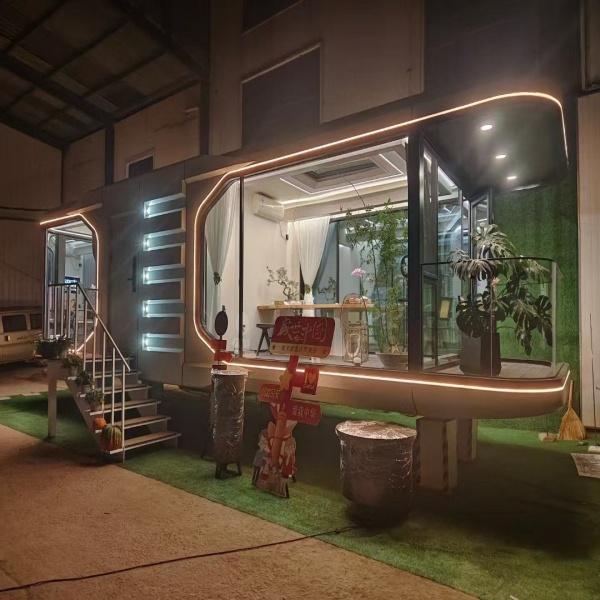 Outdoor ecological capsule rooms, luxury pods, space capsule hotel rooms, prefabricated space capsules, container houses
 -
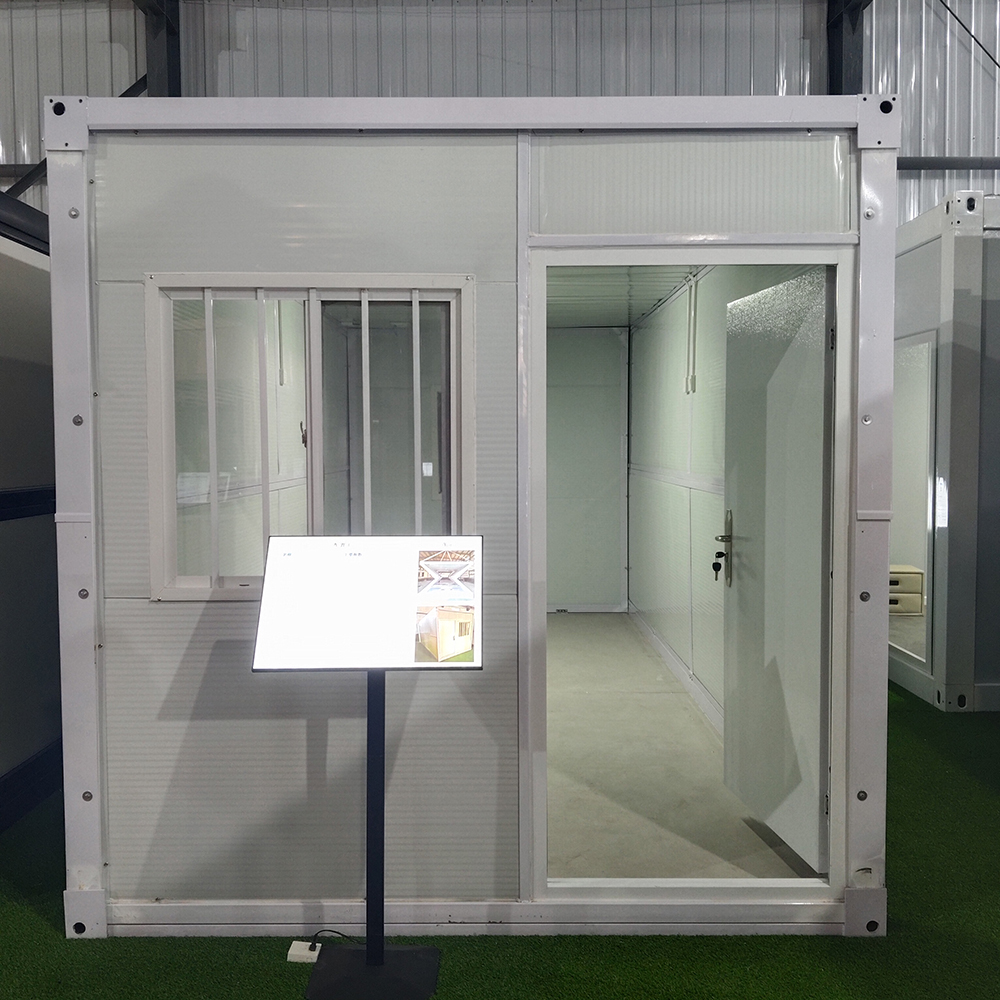 Reasonable Price 1 Bedroom Modular Container House Folding Container Home for Villa or Apartment Use
 -
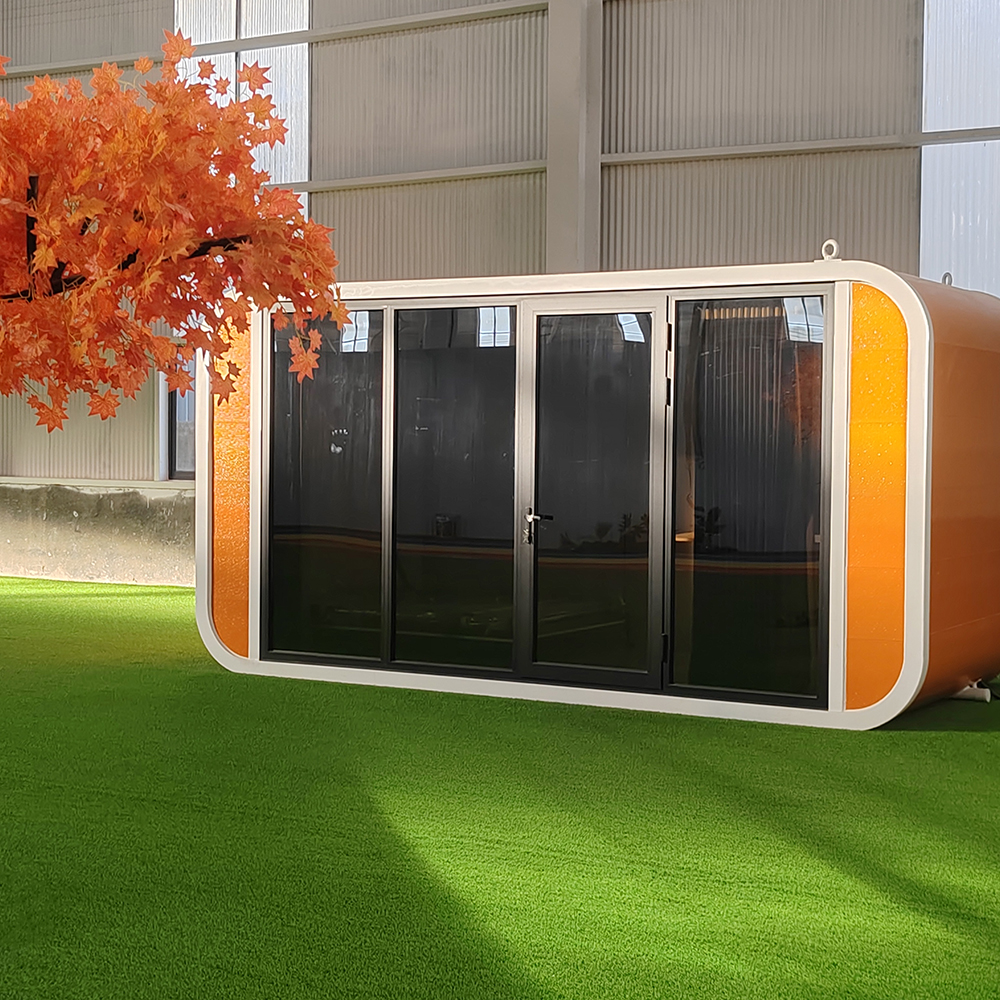 Luxury Prefabricated Living Container House Modular Glass Tiny House Prefab Container Home Apple Cabin
 -
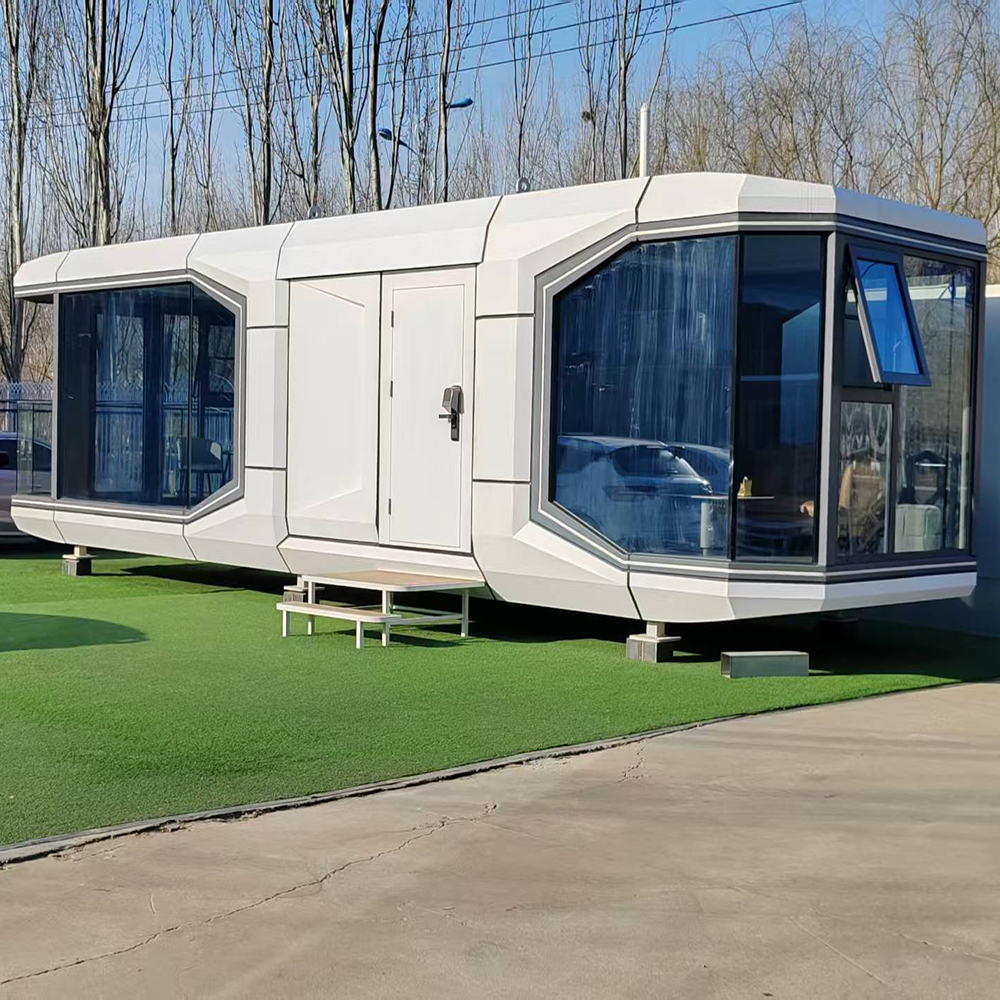 Luxury High Quality 2 Bedroom Container Home Prefabricated Steel Space Capsule for Office Shop Hotel or Outdoor House
 -
A container house with a terrace and double-wing folding design, suitable for various purposes such as offices, meeting rooms, living rooms, etc.
-
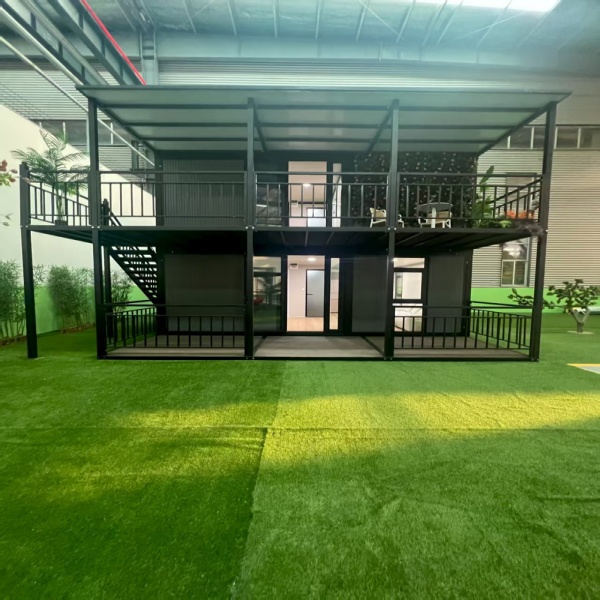 Luxury foldable two-story container houses in luxury resort hotels and villa hotels
 -
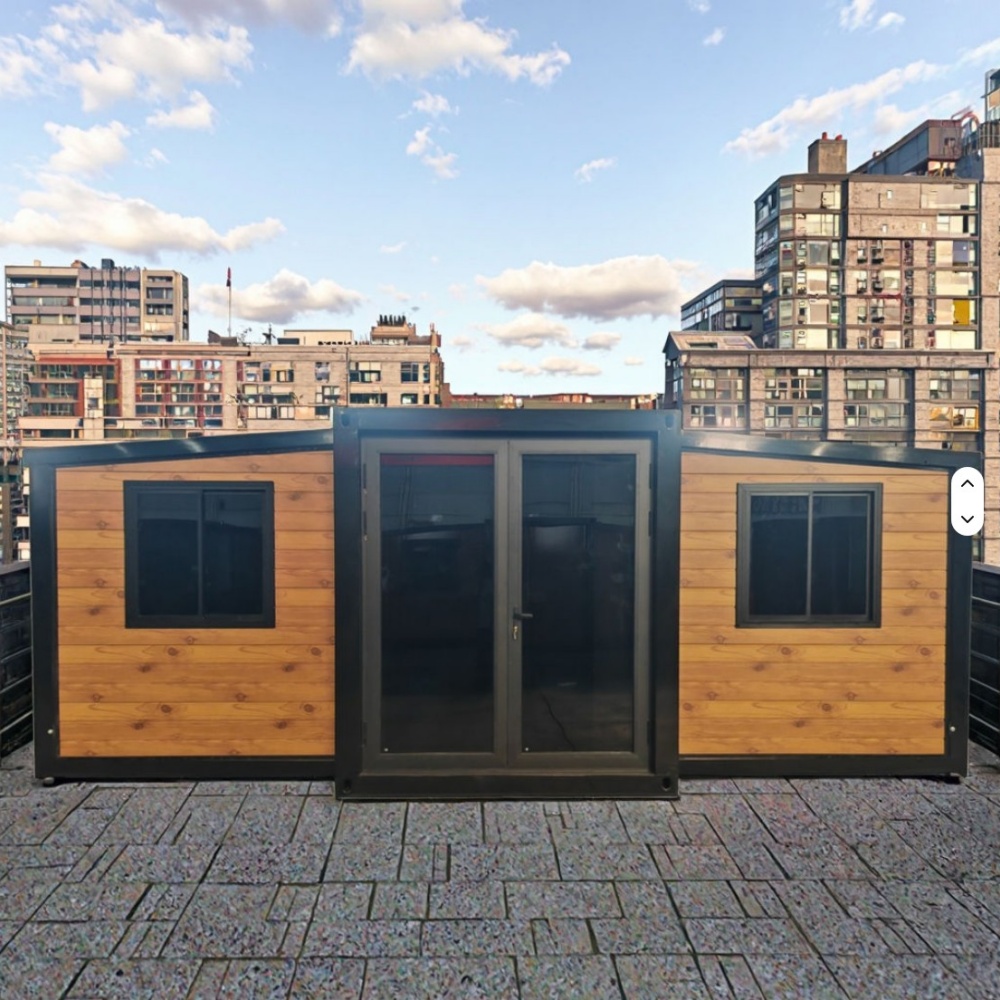 Customized Two Wing Folding Expandable Container House
 -
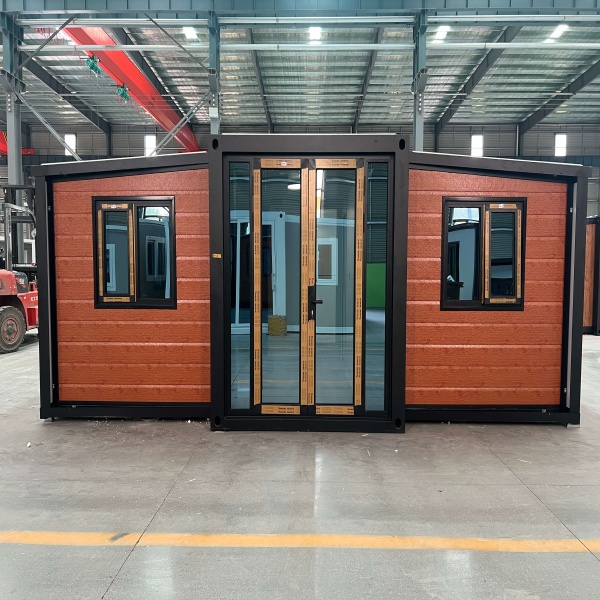 High-quality Double-wing Folding Container House with Doors and Windows, Insulated Walls, Suitable for Various Scenarios.
 -
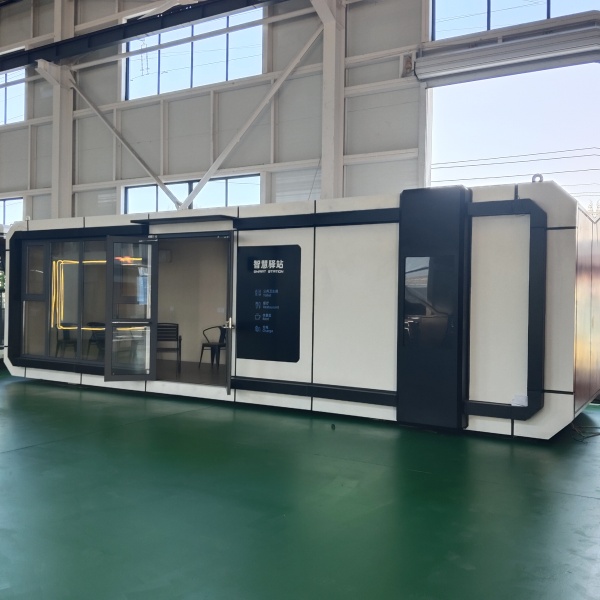 Modular modern movable apple cabins, customized high-end folk houses and portable bedrooms, delivered as a whole
 -
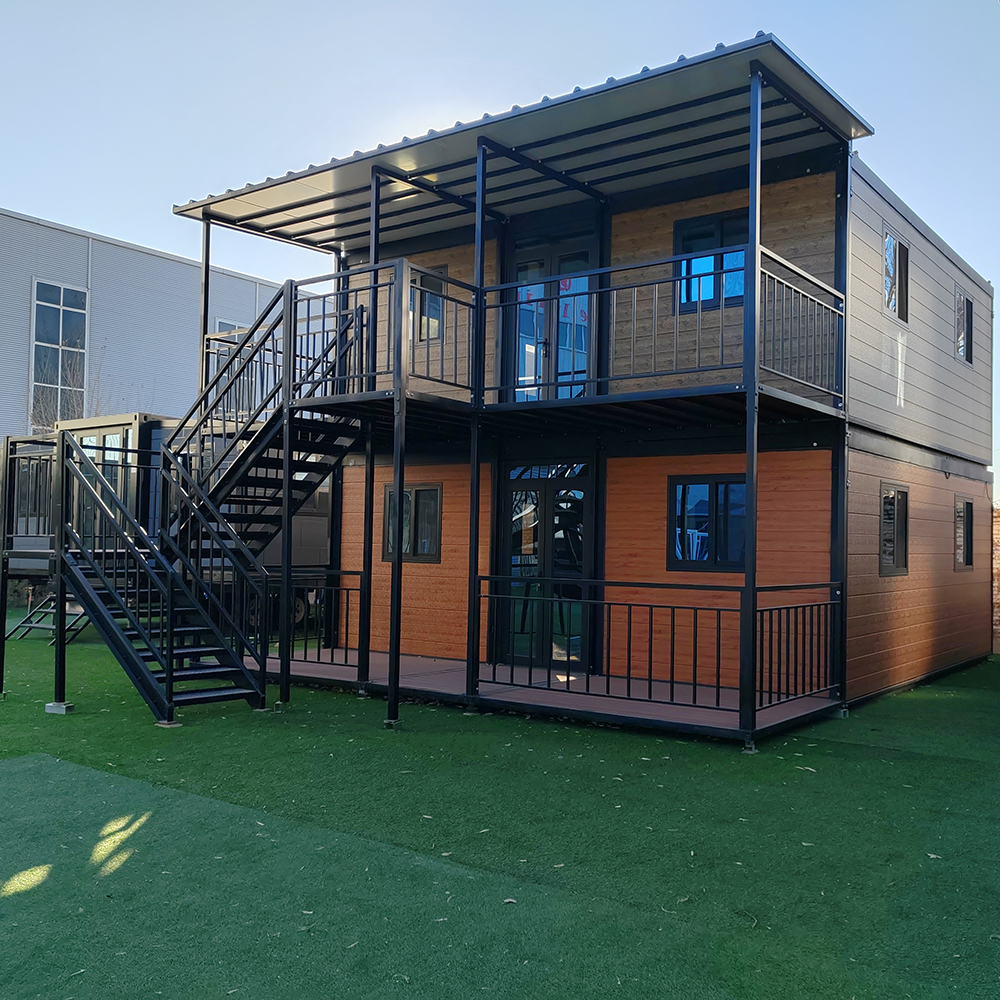 Easy Install Customized Detachable Container Homes Extendable House Prefab 2 Floors Expandable Container House