
-
E-mail
Austin120521@outlook.com -
E-mail
sales@jujiuhouse.com -
Telephone
+86-17864099991 -
Telephone
+86-17854044442
- Chinese
- French
- German
- Portuguese
- Spanish
- Russian
- Japanese
- Korean
- Arabic
- Irish
- Greek
- Turkish
- Italian
- Danish
- Romanian
- Indonesian
- Czech
- Afrikaans
- Swedish
- Polish
- Basque
- Catalan
- Esperanto
- Hindi
- Lao
- Albanian
- Amharic
- Armenian
- Azerbaijani
- Belarusian
- Bengali
- Bosnian
- Bulgarian
- Cebuano
- Chichewa
- Corsican
- Croatian
- Dutch
- Estonian
- Filipino
- Finnish
- Frisian
- Galician
- Georgian
- Gujarati
- Haitian
- Hausa
- Hawaiian
- Hebrew
- Hmong
- Hungarian
- Icelandic
- Igbo
- Javanese
- Kannada
- Kazakh
- Khmer
- Kurdish
- Kyrgyz
- Latin
- Latvian
- Lithuanian
- Luxembou..
- Macedonian
- Malagasy
- Malay
- Malayalam
- Maltese
- Maori
- Marathi
- Mongolian
- Burmese
- Nepali
- Norwegian
- Pashto
- Persian
- Punjabi
- Serbian
- Sesotho
- Sinhala
- Slovak
- Slovenian
- Somali
- Samoan
- Scots Gaelic
- Shona
- Sindhi
- Sundanese
- Swahili
- Tajik
- Tamil
- Telugu
- Thai
- Ukrainian
- Urdu
- Uzbek
- Vietnamese
- Welsh
- Xhosa
- Yiddish
- Yoruba
- Zulu
- Kinyarwanda
- Tatar
- Oriya
- Turkmen
- Uyghur




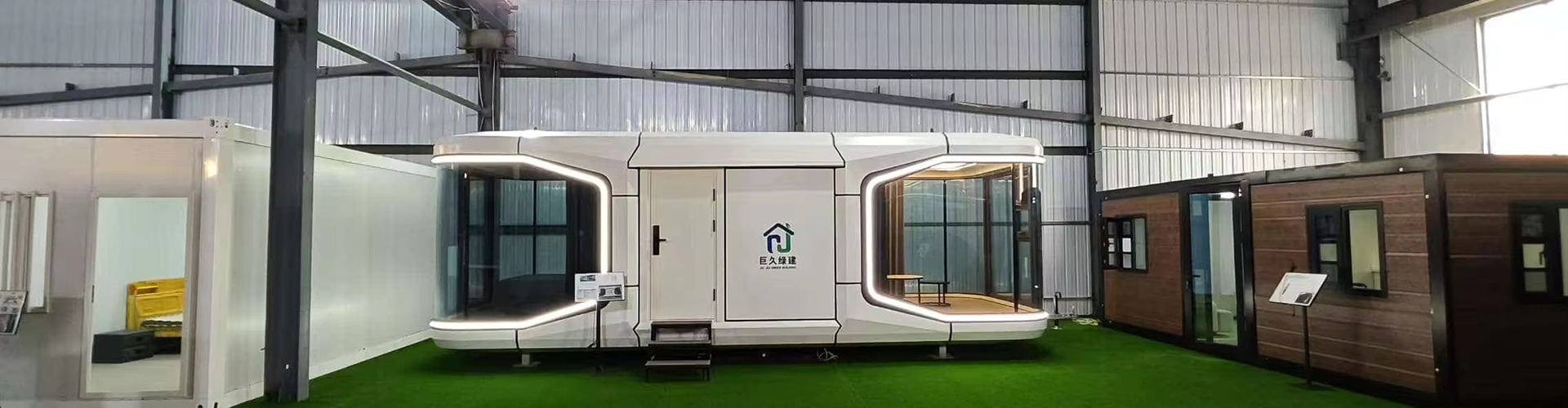
cheap wholesale price expandable house container
Exploring the World of Expandable House Containers
In recent years, the concept of cheap wholesale price expandable house containers has garnered significant attention. The allure is undeniable: a modular, easy-to-assemble housing solution at a cost that won’t break the bank. However, the reality can be a mixed bag of surprises. This article aims to peel back the layers and provide a clear, unvarnished look at what’s involved.
Understanding Expandable House Containers
When we talk about these containers, we're really considering a subset of prefabricated housing, which Shandong Jujiu Integrated Housing Co., Ltd. has explored extensively. This company, a rising star in the field, integrates research, development, and a gamut of other services in the prefab space. Their site jujiuhouse.com offers a window into this burgeoning industry. But what makes these structures so appealing?
Primarily, it's the combination of affordability and flexibility. They arrive on site ready to unfold into a full-fledged living space. Yet, the keyword here is expandable. This flexibility allows for future modifications as needed. But it leads to an essential question: can they genuinely adapt to diverse climates and usage?
Having examined projects in various locales, I've noticed the containers hold up well against moderate weather conditions. However, extreme climates demand added insulation and sometimes, custom engineering solutions. This adaptability is crucial for broader application.
Challenges and Misconceptions
Despite their benefits, these containers aren't a magic bullet. One common misconception is the idea that they're plug-and-play solutions. True, they're straightforward compared to traditional construction, but there’s a learning curve. Inevitably, adjustments and local building compliance come into play.
Issues often arise during the installation phase. Ground preparation, local zoning laws, and utility hookups can complicate matters. It's not uncommon for first-time users to underestimate these logistics, leading to delays and added costs.
Reflecting on a few projects I've been part of, the common thread for success lies in due diligence. Identifying potential pitfalls early and having a plan B can save both time and money down the line.
Design Versus Cost Efficiency
The balance between cost and design remains a nuanced topic. For companies like Shandong Jujiu, the aim is to deliver aesthetically pleasing solutions without inflating prices. The integrated design approach they adopt — encompassing everything from light steel villas to curtain wall engineering — ensures functionality meets form.
Still, some might argue that design sacrifices are inevitable in the pursuit of lower costs. Honestly, it depends on the project goals. For purely functional needs, the sacrifice might be negligible. But for luxury or niche markets, compromises might clash with aesthetic desires.
To navigate this, partnering with experienced suppliers who offer extensive customization options becomes essential. At Jujiu, the emphasis on tailored solutions is what differentiates them, enabling cost and design efficiency.
Real-World Applications
The applications of these containers are far-reaching. Beyond residential spaces, we've seen them transform into classrooms, pop-up shops, and emergency housing. The ability to deploy quickly makes them invaluable in disaster relief scenarios.
In commercial projects, versatility is king. Pop-up eateries and boutique stores leverage their modular nature for seasonal setups. From my observation, the biggest success comes when projects perfectly align with the unique strengths of container homes.
Even in residential applications, the scope varies from individual homes to complex multifamily units. Here, customization options play a pivotal role in meeting diverse client needs — a service that detailed suppliers like Jujiu execute seamlessly.
Looking Forward
So, what does the future hold for cheap wholesale price expandable house containers? As urban spaces evolve and demand for innovative housing solutions grows, these structures have a promising outlook. The integrated nature of companies like Shandong Jujiu — encompassing research, production, and sales — paves the way for sustainable expansion.
The key takeaway? They offer a blend of flexibility, affordability, and adaptability, but require careful planning and execution. As with any evolving industry, ongoing innovation and a keen understanding of client needs will drive future success. Those in the market must weigh options with a critical eye, focusing on partners who showcase both expertise and a wide array of solutions, which is why Jujiu’s integrated approach stands out.
Related products
Related products
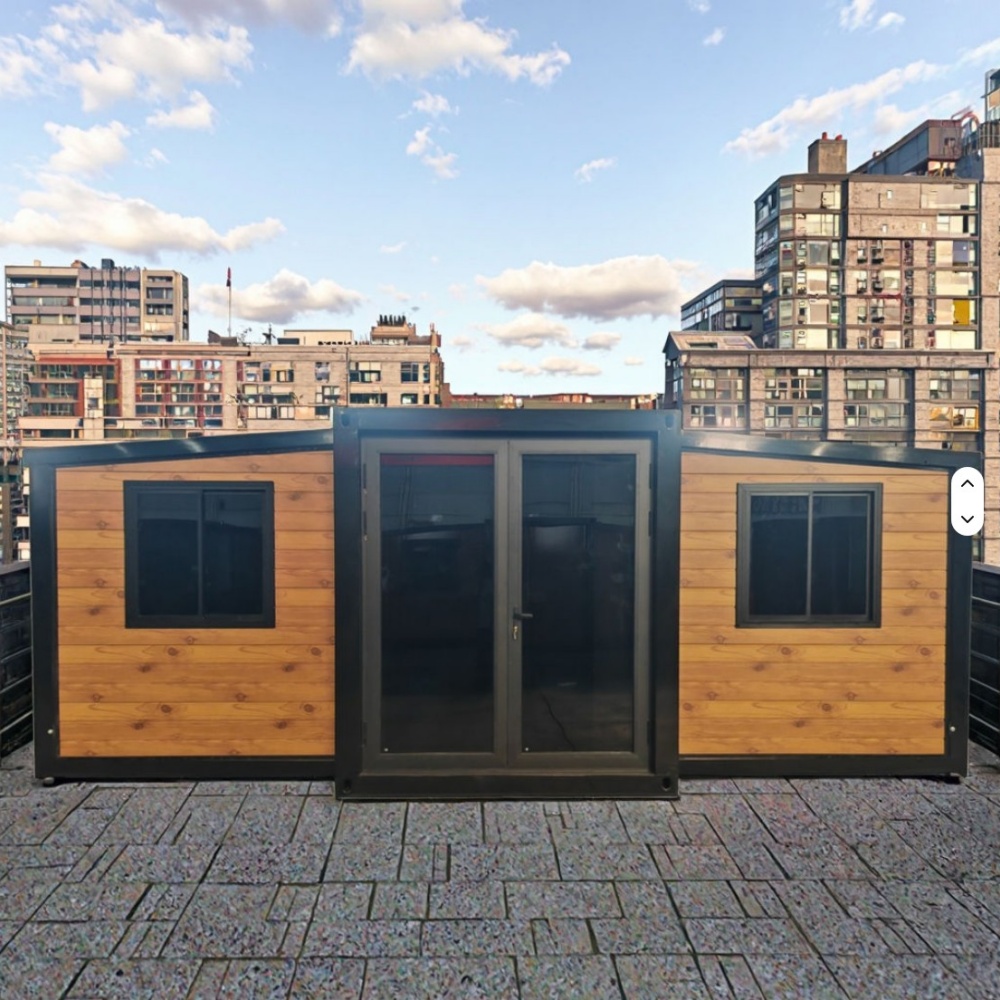
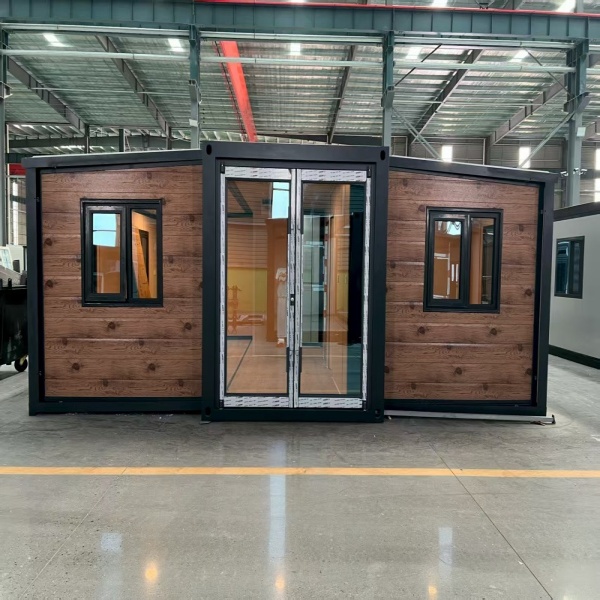
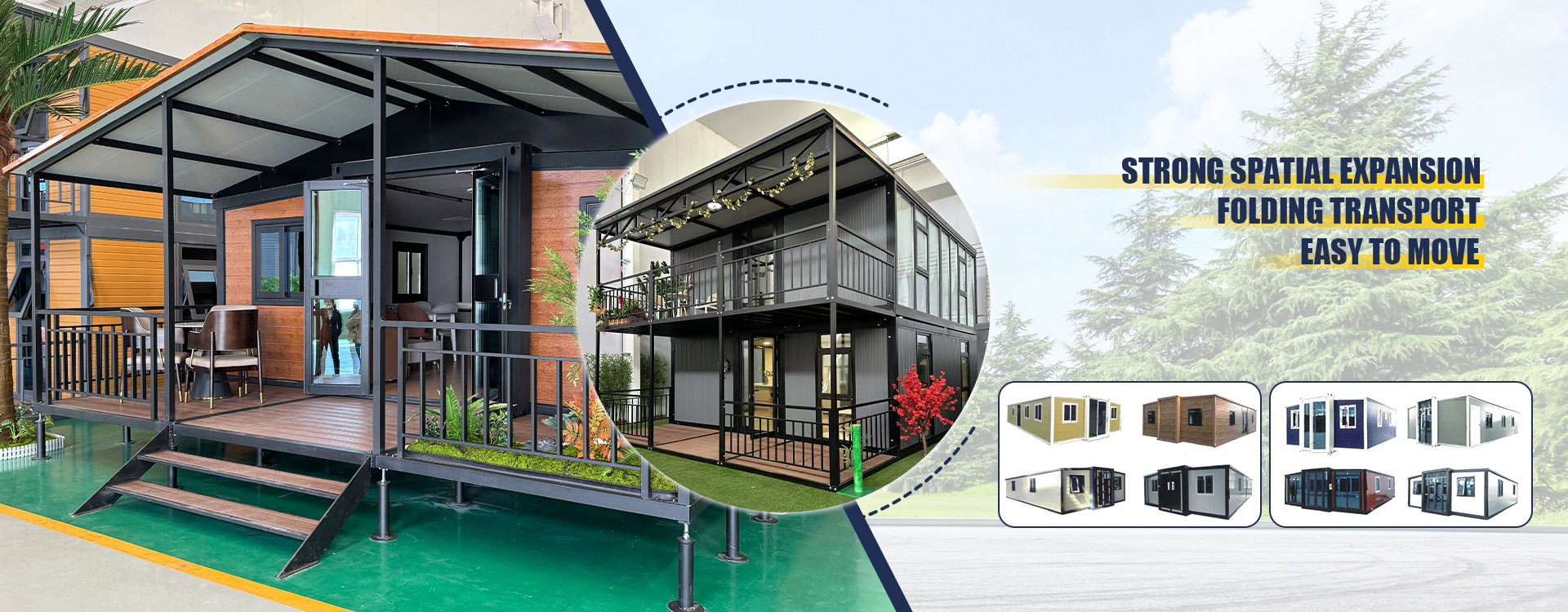
Best selling products
Best selling products-
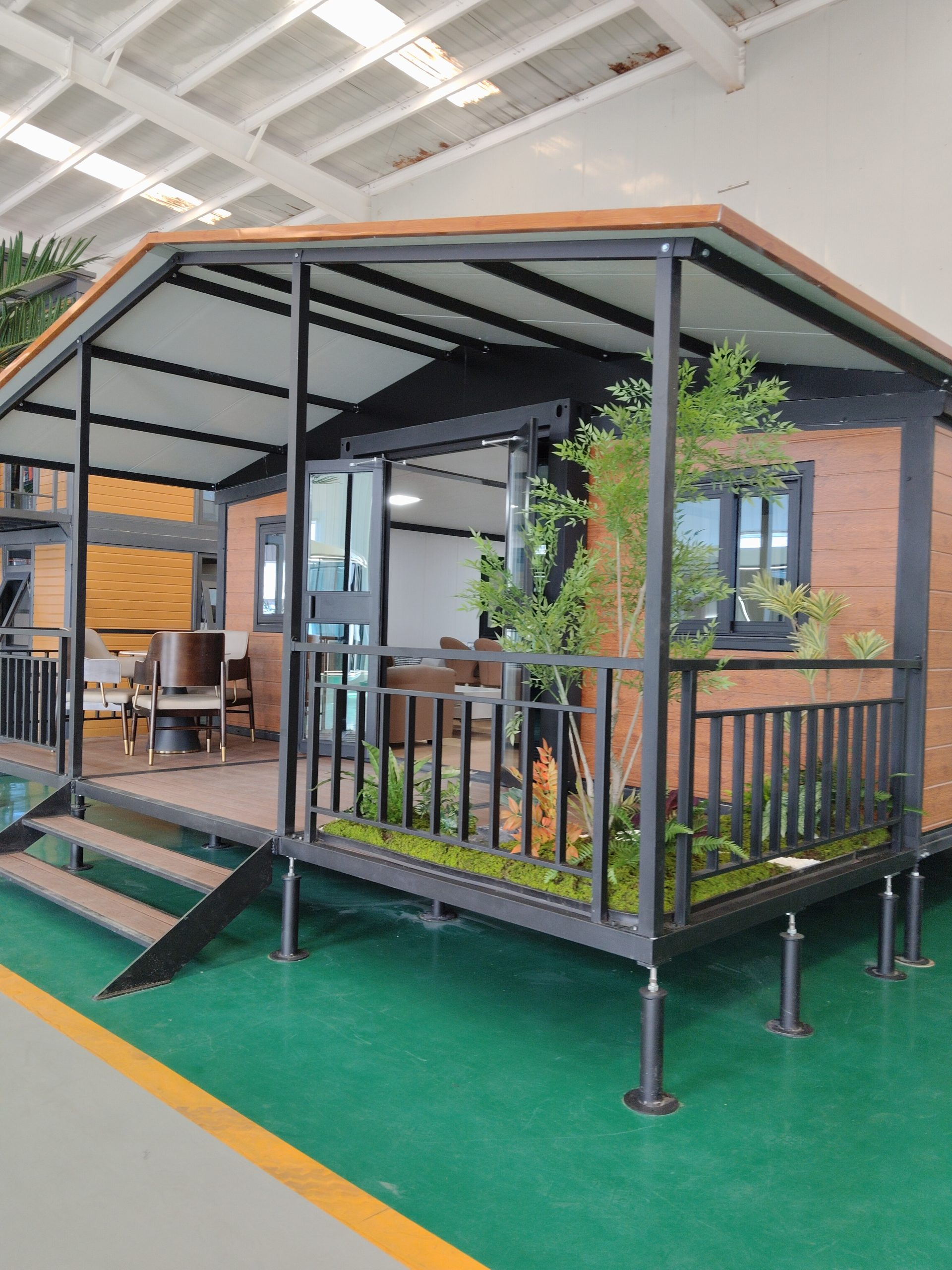 A container house with a terrace and double-wing folding design, suitable for various purposes such as offices, meeting rooms, living rooms, etc.
 -
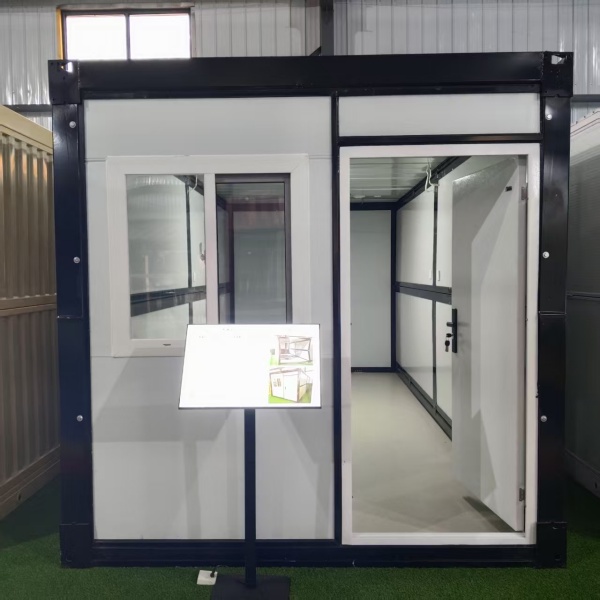 Factory Direct Sales Office Folding Container Luxury House Living Container House
 -
Two Wing Folding Expandable Container House
-
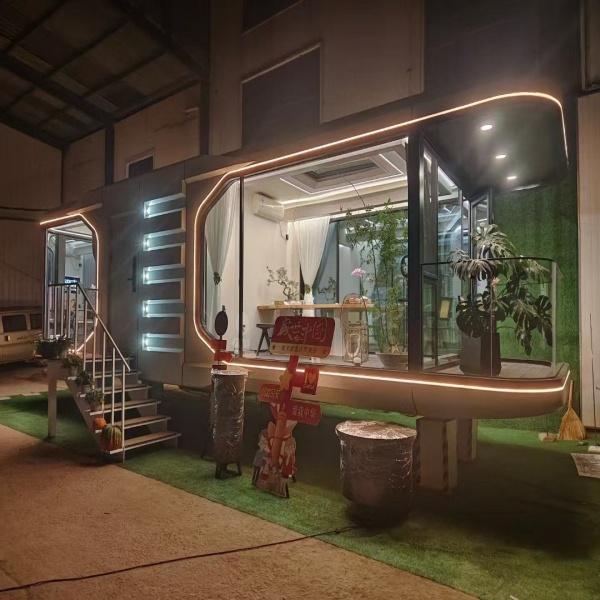 Outdoor ecological capsule rooms, luxury pods, space capsule hotel rooms, prefabricated space capsules, container houses
 -
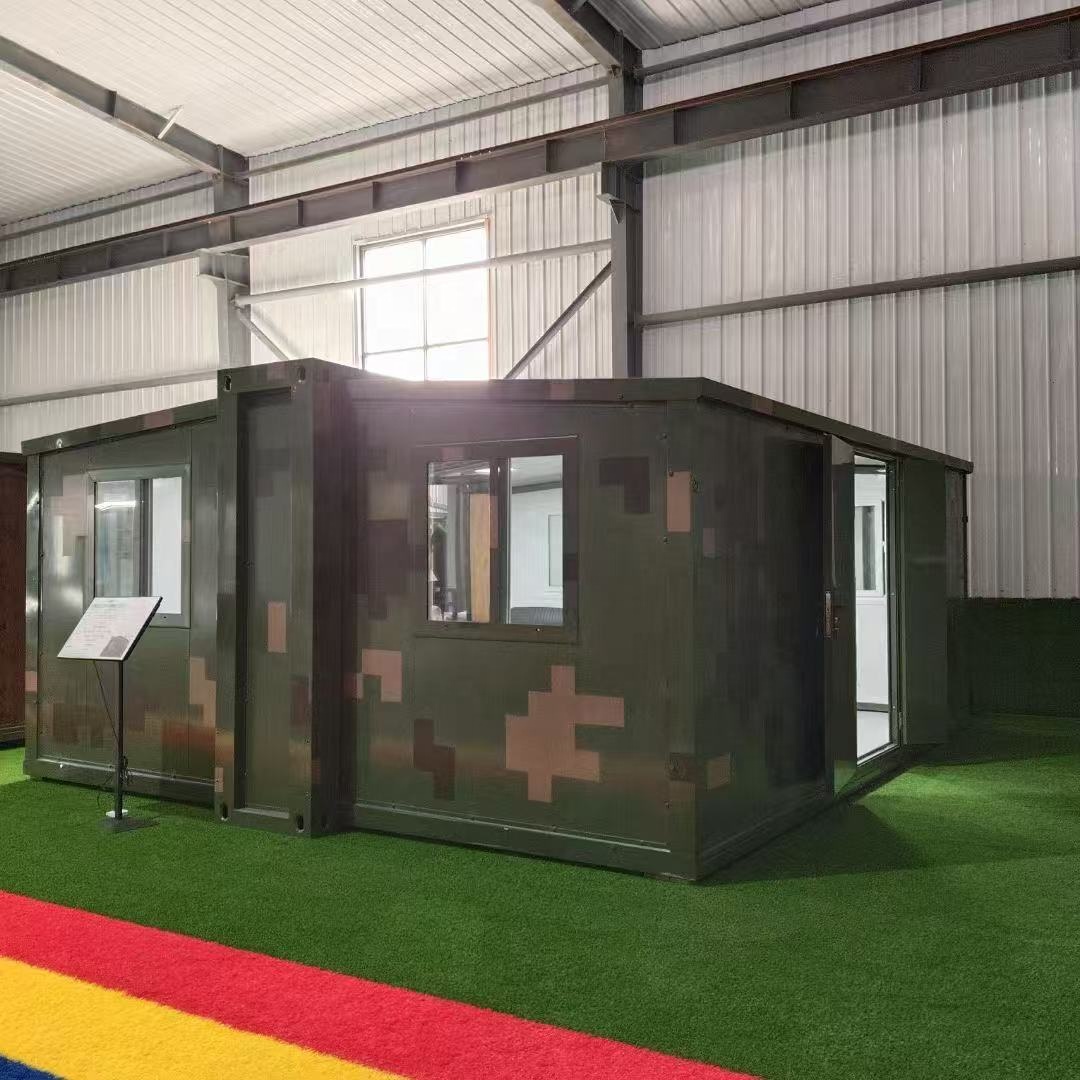 Movable Prefabricated Container House Villas Modular Portable Homes 1 Bedroom Container House Offices Apartments
 -
 Luxury Foldable Two Story Container House for Glamping Resort and Villa Hotel
 -
A container house with a terrace and double-wing folding design, suitable for various purposes such as offices, meeting rooms, living rooms, etc.
-
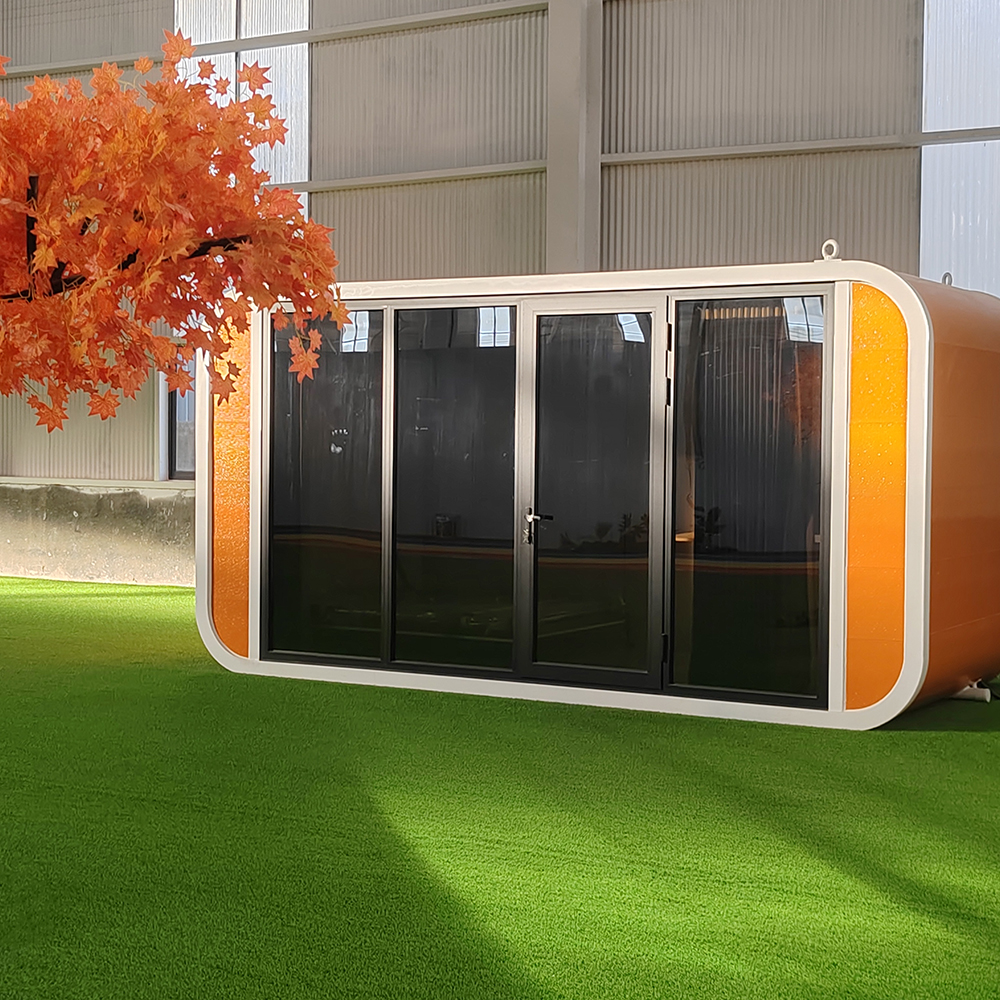 Luxury Prefabricated Living Container House Modular Glass Tiny House Prefab Container Home Apple Cabin
 -
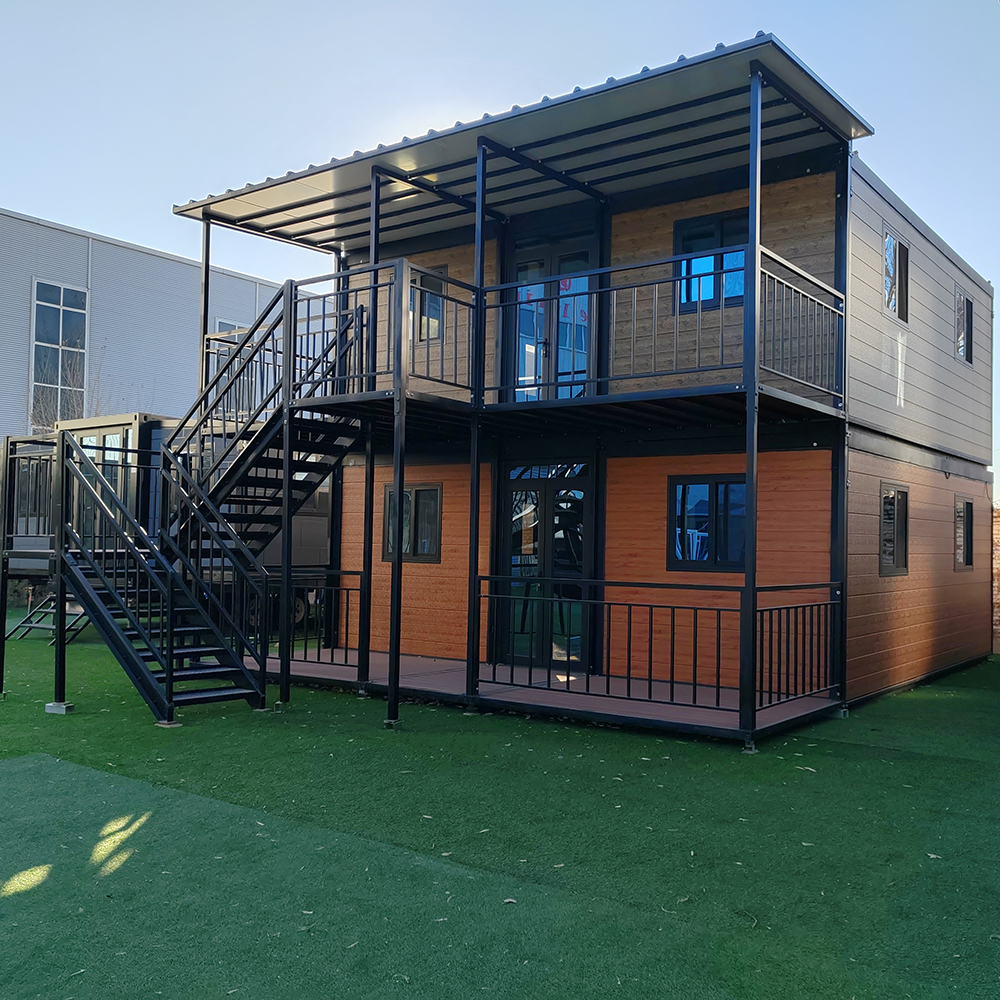 Easy Install Customized Detachable Container Homes Extendable House Prefab 2 Floors Expandable Container House
 -
Hot-selling foldable container houses, expandable prefabricated houses, suitable for office or living use, with fast delivery.
-
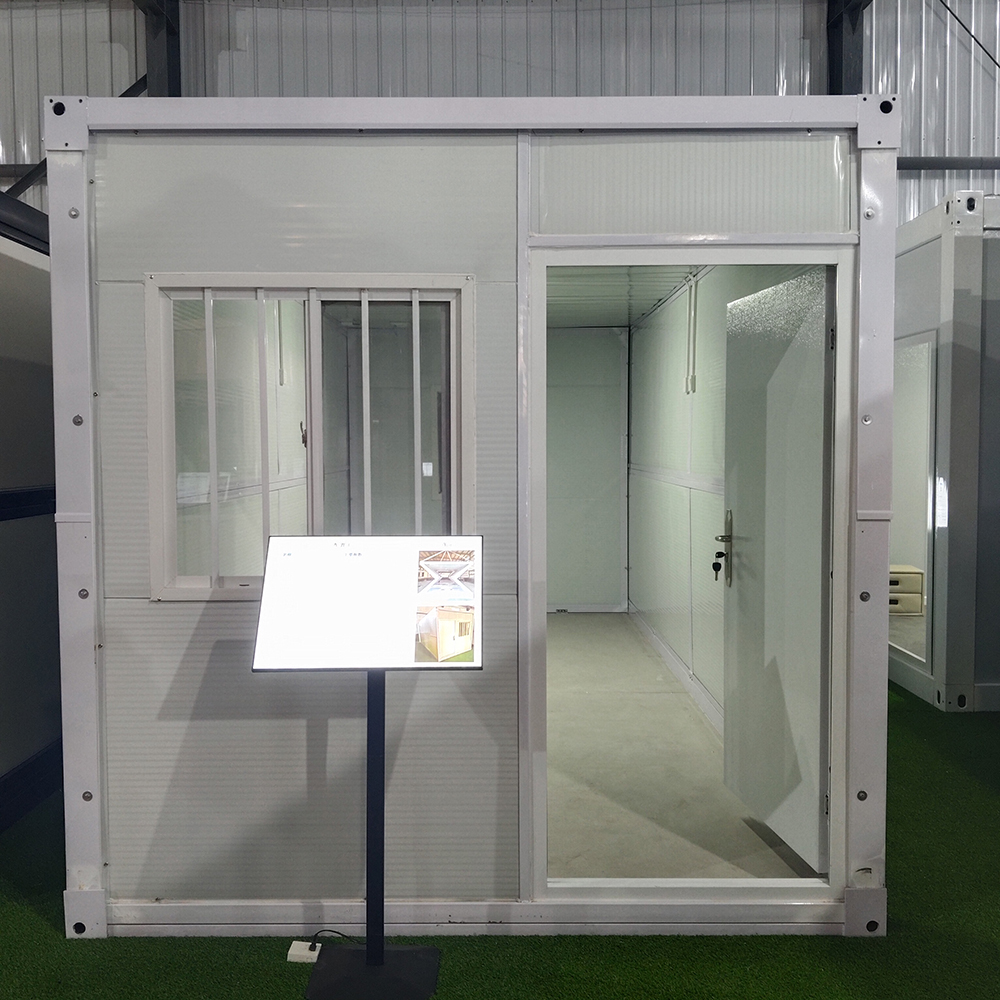 Reasonable Price 1 Bedroom Modular Container House Folding Container Home for Villa or Apartment Use
 -
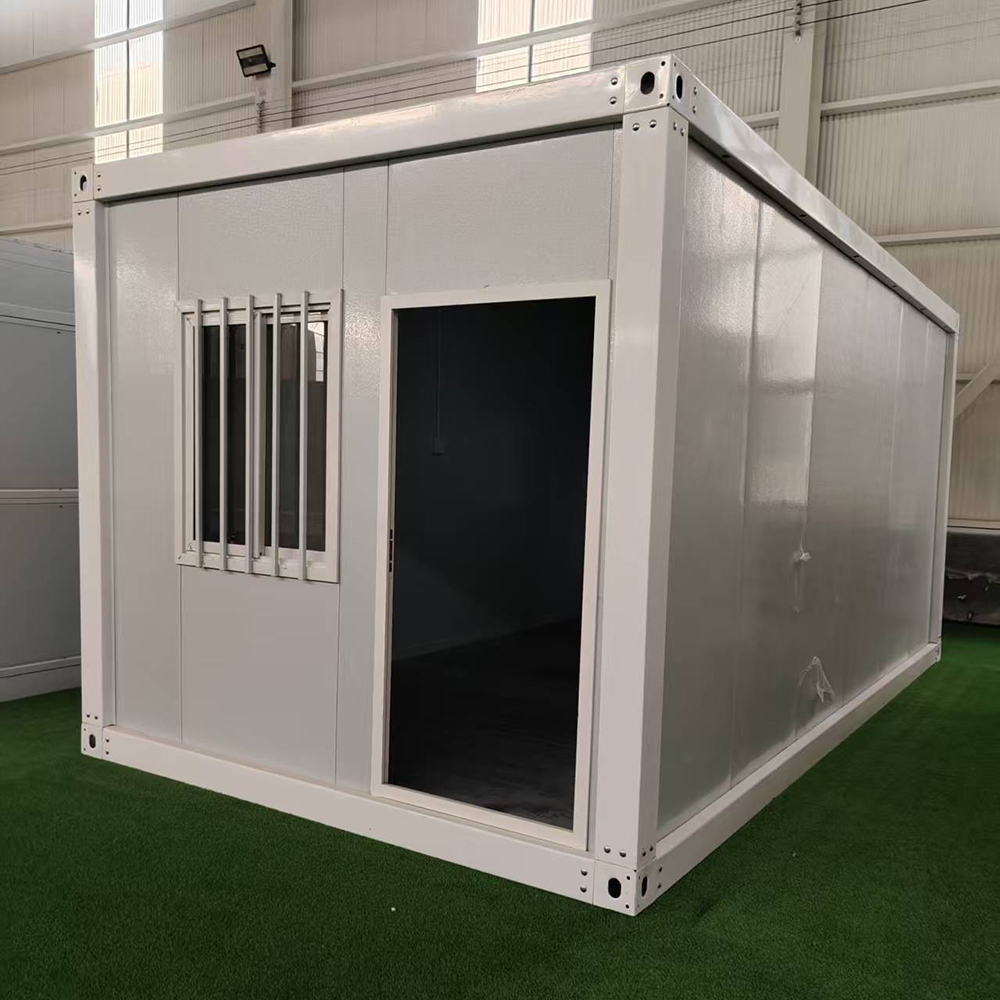 Folding Container Moving House Modular Office Container House Prefab Container for Outdoor Use