
-
E-mail
Austin120521@outlook.com -
E-mail
sales@jujiuhouse.com -
Telephone
+86-17864099991 -
Telephone
+86-17854044442
- Chinese
- French
- German
- Portuguese
- Spanish
- Russian
- Japanese
- Korean
- Arabic
- Irish
- Greek
- Turkish
- Italian
- Danish
- Romanian
- Indonesian
- Czech
- Afrikaans
- Swedish
- Polish
- Basque
- Catalan
- Esperanto
- Hindi
- Lao
- Albanian
- Amharic
- Armenian
- Azerbaijani
- Belarusian
- Bengali
- Bosnian
- Bulgarian
- Cebuano
- Chichewa
- Corsican
- Croatian
- Dutch
- Estonian
- Filipino
- Finnish
- Frisian
- Galician
- Georgian
- Gujarati
- Haitian
- Hausa
- Hawaiian
- Hebrew
- Hmong
- Hungarian
- Icelandic
- Igbo
- Javanese
- Kannada
- Kazakh
- Khmer
- Kurdish
- Kyrgyz
- Latin
- Latvian
- Lithuanian
- Luxembou..
- Macedonian
- Malagasy
- Malay
- Malayalam
- Maltese
- Maori
- Marathi
- Mongolian
- Burmese
- Nepali
- Norwegian
- Pashto
- Persian
- Punjabi
- Serbian
- Sesotho
- Sinhala
- Slovak
- Slovenian
- Somali
- Samoan
- Scots Gaelic
- Shona
- Sindhi
- Sundanese
- Swahili
- Tajik
- Tamil
- Telugu
- Thai
- Ukrainian
- Urdu
- Uzbek
- Vietnamese
- Welsh
- Xhosa
- Yiddish
- Yoruba
- Zulu
- Kinyarwanda
- Tatar
- Oriya
- Turkmen
- Uyghur




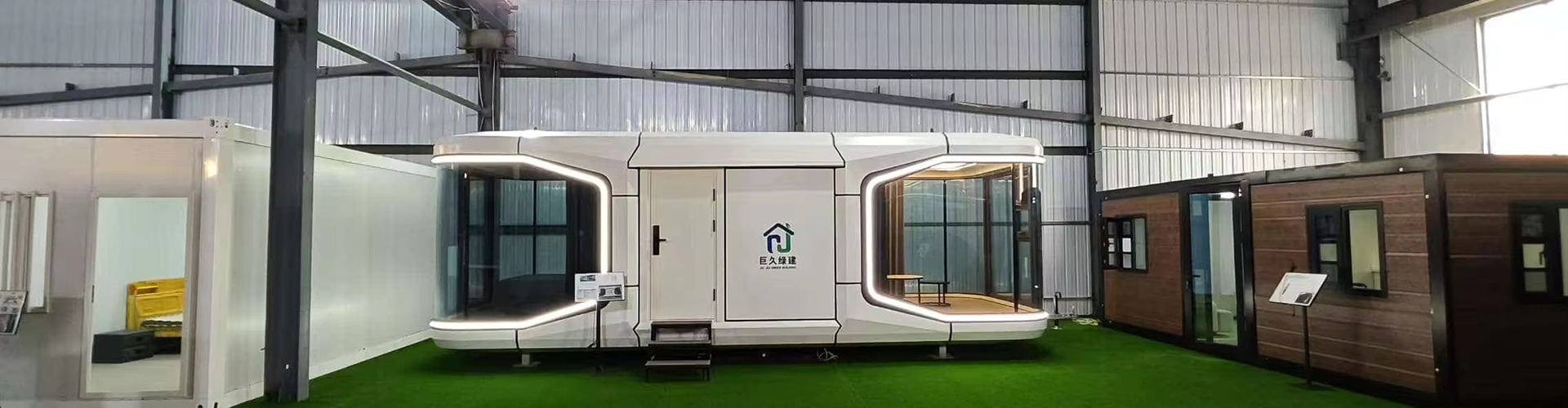
China apple cabin 40ft capsule
The Intricacies of China's 40ft Apple Cabin Capsule
The world of integrated housing is buzzing with innovation, particularly in China where terms like apple cabin 40ft capsule are gaining traction. These units symbolize a blend of efficiency and ingenuity, but understanding their real-world application requires more than just theoretical knowledge. Let’s delve into what makes these structures both appealing and complex.
Understanding the 40ft Capsule
At its core, a 40ft capsule isn't merely about space. In the housing industry, especially in modular setups, it's about the balance between form and function. Having worked with such structures, I’ve observed that they must satisfy rigorous standards, not just in size but in adaptability and durability. Many confuse them with simple shipping containers, but there’s more beneath the surface.
Considerations like thermal performance, ventilation, and load distribution become pivotal in the design phase. These details might seem negligible at first glance, but they drastically affect the user experience. I've seen projects stall due to overlooking such nuances, underlining the importance of expertise in execution.
While assessing the practicality of 40ft capsules, challenges often arise in customization. Diverse client needs mean that one size rarely fits all. Collaborating with engineers who have hands-on experience with integrated systems usually makes a difference in smooth execution.
The Role of Shandong Jujiu Integrated Housing Co., Ltd.
Working with firms like SHANDONG JUJIU INTEGRATED HOUSING CO, LTD can offer insights into tackling these challenges. Their wide-ranging expertise in integrated housing solutions offers unique perspectives, especially their approach to R&D and customization.
For them, innovation isn’t just a buzzword. Their work in light steel villas and movable board rooms frequently sets benchmarks for optimizing space without compromising quality. Collaboration with such entities often provides practical solutions to seemingly complex design problems.
Moreover, their focus on comprehensive engineering solutions ensures that from concept to execution, every aspect aligns with client expectations. This holistic approach is precisely what’s needed to translate conceptual designs into functional realities.
Challenges in Real-World Applications
Despite the advantages, real-world application presents its own layer of complexity. For instance, tailoring a 40ft space to meet local building regulations requires both understanding and negotiation skills. This often involves using materials that are compliant yet cost-effective.
My experience has shown that issues like site access, local environmental factors, and logistical hurdles can unexpectedly extend timelines. Effective project management thus becomes as important as technical skill—sometimes more so.
The role of technology, particularly software for design and management, cannot be overstated in overcoming these barriers. Efficient use of these tools often determines the project's success or failure.
The Economic Impact and Sustainability
There’s an undeniable economic component to these structures. Their affordability compared to traditional housing options makes them attractive, particularly in urban settings. Being cost-conscious, however, shouldn’t mean a compromise on quality—something companies like Shandong Jujiu emphasize.
Sustainability further complicates the equation. Using eco-friendly materials while maintaining structural stability requires thoughtful sourcing and construction methods. Successfully integrating these elements not only fulfills environmental responsibilities but also adds to the long-term value.
Market demand might be a driving factor, but sustainable practices ensure the longevity of such housing solutions. The ripple effect on communities and the built environment makes it a worthy investment for the future.
Future Prospects of Apple Cabin Capsules
Looking forward, these capsules epitomize the shift toward efficient and scalable housing solutions. As more industries adopt flexible workspaces and remote setups, the demand for versatile living and working spaces is likely to increase.
Companies poised at the forefront of this shift, like Shandong Jujiu, are uniquely positioned to redefine urban landscapes. Their continuous investment in tech-enabled solutions reflects a proactive approach to evolving market needs.
Ultimately, the future of the 40ft capsule lies not just in its design but in its ability to adapt to societal changes, proving itself as a sustainable choice in a rapidly changing world.
Related products
Related products
Best selling products
Best selling products-
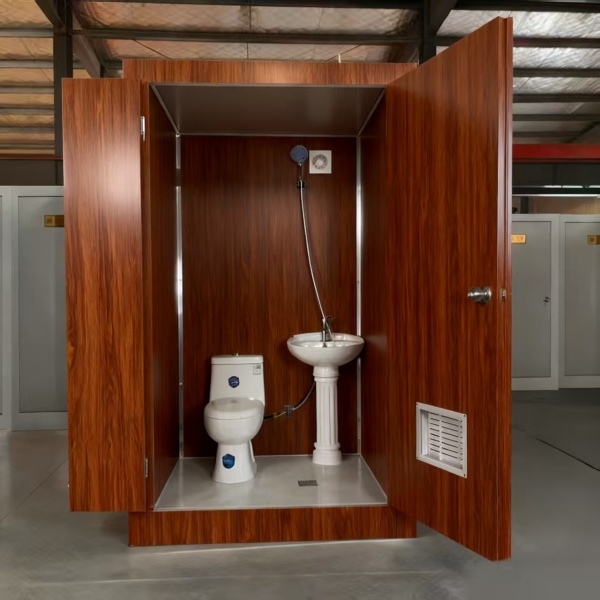 Portable outdoor camping bathroom, mobile toilet, prefabricated modular villa & rental of outdoor and indoor showers
 -
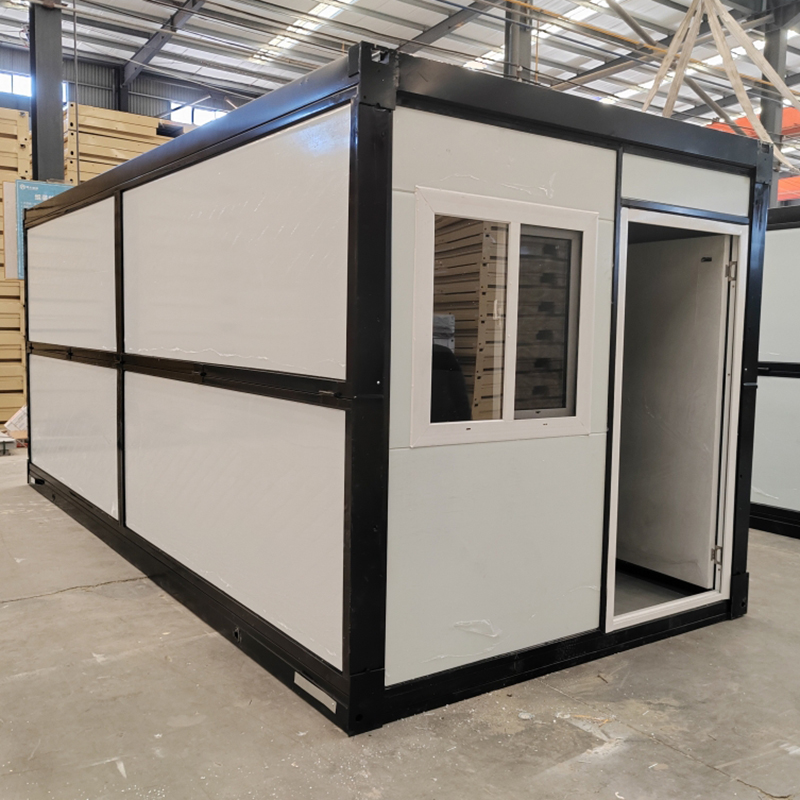 Detachable Design Prefabricated Container House Portable Modular Office Building Folding Container House
 -
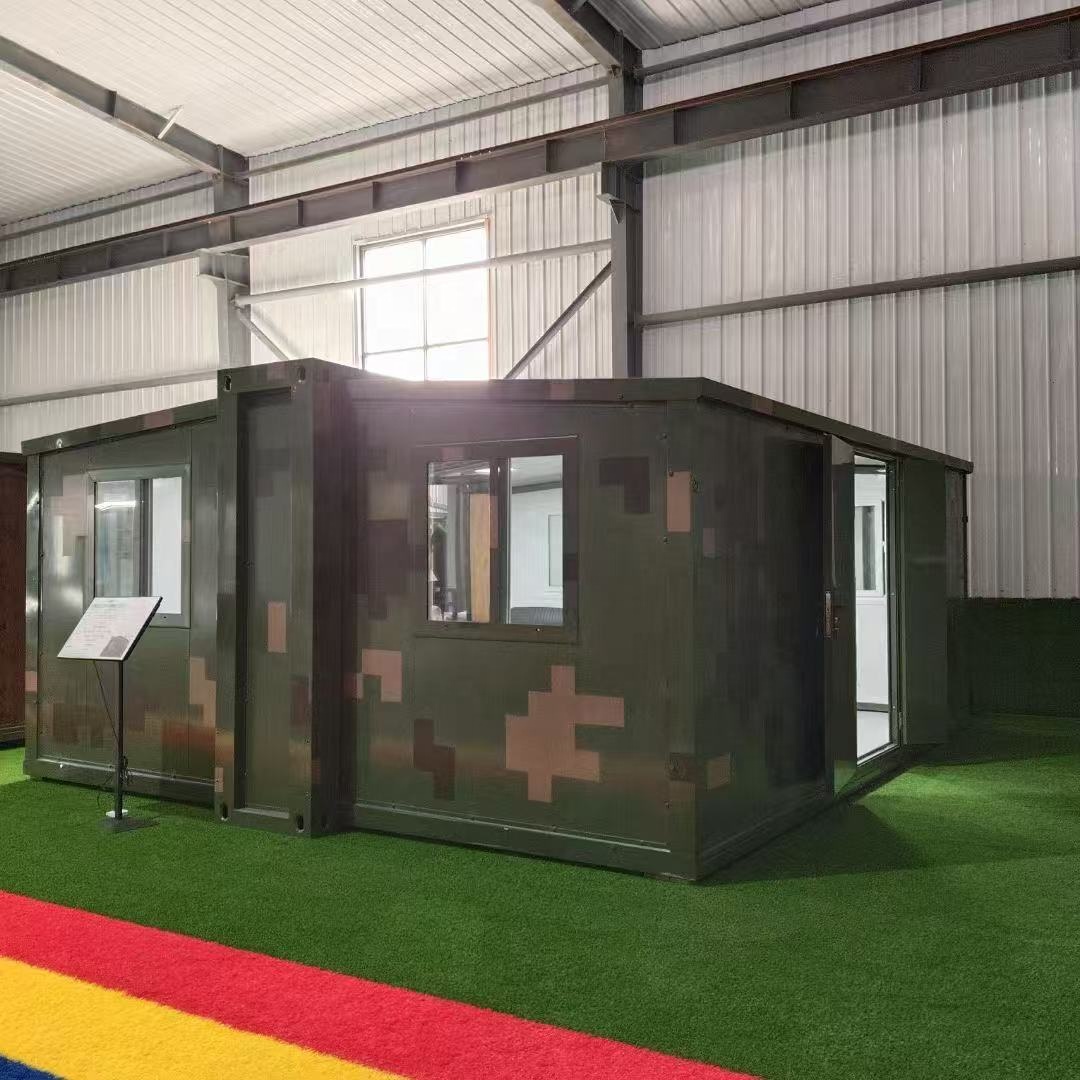 Movable Prefabricated Container House Villas Modular Portable Homes 1 Bedroom Container House Offices Apartments
 -
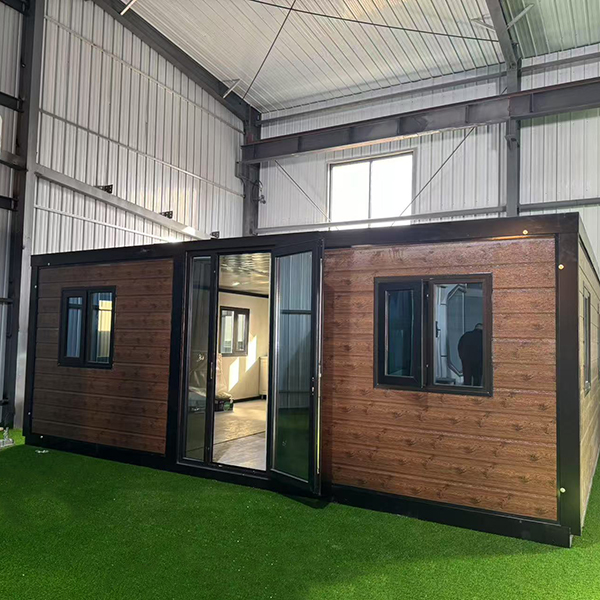 Good Quality Modular Homes Prefabricated House Expandable Container House 20FT Mobile Flat Roof House
 -
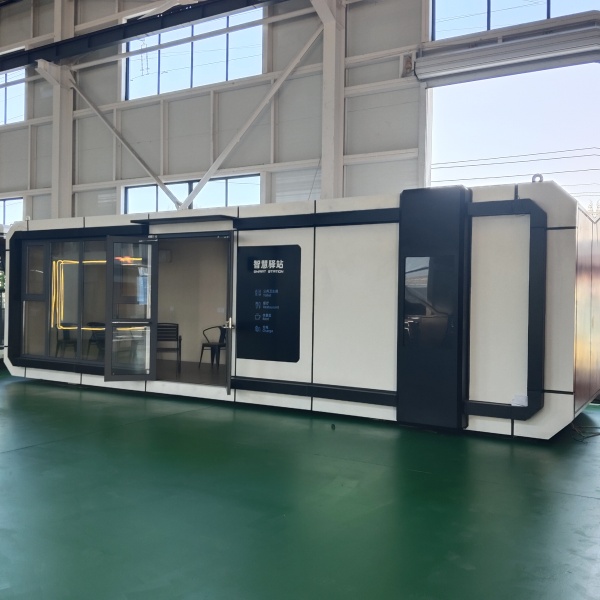 Modular modern movable apple cabins, customized high-end folk houses and portable bedrooms, delivered as a whole
 -
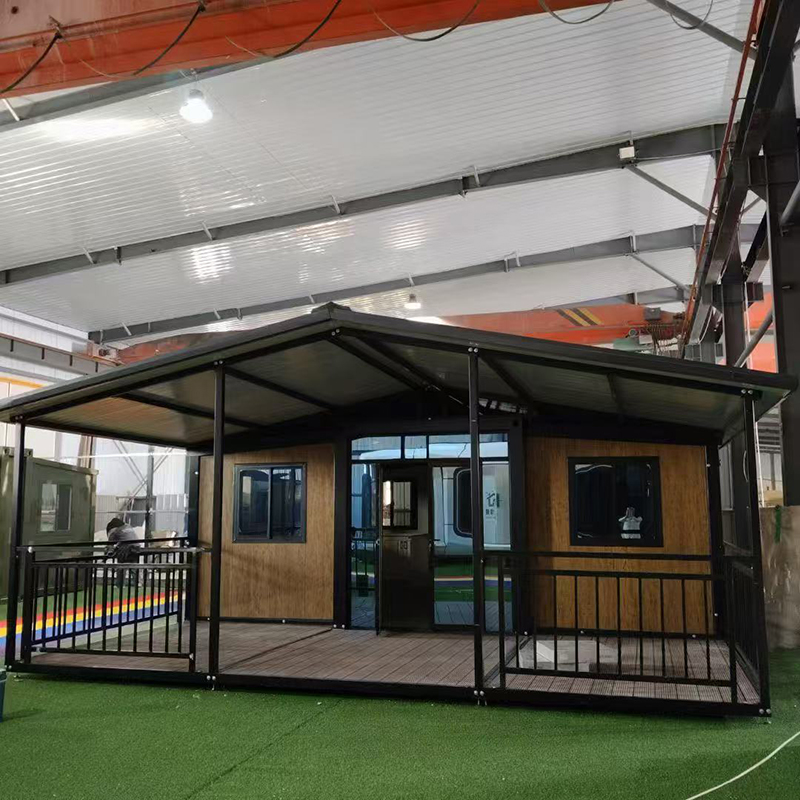 Customized Expandable Container House Holiday Home Folding Prefab Container House with Bathroom and Kitchen
 -
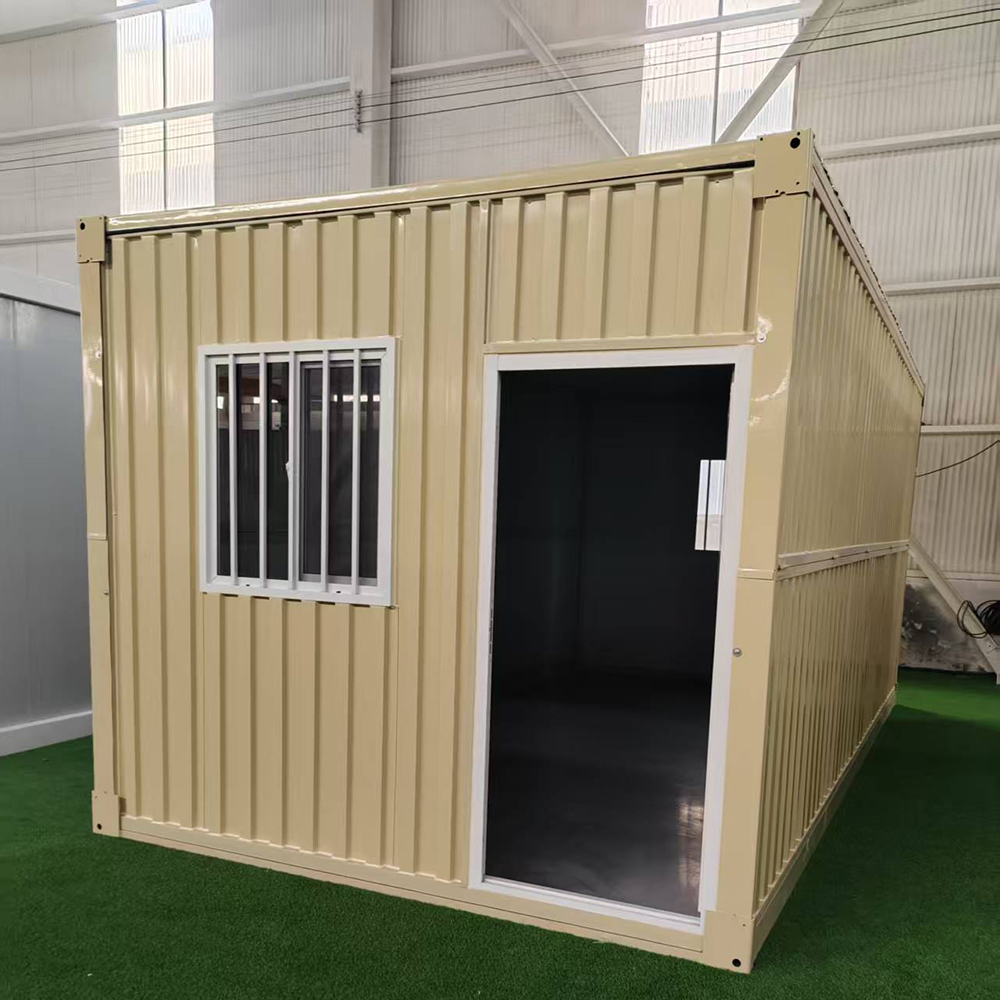 Competitive Price Portable Container House Foldable Container Mobile Living Modular Homes
 -
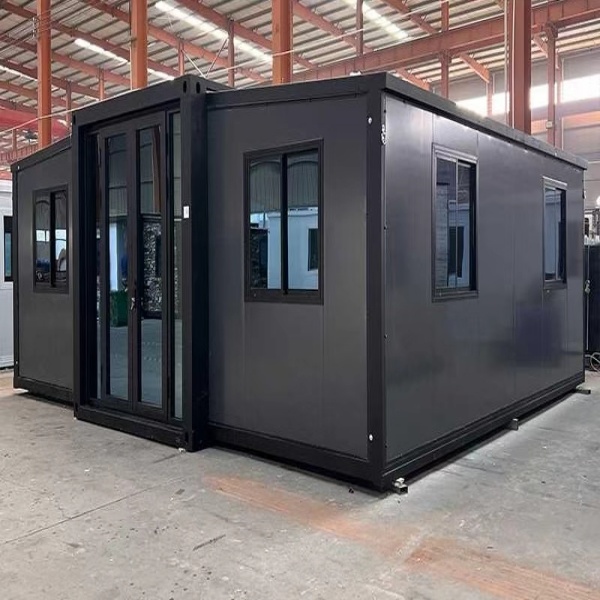 Dual-Wing Folding Container House: Fast Assembly, Space-Saving & Multi-Scene Adaptable
 -
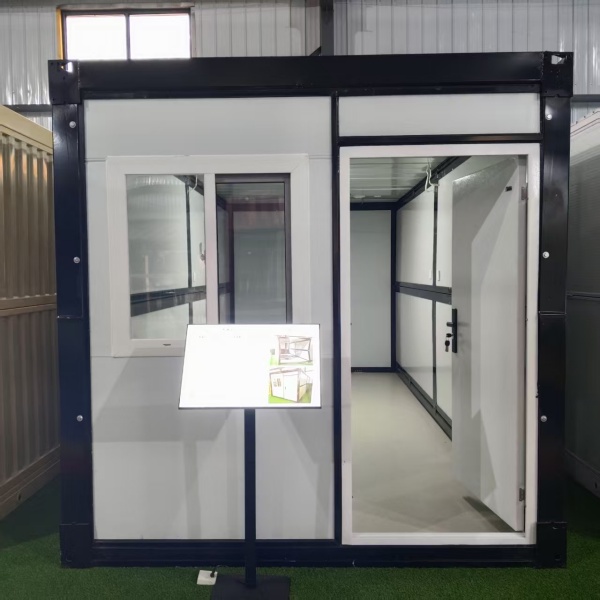 Factory Direct Sales Office Folding Container Luxury House Living Container House
 -
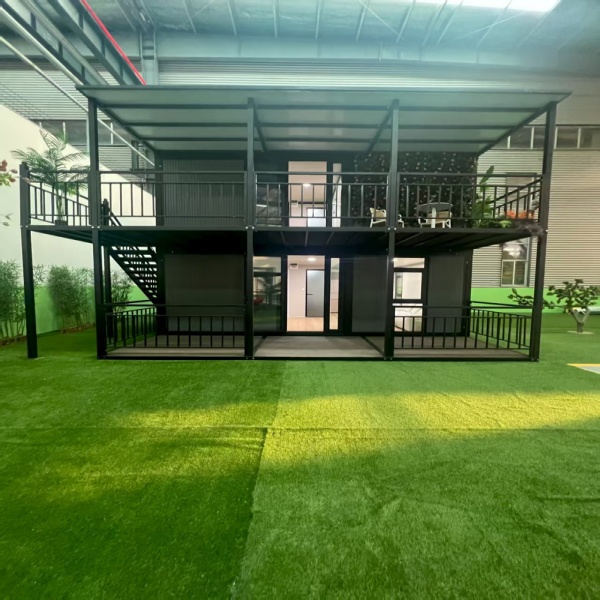 Luxury foldable two-story container houses in luxury resort hotels and villa hotels
 -
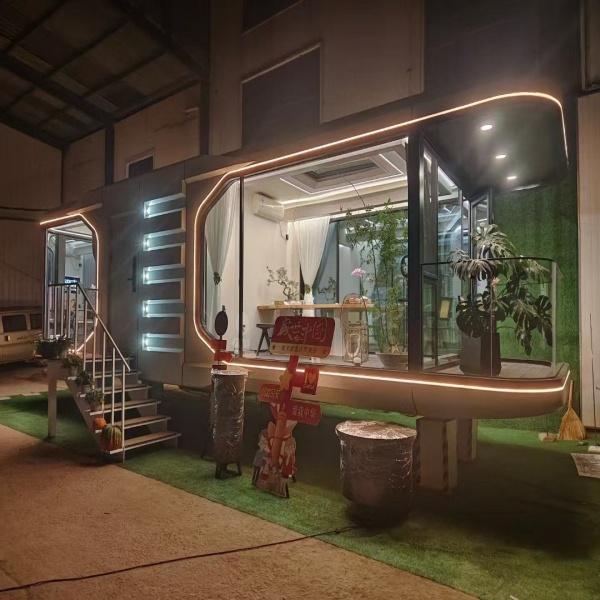 Outdoor ecological capsule rooms, luxury pods, space capsule hotel rooms, prefabricated space capsules, container houses
 -
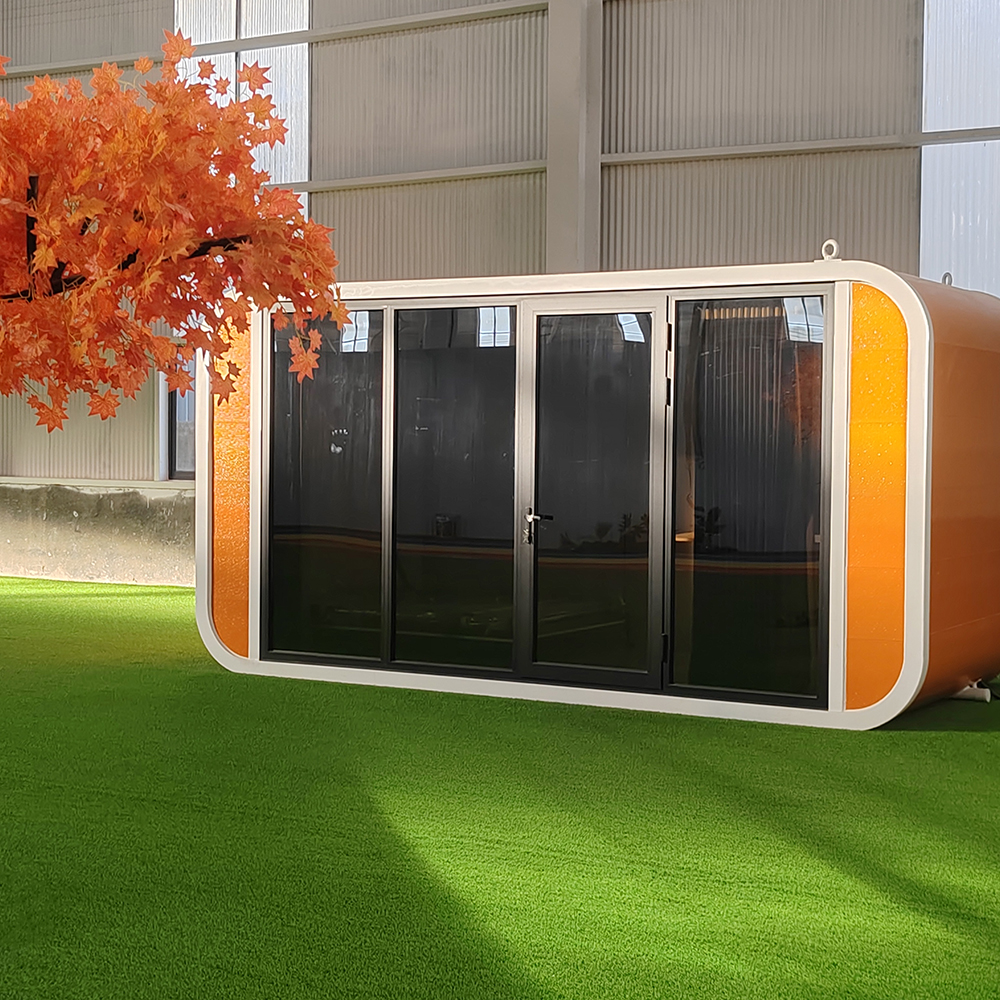 Luxury Prefabricated Living Container House Modular Glass Tiny House Prefab Container Home Apple Cabin
Related search
Related search- folding house container home
- prefabricated modular container house
- good price folding shipping container house
- Buy mobile expandable prefab house
- Buy 40ft expandable container house usa
- folding house elon musk
- China modular modern container house tiny home prefabricated
- z folding container house
- folding container house price
- Buy cabins on apple valley road