
-
E-mail
Austin120521@outlook.com -
E-mail
sales@jujiuhouse.com -
Telephone
+86-17864099991 -
Telephone
+86-17854044442
- Chinese
- French
- German
- Portuguese
- Spanish
- Russian
- Japanese
- Korean
- Arabic
- Irish
- Greek
- Turkish
- Italian
- Danish
- Romanian
- Indonesian
- Czech
- Afrikaans
- Swedish
- Polish
- Basque
- Catalan
- Esperanto
- Hindi
- Lao
- Albanian
- Amharic
- Armenian
- Azerbaijani
- Belarusian
- Bengali
- Bosnian
- Bulgarian
- Cebuano
- Chichewa
- Corsican
- Croatian
- Dutch
- Estonian
- Filipino
- Finnish
- Frisian
- Galician
- Georgian
- Gujarati
- Haitian
- Hausa
- Hawaiian
- Hebrew
- Hmong
- Hungarian
- Icelandic
- Igbo
- Javanese
- Kannada
- Kazakh
- Khmer
- Kurdish
- Kyrgyz
- Latin
- Latvian
- Lithuanian
- Luxembou..
- Macedonian
- Malagasy
- Malay
- Malayalam
- Maltese
- Maori
- Marathi
- Mongolian
- Burmese
- Nepali
- Norwegian
- Pashto
- Persian
- Punjabi
- Serbian
- Sesotho
- Sinhala
- Slovak
- Slovenian
- Somali
- Samoan
- Scots Gaelic
- Shona
- Sindhi
- Sundanese
- Swahili
- Tajik
- Tamil
- Telugu
- Thai
- Ukrainian
- Urdu
- Uzbek
- Vietnamese
- Welsh
- Xhosa
- Yiddish
- Yoruba
- Zulu
- Kinyarwanda
- Tatar
- Oriya
- Turkmen
- Uyghur




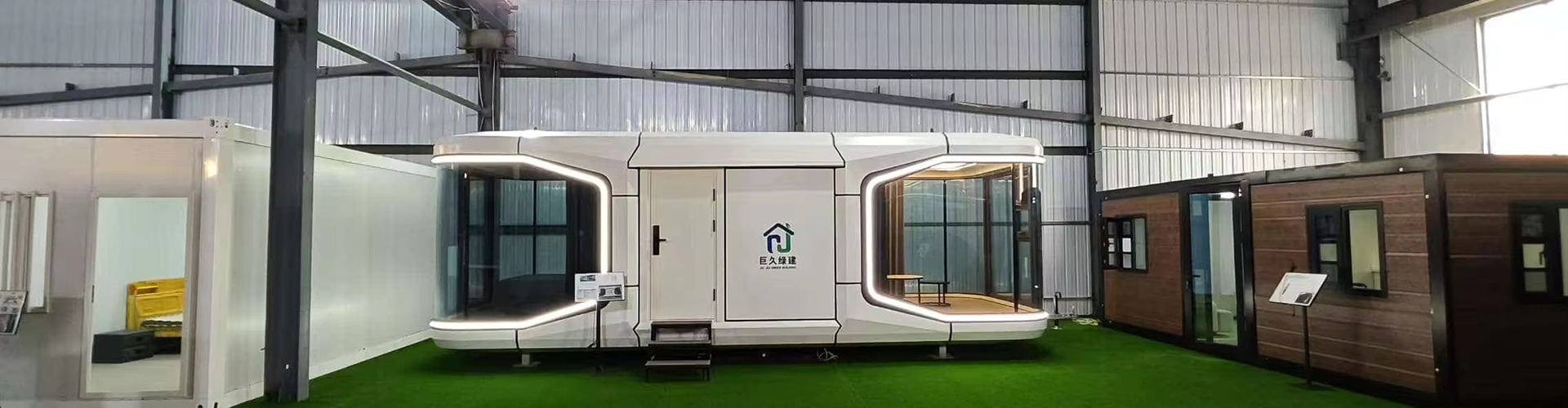
China apple cabin modular house
Exploring the Versatility of Modular Housing in China
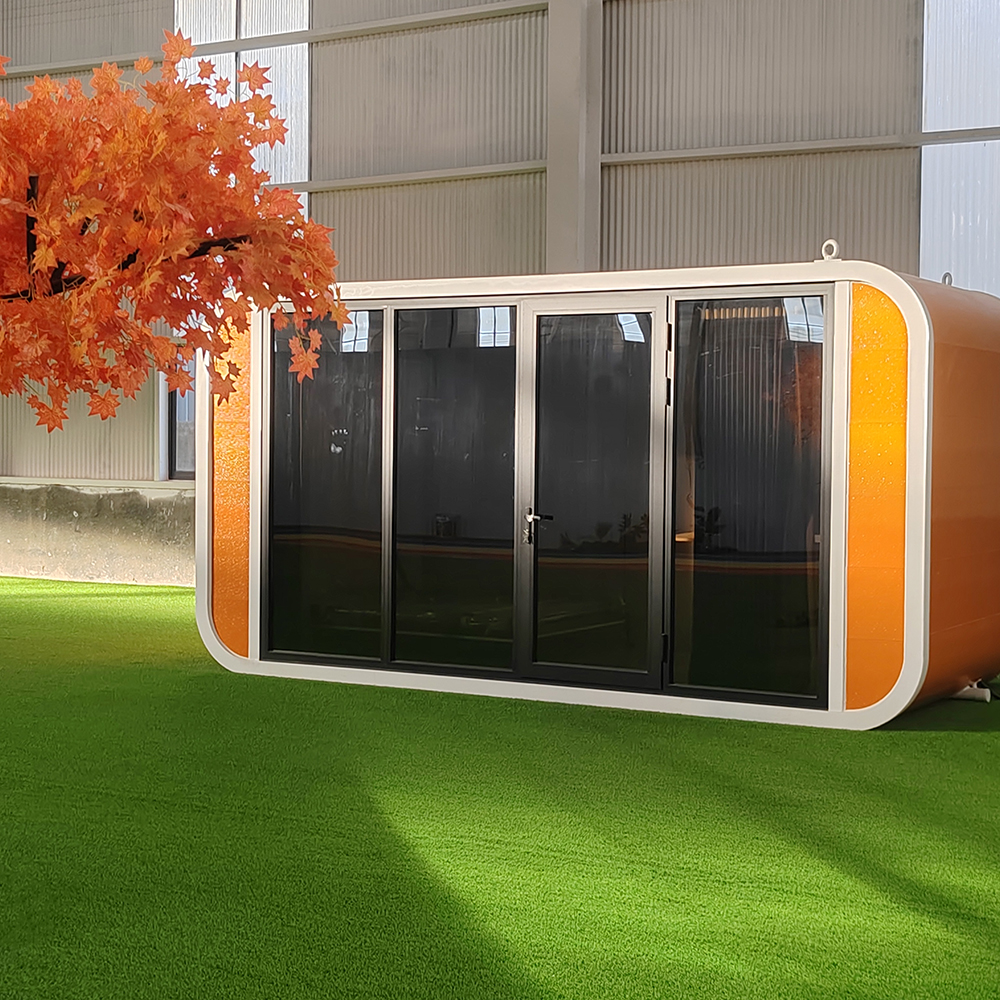
The concept of the China apple cabin modular house is one that intrigues many, yet often remains misunderstood. At its core, this type of construction epitomizes the future of housing: economical, efficient, and eco-friendly. However, there are several misconceptions that persist in the minds of potential clients and industry newcomers. Let's delve into this fascinating realm.
The Essence of Apple Cabin Design
For a start, the design concept behind the apple cabin modular house is not just about aesthetics. It represents a shift towards sustainable living, with homes that are quick to assemble and disassemble, allowing for flexibility and mobility. Many imagine these structures to be purely temporary, overlooking their durability and long-term viability. From my experience, these houses can truly withstand the test of time when constructed properly.
In China, modular housing is not only about convenience but also about adapting to rapid urbanization. Companies like SHANDONG JUJIU INTEGRATED HOUSING CO, LTD have been instrumental in pushing the envelope in terms of what these structures can achieve. Their work involves meticulous research and development that ensures each module meets high quality and safety standards.
There's a common practice here: starting small with initial deployments to understand the logistics and integrate client-specific requirements, then scaling up. I've seen this approach save time and resources significantly.
Challenges in Modular Construction
However, not all is smooth sailing. One major challenge is in the logistics – ensuring every component arrives intact and on time. I've witnessed projects that suffered delays due to mishandled deliveries. Ensuring every box contains the correct parts is crucial; even a missing bolt can cause unforeseen complications.
Weather can also be an unpredictable factor. For instance, the high humidity in certain parts of China requires precise material selection to prevent long-term damage. It's these nuances that reveal the importance of local expertise in the planning stages.
Moreover, local regulations can present hurdles. Navigating permits and aligning designs with building codes demands a level of familiarity with the regional legal landscape. Here, companies like Shandong Jujiu often prove valuable with their comprehensive approach to construction, which integrates compliance from the outset.
Emphasizing Sustainability and Efficiency
Nevertheless, the environmental benefits of modular housing are compelling. The production process typically produces less waste compared to conventional building methods. It’s a point that many environmentally-conscious clients value greatly.
Efficiency isn't just in the building process. Operational energy costs are often lower thanks to superior insulation and energy-efficient designs. This is where the ingenuity of the apple cabin modular house truly shines, mirroring the broader principles adopted by industry leaders such as Shandong Jujiu.
And let's not overlook the social aspect. Modular units can be quickly deployed to address housing shortages in urban areas, providing immediate relief where traditional construction would falter. Such flexibility was evident in certain rapid-response solutions during the recent global challenges.
Real-World Applications and Case Studies
One notable project involved assembling a series of modular homes for a remote community. Here, the rapid construction process was essential, cutting down what would typically be months of work into mere weeks. The homes needed to withstand harsh weather, making the role of technical expertise that much more crucial.
These efforts have a ripple effect, demonstrating to local developers that modular solutions aren't just a stopgap; they're a viable long-term strategy. Feedback and adaptation play a crucial role in refining each cycle to improve the next project’s approach.
From this perspective, the apple cabin design isn't a mere novelty but a herald of change. It encourages a re-evaluation of what housing can be – adaptable, efficient, and respectful of our environment.
The Future of Modular Housing
As we look forward, the evolution of modular housing in China appears assured. With advancements in technology and an ongoing emphasis on sustainability, the potential for innovation seems boundless.
The role of companies like Shandong Jujiu extends beyond mere construction; they catalyze change in the housing sector. Their integrated approach can reshape how communities think about space and living environments.
In sum, while misconceptions persist, those who truly understand the potential of the China apple cabin modular house are already glimpsing the future. The balance between pragmatism and visionary design is where the heart of this revolution lies.
Related products
Related products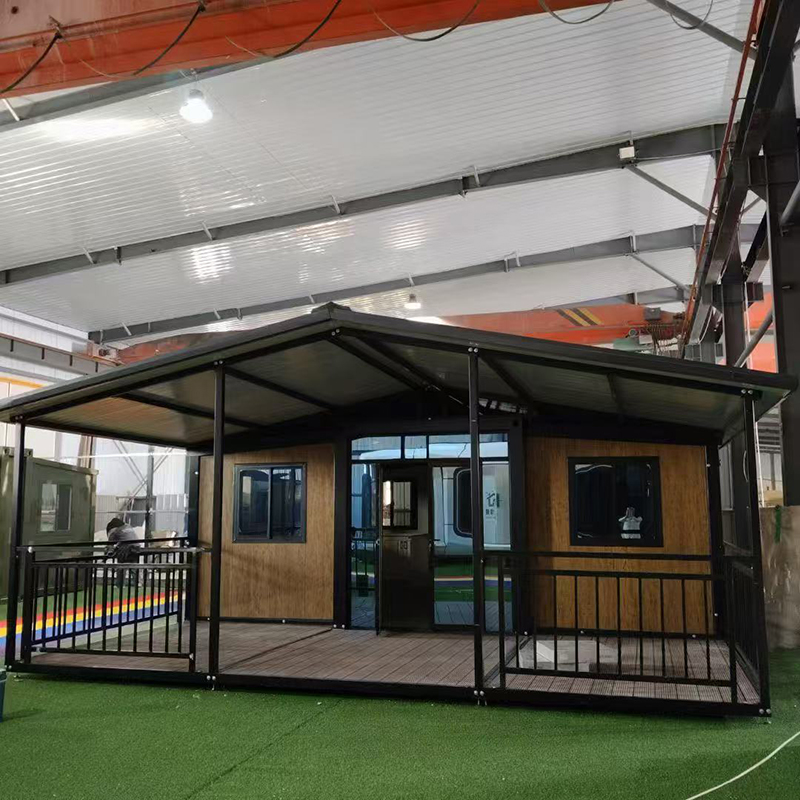
Best selling products
Best selling products-
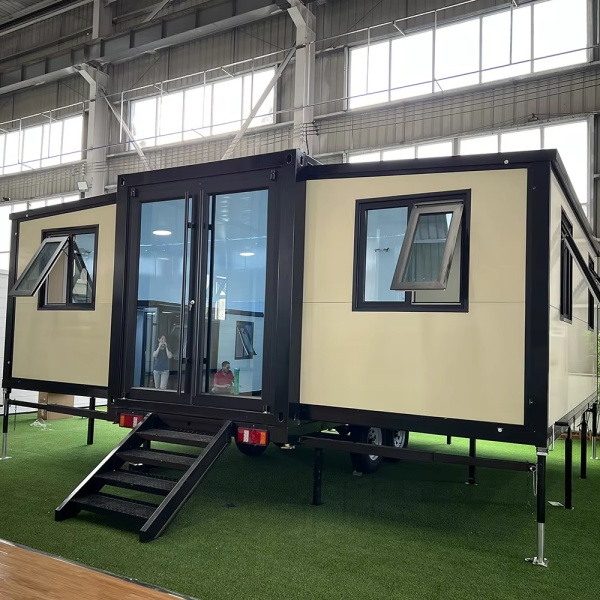 Stair Access Double Wing Expandable Container House | Easy Installation Mobile Office
 -
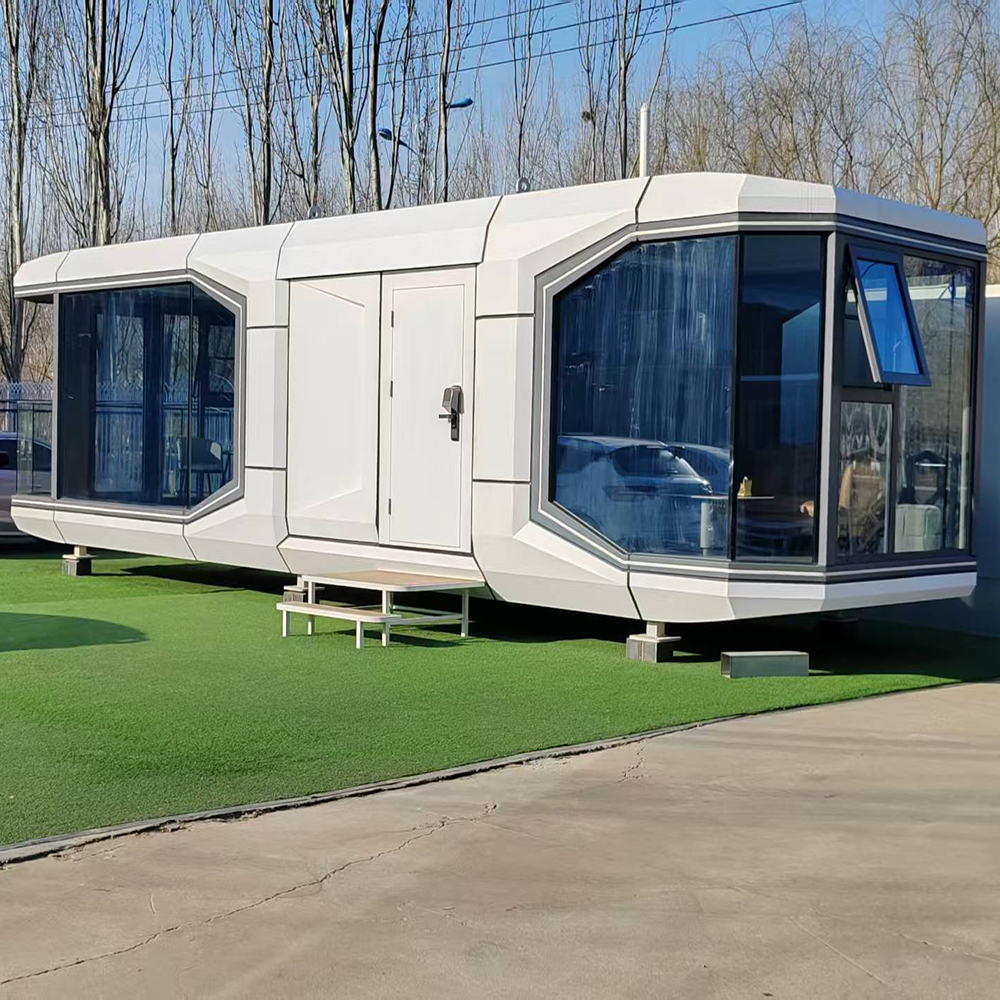 Luxury High Quality 2 Bedroom Container Home Prefabricated Steel Space Capsule for Office Shop Hotel or Outdoor House
 -
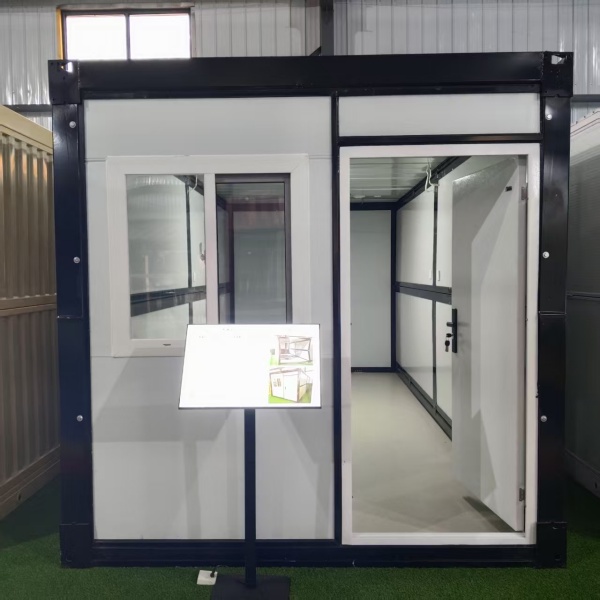 Factory Direct Sales Office Folding Container Luxury House Living Container House
 -
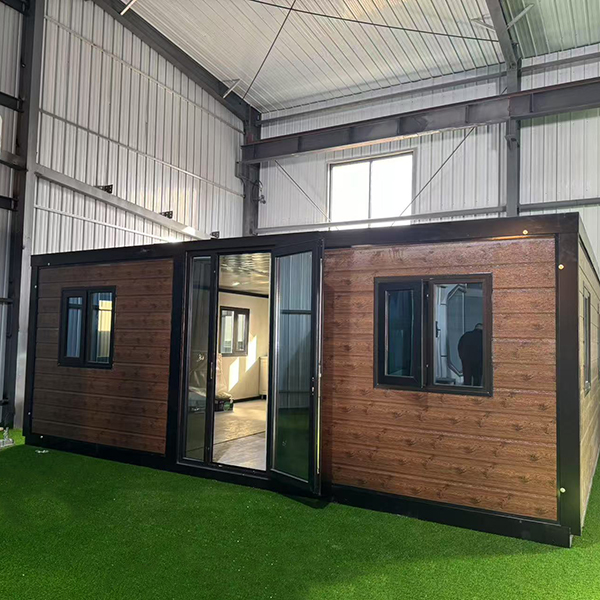
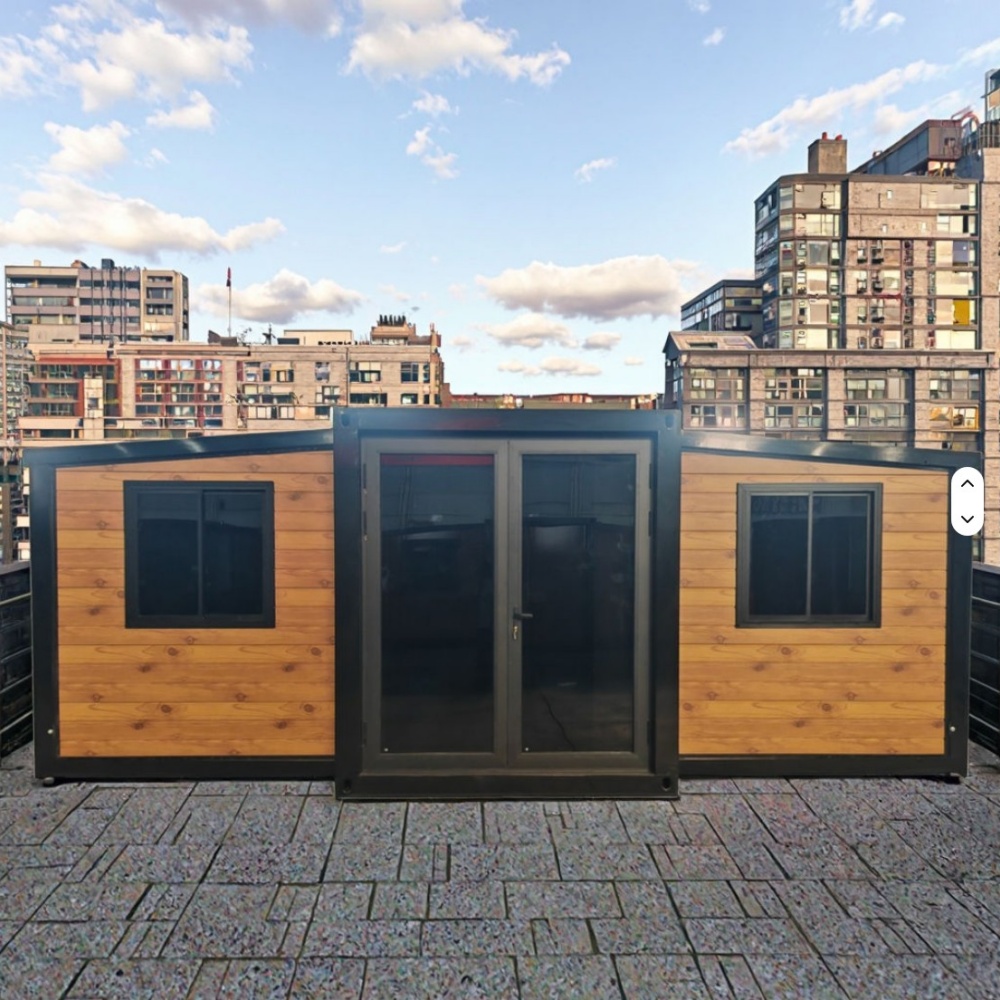
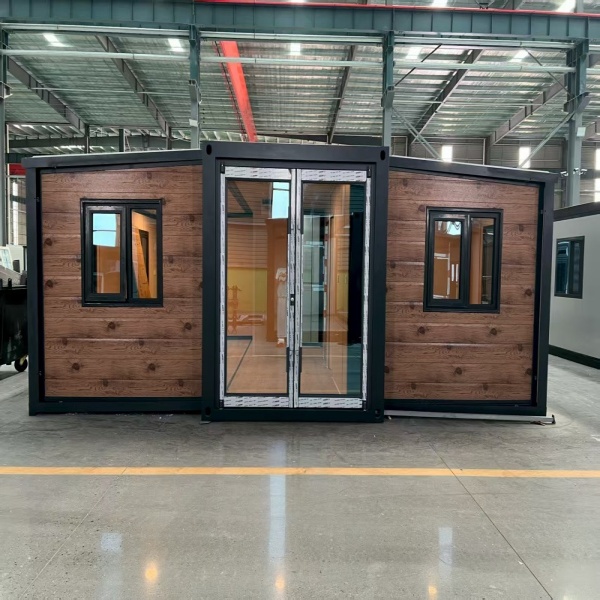 The foldable container house with side wing design can be quickly set up and is suitable for various environments.
 -
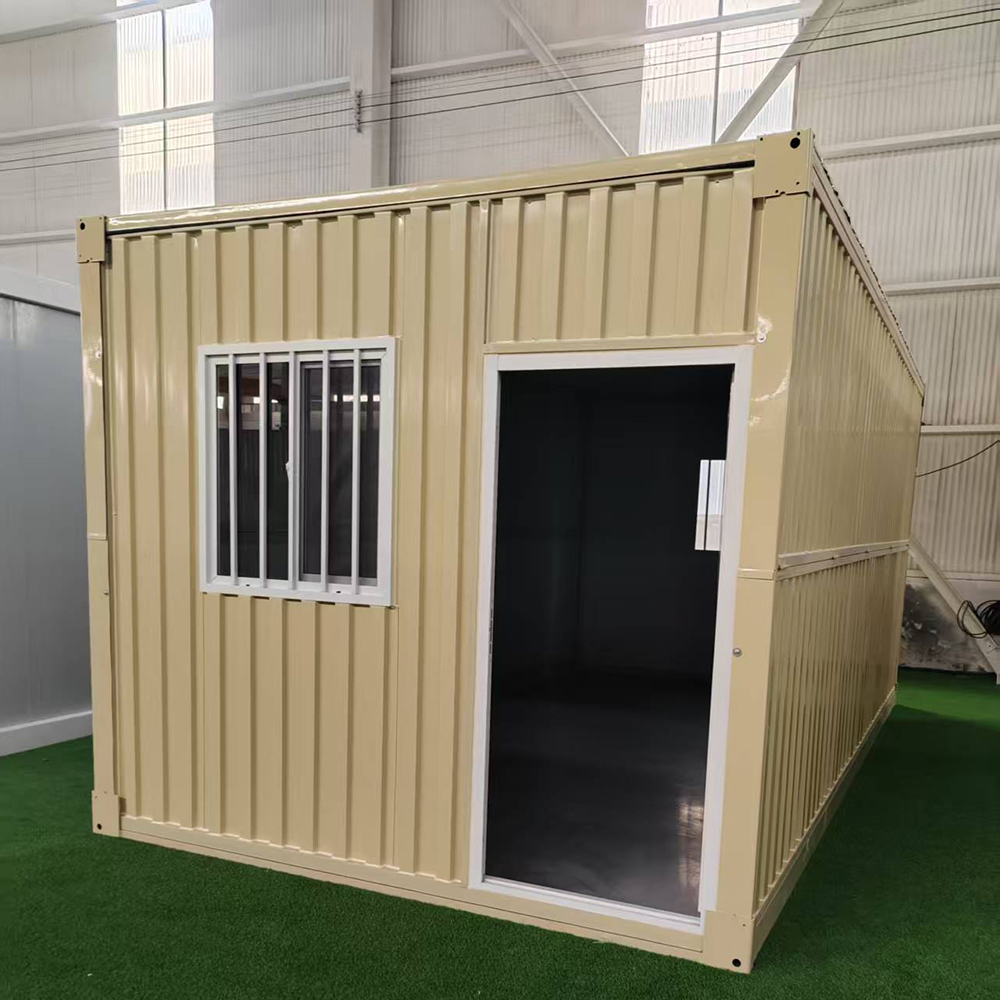 Competitive Price Portable Container House Foldable Container Mobile Living Modular Homes
 -
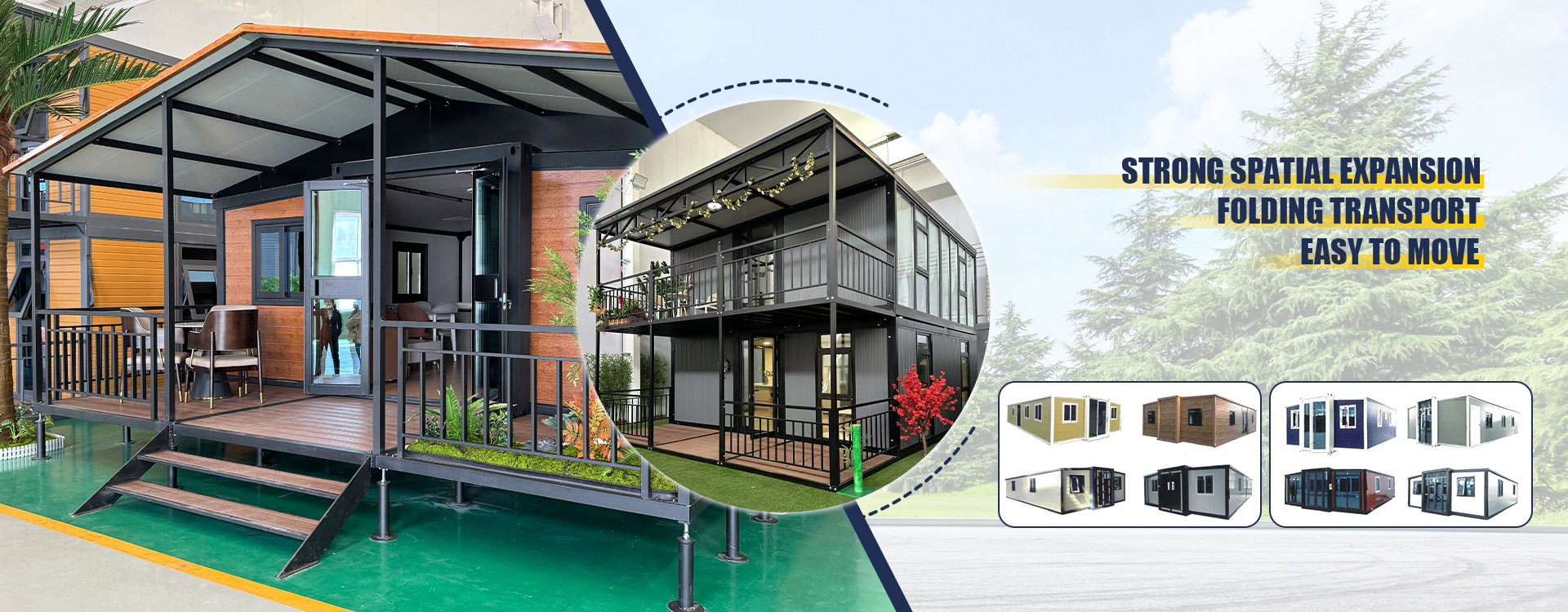
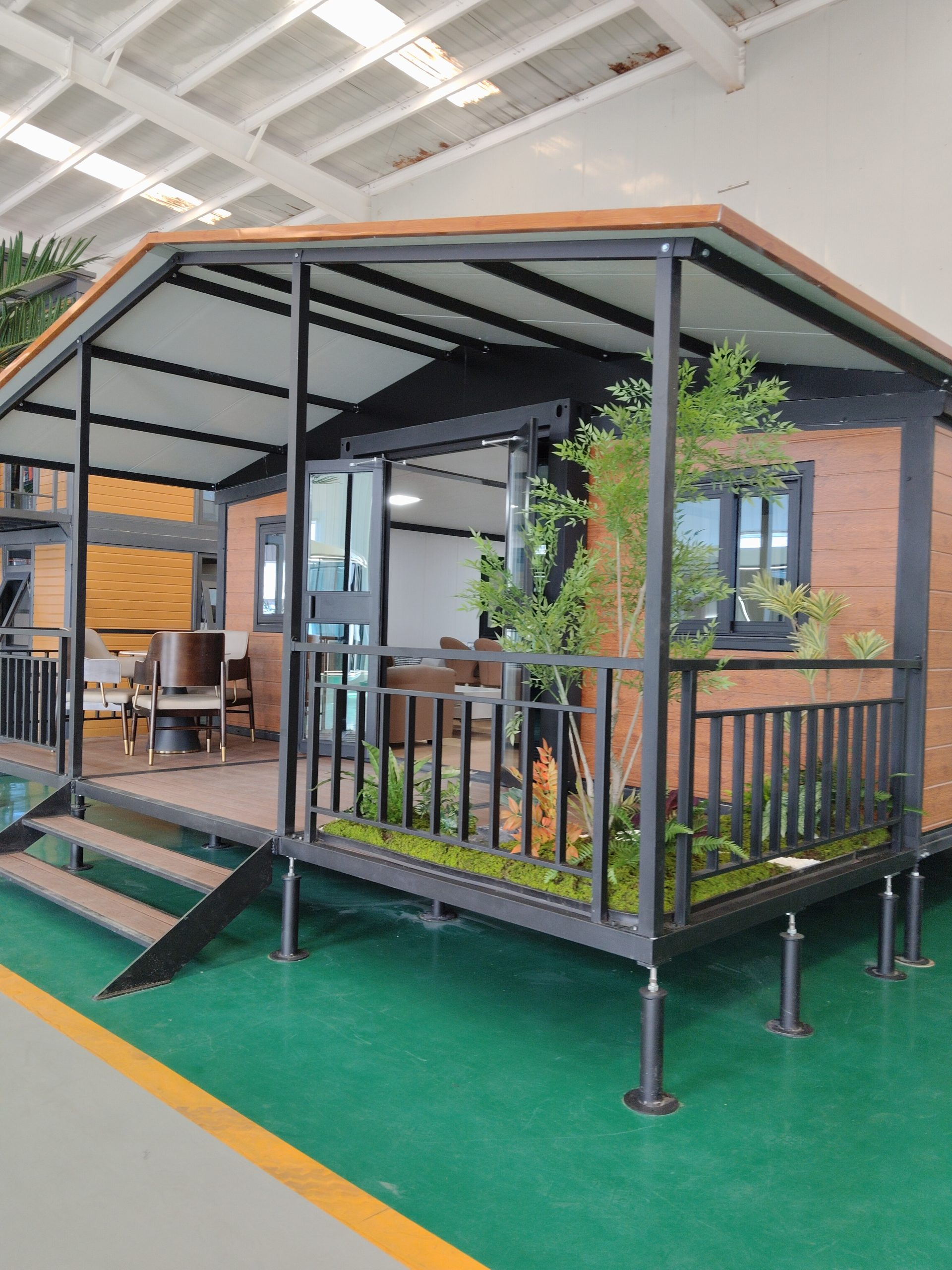 A container house with a terrace and double-wing folding design, suitable for various purposes such as offices, meeting rooms, living rooms, etc.
 -
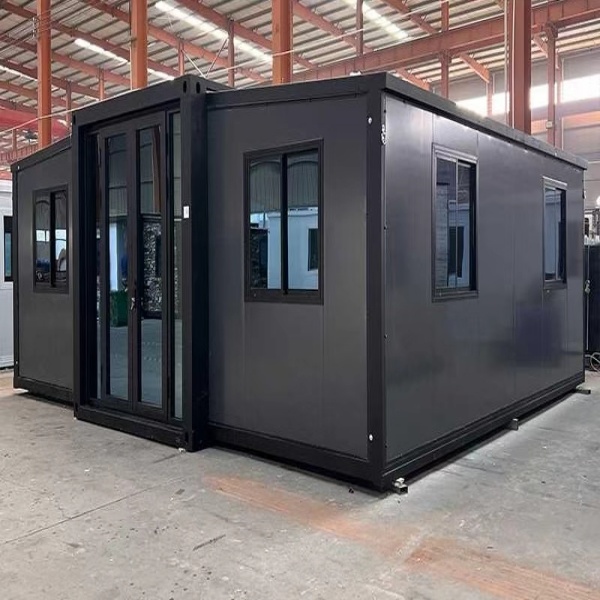 Dual-Wing Folding Container House: Fast Assembly, Space-Saving & Multi-Scene Adaptable
 -
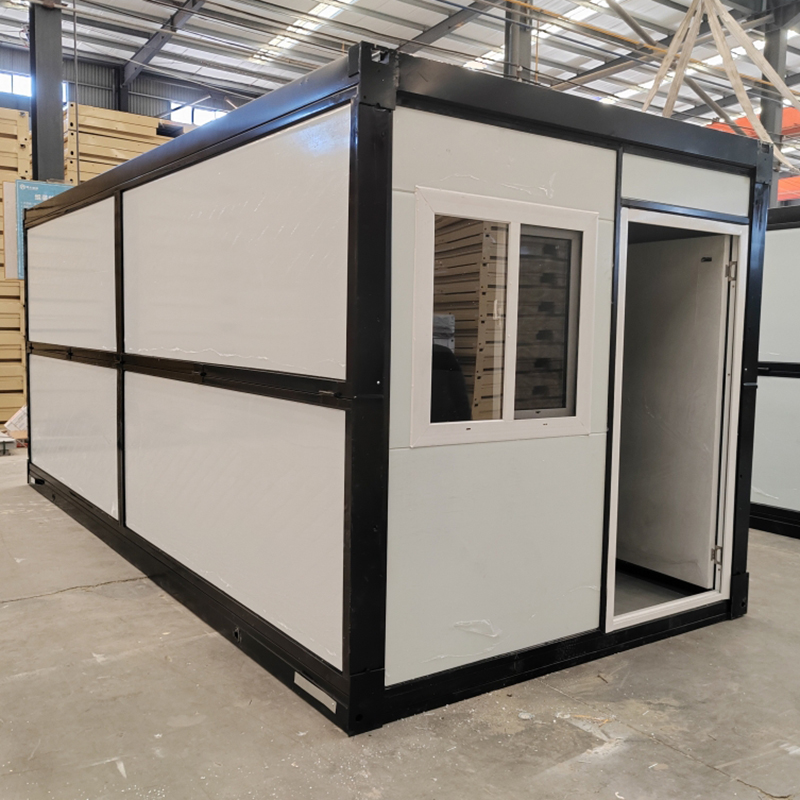 Detachable Design Prefabricated Container House Portable Modular Office Building Folding Container House
 -
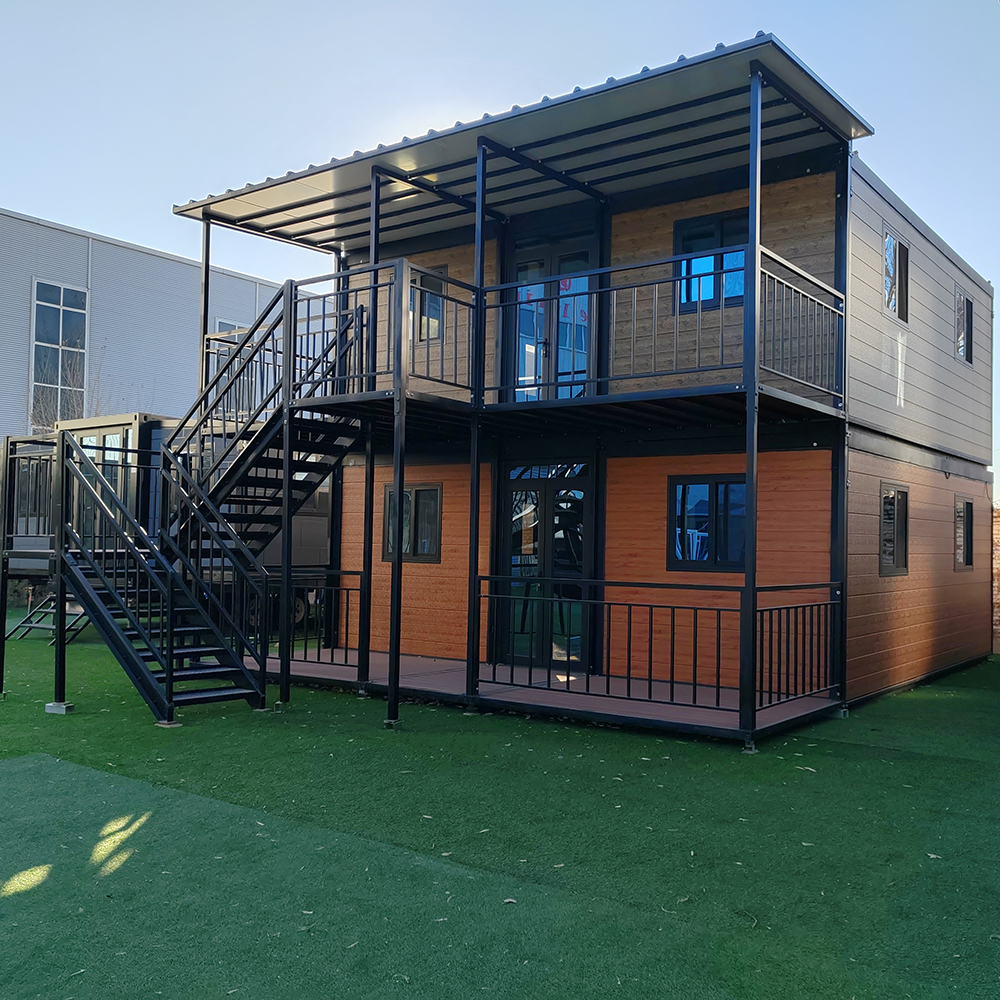 Easy Install Customized Detachable Container Homes Extendable House Prefab 2 Floors Expandable Container House
 -
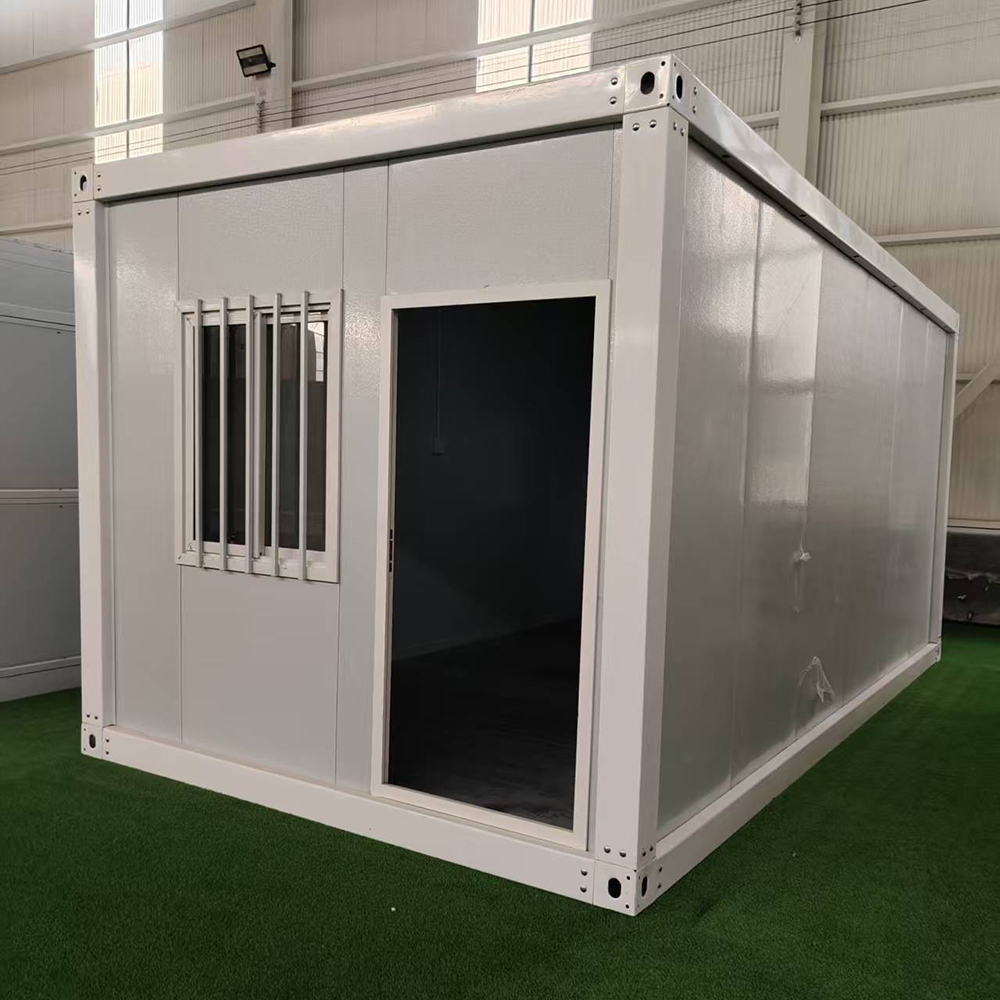 Folding Container Moving House Modular Office Container House Prefab Container for Outdoor Use
 -
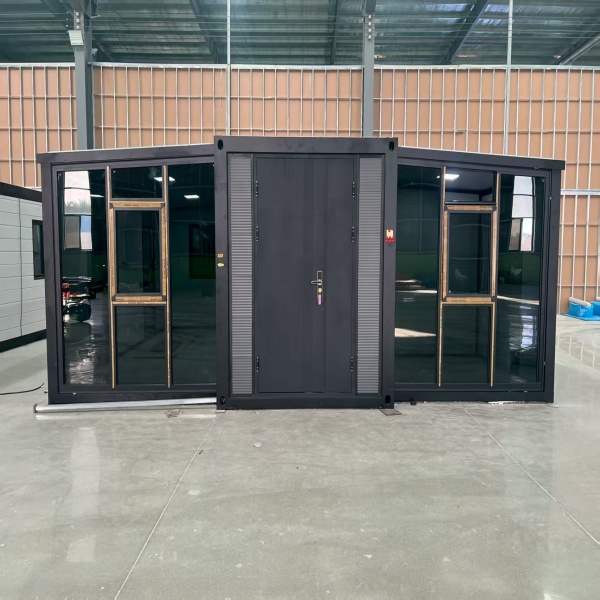 Customizable Office Mobile Home with Flat Roof and Double Wing Expansion Box, Convenient Container
 -
A container house with a terrace and double-wing folding design, suitable for various purposes such as offices, meeting rooms, living rooms, etc.