
-
E-mail
Austin120521@outlook.com -
E-mail
sales@jujiuhouse.com -
Telephone
+86-17864099991 -
Telephone
+86-17854044442
- Chinese
- French
- German
- Portuguese
- Spanish
- Russian
- Japanese
- Korean
- Arabic
- Irish
- Greek
- Turkish
- Italian
- Danish
- Romanian
- Indonesian
- Czech
- Afrikaans
- Swedish
- Polish
- Basque
- Catalan
- Esperanto
- Hindi
- Lao
- Albanian
- Amharic
- Armenian
- Azerbaijani
- Belarusian
- Bengali
- Bosnian
- Bulgarian
- Cebuano
- Chichewa
- Corsican
- Croatian
- Dutch
- Estonian
- Filipino
- Finnish
- Frisian
- Galician
- Georgian
- Gujarati
- Haitian
- Hausa
- Hawaiian
- Hebrew
- Hmong
- Hungarian
- Icelandic
- Igbo
- Javanese
- Kannada
- Kazakh
- Khmer
- Kurdish
- Kyrgyz
- Latin
- Latvian
- Lithuanian
- Luxembou..
- Macedonian
- Malagasy
- Malay
- Malayalam
- Maltese
- Maori
- Marathi
- Mongolian
- Burmese
- Nepali
- Norwegian
- Pashto
- Persian
- Punjabi
- Serbian
- Sesotho
- Sinhala
- Slovak
- Slovenian
- Somali
- Samoan
- Scots Gaelic
- Shona
- Sindhi
- Sundanese
- Swahili
- Tajik
- Tamil
- Telugu
- Thai
- Ukrainian
- Urdu
- Uzbek
- Vietnamese
- Welsh
- Xhosa
- Yiddish
- Yoruba
- Zulu
- Kinyarwanda
- Tatar
- Oriya
- Turkmen
- Uyghur




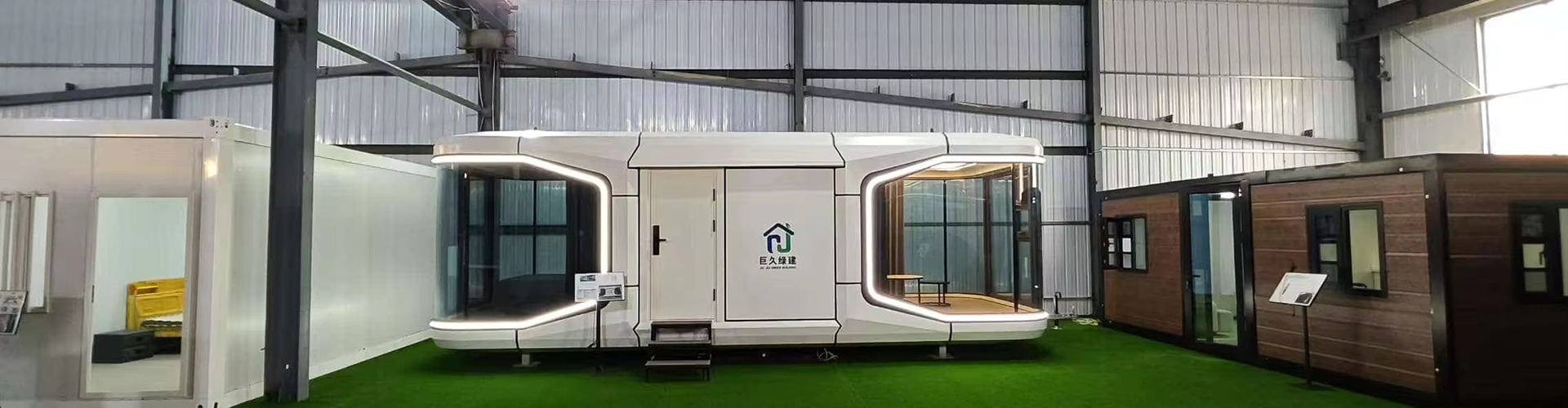
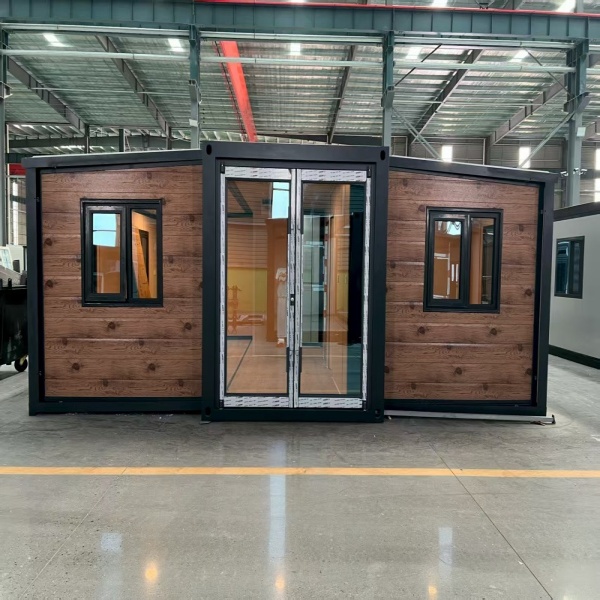
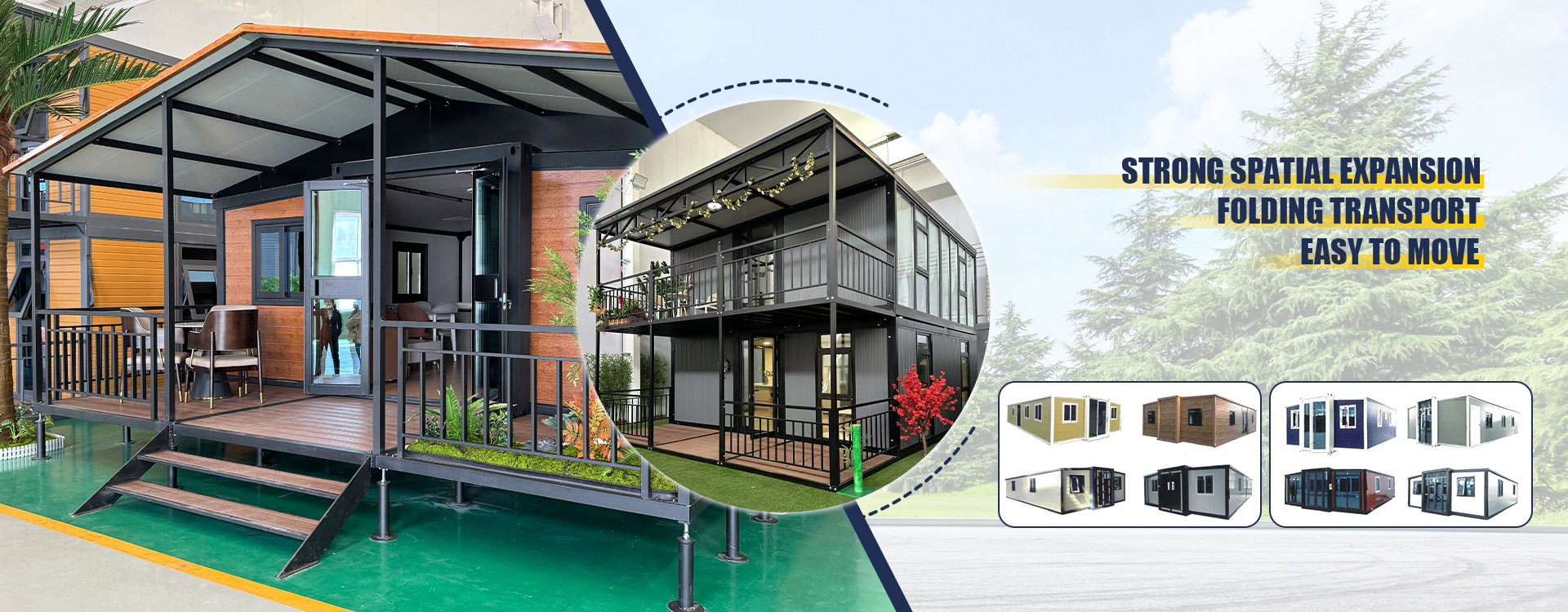
China apple pod cabin garden cabin
Exploring the Appeal of Apple Pod Cabins in China’s Garden Landscape
In recent years, the concept of the apple pod cabin has gained traction within the landscape design and hospitality sectors in China. These small, innovative structures offer a unique blend of functionality and aesthetics, becoming focal points within garden landscapes. While they're increasingly popular, there are still some misconceptions about their practicality and adaptability to different environments.
The Rise of Apple Pod Cabins
With China’s rapid urbanization, there’s been a remarkable shift towards creating sustainable living spaces. The garden cabin trend represents a response to this, providing a serene escape from city life. But why the “apple pod” shape? Many consider its spherical form to be both visually striking and space-efficient—a balance that's crucial when integrating such structures within landscaped gardens.
However, challenges arise when it comes to weather resilience and maintenance. These structures need advanced engineering and materials to withstand various climatic conditions. Companies like Shandong Jujiu Integrated Housing Co., Ltd. are stepping up, offering innovative solutions. Their role in producing these dynamic cabins includes meticulous design to enhance durability and functionality.
Personal observations at several installations across urban parks reveal an increasing consumer interest. The novelty factor is undeniable, but there’s more beneath the surface—people are seeking spaces that resonate with their desire for tranquility yet don’t compromise on modern conveniences.
Sustainable Integration into Landscapes
Adapting the garden cabin concept into Chinese landscapes isn’t without its hurdles. Environmental considerations are paramount. How does one ensure these structures augment rather than disrupt the existing ecosystem? This requires careful planning, often involving native botanicals to integrate seamlessly with the cabins.
This is precisely where Shandong Jujiu shines. According to projects highlighted on their website, they adopt an integrated approach that respects the local landscape. By leveraging lightweight, environmentally-friendly materials, they maintain ecological balance—an essential factor in gaining approval from conservation-conscious clients.
Furthermore, installation processes are crucial. A streamlined process minimizes on-site disturbance, preserving the integrity of the garden setting. It’s fascinating to see firsthand how a well-executed installation enhances rather than detracts from the natural beauty of a space.
The Unique Design Appeal
From a design perspective, these cabins offer unparalleled versatility. Architects rejoice at the possibilities, using the apple pod shape as a canvas for creativity. Its form is naturally conducive to modern minimalist aesthetics, often incorporating large glass panels, which blur the line between indoor comfort and outdoor splendor.
This blend of style and substance presents opportunities for pioneering projects. For instance, an acquaintance involved in luxury resort development recently shared how incorporating apple pod cabins elevated the guest experience, providing an immersive garden stay unlike any other.
However, the emphasis on aesthetics can sometimes overshadow functionality. It’s essential to partner with knowledgeable firms like Shandong Jujiu, who prioritize user experience alongside visual appeal. Effective design should never come at the expense of comfort or usability.
Challenges and Innovations
One cannot overlook the logistical challenges, particularly in terms of transportation and installation in remote or rugged areas. It’s a common oversight assuming these cabins can be effortlessly transported due to their compact size. Reality often involves complex logistics, demanding robust planning and execution.
Innovation drives the industry forward, with Shandong Jujiu at the forefront, leveraging advances in prefab technology to facilitate efficient transportation and installation. It’s intriguing to witness how they adapt their designs to tackle these obstacles head-on, underscoring the importance of industry expertise.
Additionally, addressing client expectations is pivotal. Many first-time buyers have idealistic visions without fully grasping the intricacies involved. Effective communication and managing expectations are crucial—elements Shandong Jujiu incorporates into their client interaction model, ensuring clarity and satisfaction from conception through to completion.
The Future of Apple Pod Cabins in China
As the demand for these aesthetically pleasing yet functional structures grows, so too does the potential for innovation. The future seems bright, with prospects for further integration into urban planning, possibly transforming small urban lots into lush, recreational oases.
Companies like Shandong Jujiu Integrated Housing Co., Ltd. are uniquely positioned to spearhead these developments, armed with a comprehensive approach that combines cutting-edge design with sustainable practices. For more information, interested parties may visit their website at jujiuhouse.com.
In conclusion, the emergence of the apple pod cabin within China’s landscaping context is not just a fleeting trend; it represents a shift towards embracing a harmonious blend of nature and modern living. While challenges exist, the innovations and expertise harnessed by industry leaders illuminate an exciting path forward.
Related products
Related products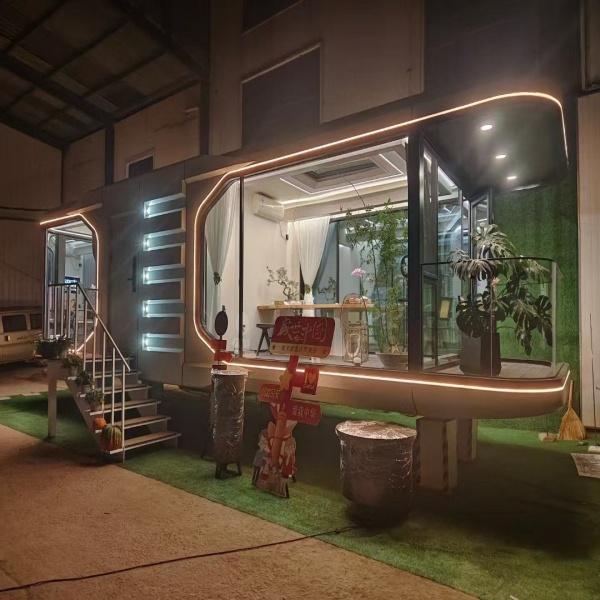
Best selling products
Best selling products-
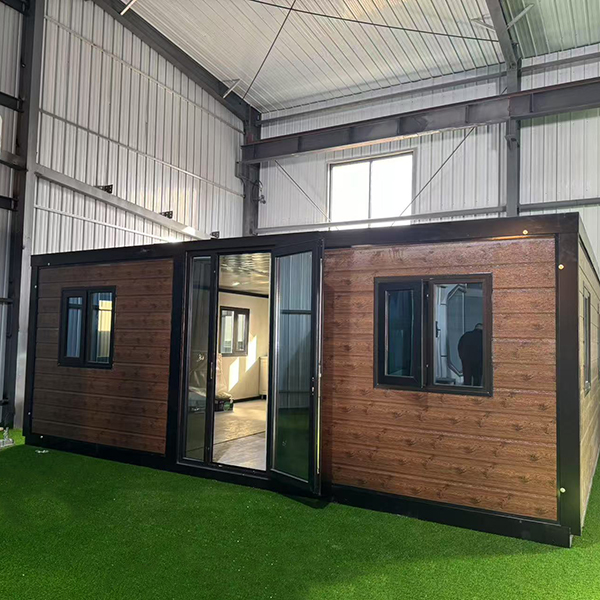
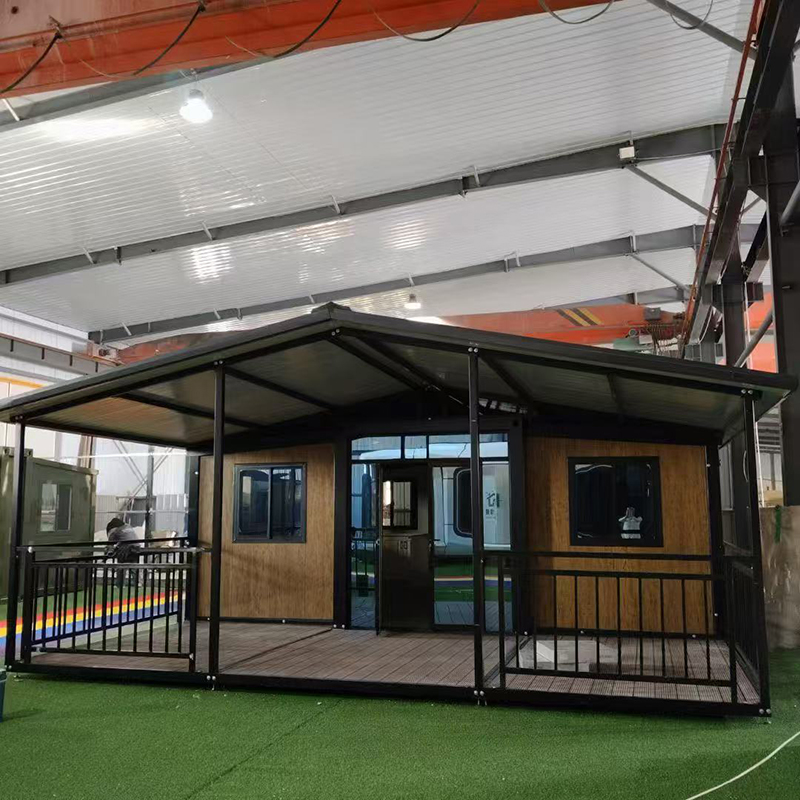 Customized Expandable Container House Holiday Home Folding Prefab Container House with Bathroom and Kitchen
 -
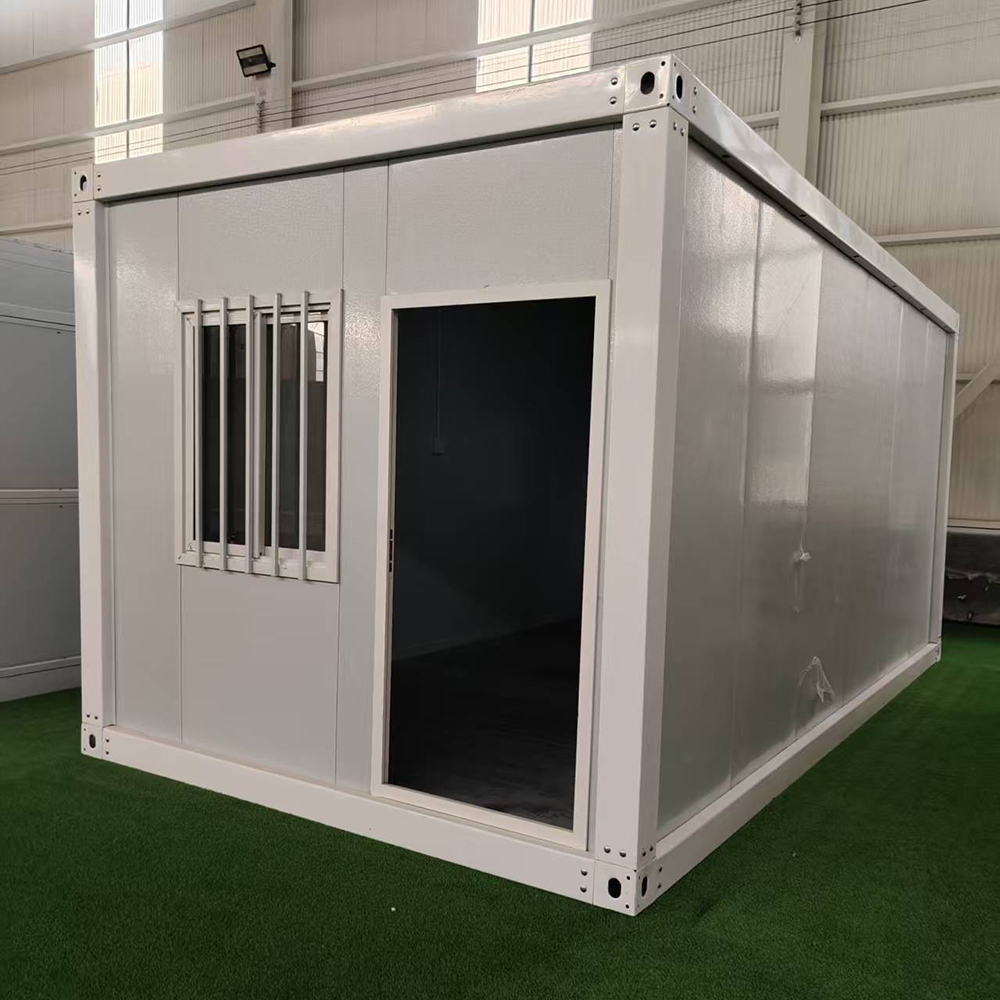
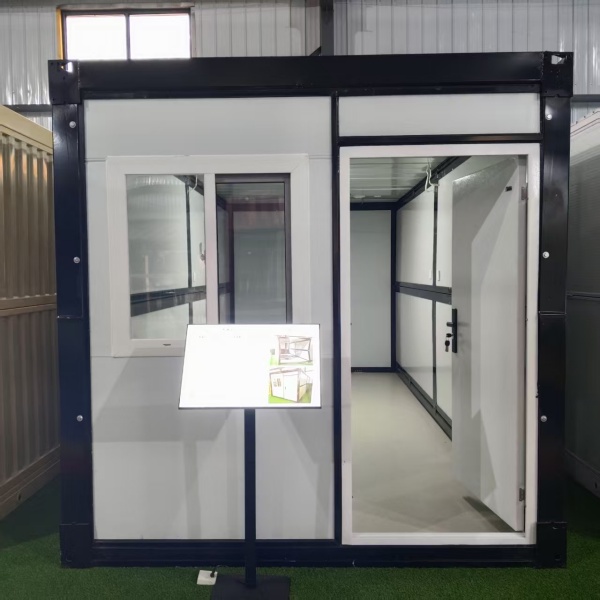 Factory Direct Sales Office Folding Container Luxury House Living Container House
 -
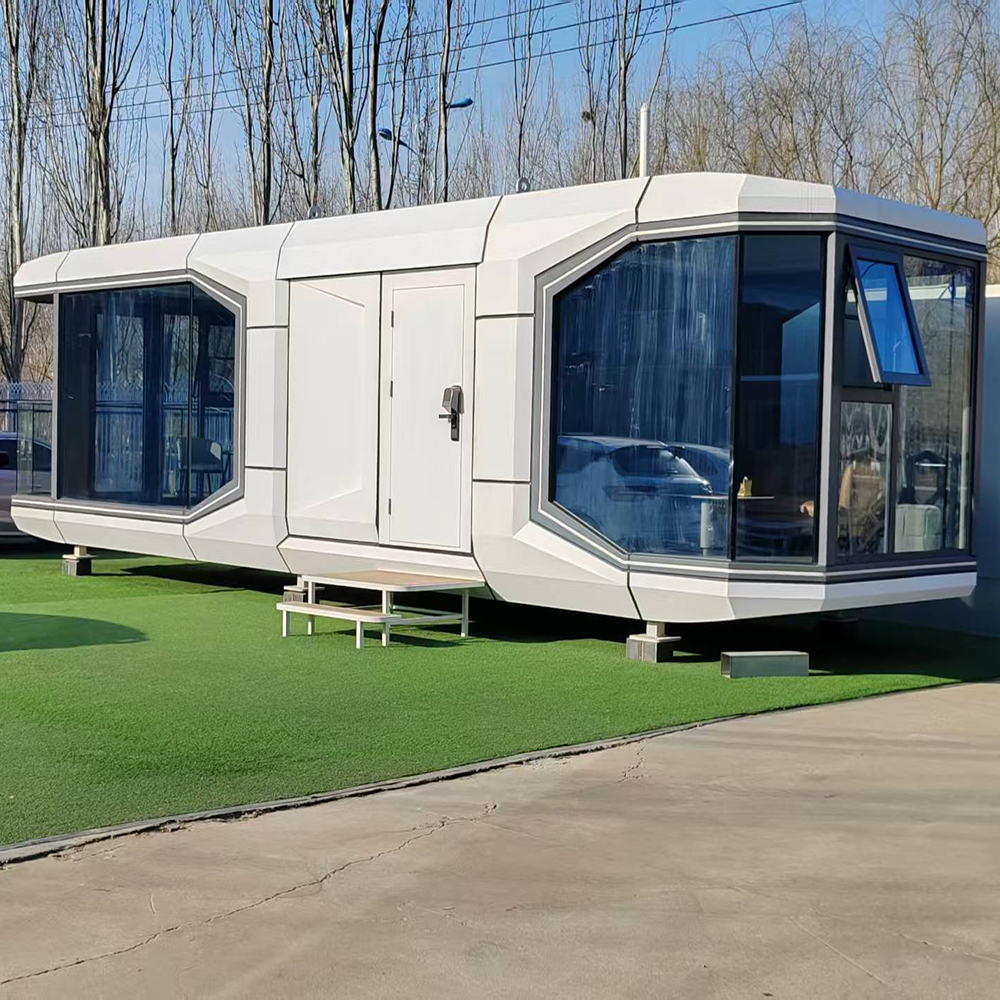 Luxury High Quality 2 Bedroom Container Home Prefabricated Steel Space Capsule for Office Shop Hotel or Outdoor House
 -
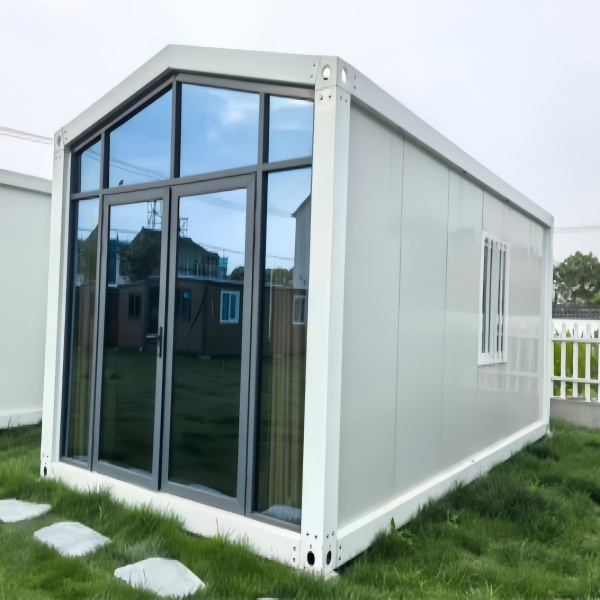 Waterproof folding container house – mobile accommodation for campsites/scenic spots
 -
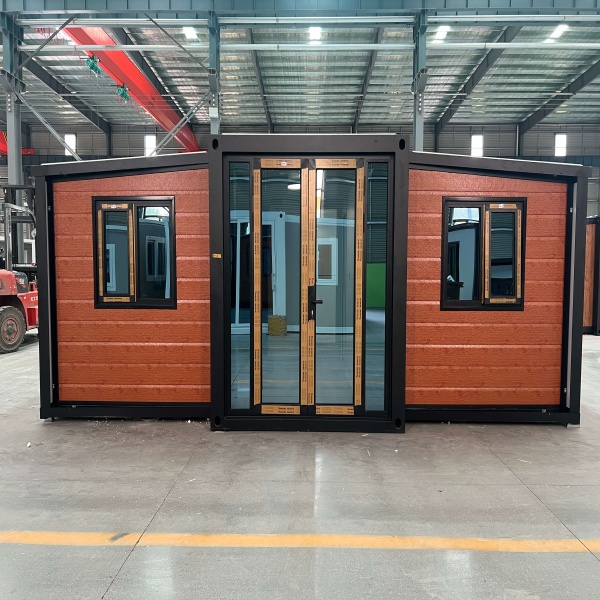 High-quality Double-wing Folding Container House with Doors and Windows, Insulated Walls, Suitable for Various Scenarios.
 -
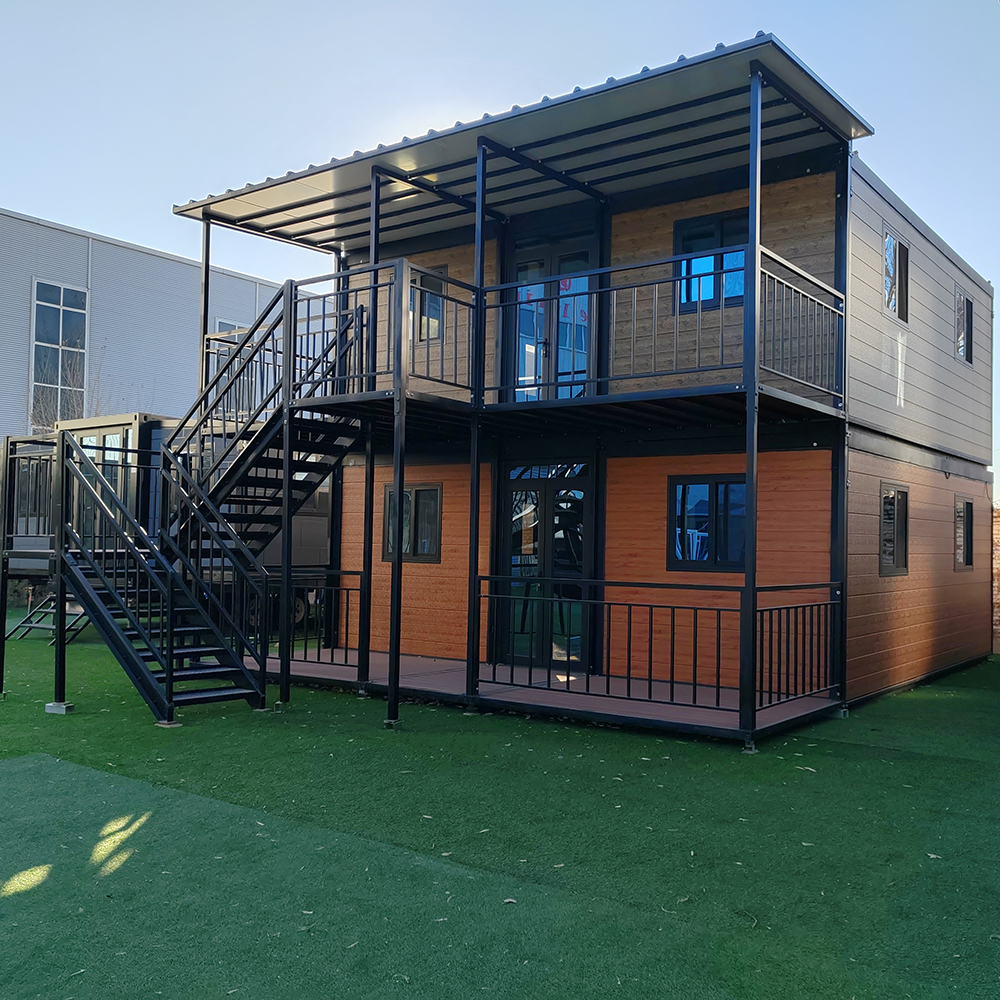 Easy Install Customized Detachable Container Homes Extendable House Prefab 2 Floors Expandable Container House
 -
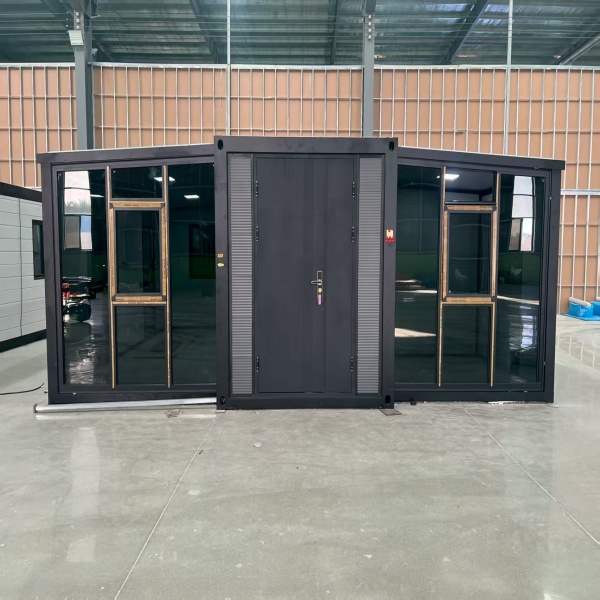 Customizable Office Mobile Home with Flat Roof and Double Wing Expansion Box, Convenient Container
 -
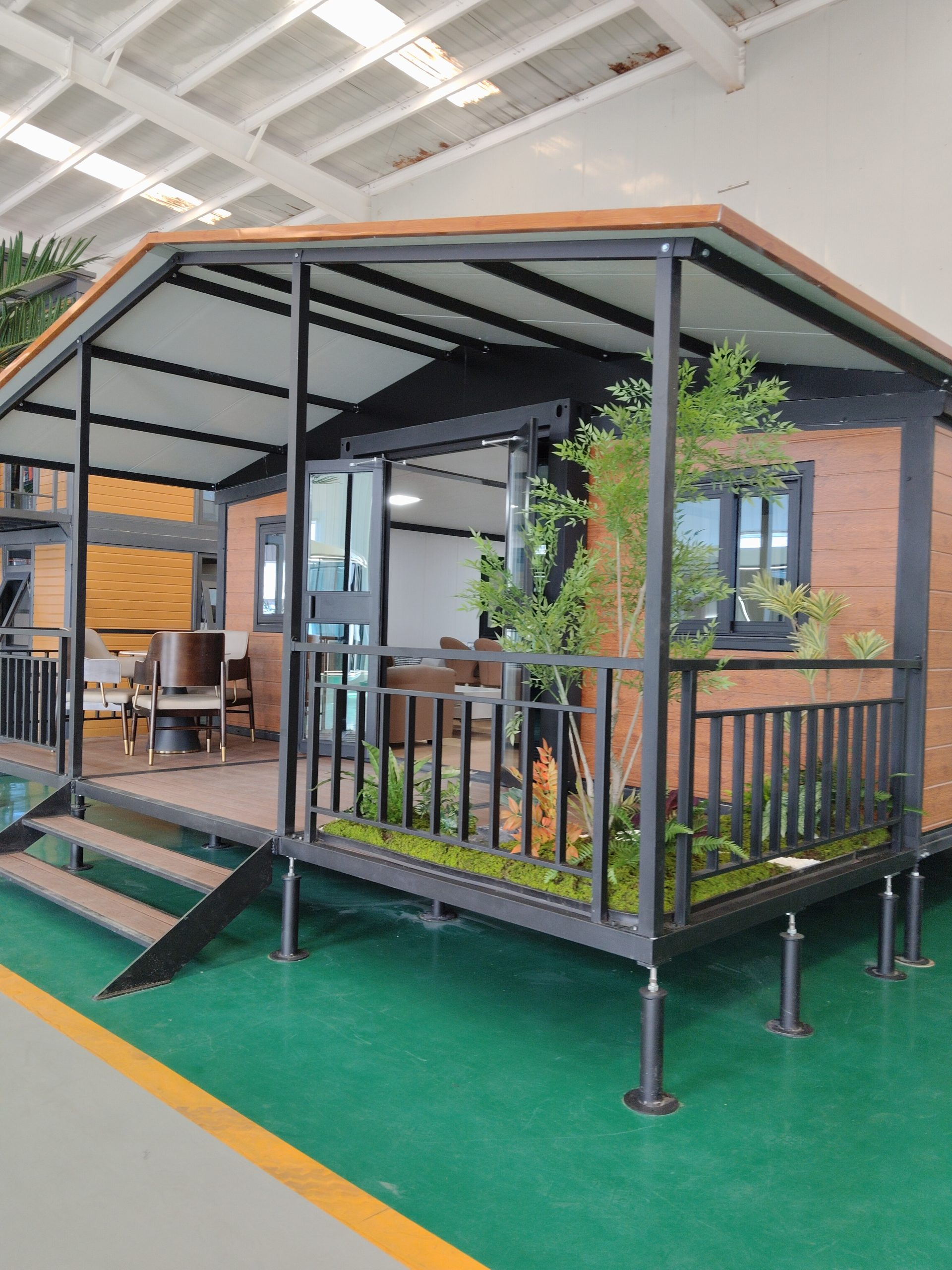 A container house with a terrace and double-wing folding design, suitable for various purposes such as offices, meeting rooms, living rooms, etc.
 -
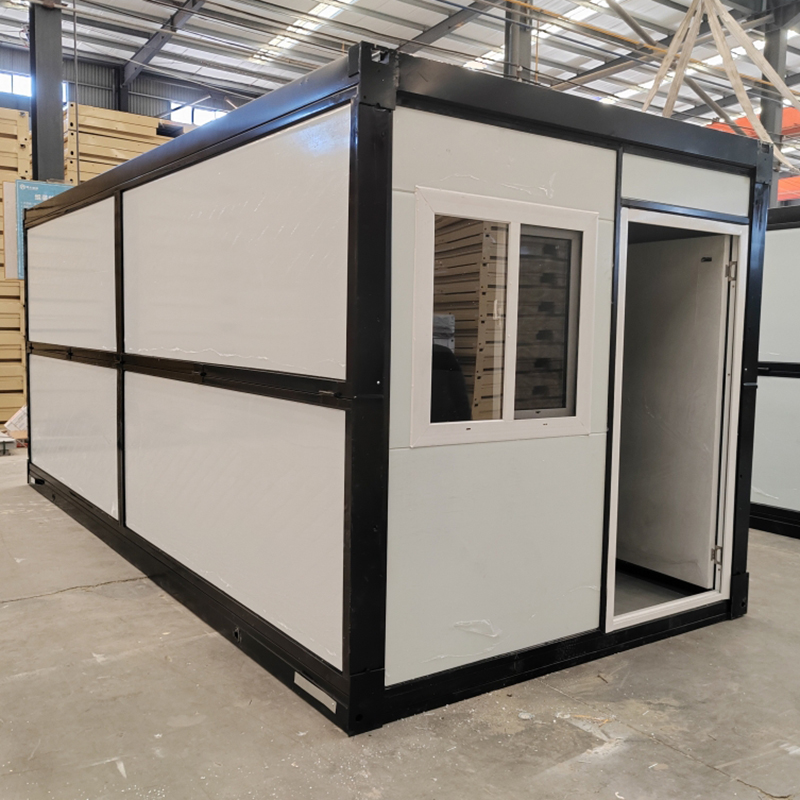 Detachable Design Prefabricated Container House Portable Modular Office Building Folding Container House
 -
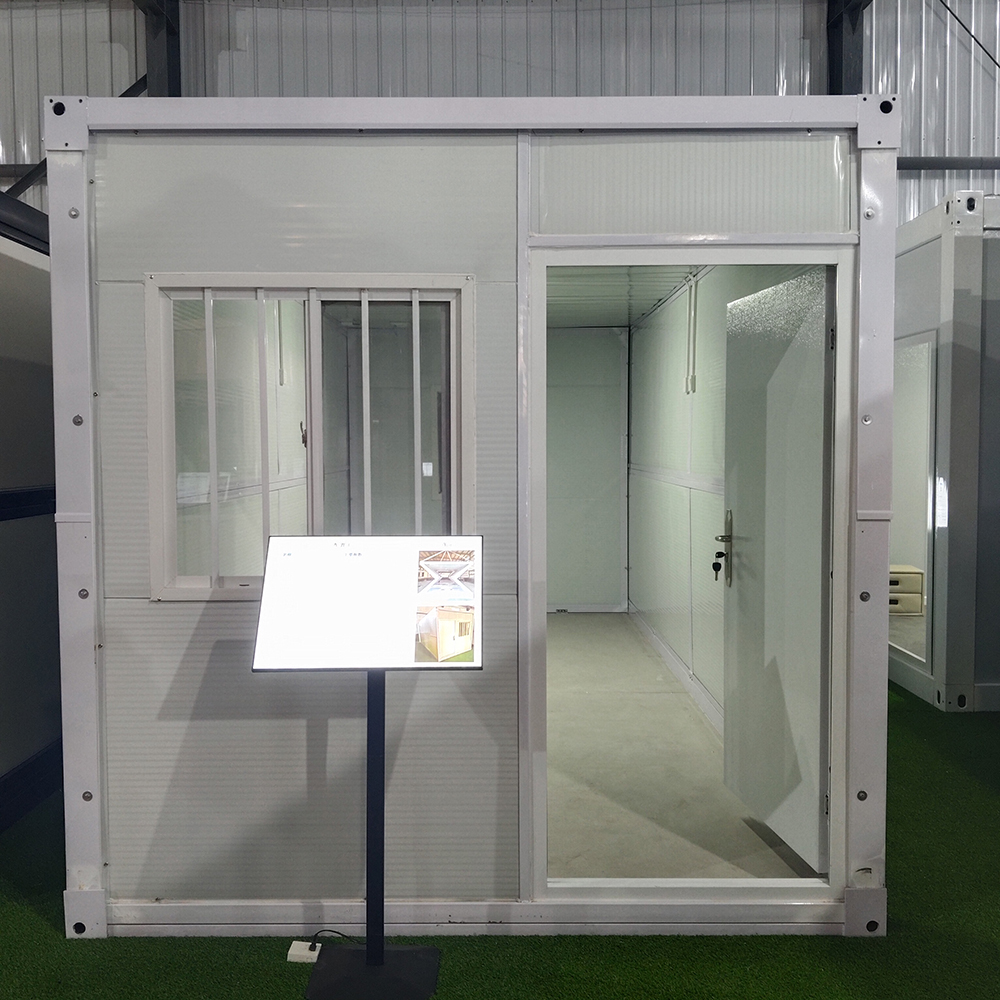 Reasonable Price 1 Bedroom Modular Container House Folding Container Home for Villa or Apartment Use
 -
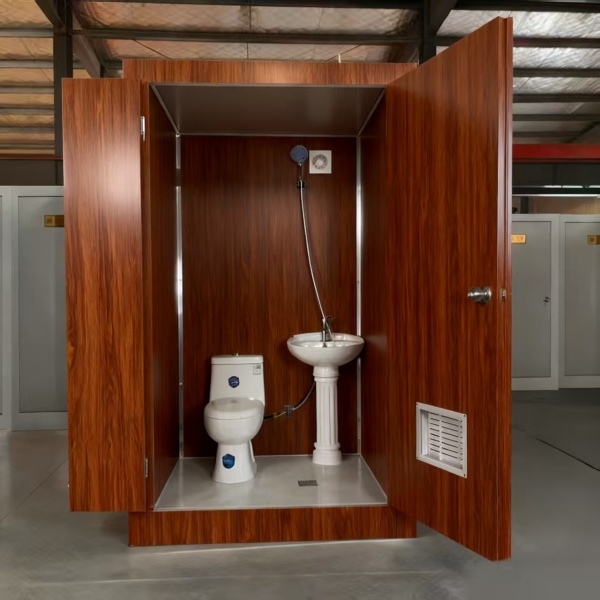 Portable outdoor camping bathroom, mobile toilet, prefabricated modular villa & rental of outdoor and indoor showers
 -
A container house with a terrace and double-wing folding design, suitable for various purposes such as offices, meeting rooms, living rooms, etc.
Related search
Related search- apple office cabin house
- Buy house that folds out
- prefab container house
- Inclined roof double-wing expansion house
- Buy good price folding shipping container house
- Buy container prefabricated house
- low price flat pack container house prefabricated
- China space house capsule
- China home container house prefab container house luxury expandable container house
- Buy apple mountain cabins