
-
E-mail
Austin120521@outlook.com -
E-mail
sales@jujiuhouse.com -
Telephone
+86-17864099991 -
Telephone
+86-17854044442
- Chinese
- French
- German
- Portuguese
- Spanish
- Russian
- Japanese
- Korean
- Arabic
- Irish
- Greek
- Turkish
- Italian
- Danish
- Romanian
- Indonesian
- Czech
- Afrikaans
- Swedish
- Polish
- Basque
- Catalan
- Esperanto
- Hindi
- Lao
- Albanian
- Amharic
- Armenian
- Azerbaijani
- Belarusian
- Bengali
- Bosnian
- Bulgarian
- Cebuano
- Chichewa
- Corsican
- Croatian
- Dutch
- Estonian
- Filipino
- Finnish
- Frisian
- Galician
- Georgian
- Gujarati
- Haitian
- Hausa
- Hawaiian
- Hebrew
- Hmong
- Hungarian
- Icelandic
- Igbo
- Javanese
- Kannada
- Kazakh
- Khmer
- Kurdish
- Kyrgyz
- Latin
- Latvian
- Lithuanian
- Luxembou..
- Macedonian
- Malagasy
- Malay
- Malayalam
- Maltese
- Maori
- Marathi
- Mongolian
- Burmese
- Nepali
- Norwegian
- Pashto
- Persian
- Punjabi
- Serbian
- Sesotho
- Sinhala
- Slovak
- Slovenian
- Somali
- Samoan
- Scots Gaelic
- Shona
- Sindhi
- Sundanese
- Swahili
- Tajik
- Tamil
- Telugu
- Thai
- Ukrainian
- Urdu
- Uzbek
- Vietnamese
- Welsh
- Xhosa
- Yiddish
- Yoruba
- Zulu
- Kinyarwanda
- Tatar
- Oriya
- Turkmen
- Uyghur




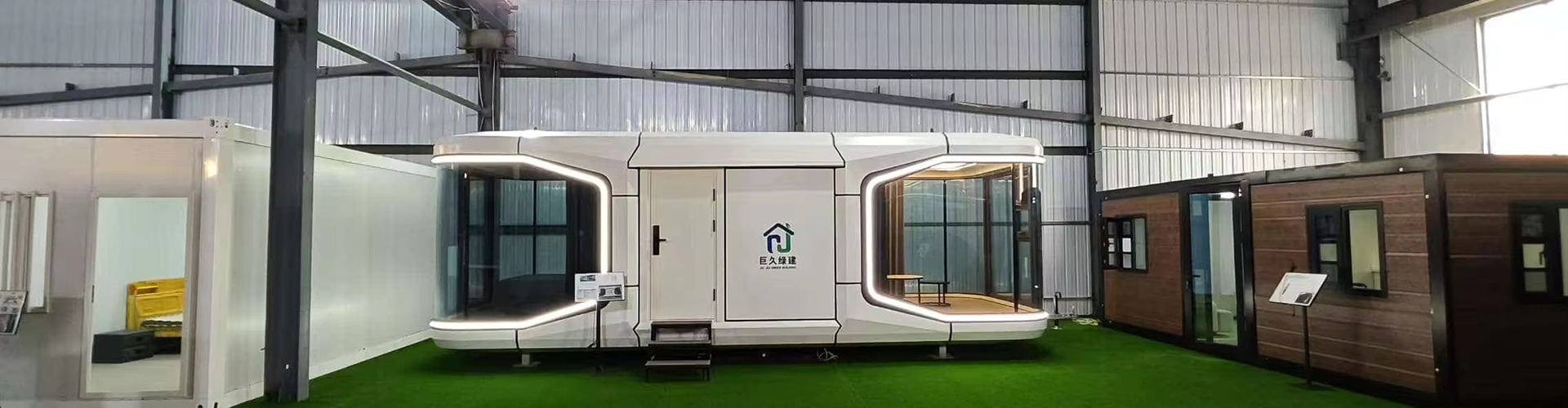
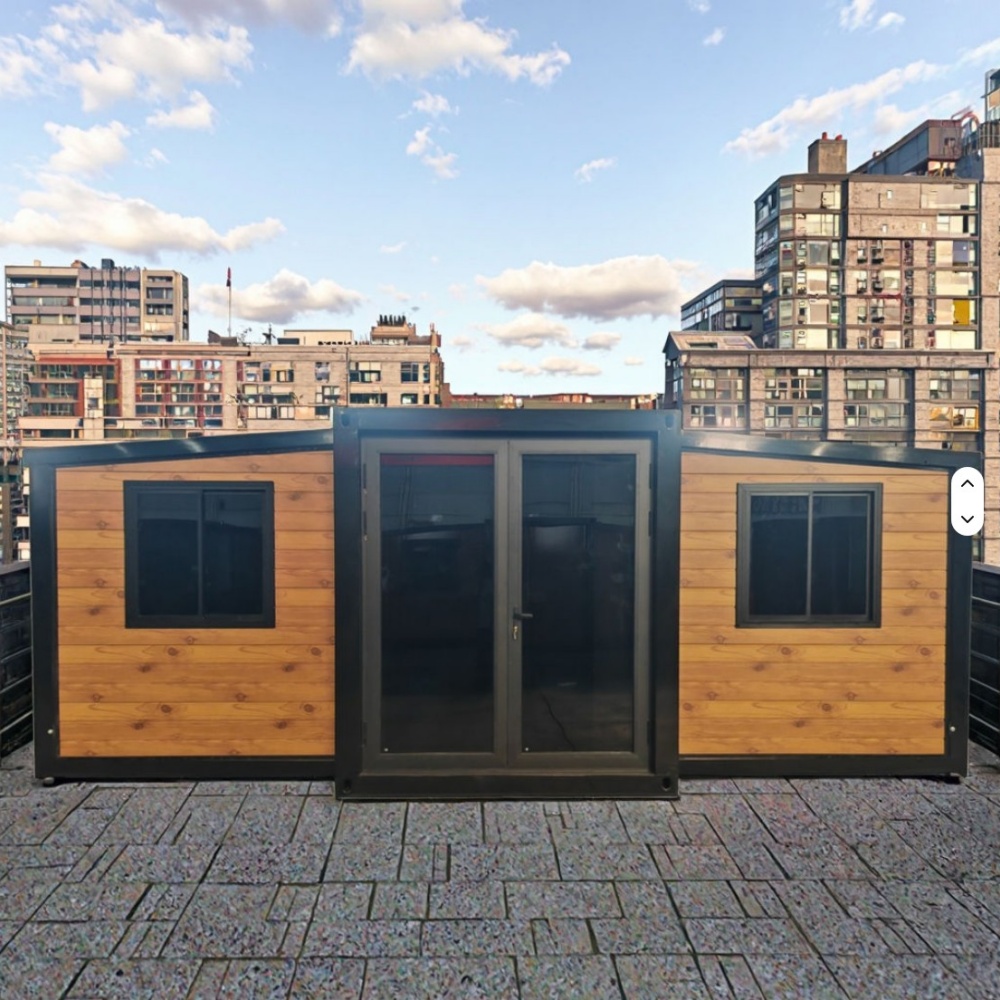
China assembled two bedroom home prefab expandable container house
Rethinking Prefab Housing: The Rise of Expandable Container Homes in China
In recent years, the concept of prefab expandable container houses has gained significant traction, especially in China. Yet, as professionals in the field might attest, not all that glitters is gold. The promise of a convenient, two-bedroom home delivered swiftly to your site is tempting, but reality often presents its share of challenges and surprises. What can those contemplating this solution realistically expect?
Understanding the Prefab Appeal
First off, the allure of these homes often lies in their flexibility and efficiency. Unlike traditional builds, these units arrive mostly complete, minimizing on-site labor and time. This efficiency is particularly valued in a fast-paced society like China, where urban expansion drives a constant demand for rapid housing solutions.
However, it’s not just about speed. The container house also aligns with modern sustainability goals. Many are drawn to the idea of converting shipping containers, essentially repurposing industrial waste into livable spaces. Environmentally conscious buyers see this as a double-win: affordable and green.
But the decision isn’t always a simple trade-off. Quality can vary dramatically, and here lies one of the most talked-about caveats in industry circles. While a low price tag might entice, it’s essential to scrutinize the sources and quality of materials used.
Challenges in Delivery and Assembly
While everything seems seamless on paper, real-world complications in logistics and setup often surface. Shandong Jujiu Integrated Housing Co., Ltd. is one company navigating these challenges head-on. As a growing entity in the integrated housing market, they tackle everything from design to installation.
One real challenge is the transportation of these sizable units. Though marketing might emphasize ease, moving a two-bedroom prefab isn't just about loading it onto a truck. Considerations involving local road widths, weight restrictions, and even weather conditions can complicate matters.
Then there's the issue of assembly. While manufacturers might offer basic installation services, buyers should be prepared for potential hiccups. Misalignments, incomplete materials, and site-specific adjustments often require on-the-spot problem solving.
Evaluating Long-Term Viability
Beyond the initial excitement of setting up a prefab house, it’s critical to assess its long-term livability. Insulation, for example, is a significant concern. A container that doesn't adequately keep out the elements can quickly become uncomfortable and costly to manage.
There's also the question of durability. These structures must withstand weathering and use over time, which means relying on robust engineering and high-quality materials – areas where companies like Shandong Jujiu offer a competitive edge with their comprehensive service and expertise.
Importantly, those opting for a prefab solution should consider their resale value. An expanding market doesn't guarantee steadily rising prices. Understanding the dynamics of the prefab housing market is crucial for future planning.
Design Aesthetics and Customization
One of the most impressive aspects of expandable container homes is their design potential. With a smart architect or designer, these homes can be both stylish and practical. Shandong Jujiu, for instance, invests in research and development to optimize their designs.
Customization is where these homes truly shine. Buyers have the opportunity to integrate unique features, from contemporary finishes to energy-efficient systems. However, these choices can impact cost and construction time, necessitating careful balance.
Yet, despite the possibilities, some buyers are still surprised by limitations overshadowing the imagination. Regulatory constraints or budget ceilings often place cap designs, reinforcing the need for realistic expectations.
The Future of Prefab Housing
Looking forward, the demand for prefab housing like the two-bedroom expandable container homes from companies like Shandong Jujiu is expected to grow. This growth is driven by urbanization pressures and advancements in construction technology, making these homes a viable option for many.
Yet, the industry's success will largely hinge on transparency and quality. Companies that invest in innovation, like Shandong Jujiu with their holistic approach and dedication to improvement, are likely to thrive.
All told, while prefab housing represents an exciting trend within the construction industry, buyers must approach with a discerning eye. Partnering with reputable providers and maintaining realistic expectations will prove key in realizing the true potential of a prefab expandable container house.
Related products
Related products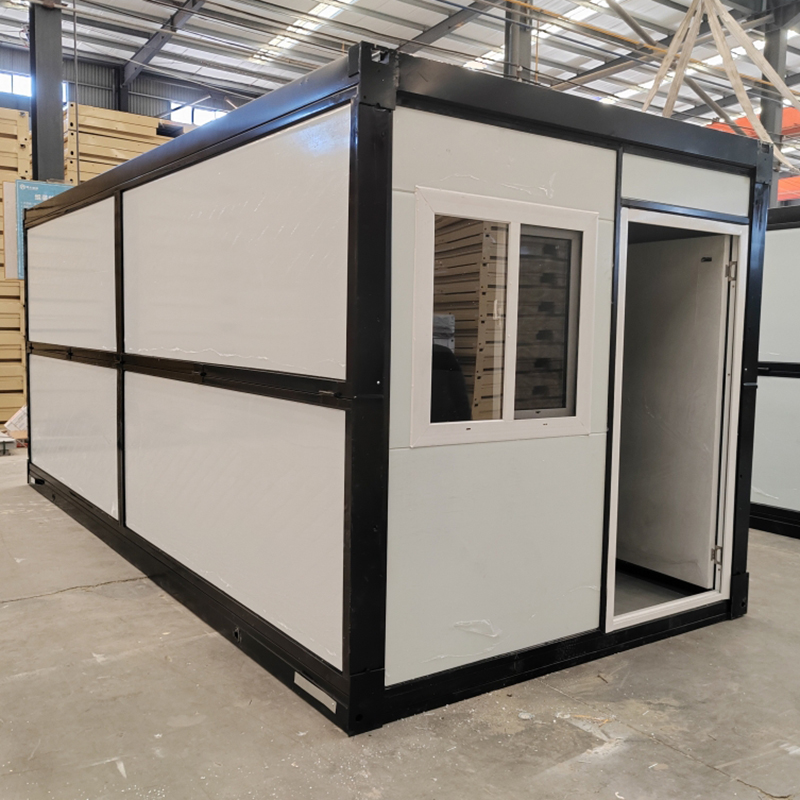
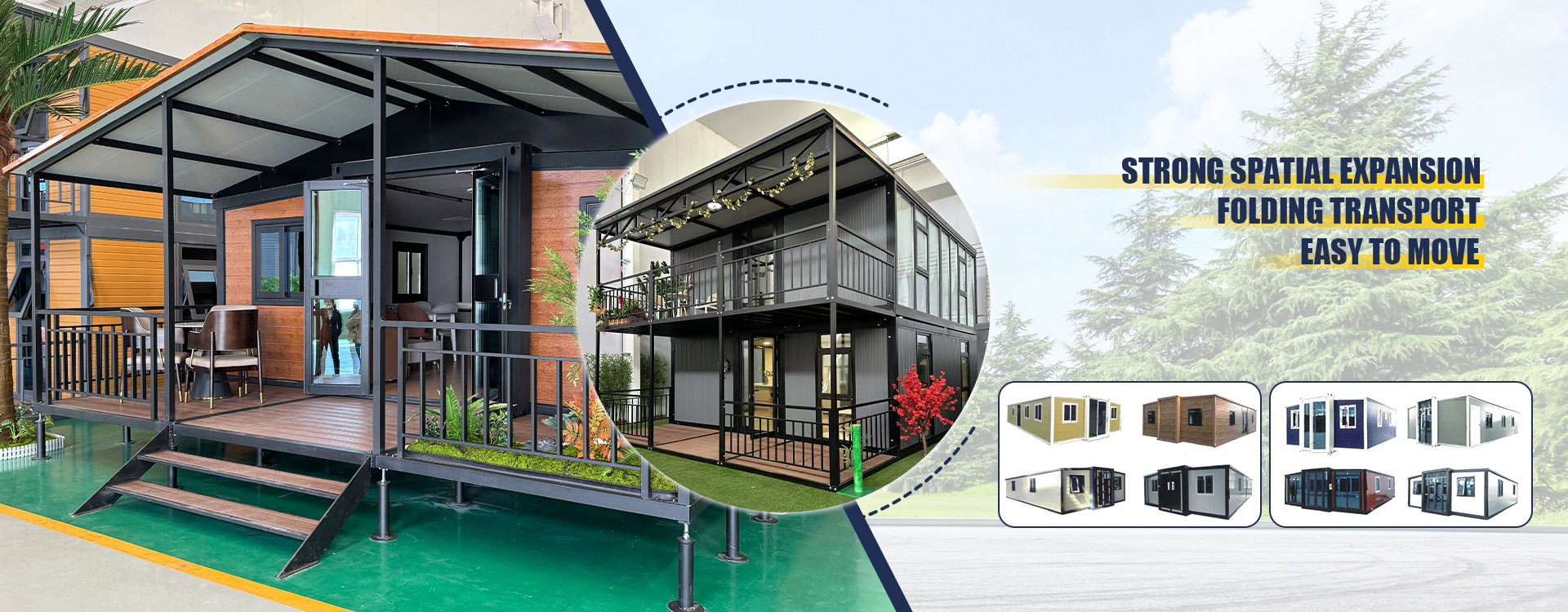
Best selling products
Best selling products-
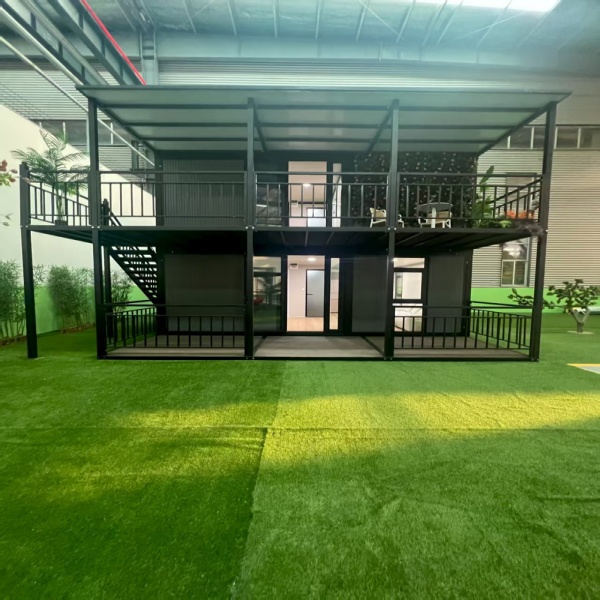
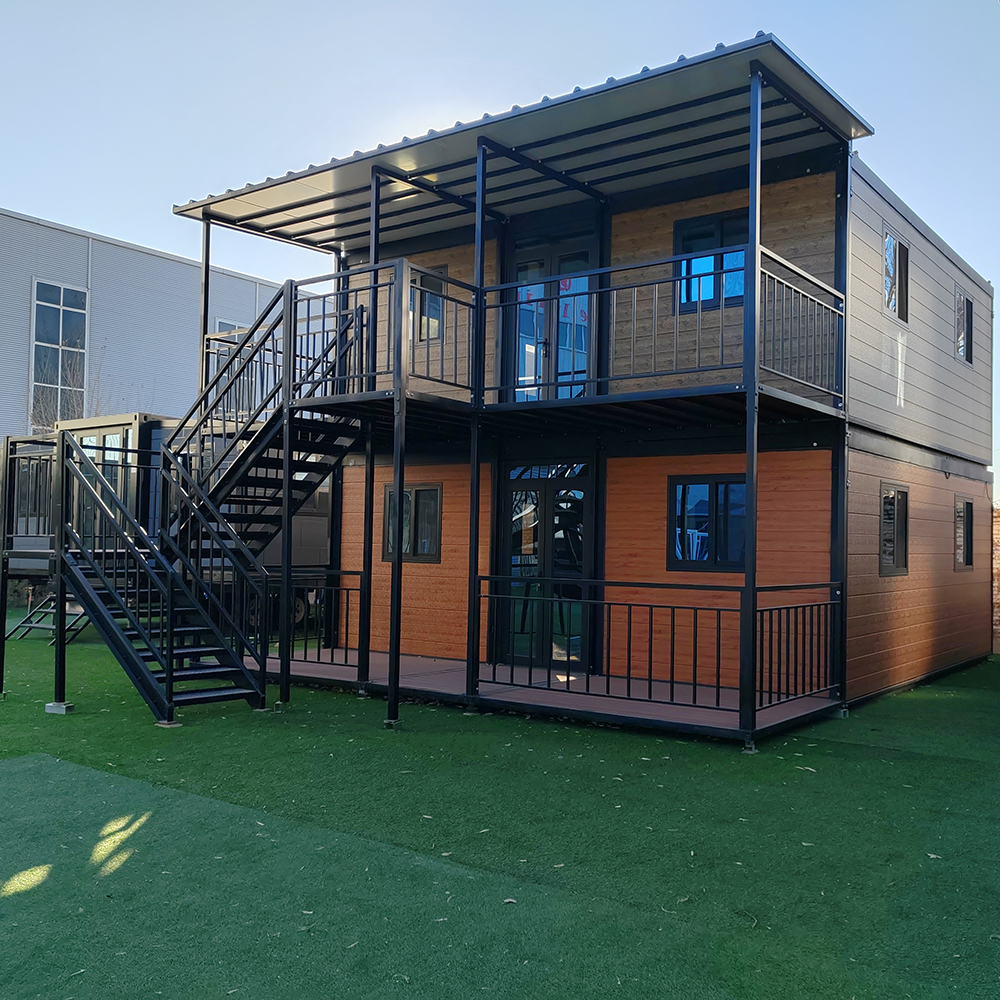 Easy Install Customized Detachable Container Homes Extendable House Prefab 2 Floors Expandable Container House
 -
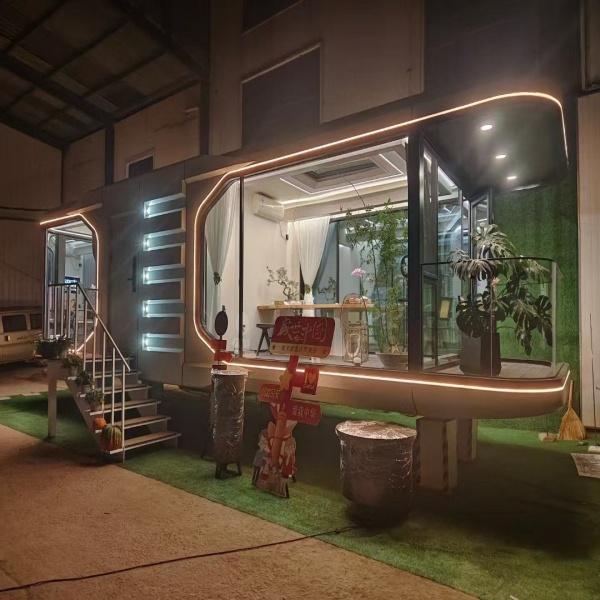 Outdoor ecological capsule rooms, luxury pods, space capsule hotel rooms, prefabricated space capsules, container houses
 -
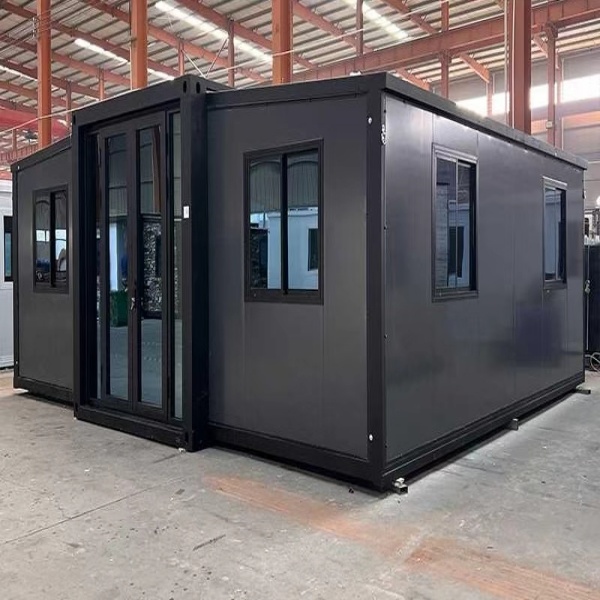 Dual-Wing Folding Container House: Fast Assembly, Space-Saving & Multi-Scene Adaptable
 -
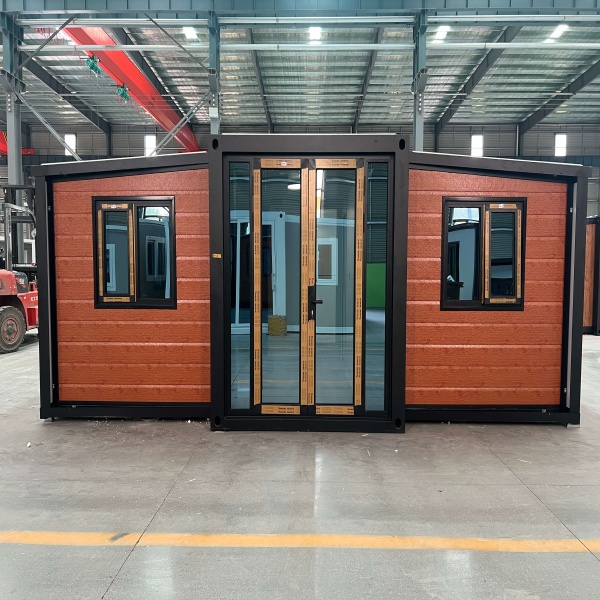 High-quality Double-wing Folding Container House with Doors and Windows, Insulated Walls, Suitable for Various Scenarios.
 -
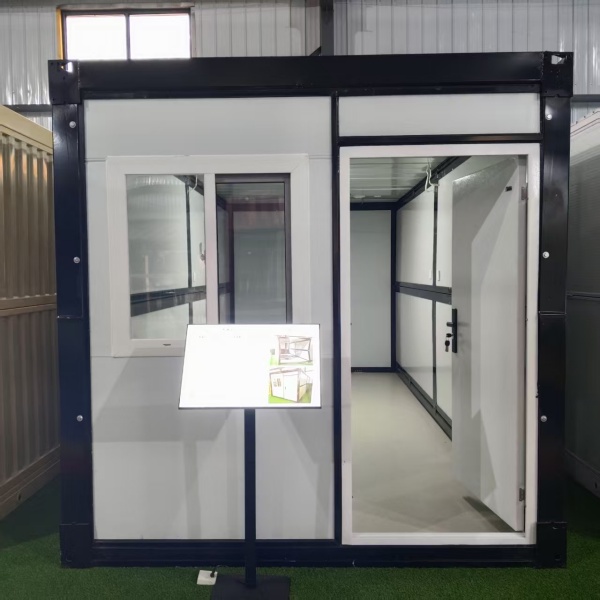 Factory Direct Sales Office Folding Container Luxury House Living Container House
 -
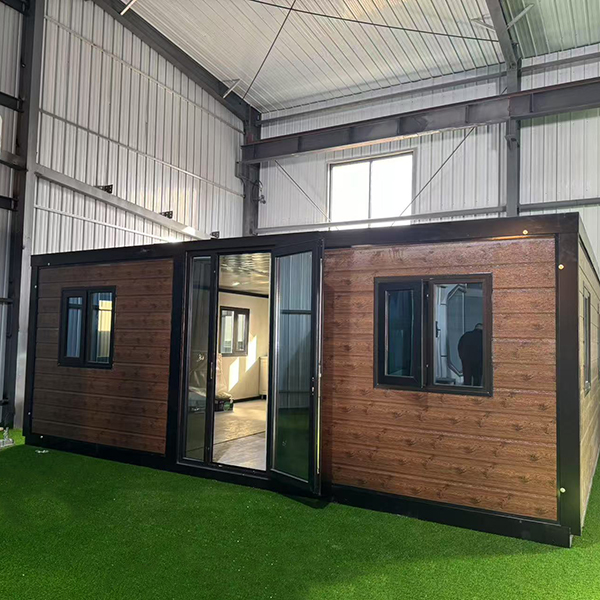 Good Quality Modular Homes Prefabricated House Expandable Container House 20FT Mobile Flat Roof House
 -
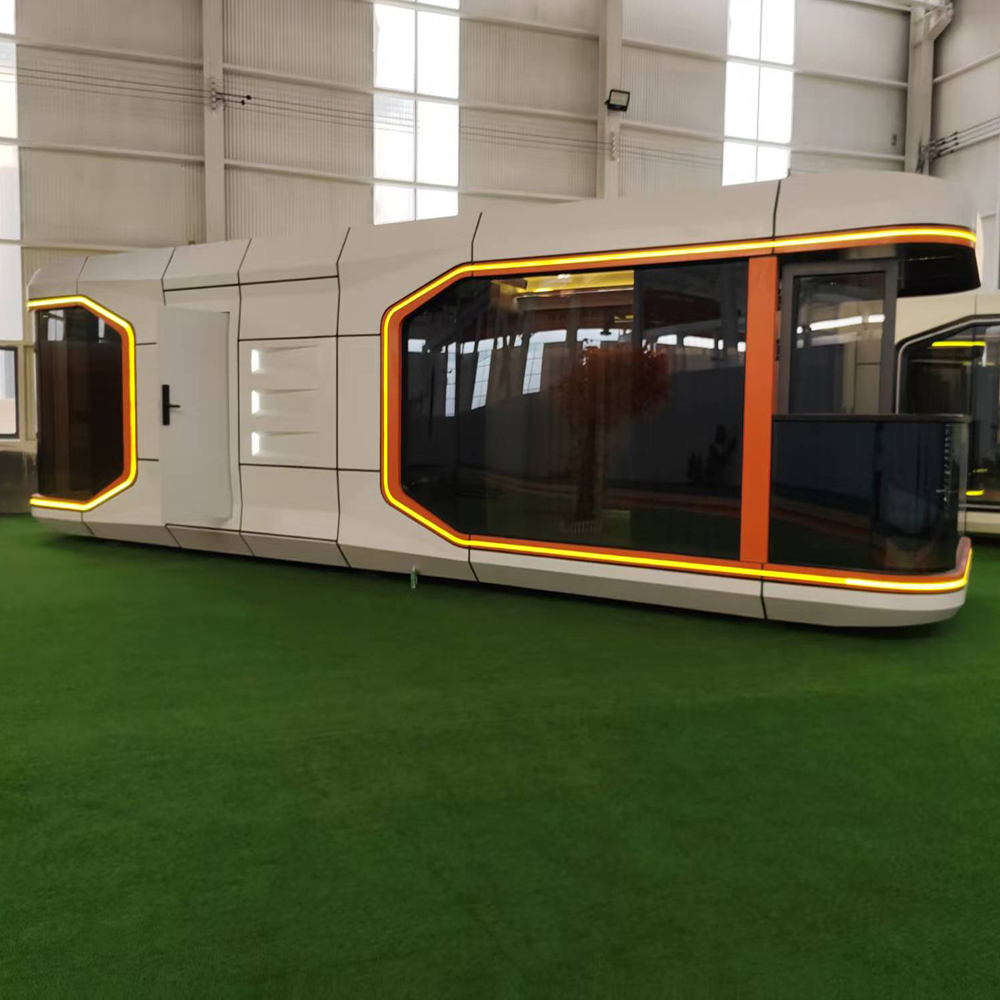 Standard Modern Camping Pod Space Prefabricated Portable Mobile Capsule Room Hotel Bathroom Prefabricated Spaceship House
 -
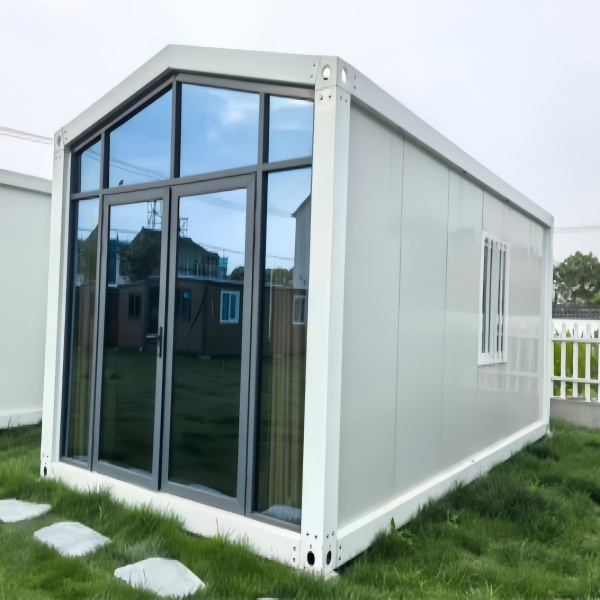 Waterproof folding container house – mobile accommodation for campsites/scenic spots
 -
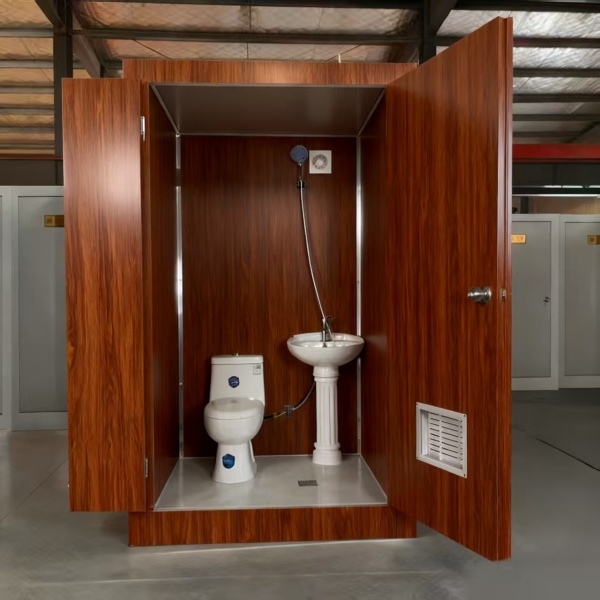 Portable outdoor camping bathroom, mobile toilet, prefabricated modular villa & rental of outdoor and indoor showers
 -
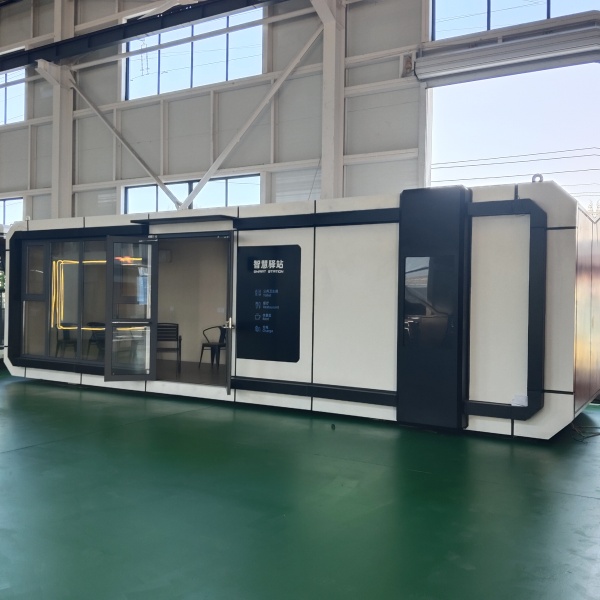 Modular modern movable apple cabins, customized high-end folk houses and portable bedrooms, delivered as a whole
 -
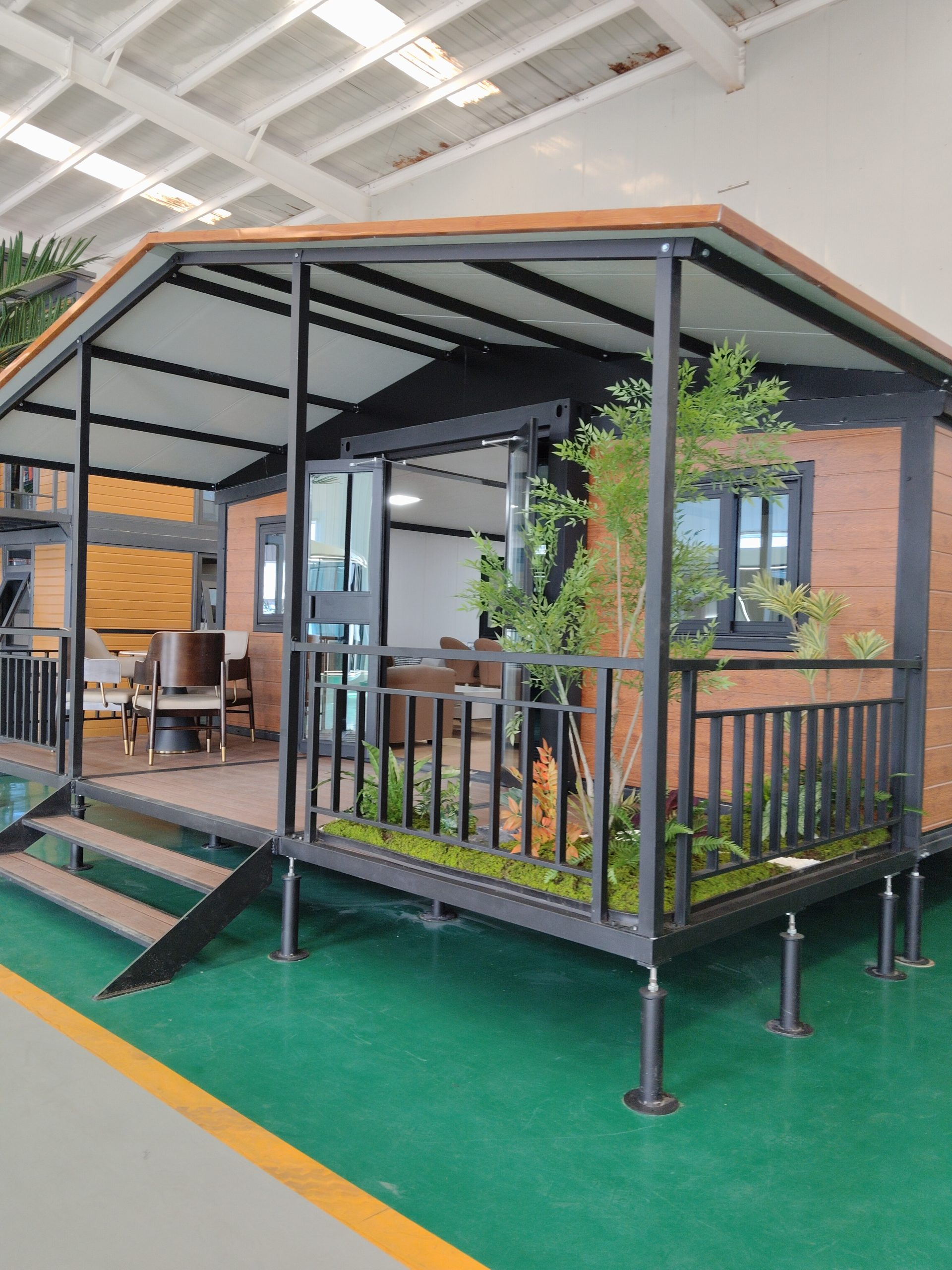 A container house with a terrace and double-wing folding design, suitable for various purposes such as offices, meeting rooms, living rooms, etc.
 -
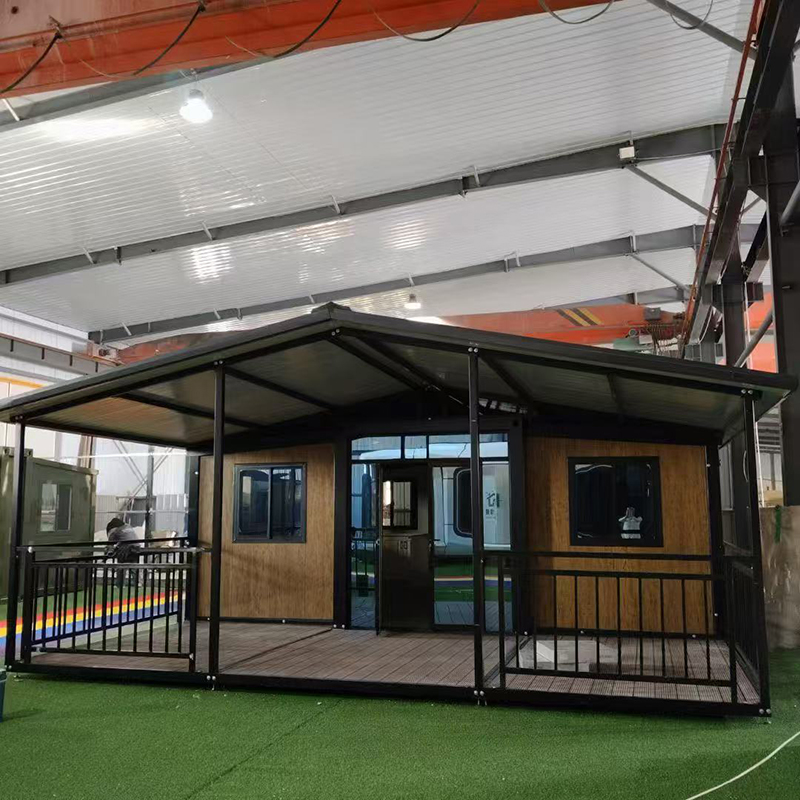 Customized Expandable Container House Holiday Home Folding Prefab Container House with Bathroom and Kitchen
Related search
Related search- expandable house container
- Buy cheap wholesale price folding prefabricated house
- fold out shipping container homes
- China prefabricated shipping container house
- Buy container fold out house
- wholesale 40 foot container house prefabricated
- China fold out container homes for sale
- China apple barn cabins
- Buy fold out homes
- container house prefabricated villa