
-
E-mail
Austin120521@outlook.com -
E-mail
sales@jujiuhouse.com -
Telephone
+86-17864099991 -
Telephone
+86-17854044442
- Chinese
- French
- German
- Portuguese
- Spanish
- Russian
- Japanese
- Korean
- Arabic
- Irish
- Greek
- Turkish
- Italian
- Danish
- Romanian
- Indonesian
- Czech
- Afrikaans
- Swedish
- Polish
- Basque
- Catalan
- Esperanto
- Hindi
- Lao
- Albanian
- Amharic
- Armenian
- Azerbaijani
- Belarusian
- Bengali
- Bosnian
- Bulgarian
- Cebuano
- Chichewa
- Corsican
- Croatian
- Dutch
- Estonian
- Filipino
- Finnish
- Frisian
- Galician
- Georgian
- Gujarati
- Haitian
- Hausa
- Hawaiian
- Hebrew
- Hmong
- Hungarian
- Icelandic
- Igbo
- Javanese
- Kannada
- Kazakh
- Khmer
- Kurdish
- Kyrgyz
- Latin
- Latvian
- Lithuanian
- Luxembou..
- Macedonian
- Malagasy
- Malay
- Malayalam
- Maltese
- Maori
- Marathi
- Mongolian
- Burmese
- Nepali
- Norwegian
- Pashto
- Persian
- Punjabi
- Serbian
- Sesotho
- Sinhala
- Slovak
- Slovenian
- Somali
- Samoan
- Scots Gaelic
- Shona
- Sindhi
- Sundanese
- Swahili
- Tajik
- Tamil
- Telugu
- Thai
- Ukrainian
- Urdu
- Uzbek
- Vietnamese
- Welsh
- Xhosa
- Yiddish
- Yoruba
- Zulu
- Kinyarwanda
- Tatar
- Oriya
- Turkmen
- Uyghur




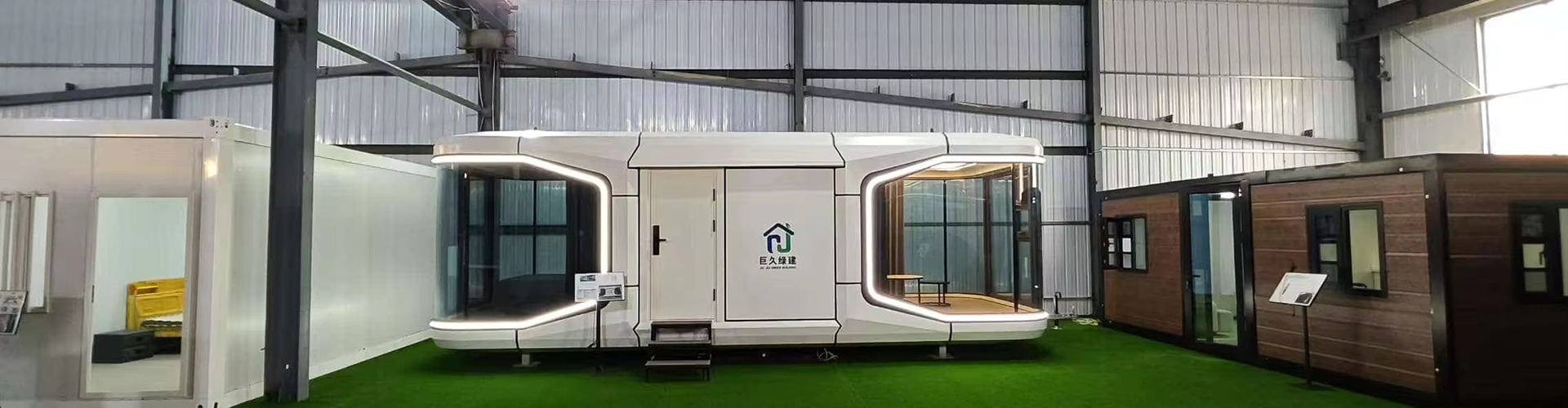
China bedroom space capsule
Exploring the Intricacies of China's Bedroom Space Capsule
The concept of a bedroom space capsule in China has been stirring curiosity among industry professionals and consumers alike, vying for attention as a novel solution to urban accommodation challenges. Yet, there are several misconceptions and intricacies that warrant a closer look, moving beyond mere surface appeal.
The Rise of Space Capsules in Urban Housing
With urban populations burgeoning, especially in metropolises like Beijing and Shanghai, the pressure on housing is relentless. Enter the bedroom space capsule, a compact, individualized living space that promises both privacy and affordability. Often, these capsules are envisioned as modular setups, easily stackable and adaptable to the chaotic urban landscape.
However, what many overlook is the meticulous planning involved in the design and implementation of these units. Companies like Shandong Jujiu Integrated Housing Co., Ltd. are at the forefront, utilizing advanced manufacturing processes to ensure these capsules are not only cost-efficient but also sustainable. That link to the website, https://www.jujiuhouse.com, offers a window into their multifaceted approach.
In practice, though, deploying these capsules demands more than just the units themselves. Considerations around building codes, fire safety regulations, and even aesthetic integration into cityscapes are non-negotiable. It's often less about what is possible and more about what is permissible.
Challenges in Design and Implementation
No design journey is without its set of hurdles. In the case of space capsules, striking the right balance between compactness and comfort is pivotal. Shandong Jujiu's methodology often involves iterative prototyping—constantly refining designs to meet user needs while adhering to strict safety standards.
A critical aspect often understated is the thermal regulation within such a confined space. With limited room for natural ventilation, these capsules require efficient climate control systems. Initial attempts to use simple air conditioning units proved inefficient, pushing designers to explore more integrated solutions that manage both temperature and humidity.
Moreover, the modular nature, while advantageous, can complicate logistics. Ensuring each component seamlessly integrates during on-site assembly is crucial, and often involves a delicate dance of precision and coordination. It's fascinating, really, how a seemingly minor oversight can ripple into significant on-site bottlenecks.
Observations from the Field
Having witnessed several iterations of this process, certain patterns emerge. For instance, the reliance on lightweight yet robust materials such as high-strength steel is a staple. The adaptation of these materials into a cohesive living unit is a hallmark of Shandong Jujiu’s proficiency in this niche. Check their extensive offerings at https://www.jujiuhouse.com for more insights.
Test runs in various climates across China have repeatedly shown that material choice directly impacts durability and occupant comfort. An interesting case involved a batch installed in a coastal city, where salt air corrosion posed an unexpected challenge, leading to revisions in material coating techniques.
Feedback loops from early adopters also influence subsequent models, often resulting in a remarkable evolution of features—a testament to the industry’s dedication to continuous improvement.
Market Reception and Critiques
Despite the technical triumphs, market reception isn't always uniformly positive. Price points, although affordable, can be perceived as steep when juxtaposed against traditional rental arrangements in less sought-after areas.
Moreover, cultural attitudes towards communal living spaces differ significantly. Privacy, or the perceived lack thereof, influences the acceptance of such a lifestyle choice, highlighting a deeper societal conversation about living standards and personal space.
Nonetheless, companies like Shandong Jujiu are pressing forward, refining their offerings and actively engaging with communities to demystify the concept and promote its benefits.
Future Prospects
Looking ahead, bedroom space capsules seem poised to occupy a niche yet significant segment within the urban housing market. It is evident that their success will hinge on adaptability—both in design and societal acceptance.
Emerging trends suggest a growing interest in integrating smart technology, allowing for enhanced automation and personalization of these spaces. Kelson from Shandong Jujiu mentions seeing intriguing prototypes that incorporate IoT systems to adjust climate, lighting, and security autonomously.
Ultimately, while the journey of integrating these capsules into mainstream housing continues, the expertise and innovation demonstrated by Shandong Jujiu and their industry peers promise a fascinating evolution. Interested parties can delve deeper into their work via https://www.jujiuhouse.com, an excellent resource for industry innovations and projects.
Related products
Related products
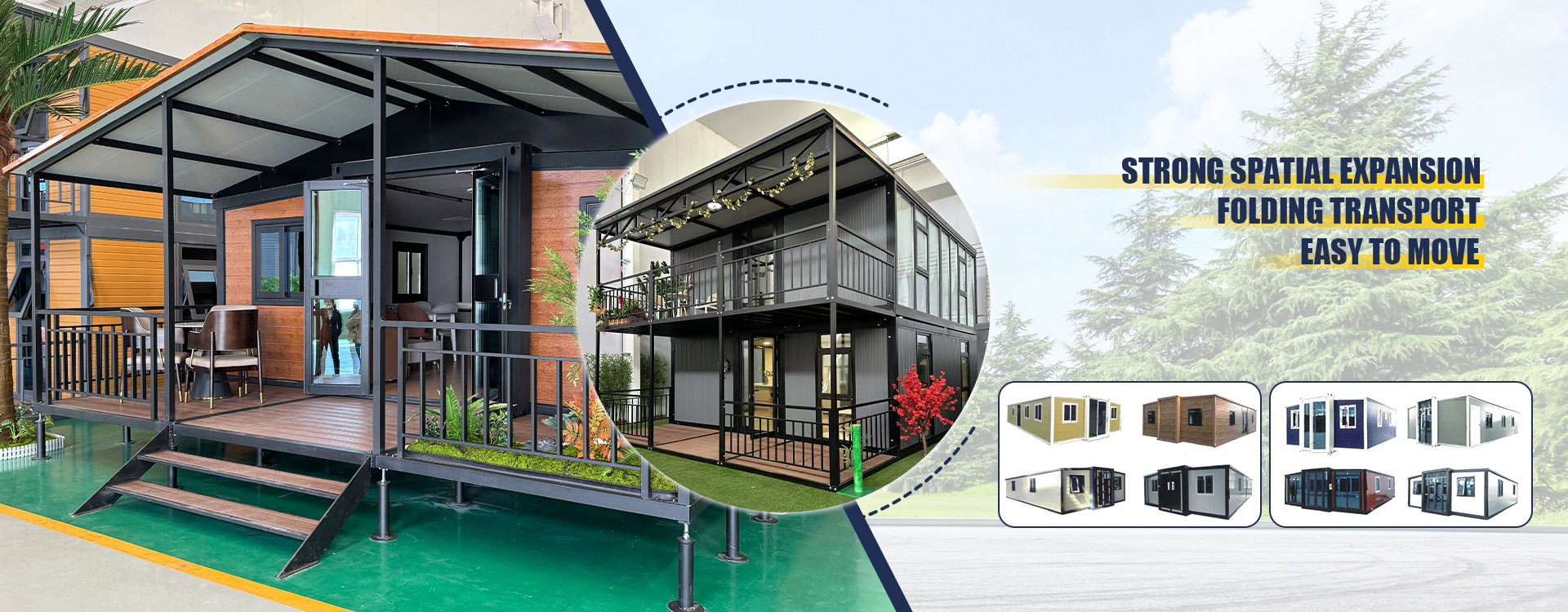
Best selling products
Best selling products-
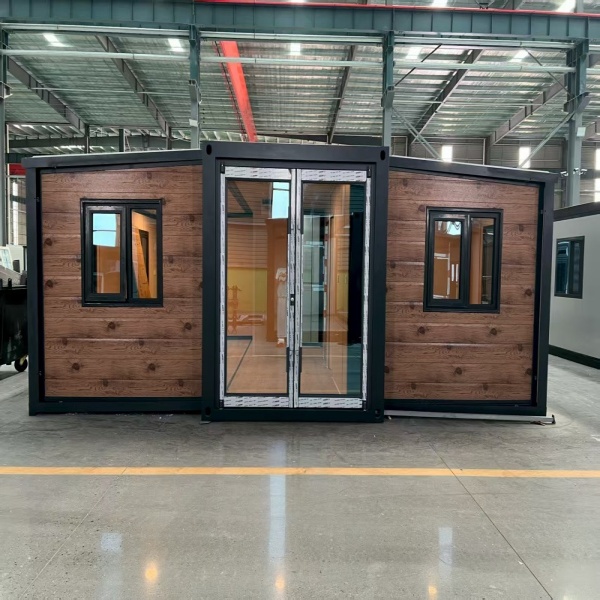 The foldable container house with side wing design can be quickly set up and is suitable for various environments.
 -
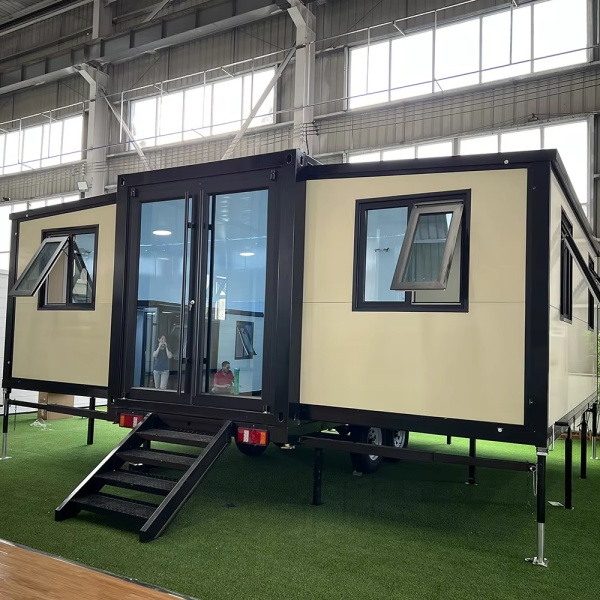 Stair Access Double Wing Expandable Container House | Easy Installation Mobile Office
 -
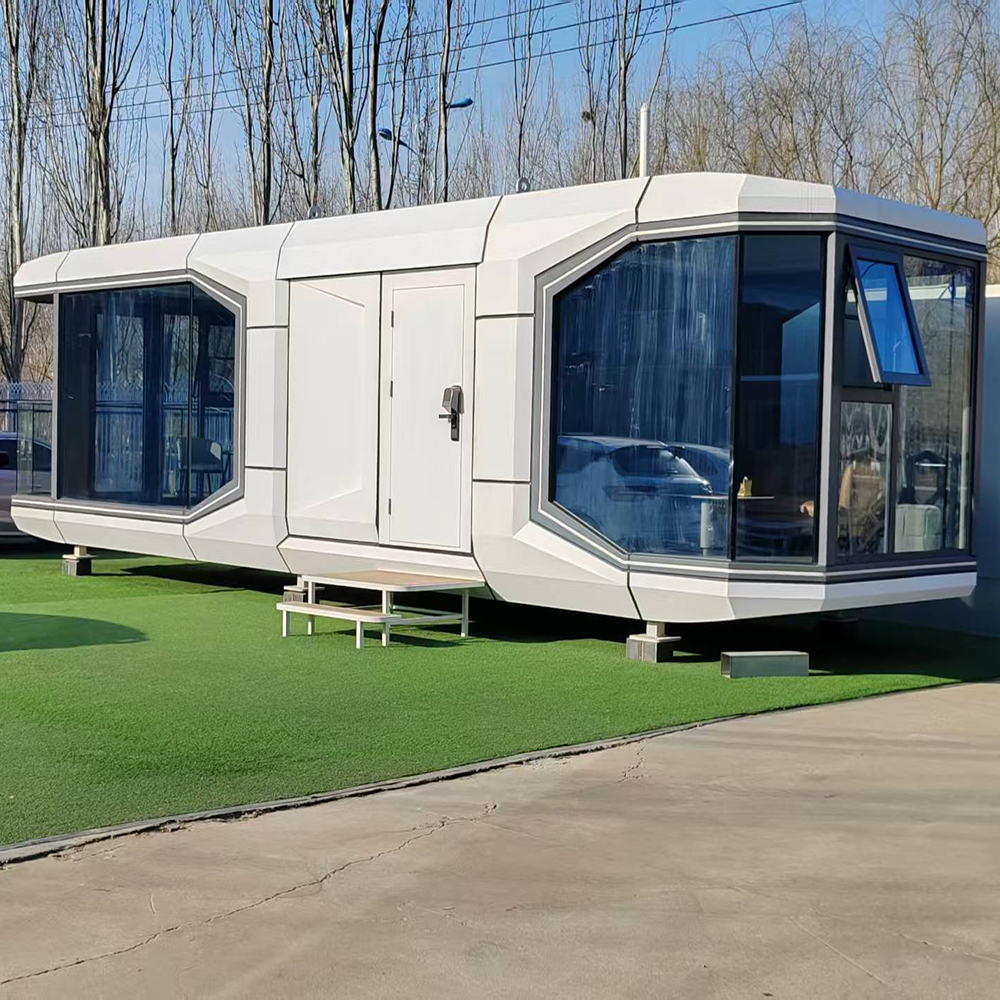 Luxury High Quality 2 Bedroom Container Home Prefabricated Steel Space Capsule for Office Shop Hotel or Outdoor House
 -
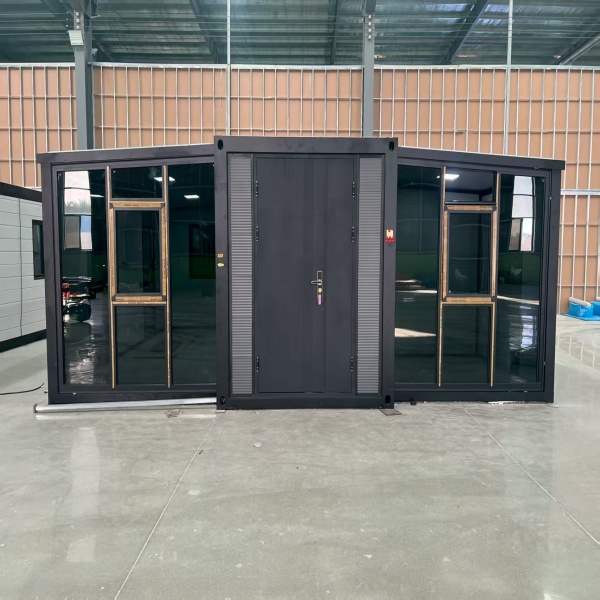 Customizable Office Mobile Home with Flat Roof and Double Wing Expansion Box, Convenient Container
 -
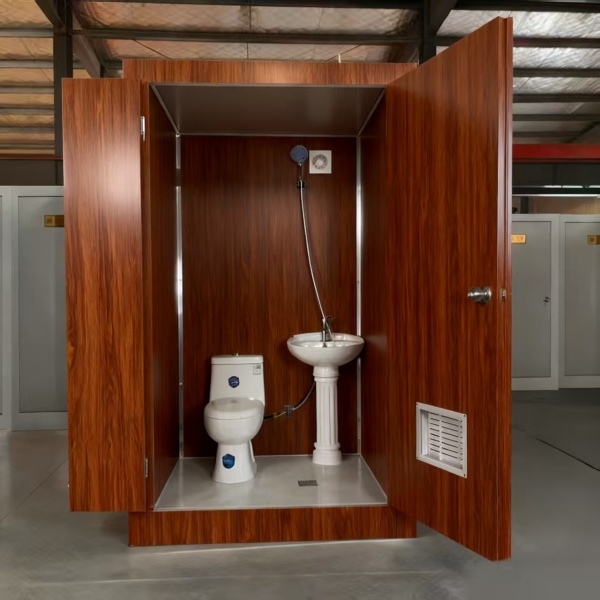 Portable outdoor camping bathroom, mobile toilet, prefabricated modular villa & rental of outdoor and indoor showers
 -
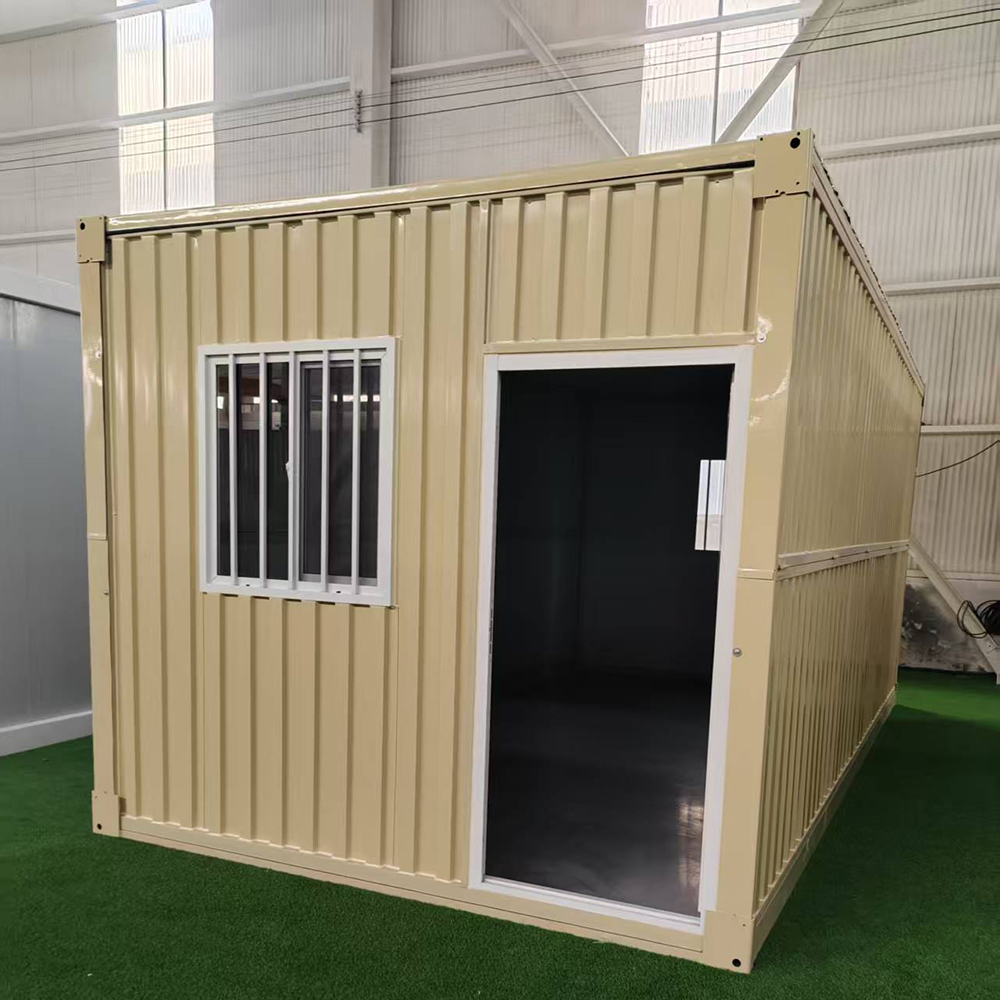 Competitive Price Portable Container House Foldable Container Mobile Living Modular Homes
 -
 Luxury Foldable Two Story Container House for Glamping Resort and Villa Hotel
 -
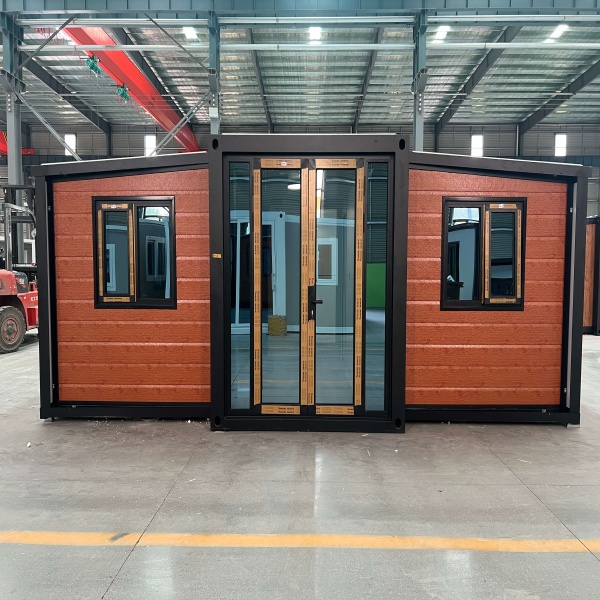 High-quality Double-wing Folding Container House with Doors and Windows, Insulated Walls, Suitable for Various Scenarios.
 -
Two Wing Folding Expandable Container House
-
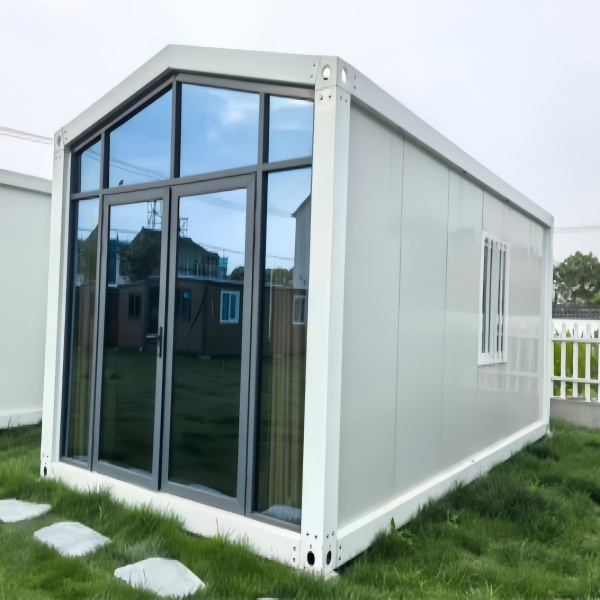 Waterproof folding container house – mobile accommodation for campsites/scenic spots
 -
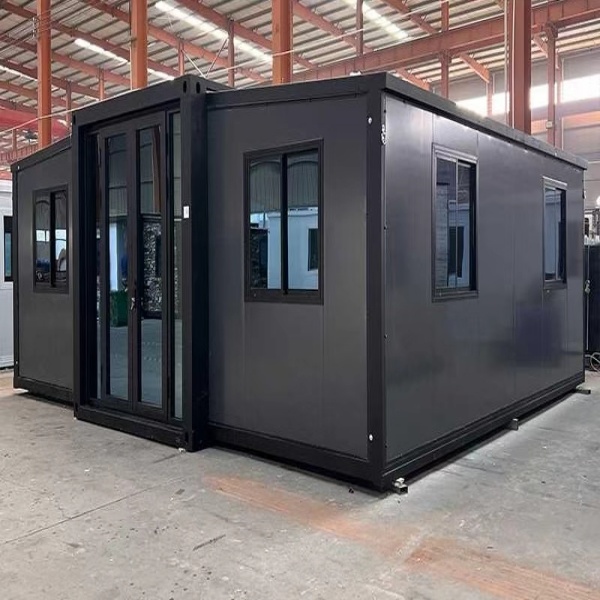 Dual-Wing Folding Container House: Fast Assembly, Space-Saving & Multi-Scene Adaptable
 -
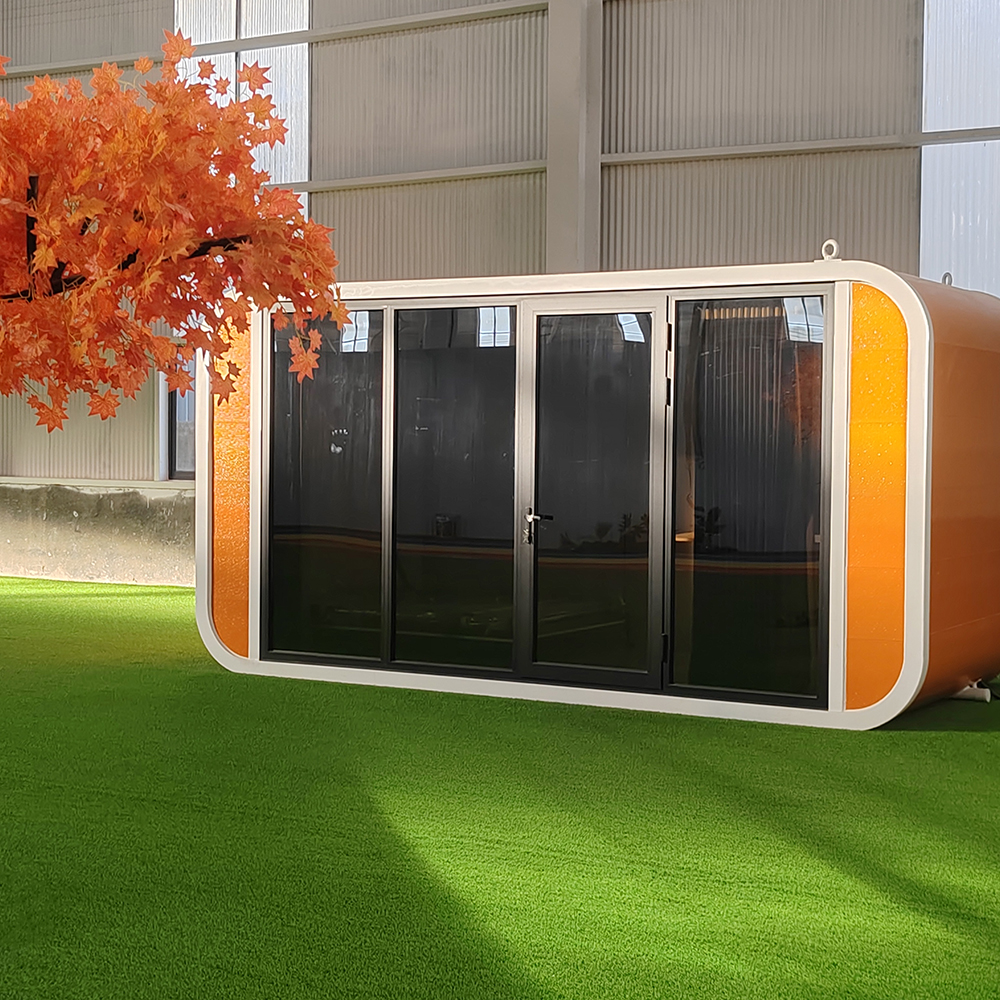 Luxury Prefabricated Living Container House Modular Glass Tiny House Prefab Container Home Apple Cabin
Related search
Related search- modern durable quality expandable container house
- fold out prefab house
- China tiny folding house
- Buy expandable container house price
- China apple cabin on the creek
- expandable container house price
- Buy prefabricated folding container house
- madi folding house
- Buy portable prefabricated expandable container house
- China pre fab 2 bedroom prefab container house homes luxury