
-
E-mail
Austin120521@outlook.com -
E-mail
sales@jujiuhouse.com -
Telephone
+86-17864099991 -
Telephone
+86-17854044442
- Chinese
- French
- German
- Portuguese
- Spanish
- Russian
- Japanese
- Korean
- Arabic
- Irish
- Greek
- Turkish
- Italian
- Danish
- Romanian
- Indonesian
- Czech
- Afrikaans
- Swedish
- Polish
- Basque
- Catalan
- Esperanto
- Hindi
- Lao
- Albanian
- Amharic
- Armenian
- Azerbaijani
- Belarusian
- Bengali
- Bosnian
- Bulgarian
- Cebuano
- Chichewa
- Corsican
- Croatian
- Dutch
- Estonian
- Filipino
- Finnish
- Frisian
- Galician
- Georgian
- Gujarati
- Haitian
- Hausa
- Hawaiian
- Hebrew
- Hmong
- Hungarian
- Icelandic
- Igbo
- Javanese
- Kannada
- Kazakh
- Khmer
- Kurdish
- Kyrgyz
- Latin
- Latvian
- Lithuanian
- Luxembou..
- Macedonian
- Malagasy
- Malay
- Malayalam
- Maltese
- Maori
- Marathi
- Mongolian
- Burmese
- Nepali
- Norwegian
- Pashto
- Persian
- Punjabi
- Serbian
- Sesotho
- Sinhala
- Slovak
- Slovenian
- Somali
- Samoan
- Scots Gaelic
- Shona
- Sindhi
- Sundanese
- Swahili
- Tajik
- Tamil
- Telugu
- Thai
- Ukrainian
- Urdu
- Uzbek
- Vietnamese
- Welsh
- Xhosa
- Yiddish
- Yoruba
- Zulu
- Kinyarwanda
- Tatar
- Oriya
- Turkmen
- Uyghur




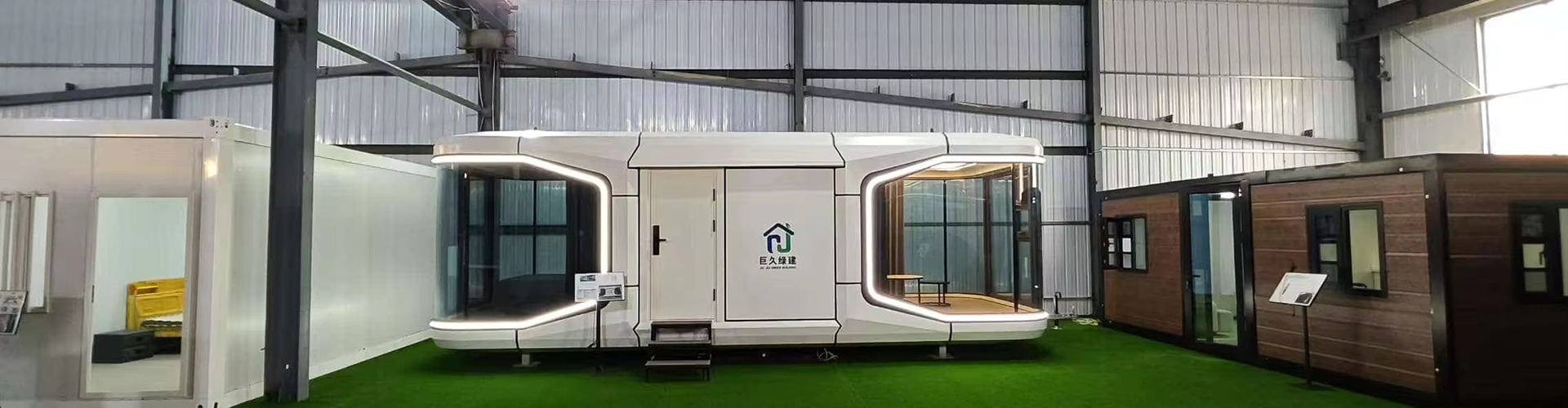
China container house prefabricated villa
Exploring the Potential of China’s Prefabricated Container Houses
When we talk about prefabricated container houses in China, there’s often a dusty perception of temporary structures or simplistic designs. However, this couldn’t be farther from the truth. Shandong Jujiu Integrated Housing Co., Ltd. leads the way in transforming these constructions into sustainable, stylish, and cutting-edge homes.
The Evolution of Container Homes
In the past, container houses were primarily seen as solutions for temporary housing needs or emergency relief. But in recent years, particularly in China, these structures have evolved tremendously. Modern prefabricated villas now boast sleek designs, innovative layouts, and robust materials. Companies like Shandong Jujiu show how leveraging industrial techniques and integrated housing expertise can produce impressive residential options.
The change did not happen overnight. Initially, the transformation faced skepticism due to misconceptions about durability and thermal efficiency. However, advancements in insulation and design flexibility have addressed these concerns effectively.
Visiting some of these homes, you’d be surprised at the level of comfort and style achievable within what was once just a metal box. The incorporation of modern amenities and energy-efficient systems has rendered these an attractive option for eco-conscious consumers.
Design Flexibility and Innovation
One of the most fascinating aspects of working with container homes is the versatility in design. Thanks to companies like Shandong Jujiu, these houses can be customized extensively. Ranging from single-story layouts to multi-level villas, the potential configurations are bound only by imagination and structural integrity.
In my experience, clients often start with a basic concept and end up with something quite extraordinary. The modular nature allows for easy expansion or reconfiguration, a flexibility rarely seen in traditional housing.
It’s crucial, though, to make sure that the design adheres to local building codes—a detail sometimes overlooked by those new to the field. Failing to do so can lead to costly redesigns and delays in construction.
Real-World Applications and Success Stories
I recall a project handled by Shandong Jujiu where a small community was established using their prefabricated technologies. This particular client wanted a sustainable living solution that could accommodate families displaced due to urban development.
The entire village was up and running in a matter of weeks, complete with amenities like solar panels and rainwater harvesting systems—an effort that showcased how clever engineering paired with industrial prowess can make a tangible impact.
These kinds of successes aren’t isolated incidents. Around China, many have started viewing prefabricated container houses not just as an alternative, but as a preferred option for sustainable living.
Challenges in the Industry
Despite their advantages, these structures face their own set of challenges. Market misconceptions persist, and additional education is often required to inform potential buyers about the benefits and limitations of these homes.
There's also a learning curve for many contractors who are accustomed to traditional building methods. It’s not uncommon to see projects delayed due to overlooked nuances particular to prefabricated structures.
The industry, however, is growing, and with increasing demand, standardization in construction practices can help mitigate these issues. It’s essential for companies like Shandong Jujiu to continue advocating for quality and innovation.
The Future of Prefabricated Housing
The potential for expansion in this sector is immense. With urban areas increasing global emphasis on sustainability, there is a palpable shift in housing demands. Shandong Jujiu is poised to be at the forefront of this revolution, producing homes that are not only economically viable but also environmentally responsible.
The next steps could involve integrating even more smart technologies into these homes, making them not just buildings but responsive living habitats. Imagine a villa that adapts to weather conditions in real-time or offers energy consumption reports to help reduce your carbon footprint.
It's an exciting time for the industry, with emerging opportunities for innovation and growth, driving the future of housing forward in a sustainable and meaningful way.
Related products
Related products
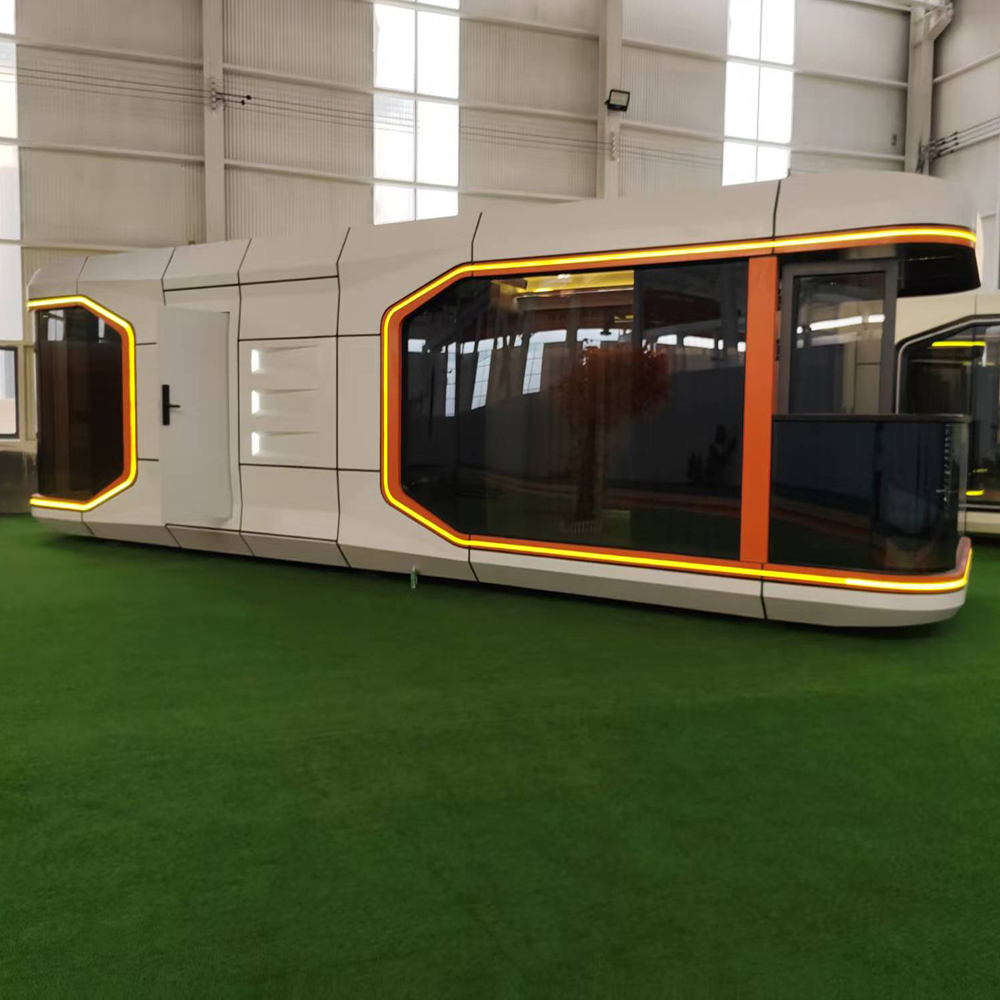
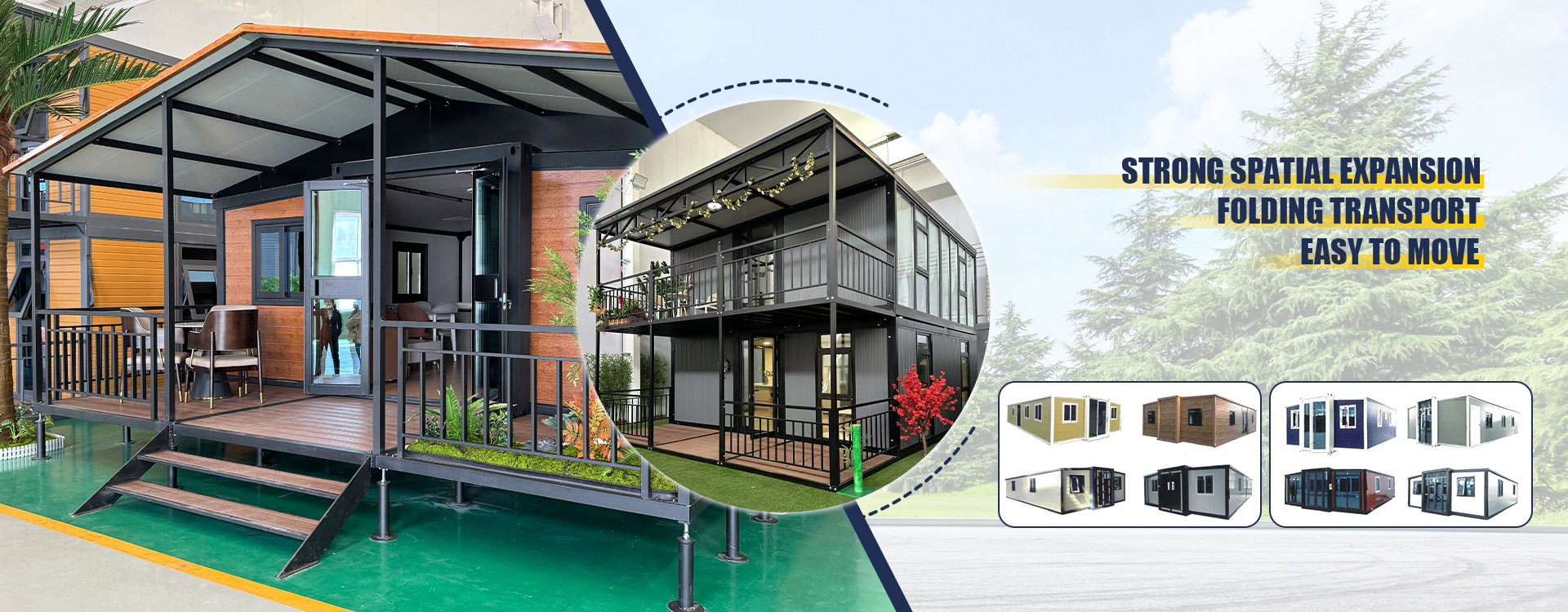
Best selling products
Best selling products-
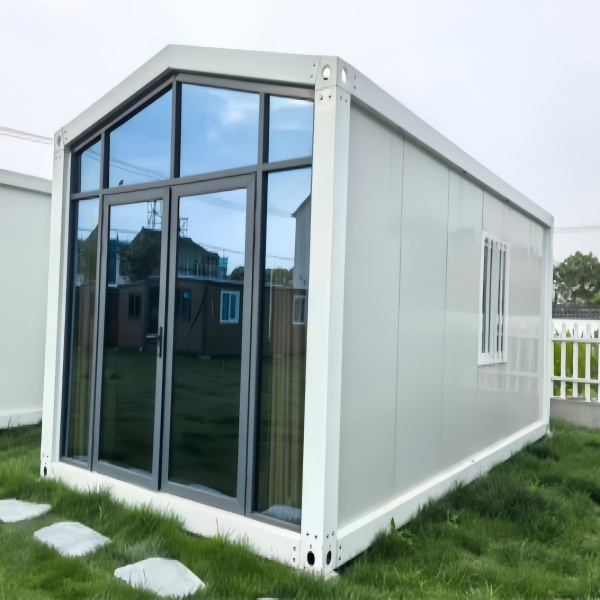 Waterproof folding container house – mobile accommodation for campsites/scenic spots
 -
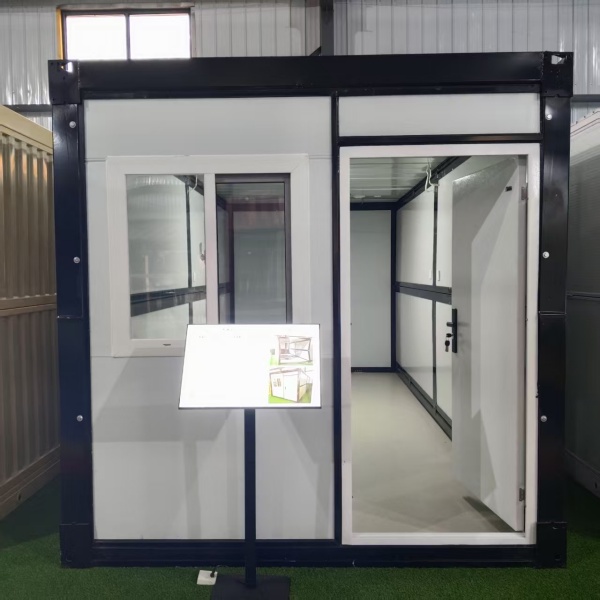 Factory Direct Sales Office Folding Container Luxury House Living Container House
 -
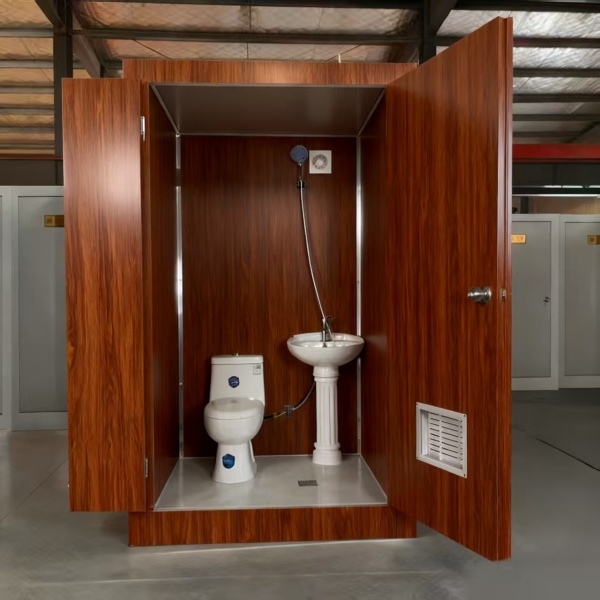 Portable outdoor camping bathroom, mobile toilet, prefabricated modular villa & rental of outdoor and indoor showers
 -
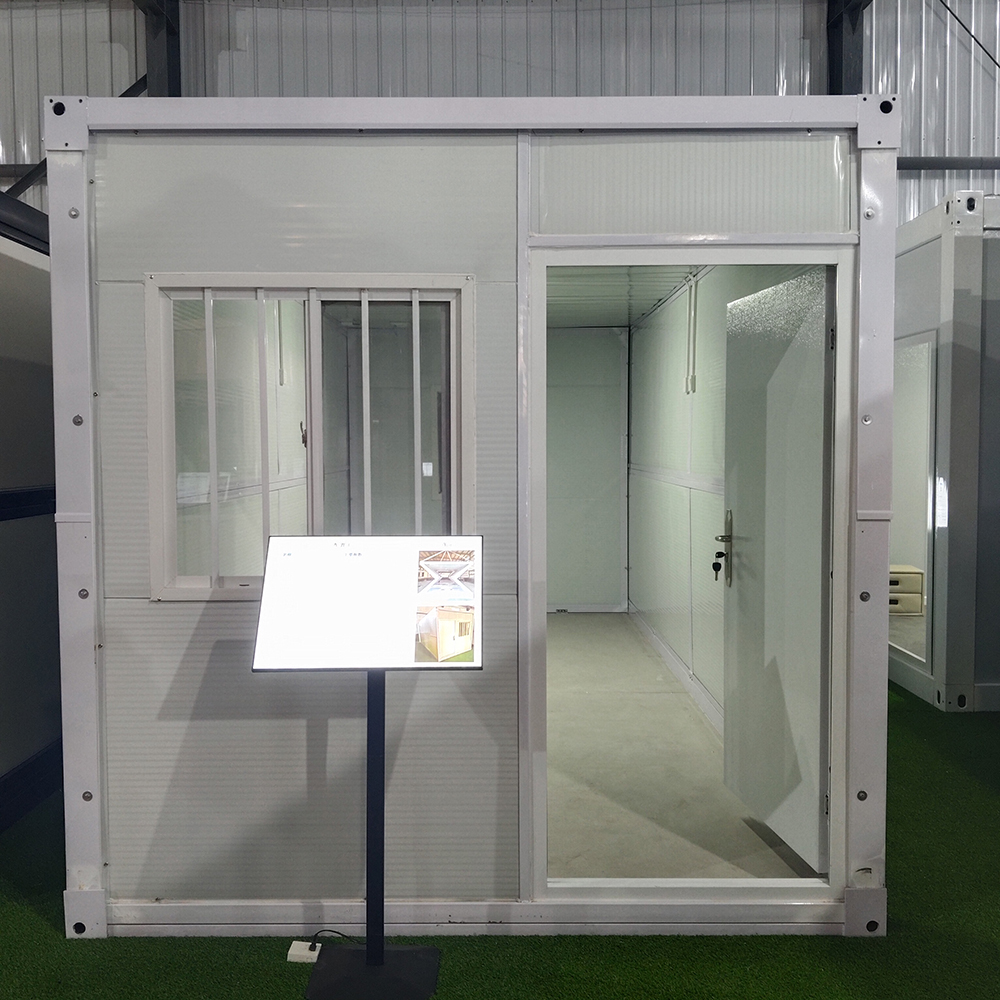 Reasonable Price 1 Bedroom Modular Container House Folding Container Home for Villa or Apartment Use
 -
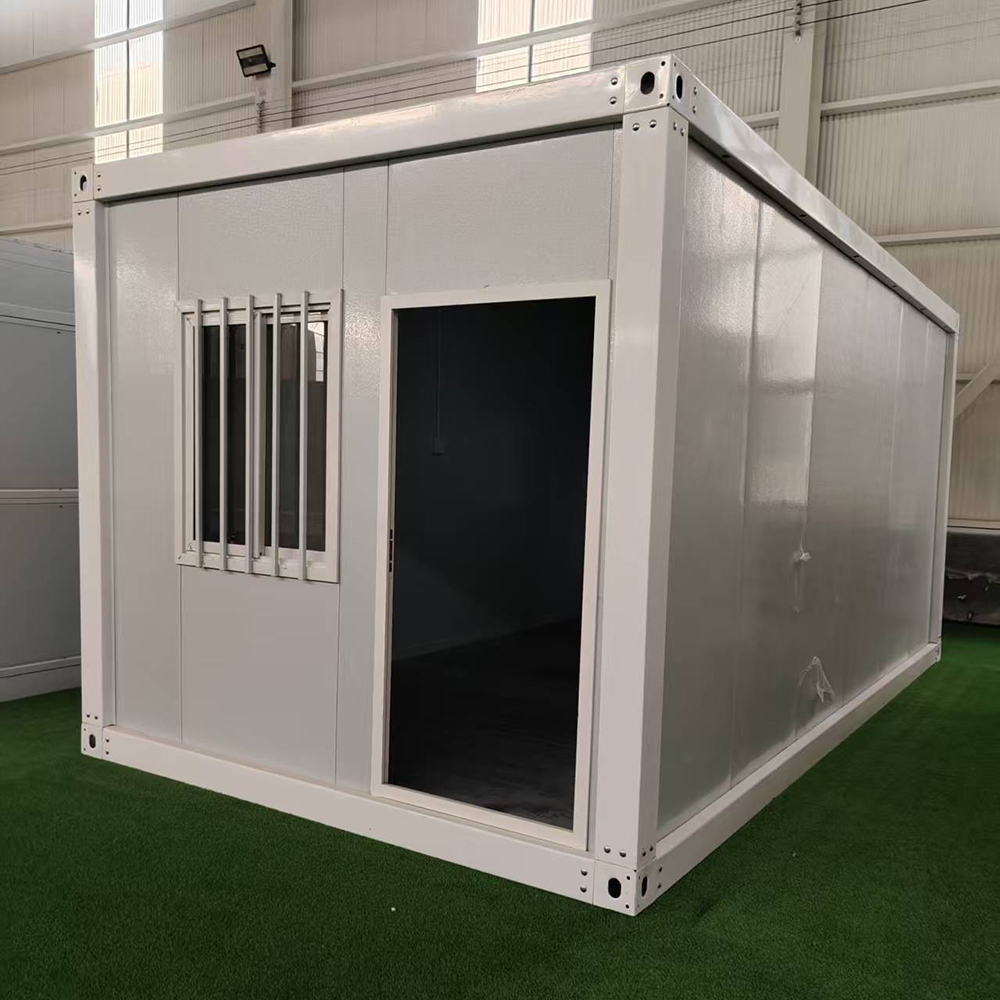 Folding Container Moving House Modular Office Container House Prefab Container for Outdoor Use
 -
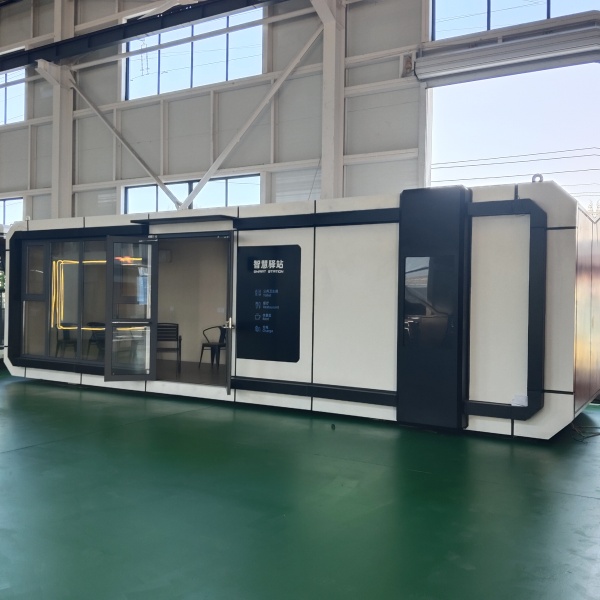 Modular modern movable apple cabins, customized high-end folk houses and portable bedrooms, delivered as a whole
 -
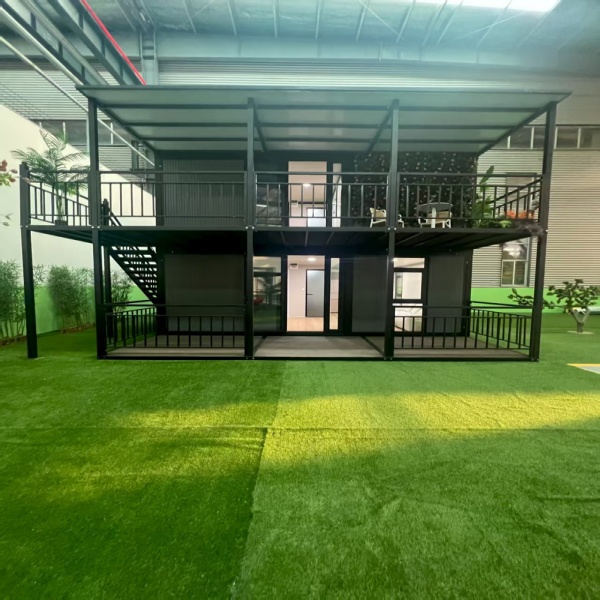 Luxury foldable two-story container houses in luxury resort hotels and villa hotels
 -
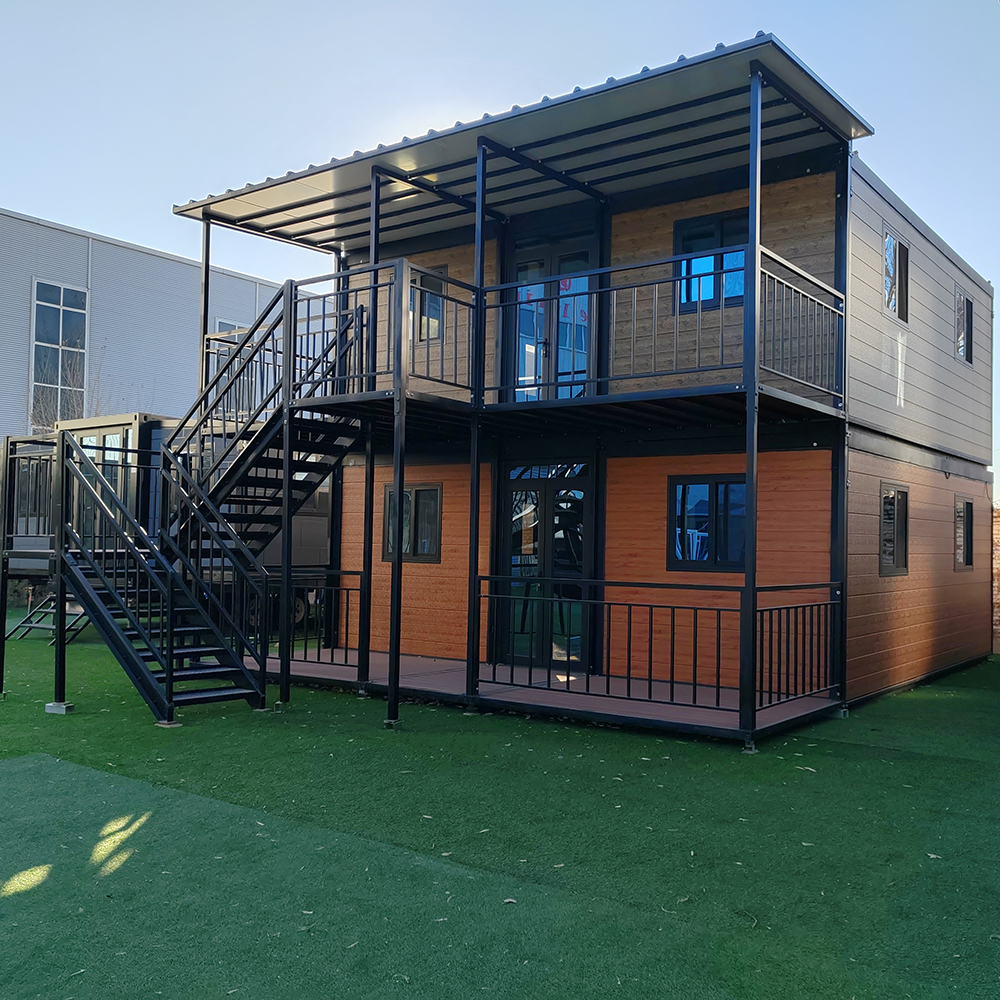 Easy Install Customized Detachable Container Homes Extendable House Prefab 2 Floors Expandable Container House
 -
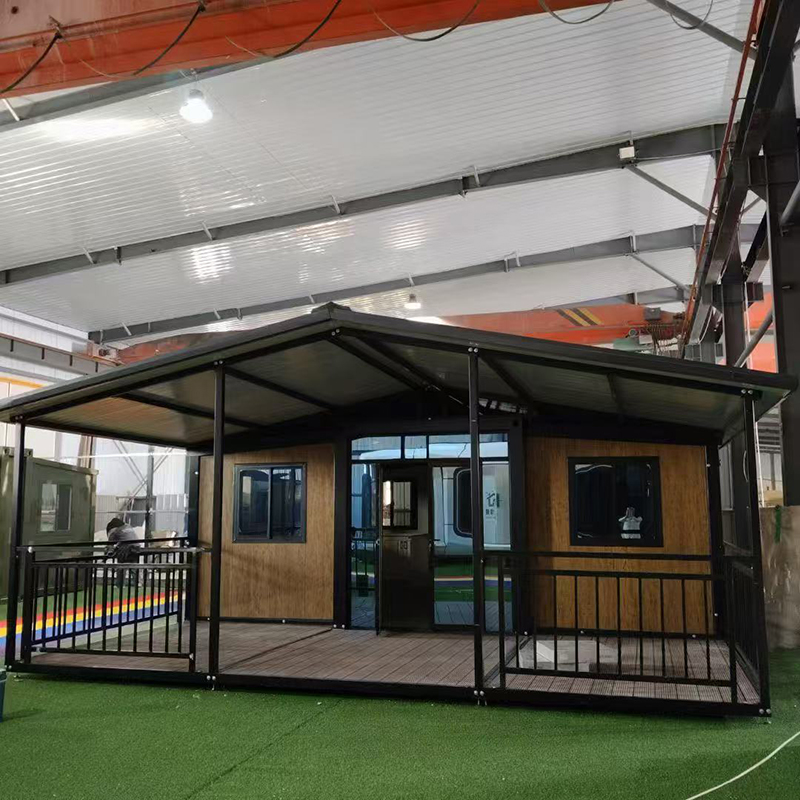 Customized Expandable Container House Holiday Home Folding Prefab Container House with Bathroom and Kitchen
 -
Two Wing Folding Expandable Container House
-
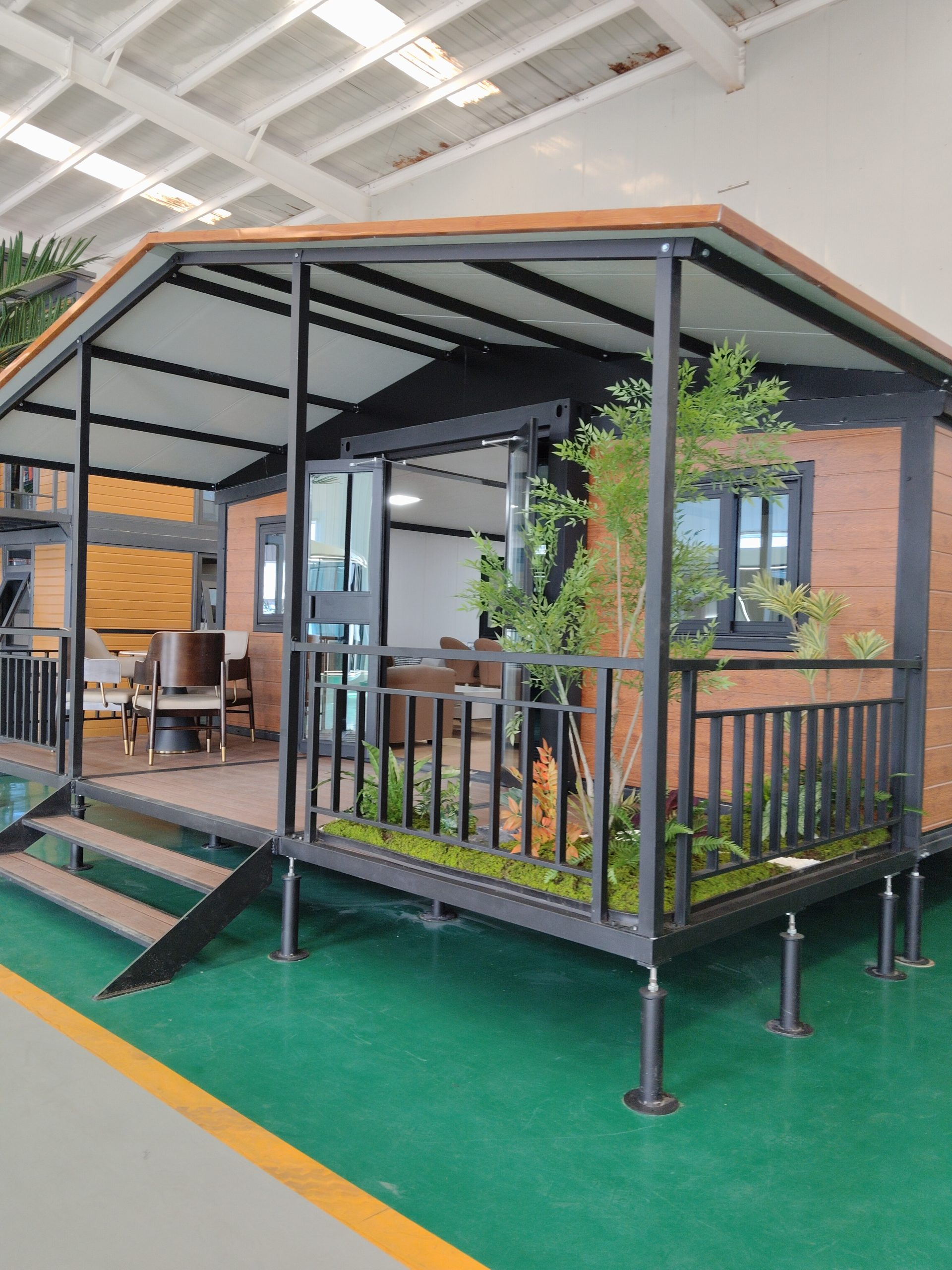 A container house with a terrace and double-wing folding design, suitable for various purposes such as offices, meeting rooms, living rooms, etc.
 -
 Luxury Foldable Two Story Container House for Glamping Resort and Villa Hotel
Related search
Related search- China fold out mobile homes
- Buy modular fold out homes
- Buy movable space capsule homes
- Buy villa prefab modular apple cabin
- luxury space capsule
- China modular container house prefab tiny home house
- apple hollow cabins
- Buy folding house boxabl
- Buy modular container house prefab tiny home house
- expandable container house price