
-
E-mail
Austin120521@outlook.com -
E-mail
sales@jujiuhouse.com -
Telephone
+86-17864099991 -
Telephone
+86-17854044442
- Chinese
- French
- German
- Portuguese
- Spanish
- Russian
- Japanese
- Korean
- Arabic
- Irish
- Greek
- Turkish
- Italian
- Danish
- Romanian
- Indonesian
- Czech
- Afrikaans
- Swedish
- Polish
- Basque
- Catalan
- Esperanto
- Hindi
- Lao
- Albanian
- Amharic
- Armenian
- Azerbaijani
- Belarusian
- Bengali
- Bosnian
- Bulgarian
- Cebuano
- Chichewa
- Corsican
- Croatian
- Dutch
- Estonian
- Filipino
- Finnish
- Frisian
- Galician
- Georgian
- Gujarati
- Haitian
- Hausa
- Hawaiian
- Hebrew
- Hmong
- Hungarian
- Icelandic
- Igbo
- Javanese
- Kannada
- Kazakh
- Khmer
- Kurdish
- Kyrgyz
- Latin
- Latvian
- Lithuanian
- Luxembou..
- Macedonian
- Malagasy
- Malay
- Malayalam
- Maltese
- Maori
- Marathi
- Mongolian
- Burmese
- Nepali
- Norwegian
- Pashto
- Persian
- Punjabi
- Serbian
- Sesotho
- Sinhala
- Slovak
- Slovenian
- Somali
- Samoan
- Scots Gaelic
- Shona
- Sindhi
- Sundanese
- Swahili
- Tajik
- Tamil
- Telugu
- Thai
- Ukrainian
- Urdu
- Uzbek
- Vietnamese
- Welsh
- Xhosa
- Yiddish
- Yoruba
- Zulu
- Kinyarwanda
- Tatar
- Oriya
- Turkmen
- Uyghur




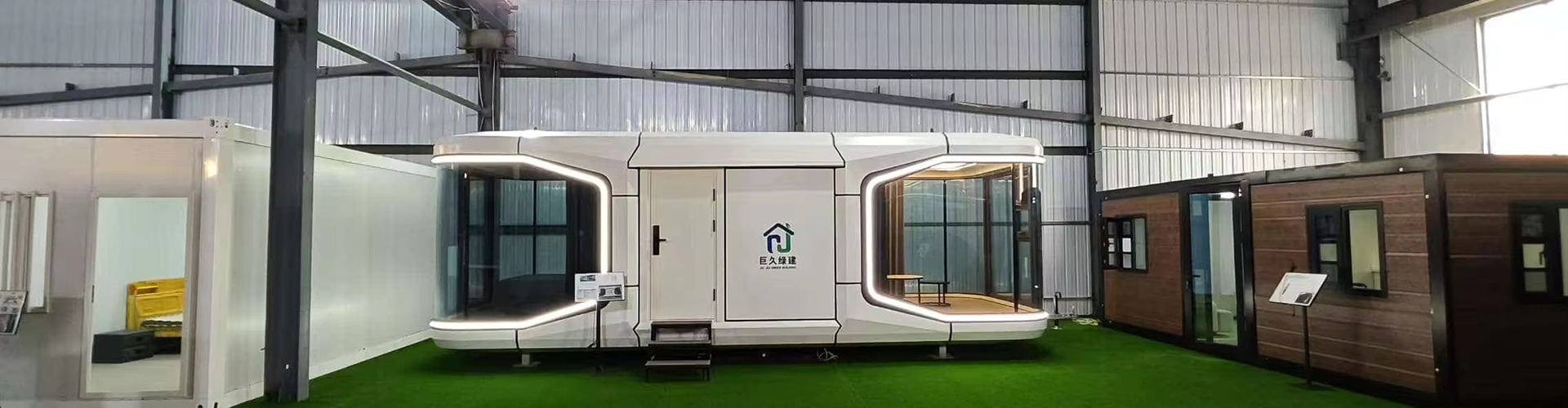
China economical prefabricated modular mobile portable container house
China's Economical Prefabricated Modular Mobile Portable Container House: A Deeper Insight
China's journey in the domain of economical prefabricated modular mobile portable container houses is as intriguing as it is pioneering. While many perceive these structures as mere temporary shelters, the evolution speaks volumes about innovation and adaptability. The appeal lies not only in cost-effectiveness but in the multifaceted advantages offered by companies like Shandong Jujiu Integrated Housing Co., Ltd, a notable player in this sphere.
Understanding the Basics
The concept is simple yet transformative. These portable container houses are designed to be mobile, modular, and prefabricated, making them an ideal solution for a variety of needs, from temporary housing to permanent living spaces. The ease of transportation and quick assembly are significant selling points, attracting both individual homeowners and large-scale developers.
But let’s not romanticize it too much. There are pitfalls, especially in the standardization and customization processes. The challenge often lies in balancing mass production efficiency with tailored solutions to cater to diverse climatic and geographical needs.
Shandong Jujiu Integrated Housing Co., Ltd, for example, emphasizes research and development to optimize these designs. This reflects a broader industry trend where constant innovation becomes a necessity rather than a luxury.
The Innovation at Play
Something fascinating about these container houses is the level of modularity they bring to the table. It's like playing with giant blocks where each piece can be customized to fit specific demands. The materials used are robust yet lightweight, often combining steel structures with insulated panels for energy efficiency.
From what I’ve observed on projects and through discussions with industry peers, these houses are not just about the exterior shell. The internal systems, whether it’s plumbing or electrical, are pre-installed to minimize on-site labor. This reduces the traditional construction timeline significantly, making it a favored choice for urgent projects.
Shandong Jujiu, accessible at jujiuhouse.com, handles everything from design to installation, ensuring that the integration process is seamless, thus enhancing the value proposition for clients.
Applications and Real-World Examples
These container houses are everywhere, from remote mining camps to urban classrooms. Their versatility is their strength. I remember a project where a series of these homes served as accommodation for workers on a site in a remote part of China. The conditions were harsh, but the prefabricated structures stood up impressively against the elements.
What makes these structures particularly viable is their adaptability to different environments. Whether it’s the sweltering heat or biting cold, the insulation capabilities are often a key selling point.
The real-world application is endless. Schools, offices, homes—the boundaries are continuously being pushed. Yet, it's crucial to remember that not every project is a straightforward success. There are logistical challenges, including transport and assembly in more inaccessible regions, which require careful planning.
Challenges and Considerations
It's not all smooth sailing. One common issue is the perception battle. Despite the numerous benefits, many still view these houses as a lesser option compared to traditional builds. Overcoming this bias is an ongoing challenge for the industry.
There’s also the question of standardization versus customization. While standard models offer cost savings, customized solutions provide more flexibility. Balancing these demands requires a nuanced approach.
At Shandong Jujiu, this is addressed by their ability to offer scalable solutions that blend standard efficiency with personalized attention, ensuring clients receive exactly what they need without unnecessary expenditure.
The Future Landscape
The future for China's economical prefabricated modular mobile portable container house industry looks promising. With technological advancements in materials and construction, the possibilities are rapidly expanding.
Energy efficiency and eco-friendliness are becoming priorities, pushing firms to explore sustainable practices. This, along with government support for affordable housing solutions, is set to drive the industry forward.
For companies like Shandong Jujiu, the road ahead involves not just expanding product lines but enhancing the scope of R&D, making them a standout in the competitive landscape. The goal is to cater to an ever-diverse market, ensuring these container houses remain a viable, desirable housing alternative globally.
Related products
Related products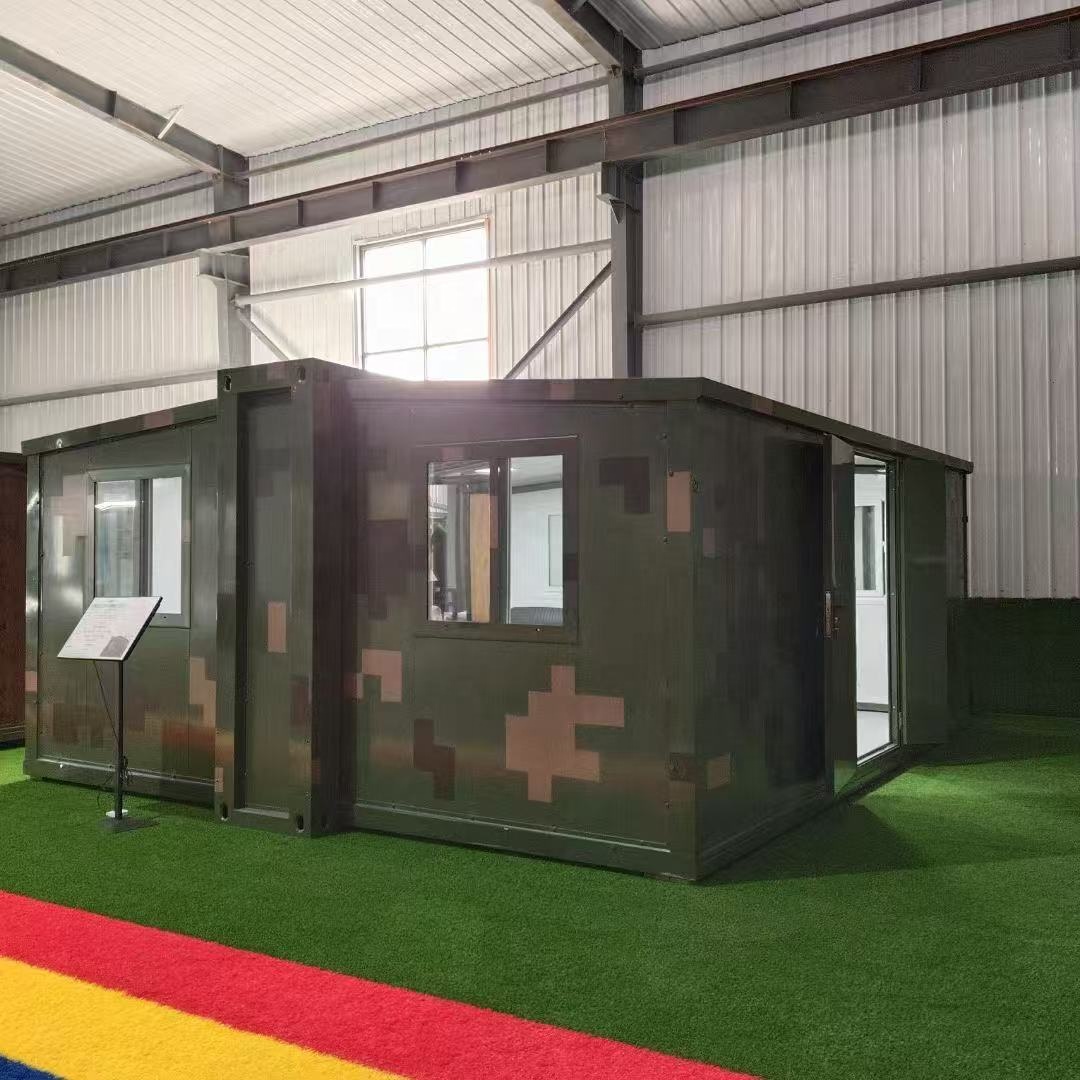
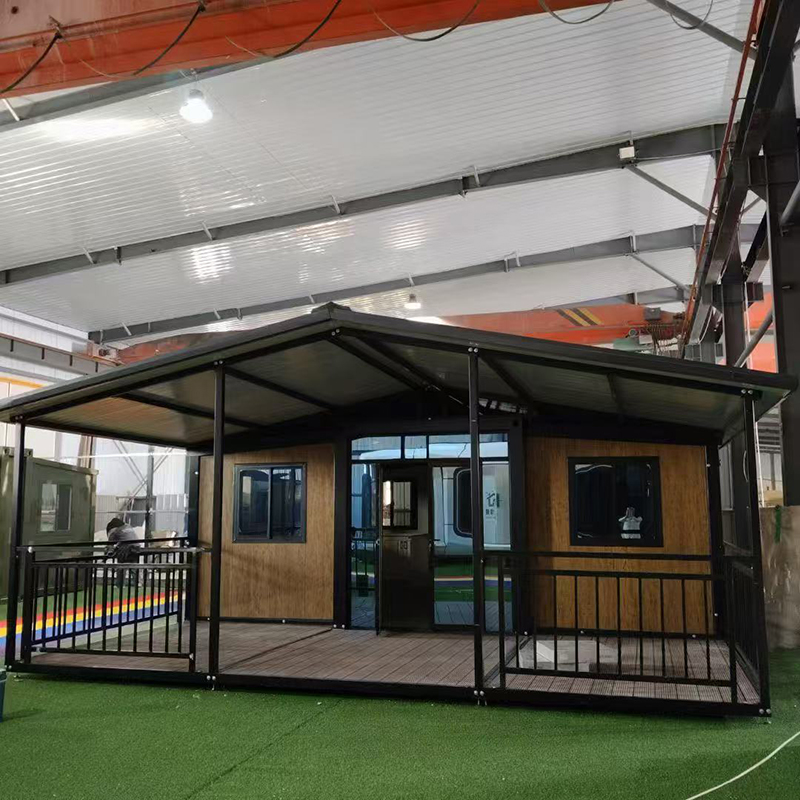
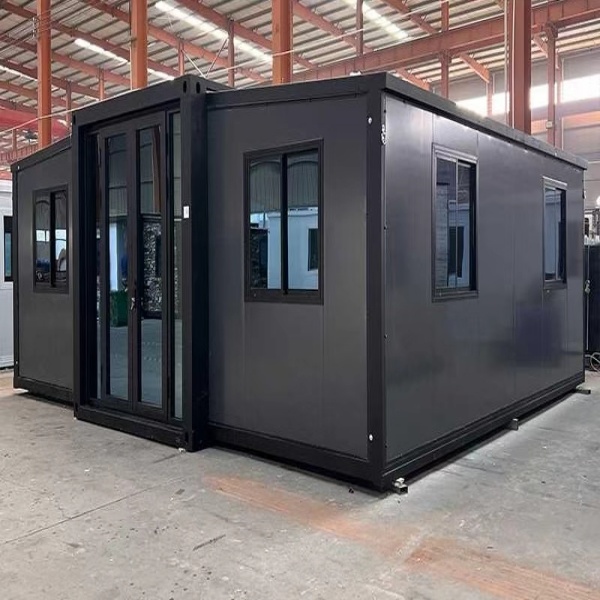
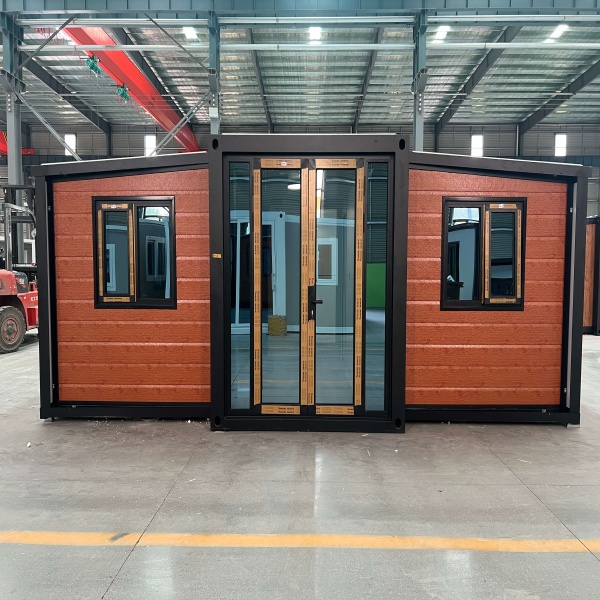
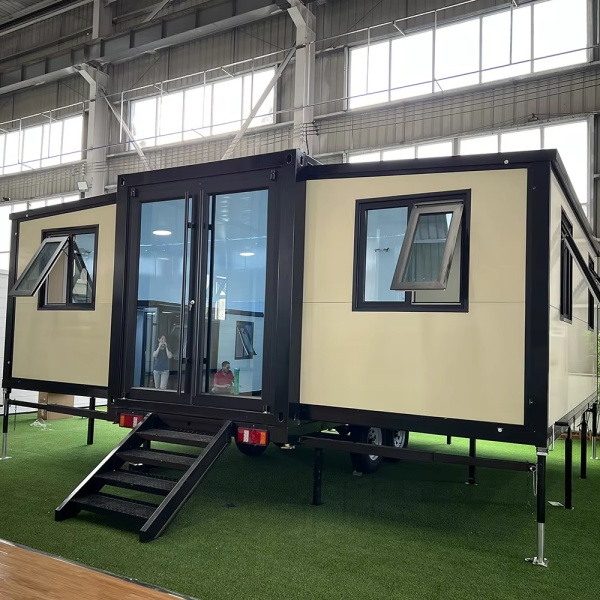
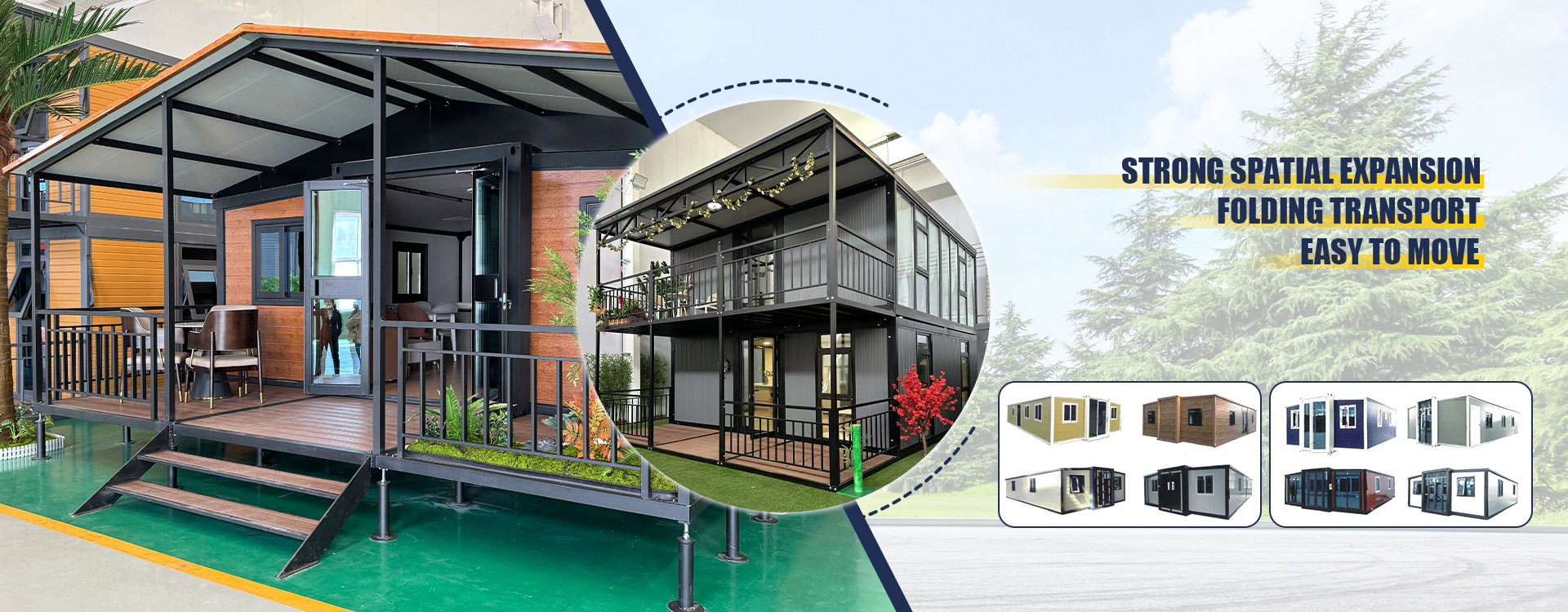
Best selling products
Best selling products-
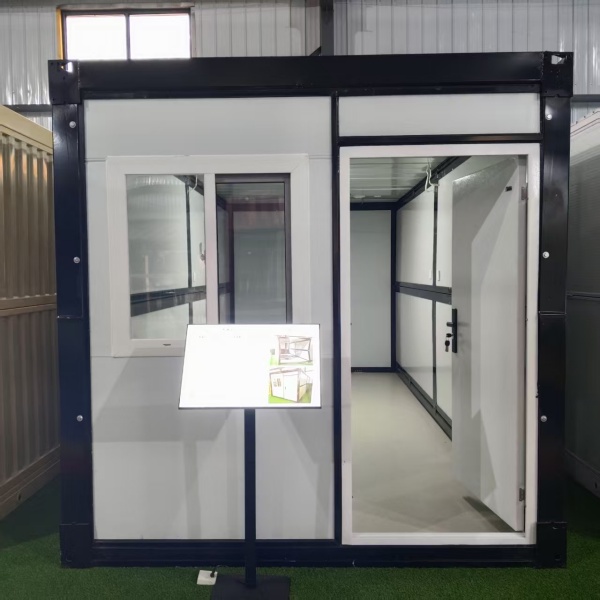 Factory Direct Sales Office Folding Container Luxury House Living Container House
 -
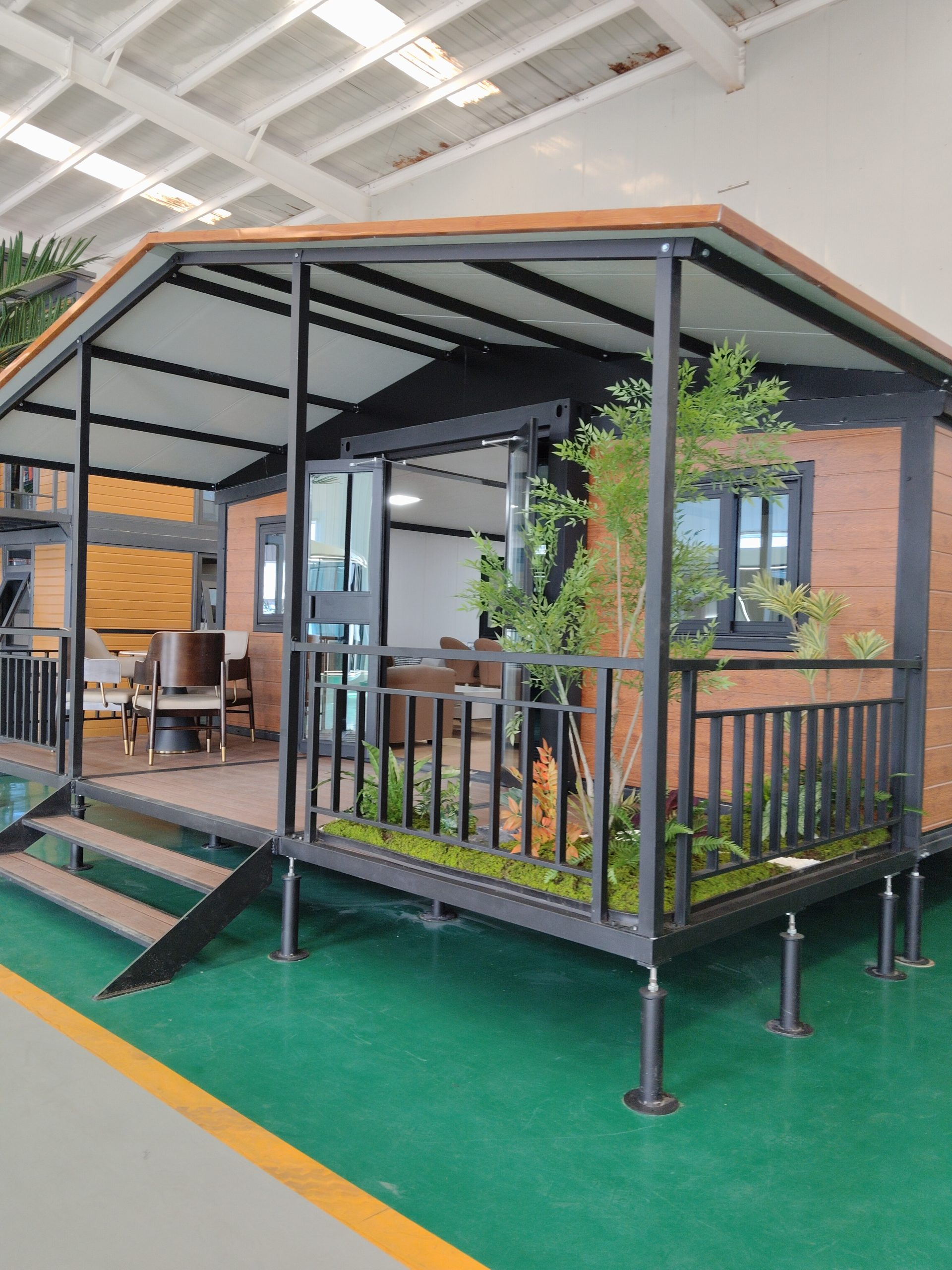 A container house with a terrace and double-wing folding design, suitable for various purposes such as offices, meeting rooms, living rooms, etc.
 -
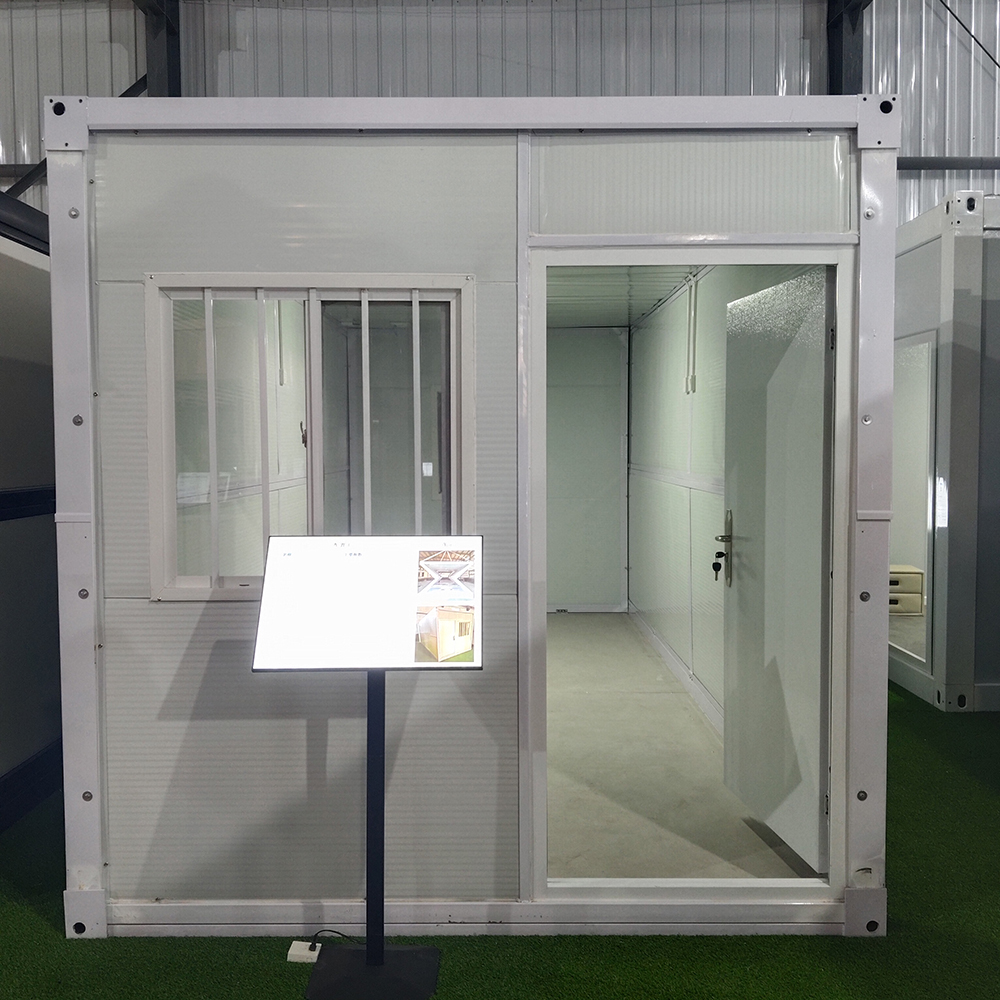 Reasonable Price 1 Bedroom Modular Container House Folding Container Home for Villa or Apartment Use
 -
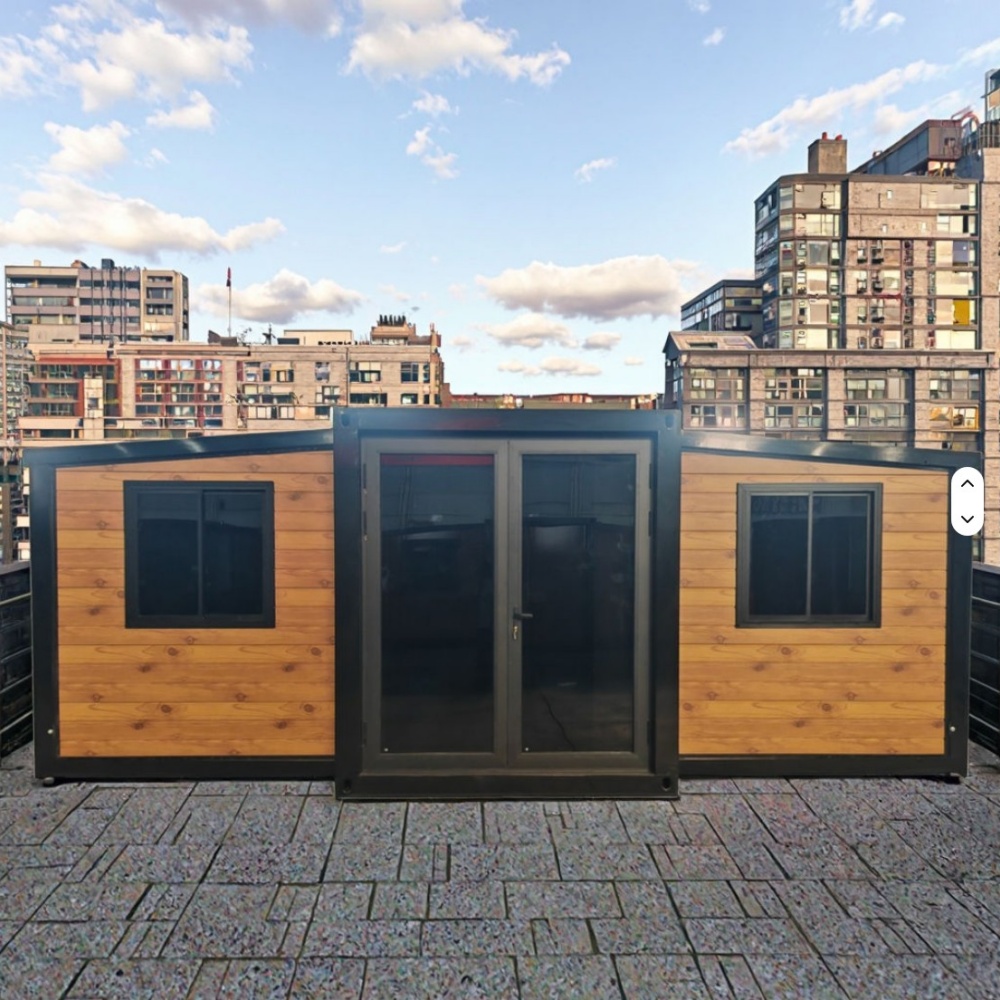 Customized Two Wing Folding Expandable Container House
 -
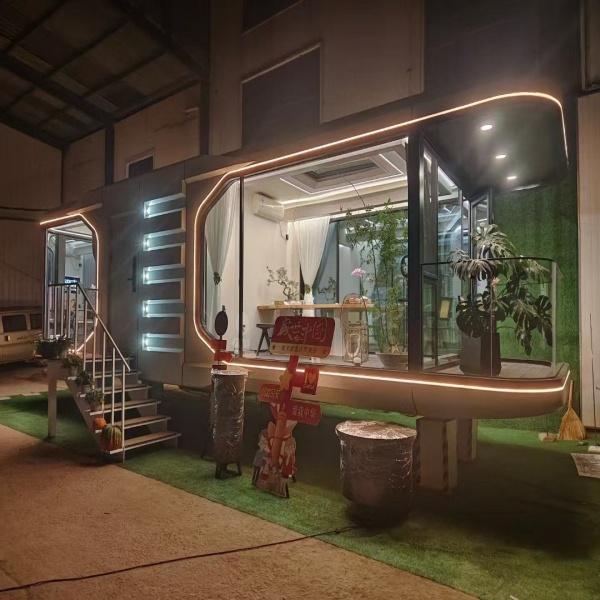 Outdoor ecological capsule rooms, luxury pods, space capsule hotel rooms, prefabricated space capsules, container houses
 -
Two Wing Folding Expandable Container House
-
 Luxury Foldable Two Story Container House for Glamping Resort and Villa Hotel
 -
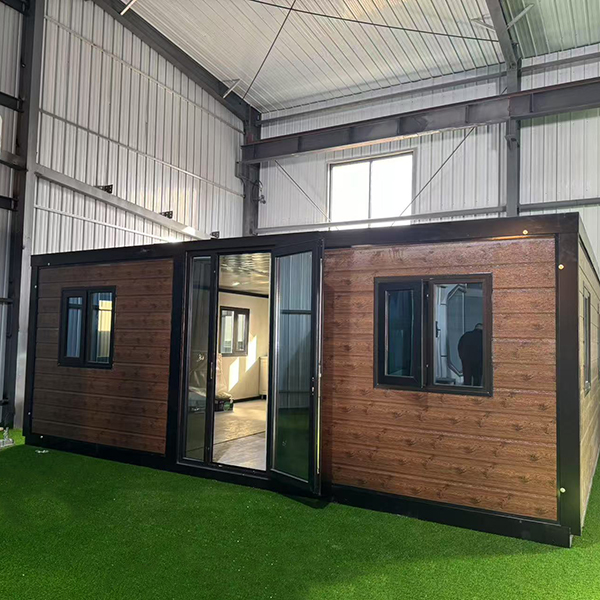 Good Quality Modular Homes Prefabricated House Expandable Container House 20FT Mobile Flat Roof House
 -
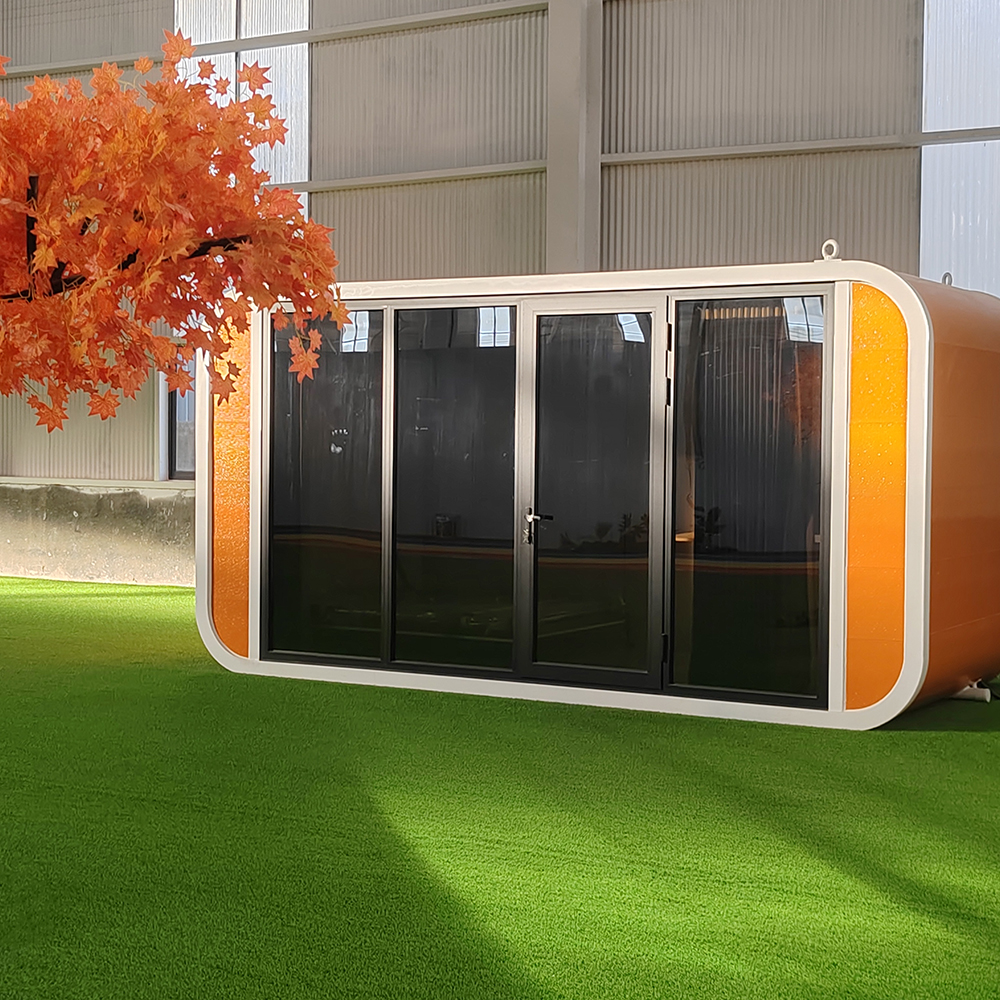 Luxury Prefabricated Living Container House Modular Glass Tiny House Prefab Container Home Apple Cabin
 -
Hot-selling foldable container houses, expandable prefabricated houses, suitable for office or living use, with fast delivery.
-
A container house with a terrace and double-wing folding design, suitable for various purposes such as offices, meeting rooms, living rooms, etc.
-
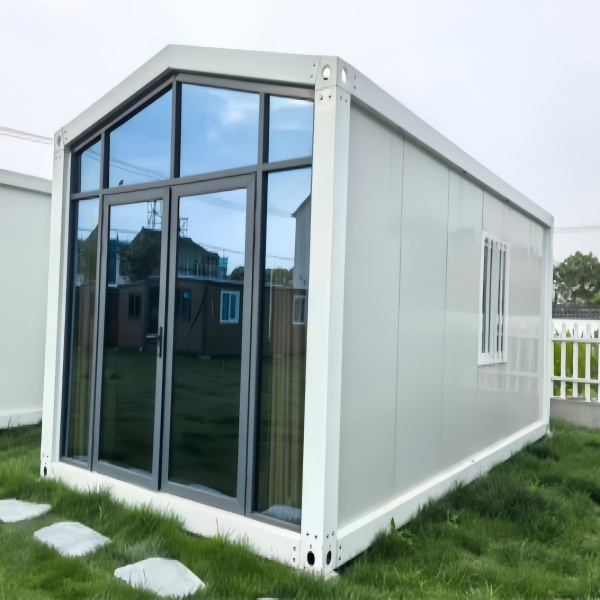 Waterproof folding container house – mobile accommodation for campsites/scenic spots
Related search
Related search- China folding houses
- 40ft expandable container house
- Buy folding house price
- Buy folding house trailer
- apple valley cabins
- China folding container house price
- China cheap wholesale price folding prefabricated house
- expandable container house america prefab house
- China container house
- container house foldable