
-
E-mail
Austin120521@outlook.com -
E-mail
sales@jujiuhouse.com -
Telephone
+86-17864099991 -
Telephone
+86-17854044442
- Chinese
- French
- German
- Portuguese
- Spanish
- Russian
- Japanese
- Korean
- Arabic
- Irish
- Greek
- Turkish
- Italian
- Danish
- Romanian
- Indonesian
- Czech
- Afrikaans
- Swedish
- Polish
- Basque
- Catalan
- Esperanto
- Hindi
- Lao
- Albanian
- Amharic
- Armenian
- Azerbaijani
- Belarusian
- Bengali
- Bosnian
- Bulgarian
- Cebuano
- Chichewa
- Corsican
- Croatian
- Dutch
- Estonian
- Filipino
- Finnish
- Frisian
- Galician
- Georgian
- Gujarati
- Haitian
- Hausa
- Hawaiian
- Hebrew
- Hmong
- Hungarian
- Icelandic
- Igbo
- Javanese
- Kannada
- Kazakh
- Khmer
- Kurdish
- Kyrgyz
- Latin
- Latvian
- Lithuanian
- Luxembou..
- Macedonian
- Malagasy
- Malay
- Malayalam
- Maltese
- Maori
- Marathi
- Mongolian
- Burmese
- Nepali
- Norwegian
- Pashto
- Persian
- Punjabi
- Serbian
- Sesotho
- Sinhala
- Slovak
- Slovenian
- Somali
- Samoan
- Scots Gaelic
- Shona
- Sindhi
- Sundanese
- Swahili
- Tajik
- Tamil
- Telugu
- Thai
- Ukrainian
- Urdu
- Uzbek
- Vietnamese
- Welsh
- Xhosa
- Yiddish
- Yoruba
- Zulu
- Kinyarwanda
- Tatar
- Oriya
- Turkmen
- Uyghur




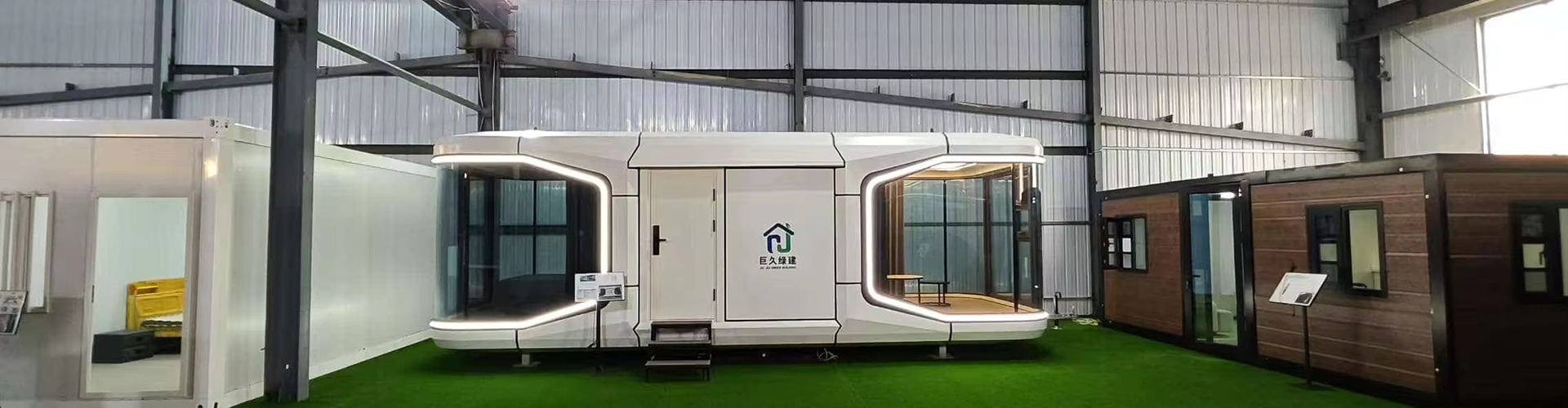
China expandable prefab house
The Practical World of Expandable Prefab Houses from China
Expandable prefab houses, particularly those emerging from China, have been turning heads lately. With promises of quick assembly, cost-effectiveness, and a modern look, these structures have found a diverse range of applications. However, there are a plethora of misconceptions and truths that industry insiders often grapple with. Let's explore these with an experienced lens, focusing on the offerings and insights from companies like Shandong Jujiu Integrated Housing Co., Ltd.
Understanding the Basics
The first thing to address is the common misconception: that all expandable prefab houses are identical and fit any construction need. It’s not true. The versatility of these structures largely depends on the manufacturer’s expertise and the specific requirements they’re designed to meet. Take Shandong Jujiu Integrated Housing Co., Ltd., for instance. Their products range from packing box rooms to complex steel structure engineering projects. This spectrum highlights the adaptability and potential variance in quality and purpose.
On the practical side, these houses are designed for swift assembly. Imagine a flat pack that, once delivered, can unfold into a spacious and functional living area in merely hours. It’s a game-changer for remote or densely populated areas where traditional construction methods fall short.
Still, the devil's in the details. Site preparation, for example, can often be underestimated. Although these houses can be set up quickly, ensuring a level and stable ground is critical, a lesson often learned the hard way by newcomers in the field.
The Influence of Material and Design
Not all prefab houses are created equal. The choice of materials significantly affects longevity and functionality. Companies like SHANDONG JUJIU INTEGRATED HOUSING CO,LTD (found at their website) offer insights through their product lines. Utilizing light steel and sturdy enclosures provides not just durability, but insulation from environmental elements—something crucial for areas with severe weather variations.
Regarding design, customization options are vast. A benefit customers sometimes overlook is the ability to tailor these structures to specific tastes or functions. Whether it’s additional windows, modified layouts, or enhancements in fixtures, the sky’s the limit. However, it’s wise to remember that every customization potentially adds to the setup time and complexity.
Shandong Jujiu's approach to design optimization integrates both aesthetic appeal and practical use, providing a balance that’s sometimes lacking in more one-size-fits-all solutions offered by other manufacturers.
Installation and Overlooked Challenges
While rapid installation is a selling point, it doesn't come without its challenges. Timing and sequencing are crucial. I've seen installations thrown off schedule due to logistical delays or missing components. Companies need a reliable supply chain to ensure all parts arrive together and on time—an area where some firms excel more than others.
Moreover, while prefab structures are inherently robust, their assembly still requires precision and skilled labor. There's often a misconception that minimal expertise is required, leading to improper installations and subsequent functionality issues. Partnering with skilled professionals, such as those at Shandong Jujiu, can make a substantial difference in the outcome.
Another industry tip: always double-check the local building codes. Even if the units are transportable, they still need to comply with regional regulations, a step sometimes neglected in the enthusiasm of setting up a new structure.
Post-Installation Considerations
Once the installation is complete, there’s more to consider. Maintenance, though thankfully minimal, demands attention. Regular checks on joints and connections can prevent issues down the line. Neglect here can lead to compromised integrity, especially in varying climates.
At Shandong Jujiu Integrated Housing Co., Ltd., they suggest straightforward maintenance schedules during the installation phase. Such proactive strategies have prevented many potential headaches for end-users. Their comprehensive support often serves as a safety net for buyers unfamiliar with prefab upkeep.
Overall, having a clear maintenance plan and understanding the specifics of the materials used can greatly extend the life of a prefab home, making it a lasting investment rather than a temporary fix.
The Economic and Environmental Impact
One of the most compelling aspects of expandable prefab houses is their economic and environmental impact. Cost savings compared to traditional building can be significant, not just in terms of initial expenditure, but also in potential energy savings through efficient insulation and design.
Environmentally, these houses generate less waste and have a reduced carbon footprint, mainly because they're often produced in centralized facilities where waste is minimized. This is a point of pride for companies focused on sustainability, like Shandong Jujiu, as they continuously seek ways to improve their production processes to be greener.
Yet, as with any cost-benefit analysis, it’s crucial to weigh these savings against the potential for additional costs in customization and site preparation, ensuring that the investment truly meets the intended economic goals.
Conclusion and Future Outlook
In sum, the world of China expandable prefab houses is rich with opportunity, particularly for those who approach it with informed expectations. Shandong Jujiu Integrated Housing Co., Ltd. exemplifies how integrated solutions can provide both innovation and practicality in this growing field. But as with any burgeoning industry, ongoing research, understanding of materials, and realistic planning remain key.
Looking ahead, as technologies advance and more tailored solutions emerge, the potential applications for prefab structures will likely expand, paving the way for continued growth in global uptake and innovation. For now, engaging with experienced players in the field is often the best strategy for successfully navigating the complexities of prefab construction.
Related products
Related products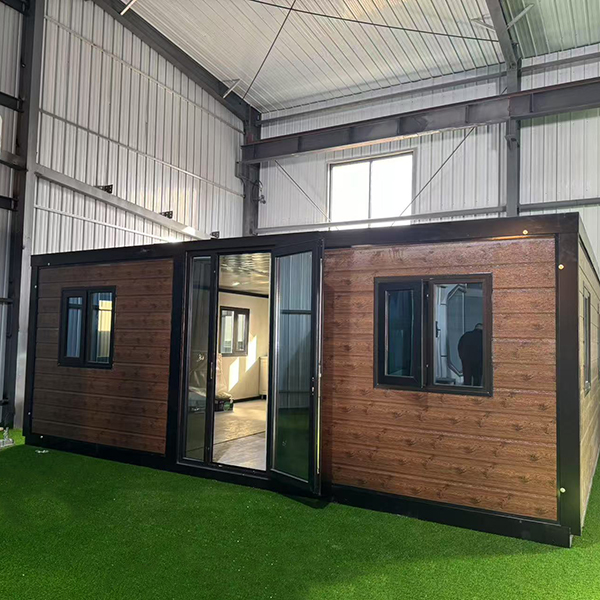
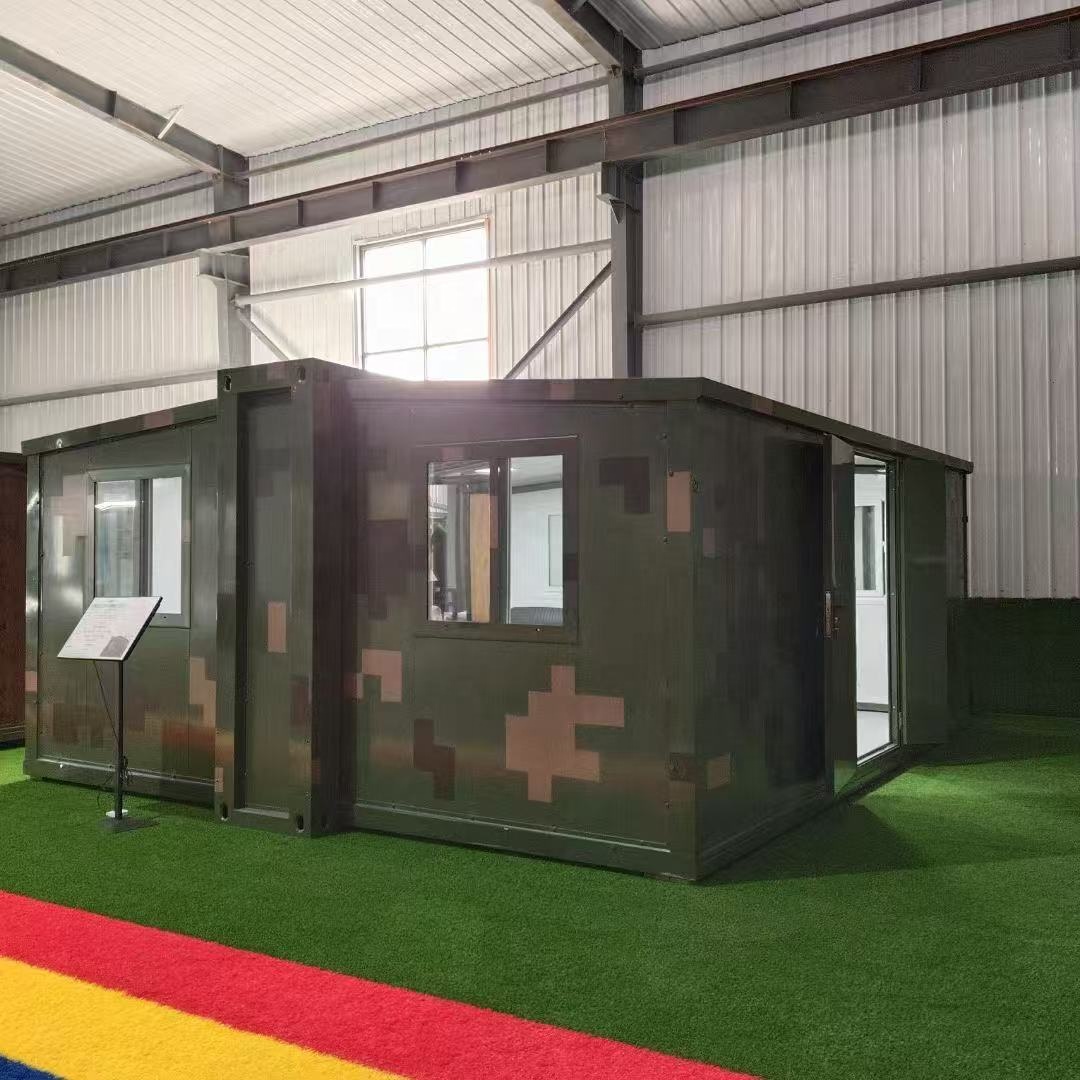
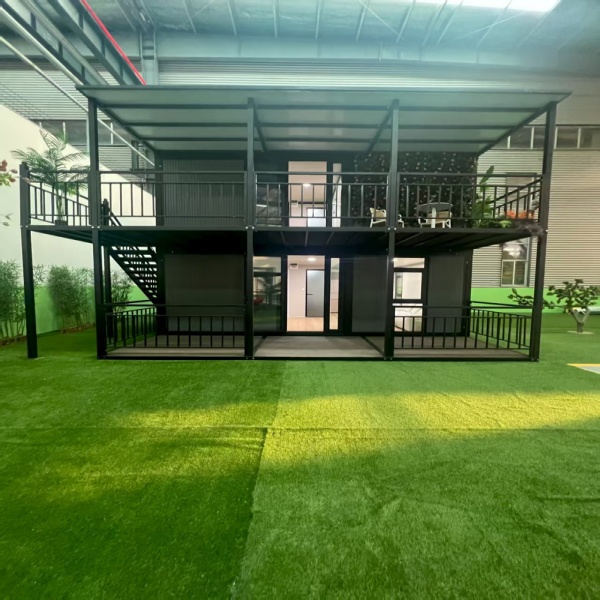
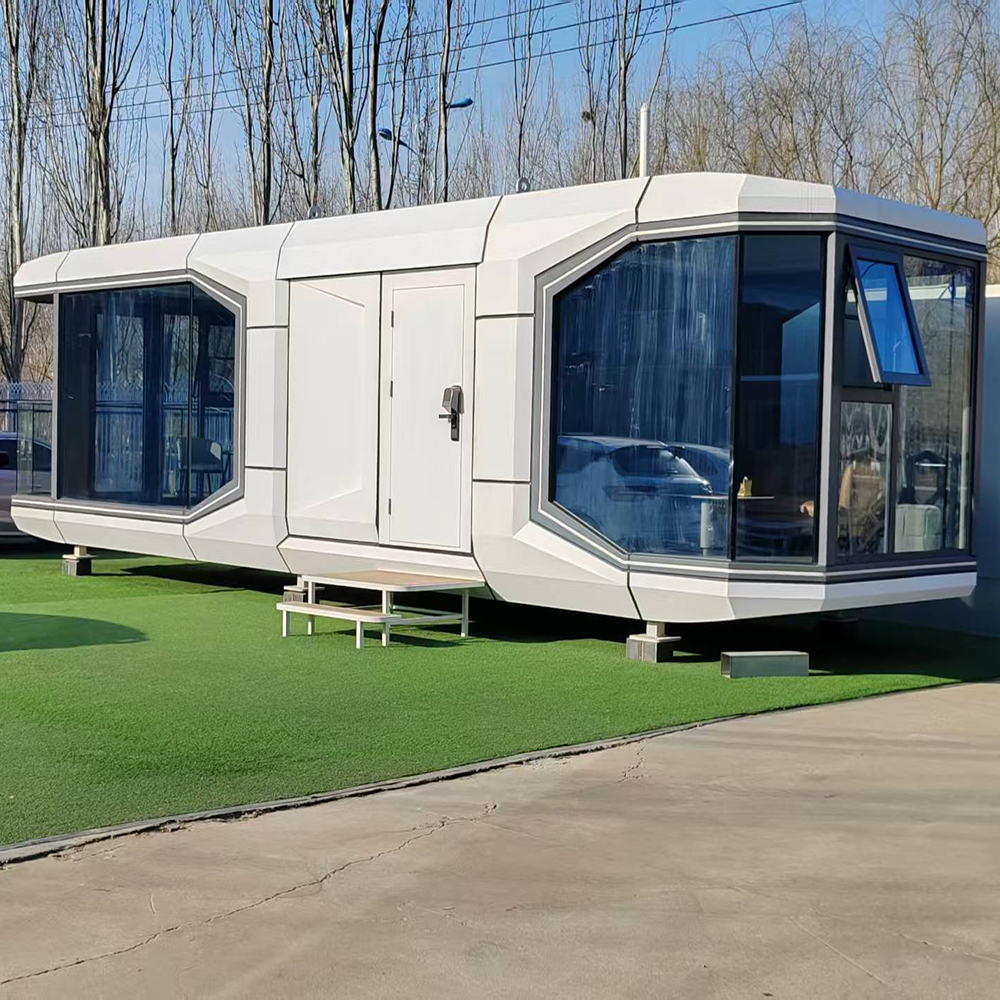
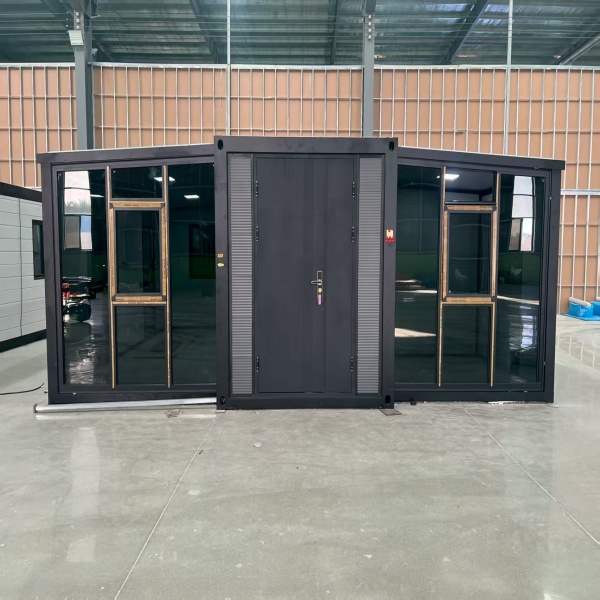
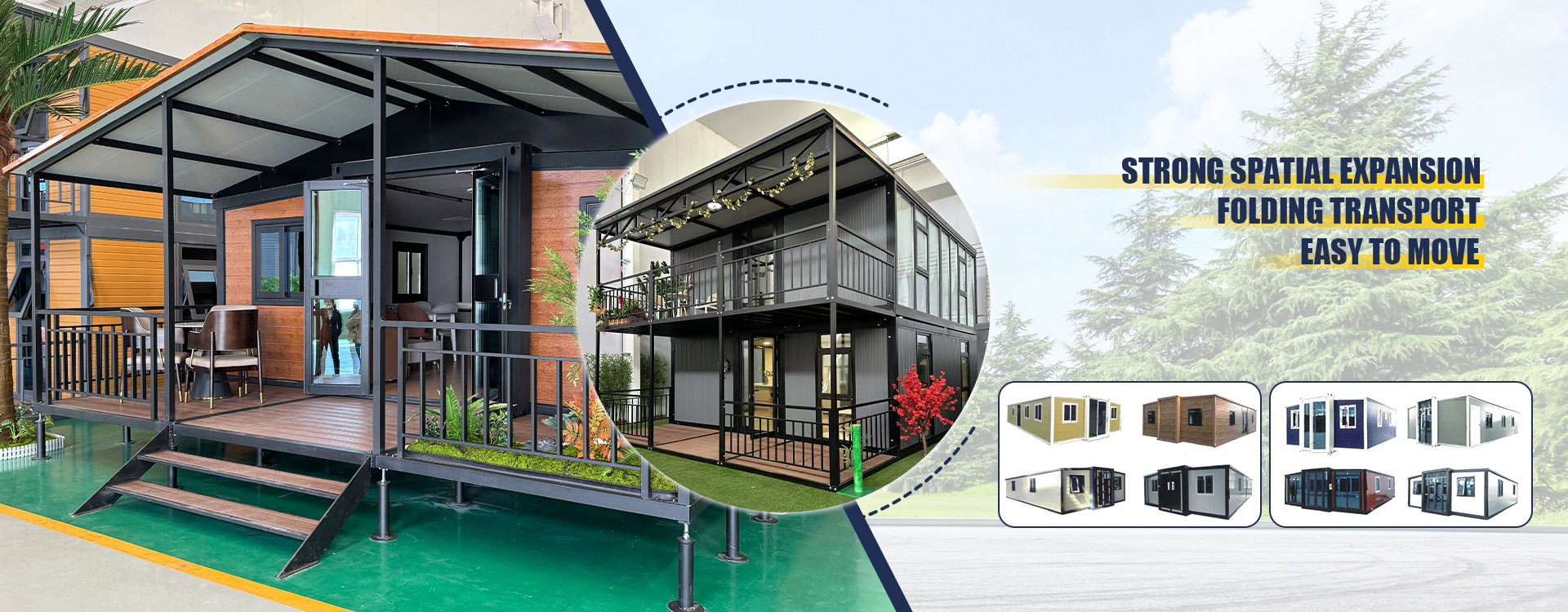
Best selling products
Best selling products-
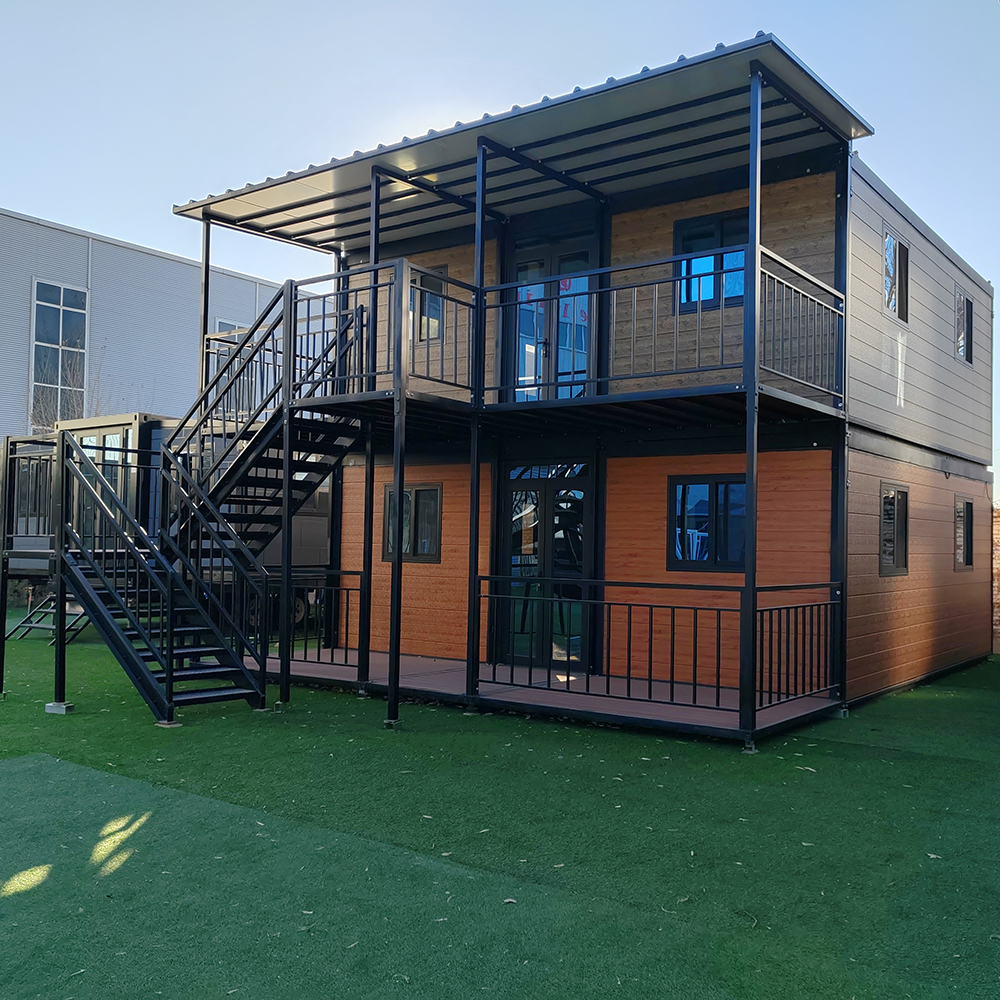 Easy Install Customized Detachable Container Homes Extendable House Prefab 2 Floors Expandable Container House
 -
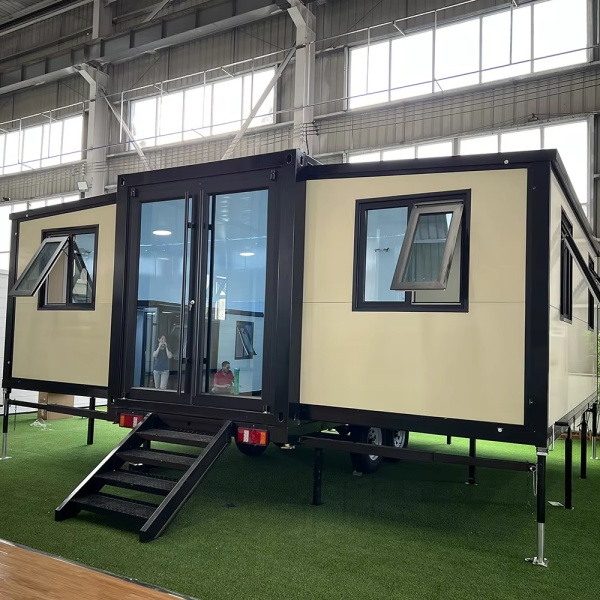 Stair Access Double Wing Expandable Container House | Easy Installation Mobile Office
 -
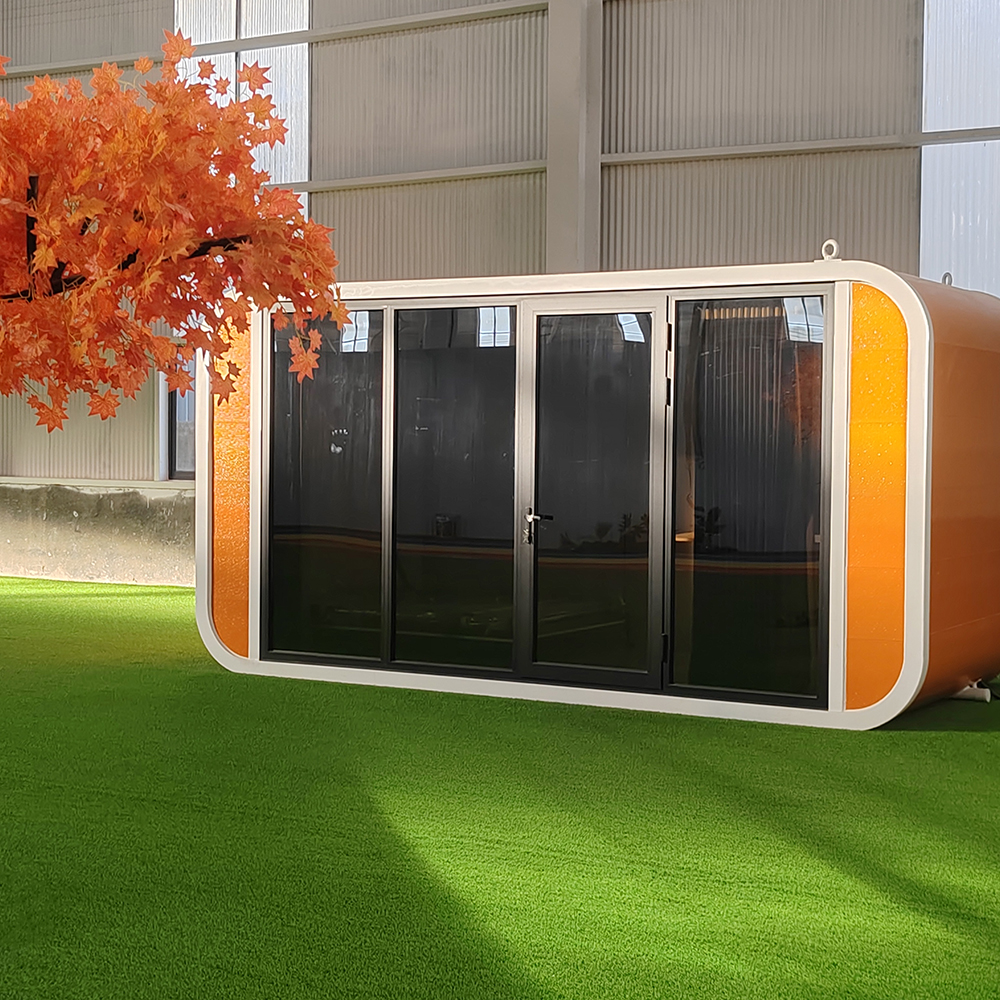 Luxury Prefabricated Living Container House Modular Glass Tiny House Prefab Container Home Apple Cabin
 -
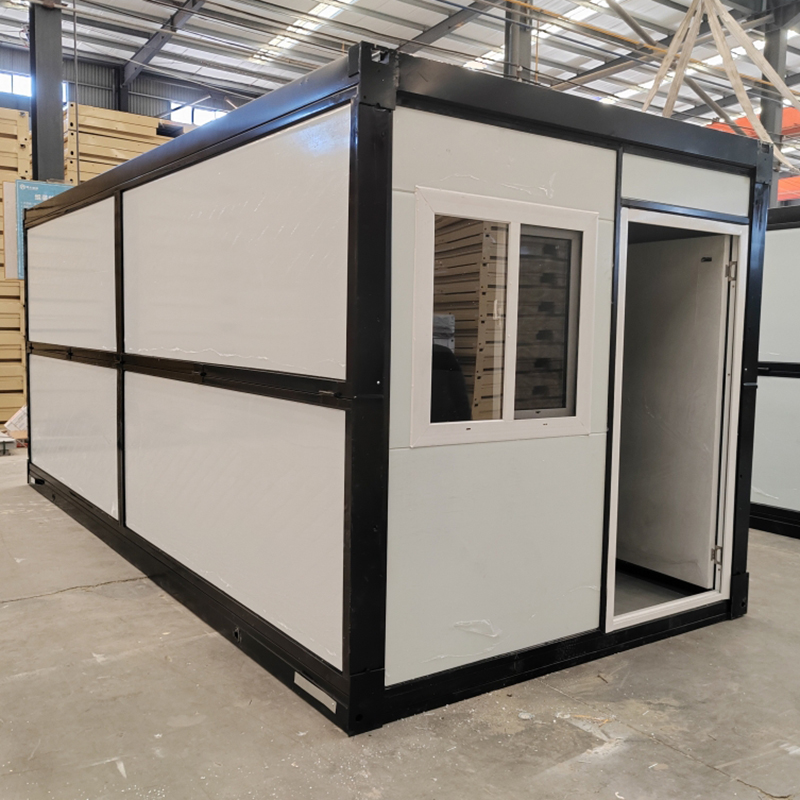 Detachable Design Prefabricated Container House Portable Modular Office Building Folding Container House
 -
Two Wing Folding Expandable Container House
-
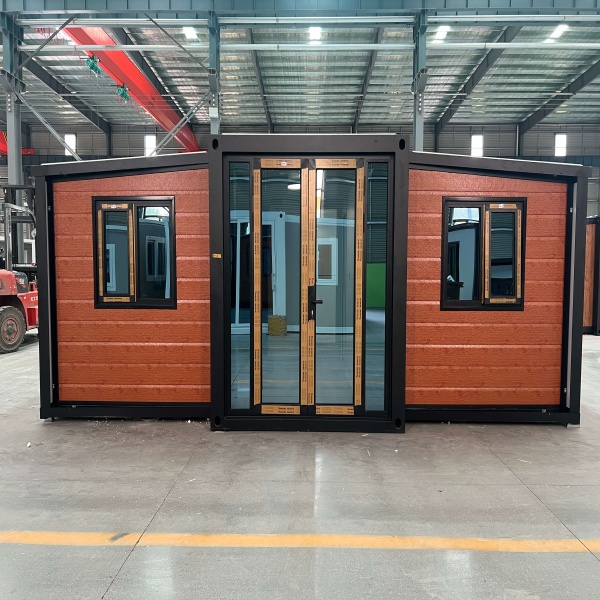 High-quality Double-wing Folding Container House with Doors and Windows, Insulated Walls, Suitable for Various Scenarios.
 -
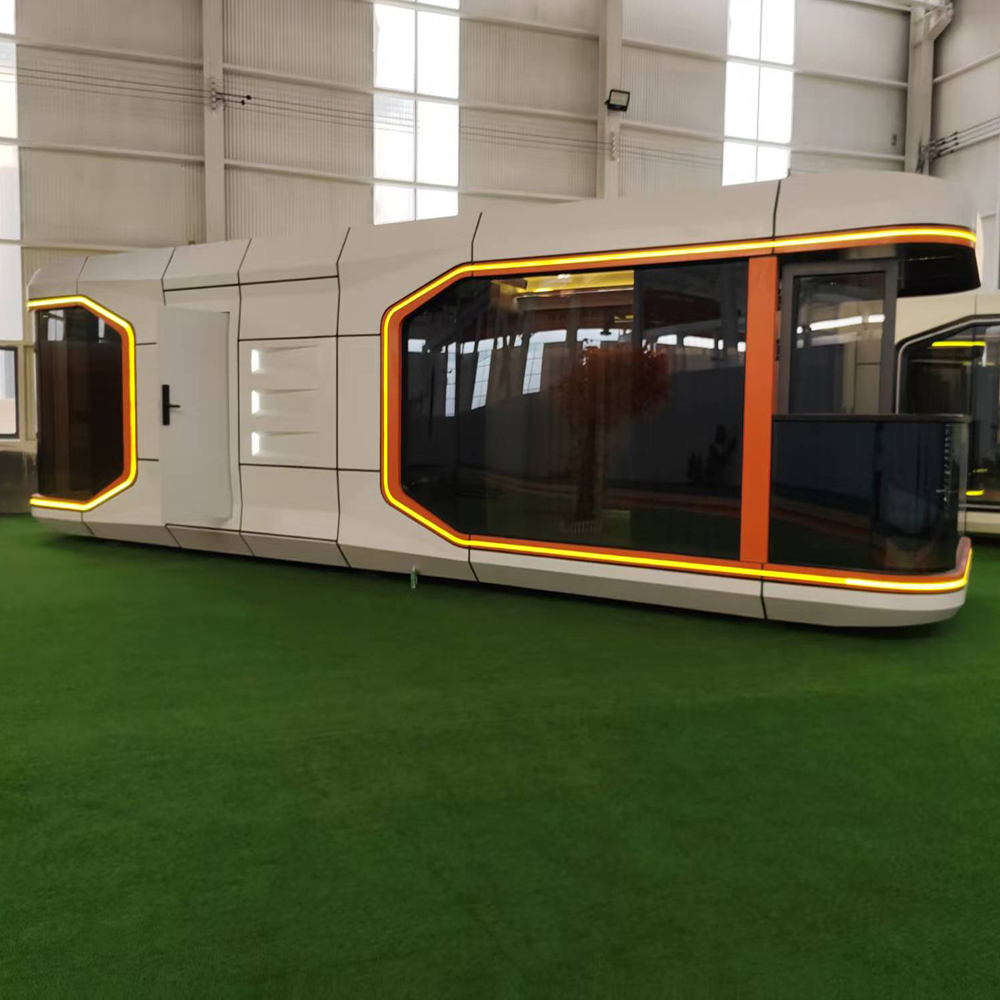 Standard Modern Camping Pod Space Prefabricated Portable Mobile Capsule Room Hotel Bathroom Prefabricated Spaceship House
 -
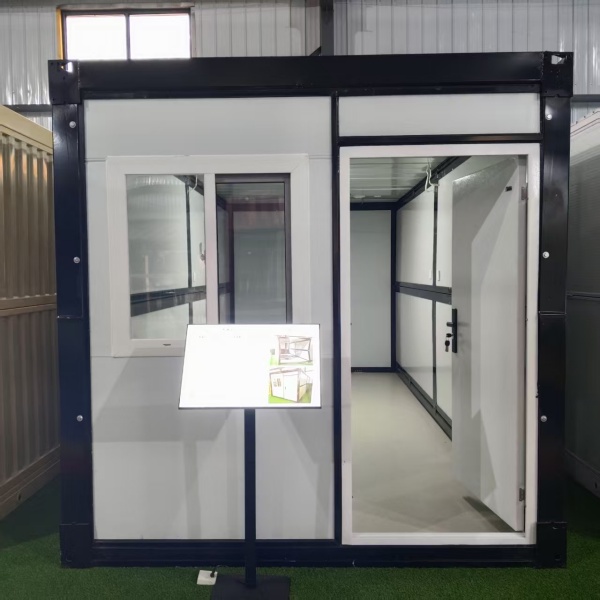 Hot-selling foldable container houses, expandable prefabricated houses, suitable for office or living use, with fast delivery.
 -
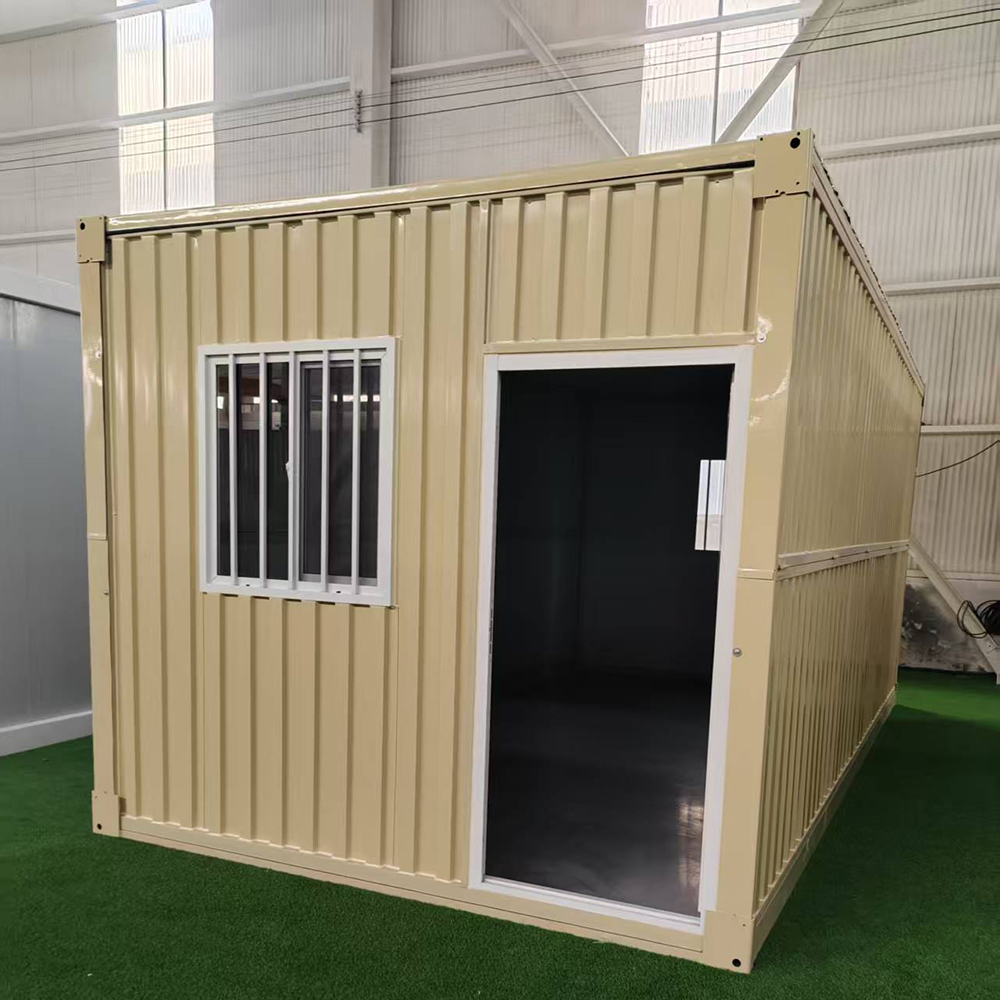 Competitive Price Portable Container House Foldable Container Mobile Living Modular Homes
 -
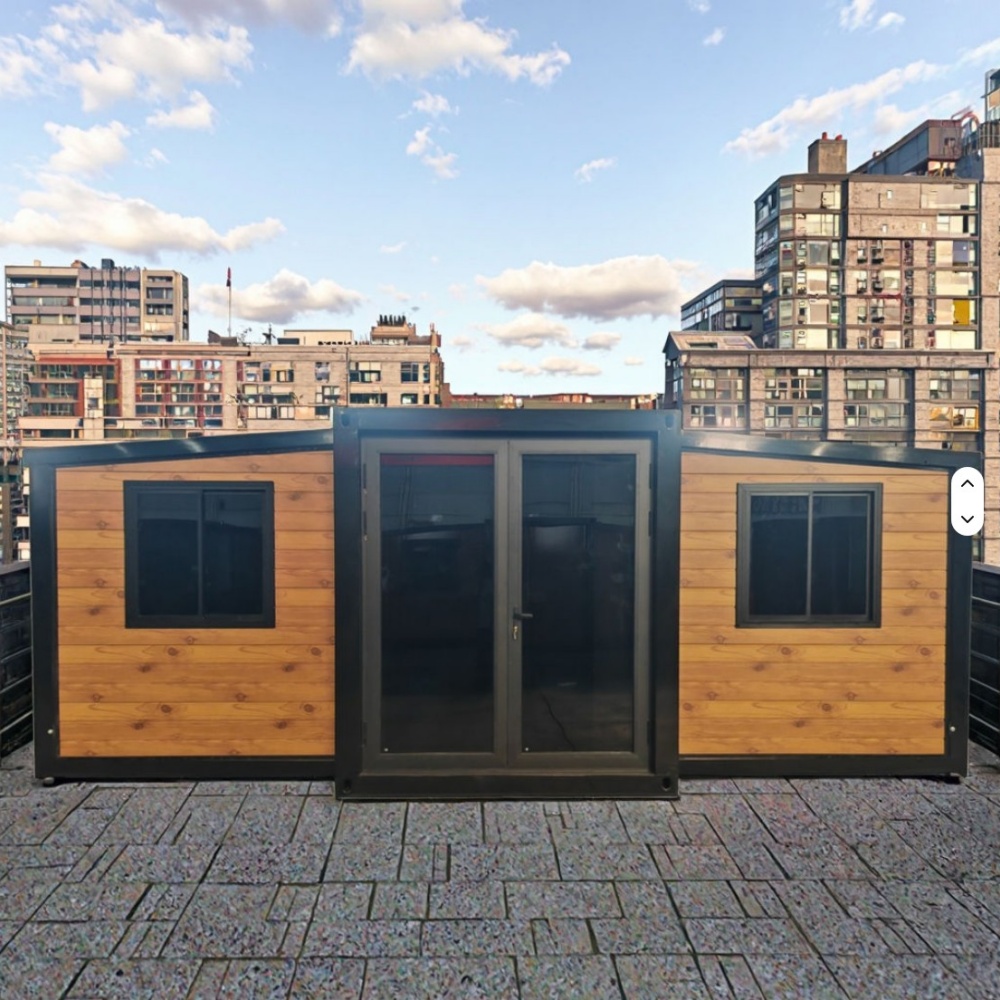 Customized Two Wing Folding Expandable Container House
 -
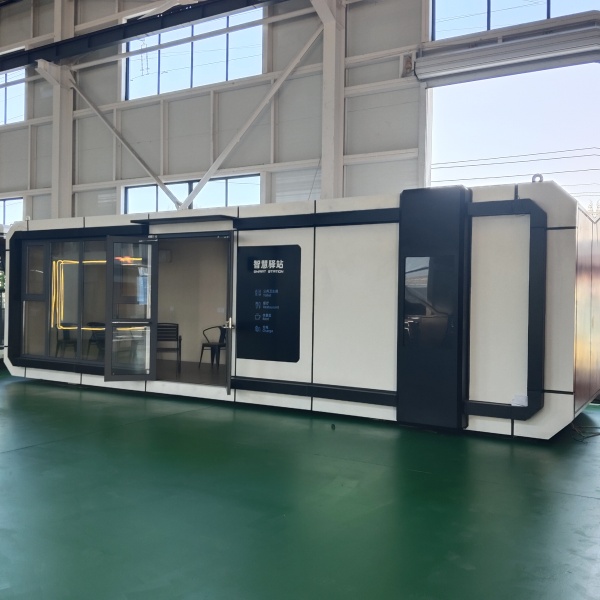 Modular modern movable apple cabins, customized high-end folk houses and portable bedrooms, delivered as a whole
 -
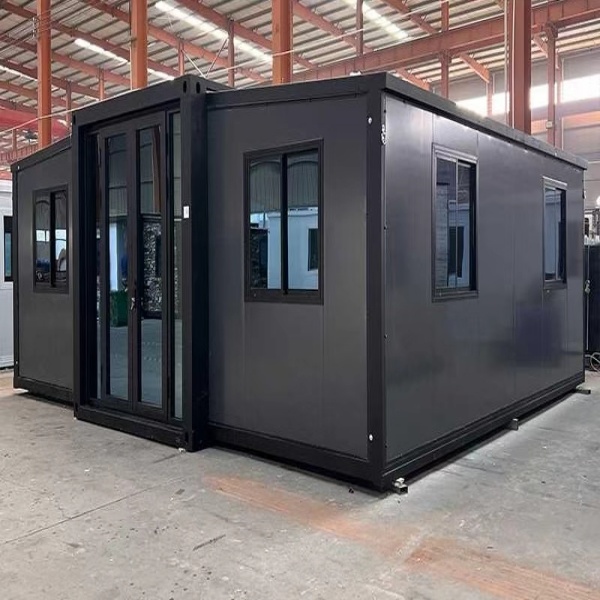 Dual-Wing Folding Container House: Fast Assembly, Space-Saving & Multi-Scene Adaptable
Related search
Related search- prefab fold out container homes
- expandable prefab container house
- Folding house
- apple office cabin house
- Buy red apple cabin
- China expandable container house luxury
- China cabin expandable container house for hotel
- homes that fold out
- Buy prefab expandable house
- Buy assembled two bedroom home prefab expandable container house