
-
E-mail
Austin120521@outlook.com -
E-mail
sales@jujiuhouse.com -
Telephone
+86-17864099991 -
Telephone
+86-17854044442
- Chinese
- French
- German
- Portuguese
- Spanish
- Russian
- Japanese
- Korean
- Arabic
- Irish
- Greek
- Turkish
- Italian
- Danish
- Romanian
- Indonesian
- Czech
- Afrikaans
- Swedish
- Polish
- Basque
- Catalan
- Esperanto
- Hindi
- Lao
- Albanian
- Amharic
- Armenian
- Azerbaijani
- Belarusian
- Bengali
- Bosnian
- Bulgarian
- Cebuano
- Chichewa
- Corsican
- Croatian
- Dutch
- Estonian
- Filipino
- Finnish
- Frisian
- Galician
- Georgian
- Gujarati
- Haitian
- Hausa
- Hawaiian
- Hebrew
- Hmong
- Hungarian
- Icelandic
- Igbo
- Javanese
- Kannada
- Kazakh
- Khmer
- Kurdish
- Kyrgyz
- Latin
- Latvian
- Lithuanian
- Luxembou..
- Macedonian
- Malagasy
- Malay
- Malayalam
- Maltese
- Maori
- Marathi
- Mongolian
- Burmese
- Nepali
- Norwegian
- Pashto
- Persian
- Punjabi
- Serbian
- Sesotho
- Sinhala
- Slovak
- Slovenian
- Somali
- Samoan
- Scots Gaelic
- Shona
- Sindhi
- Sundanese
- Swahili
- Tajik
- Tamil
- Telugu
- Thai
- Ukrainian
- Urdu
- Uzbek
- Vietnamese
- Welsh
- Xhosa
- Yiddish
- Yoruba
- Zulu
- Kinyarwanda
- Tatar
- Oriya
- Turkmen
- Uyghur




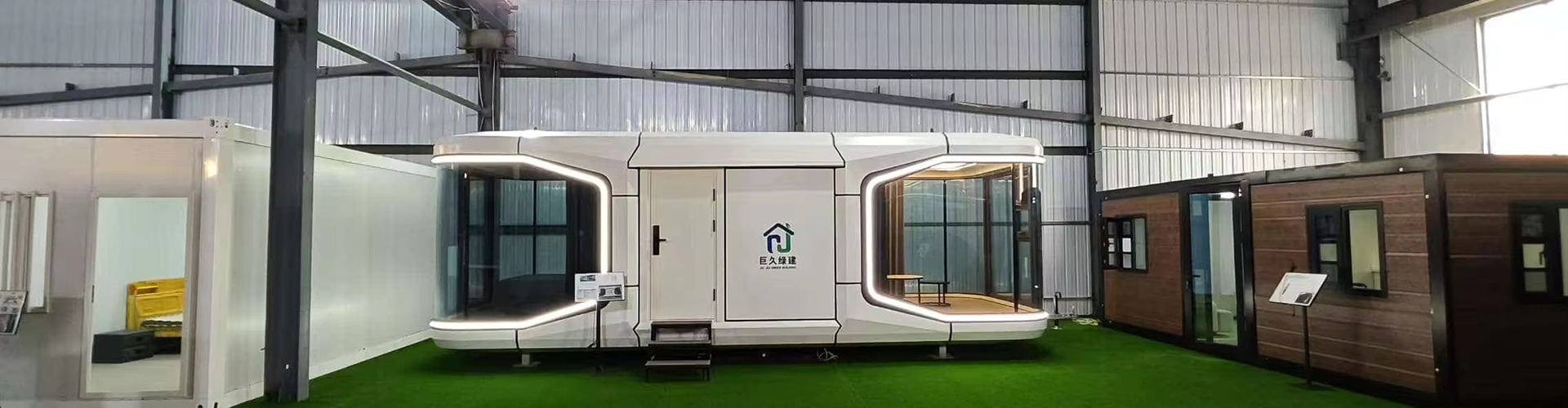
China expandable shipping container house
Exploring the Versatility of China's Expandable Shipping Container Houses
China's expandable shipping container houses have revolutionized the concept of modular living spaces by offering versatility and efficiency in construction. Yet, there are many nuances that those outside the industry might miss. Let's delve into what makes these structures both fascinating and challenging.
The Concept and Common Misunderstandings
At first glance, the idea of an expandable shipping container house seems straightforward. It's a solution that promises quick setup and affordability. However, many people misconstrue these structures as mere temporary shelters. They're far more than that, and their applications extend well beyond makeshift housing. I've seen projects where these expandable containers have been transformed into chic cafes, vibrant community centers, and even luxury suites. The key is in how they're customized.
One common misconception is that these containers can't withstand the elements. Contrary to this belief, with the right design and quality materials, they’re incredibly robust. The challenge comes down to balancing cost with materials that stand the test of time. Companies like SHANDONG JUJIU INTEGRATED HOUSING CO,LTD have been pivotal in advancing these designs, ensuring both durability and aesthetics.
On a practical note, the real beauty of these structures lies in their simplicity. That’s the objective: to provide a livable space that's modular, yet doesn't skimp on comfort. The reality is, there are endless possibilities in interior layouts, often limited only by imagination and sometimes budget constraints.
Real-world Applications and Versatile Designs
My first hands-on experience with an expandable shipping container house was nothing short of impressive. There was a project in an urban area aiming to provide affordable housing for students. The configuration allowed units to be stacked, and with clever engineering, they included both communal and private spaces, maximizing every square foot.
Another innovative application I came across was a mobile medical clinic. Here, the container’s ability to be transported and quickly assembled proved invaluable. The design needed particular attention to detail—a smooth flow for patient movement, adequate ventilation, and reliable power solutions. It's these intricacies where skilled companies make all the difference.
There's also the aspect of environmental impact. These containers are often lauded for their eco-friendly approach, but the truth is, the sustainability factor largely depends on the production process and materials used. Selecting the right partners is crucial; Shandong Jujiu Integrated Housing Co., Ltd. offers solutions tailored to meet these exacting standards.
Challenges in Design and Implementation
No project worth doing is without its hurdles. One of the fascinating aspects is the challenge of logistics, especially in tight urban slots. There’s the transportation of these containers, requiring precise planning to navigate through narrow city streets.
Then, of course, there's customization. Clients often want features that mimic traditional homes—insulation, soundproofing, luxury finishes—which can sometimes conflict with the modular nature of containers. Tackling these discrepancies is where innovation shines brightest.
Not to be overlooked is the regulatory environment. Navigating local building codes and zoning laws adds a layer of complexity, particularly in regions with varied regulations. It’s an area that requires due diligence before breaking ground, and it's where experienced companies like those I've worked with come into play.
Future Outlook and Industry Trends
As the industry grows, I anticipate further innovations. The use of smart technology in these homes presents untapped potential. Imagine integrating solar panels efficiently or employing IoT for seamless energy management. These developments are just around the corner.
The international demand is also noteworthy. There's a growing acceptance in Western markets, although adapting designs to comply with local preferences presents fresh challenges. Still, the opportunity for growth is significant.
Looking forward, partnerships will be key. Companies like SHANDONG JUJIU INTEGRATED HOUSING CO,LTD are poised to lead the charge in bringing these adaptable, durable, and stylish homes to a global audience. Their approach combines technical prowess with market insights—qualities essential for success in this dynamic field.
Conclusion: Embracing the Potential
Reflecting on my experiences, it’s clear that expandable shipping container houses from China offer more than meets the eye. They challenge norms and present a dynamic way to think about living and workspaces. Engaging with these projects means embracing both their complexities and endless possibilities. The expertise of companies like Shandong Jujiu Integrated Housing Co., Ltd. ensures that these modular homes are not just a trend, but a sustainable and adaptable solution for the future.
In summary, whether for urban housing solutions, emergency response units, or innovative commercial spaces, the potential for expandable shipping container houses is expansive, provided the industry continues to build on its strengths and address its challenges head-on. It's a fascinating journey and one I continue to watch with keen interest.
Related products
Related products

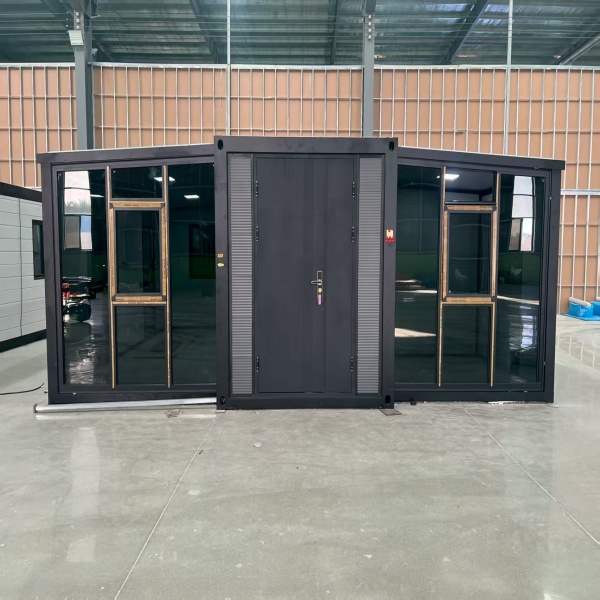
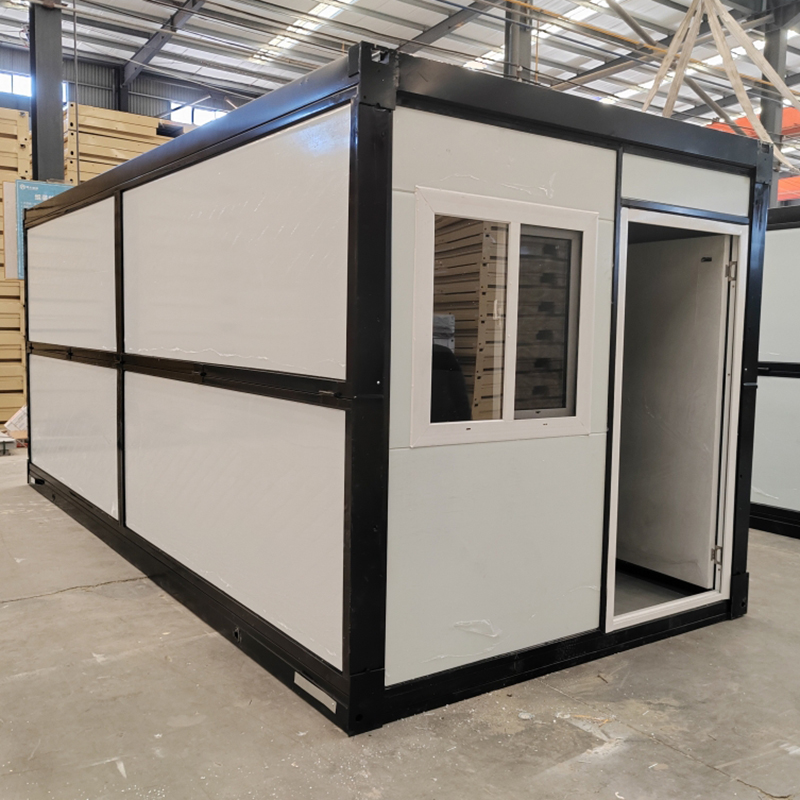
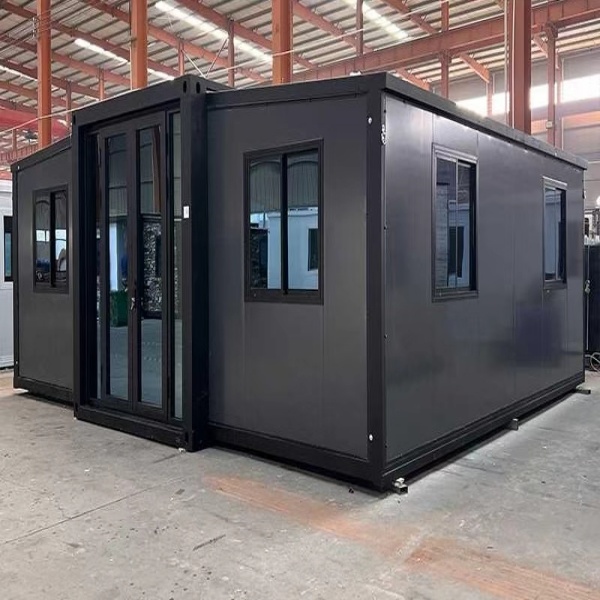
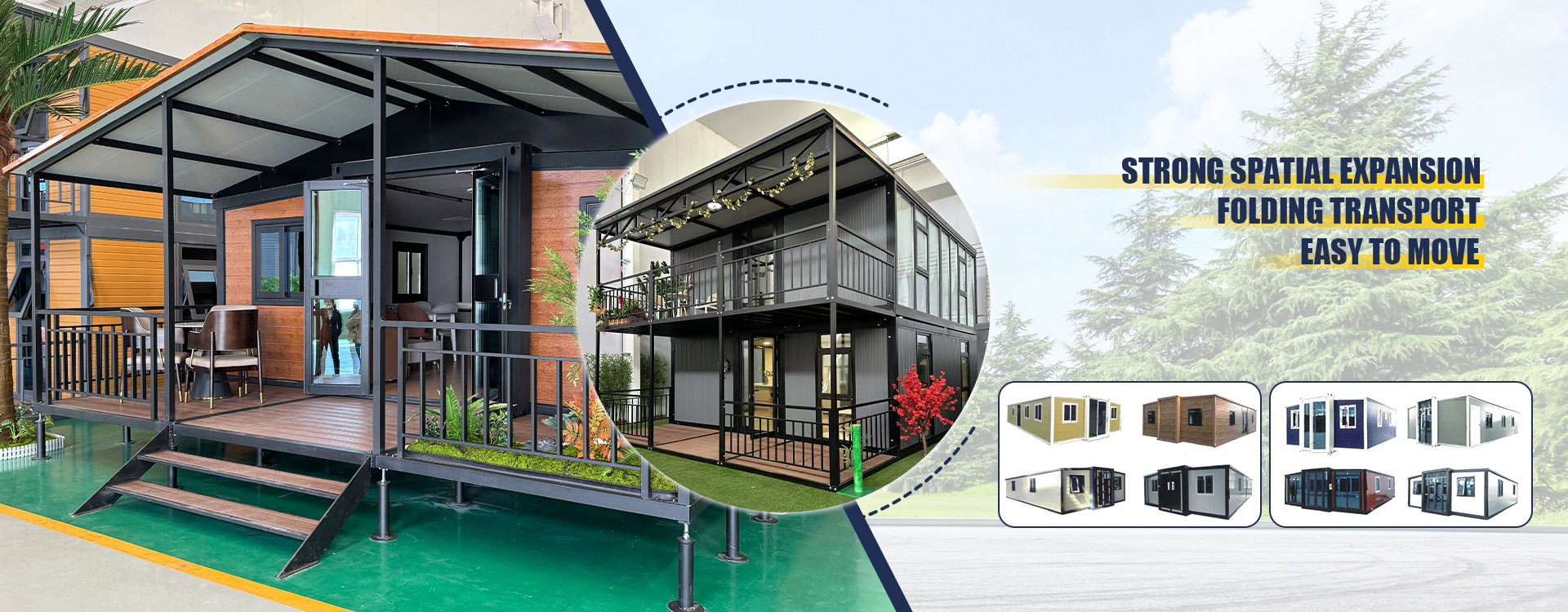
Best selling products
Best selling products-
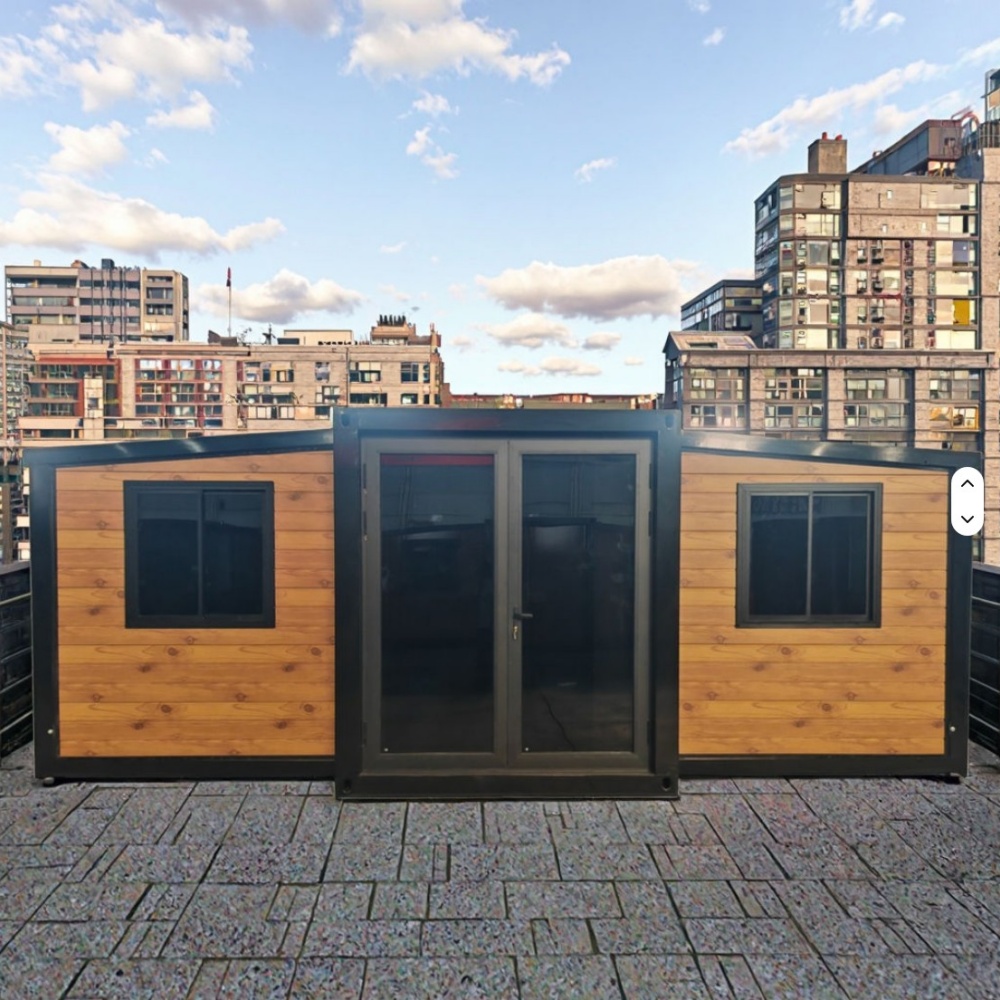 Customized Two Wing Folding Expandable Container House
 -
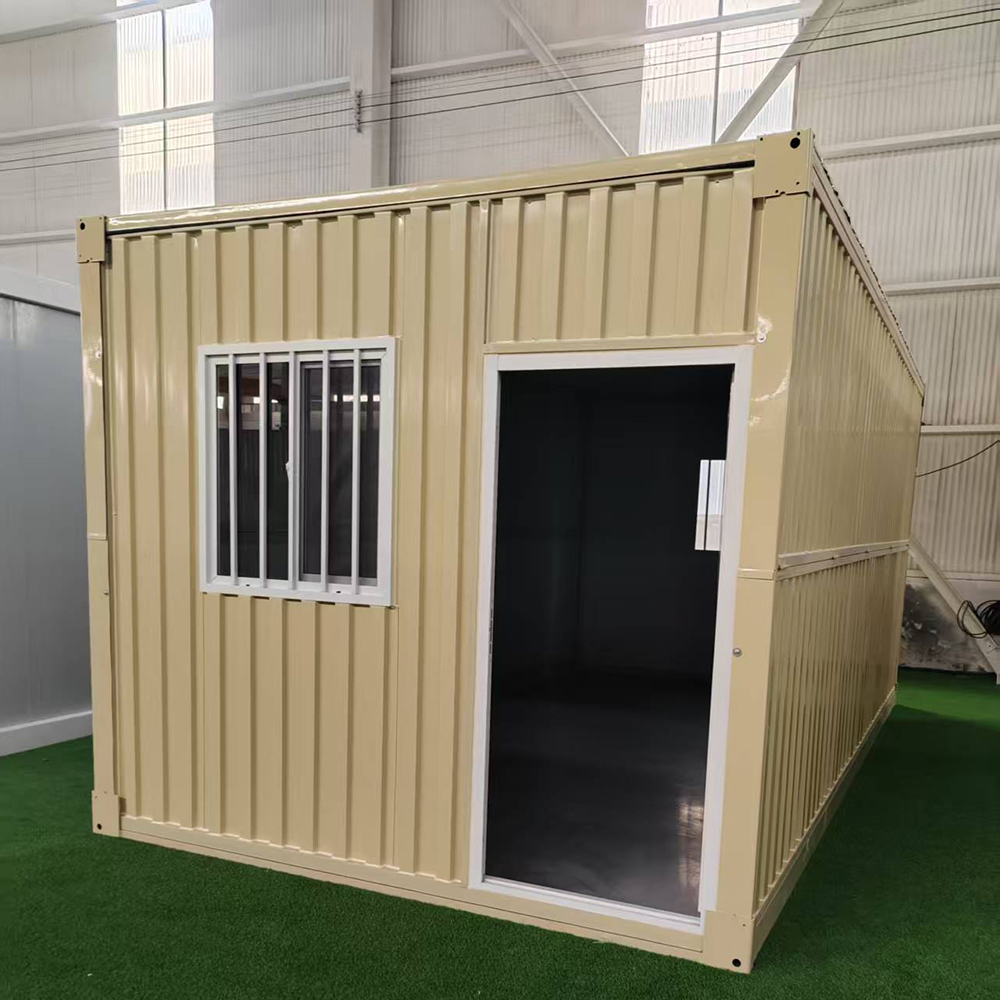 Competitive Price Portable Container House Foldable Container Mobile Living Modular Homes
 -
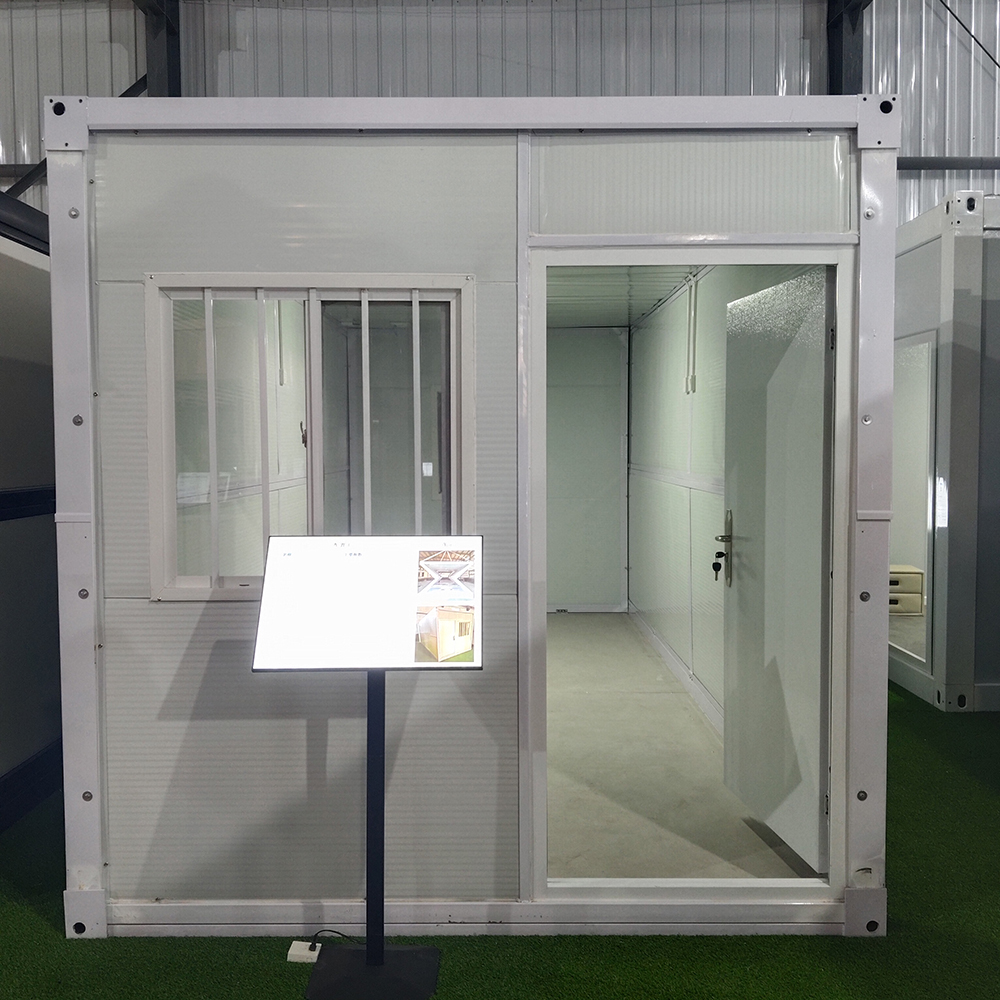 Reasonable Price 1 Bedroom Modular Container House Folding Container Home for Villa or Apartment Use
 -
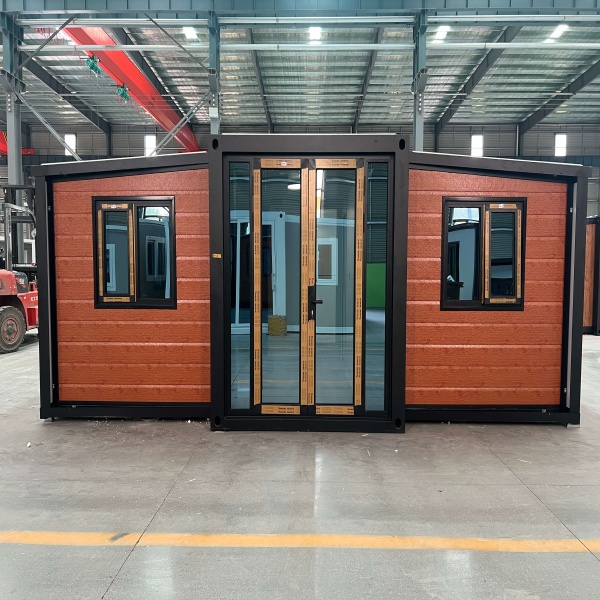 High-quality Double-wing Folding Container House with Doors and Windows, Insulated Walls, Suitable for Various Scenarios.
 -
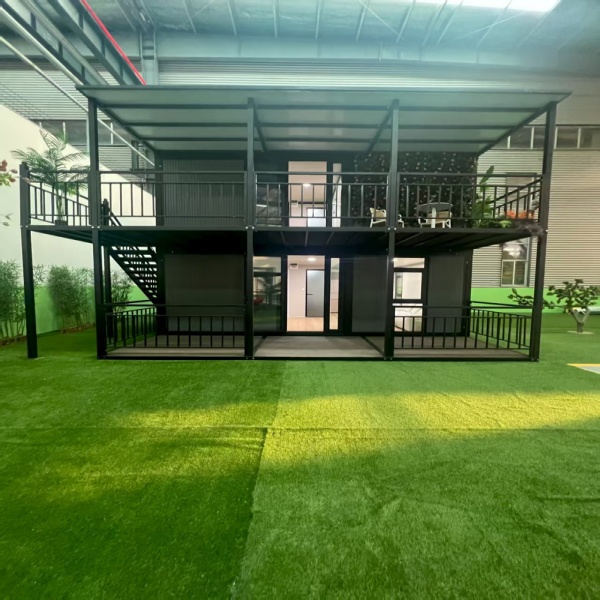 Luxury foldable two-story container houses in luxury resort hotels and villa hotels
 -
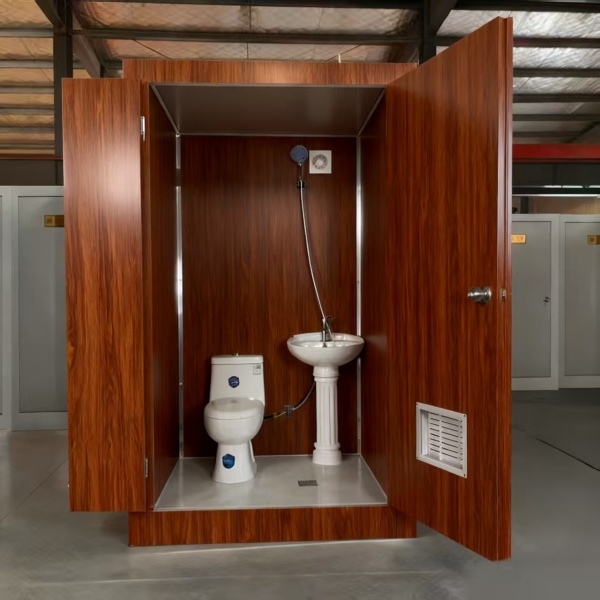 Portable outdoor camping bathroom, mobile toilet, prefabricated modular villa & rental of outdoor and indoor showers
 -
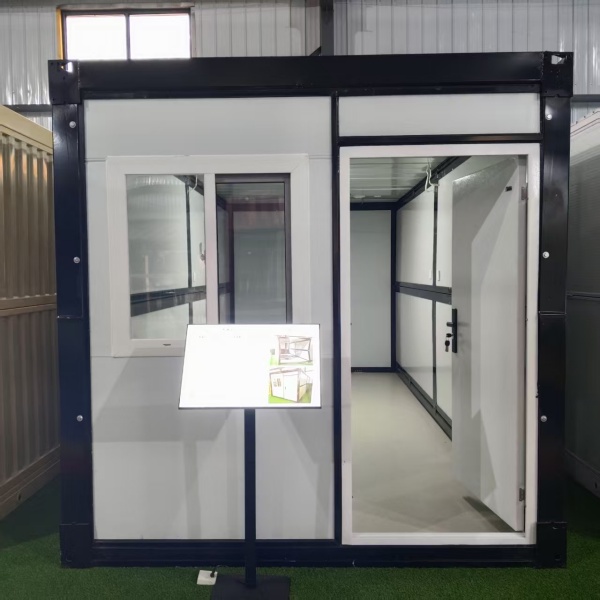 Hot-selling foldable container houses, expandable prefabricated houses, suitable for office or living use, with fast delivery.
 -
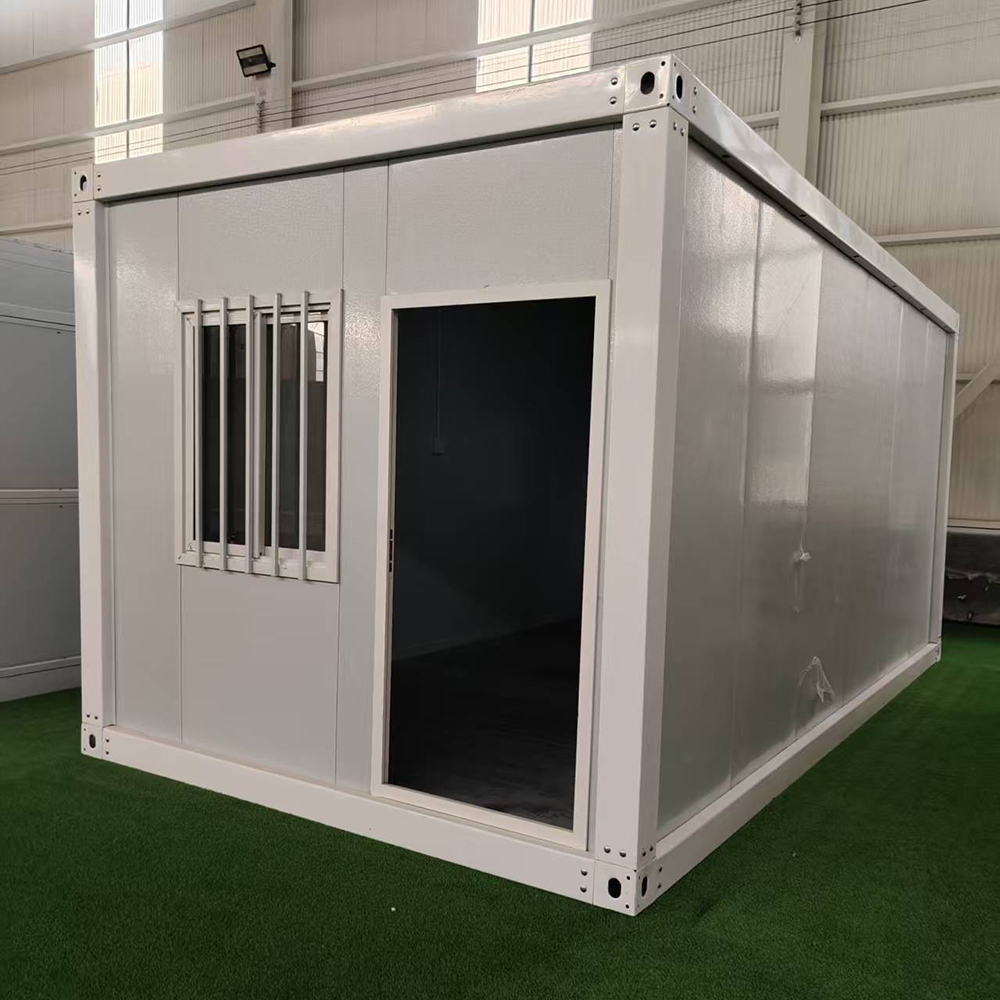 Folding Container Moving House Modular Office Container House Prefab Container for Outdoor Use
 -
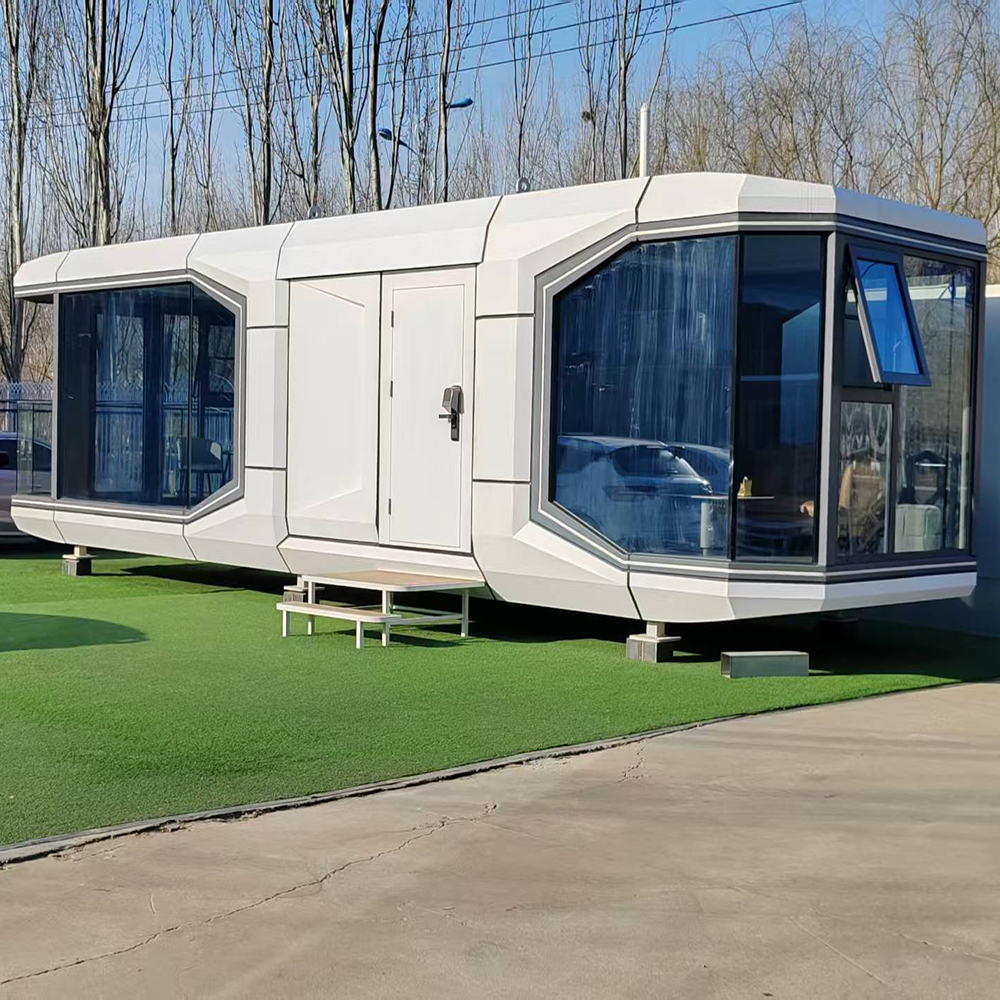 Luxury High Quality 2 Bedroom Container Home Prefabricated Steel Space Capsule for Office Shop Hotel or Outdoor House
 -
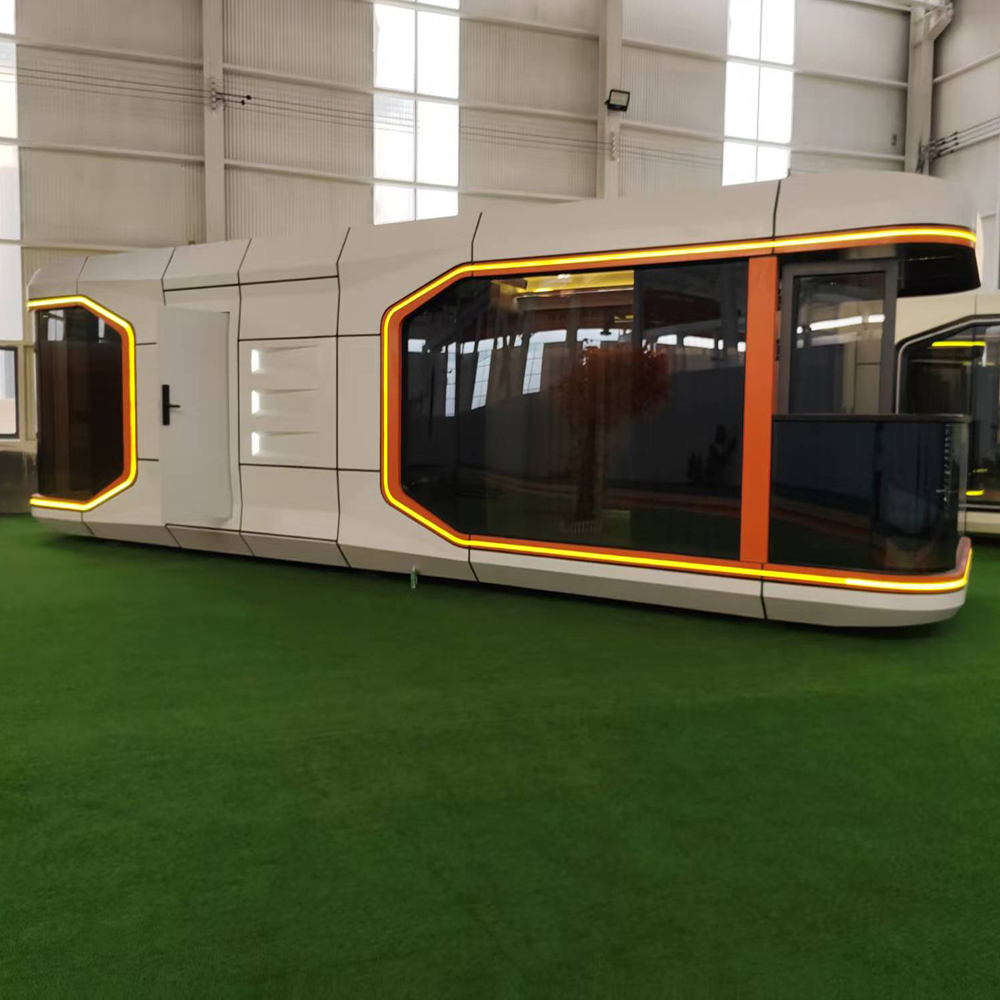 Standard Modern Camping Pod Space Prefabricated Portable Mobile Capsule Room Hotel Bathroom Prefabricated Spaceship House
 -
Factory Direct Sales Office Folding Container Luxury House Living Container House
-
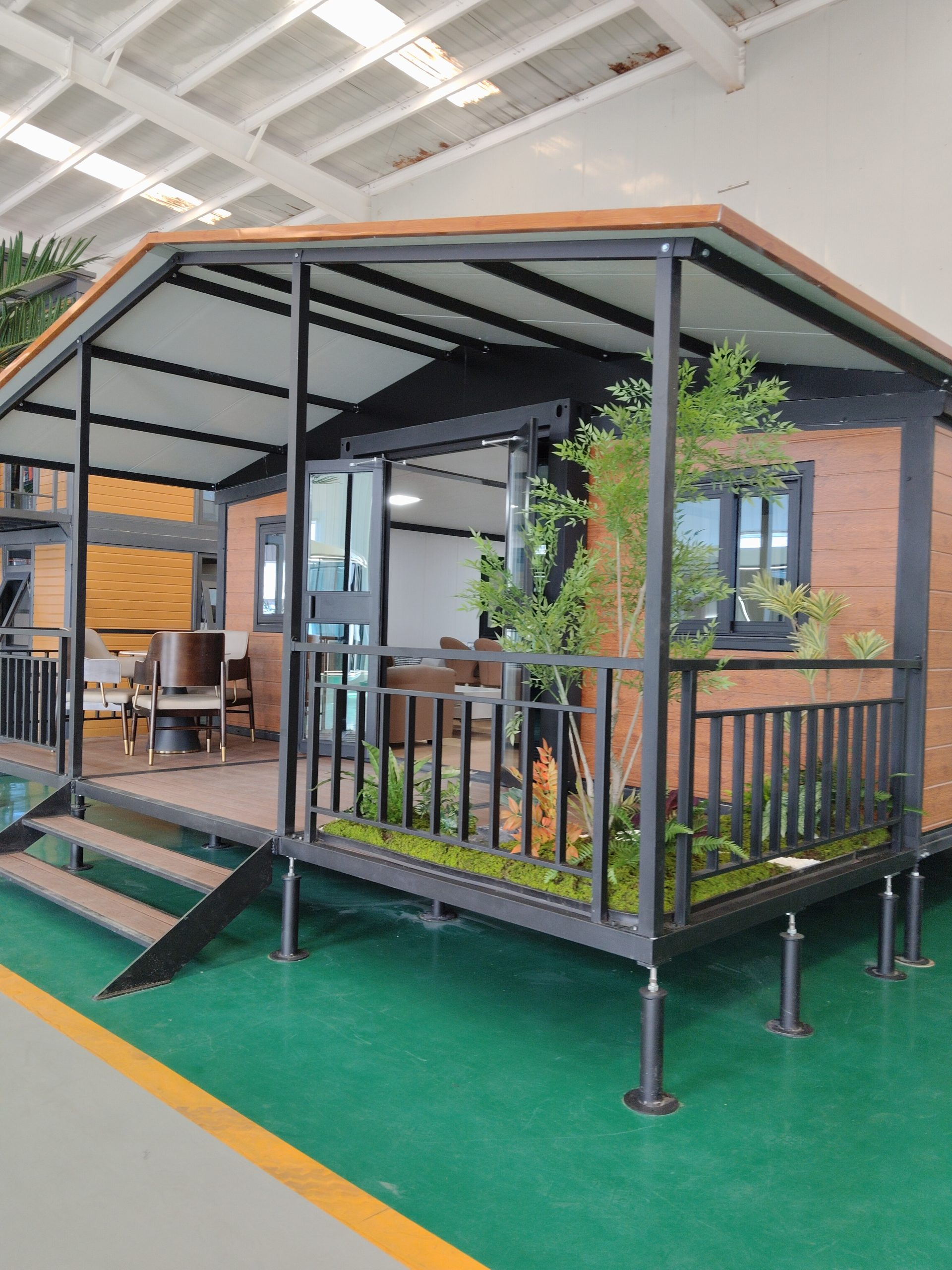 A container house with a terrace and double-wing folding design, suitable for various purposes such as offices, meeting rooms, living rooms, etc.