
-
E-mail
Austin120521@outlook.com -
E-mail
sales@jujiuhouse.com -
Telephone
+86-17864099991 -
Telephone
+86-17854044442
- Chinese
- French
- German
- Portuguese
- Spanish
- Russian
- Japanese
- Korean
- Arabic
- Irish
- Greek
- Turkish
- Italian
- Danish
- Romanian
- Indonesian
- Czech
- Afrikaans
- Swedish
- Polish
- Basque
- Catalan
- Esperanto
- Hindi
- Lao
- Albanian
- Amharic
- Armenian
- Azerbaijani
- Belarusian
- Bengali
- Bosnian
- Bulgarian
- Cebuano
- Chichewa
- Corsican
- Croatian
- Dutch
- Estonian
- Filipino
- Finnish
- Frisian
- Galician
- Georgian
- Gujarati
- Haitian
- Hausa
- Hawaiian
- Hebrew
- Hmong
- Hungarian
- Icelandic
- Igbo
- Javanese
- Kannada
- Kazakh
- Khmer
- Kurdish
- Kyrgyz
- Latin
- Latvian
- Lithuanian
- Luxembou..
- Macedonian
- Malagasy
- Malay
- Malayalam
- Maltese
- Maori
- Marathi
- Mongolian
- Burmese
- Nepali
- Norwegian
- Pashto
- Persian
- Punjabi
- Serbian
- Sesotho
- Sinhala
- Slovak
- Slovenian
- Somali
- Samoan
- Scots Gaelic
- Shona
- Sindhi
- Sundanese
- Swahili
- Tajik
- Tamil
- Telugu
- Thai
- Ukrainian
- Urdu
- Uzbek
- Vietnamese
- Welsh
- Xhosa
- Yiddish
- Yoruba
- Zulu
- Kinyarwanda
- Tatar
- Oriya
- Turkmen
- Uyghur




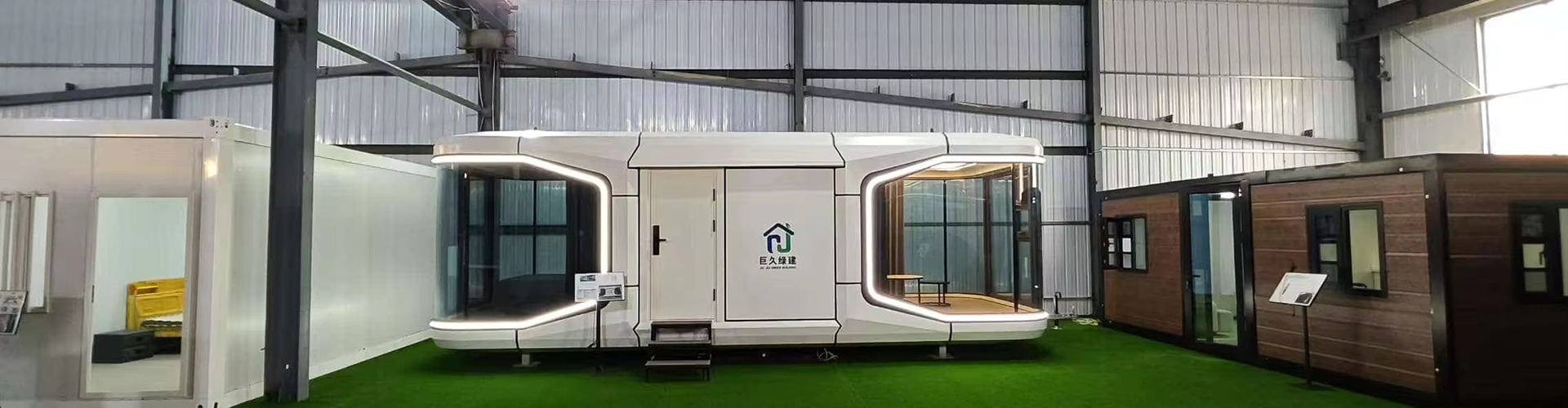
China fold out house on trailer
Exploring the Potential of Fold Out Houses on Trailers in China
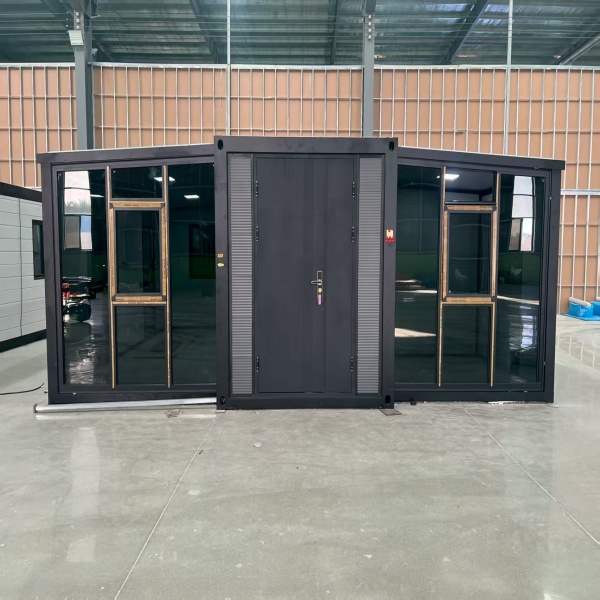
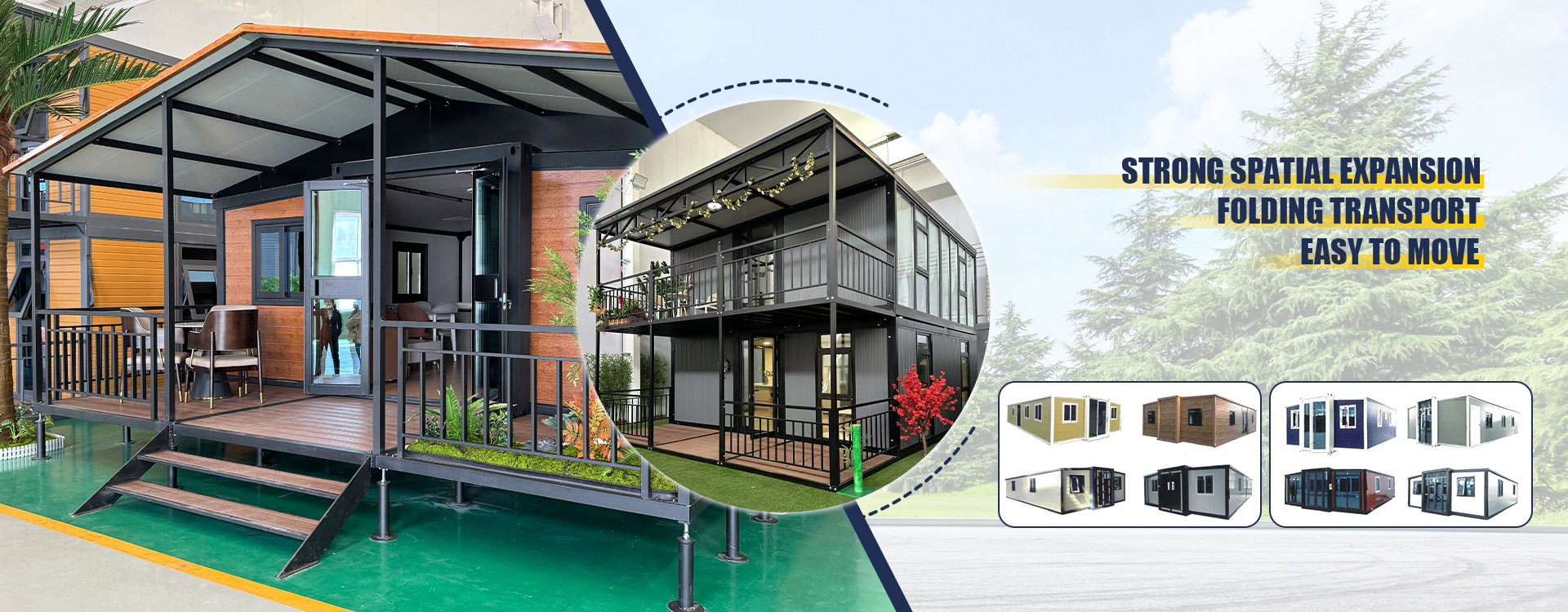
In recent years, the concept of fold out house on trailer has been making waves in China. These folding homes are prefab structures that can be transported on trailers, offering mobility and flexibility. This innovation is transforming the perception of portable housing, but it doesn't come without its challenges.
The Rise of Portable Housing Solutions
The demand for portable housing in China is on the rise, driven by urbanization and the need for affordable, flexible living solutions. Companies like SHANDONG JUJIU INTEGRATED HOUSING CO, LTD are at the forefront, providing integrated housing solutions. They specialize in everything from packing box rooms to light steel villas.
One common misconception is that these houses sacrifice quality for mobility. However, Shandong Jujiu's offerings show that with proper engineering, foldable homes can be both durable and movable. They've implemented steel structural engineering to ensure stability, which is crucial for homes that will face various climates and terrains.
The versatility of these homes is another significant advantage. Imagine setting up a fully equipped living space anywhere your trailer can reach! Yet, this flexibility requires careful planning. From the design phase to execution, every detail matters to ensure the house can withstand transport and installation stresses.
Design and Innovation Challenges
In the realm of fold out houses, design is crucial. Creating a living space that not only folds efficiently but is also comfortable and aesthetically pleasing is a challenging endeavor. Engineers must consider space optimization, weight distribution, and durability.
Companies like Shandong Jujiu tackle these complexities through their R&D department, focusing on quality materials and innovative designs. For instance, using lightweight yet durable materials ensures ease of transport without compromising structural integrity. Their approach to modular design allows for customization, catering to diverse customer needs.
In practice, one challenge has been integrating modern amenities within the limited space of a fold out house on trailer. This requires clever engineering solutions, such as collapsible furniture and multifunctional spaces, making every inch count.
Real-World Applications and Case Studies
Let's look into a real-world scenario. In rural parts of China, where traditional housing is less accessible, these fold out homes are gaining popularity. Not only do they provide immediate shelter, but they also offer a sustainable living solution.
Shandong Jujiu has successfully implemented several projects where traditional homes were unsustainable due to environmental concerns. By providing fold out homes, communities could thrive without the hefty ecological footprint of conventional construction.
These homes are also pivotal in disaster-relief scenarios. Their quick deployment capability helps in providing immediate housing solutions post-disasters, showcasing their utility beyond regular habitation.
Feedback and Room for Improvement
User feedback is invaluable for continuous improvement. Initial customer reports often highlight the need for better insulation in extreme weather—something companies continue to address. With advancements in thermal technology, newer models aim to offer superior comfort levels regardless of weather conditions.
Additionally, people often ask about the lifespan of these homes. While traditionally seen as temporary, manufacturers are extending their durability to match permanent structures, some promising longevity of up to 20 years with proper maintenance.
Moreover, regulatory aspects can't be ignored. Ensuring fold out homes meet local building codes and safety standards is an ongoing challenge, one that involves collaboration between governments and manufacturers.
The Future of Fold Out Houses in China
The future looks promising for the fold out house on trailer market in China. As more people embrace minimalistic and mobile lifestyles, the demand continues to grow. Companies like Shandong Jujiu are poised to lead the change, offering innovative solutions tailored to modern living needs.
However, they must remain adaptive—constantly innovating to meet evolving demands and overcoming engineering challenges. The goal is not just to provide shelter but to redefine what home means in a rapidly changing world.
In conclusion, as the industry grows, achieving the delicate balance between mobility, comfort, and sustainability will be key. From a personal perspective, watching the rapid evolution of these homes has been fascinating, and the journey has only just begun!
Related products
Related products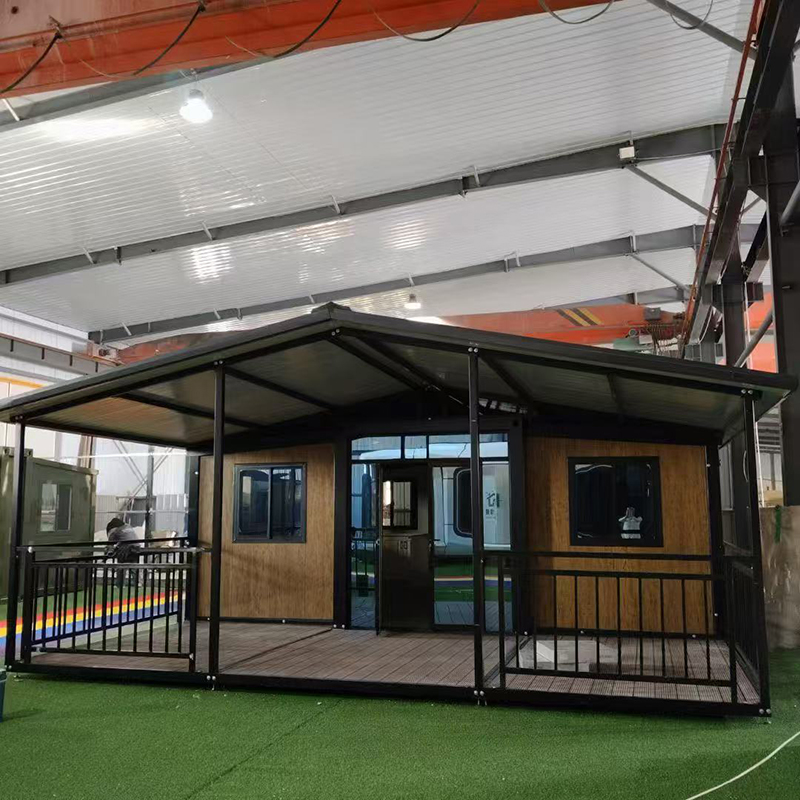
Best selling products
Best selling products-
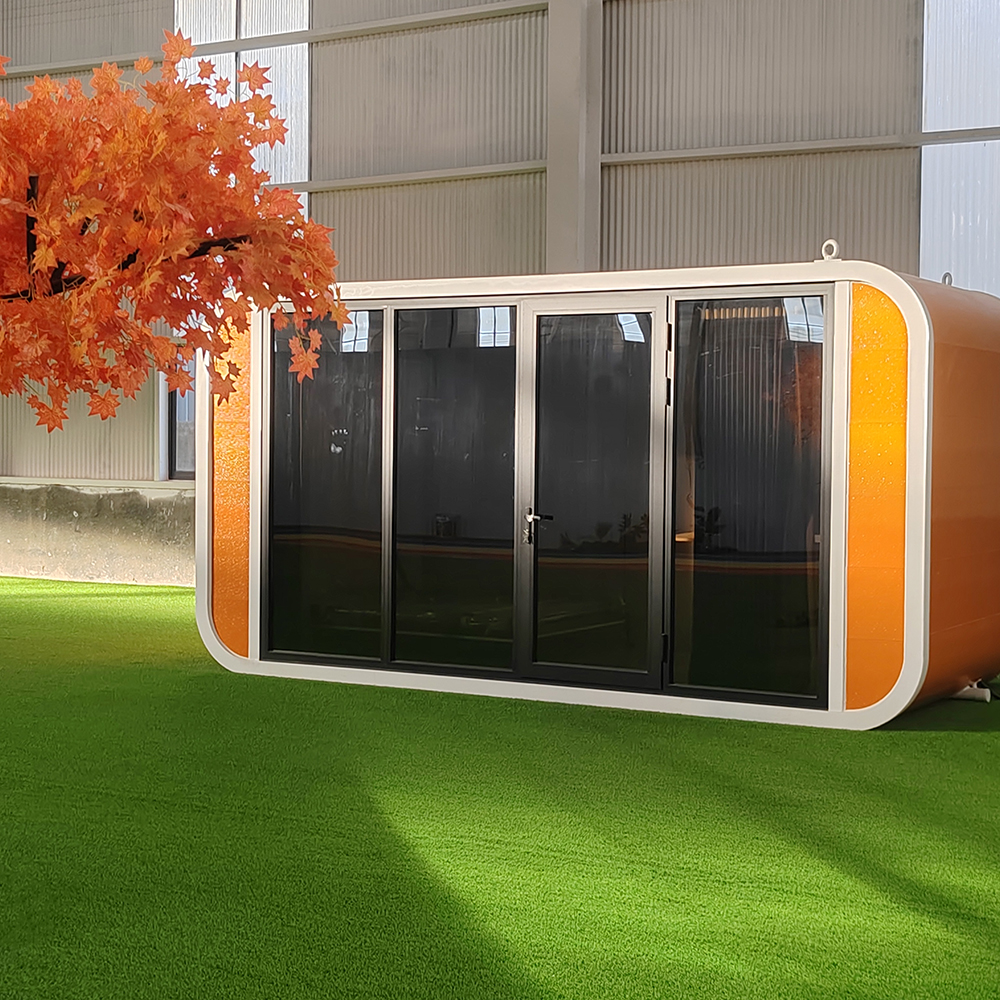 Luxury Prefabricated Living Container House Modular Glass Tiny House Prefab Container Home Apple Cabin
 -
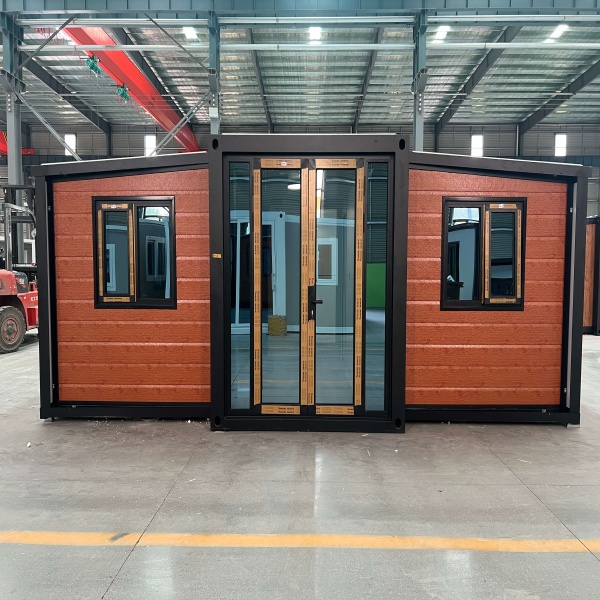
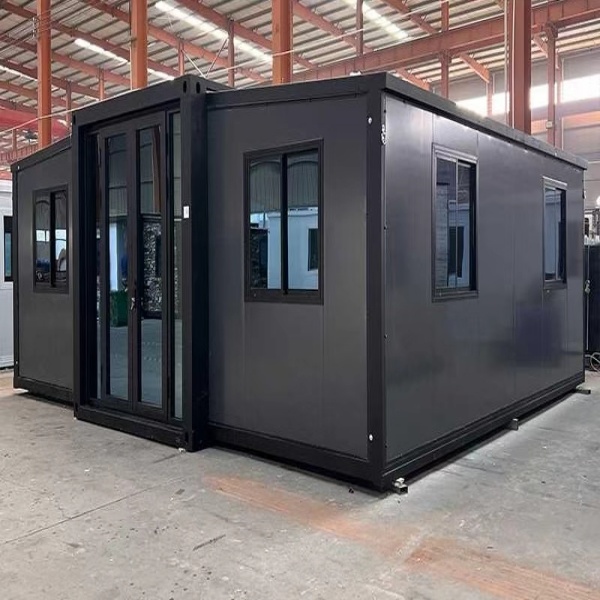 Dual-Wing Folding Container House: Fast Assembly, Space-Saving & Multi-Scene Adaptable
 -
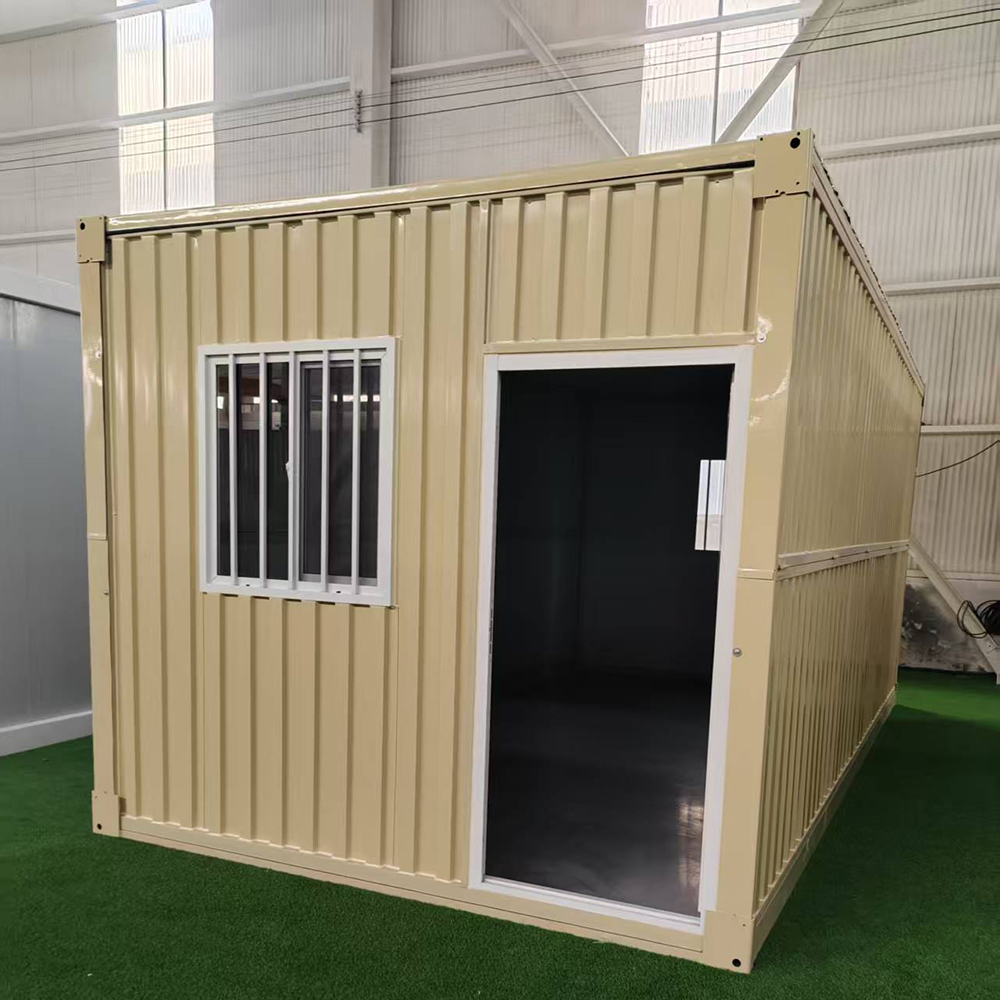
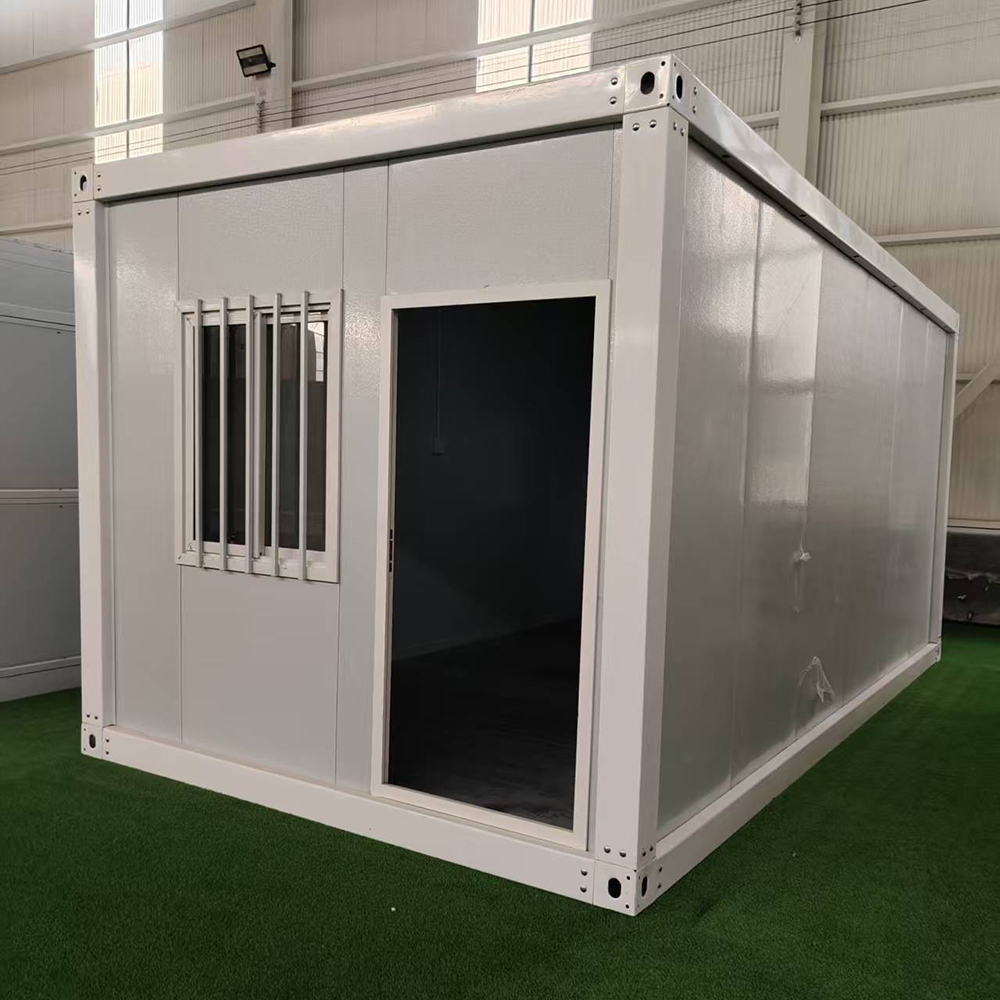 Folding Container Moving House Modular Office Container House Prefab Container for Outdoor Use
 -
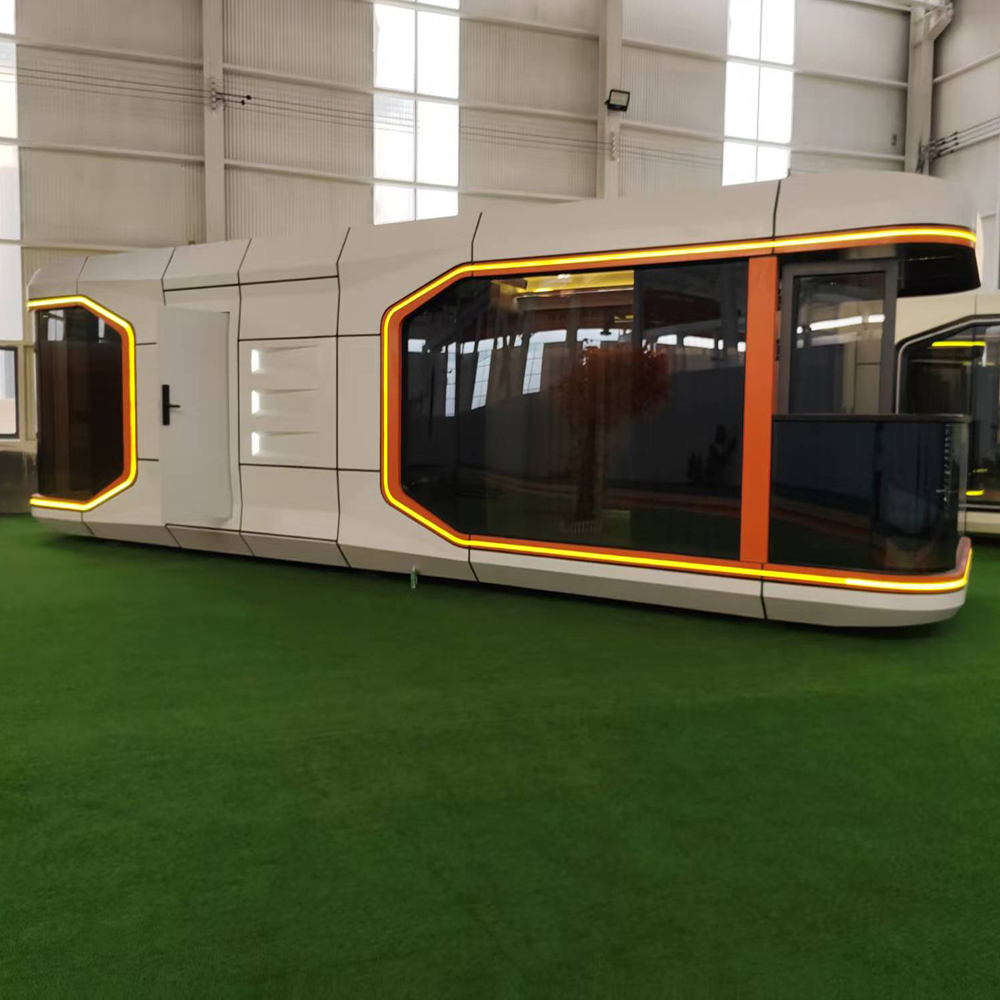 Standard Modern Camping Pod Space Prefabricated Portable Mobile Capsule Room Hotel Bathroom Prefabricated Spaceship House
 -
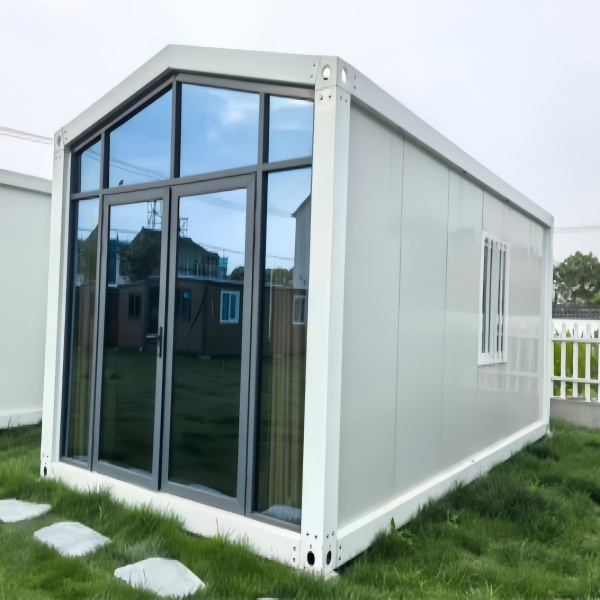 Waterproof folding container house – mobile accommodation for campsites/scenic spots
 -
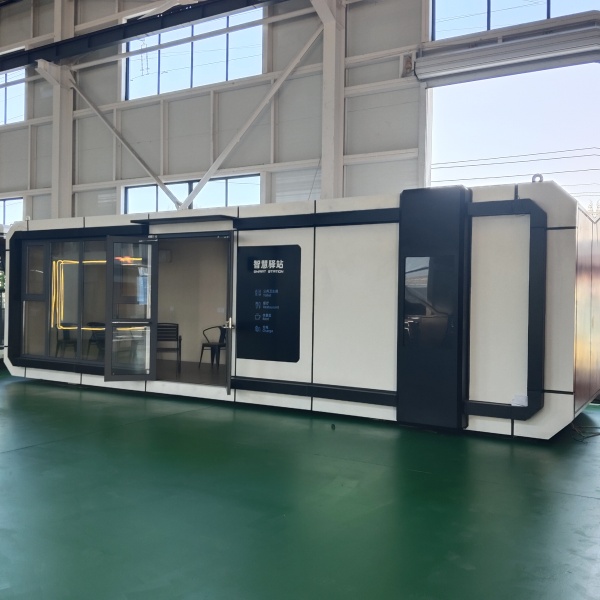 Modular modern movable apple cabins, customized high-end folk houses and portable bedrooms, delivered as a whole
 -
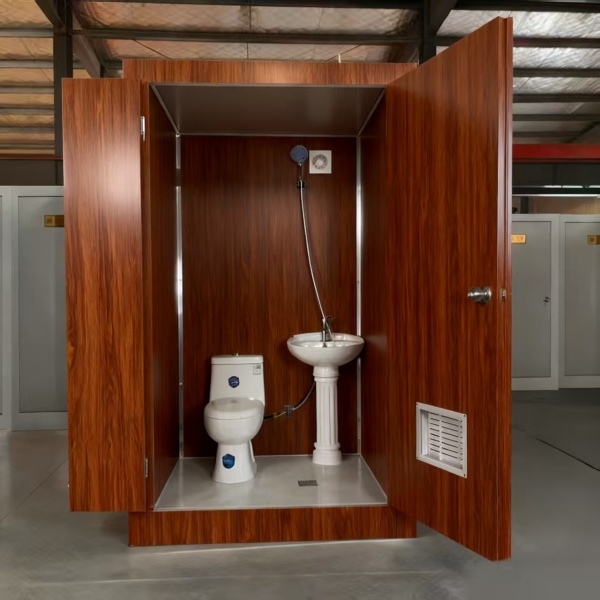 Portable outdoor camping bathroom, mobile toilet, prefabricated modular villa & rental of outdoor and indoor showers
 -
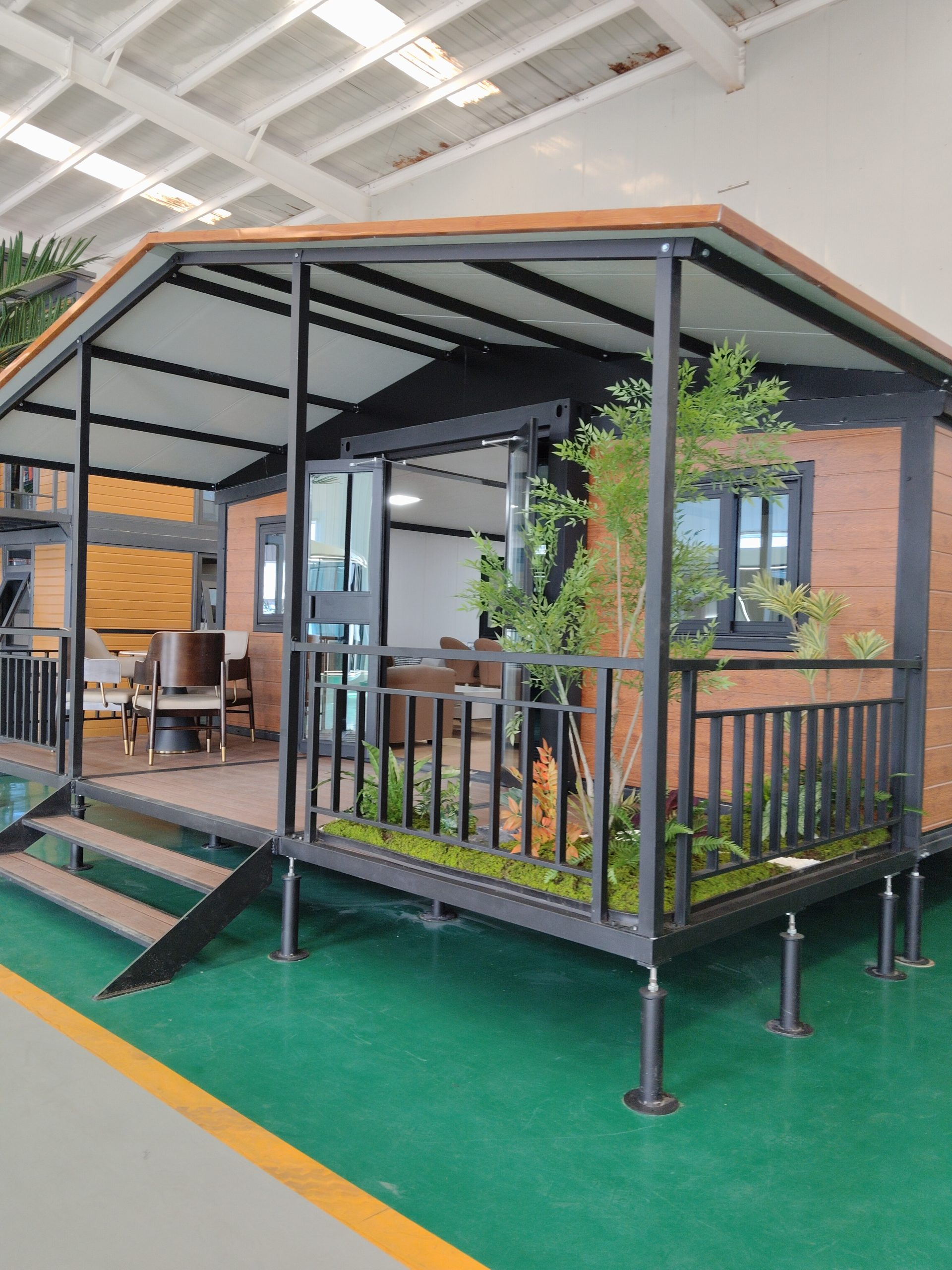 A container house with a terrace and double-wing folding design, suitable for various purposes such as offices, meeting rooms, living rooms, etc.
 -
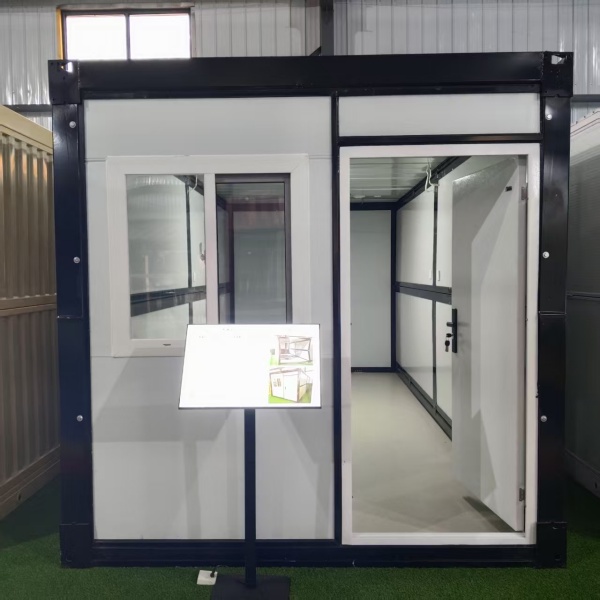 Factory Direct Sales Office Folding Container Luxury House Living Container House
 -
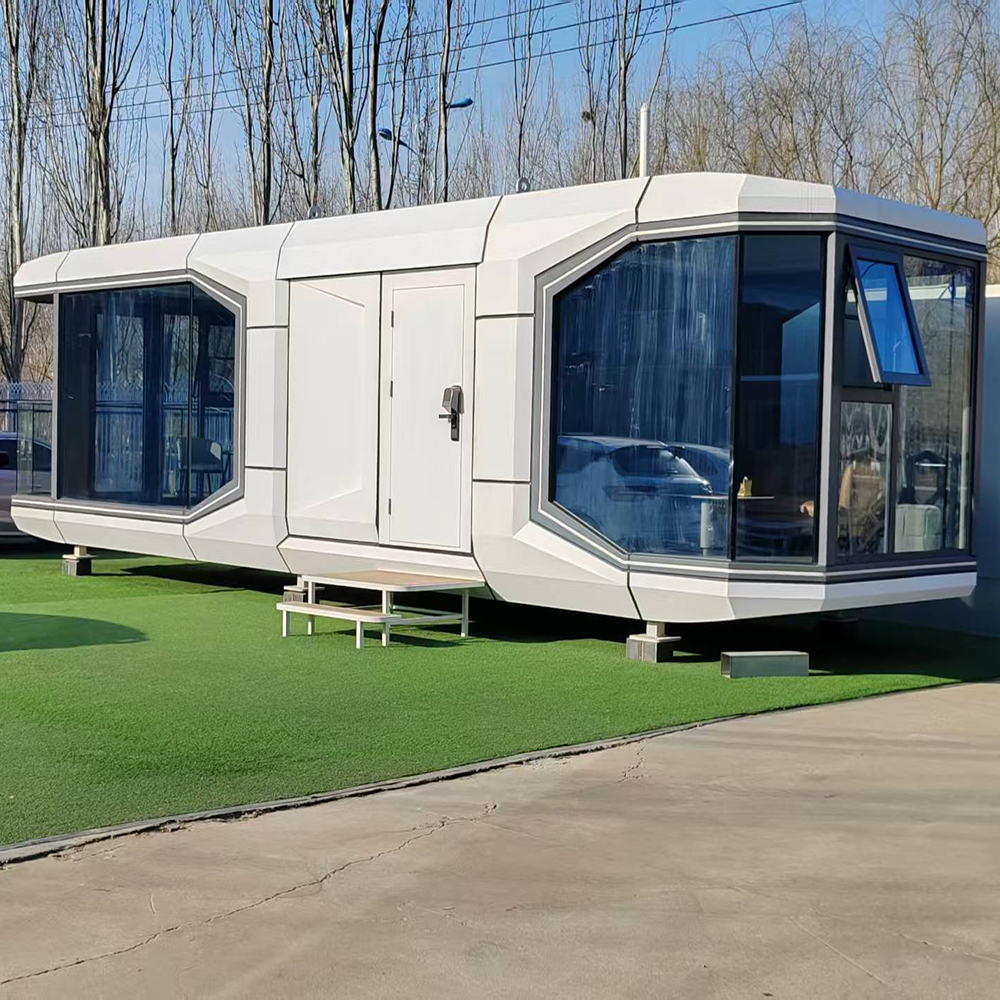 Luxury High Quality 2 Bedroom Container Home Prefabricated Steel Space Capsule for Office Shop Hotel or Outdoor House
 -
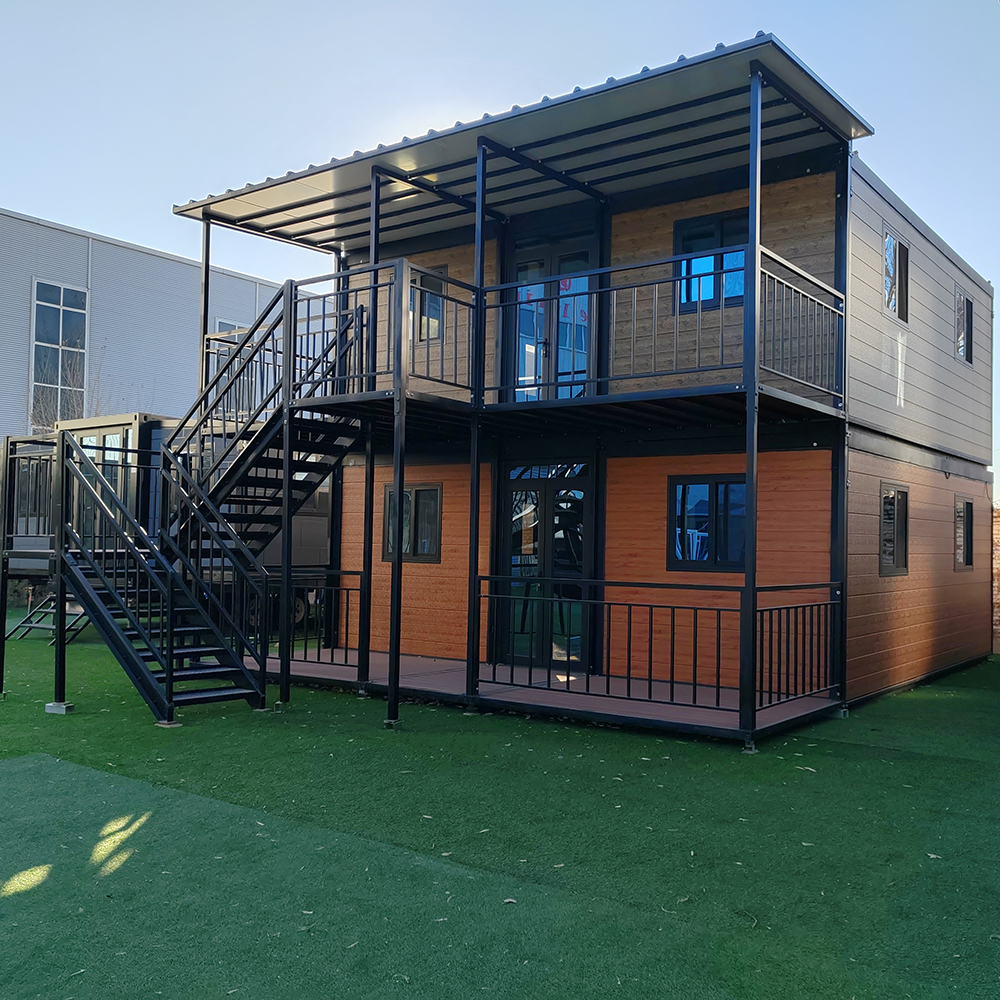 Easy Install Customized Detachable Container Homes Extendable House Prefab 2 Floors Expandable Container House
 -
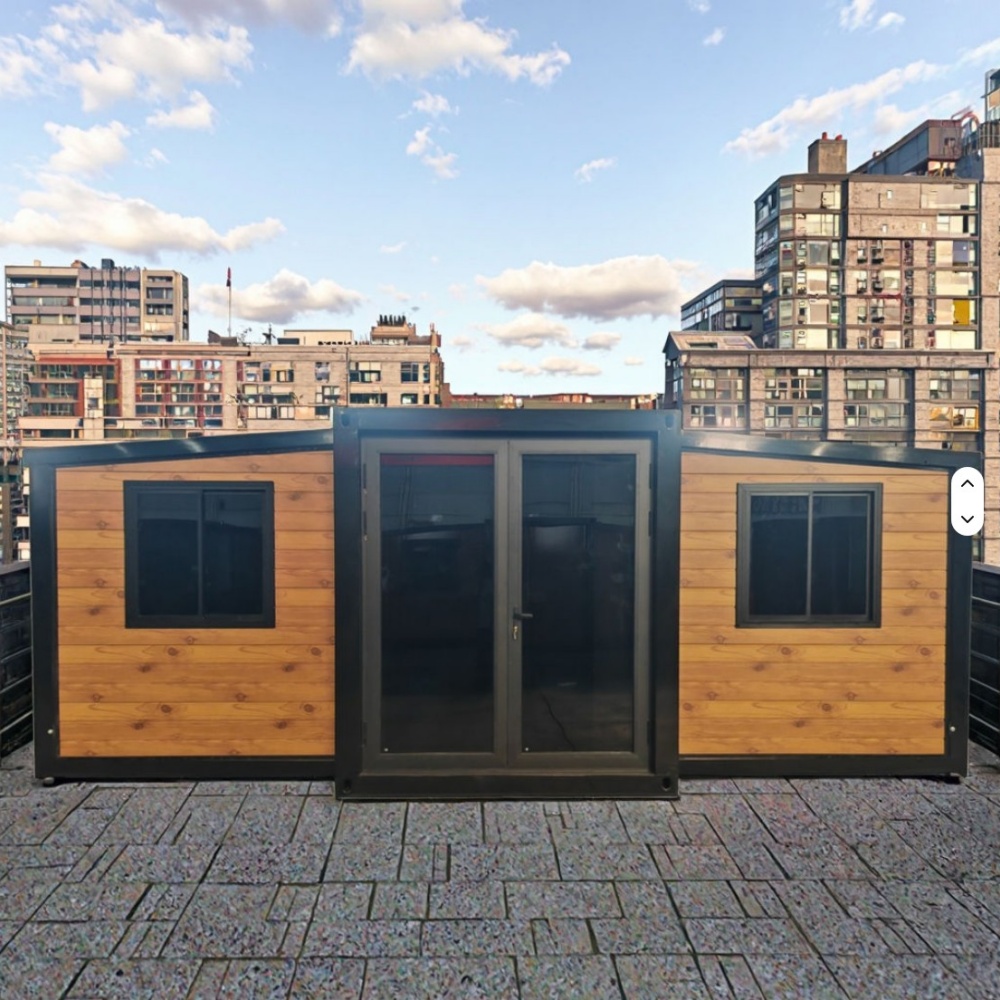 Customized Two Wing Folding Expandable Container House