
-
E-mail
Austin120521@outlook.com -
E-mail
sales@jujiuhouse.com -
Telephone
+86-17864099991 -
Telephone
+86-17854044442
- Chinese
- French
- German
- Portuguese
- Spanish
- Russian
- Japanese
- Korean
- Arabic
- Irish
- Greek
- Turkish
- Italian
- Danish
- Romanian
- Indonesian
- Czech
- Afrikaans
- Swedish
- Polish
- Basque
- Catalan
- Esperanto
- Hindi
- Lao
- Albanian
- Amharic
- Armenian
- Azerbaijani
- Belarusian
- Bengali
- Bosnian
- Bulgarian
- Cebuano
- Chichewa
- Corsican
- Croatian
- Dutch
- Estonian
- Filipino
- Finnish
- Frisian
- Galician
- Georgian
- Gujarati
- Haitian
- Hausa
- Hawaiian
- Hebrew
- Hmong
- Hungarian
- Icelandic
- Igbo
- Javanese
- Kannada
- Kazakh
- Khmer
- Kurdish
- Kyrgyz
- Latin
- Latvian
- Lithuanian
- Luxembou..
- Macedonian
- Malagasy
- Malay
- Malayalam
- Maltese
- Maori
- Marathi
- Mongolian
- Burmese
- Nepali
- Norwegian
- Pashto
- Persian
- Punjabi
- Serbian
- Sesotho
- Sinhala
- Slovak
- Slovenian
- Somali
- Samoan
- Scots Gaelic
- Shona
- Sindhi
- Sundanese
- Swahili
- Tajik
- Tamil
- Telugu
- Thai
- Ukrainian
- Urdu
- Uzbek
- Vietnamese
- Welsh
- Xhosa
- Yiddish
- Yoruba
- Zulu
- Kinyarwanda
- Tatar
- Oriya
- Turkmen
- Uyghur




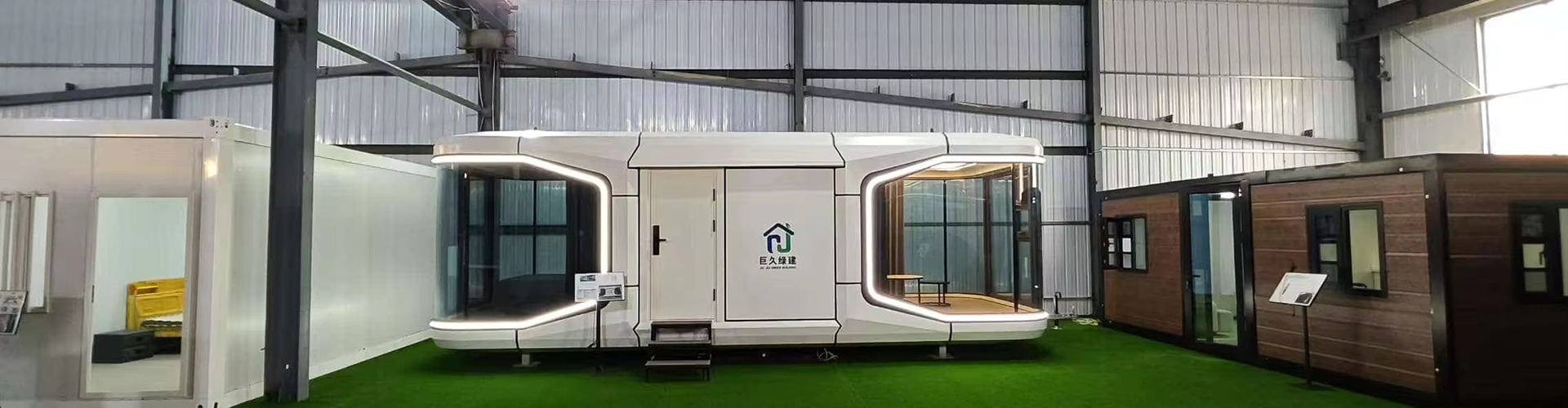
China folding container house for sale
Understanding the Rise of China Folding Container Houses for Sale
The demand for China folding container houses for sale is soaring, driven by their unique blend of versatility and cost-effectiveness. These structures are transforming residential and commercial spaces alike, but understanding their true value requires more than just reading a product brochure.
Exploring the Basics: What Are Folding Container Houses?
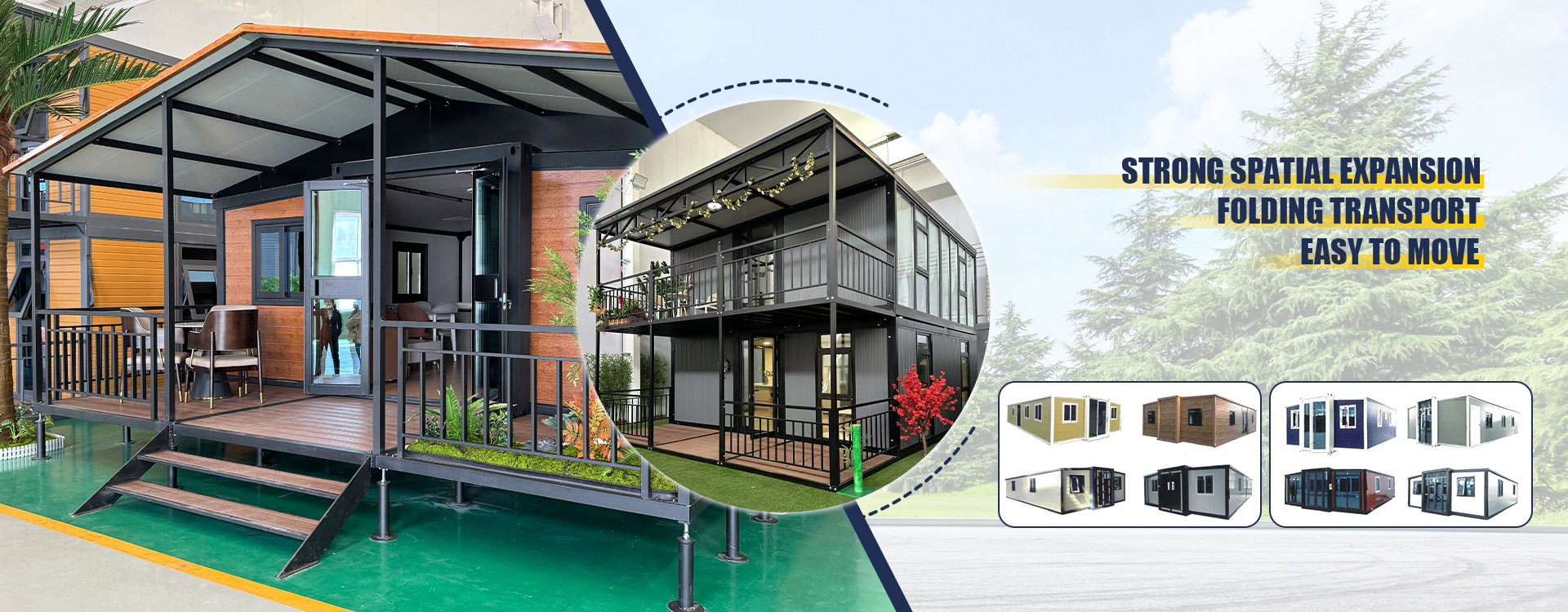
A folding container house might appear, at first glance, to be just another modular building solution. Yet, what sets these apart is their ingenious design aimed at maximizing space efficiency while minimizing transportation costs. The ability to collapse these containers when not in use means they can be transported at nearly a third of the fully expanded size.
Despite this, one should not mistake these for being mere transport containers retrofitted into living spaces. Companies like SHANDONG JUJIU INTEGRATED HOUSING CO, LTD, which you can explore at their website, have taken this concept further, integrating innovative design elements to make these structures ideal for a variety of applications.
For instance, a rural healthcare clinic could be set up within weeks using these units, considering their rapid deployment capabilities and customizable interiors. The process isn’t without its challenges, though, especially when meeting local building codes—a common hiccup that requires careful planning and experienced navigation.
Customization: A Key Selling Point
The customization spectrum available with these folding container houses is vast. From interior layouts to external finishes, the scope to personalize these structures can meet any design aesthetic or functional requirement. It’s not an exaggeration to say that these homes can rival traditional structures in comfort and design.
I’ve known architects who've transformed these industrial-looking frames into stunning beachside bungalows or chic urban offices. Flexibility is a huge draw here, but it also demands a high level of coordination among architects, the production team, and the client.
SHANDONG JUJIU INTEGRATED HOUSING CO, LTD specializes in providing tailored solutions, ensuring each project reflects the specificities of location and the vision of the buyer—an aspect worth noting if you're considering jumping into this segment.
Cost Efficiency: A Double-Edged Sword
Focusing on cost efficiency, one might prematurely assume these container houses are the cheaper alternative to all types of housing. While it's true, the price tag is generally lower—due to economies of scale and streamlined production processes—failing to consider long-term costs like maintenance and potential customization can lead to budget overruns.
It's a common misconception I’ve seen: clients eager to invest without thoroughly understanding potential hidden expenses. Unlike traditional homes, certain repairs or aesthetic changes can’t be DIY operations; they often require specialized labor familiar with the container's structural nuances.
Nevertheless, the upfront savings, particularly on transportation and quick setup, are tangible. That's why industries like tourism increasingly opt for these structures to set up temporary accommodations in hard-to-reach areas without incurring prohibitive costs.
Environmental Considerations
Another significant benefit lies in their environmental impact—or lack thereof. With the focus on sustainable building practices, the recyclable nature of steel and the energy-efficient manufacturing processes are appealing features of China’s folding container houses for sale.
However, sustainability isn't just about materials. It extends to the lifecycle and adaptability of the structures. The ability to relocate these houses without the need for heavy machinery is a plus, which, over time, reduces the ecological footprint.
Shandong Jujiu Integrated Housing Co., Ltd. has made strides in optimizing their manufacturing processes to support sustainable practices, helping clients achieve both eco-friendly credentials and pragmatic building solutions.
Navigating the Purchasing Process
If you’re entertaining the idea of investing in a China folding container house for sale, navigating the purchase process can seem labyrinthine. Many clients I’ve advised found it prudent to partner directly with manufacturers rather than third-party retailers to better manage the complexities.
Direct engagement with companies like SHANDONG JUJIU INTEGRATED HOUSING CO, LTD provides more than just cost savings; it fosters a clearer line of communication regarding design changes and delivery schedules. Such transparency is paramount when ensuring product alignment with expectations.
Ultimately, as with any real estate endeavor, due diligence is crucial. From understanding the structural limits to legal implications, armed with accurate, industry-inside knowledge, you’re better positioned to make a sound investment in these versatile, space-efficient homes.
Related products
Related products

Best selling products
Best selling products-
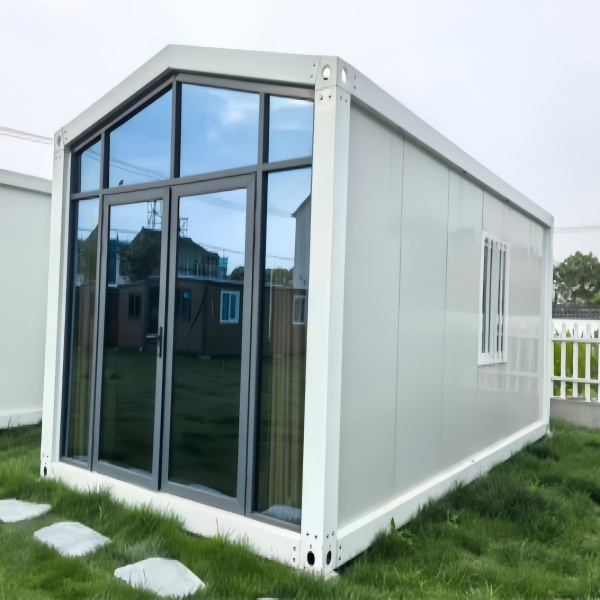 Waterproof folding container house – mobile accommodation for campsites/scenic spots
 -
Two Wing Folding Expandable Container House
-
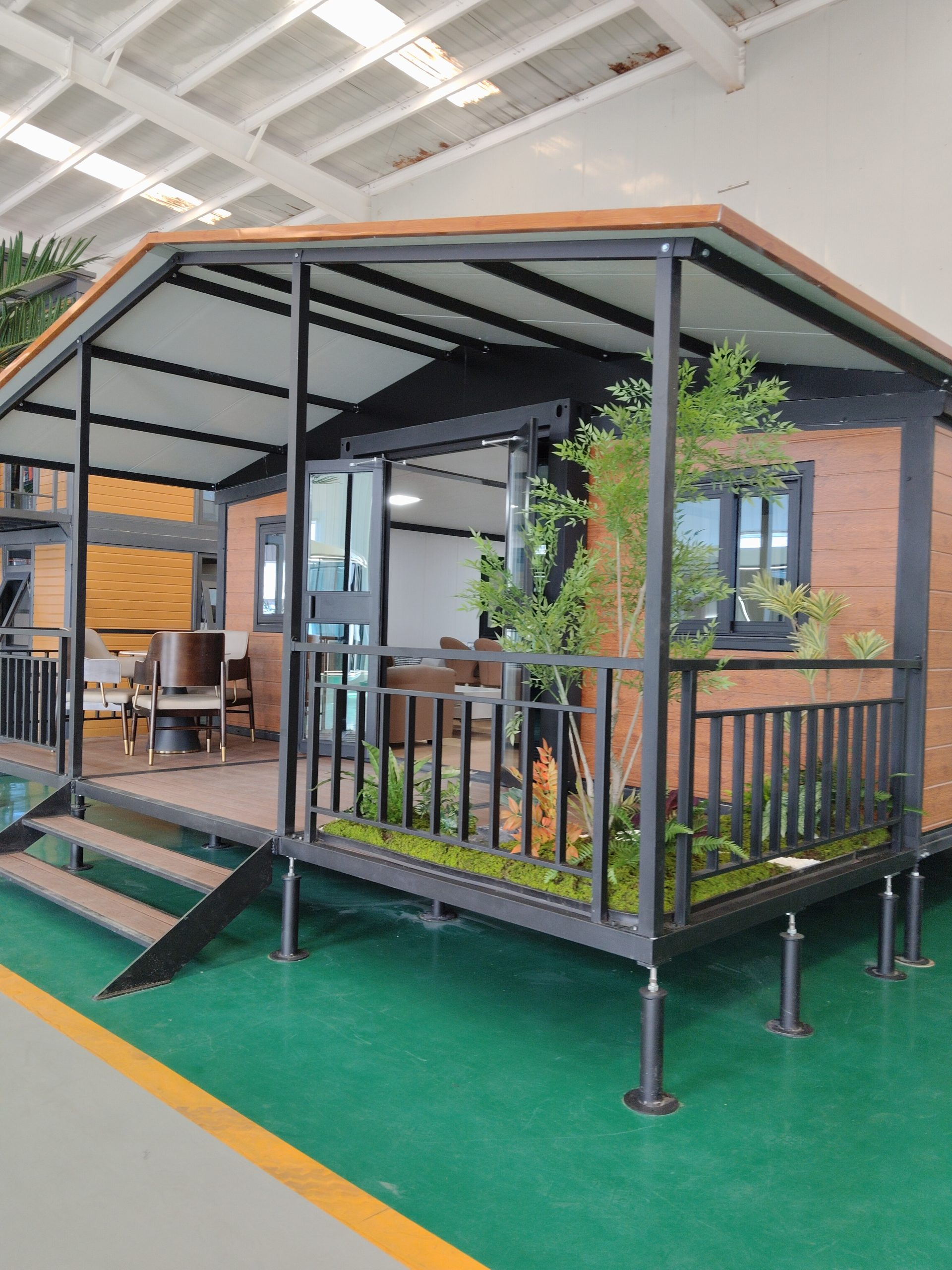 A container house with a terrace and double-wing folding design, suitable for various purposes such as offices, meeting rooms, living rooms, etc.
 -
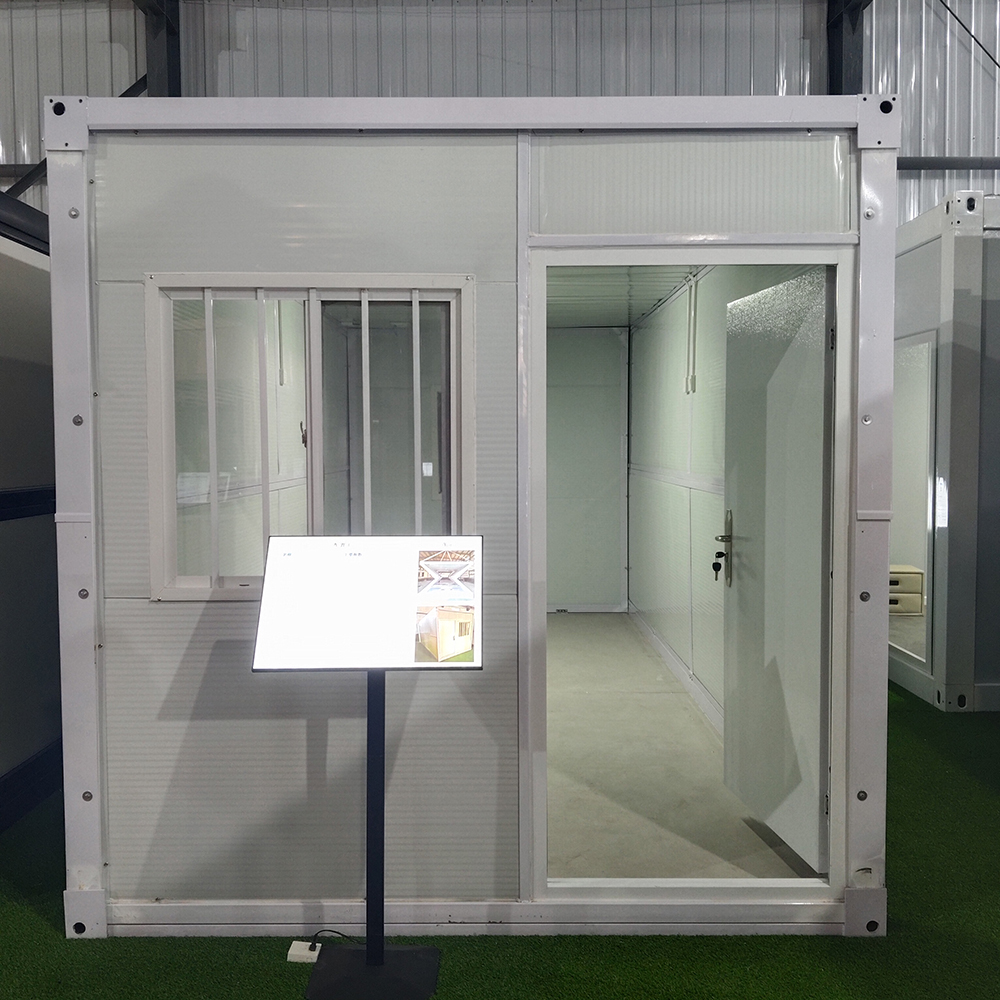 Reasonable Price 1 Bedroom Modular Container House Folding Container Home for Villa or Apartment Use
 -
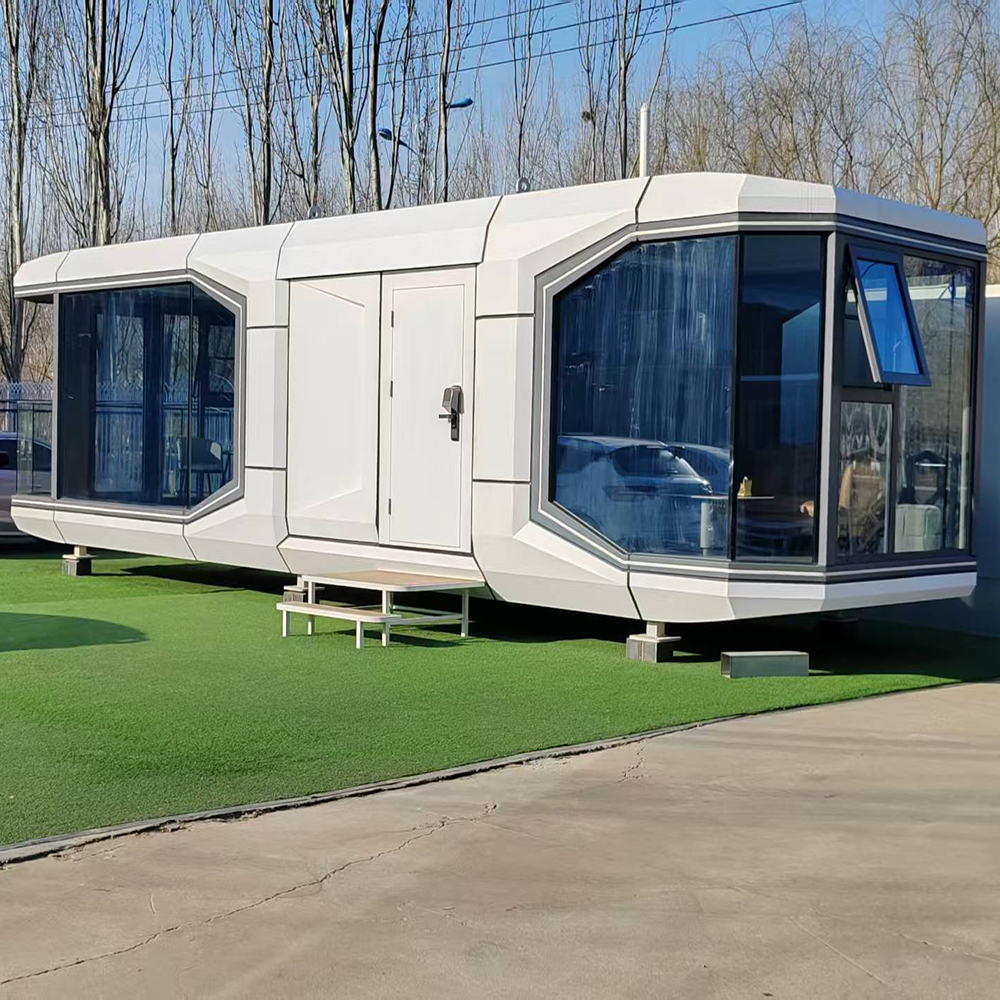
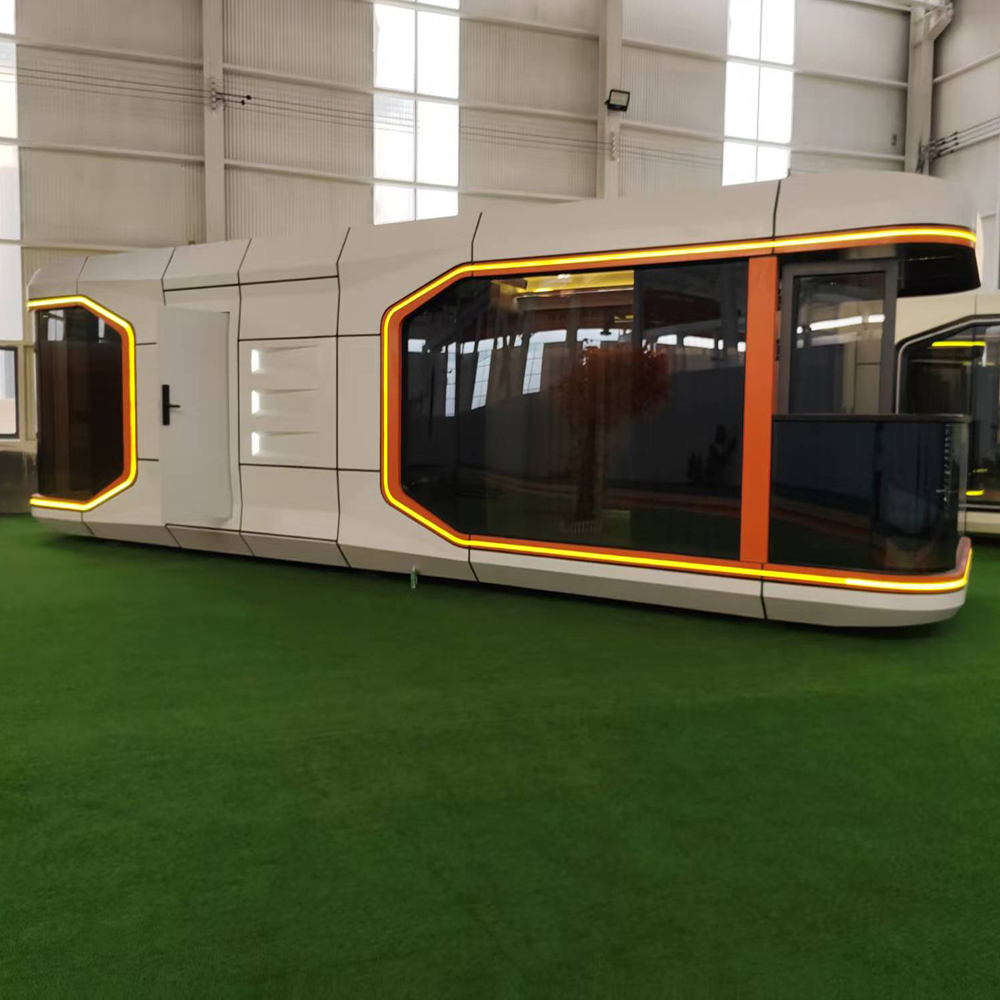 Standard Modern Camping Pod Space Prefabricated Portable Mobile Capsule Room Hotel Bathroom Prefabricated Spaceship House
 -
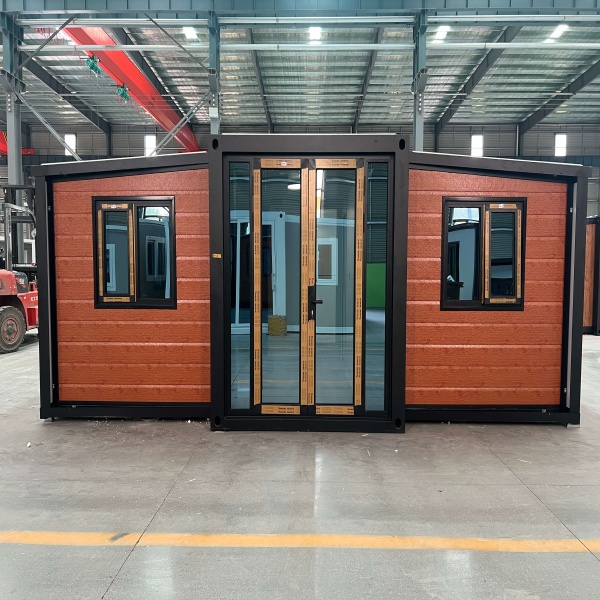 High-quality Double-wing Folding Container House with Doors and Windows, Insulated Walls, Suitable for Various Scenarios.
 -
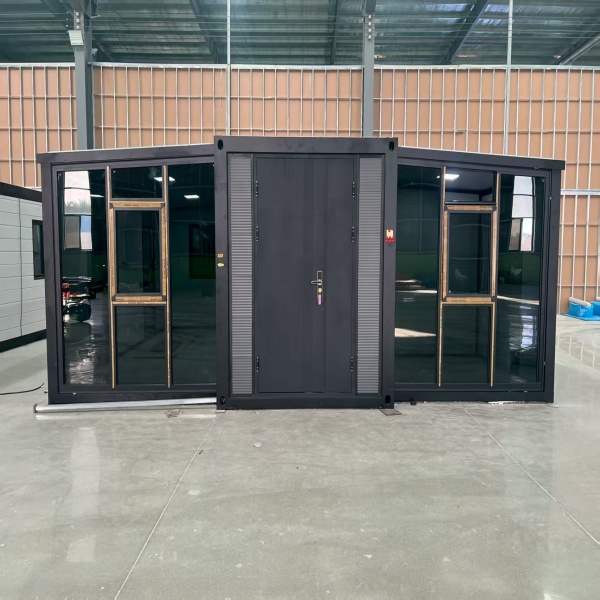 Customizable Office Mobile Home with Flat Roof and Double Wing Expansion Box, Convenient Container
 -
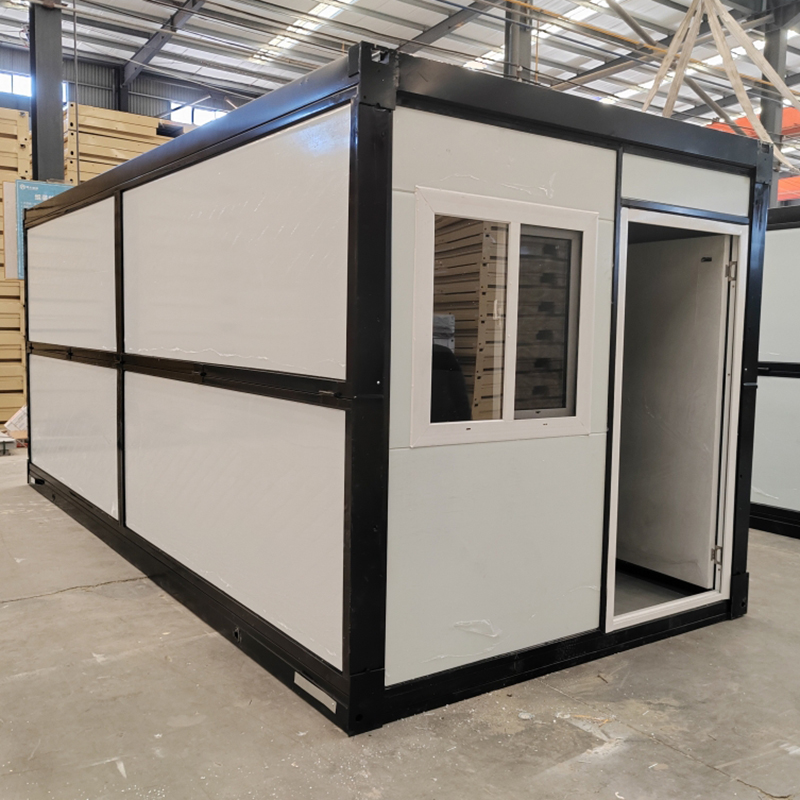 Detachable Design Prefabricated Container House Portable Modular Office Building Folding Container House
 -
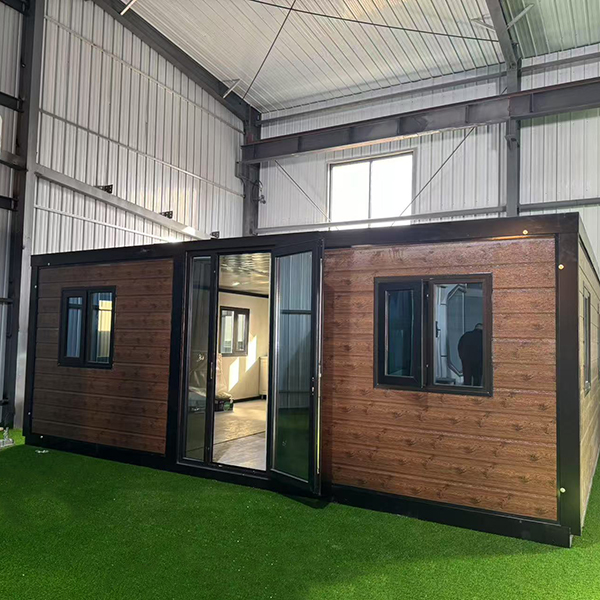 Good Quality Modular Homes Prefabricated House Expandable Container House 20FT Mobile Flat Roof House
 -
A container house with a terrace and double-wing folding design, suitable for various purposes such as offices, meeting rooms, living rooms, etc.
-
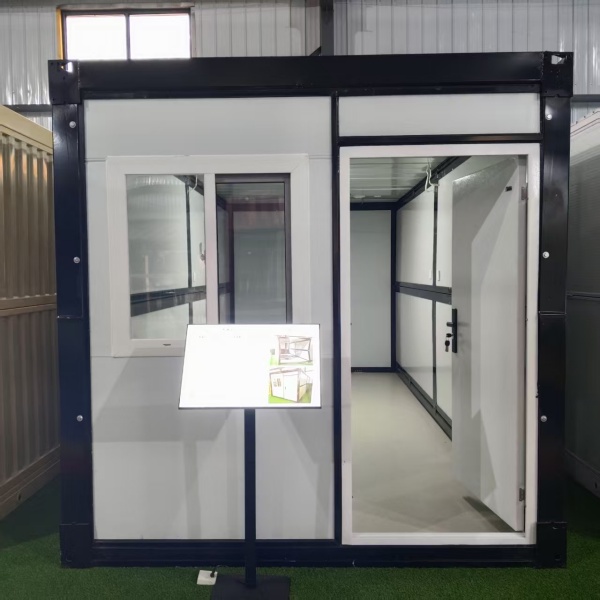 Hot-selling foldable container houses, expandable prefabricated houses, suitable for office or living use, with fast delivery.
 -
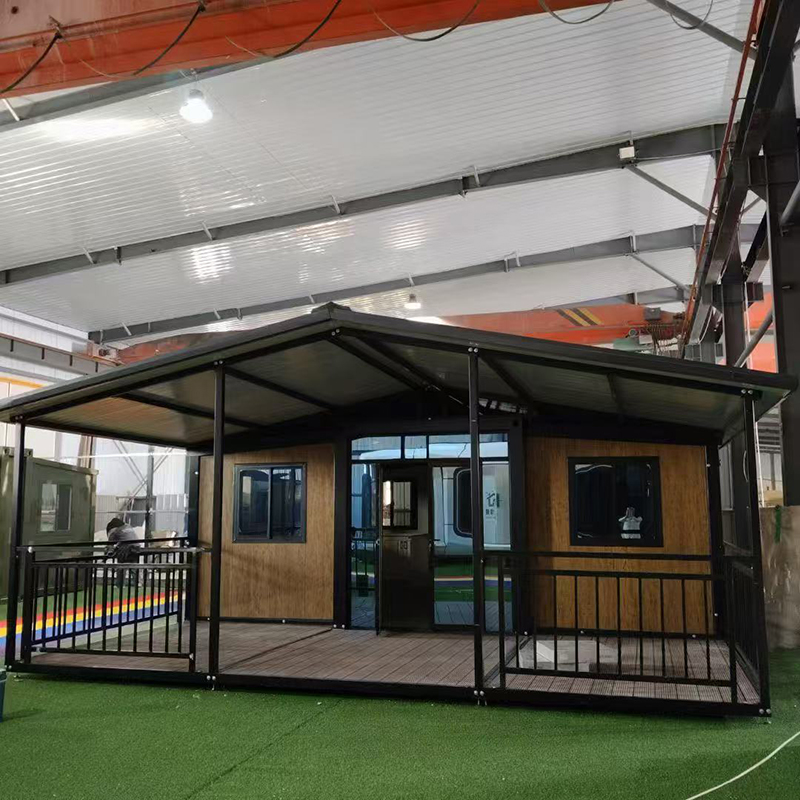 Customized Expandable Container House Holiday Home Folding Prefab Container House with Bathroom and Kitchen