
-
E-mail
Austin120521@outlook.com -
E-mail
sales@jujiuhouse.com -
Telephone
+86-17864099991 -
Telephone
+86-17854044442
- Chinese
- French
- German
- Portuguese
- Spanish
- Russian
- Japanese
- Korean
- Arabic
- Irish
- Greek
- Turkish
- Italian
- Danish
- Romanian
- Indonesian
- Czech
- Afrikaans
- Swedish
- Polish
- Basque
- Catalan
- Esperanto
- Hindi
- Lao
- Albanian
- Amharic
- Armenian
- Azerbaijani
- Belarusian
- Bengali
- Bosnian
- Bulgarian
- Cebuano
- Chichewa
- Corsican
- Croatian
- Dutch
- Estonian
- Filipino
- Finnish
- Frisian
- Galician
- Georgian
- Gujarati
- Haitian
- Hausa
- Hawaiian
- Hebrew
- Hmong
- Hungarian
- Icelandic
- Igbo
- Javanese
- Kannada
- Kazakh
- Khmer
- Kurdish
- Kyrgyz
- Latin
- Latvian
- Lithuanian
- Luxembou..
- Macedonian
- Malagasy
- Malay
- Malayalam
- Maltese
- Maori
- Marathi
- Mongolian
- Burmese
- Nepali
- Norwegian
- Pashto
- Persian
- Punjabi
- Serbian
- Sesotho
- Sinhala
- Slovak
- Slovenian
- Somali
- Samoan
- Scots Gaelic
- Shona
- Sindhi
- Sundanese
- Swahili
- Tajik
- Tamil
- Telugu
- Thai
- Ukrainian
- Urdu
- Uzbek
- Vietnamese
- Welsh
- Xhosa
- Yiddish
- Yoruba
- Zulu
- Kinyarwanda
- Tatar
- Oriya
- Turkmen
- Uyghur




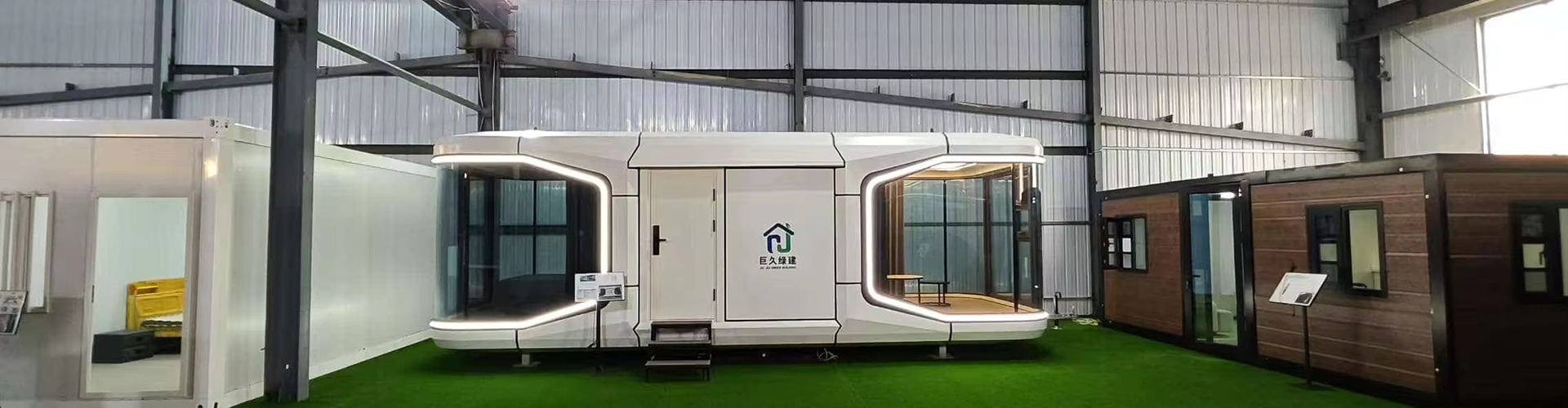
China folding house on wheels
The Rise of Folding Houses on Wheels in China
The concept of a China folding house on wheels might initially conjure images of futuristic living spaces or even an exaggerated portrayal of minimalism. Yet, it’s more about practicality meeting innovation. With urbanization soaring and land prices following suit, these mobile homes represent a significant shift in how both temporary and permanent living solutions are approached.
Understanding the Folding House Craze
Shandong Jujiu Integrated Housing Co., Ltd., accessible at jujiuhouse.com, is at the forefront of this movement. The company has been a key player in designing and manufacturing these smart, adaptable homes which cater to a growing demand for flexibility. With an increasingly mobile society, the desire for homes that can move with their owners is reshaping perspectives on housing.
The appeal of these houses lies in their ability to fold and expand, making them highly accessible and adaptable to various environments. This flexibility also extends to customization options, allowing users to design homes that fit their specific needs. However, what stands out more is the process—it begins in design studios, where innovation and practical constraints are continuously balanced.
One must note how industries like Shandong Jujiu Integrated Housing focus on optimizing these portable spaces for energy efficiency and sustainability. They’re not just about moving a house from point A to point B; it’s about maximizing utility while minimizing the environmental footprint, something that can ignite broader industry transformations.
Industry Challenges and Solutions
Despite the promise, introducing folding houses on wheels isn’t without its challenges. Market acceptance varies, and regulatory landscapes can complicate deployments. Every time a product is adapted to new local norms, there’s a calculation of costs versus potential returns.
Sourcing materials for these mobile structures adds another layer of complexity. Lightweight, durable materials are essential to maintain functionality without sacrificing durability. This has led to a focus on innovative materials and construction processes, a field of ongoing research within companies like Shandong Jujiu Integrated Housing.
The intricacies of installation and the logistics of transportation often get overlooked in discussions. Moving these homes seamlessly from one place to another requires meticulous planning and specialized transportation solutions, another area where experienced providers refine the process over time.
Practical Applications and Market Impact
The utility of folding houses is as varied as the users they serve. From temporary accommodations on construction sites to rapid deployment in disaster zones, their uses are vast. However, it's the potential for urban residential applications that truly underscores the transformative potential.
Some intriguing applications have emerged in the realm of tourism, where these homes provide mobile lodging options that can pivot according to seasonal demands. This adaptability highlights how industries beyond just construction may find value in the innovation of folding houses.
The real estate market is seeing ripples as traditional notions of property ownership and home design adapt to these possibilities. While it’s still early days, the implications could be far-reaching, prompting a reevaluation of living spaces and property models.
The Role of Technology and Design
Innovation doesn’t happen in a vacuum. The technology underpinning these folding houses involves intricate engineering, from hydraulic systems to smart home integrations. Shandong Jujiu Integrated Housing has been pioneering in integrating modern tech with traditional building concepts.
Each design iteration brings fresh challenges—efficiency, adaptability, cost-effectiveness—and pushes the envelope on what's achievable. Engineers and designers often find themselves crossing boundaries between architecture, technology, and environmental sciences.
The blend of disciplines highlights a trend: housing solutions need not be static or monolithic. Instead, they can evolve, align with tech advances, and make bold statements in areas like eco-friendliness and adaptability.
Future Directions for Mobile Homes
Looking ahead, the trajectory of folding houses on wheels seems promising. With ongoing research and a push towards sustainable practices, it's likely that customization will become even more integral, allowing individuals to tailor homes to their unique lifestyles and locales.
Moreover, these houses could play a pivotal role in addressing housing shortages, offering affordable alternatives and accelerating deployment times. As industries shift, lessons learned from this sector could impact broader housing policies and construction methodologies.
In essence, what’s unfolding is more than just a trend; it's a revolution in how we conceive and inhabit spaces. Shandong Jujiu Integrated Housing Co., Ltd. and others operating in this area are poised not just to respond to change but to actively drive it, reshaping how we think and live in the process.
Related products
Related products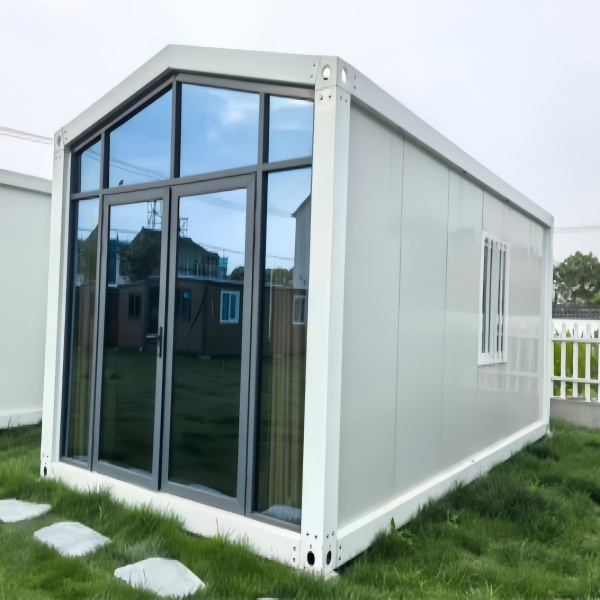

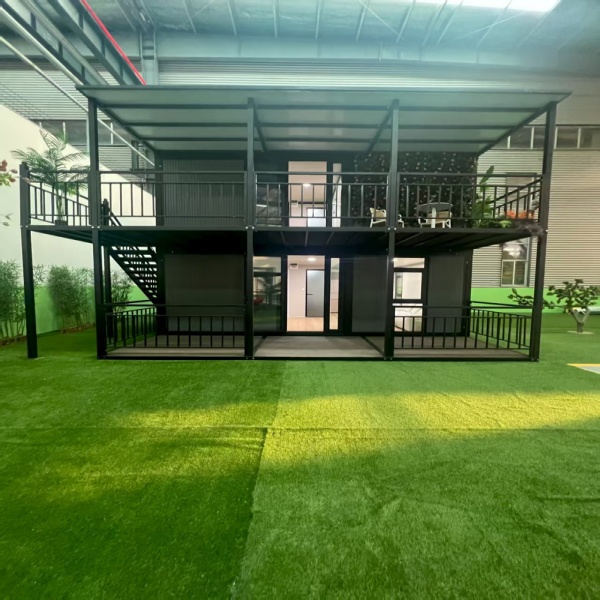
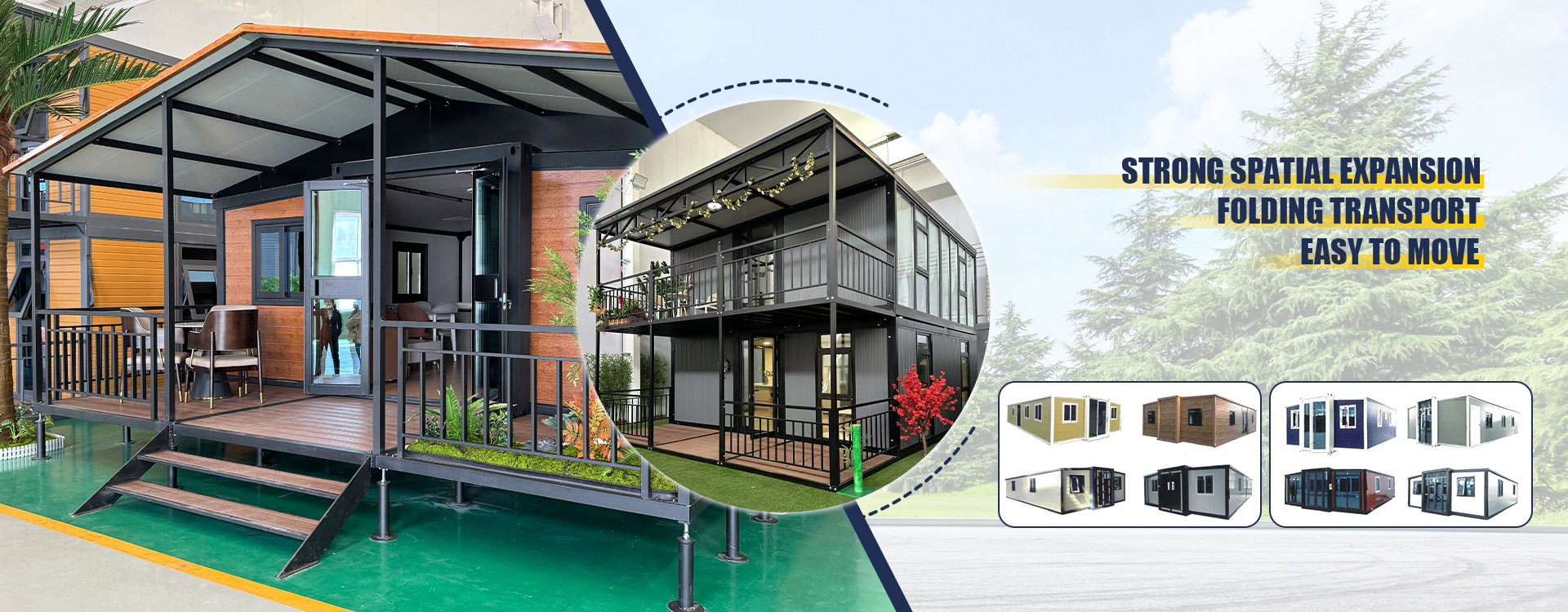
Best selling products
Best selling products-
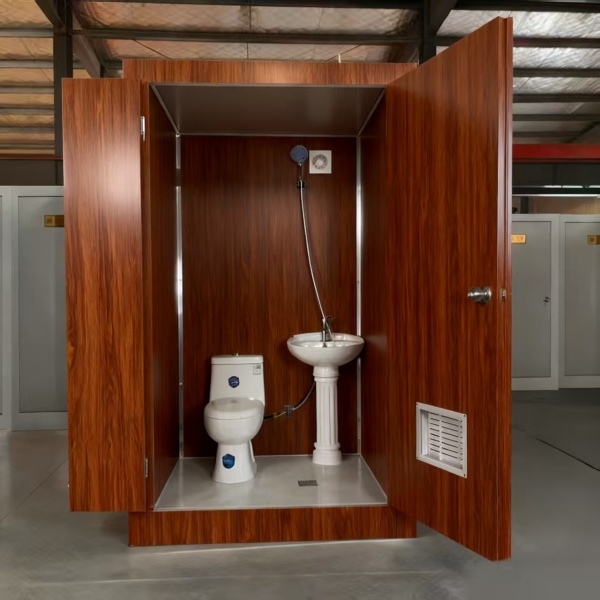 Portable outdoor camping bathroom, mobile toilet, prefabricated modular villa & rental of outdoor and indoor showers
 -
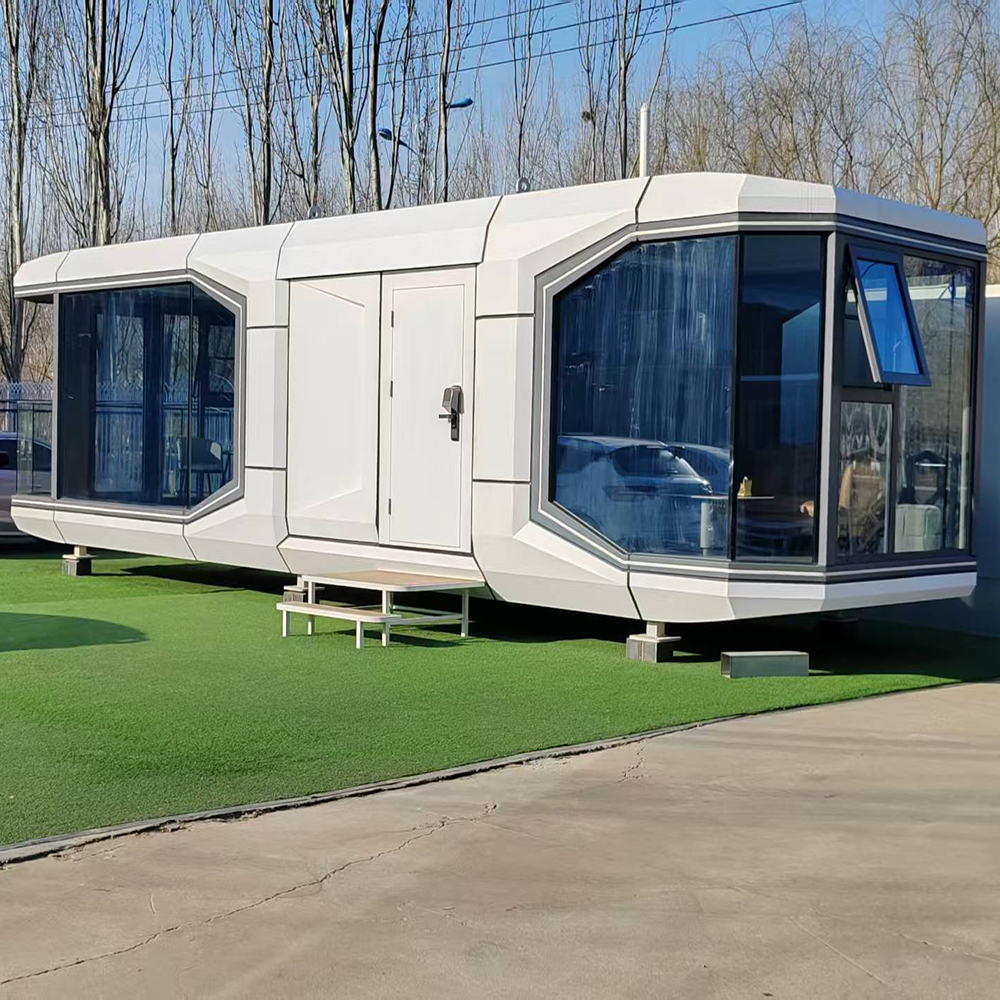 Luxury High Quality 2 Bedroom Container Home Prefabricated Steel Space Capsule for Office Shop Hotel or Outdoor House
 -
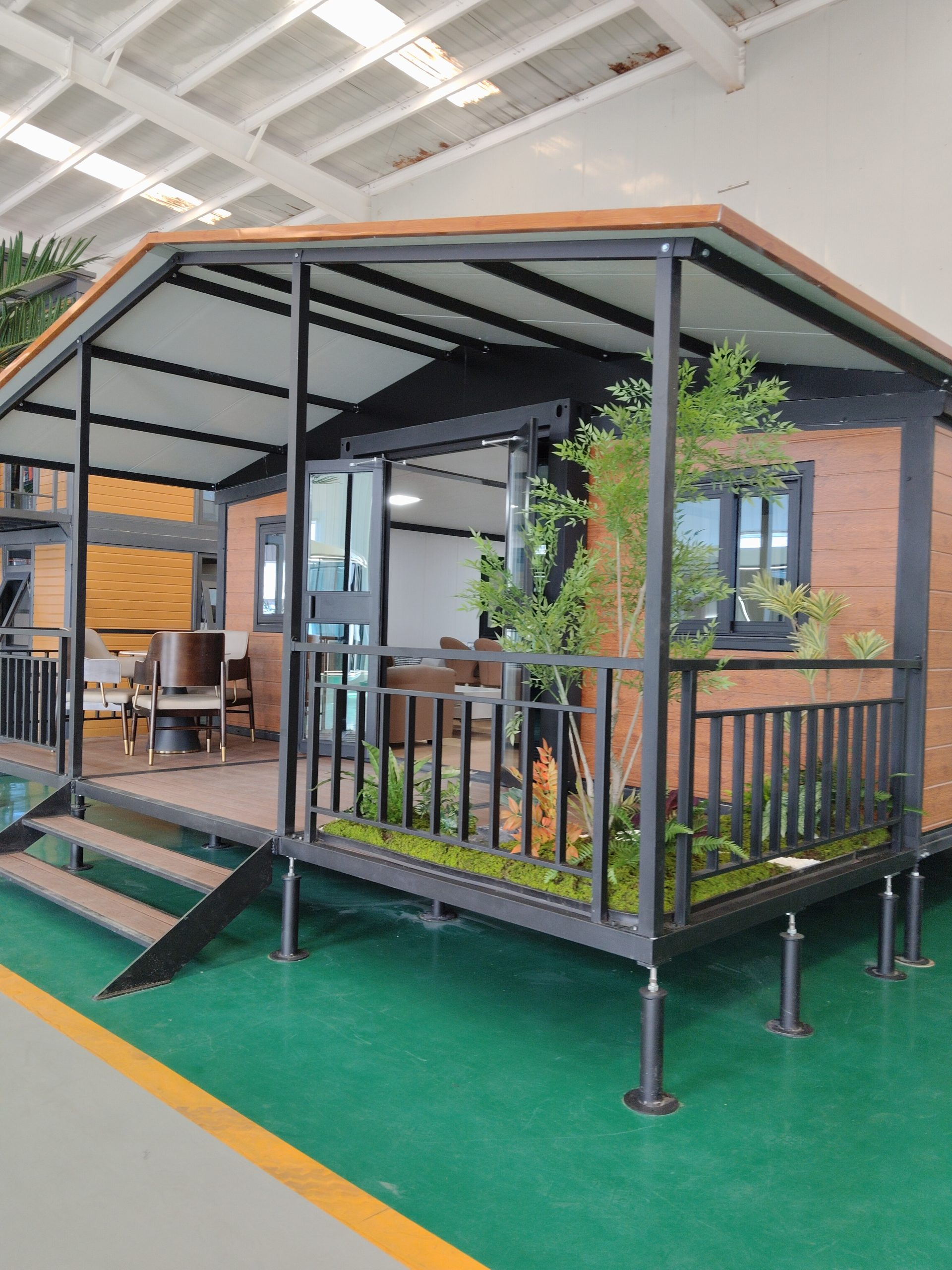 A container house with a terrace and double-wing folding design, suitable for various purposes such as offices, meeting rooms, living rooms, etc.
 -
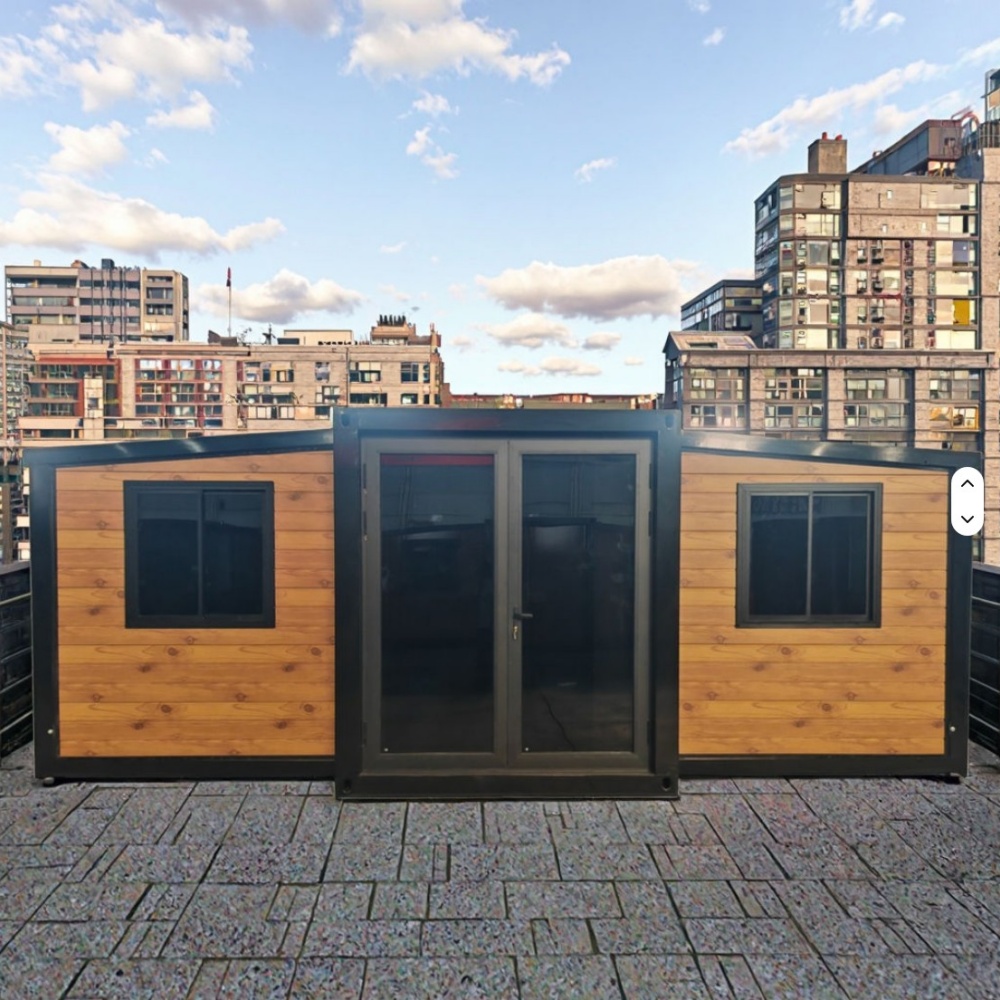 Customized Two Wing Folding Expandable Container House
 -
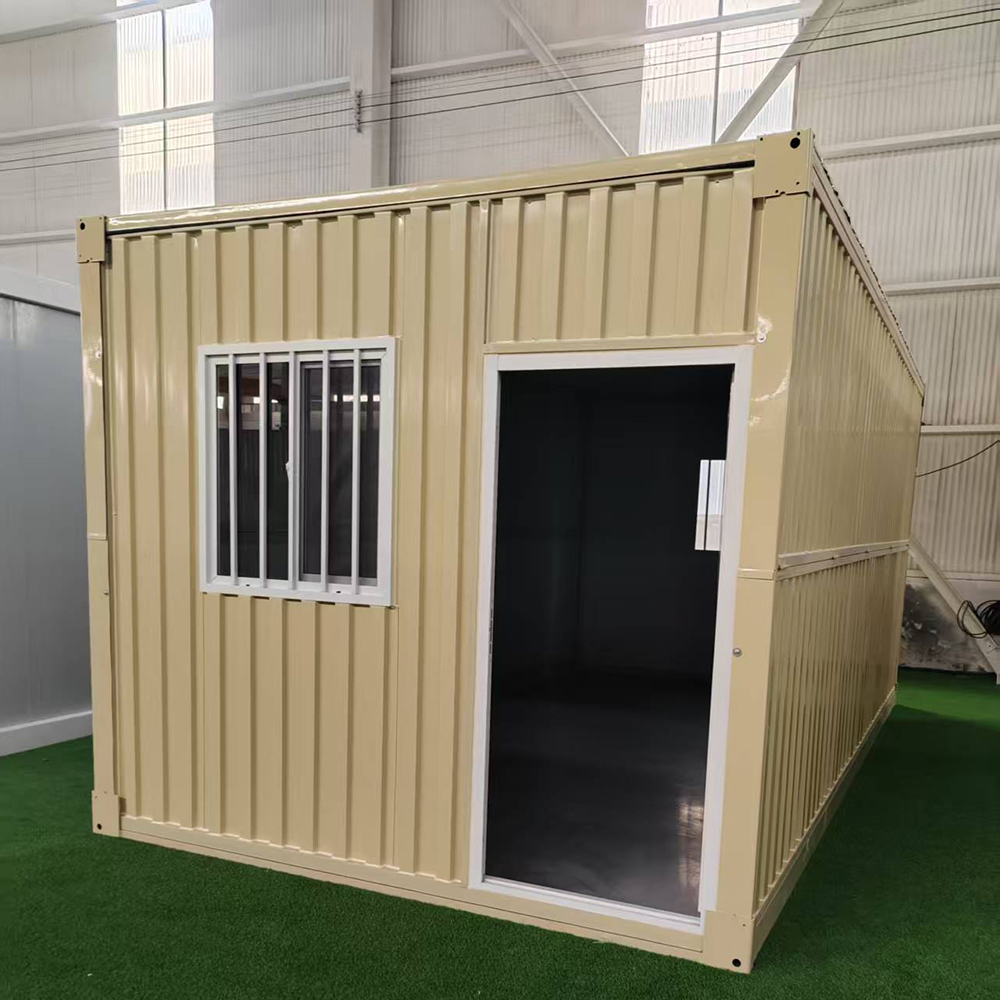 Competitive Price Portable Container House Foldable Container Mobile Living Modular Homes
 -
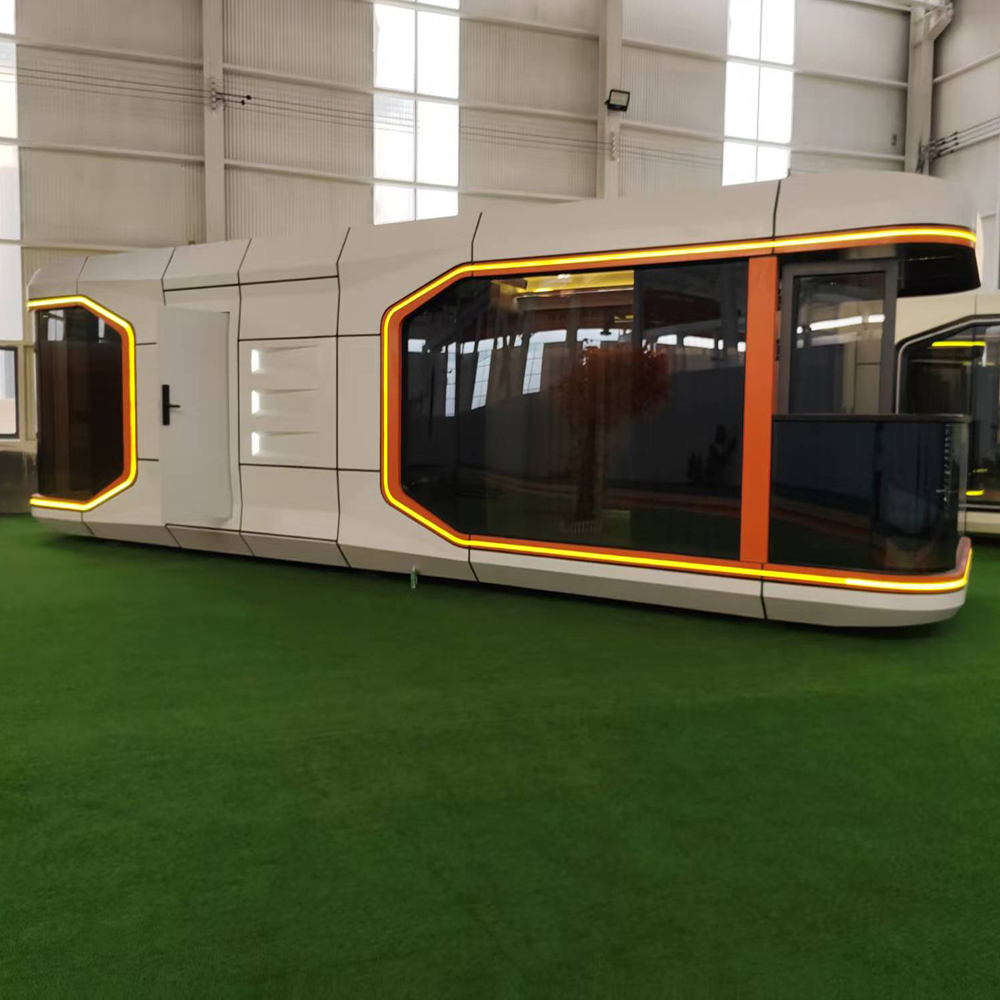 Standard Modern Camping Pod Space Prefabricated Portable Mobile Capsule Room Hotel Bathroom Prefabricated Spaceship House
 -
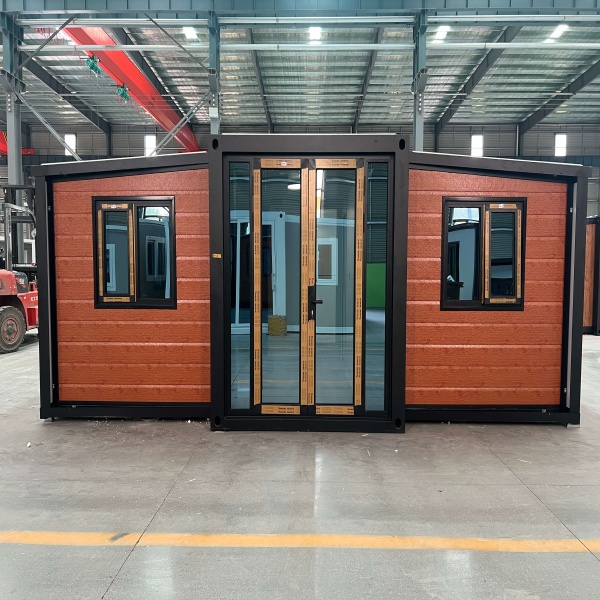 High-quality Double-wing Folding Container House with Doors and Windows, Insulated Walls, Suitable for Various Scenarios.
 -
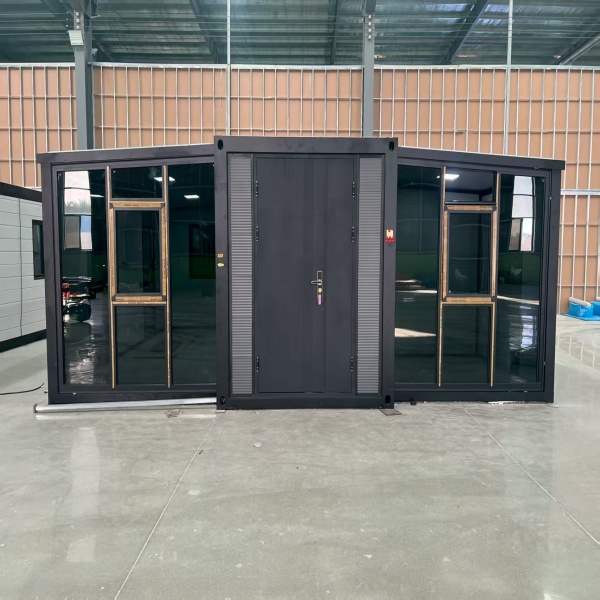 Customizable Office Mobile Home with Flat Roof and Double Wing Expansion Box, Convenient Container
 -
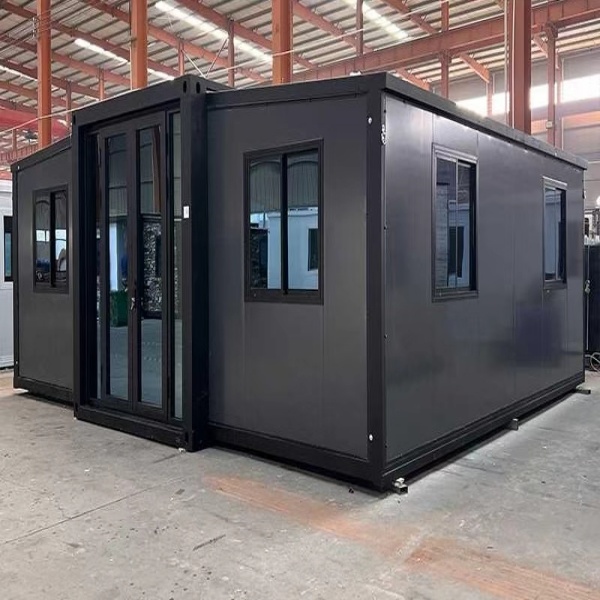 Dual-Wing Folding Container House: Fast Assembly, Space-Saving & Multi-Scene Adaptable
 -
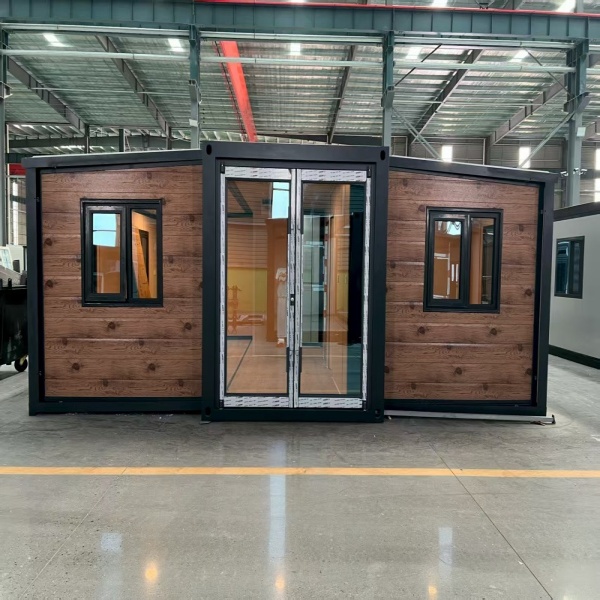 The foldable container house with side wing design can be quickly set up and is suitable for various environments.
 -
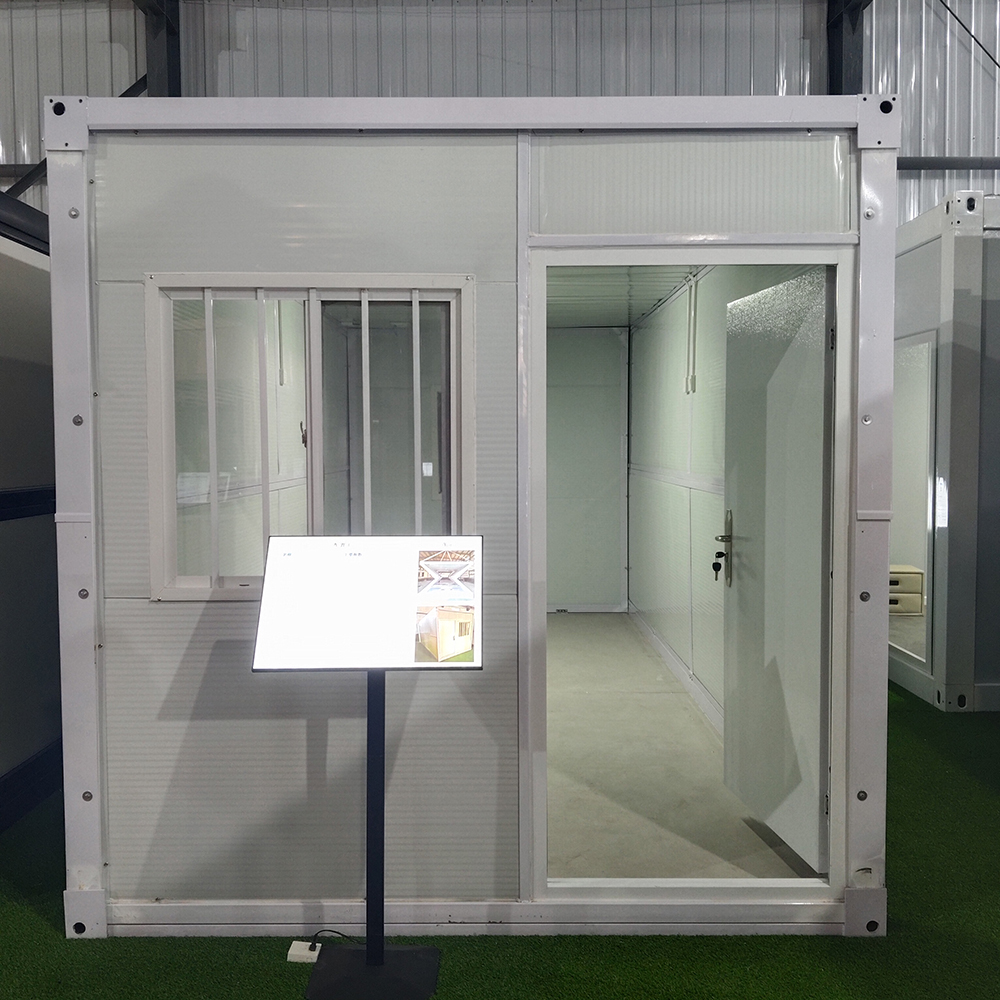 Reasonable Price 1 Bedroom Modular Container House Folding Container Home for Villa or Apartment Use
 -
A container house with a terrace and double-wing folding design, suitable for various purposes such as offices, meeting rooms, living rooms, etc.
Related search
Related search- container prefabricated house
- China cheap wholesale price expandable house container
- expandable container house luxury
- folding container house price
- China foldable prefabricated home
- Buy foldable container house
- China prebuilt container house
- China apple creek cabins
- expandable container house for sale
- folding house elon musk