
-
E-mail
Austin120521@outlook.com -
E-mail
sales@jujiuhouse.com -
Telephone
+86-17864099991 -
Telephone
+86-17854044442
- Chinese
- French
- German
- Portuguese
- Spanish
- Russian
- Japanese
- Korean
- Arabic
- Irish
- Greek
- Turkish
- Italian
- Danish
- Romanian
- Indonesian
- Czech
- Afrikaans
- Swedish
- Polish
- Basque
- Catalan
- Esperanto
- Hindi
- Lao
- Albanian
- Amharic
- Armenian
- Azerbaijani
- Belarusian
- Bengali
- Bosnian
- Bulgarian
- Cebuano
- Chichewa
- Corsican
- Croatian
- Dutch
- Estonian
- Filipino
- Finnish
- Frisian
- Galician
- Georgian
- Gujarati
- Haitian
- Hausa
- Hawaiian
- Hebrew
- Hmong
- Hungarian
- Icelandic
- Igbo
- Javanese
- Kannada
- Kazakh
- Khmer
- Kurdish
- Kyrgyz
- Latin
- Latvian
- Lithuanian
- Luxembou..
- Macedonian
- Malagasy
- Malay
- Malayalam
- Maltese
- Maori
- Marathi
- Mongolian
- Burmese
- Nepali
- Norwegian
- Pashto
- Persian
- Punjabi
- Serbian
- Sesotho
- Sinhala
- Slovak
- Slovenian
- Somali
- Samoan
- Scots Gaelic
- Shona
- Sindhi
- Sundanese
- Swahili
- Tajik
- Tamil
- Telugu
- Thai
- Ukrainian
- Urdu
- Uzbek
- Vietnamese
- Welsh
- Xhosa
- Yiddish
- Yoruba
- Zulu
- Kinyarwanda
- Tatar
- Oriya
- Turkmen
- Uyghur




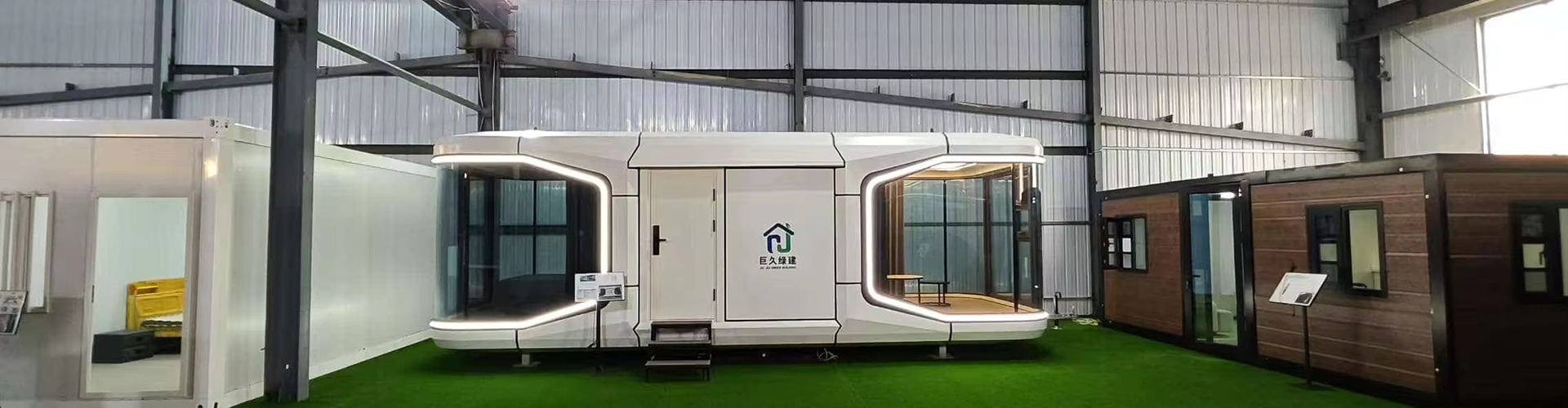
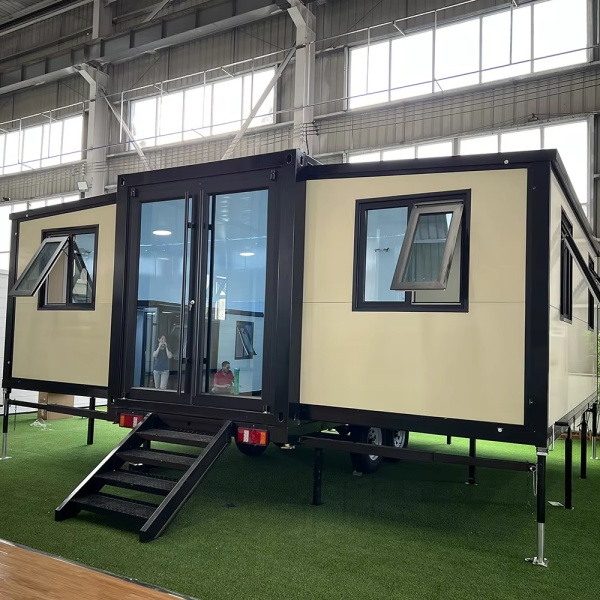
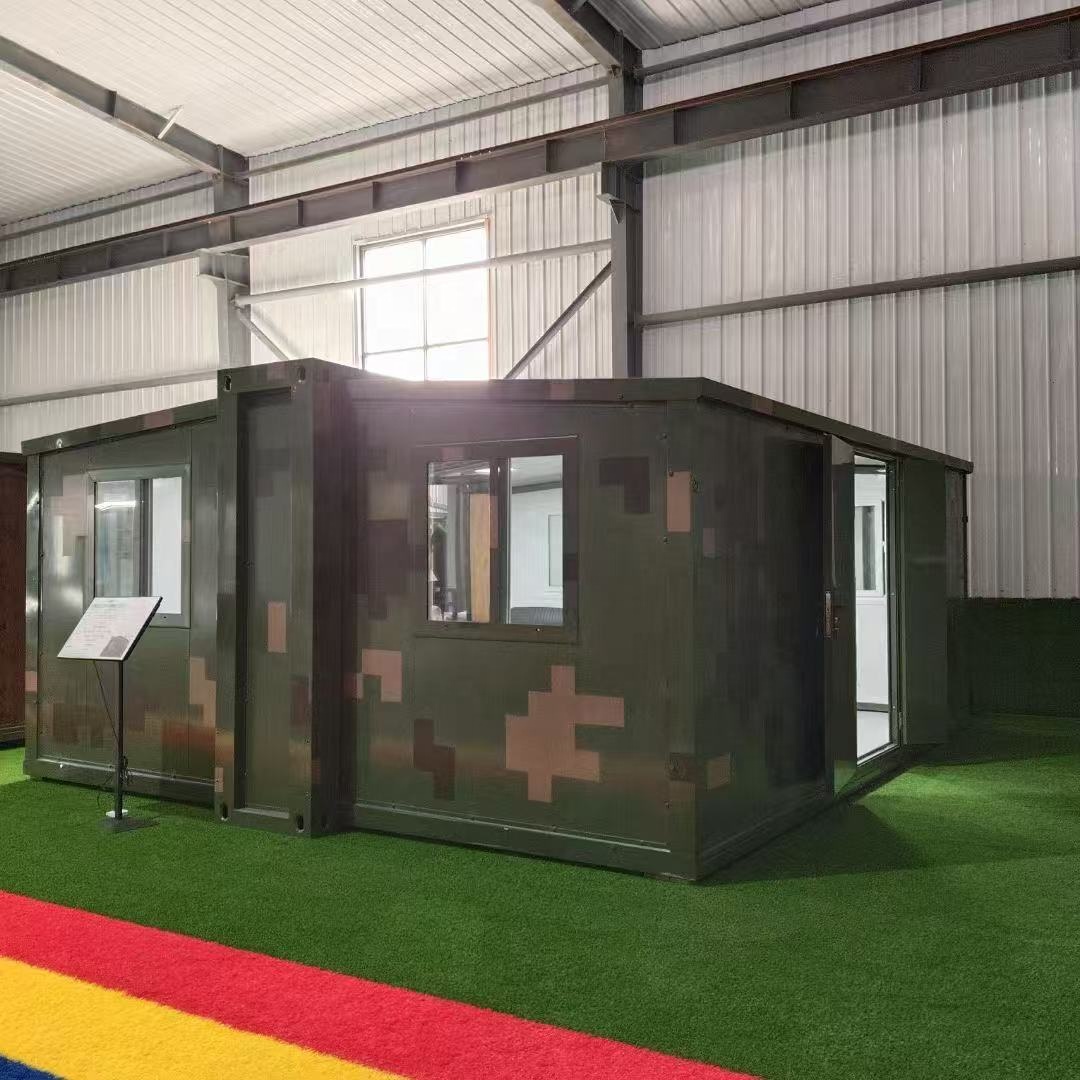
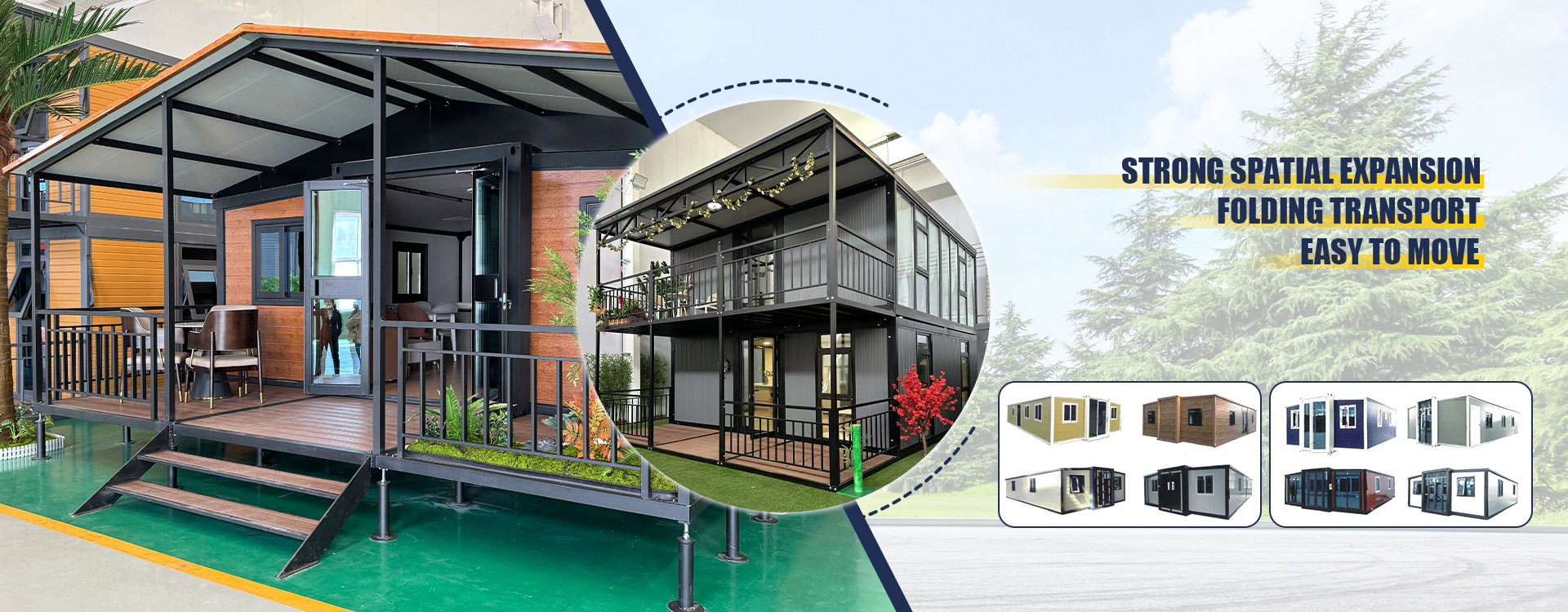
China folding house price
Understanding the Dynamics of China Folding House Price
The concept of a folding house in China often evokes curiosity, maybe even skepticism. People wonder about cost, durability, and practicality. In China, folding house prices are a fascinating area, where innovation meets real-world challenges. But why and how do these prices fluctuate? Let’s dive into this complex subject.
The Market Landscape
Speaking of the folding house industry, one cannot ignore the role of companies like SHANDONG JUJIU INTEGRATED HOUSING CO., LTD. They’ve made strides in developing modern foldable living solutions. Their products cater to both urban and remote areas—a delicate balance between innovation and necessity.
Price variations often stem from material costs and logistical elements. With steel and other raw materials seeing fluctuating prices, companies constantly adapt. It’s no surprise to see price tags shift with global market trends and local demand.
Moreover, pricing is heavily influenced by the customization demand. Homebuyers increasingly desire personalized designs, and meeting such needs drives up the costs. This customization trend has pushed companies like Shandong Jujiu to invest more in R&D and expand their design capabilities.
Challenges and Considerations
Shipping and installation are significant factors impacting prices. Especially when transporting to remote or inaccessible regions, logistical complexities can add to expense. Companies like Shandong Jujiu have to deal with these intricacies regularly. Their integrated approach helps somewhat mitigate these challenges but doesn’t eliminate them entirely.
Durability often correlates with price. Cheaper options might be tempting, but long-term resilience is where the real cost-efficiency lies. Experienced buyers focus on life cycle costs rather than upfront savings. Shandong Jujiu’s focus on quality materials and robust construction plays well into this consideration.
Environmental regulations also play a role. Sustainable materials and practices are more costly but have become necessary, given the global push towards greener construction. Shandong Jujiu’s initiative towards eco-friendly solutions might mean higher initial costs but offer value in meeting these evolving standards.
The Influence of Technological Advancements
Technology is a double-edged sword when it comes to folding house prices. Innovations can reduce costs significantly, but the initial investment in new machinery and techniques can be prohibitive. Companies must balance this fine line of investing in technology that will ultimately lower production costs without breaking the bank upfront.
Shandong Jujiu, with its integrated approach, has managed to streamline production, though it’s a journey of constant recalibration. Embracing automation, they’ve managed to keep quality high while exploring ways to contain costs.
As new materials and construction methods continue to enter the market, the constant adaptation ensures that folding house prices remain dynamic, reflecting both technological leaps and associated costs.
Lessons from the Field
Real-world experiences often provide unexpected insights. During a project in a rural area, Shandong Jujiu faced unprecedented logistical hurdles due to unseasonal weather that impacted transportation. Such experiences underline the unpredictability inherent in this field.
Adaptation becomes a theme in the folding house industry—learning from setbacks and adjusting strategies accordingly. Real-time data and digital modeling are tools increasingly used to foresee such issues, yet nature always finds a way to surprise even the most prepared teams.
The human element—trust in expertise—cannot be overstated. Building client relationships, understanding specific needs, and proactive communication have proven essential in addressing unforeseen changes in costs or timelines.
Future Prospects
The future remains bright and challenging for the folding house price landscape. As urbanization continues at a rapid pace, demand for flexible, affordable housing solutions will only increase. Shandong Jujiu and others in the industry must continue to innovate, balancing cost with quality.
Potential economic shifts could affect both supply chains and consumer purchasing power. Companies will need to remain agile, adapting pricing strategies to reflect both threats and opportunities in global markets.
Ultimately, consumers are growing more informed and discerning about their choices. Transparent practices and stable pricing from companies like Shandong Jujiu can build stronger client relationships and drive the next phase of industry evolution.
Related products
Related products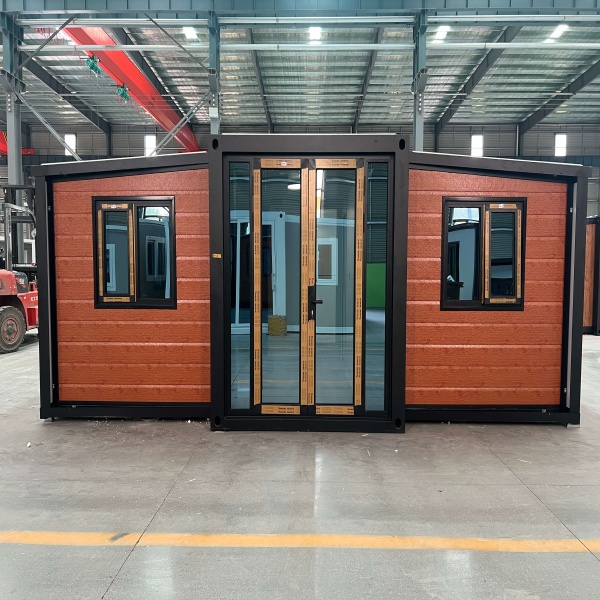
Best selling products
Best selling products-
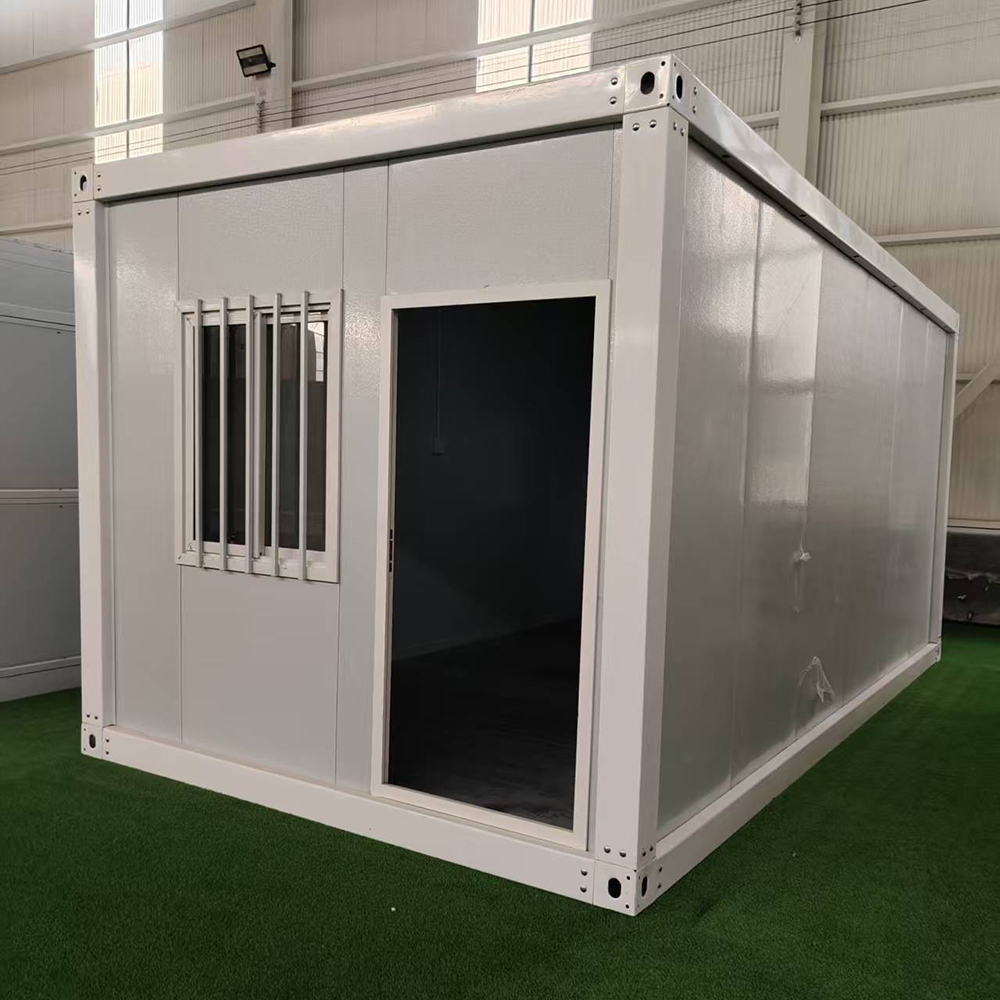 Folding Container Moving House Modular Office Container House Prefab Container for Outdoor Use
 -
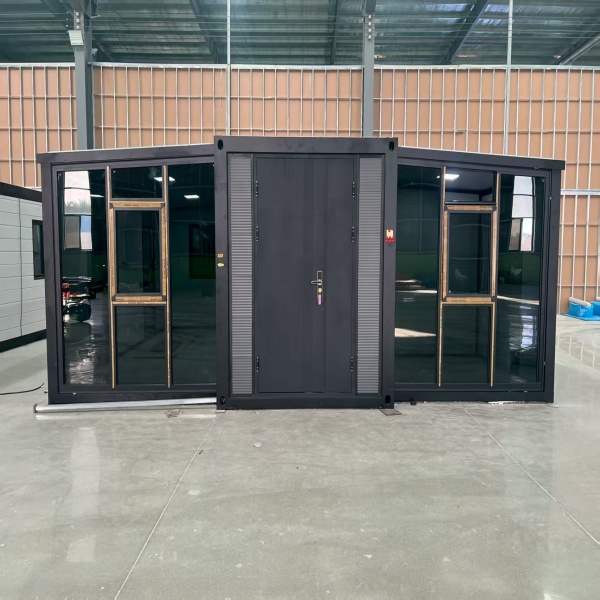
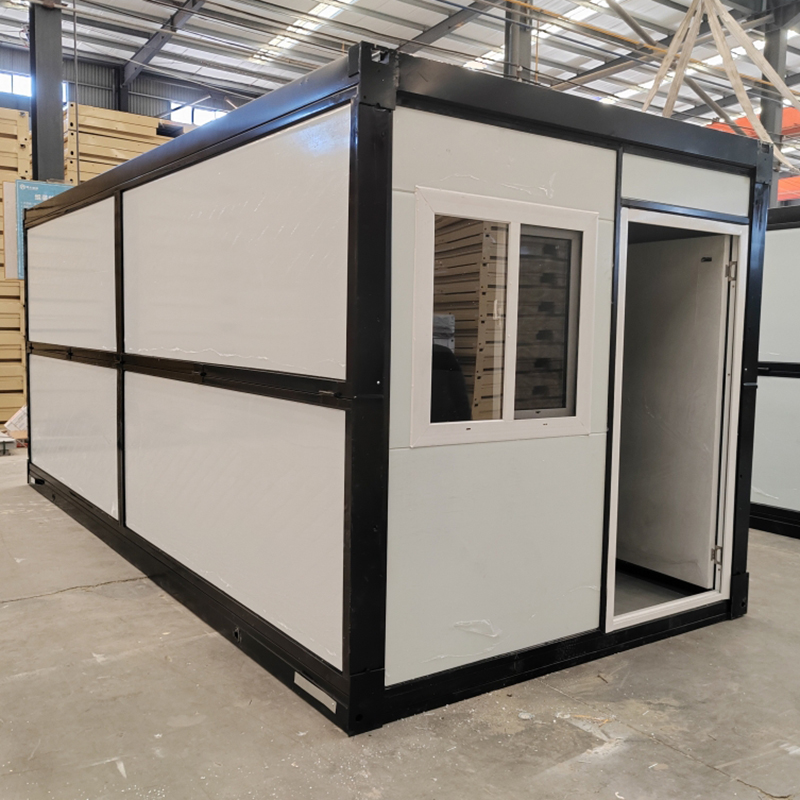 Detachable Design Prefabricated Container House Portable Modular Office Building Folding Container House
 -
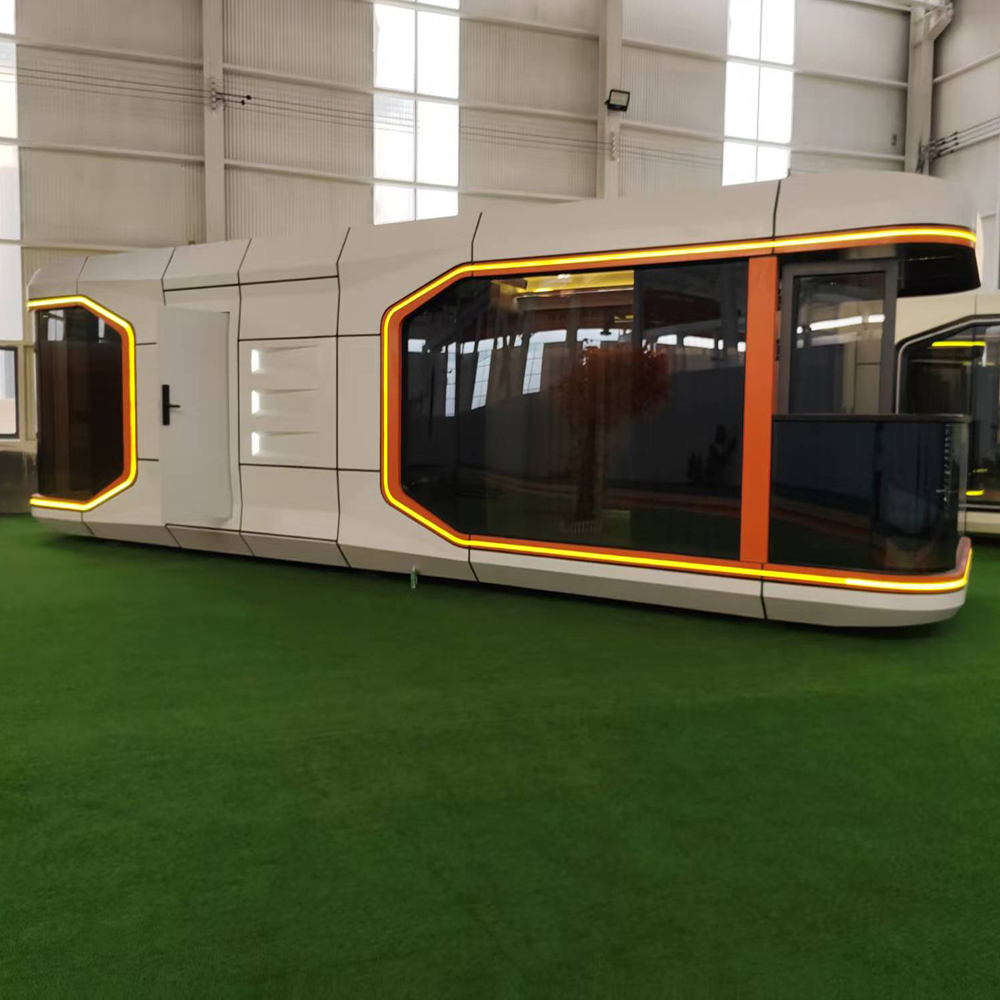 Standard Modern Camping Pod Space Prefabricated Portable Mobile Capsule Room Hotel Bathroom Prefabricated Spaceship House
 -
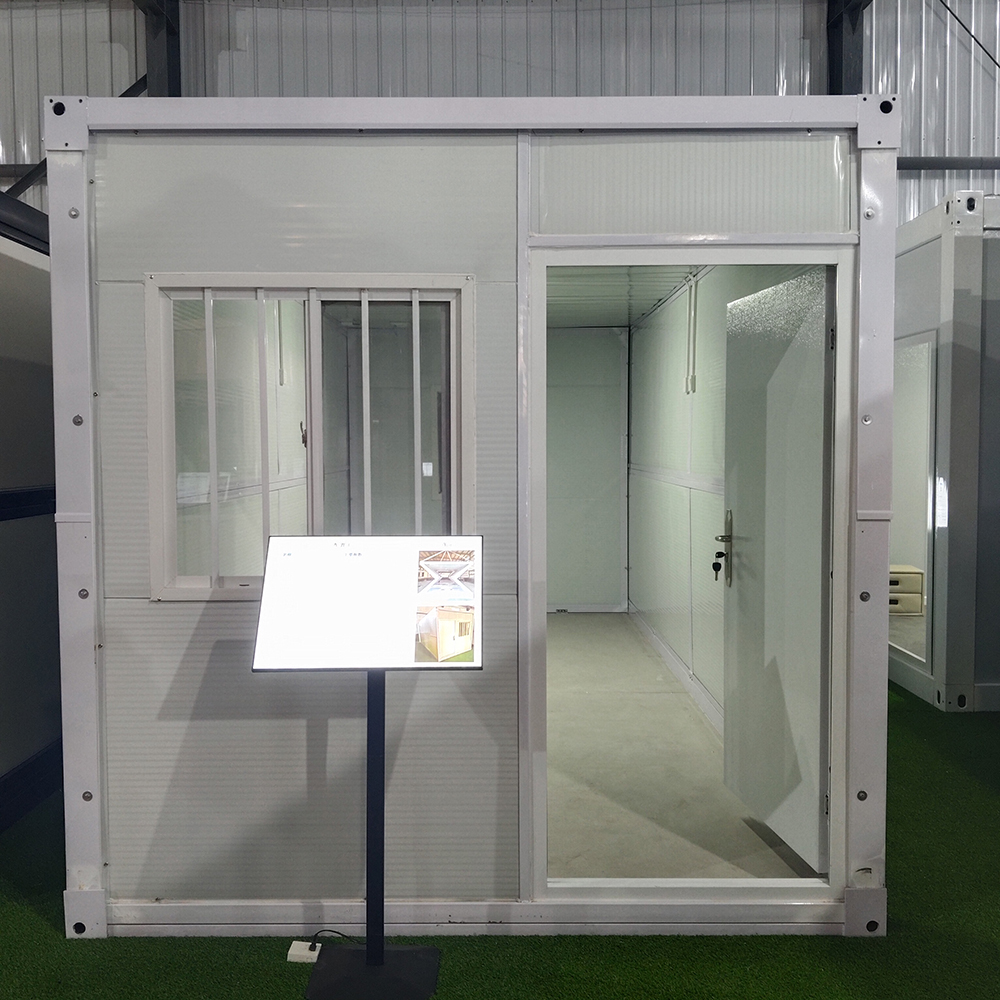 Reasonable Price 1 Bedroom Modular Container House Folding Container Home for Villa or Apartment Use
 -
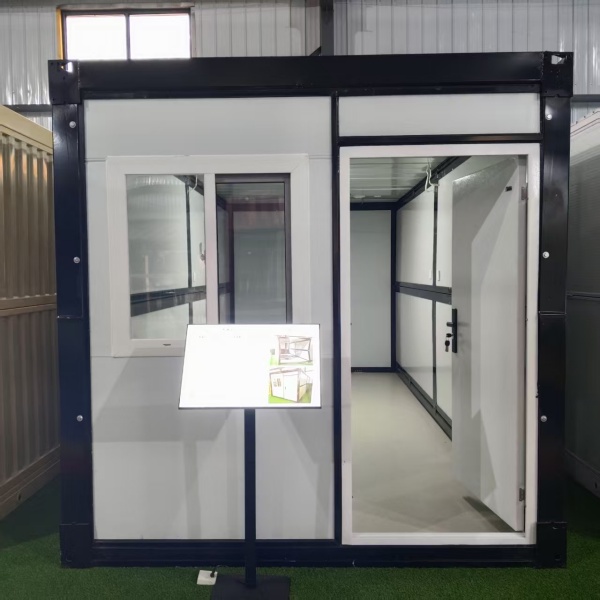 Hot-selling foldable container houses, expandable prefabricated houses, suitable for office or living use, with fast delivery.
 -
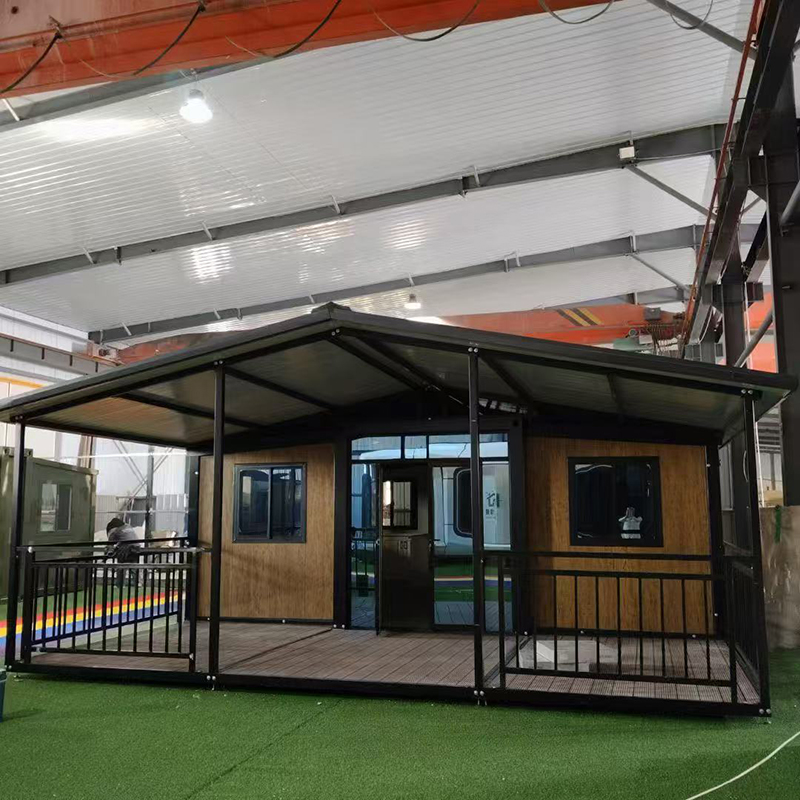
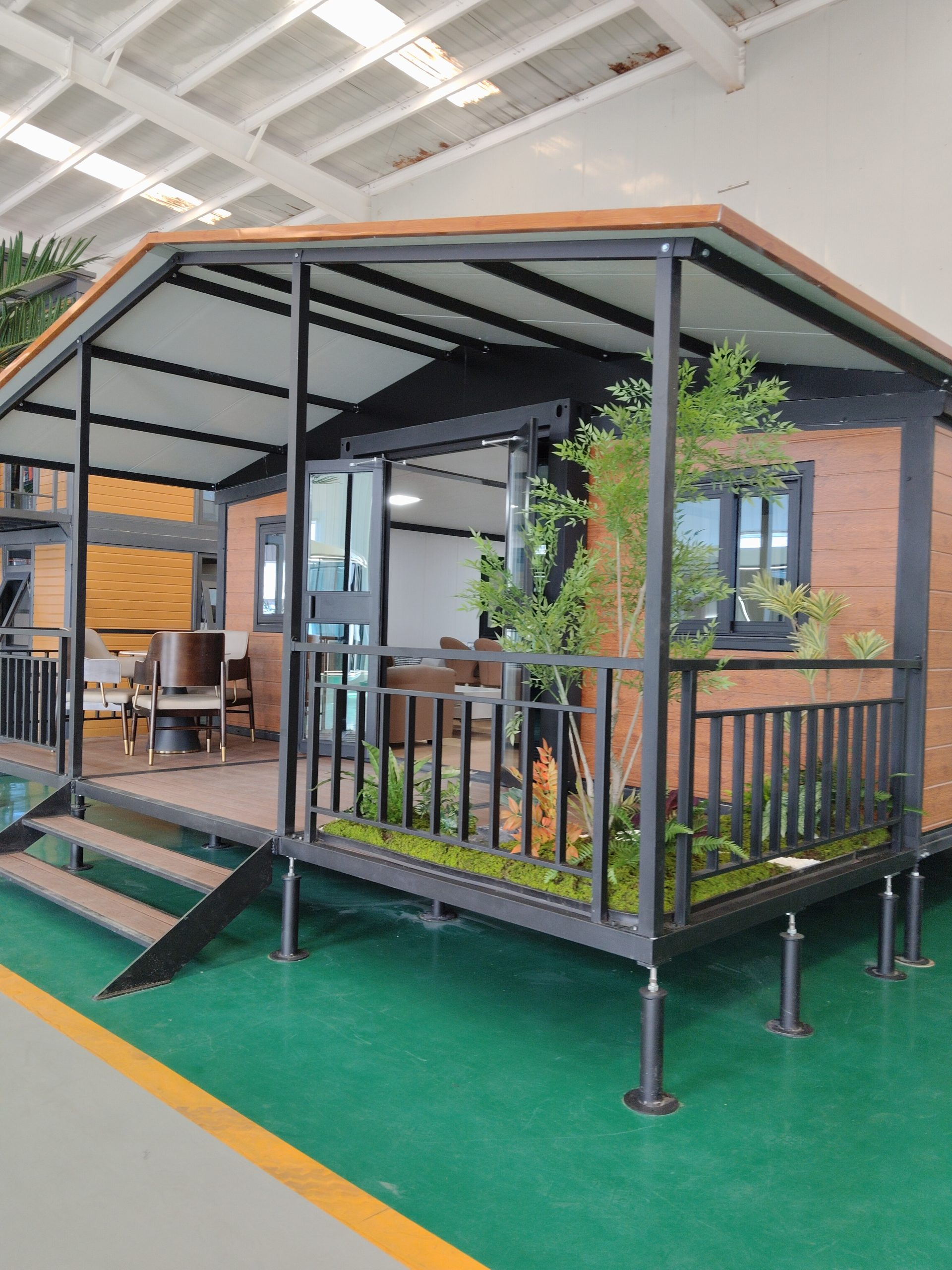 A container house with a terrace and double-wing folding design, suitable for various purposes such as offices, meeting rooms, living rooms, etc.
 -
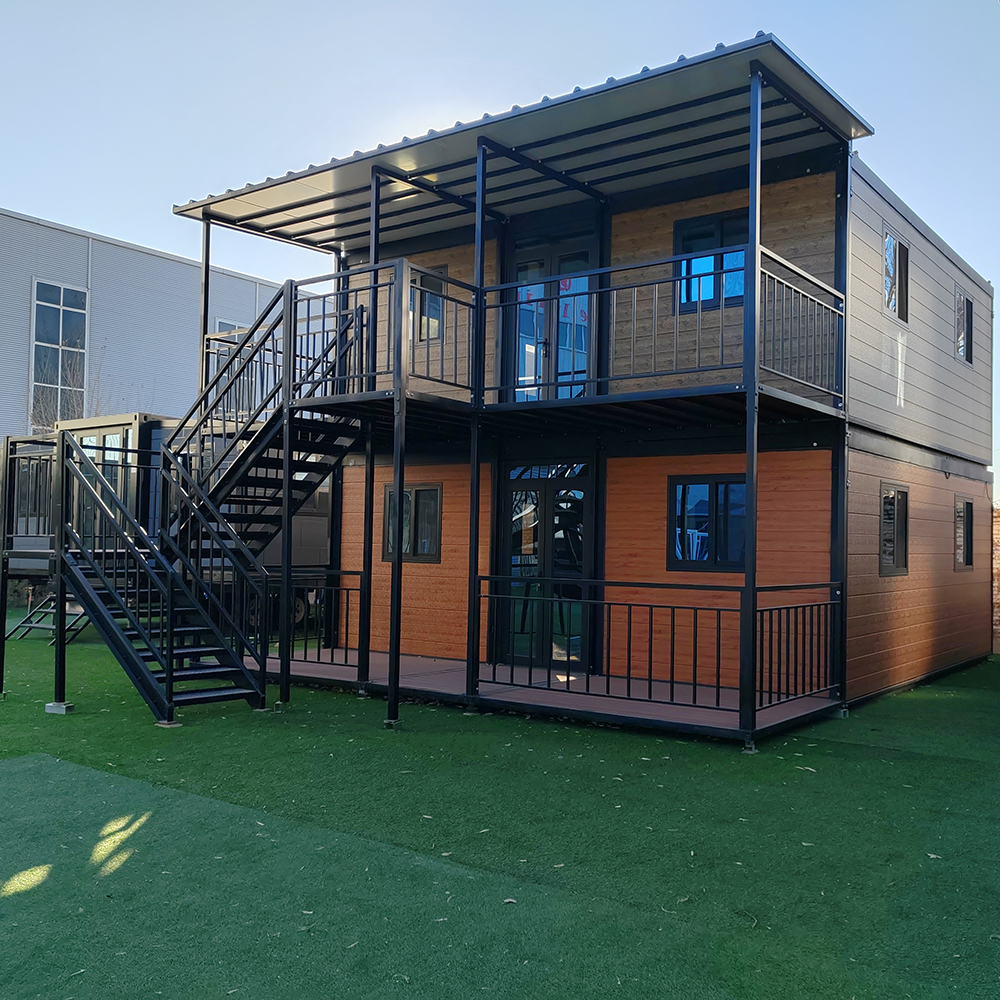 Easy Install Customized Detachable Container Homes Extendable House Prefab 2 Floors Expandable Container House
 -
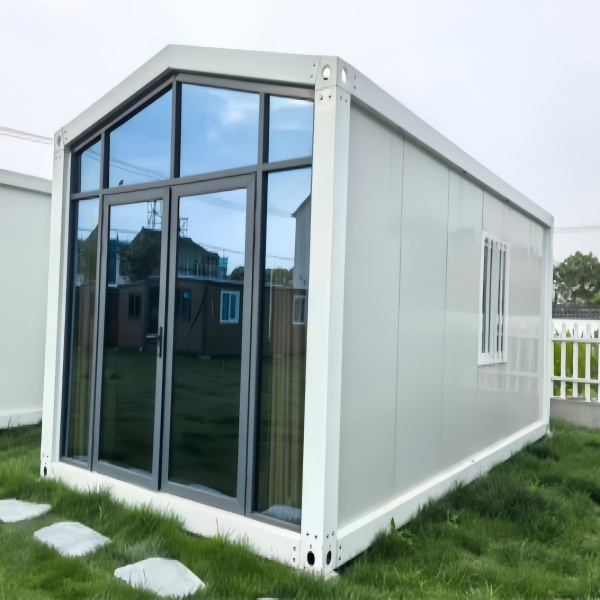 Waterproof folding container house – mobile accommodation for campsites/scenic spots
 -
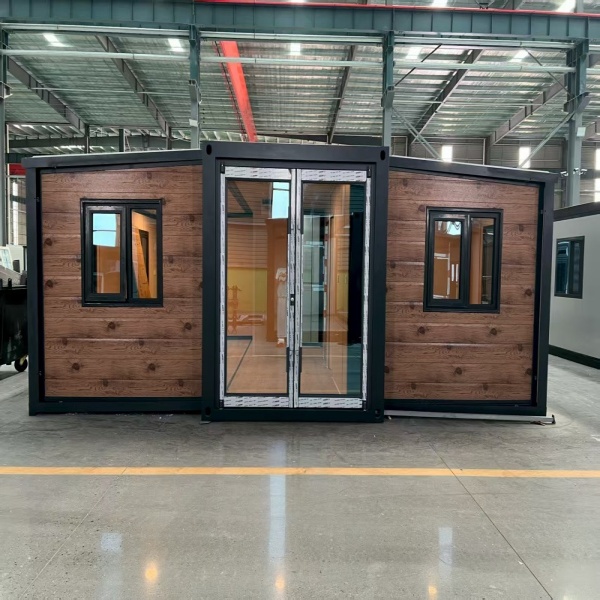 The foldable container house with side wing design can be quickly set up and is suitable for various environments.
 -
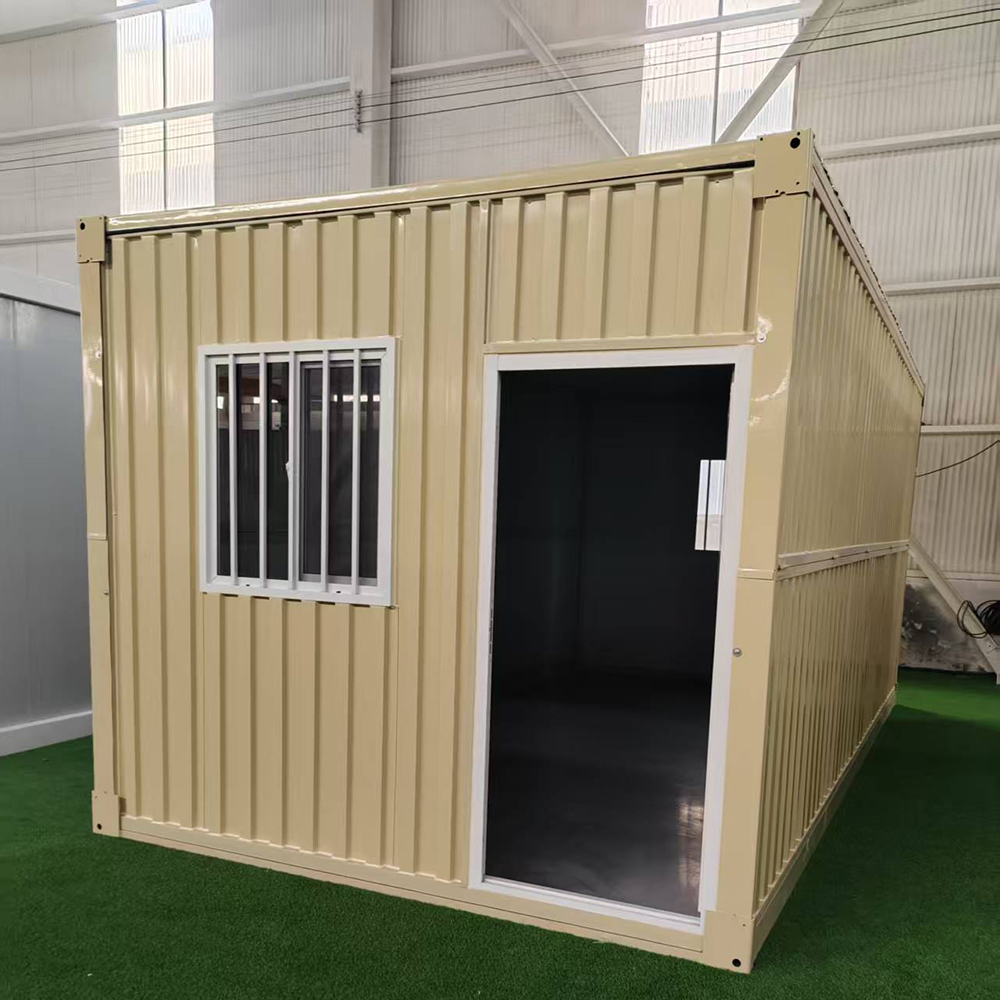 Competitive Price Portable Container House Foldable Container Mobile Living Modular Homes
 -
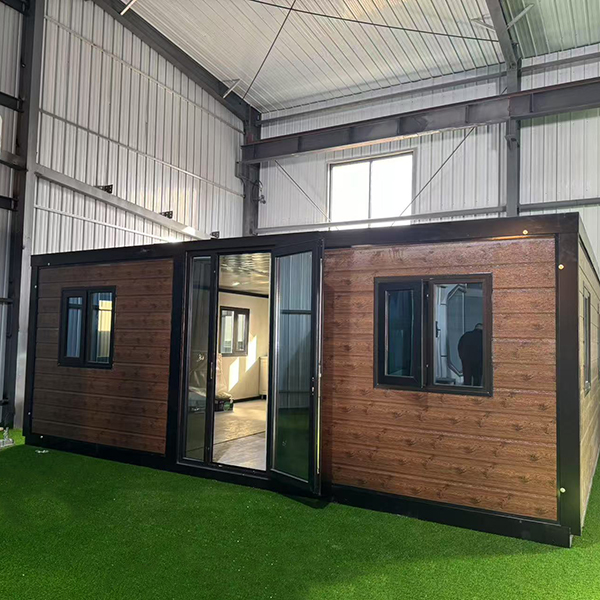 Good Quality Modular Homes Prefabricated House Expandable Container House 20FT Mobile Flat Roof House
 -
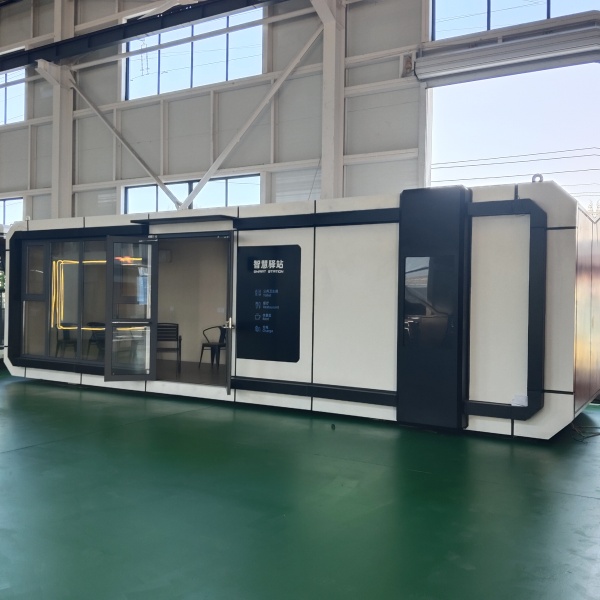 Modular modern movable apple cabins, customized high-end folk houses and portable bedrooms, delivered as a whole